

You are likely exhausted from overthinking. Your mind constantly replays past regrets or anxiously plans for a future that hasn't even happened. Whether you are stressing about an upcoming presentation or stewing over a coworker's comment, your brain is treating thoughts as reality. You don't have the hours to comb through a 200-page philosophical text. You just need a practical way to stop the mental noise and regain control over your life.
And if you're struggling to find the time for a full book, it can be helpful to start with the core ideas in a more digestible format.


Grasp the core wisdom of *The Power of Now* and other profound books in 15-minute audio or text summaries, perfect for busy days when you need clarity on the go.
 LeapAhead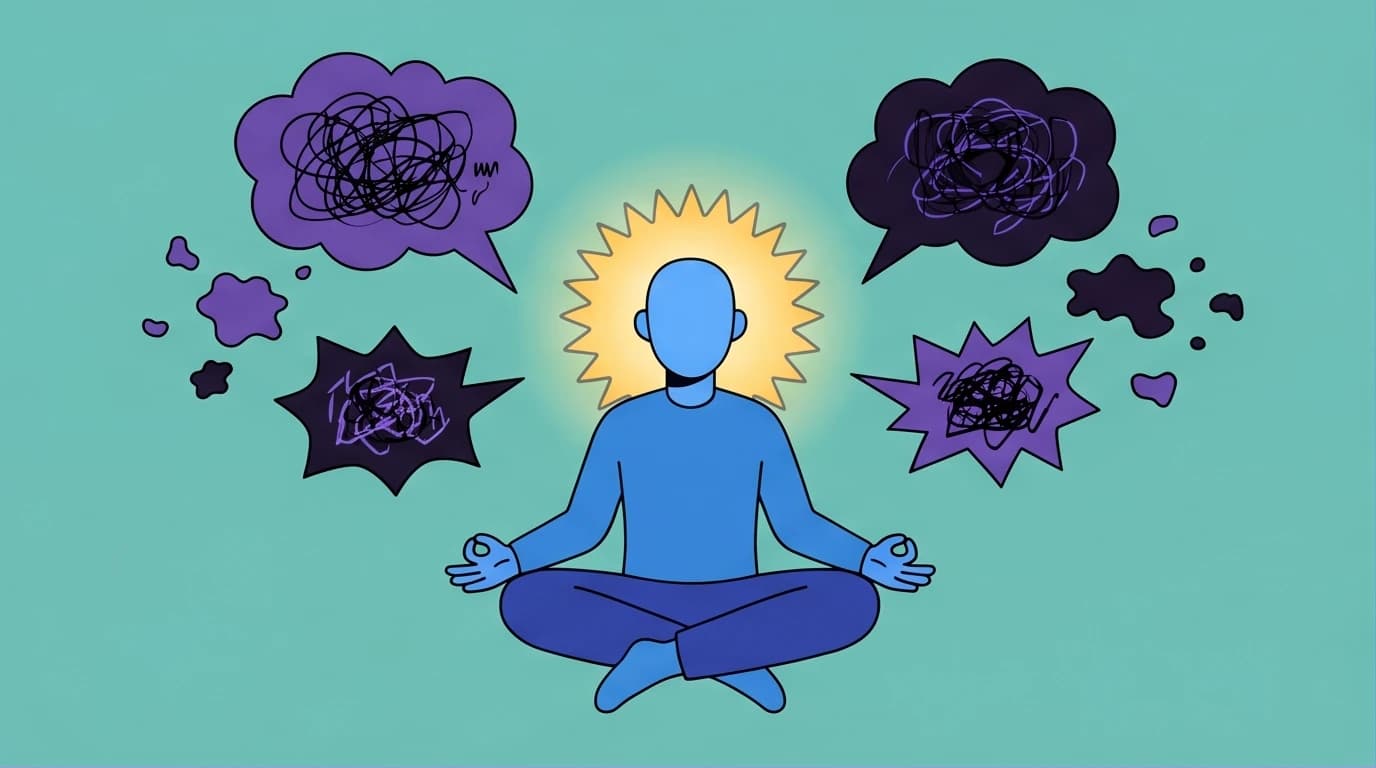
This comprehensive The Power of Now summary strips away the complex spiritual terminology to give you the exact framework Tolle uses to conquer anxiety and live fully in the present.
The Core Philosophy: Why Your Mind is Your Own Worst Enemy
Before diving into specific actions, you must understand the foundation of any Eckhart Tolle The Power of Now summary. Tolle argues that human beings suffer because they identify entirely with their minds. You believe you are your thoughts. This is a dangerous illusion.
The Illusion of Time
According to Tolle, the past and the future do not exist. They are mental constructs. The past is merely a collection of memory traces in your brain. The future is an imagined projection. The only thing that is undeniably real is the Now. When you worry about missing a deadline next week, you are experiencing anxiety in the present moment over an event that only exists in your imagination.
The Ego (The False Self)
The ego is the voice in your head. It thrives on drama, conflict, and a constant need for validation. It survives by drawing identity from the past ("I am a failure because my startup went bankrupt") and seeking fulfillment in the future ("I will be happy when I buy that house"). If you constantly feel defensive, easily offended, or inadequate, that is your ego driving the vehicle.

The Pain-Body
Tolle introduces the concept of the "pain-body." This is the accumulated emotional pain you carry around. It acts almost like an independent entity living inside you, feeding on negative thinking and emotional drama. Have you ever noticed how sometimes you actively want to be angry or pick a fight over something trivial? That is the pain-body feeding itself. Recognizing it is the first step to starving it.
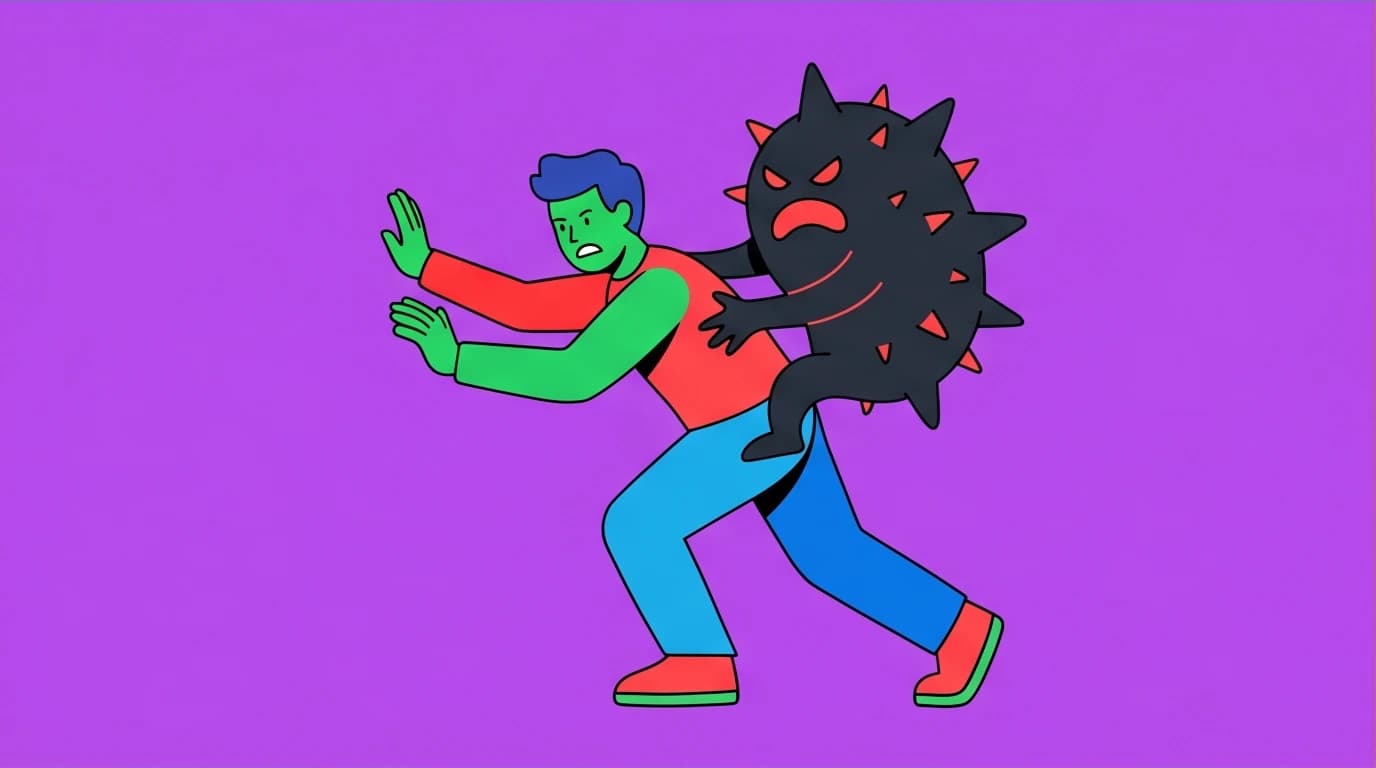
To truly dismantle this pattern, it's crucial to understand how the pain-body is intertwined with the ego. For a more detailed guide on identifying and dissolving these deep-seated emotional patterns, explore our article below.
If the concept of the pain-body resonates with you, you might realize how often that inner voice dictates your happiness. Learning to separate your true self from this mental chatter is a lifelong practice. For a brilliant companion guide that dives even deeper into observing your thoughts and untethering yourself from past emotional baggage, Michael A. Singer's masterwork is an absolute must-read. It offers an incredibly accessible approach to silencing your inner critic and stepping into a state of continuous inner freedom.

The Untethered Soul
Michael A. Singer
 26 Duration
 9 Key Points
 4.6 Rate
The Power of Now Chapter Summary: A Logical Progression
To give you a structured view of the book without reading every page, here is a condensed The Power of Now chapter summary. We have organized the ten original chapters into three practical phases.
Phase 1: Diagnosing the Problem (Chapters 1-3)
The book opens by attacking the myth that "you are your mind." Tolle explains how compulsive thinking is an addiction. He introduces the concept of watching the thinker. When you start observing the voice in your head rather than acting on it, a new dimension of consciousness emerges. You realize the present moment is the only true reality.
Phase 2: Escaping the Trap (Chapters 4-6)
These chapters focus on practical strategies to anchor yourself in the present. Tolle discusses the difference between "clock time" (using time for practical purposes like scheduling a meeting) and "psychological time" (tying your identity and happiness to the past or future). He also explains how the body serves as a portal to the Now. By focusing intensely on your inner energy field—feeling the life inside your hands or breathing—you pull consciousness away from anxious thoughts.
Grounding yourself in the present moment often sounds simple in theory but feels impossibly hard when your mind is racing a mile a minute. If you are looking for gentle, highly practical exercises to pull your consciousness out of a stressful psychological time loop, turning to the teachings of Zen master Thich Nhat Hanh can be incredibly grounding. His work provides simple mindfulness techniques—like conscious breathing and mindful walking—that you can practice anywhere, whether you are washing dishes or sitting in rush-hour traffic.

Peace is Every Step
Thich Nhat Hanh
37 Duration8 Key Points4.6 RatePhase 3: Relationships and Surrender (Chapters 7-10)
Tolle shifts to external challenges. He details how relationships fail when two egos collide and how love is impossible if you are trapped in your mind. The final chapters introduce the ultimate practice: Surrender. Surrender is not about passive resignation or giving up. It is about accepting the reality of the present moment exactly as it is, without internal resistance, before taking action.
Surrender isn't about giving up; it is about dropping the exhausting mental fight against reality. If you want to master this specific skill of surrendering to your circumstances and letting go of the inner resistance that fuels your pain-body, understanding the mechanics of emotional release is incredibly helpful. Dr. David R. Hawkins provides a phenomenal, scientifically backed framework for releasing negative emotions. It is an excellent next step for anyone looking to shed layers of anxiety and improve their relationships through radical acceptance.
Letting Go
David R. Hawkins, M.D., Ph.D.
39 Duration8 Key Points4.6 RateThe Power of Now Key Takeaways: Actionable Rules for Daily Life
If you are looking for the ultimate The Power of Now cliff notes, these are the non-negotiable practices you can implement immediately.
1. "Watch the Thinker"
Do not try to forcefully stop your thoughts. That rarely works. Instead, act as a silent witness. When a negative thought arises ("I'm going to bomb this interview"), observe it objectively. Say to yourself, "My mind is currently producing an anxious thought about an interview." The moment you observe the thought, you realize you are not the thought. You are the awareness behind it.
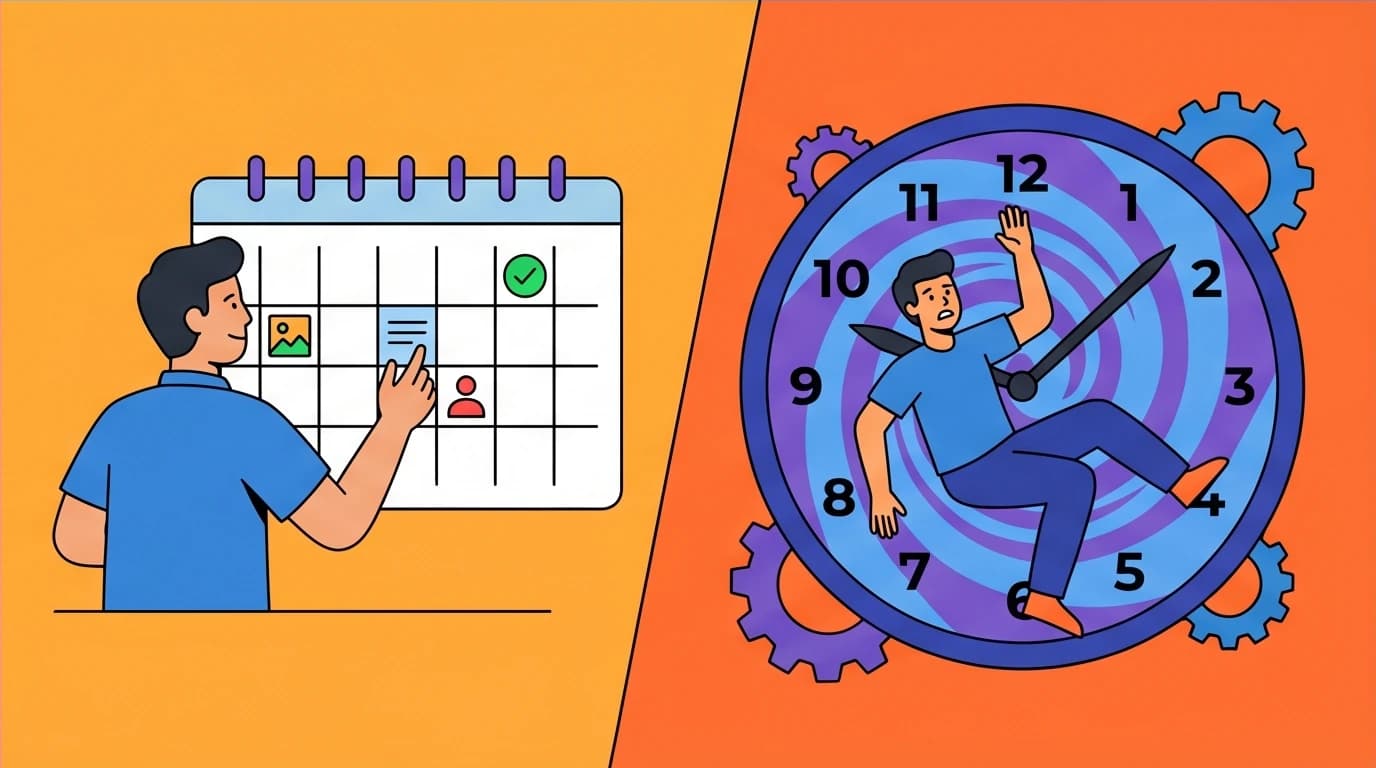
2. Differentiate Clock Time vs. Psychological Time
Use time practically, but drop it psychologically.
- Clock Time: Setting your alarm for 6:00 AM, analyzing a past marketing campaign to fix a mistake, or booking a flight.
- Psychological Time: Beating yourself up emotionally for an error you made five years ago, or believing your life lacks meaning until you hit a $100K salary.
Use clock time to function in society. Drop psychological time to save your sanity.
3. Practice Awakened Doing (The Three Modalities)
Tolle insists that any action you take should fall into one of three modalities. If it doesn't, you are creating suffering for yourself and others.
- Acceptance: If you are stuck in traffic for 10 miles on the 405 freeway, you cannot change it. Accept it fully. Stop fighting the reality of the traffic.
- Enjoyment: Finding joy in the simple execution of a task, regardless of the outcome.
- Enthusiasm: Action accompanied by a deep, visionary goal.
If you cannot accept, enjoy, or be enthusiastic about what you are doing, you must stop doing it.
4. Wait for the Urge to Speak to Pass
When someone criticizes you, notice the immediate, burning desire in your chest to defend yourself. That is the ego fighting for survival. Practice letting that urge pass. You do not always need to prove you are right. Dropping the need to be right frees up a massive amount of mental energy.
These takeaways provide a powerful framework for changing your relationship with your mind. If you're ready to turn these insights into a consistent habit, our guide offers specific exercises and daily routines.
Common Misconceptions to Avoid
Reading a The Power of Now key takeaways list can sometimes lead to misunderstandings. Avoid these common traps:
Misconception: "Surrendering means I become lazy and let people walk over me."
Truth: Surrender is an internal state, not an external action. It means dropping the internal resistance to what is. If you are standing in a freezing rainstorm, surrender doesn't mean saying, "I guess I'll just freeze to death." It means accepting the rain is happening, dropping the anger about getting wet, and then calmly walking into a building.
Truth: Surrender is an internal state, not an external action. It means dropping the internal resistance to what is. If you are standing in a freezing rainstorm, surrender doesn't mean saying, "I guess I'll just freeze to death." It means accepting the rain is happening, dropping the anger about getting wet, and then calmly walking into a building.
Misconception: "Living in the Now means I shouldn't plan for the future."
Truth: Planning for the future is a function of the present moment. You sit down now at your desk to organize your calendar or invest your money. The trap is believing the future will miraculously save you or provide the peace you lack today.
Truth: Planning for the future is a function of the present moment. You sit down now at your desk to organize your calendar or invest your money. The trap is believing the future will miraculously save you or provide the peace you lack today.
Misconception: "I need to eliminate all my emotions."
Truth: Emotions are natural reflections of your mind in your body. Tolle does not advocate turning into a robot. He warns against being controlled by the pain-body. Feel the emotion fully in the present moment, but do not let your mind spin a dramatic story around it.
Truth: Emotions are natural reflections of your mind in your body. Tolle does not advocate turning into a robot. He warns against being controlled by the pain-body. Feel the emotion fully in the present moment, but do not let your mind spin a dramatic story around it.
Reading a comprehensive summary is a fantastic way to grasp these concepts quickly, but there is immense value in letting Tolle's original words wash over you. His writing acts almost as a meditative practice in itself, deliberately structured to shift your state of consciousness as you turn the pages. If you are ready to completely transform your relationship with your mind and put an end to chronic overthinking, picking up the full, unabridged text is one of the greatest investments you can make in your personal well-being.
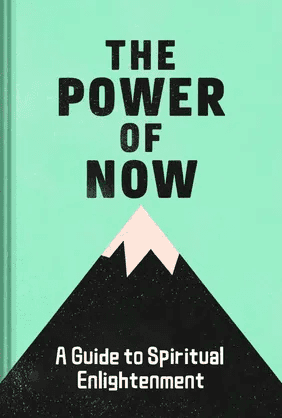
The Power of Now
Eckhart Tolle
36 Duration9 Key Points4.6 RateWhile the full text offers a deep, meditative experience, we know that life gets in the way. If your goal is to absorb powerful ideas like Tolle's but you're too exhausted to read after a long day, a different approach might fit your lifestyle better.
Turn your commute or downtime into learning time by listening to key insights from the world's best non-fiction books, helping you grow without the burnout.
LeapAheadIf Tolle's ideas resonate with you, sometimes a single, powerful quote can be enough to bring you back to the present moment. We've compiled a list of his most transformative words to serve as daily inspiration.
FAQ
Is The Power of Now a religious book?
No. While Eckhart Tolle frequently references teachings from Jesus, Buddha, and Zen masters, the book is strictly secular and spiritual. He uses these figures to illustrate universal human truths about consciousness, not to promote a specific theology. You can practice these techniques regardless of your religious background.
No. While Eckhart Tolle frequently references teachings from Jesus, Buddha, and Zen masters, the book is strictly secular and spiritual. He uses these figures to illustrate universal human truths about consciousness, not to promote a specific theology. You can practice these techniques regardless of your religious background.
How do I deal with a partner or coworker who is trapped in their pain-body?
When someone attacks you emotionally, they are entirely identified with their pain-body. Do not attack back—that only feeds their ego. Stay fiercely present. Listen without reacting. Your calm, non-judgmental presence will act as a mirror, often forcing their ego to lose its momentum. You cannot force them to be present; you can only hold the space of presence yourself.
When someone attacks you emotionally, they are entirely identified with their pain-body. Do not attack back—that only feeds their ego. Stay fiercely present. Listen without reacting. Your calm, non-judgmental presence will act as a mirror, often forcing their ego to lose its momentum. You cannot force them to be present; you can only hold the space of presence yourself.
How long does it take to actually achieve "presence"?
Presence is not a destination you arrive at after months of practice. It is only accessible right now. You can step into presence instantly by feeling the inner body or taking a single, conscious breath. The challenge is not achieving it; the challenge is sustaining it throughout the day. It requires consistent daily practice.
Presence is not a destination you arrive at after months of practice. It is only accessible right now. You can step into presence instantly by feeling the inner body or taking a single, conscious breath. The challenge is not achieving it; the challenge is sustaining it throughout the day. It requires consistent daily practice.
Should I buy the full book if I already read this summary?
If you want the core operating system, this summary gives you exactly what you need to start changing your life today. However, if you find yourself struggling to fully grasp the concept of the pain-body, or if you enjoy deep, meditative reading experiences that slowly shift your perspective, picking up the full copy from Amazon or Barnes & Noble is highly recommended. The book itself operates as a meditation tool.
If you want the core operating system, this summary gives you exactly what you need to start changing your life today. However, if you find yourself struggling to fully grasp the concept of the pain-body, or if you enjoy deep, meditative reading experiences that slowly shift your perspective, picking up the full copy from Amazon or Barnes & Noble is highly recommended. The book itself operates as a meditation tool.