

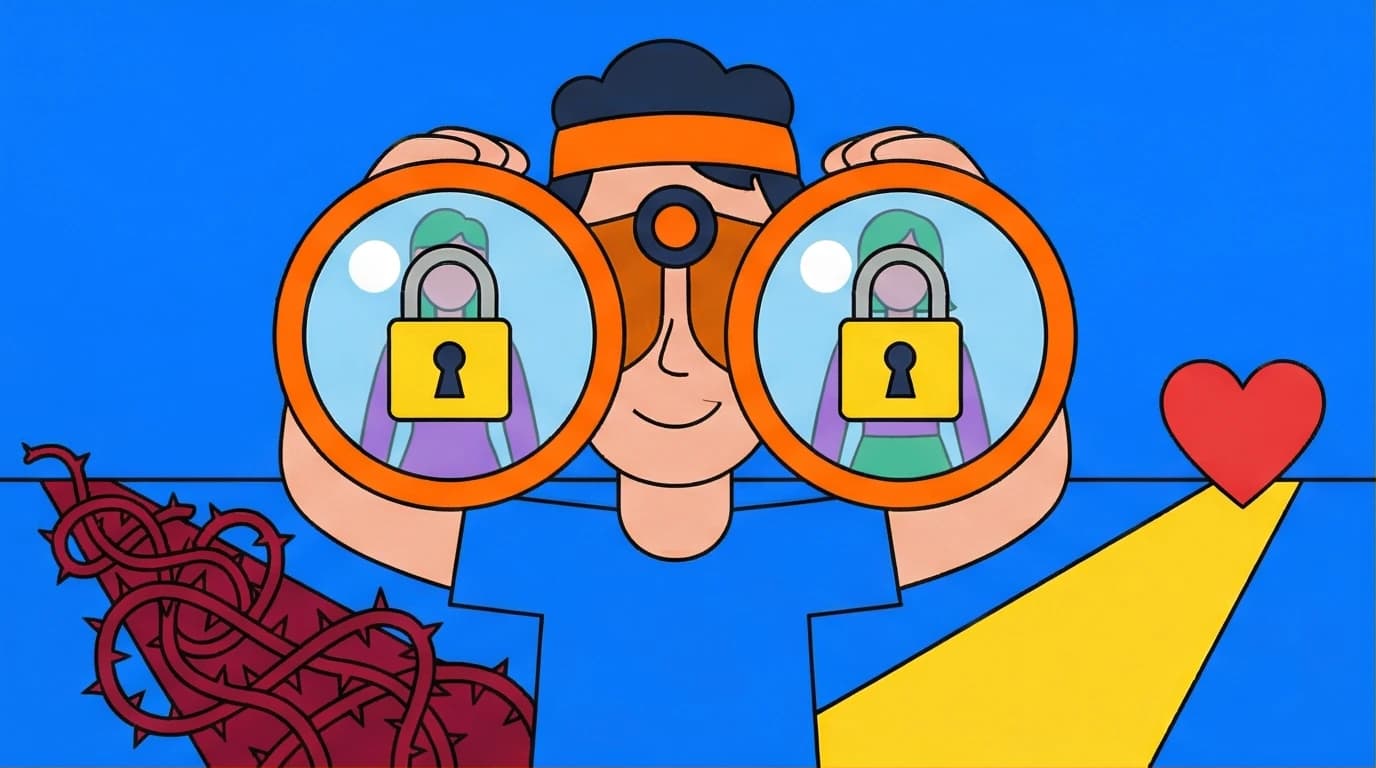
You match on Hinge. The banter is sharp, the first few dates are incredible, and you finally feel a genuine connection. Then, out of nowhere, they pull back. Texting slows down. They get vague about weekend plans. When you ask what is going on, they hit you with the classic, "I'm just really busy with work right now," or "I don't like putting labels on things."
You are emotionally drained, staring at your phone, wondering what you did wrong.
You didn't do anything wrong. You simply ran into an avoidant. Dating apps are saturated with emotionally unavailable people because they cycle through partners faster than anyone else. If you are tired of getting ghosted or trapped in endless situationships, you need a ruthless filtering system.
Here is exactly how to spot an avoidant partner before you invest your time, energy, and heart.
The Reality of Dating an Avoidant
Dating an avoidant feels like playing a game where the rules constantly change. People with an avoidant attachment style equate intimacy with a loss of independence. The closer you get to them, the more their internal alarm bells ring.
They do not consciously wake up wanting to hurt you. But their nervous system is wired to perceive closeness as a threat. When the relationship starts getting real, they use "deactivating strategies"—subconscious behaviors designed to create distance and turn off their attachment system.
If you do not recognize these strategies early, you will spend months walking on eggshells, over-analyzing every text, and trying to prove your worth to someone incapable of meeting your emotional needs.
This push-pull dynamic often creates a painful cycle, especially for those with an anxious attachment style. If this pattern feels familiar, it's crucial to understand why it happens and how to break free.
If you find yourself constantly confused by these push-and-pull relationship dynamics, it helps to understand the psychology behind them. Diving deep into attachment theory can completely change the way you view love and human connection. To make sense of why partners pull away just when things start getting intimate, you might want to explore the groundbreaking work on emotional bonding. It provides incredible clarity on how our nervous systems react to closeness and gives you the tools to break out of exhausting emotional cycles.
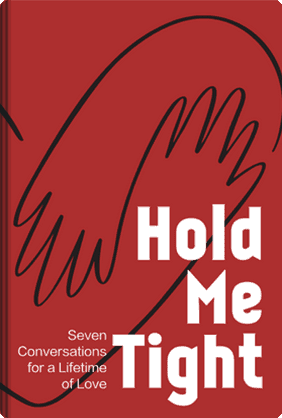
Hold Me Tight
Dr. Sue Johnson
 26 Duration
 10 Key Points
 4.6 Rate
While books like these offer profound insights, it can be tough to find the time and mental energy to read them, especially when you're feeling drained by the dating scene. For a quicker way to grasp these foundational concepts, an app can be incredibly helpful.


Listen to the key ideas from relationship psychology books in just 15-minute summaries, helping you understand complex attachment styles without the heavy reading.
 LeapAhead
Early Signs: How to Spot an Avoidant Partner
You do not need to wait six months to figure out if someone is emotionally available. Avoidants reveal themselves in the first few weeks if you know exactly what to look for.
1. The Hot and Cold Cycle (Mixed Signals)
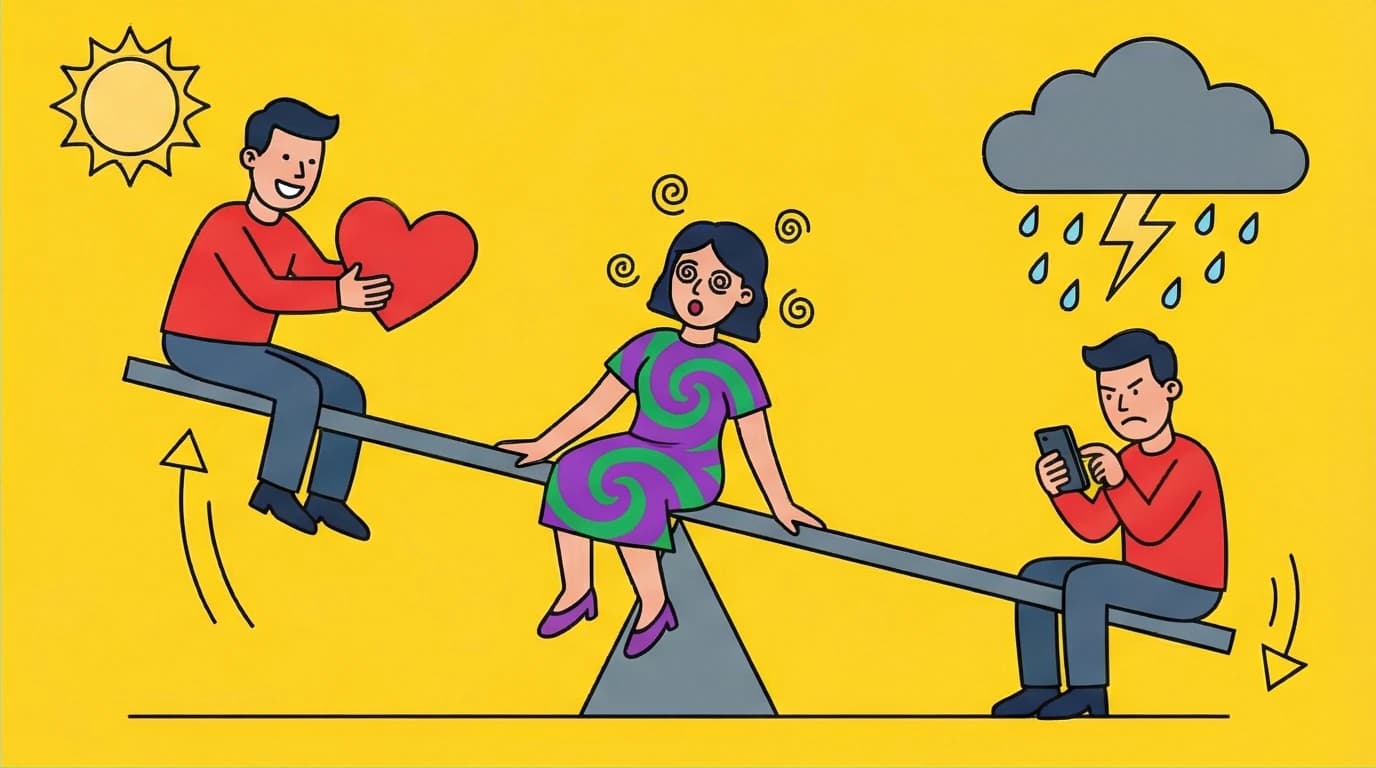
One week, they act like you are their favorite person. They plan romantic dates, text you good morning, and talk about a concert you should both go to next month. The following week, they act like a casual acquaintance. They take 14 hours to reply to a simple text and give one-word answers.
This happens because the initial closeness triggered their fear of engulfment. They pull away to regain their sense of safety. When they feel sufficiently distant, the anxiety drops, and they might warm up again. Do not ride this rollercoaster.
2. Guarding Their Time and "Independence"
Watch how they treat their schedule. An avoidant partner will aggressively guard their independence. They treat relationships like an item on a checklist rather than an integrated part of their life. If you suggest changing plans or want to see them spontaneously, they get rigid, frustrated, or visibly uncomfortable. They want you to fit neatly into a designated box, usually on their exact terms.
3. Vague Communication and Dodging Labels
Ask them what they are looking for on a dating app. An avoidant will rarely give you a straight answer. You will hear things like:
- "I'm just going with the flow."
- "I want to see what happens, no pressure."
- "I'm not looking for anything serious right now, but I'm open to it if the right person comes along."
When someone tells you they do not want a relationship, believe them the first time.
4. Nitpicking and Phantom Flaws
This is a classic distancing technique. When things are going too well, an avoidant partner will suddenly fixate on minor flaws to justify pulling away. They might decide they cannot date you because you chew your food weirdly, your favorite color is too loud, or you live 10 miles too far away. These are not real dealbreakers; they are excuses manufactured by their brain to create a safe distance.
Recognizing these signs in a partner is the first step. The next is understanding your own attachment style, which reveals why you might be drawn to these dynamics in the first place.
Attached Book Red Flags You Shouldn't Ignore
If you have ever searched for answers to your dating anxiety, you have likely come across the book Attached by Amir Levine and Rachel Heller. Countless singles have ordered a copy off Amazon or listened to it on Audible to make sense of the dating market.
The book brilliantly breaks down the adult attachment styles. When looking for Attached book red flags, Levine and Heller highlight several specific behaviors that scream avoidant:
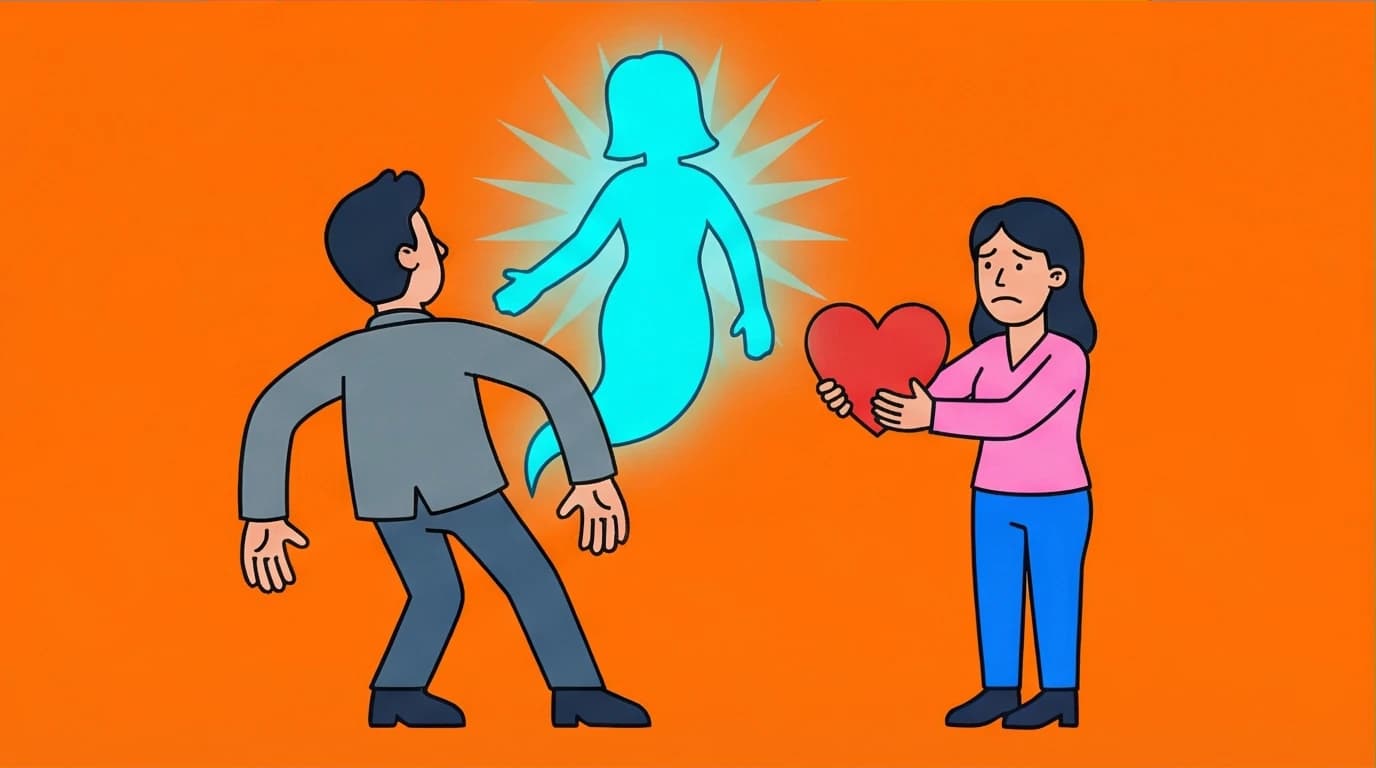
The "Phantom Ex" Obsession: They talk about a past partner who was "perfect," claiming they just cannot find anyone who measures up. This phantom ex is a shield. As long as they are pining for an idealized, unavailable person from the past, they do not have to commit to the real, flesh-and-blood person sitting right in front of them.
Devaluing You: They keep secrets, avoid saying "I love you," or imply you are too needy when you ask for basic communication.
Leaving Things Open-Ended: They rely on ambiguity. They might leave their dating profile active after you have agreed to be exclusive, or they maintain inappropriate contact with exes. It is all about keeping one foot out the door.
Since we are directly discussing the life-changing insights from Attached, there is no better time to recommend reading the source material yourself. If you have been struggling to figure out why your dating life feels like a constant rollercoaster, this specific book is an absolute must-read. It breaks down the science of adult attachment styles in a highly accessible way, giving you the exact vocabulary you need to identify avoidant behaviors, understand your own triggers, and ultimately stop chasing people who cannot offer you a secure emotional connection.
Attached
Amir Levine, PhD, Rachel Heller, MA
48 Duration9 Key Points4.5 RateThe Ultimate Filter: Attached Book Dating Advice
The single most powerful piece of Attached book dating advice is to practice effective communication early.
Avoidants hate direct emotional requests. Secure people welcome them. You can use this to your advantage to test a new partner within the first few dates. Express a basic need or boundary directly, calmly, and without anger.
The Test:
Let’s say they frequently take a full day to text you back, which makes you anxious.
Instead of playing games or matching their silence, say exactly what you want: "Hey, I really enjoy hanging out with you, but I'm the kind of person who likes consistent communication. When we go a whole day without talking, it doesn't work for me."
Let’s say they frequently take a full day to text you back, which makes you anxious.
Instead of playing games or matching their silence, say exactly what you want: "Hey, I really enjoy hanging out with you, but I'm the kind of person who likes consistent communication. When we go a whole day without talking, it doesn't work for me."
How to read the results:
- The Avoidant Reaction: They will get defensive, accuse you of being needy, or say, "I told you I'm just really busy." They will make you feel bad for asking.
- The Secure Reaction: They will listen, apologize, and adjust. "I'm sorry, I didn't realize that was bothering you. I can definitely be better at texting during the day."
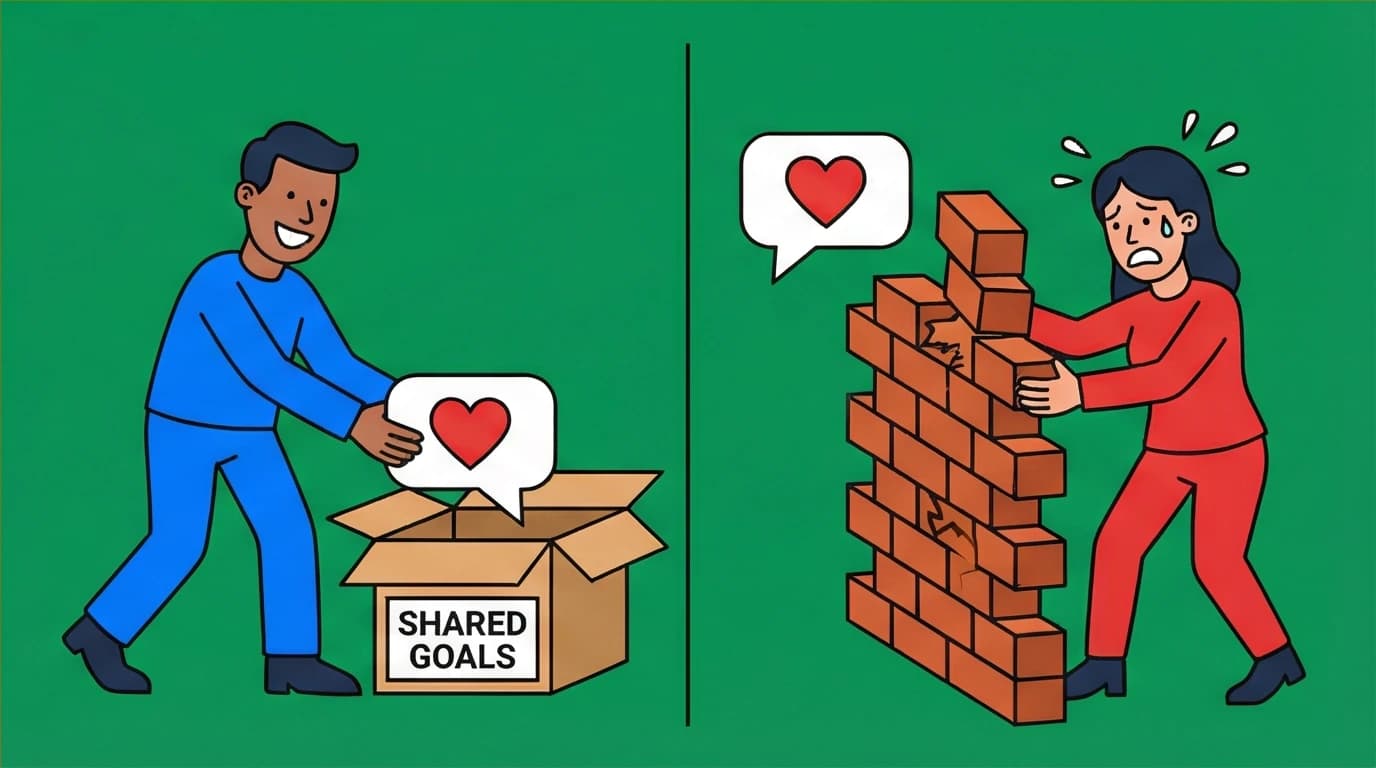
If they fail the effective communication test, cut your losses immediately. Do not try to fix them.
Testing for secure communication is incredibly effective, but holding firm when someone fails that test can be difficult—especially if you really like them. Learning how to establish non-negotiable standards early in the dating phase is a skill that takes practice. If you want a step-by-step guide on how to protect your heart, enforce healthy limits, and stop wasting time on the wrong matches, mastering the art of boundary-setting is essential. It will give you the confidence to walk away from emotionally unavailable people without second-guessing yourself.
Boundaries in Dating
Henry Cloud and John Townsend
27 Duration8 Key Points4.2 RateShifting Focus: How to Find a Secure Partner
Spotting the wrong people is only half the battle. The other half is keeping the right ones around. Often, people who repeatedly date avoidants have a broken internal radar. They mistake the anxiety of an avoidant's mixed signals for "butterflies" and "chemistry."
When you meet a secure person, you might initially feel like there is no spark. It might even feel boring. You need to recalibrate your brain to understand that peace is not boring; it is safe.
Here is how to find a secure partner and recognize them when they show up:
Look for consistency.
Secure people do what they say they are going to do. If they say they will call you at 7 PM, your phone rings at 7 PM. They do not leave you guessing about their feelings. They make plans in advance.
Secure people do what they say they are going to do. If they say they will call you at 7 PM, your phone rings at 7 PM. They do not leave you guessing about their feelings. They make plans in advance.
They share their life.
A secure person wants to integrate you into their world. They introduce you to their friends, they talk about their family, and they do not compartmentize you.
A secure person wants to integrate you into their world. They introduce you to their friends, they talk about their family, and they do not compartmentize you.
They handle conflict with grace.
When a disagreement happens, a secure partner does not stonewall you or threaten to leave. They stay in the conversation, listen to your perspective, and work toward a compromise. They view the two of you as a team tackling the problem, not as enemies fighting each other.
When a disagreement happens, a secure partner does not stonewall you or threaten to leave. They stay in the conversation, listen to your perspective, and work toward a compromise. They view the two of you as a team tackling the problem, not as enemies fighting each other.
Filter aggressively on dating apps.
Pay attention to the prompts on their Hinge or Bumble profiles. Secure people often have clear, positive profiles that show they are comfortable with themselves and looking for connection. Avoidants often use sarcastic, defensive, or overly superficial prompts.
Pay attention to the prompts on their Hinge or Bumble profiles. Secure people often have clear, positive profiles that show they are comfortable with themselves and looking for connection. Avoidants often use sarcastic, defensive, or overly superficial prompts.
Stop settling for breadcrumbs. Your time and emotional energy are finite resources. By learning to spot avoidant behaviors on date one or two, you free yourself up to find the secure, loving partnership you actually deserve.
Once you have fine-tuned your radar to filter out avoidant behavior, the next step is actively seeking out the kind of love that lasts. Modern dating can feel incredibly overwhelming, especially on the apps, but applying behavioral science to your romantic life can dramatically shift your results. If you are ready to break your bad dating habits, optimize how you look for a partner, and finally recognize a genuinely secure relationship when it comes along, this next read will be your ultimate dating playbook.
How To Not Die Alone
Logan Ury
25 Duration10 Key Points4.7 RateBuilding a library of knowledge from books like these is the best way to change your dating patterns for good. If your to-read list feels overwhelming or you struggle to find the time, you can turn your commute or workout into a powerful learning session.
Clear your 'reading debt' by getting the core lessons from bestselling dating and psychology books in short audio summaries that fit into any busy schedule.
LeapAheadFAQ
Can an avoidant partner change if I am patient enough?
They can change, but only if they recognize their pattern, actively want to change, and typically seek professional therapy. You cannot love someone into being emotionally available. Sticking around and hoping your patience will fix them is a recipe for heartbreak. Prioritize your own needs over their potential.
They can change, but only if they recognize their pattern, actively want to change, and typically seek professional therapy. You cannot love someone into being emotionally available. Sticking around and hoping your patience will fix them is a recipe for heartbreak. Prioritize your own needs over their potential.
How do I tell the difference between someone who is truly busy and an avoidant?
A secure person who is genuinely busy will still prioritize you. They will proactively communicate their schedule and lock down a specific time to see you. For example, "I am slammed with this project until Thursday, but I really want to see you. Can we do dinner Friday night?" An avoidant uses busyness as a vague shield and leaves plans hanging in the air.
A secure person who is genuinely busy will still prioritize you. They will proactively communicate their schedule and lock down a specific time to see you. For example, "I am slammed with this project until Thursday, but I really want to see you. Can we do dinner Friday night?" An avoidant uses busyness as a vague shield and leaves plans hanging in the air.
Why do I keep attracting avoidant partners?
If you have an anxious attachment style, your nervous system often interprets the high-highs and low-lows of an avoidant dynamic as passion or chemistry. Secure partners might initially feel "boring" to you because they don't trigger your anxiety. Recognizing this pattern is the first step to breaking it and choosing stability over chaos.
If you have an anxious attachment style, your nervous system often interprets the high-highs and low-lows of an avoidant dynamic as passion or chemistry. Secure partners might initially feel "boring" to you because they don't trigger your anxiety. Recognizing this pattern is the first step to breaking it and choosing stability over chaos.
Is it possible for two avoidants to have a relationship?
It is rare. Two avoidant people usually do not generate enough forward momentum or intimacy to get a relationship off the ground. They tend to drift apart quickly because neither is willing to bridge the emotional gap. Avoidants most commonly pair up with an anxiously attached individuals, creating a classic "anxious-avoidant trap."
It is rare. Two avoidant people usually do not generate enough forward momentum or intimacy to get a relationship off the ground. They tend to drift apart quickly because neither is willing to bridge the emotional gap. Avoidants most commonly pair up with an anxiously attached individuals, creating a classic "anxious-avoidant trap."