

You send a text, and hours go by with no reply. When you try to get closer, your partner emotionally or physically withdraws, leaving you feeling desperate, needy, and questioning your own sanity. This isn't just bad communication. It is the textbook reality of a push-pull dynamic that leaves you completely drained, anxious, and stuck.
What Exactly Is the Anxious Avoidant Trap?
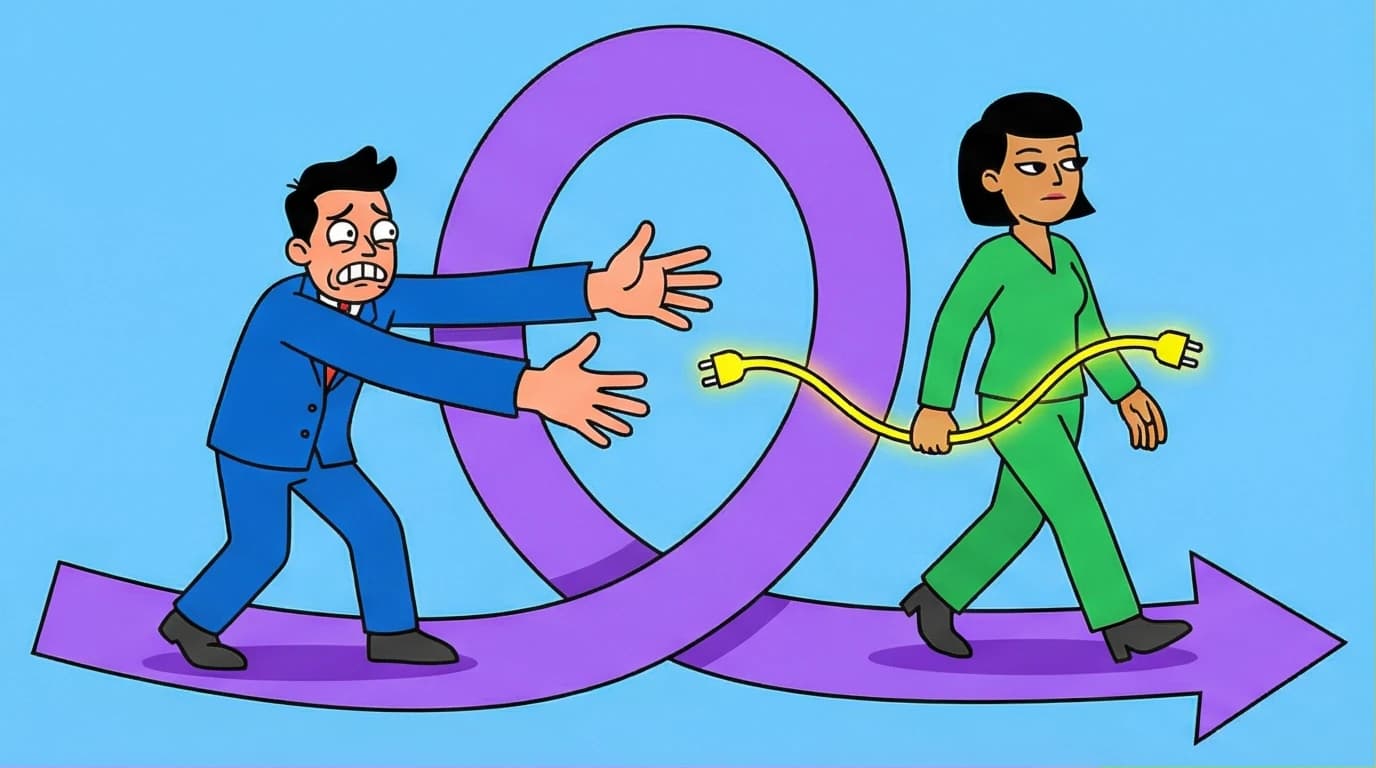
Every time you step forward, they take a step back. When you finally give up and walk away, they suddenly reappear, acting warm and affectionate. You get pulled right back in, only for the cycle to repeat.
This happens because the two people involved have conflicting emotional survival strategies. An anxious and avoidant relationship is built on opposing needs. The anxious partner needs constant reassurance to feel safe. The avoidant partner needs space and independence to feel safe. When the anxious person senses distance, their alarm bells ring, causing them to cling tighter. This clinging triggers the avoidant partner's fear of being smothered, causing them to run further away.
The harder you chase, the faster they run.
The Psychology Behind the Loop
If you browse the psychology section at a Barnes & Noble or look up relationship advice on Amazon, you will inevitably find Amir Levine and Rachel Heller's work. The Attached book anxious avoidant framework explains this perfectly:
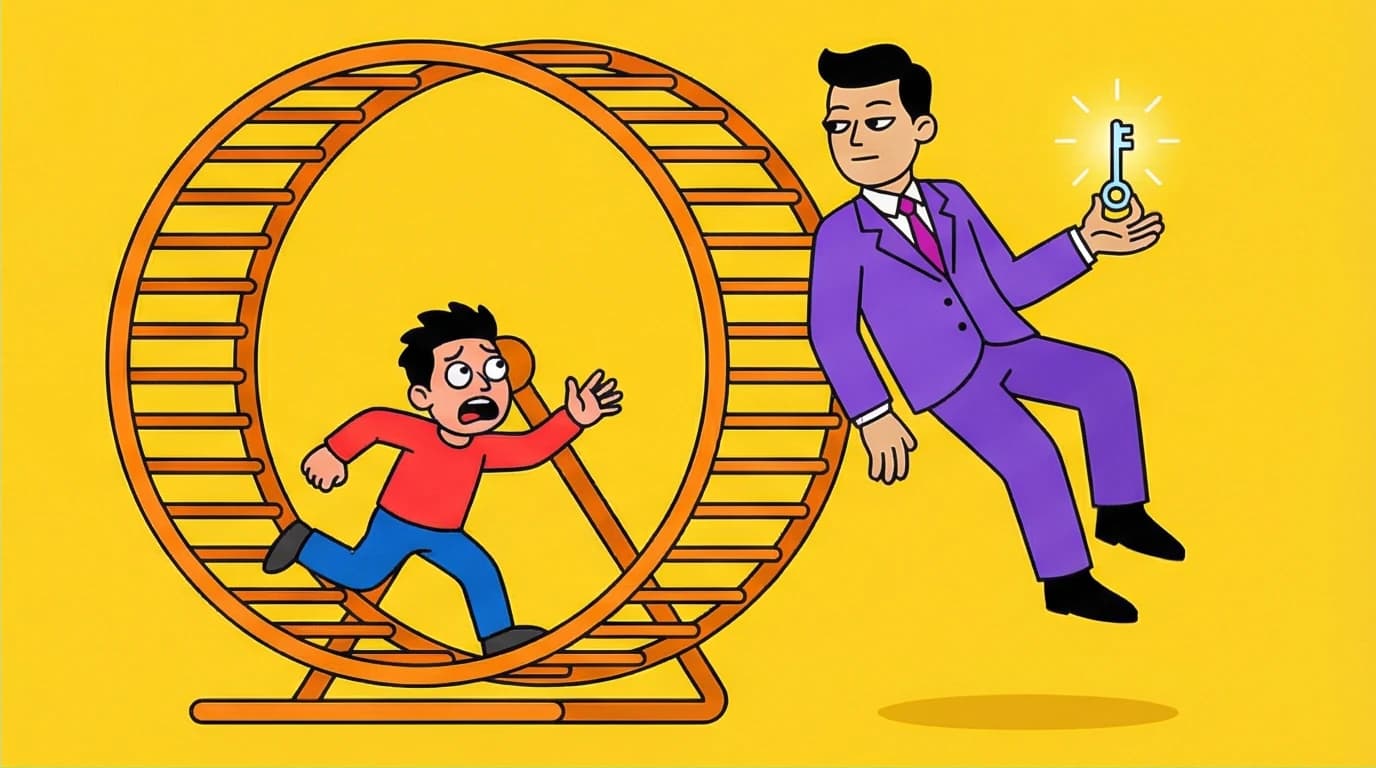
- The Anxious Trigger: Your nervous system equates distance with abandonment. If your partner is quiet, your brain tells you the relationship is ending. You overcompensate by texting, calling, or demanding clarity.
- The Avoidant Trigger: Their nervous system equates closeness with a loss of freedom. They view your attempts to connect as demands or criticisms. They deactivate their attachment system by shutting down, ignoring texts, or creating physical distance.
If you want to truly understand the science behind why you and your partner react this way, Amir Levine and Rachel Heller’s groundbreaking work is mandatory reading. By exploring the biological realities of how our attachment systems are wired, this guide offers incredible insight into the push-pull dynamic. It is arguably the most essential resource for decoding both your own anxious triggers and your partner's avoidant tendencies, giving you a clear roadmap to a more secure and fulfilling relationship.
Attached
Amir Levine, PhD, Rachel Heller, MA
 48 Duration
 9 Key Points
 4.5 Rate
When you're dealing with relationship anxiety, finding the energy to sit down and read a full book can be tough. If you want to grasp these essential concepts faster, an app can help.


LeapAhead

Get the core insights from relationship psychology books like 'Attached' in just 15 minutes, making it easier to learn and heal even on draining days.
Why You Keep Repeating the Cycle
You might wonder why you stay in a relationship that causes so much pain. The answer is emotional addiction.
The intermittent reinforcement—getting a text after three days of silence, or a romantic date night after a week of coldness—spikes your dopamine levels. The highs feel incredible. You confuse this anxiety and relief for passion and true love. You convince yourself that if you just love them harder, or say the perfect thing, they will stay warm permanently.
That is the trap. The avoidant partner's temporary warmth isn't a sign they have changed. It simply means they finally got enough distance to feel safe again. As soon as you get close, their walls will go right back up.
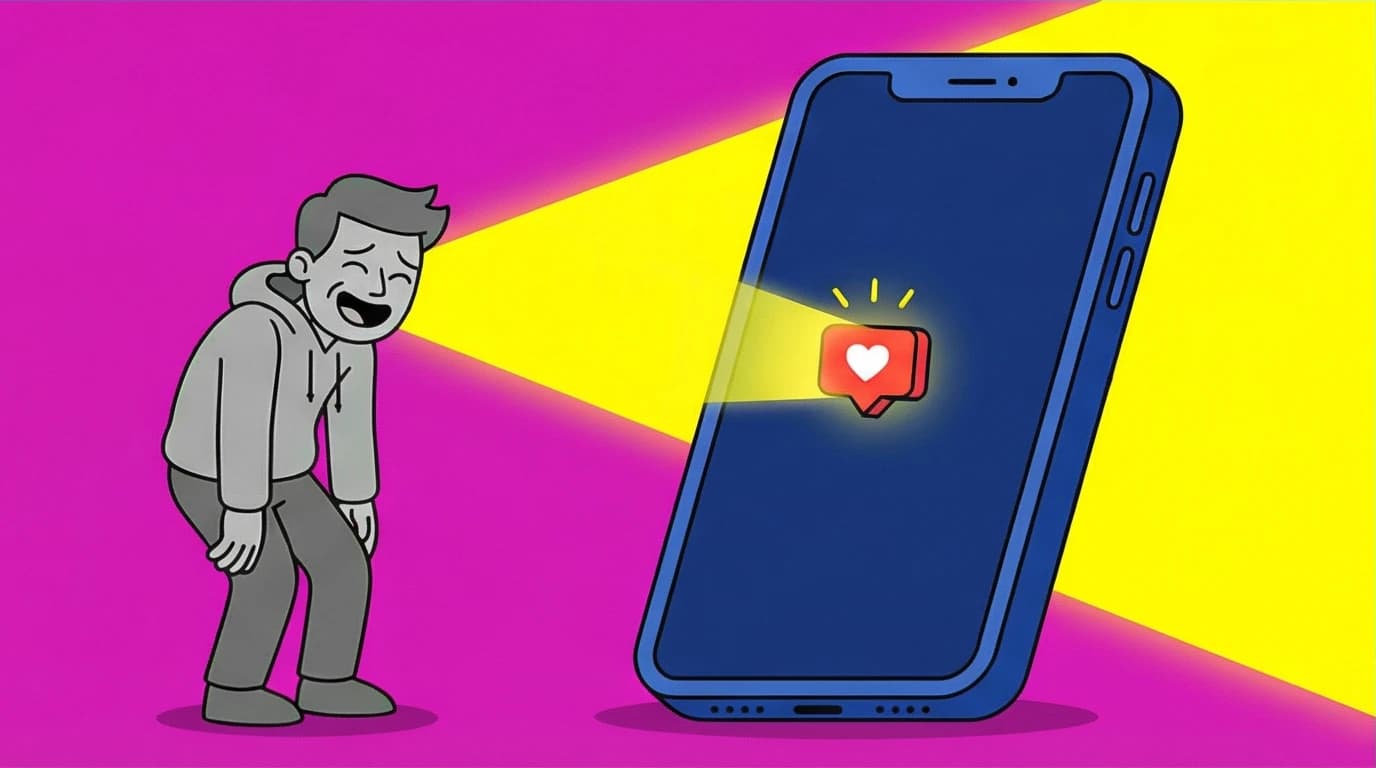
Breaking an emotional addiction requires recognizing when love has morphed into an unhealthy dependence. Often, we stay in these painful loops because we have lost our sense of self in the quest to "fix" or hold onto a partner. If you frequently find yourself abandoning your own needs just to keep the peace or chase a fleeting high, reading up on codependency can be a life-changing step. It helps you reclaim your personal power and stop confusing anxiety with true love.
Codependent No More
Beattie Melody
19 Duration8 Key Points4.6 RateCan Anxious and Avoidant Work? The Honest Truth
One of the most common questions people ask is can anxious and avoidant work in the long run?
Yes. But only under very specific conditions.
It cannot work if only one person is doing the heavy lifting. If you are the only one listening to relationship audiobooks on Audible, suggesting couples therapy, and trying to change your communication style, the relationship will fail. An anxious avoidant trap requires two active participants to maintain, and two willing participants to dismantle.
Signs it can work:
- Your partner acknowledges their avoidant tendencies.
- They do not blame you for their need for space.
- They are willing to practice self-soothing instead of just disappearing.
- Both of you commit to therapy or structured self-improvement.
Signs you need to leave:
- Your partner denies there is a problem and calls you "crazy" or "too needy."
- They refuse to communicate their need for space and simply ghost you.
- The cycle severely impacts your mental health, sleep, or career.
- They make zero effort to understand your triggers.
Recognizing these patterns is critical. If you're struggling to differentiate between a partner who needs space and one who is fundamentally unavailable, it can be helpful to learn more about the specific red flags.
How to Break the Anxious Avoidant Cycle
If you decide to stay and fix it, or if you simply want to stop your own reactive behavior before deciding your next move, you need a drastic shift in strategy. Knowing how to break the anxious avoidant cycle requires acting against your natural instincts.
1. Stop the Chase Immediately
When your partner pulls away, your instinct is to close the gap. Stop. Do not double-text. Do not drive 10 miles across town to show up at their apartment. Let them take the space. By not chasing, you remove the pressure that causes them to run. You also force yourself to face your own anxiety rather than using them to soothe it.
Before you can break the cycle, you first need to confirm where you and your partner truly stand. Understanding the nuances of each attachment style is a crucial first step.
2. Learn to Self-Soothe
Your anxiety is yours to manage. When the panic sets in, redirect that energy. Go for a run, call a friend, focus on your work, or take a cold shower. You must train your brain to realize that your partner's silence is not an actual emergency. Your core task is lowering your heart rate and stepping out of fight-or-flight mode.
3. Communicate Needs, Not Criticisms
Avoidant partners are hyper-sensitive to criticism. When they finally emerge from their cave, do not attack them with, "You ignored me all weekend, you don't care about me."
Instead, use "I" statements and make clear, actionable requests. Say, "I feel disconnected when we go days without talking. I need us to check in with each other at least once a day." Treat it like setting a GPS: state the destination clearly without yelling at the machine.
Learning to articulate your needs without sounding accusatory is a skill that takes practice, especially when your emotions are running high. When you shift your language from blame to vulnerability, you drastically reduce the chances of your avoidant partner going on the defensive. If you want a proven framework for expressing yourself clearly and compassionately, diving into the principles of nonviolent communication can transform how you handle conflict. It teaches you to connect with empathy rather than criticism, making your partner much more receptive to your requests.

Nonviolent Communication
Marshall B. Rosenberg, Ph.D.
53 Duration9 Key Points4.7 Rate4. Establish Hard Boundaries
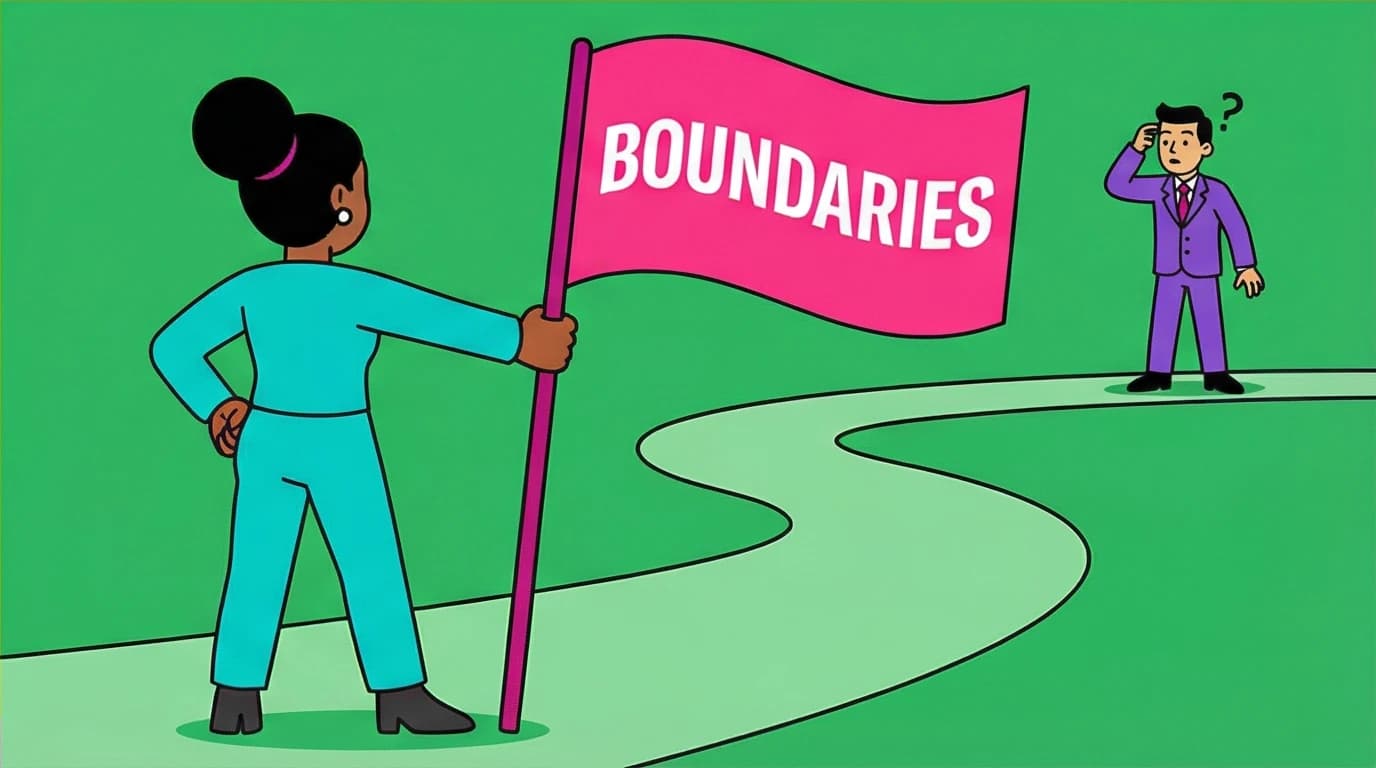
You must define what you will and will not tolerate. If your partner has a habit of disappearing for days after an argument, set a boundary. "I understand you need space when we argue. I am happy to give you that. But I need you to tell me you are taking space, rather than just shutting your phone off. If you continue to ghost me, I will have to rethink this relationship."
If they cross the boundary, you must enforce the consequence. Boundaries without consequences are just suggestions.
Knowing what a boundary is and actually enforcing one are two very different things. For many anxious partners, the thought of setting a firm limit feels terrifying because it risks pushing the avoidant partner away. However, setting healthy limits is the only way to protect your peace and determine if the relationship is viable. If you struggle with the guilt or fear associated with drawing the line, there are phenomenal resources available to help you build the confidence needed to protect your emotional well-being without second-guessing yourself.

Set Boundaries, Find Peace
Nedra Glover Tawwab
29 Duration10 Key Points4.5 RateThe Reality of Moving Toward Security
Escaping the trap means shifting toward a secure attachment style. This requires radical acceptance. You cannot change your partner's attachment style. You can only change how you react to it.
If you stop chasing, communicate your needs clearly, and hold your boundaries, one of two things will happen. Either your partner will step up, respect your boundaries, and slowly bridge the gap, or they will walk away completely because they cannot handle the accountability.
Both outcomes are wins. You either get a healthier relationship, or you get your freedom back to find someone who doesn't make you fight for their basic affection.
For those who want to better understand the core concepts of attachment theory without committing to the full book, a summary can be an excellent starting point.
This journey of self-improvement is empowering, but it requires consistent learning. Fitting that into a busy or stressful life is often the biggest hurdle.
LeapAhead
Turn your commute or a short break into a chance to grow by listening to key ideas from books on boundaries, communication, and self-healing.
FAQ
Why does my avoidant partner act so loving and then suddenly go cold?
They are not doing it to torture you. In the beginning, the pressure for intimacy is low, so they feel safe expressing affection. As the relationship deepens, their subconscious fear of losing their independence is triggered. They go cold to create distance and regain their sense of safety.
They are not doing it to torture you. In the beginning, the pressure for intimacy is low, so they feel safe expressing affection. As the relationship deepens, their subconscious fear of losing their independence is triggered. They go cold to create distance and regain their sense of safety.
Can an avoidant partner ever change?
Yes, but only through self-awareness and active effort, often requiring professional therapy. They have to want to change for themselves. You cannot love them into changing, and trying to act as their therapist will only build resentment.
Yes, but only through self-awareness and active effort, often requiring professional therapy. They have to want to change for themselves. You cannot love them into changing, and trying to act as their therapist will only build resentment.
How do I handle the overwhelming anxiety when they ignore me?
Shift your focus entirely back to yourself. Recognize that your anxiety is a chemical reaction in your body craving reassurance. Do not use your phone. Engage in high-intensity exercise, rely on your support network, or practice deep breathing. Remind yourself that their behavior is a reflection of their fears, not your value.
Shift your focus entirely back to yourself. Recognize that your anxiety is a chemical reaction in your body craving reassurance. Do not use your phone. Engage in high-intensity exercise, rely on your support network, or practice deep breathing. Remind yourself that their behavior is a reflection of their fears, not your value.