

You meet someone great, things start well, and suddenly they pull away. Or maybe you find yourself feeling suffocated the moment a romantic partner wants serious commitment. You sit there analyzing text messages, wondering why your love life feels like a constant struggle. You are not broken. You just have different attachment needs.
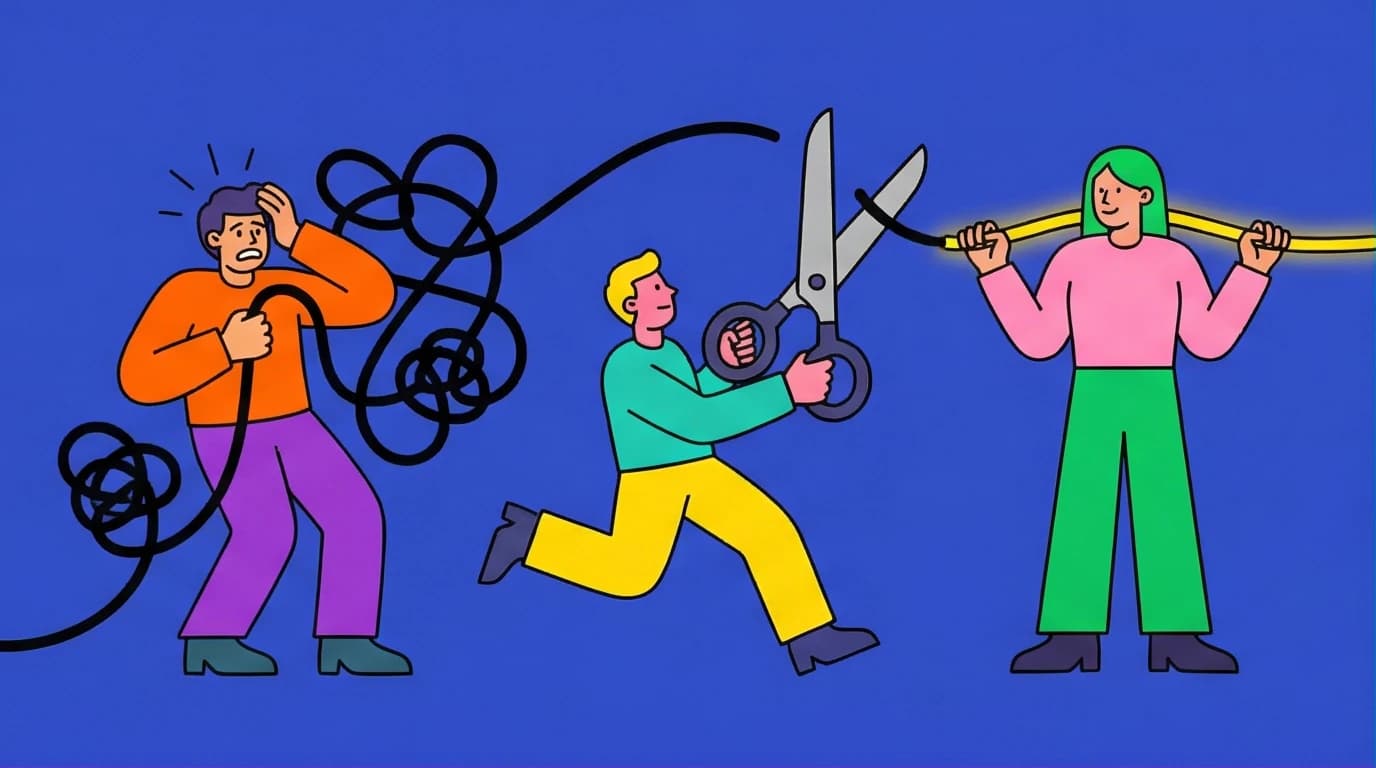
If you lack the time to read the full 300-page book on Amazon or listen to the Audible version, this guide provides the exact framework you need. Adult attachment theory explains the biological mechanisms driving your romantic decisions. We will break down exactly how to identify your style, understand your partner, and stop self-sabotaging your relationships.
And if you want to quickly absorb the core ideas from Attached and other powerful psychology books, but can't find the time for hundreds of pages, there's a more efficient way to learn.


LeapAhead

Get the key insights from bestselling relationship books like Attached in just 15 minutes, perfect for busy people wanting to improve their love life.
Attached Book Core Concepts: The Science of Adult Attachment
The premise of Attached rests on a powerful psychological principle: humans are biologically hardwired for connection. Our brains do not treat emotional attachment as a luxury; they treat it as a survival mechanism.
One of the most important Attached book core concepts is the "Dependency Paradox." Modern culture often preaches strict independence, suggesting you should never rely completely on a partner. Levine and Heller argue the exact opposite. True independence is only possible when you have a secure emotional base. When your partner reliably meets your emotional needs, your brain relaxes. You stop worrying about the relationship and channel that energy into your career, personal growth, and outside interests.

When your needs are ignored or met with inconsistency, your attachment system activates. This biological alarm bell forces you to either hyper-focus on the relationship to regain closeness or build defensive walls to protect yourself from the pain of rejection.
If learning about the Dependency Paradox has already sparked a few "aha" moments for you, nothing beats diving into the full source material. Reading the entire book gives you access to comprehensive quizzes and real-world case studies that simply can't fit into a brief summary. It is considered the gold standard for understanding why we act the way we do in romantic partnerships. Grab a copy to fully unpack your biological wiring and start shifting your relationship dynamics today.

Attached
Amir Levine, PhD, Rachel Heller, MA
 48 Duration
 9 Key Points
 4.5 Rate
Attached Book Key Takeaways: The Three Attachment Styles
Everyone falls into one of three primary categories. Identifying where you and your partner sit on this spectrum is the fastest way to understand your relationship dynamics. Here are the Attached book key takeaways regarding the three distinct styles.
1. Anxious Attachment
People with an anxious attachment style have a super-sensitive radar for relationship threats. They possess a deep capacity for great intimacy but are constantly terrified their partner does not want to be as close as they do.
Core Behaviors:
- Constantly thinking about the relationship and worrying about the partner's mood.
- Believing they must work hard to keep someone's interest.
- Taking their partner's independent actions (like asking for alone time) as a personal rejection.
Protest Behaviors:
When the anxious attachment system triggers, people resort to "protest behaviors" to force a response from their partner.
When the anxious attachment system triggers, people resort to "protest behaviors" to force a response from their partner.
- Excessive attempts to establish contact: Calling, texting repeatedly, waiting by the phone.
- Withdrawing: Acting busy, turning away physically, giving the silent treatment.
- Keeping score: Waiting exactly three hours to text back because the partner took three hours.
- Acting hostile: Rolling eyes, storming out of the room, picking fights over small things to get attention.
- Threatening to leave: Using breakups as a tactic to force the partner to beg them to stay.
2. Avoidant Attachment
Individuals with an avoidant attachment style equate intimacy with a loss of independence. While they want love, they feel overwhelmed when things get too close. They keep partners at arm's length to maintain a sense of control and autonomy.
Core Behaviors:
- Sending mixed signals: acting deeply in love one day and completely distant the next.
- Valuing independence above all else.
- Believing their partner is "too needy" or "clingy" when asking for basic emotional support.
Deactivating Strategies:
To maintain emotional distance, avoidants subconsciously use "deactivating strategies."
To maintain emotional distance, avoidants subconsciously use "deactivating strategies."
- Saying they are not ready to commit: Yet staying in a relationship for years.
- Focusing on small imperfections: Letting a partner's minor physical flaw or annoying habit ruin romantic feelings.
- Pining for the "Phantom Ex": Believing a past relationship was perfect, making it impossible for the current partner to compete.
- Pulling away when things go well: Picking a fight right after a highly intimate weekend.
- Flirting with others: Introducing insecurity into the relationship to keep the partner off balance.
3. Secure Attachment
Secure individuals are comfortable with intimacy and do not fear being smothered or abandoned. They form the best foundation for a healthy relationship. They act as a buffer against relationship drama.
Core Behaviors:
- Reliable and consistent in their affection.
- Make decisions with their partner in mind.
- Communicate their needs directly without resorting to games.
- Do not view relationship issues as a personal attack.
- Quick to forgive and eager to find compromises.
Secure attachment isn't just about picking the right partner; it's about actively building a strong, communicative foundation every single day. If you want to learn how to cultivate this kind of rock-solid security in your own life, Dr. John Gottman's research is the perfect next step. His practical strategies will teach you how to repair everyday emotional disconnects, stop arguments before they spiral out of control, and foster the deep, reliable intimacy that secure relationships are built upon.
The Relationship Cure
John M. Gottman, Joan DeClaire
48 Duration9 Key Points4.6 RateThe Anxious-Avoidant Trap
If you look around the dating pool, especially in your late twenties and thirties, you will notice a high concentration of avoidant individuals. Secure people tend to pair off early and stay in long relationships. Avoidant people cycle through relationships quickly because they pull away when things get serious.
The tragic irony of adult dating is that anxious and avoidant people naturally attract each other. This creates the "Anxious-Avoidant Trap."
An anxious person's belief system says, "I have to fight for love." An avoidant person's behavior confirms this belief by making love hard to get. The anxious person mistakes the anxiety of an activated attachment system for passionate love. They ride a rollercoaster of extreme highs (when the avoidant briefly connects) and extreme lows (when the avoidant pulls away).
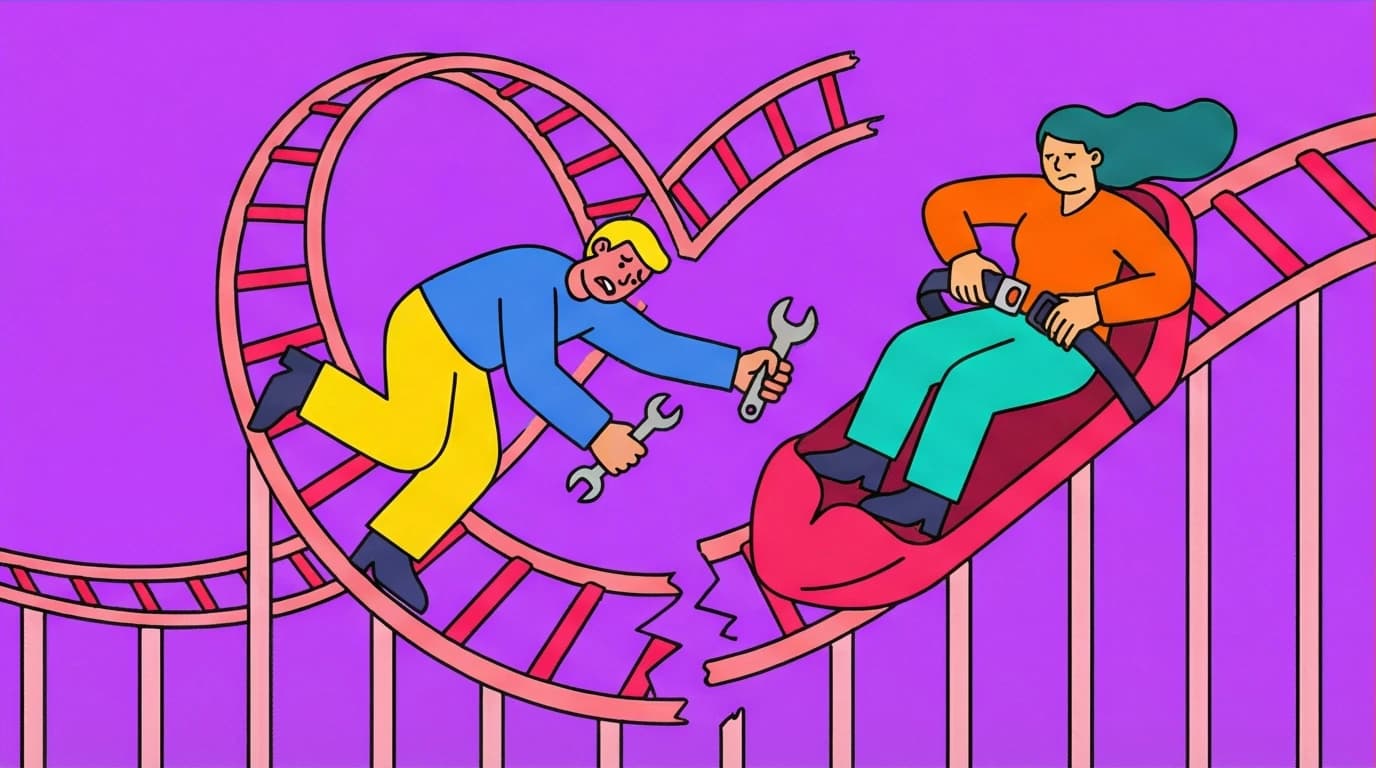
This dynamic is toxic and rarely ends well unless both parties actively work to recognize their triggers and shift toward secure behaviors. If you constantly feel like you are on an emotional rollercoaster, you are likely trapped in this exact dynamic.
Escaping the toxic loop of the anxious-avoidant trap often means completely rethinking how you approach the modern dating pool. If you find yourself repeatedly falling for people who pull away, behavioral scientist Logan Ury offers a brilliant, science-backed roadmap to break those bad habits. Her insights will help you spot relationship red flags miles away, overcome dating blind spots, and start making choices that actually lead to the secure, lasting partnership you've been looking for.
How To Not Die Alone
Logan Ury
25 Duration10 Key Points4.7 RateAttached Chapter by Chapter Summary
To understand the full scope of the book's architecture, here is the Attached chapter by chapter summary broken down into its major sections.
Part 1: The Relationship Toolkit
The opening chapters dismantle the myth of extreme independence. They introduce the science of attachment theory and the Dependency Paradox. The authors provide a detailed questionnaire to help you determine your own attachment style and offer diagnostic tools to decipher your partner's style based on their everyday behavior.
The opening chapters dismantle the myth of extreme independence. They introduce the science of attachment theory and the Dependency Paradox. The authors provide a detailed questionnaire to help you determine your own attachment style and offer diagnostic tools to decipher your partner's style based on their everyday behavior.
Part 2: The Three Attachment Styles in Daily Life
This section takes a deep dive into the specific traits of each style. It explains the inner workings of the anxious mind, breaking down why their attachment system stays activated and how protest behaviors destroy the intimacy they crave. It then shifts to the avoidant mind, outlining deactivating strategies and the fear of enmeshment. Finally, it highlights the secure style, offering a blueprint of what healthy relationship behavior actually looks like.
This section takes a deep dive into the specific traits of each style. It explains the inner workings of the anxious mind, breaking down why their attachment system stays activated and how protest behaviors destroy the intimacy they crave. It then shifts to the avoidant mind, outlining deactivating strategies and the fear of enmeshment. Finally, it highlights the secure style, offering a blueprint of what healthy relationship behavior actually looks like.
Part 3: When Attachment Styles Clash
This is where the book addresses the Anxious-Avoidant Trap. The chapters dissect why these two styles are drawn together and map out the exact arguments they have. The authors explain why this pairing feels like an addiction for the anxious person and a suffocating cage for the avoidant person.
This is where the book addresses the Anxious-Avoidant Trap. The chapters dissect why these two styles are drawn together and map out the exact arguments they have. The authors explain why this pairing feels like an addiction for the anxious person and a suffocating cage for the avoidant person.
Part 4: The Secure Way - Sharpening Your Relationship Skills
The final chapters offer practical solutions. They teach "Effective Communication," a strategy designed to turn off the attachment alarm system. The book gives clear instructions on how to date securely, how to cut ties with partners who cannot meet your needs, and how to successfully navigate conflict by adopting secure behaviors.
The final chapters offer practical solutions. They teach "Effective Communication," a strategy designed to turn off the attachment alarm system. The book gives clear instructions on how to date securely, how to cut ties with partners who cannot meet your needs, and how to successfully navigate conflict by adopting secure behaviors.
Attached Amir Levine Summary: Actionable Rules for Dating
The true value of this framework lies in application. This Attached Amir Levine summary distills the specific rules you must follow to fix your romantic life based on the book's concluding advice.
1. Acknowledge and Accept Your Needs
Stop pretending you do not need reassurance if you have an anxious style. Society tells you to "play it cool." Playing it cool forces you to date people who ignore your needs. Own your need for closeness and state it clearly.
Stop pretending you do not need reassurance if you have an anxious style. Society tells you to "play it cool." Playing it cool forces you to date people who ignore your needs. Own your need for closeness and state it clearly.
2. Learn to Communicate Effectively
When you feel hurt, do not resort to protest behaviors. Do not give the silent treatment. Speak directly. State what you feel and what you need without attacking the other person.
Poor communication: "You never answer my texts. You obviously do not care."
Effective communication: "When I do not hear from you for a day, I feel anxious. I need regular check-ins to feel connected."
When you feel hurt, do not resort to protest behaviors. Do not give the silent treatment. Speak directly. State what you feel and what you need without attacking the other person.
Poor communication: "You never answer my texts. You obviously do not care."
Effective communication: "When I do not hear from you for a day, I feel anxious. I need regular check-ins to feel connected."
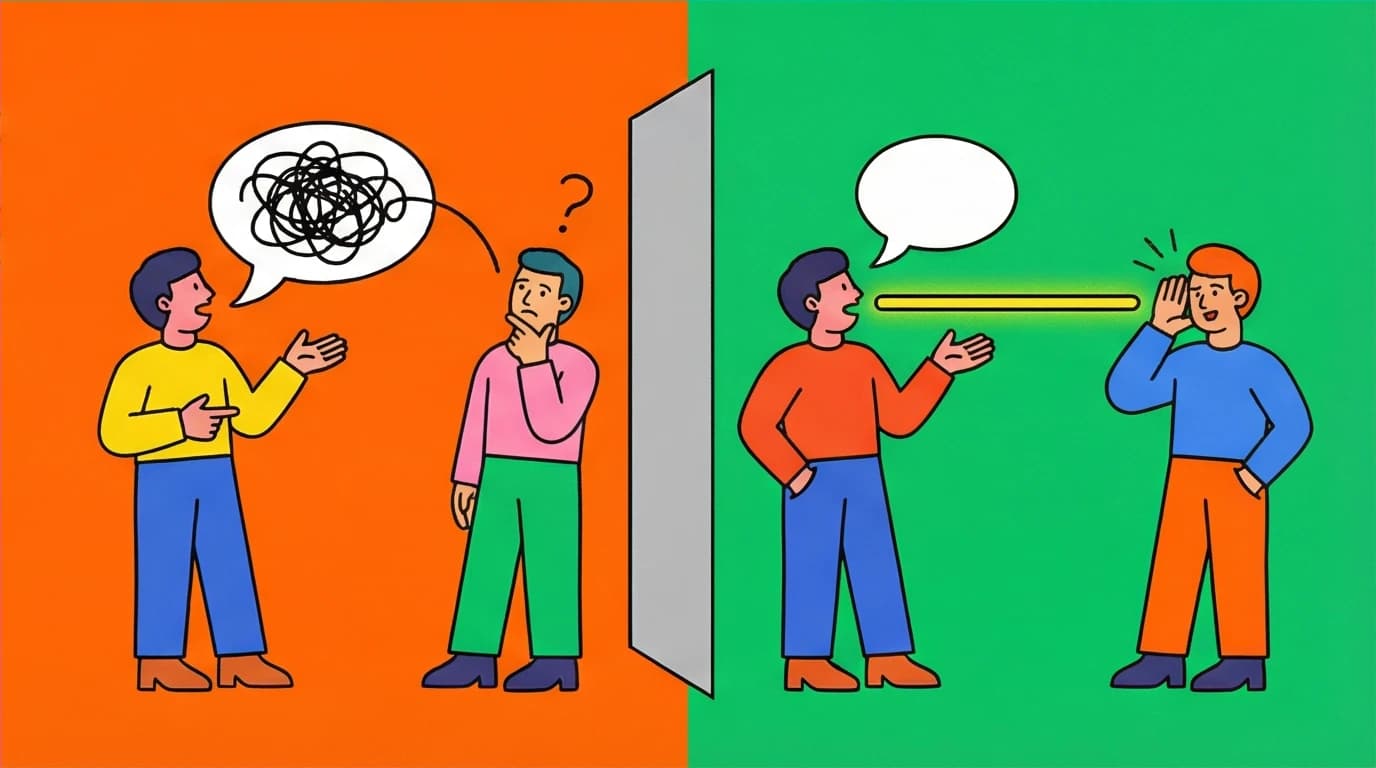
How your partner reacts to effective communication tells you everything you need to know. A secure partner will try to reassure you. An avoidant partner will call you needy.
3. Recognize Avoidant Behaviors Early
If you are anxious, you must learn to identify avoidant traits on the first few dates. If they send mixed signals, talk excessively about their need for independence, or make you feel insecure, walk away. Do not try to fix them. Your goal is to find a secure partner, not a project.
If you are anxious, you must learn to identify avoidant traits on the first few dates. If they send mixed signals, talk excessively about their need for independence, or make you feel insecure, walk away. Do not try to fix them. Your goal is to find a secure partner, not a project.
4. Find a Secure Partner
Secure partners heal anxious wounds. Being with someone who consistently answers their phone, expresses affection freely, and handles conflict with grace naturally calms an anxious attachment system. Look for consistency, reliability, and emotional warmth.
Secure partners heal anxious wounds. Being with someone who consistently answers their phone, expresses affection freely, and handles conflict with grace naturally calms an anxious attachment system. Look for consistency, reliability, and emotional warmth.
Implementing these actionable dating rules requires a tremendous amount of self-worth, and that usually starts with drawing healthy lines in the sand. Learning to clearly state your emotional needs and walk away from mixed signals can feel incredibly daunting at first. Nedra Glover Tawwab's masterclass on boundary-setting will give you the exact scripts and confidence you need to stop people-pleasing, protect your emotional energy, and navigate both dating and long-term commitments without losing yourself in the process.

Set Boundaries, Find Peace
Nedra Glover Tawwab
29 Duration10 Key Points4.5 RateIf your to-read list is suddenly full of these life-changing books but your schedule is packed, you don't have to miss out on the insights.
LeapAhead
Absorb the core lessons from relationship guides like this one in 15-minute audio sessions, perfect for learning during a commute, workout, or break.
FAQ
Can you change your attachment style?
Yes. Roughly 25% of people change their attachment style over a four-year period. You can shift toward an "earned secure" style by actively practicing effective communication, recognizing your triggers, and deliberately choosing partners who exhibit secure behaviors. Therapy can also significantly accelerate this process.
Yes. Roughly 25% of people change their attachment style over a four-year period. You can shift toward an "earned secure" style by actively practicing effective communication, recognizing your triggers, and deliberately choosing partners who exhibit secure behaviors. Therapy can also significantly accelerate this process.
Can an anxious and avoidant relationship work?
It is difficult, but possible. Both partners must have a high level of self-awareness. The avoidant partner needs to recognize their deactivating strategies and actively choose to lean in when they want to run. The anxious partner must recognize their protest behaviors and self-soothe instead of demanding immediate reassurance. It requires constant, deliberate effort.
It is difficult, but possible. Both partners must have a high level of self-awareness. The avoidant partner needs to recognize their deactivating strategies and actively choose to lean in when they want to run. The anxious partner must recognize their protest behaviors and self-soothe instead of demanding immediate reassurance. It requires constant, deliberate effort.
Is the book "Attached" scientifically accurate?
Yes. The book is grounded in decades of adult attachment theory research, originally pioneered by John Bowlby and Mary Ainsworth, and later expanded to adult romance by Cindy Hazan and Phillip Shaver. Amir Levine integrates modern neuroscience and psychological data to back up the behaviors and biological drives described in the book.
Yes. The book is grounded in decades of adult attachment theory research, originally pioneered by John Bowlby and Mary Ainsworth, and later expanded to adult romance by Cindy Hazan and Phillip Shaver. Amir Levine integrates modern neuroscience and psychological data to back up the behaviors and biological drives described in the book.
How does reading the full book compare to reading this summary?
While this summary provides the necessary framework and vocabulary to diagnose relationship issues, reading the full book provides extensive real-world case studies, detailed questionnaires, and nuanced dialogue scripts. If you find yourself deeply relating to the anxious or avoidant descriptions, grabbing a copy from Barnes & Noble or Goodreads is highly recommended for the interactive self-assessment tools.
While this summary provides the necessary framework and vocabulary to diagnose relationship issues, reading the full book provides extensive real-world case studies, detailed questionnaires, and nuanced dialogue scripts. If you find yourself deeply relating to the anxious or avoidant descriptions, grabbing a copy from Barnes & Noble or Goodreads is highly recommended for the interactive self-assessment tools.