

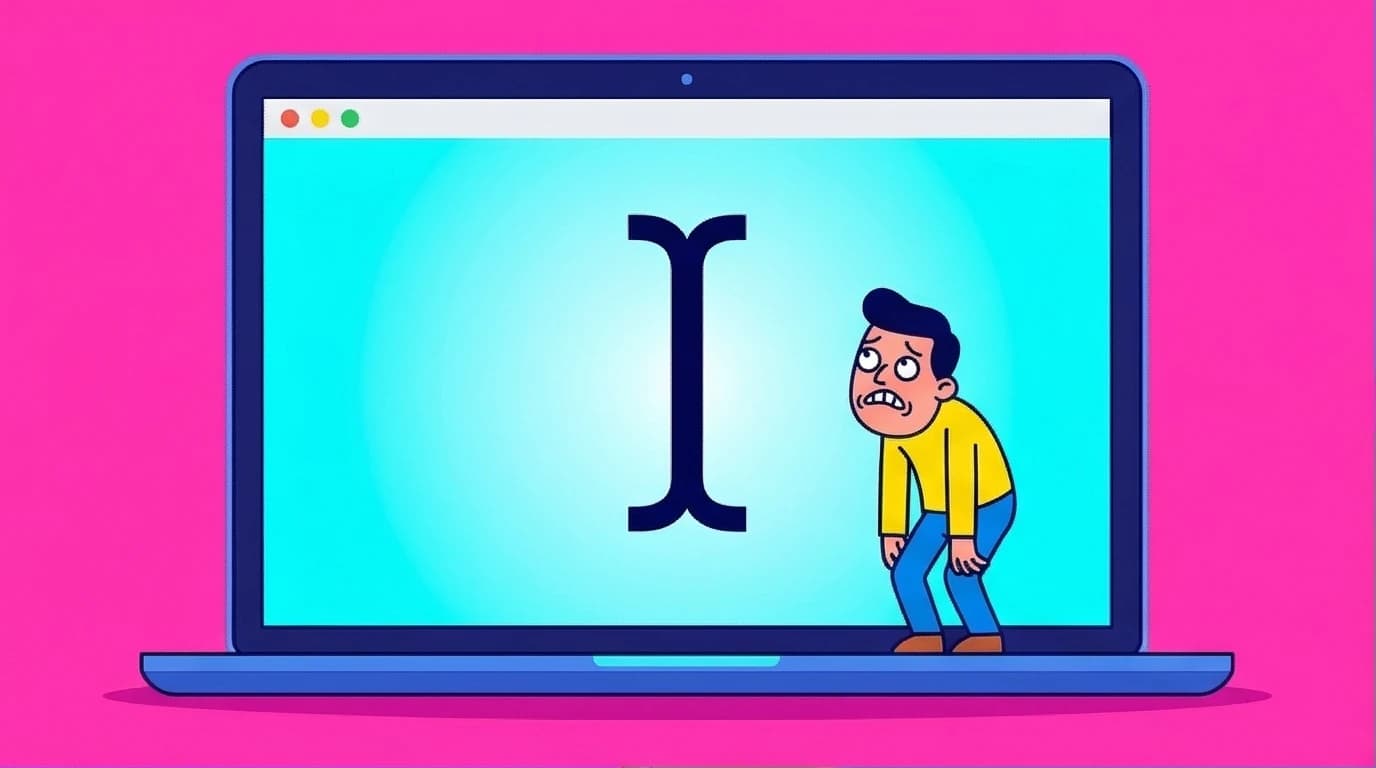
You stare at the blinking cursor on your screen, fully aware that the deadline is creeping closer, yet you open another tab to check your email. The anxiety builds with every wasted minute, but the invisible wall stopping you from just getting started feels impossible to climb. You don't need another lecture on work ethic; you need behavioral mechanics to short-circuit the overwhelm right now.
The Root Cause: Why You Delay (It Is Not Laziness)
Most people misunderstand procrastination. You are not lazy. If you were lazy, you would feel perfectly content doing nothing. Instead, you feel incredibly stressed while avoiding the work. Procrastination is not a time management problem; it is an emotional regulation problem.
When you face a task that triggers negative emotions—boredom, frustration, anxiety, or fear of failure—your brain’s amygdala treats that task as a literal threat. To protect you from this negative feeling, your brain redirects you to a safe, highly rewarding activity. Browsing Amazon, scrolling social media, or even organizing your desk provides a quick dopamine hit.
You are trading long-term progress for short-term mood repair. Once you realize this, you can stop relying on sheer willpower and start using specific behavioral tactics to outsmart your own neurobiology.
To gain a deeper understanding of this internal conflict, it's helpful to explore the psychological drivers behind it.
If you want to dive deeper into the psychology behind why we delay, The Now Habit is an absolute game-changer. Dr. Neil Fiore beautifully explains how procrastination is actually a coping mechanism for anxiety and the fear of failure, rather than a character flaw. It provides fantastic, guilt-free strategies to help you reframe your relationship with work. If you're tired of beating yourself up over missed deadlines, this read will offer you a massive sense of relief and a clear path forward.
The Now Habit
Neil Fiore, Ph.D.
 48 Duration
 8 Key Points
 4.6 Rate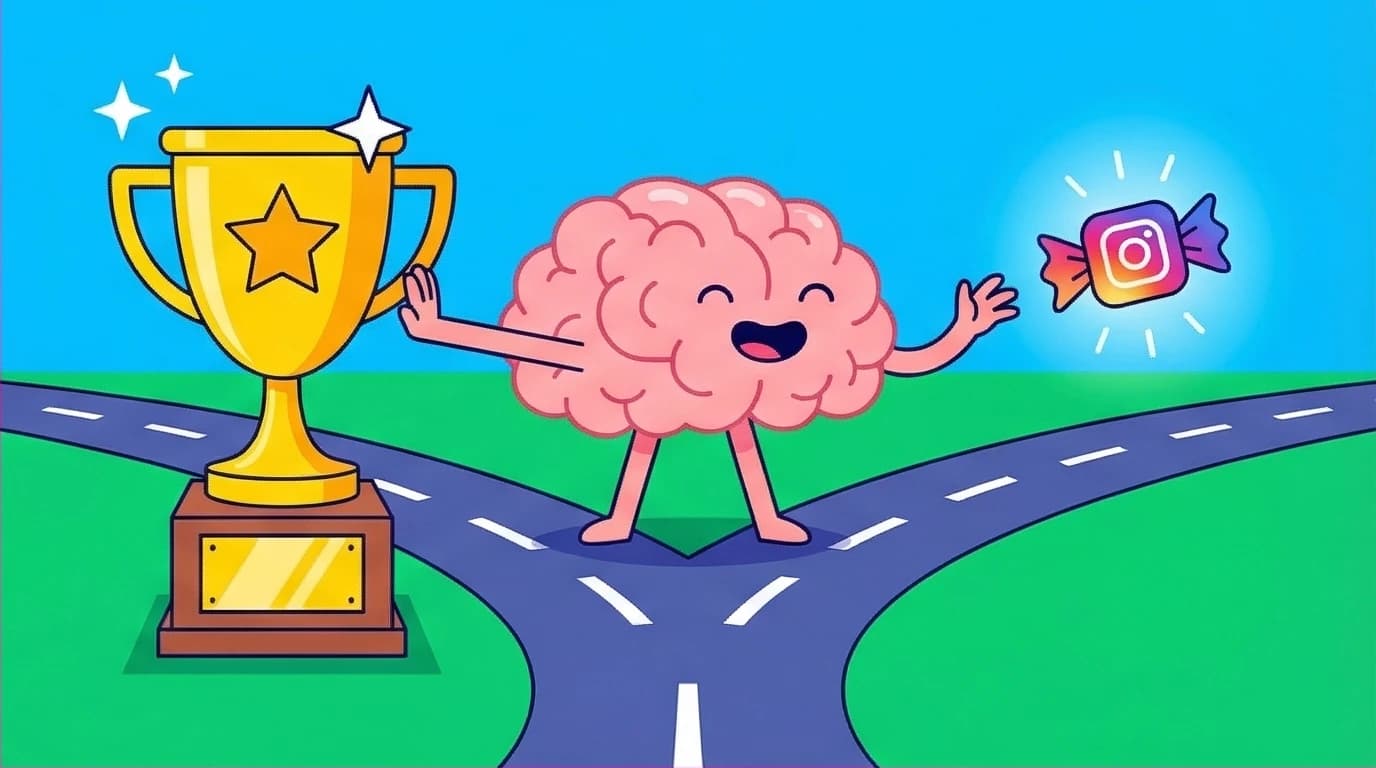
Immediate Action Paths: How to Beat Procrastination Today
If you are trapped in a cycle of delay, you need practical strategies to break the inertia. Here is how to beat procrastination using proven behavioral shifts.
1. The 2-Minute Rule: Shrink the Target
Your brain panics when you tell it to "write the quarterly report." The cognitive load is too heavy. To bypass this resistance, shrink the task until it feels ridiculous to say no.
Tell yourself you will only work on the task for two minutes.
- Don't commit to writing a chapter of your book; commit to opening the Word document and writing a single sentence.
- Don't commit to running three miles; commit to putting on your running shoes and walking out the front door.
Once you start, the friction vanishes. Objects in motion tend to stay in motion. The goal is simply to cross the starting line.
2. Leverage the Pomodoro Technique
Time ambiguity breeds hesitation. When you have "all day" to finish a project, you will inevitably wait until the last possible hour.
The Pomodoro technique forces urgency and structure into your workflow. You set a timer for 25 minutes of deep, uninterrupted focus, followed by a 5-minute break.
During those 25 minutes, you do not check your phone. You do not look at Slack. You focus solely on the task at hand. Knowing that a break is mathematically guaranteed in less than half an hour makes the discomfort of hard work highly tolerable. String together three or four Pomodoro sessions, and you will accomplish more than you would in an entire day of unfocused, reactive work.
Since the Pomodoro method is such a cornerstone of modern productivity, it is highly worth checking out the original framework straight from the source. In The Pomodoro Technique, Francesco Cirillo breaks down exactly why this timing structure works so perfectly with our brain's natural attention span. You will learn not just how to set a timer, but how to handle internal interruptions, track your daily efforts, and genuinely enjoy your downtime without that nagging sense of guilt.
The Pomodoro Technique
Francesco Cirillo
19 Duration8 Key Points4.4 Rate3. Identify and Map Your "Limbic Friction"
Limbic friction is the mental energy required to overcome your current state. If you are exhausted on the couch, the limbic friction to get up and go to the gym is immense.
To win, you must manipulate the friction. Make good behaviors drastically easier and bad behaviors painfully difficult.
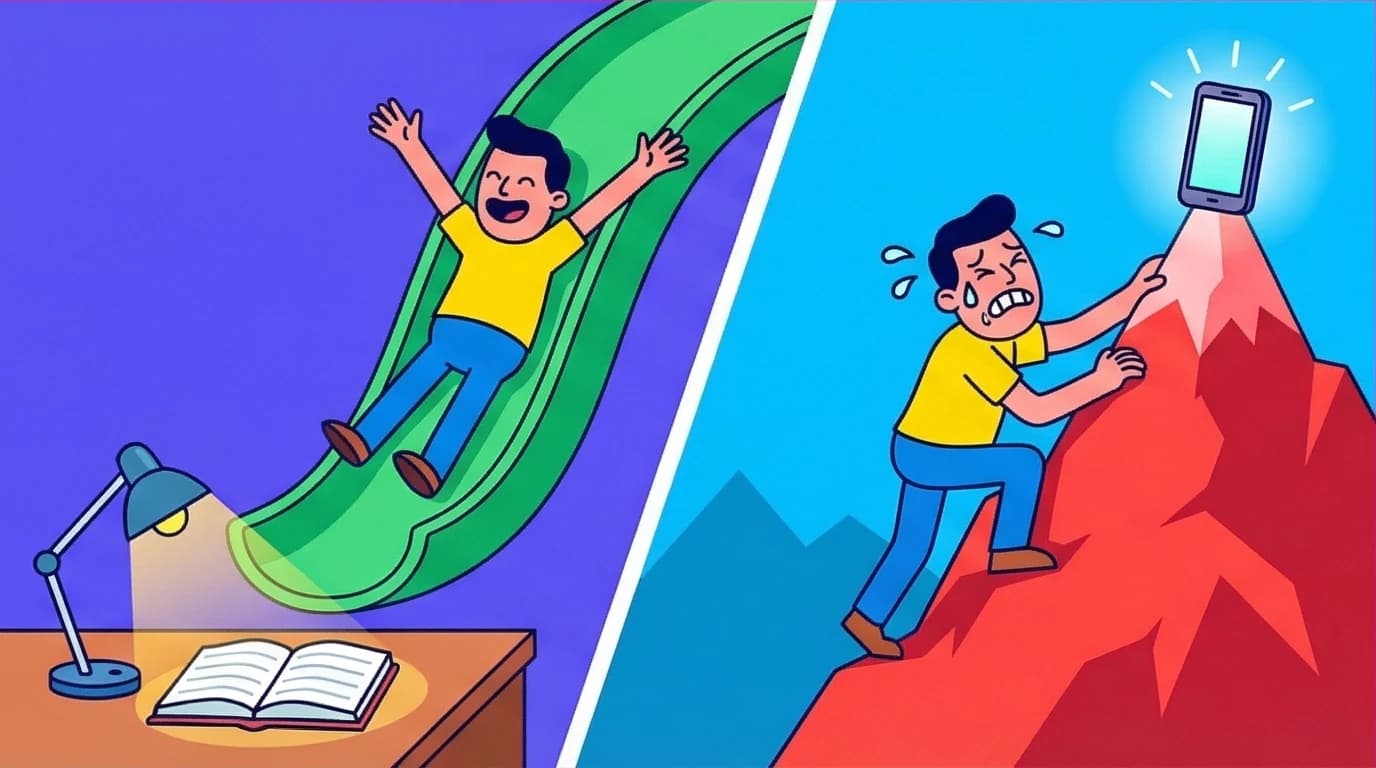
- Increase friction for distractions: Put your phone in a different room while you work. Block specific websites on your router. Log out of your favorite social media accounts and delete the saved passwords.
- Decrease friction for work: Set up your desk the night before. Leave the specific tabs you need open on your browser.
The concept of minimizing friction for good behaviors and maximizing it for bad ones is brilliantly explored in James Clear's Atomic Habits. If you struggle to maintain consistency after the initial burst of motivation fades, this book is essential reading. Clear outlines a practical, science-backed framework for designing your environment so that taking action becomes your default setting. It is a phenomenal resource if you want to stop relying on willpower and start building automatic, effortless routines.

Atomic Habits
James Clear
26 Duration8 Key Points4.7 RateThese frameworks are powerful for any task, but they are especially critical when facing academic or professional deadlines.
Productivity Hacks to Bulletproof Your Environment
Your environment dictates your behavior far more than your intentions do. You can read every self-improvement book at Barnes & Noble, but if your phone is buzzing on your desk, you will lose your focus. Implement these productivity hacks to build an environment that forces execution.
The Digital Declutter Protocol
Every open tab and unread notification drains your cognitive bandwidth. Before you begin a deep work session, ruthlessly close everything irrelevant to the immediate task. Turn on "Do Not Disturb" on your Apple Watch and Mac. Treat your digital workspace with the same respect as a physical operating room.
Mastering the art of filtering out digital noise is arguably the most valuable skill in today's distraction-heavy economy. If you are ready to take your focus to the next level, Cal Newport’s Deep Work is a must-read. Newport provides a compelling look at why uninterrupted concentration is increasingly rare—and highly rewarded. This book will give you the exact blueprints you need to restructure your schedule, eliminate shallow work, and train your brain to handle intense, meaningful focus for hours at a time.
Deep Work
Cal Newport
47 Duration8 Key Points4.6 RateIf adding four more books to your to-do list feels like a recipe for procrastination itself, there's a more direct way to absorb these powerful ideas.


LeapAhead

LeapAhead provides 15-minute summaries of these exact books, letting you grasp the core principles on focus and habit-building during a commute or coffee break.
Forgive Yourself to Move Forward
Guilt is one of the heaviest anchors of procrastination. When you waste a Tuesday, you wake up on Wednesday feeling ashamed. That shame triggers the exact negative emotional state that causes you to procrastinate again.
Research shows that individuals who forgive themselves for procrastinating are far more likely to get back on track the next day. Drop the guilt. Acknowledge the misstep, draw a line in the sand, and pick a single micro-task to execute right now.
Advanced Tips to Overcome Procrastination Long-Term
Quick fixes get you moving today, but lasting change requires shifting how you view yourself and your future. Apply these advanced tips to overcome procrastination permanently.
Bridge the "Future Self" Disconnect
Brain imaging studies reveal a startling fact: when people think about their "future self," the brain activates the same regions as when they think about a complete stranger.
This explains why you easily push a hard task off until tomorrow. You are literally assigning the burden to a stranger.
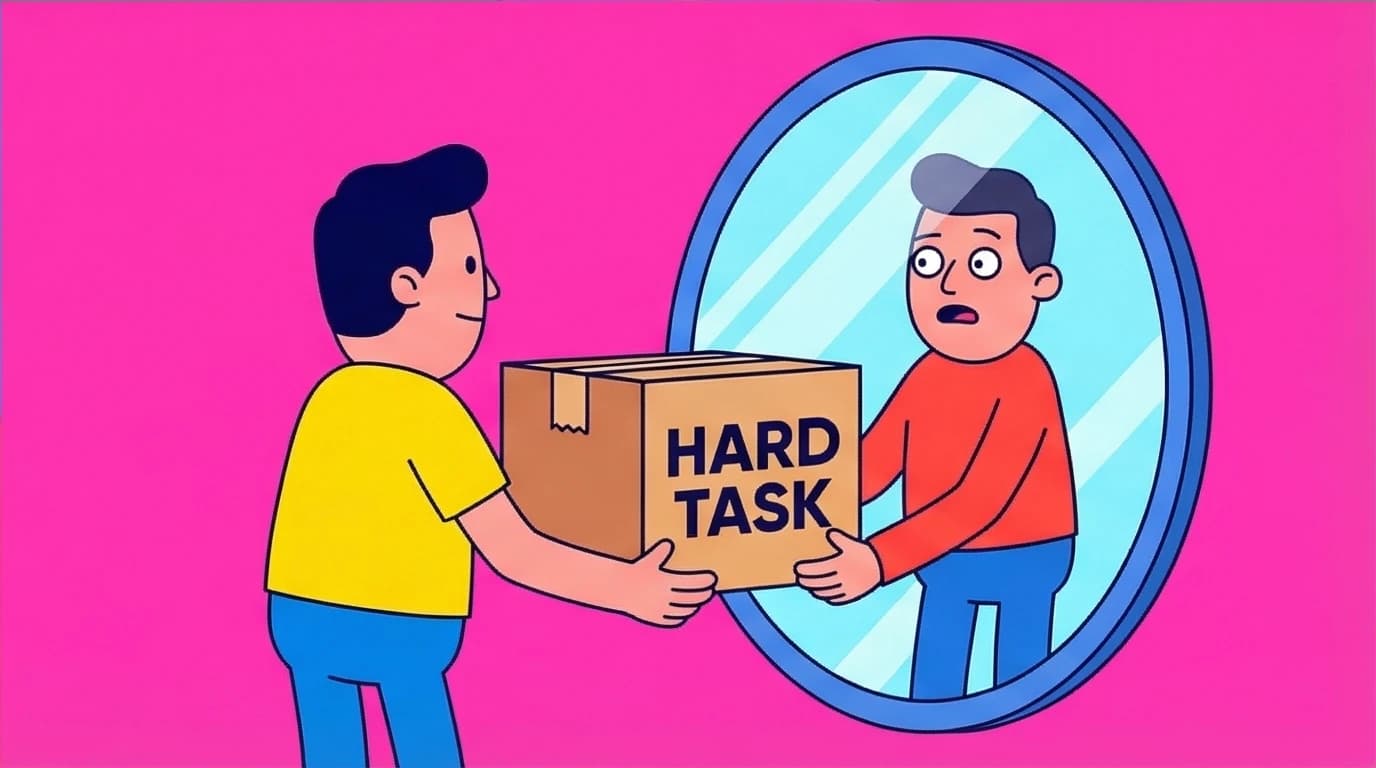
To fix this, visualize the direct consequences of your current actions on your future reality. Imagine the exact stress you will feel at 11:00 PM on Sunday night if you avoid this project today. Conversely, visualize the immense relief and freedom you will experience this weekend if you finish it now.
Beware of Productive Procrastination
This is the most dangerous trap for ambitious professionals. Productive procrastination is doing tasks that feel like work but actually keep you from doing the real work.
Color-coding your calendar, answering low-priority emails, or reorganizing your Notion workspace are classic examples. You feel busy, but you are not moving the needle. Always identify your High-Impact Action for the day and refuse to do anything else until it is completed.
Crush Perfectionism with "Draft Zero"
Perfectionism is just procrastination wearing a tuxedo. You delay starting because you are terrified the result won't match the high standard in your head.
Give yourself permission to create garbage. Call it "Draft Zero." The sole purpose of Draft Zero is to exist. It doesn't need to be good; it just needs to be on the page. You can edit a bad draft, but you cannot edit a blank page. Lower your standards for the initial output and fix it in the revision process.
Consistently absorbing ideas on productivity is key to long-term change, but it can be hard to find the energy to read after a long day of fighting procrastination.
LeapAhead
With LeapAhead, you can listen to key insights from the world's best books on psychology and focus in just 15 minutes, making it easy to learn even when you're tired.
If you've tried these methods and still feel stuck in a cycle of inaction, it might be more than just a bad habit. For many, conditions like ADHD present unique challenges that typical productivity advice doesn't address.
FAQ
Why do I procrastinate even when the task is incredibly easy?
Easy tasks often lack urgency and clear deadlines, making them prime targets for delay. Additionally, simple administrative tasks (like paying a quick bill or sending a short email) offer zero dopamine reward. Your brain views them as tedious chores, pushing you to seek more stimulating activities instead.
Easy tasks often lack urgency and clear deadlines, making them prime targets for delay. Additionally, simple administrative tasks (like paying a quick bill or sending a short email) offer zero dopamine reward. Your brain views them as tedious chores, pushing you to seek more stimulating activities instead.
Is my procrastination actually undiagnosed ADHD?
While chronic procrastination is a hallmark symptom of ADHD (specifically related to executive dysfunction and dopamine deficiency), standard procrastination happens to everyone. The difference lies in severity. If your inability to start tasks consistently derails your career, damages relationships, or causes severe distress despite using structured behavioral frameworks, it is worth consulting a medical professional.
While chronic procrastination is a hallmark symptom of ADHD (specifically related to executive dysfunction and dopamine deficiency), standard procrastination happens to everyone. The difference lies in severity. If your inability to start tasks consistently derails your career, damages relationships, or causes severe distress despite using structured behavioral frameworks, it is worth consulting a medical professional.
How do I recover when I have already wasted half the day?
Do not write off the entire day just because the morning was lost. The "all-or-nothing" mindset is a trap. Forgive yourself immediately, clear your physical and digital workspace, pick one single micro-task that takes less than five minutes, and execute it. Momentum can be rebuilt at 2:00 PM just as easily as at 8:00 AM.
Do not write off the entire day just because the morning was lost. The "all-or-nothing" mindset is a trap. Forgive yourself immediately, clear your physical and digital workspace, pick one single micro-task that takes less than five minutes, and execute it. Momentum can be rebuilt at 2:00 PM just as easily as at 8:00 AM.
Can listening to music help me stop procrastinating?
Yes, but only specific types. Lyrical music or songs you strongly connect with can distract your prefrontal cortex. However, instrumental music, lo-fi beats, or video game soundtracks are designed to maintain a steady pace of engagement without breaking your concentration. They create a "sonic wall" that blocks out erratic background noise and helps anchor your focus.
Yes, but only specific types. Lyrical music or songs you strongly connect with can distract your prefrontal cortex. However, instrumental music, lo-fi beats, or video game soundtracks are designed to maintain a steady pace of engagement without breaking your concentration. They create a "sonic wall" that blocks out erratic background noise and helps anchor your focus.