

You wake up, check your phone, and immediately feel a knot in your stomach. A passive-aggressive Slack message from your manager, looming deadlines, and a commute that drains you before the workday even begins. You are carrying the weight of a toxic environment that demands everything but gives nothing back. Your mind races through worst-case scenarios, burning through your energy before you even step out the door.
You need a psychological shield.
Over 2,000 years ago, Roman Emperor Marcus Aurelius faced plagues, constant warfare, plunging economies, and betrayal by his closest allies. Yet, his private journal, Meditations, remains the ultimate playbook for protecting your mind against chaos. He did not have a life free of stress; he had a system to manage it.
Here is exactly how you can apply his frameworks today to stop spiraling, reclaim your focus, and step out of the emotional meat grinder.

The Core Rule: Separate Fact from Judgment
Anxiety thrives in the gray area between reality and your imagination. We suffer because we conflate what actually happened with the story we tell ourselves about what happened.
Marcus Aurelius wrote: "Today I escaped anxiety. Or no, I discarded it, because it was within me, in my own perceptions—not outside."
When your boss sends a terse email saying, "We need to talk at 4 PM," your brain immediately triggers a panic response. You assume you are being fired, demoted, or reprimanded.
The Stoic Intervention:
Pause and strip away the narrative.
Pause and strip away the narrative.
- The objective fact: There is a meeting at 4 PM.
- The judgment: I am going to get fired and lose my health insurance.
To protect your peace, force yourself to stay with the objective fact. You control your work ethic, your preparation, and your response. You do not control your boss's mood, company budget cuts, or macroeconomic shifts. Taking a closer look at Marcus Aurelius mental health routines, we see a constant, daily practice of drawing a mental boundary around the self. If an issue sits outside that boundary, you must train yourself to assign it zero emotional weight.
While separating fact from judgment is a key tactic, it's just one part of a larger philosophical system. Understanding the core principles behind his thinking can make these strategies even more powerful.
If you are ready to read the actual source material where Marcus Aurelius developed these exact cognitive frameworks, there is no better starting point than his personal diary. Originally written as private notes to himself during long military campaigns, it has survived over two millennia as one of the most practical guides to mental resilience ever published. Picking up a copy of this timeless classic is essential for anyone serious about mastering their own mind and separating reality from anxious judgments.
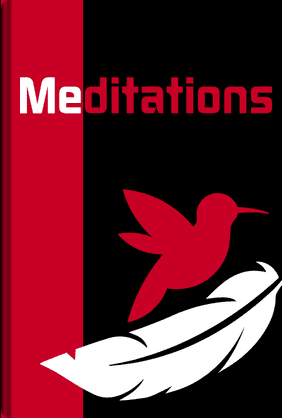
Meditations
Marcus Aurelius
 34 Duration
 7 Key Points
 4.6 Rate
If diving into a 2,000-year-old text feels a bit daunting, or you simply don't have the time, there's a more modern way to absorb these powerful ideas.


Understand the core wisdom of Stoic classics like Meditations in just 15 minutes, making it easy to build resilience on a busy schedule.
 LeapAhead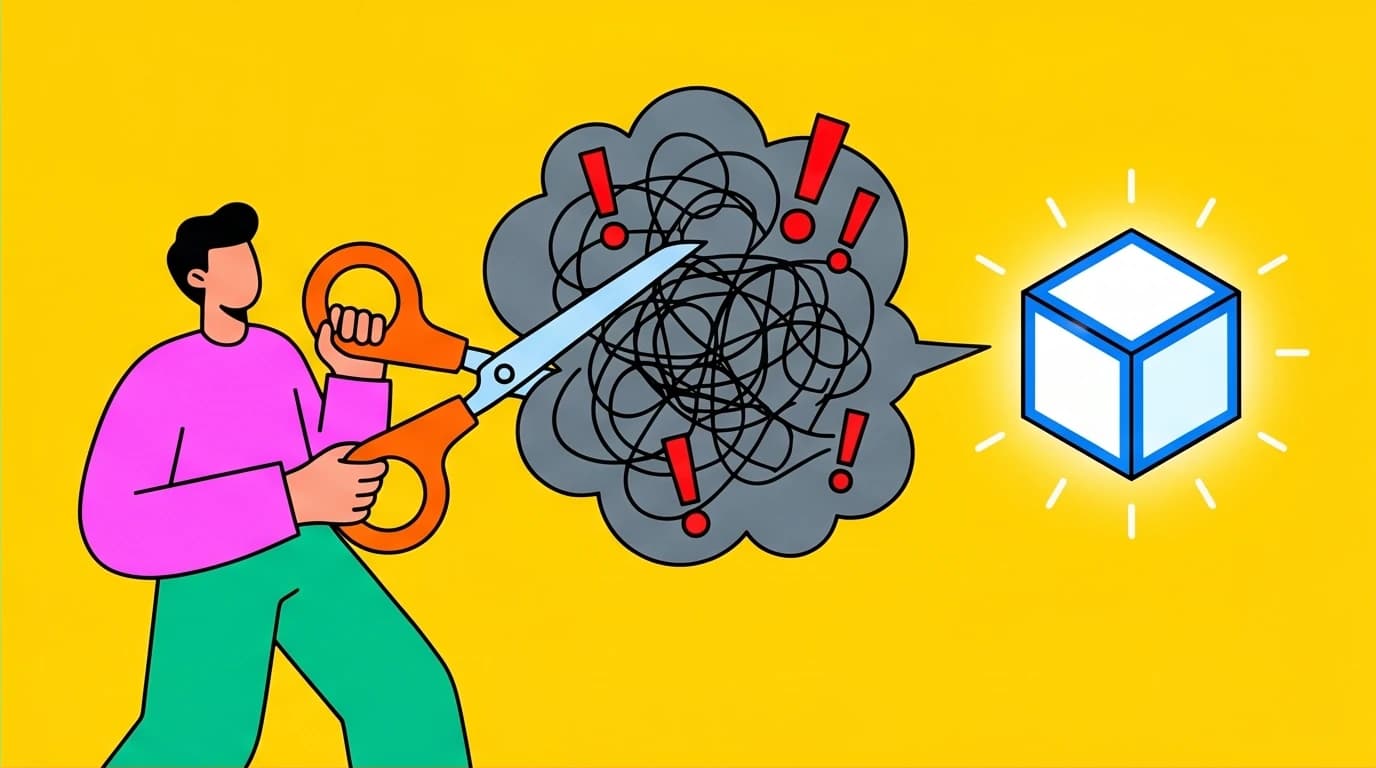
Dealing with Difficult People: The Marcus Aurelius Method
Toxic coworkers, micromanagers, and ungrateful clients are massive sources of modern anxiety. We get frustrated because we expect people to act rationally and kindly, and we feel shocked when they do not.
When dealing with difficult people, Marcus Aurelius used a specific psychological framing technique called the morning premeditation. Every single morning, he would prepare his mind for the reality of human behavior.
He wrote: "Begin the morning by saying to yourself, I shall meet with the busybody, the ungrateful, arrogant, deceitful, envious, unsocial. All these things happen to them by reason of their ignorance of what is good and evil."
How to use this at work:
Before you log onto your computer or step into the office, mentally accept that someone will likely do something frustrating today. The vendor will miss the deadline. Your colleague will take credit for your work. The client will ask for a ridiculous revision.
Before you log onto your computer or step into the office, mentally accept that someone will likely do something frustrating today. The vendor will miss the deadline. Your colleague will take credit for your work. The client will ask for a ridiculous revision.
Expect it. Factor it into your day.
When you anticipate bad behavior, it ceases to be a shock and becomes a mere logistical hurdle. You stop asking, "Why are they acting like this?" and shift immediately to, "How do I navigate around this?" You realize their toxicity is a reflection of their own internal chaos, not a reflection of your worth. You take away their power to disrupt your nervous system.
This premeditation was a crucial part of a larger set of daily habits that built his mental fortitude.
While the Stoic morning premeditation is a brilliant internal defense mechanism against difficult colleagues, you also need practical external strategies to protect your energy. If you find yourself constantly drained by toxic coworkers, demanding clients, or micromanagers, pairing ancient philosophy with modern boundary-setting techniques is an absolute game-changer. This highly actionable guide will show you exactly how to assert your limits professionally and guilt-free, ensuring you do not take the office drama home with you.

Set Boundaries, Find Peace
Nedra Glover Tawwab
29 Duration10 Key Points4.5 Rate
Stoic Quotes on Stress (and How to Apply Them Today)
Reading ancient philosophy only matters if you can use it to solve modern problems. Here are three highly pragmatic stoic quotes on stress from Meditations, translated into actionable advice for your daily life.
1. "Never let the future disturb you. You will meet it, if you have to, with the same weapons of reason which today arm you against the present."
- The Modern Translation: Stop projecting your current anxiety into next month.
- The Action: When you catch yourself spiraling about a potential layoff or a massive project due in Q4, snap back to today. What is the next immediate task in front of you? Do that. Trust that the future version of yourself will be just as capable of handling tomorrow's problems as you are handling today's.
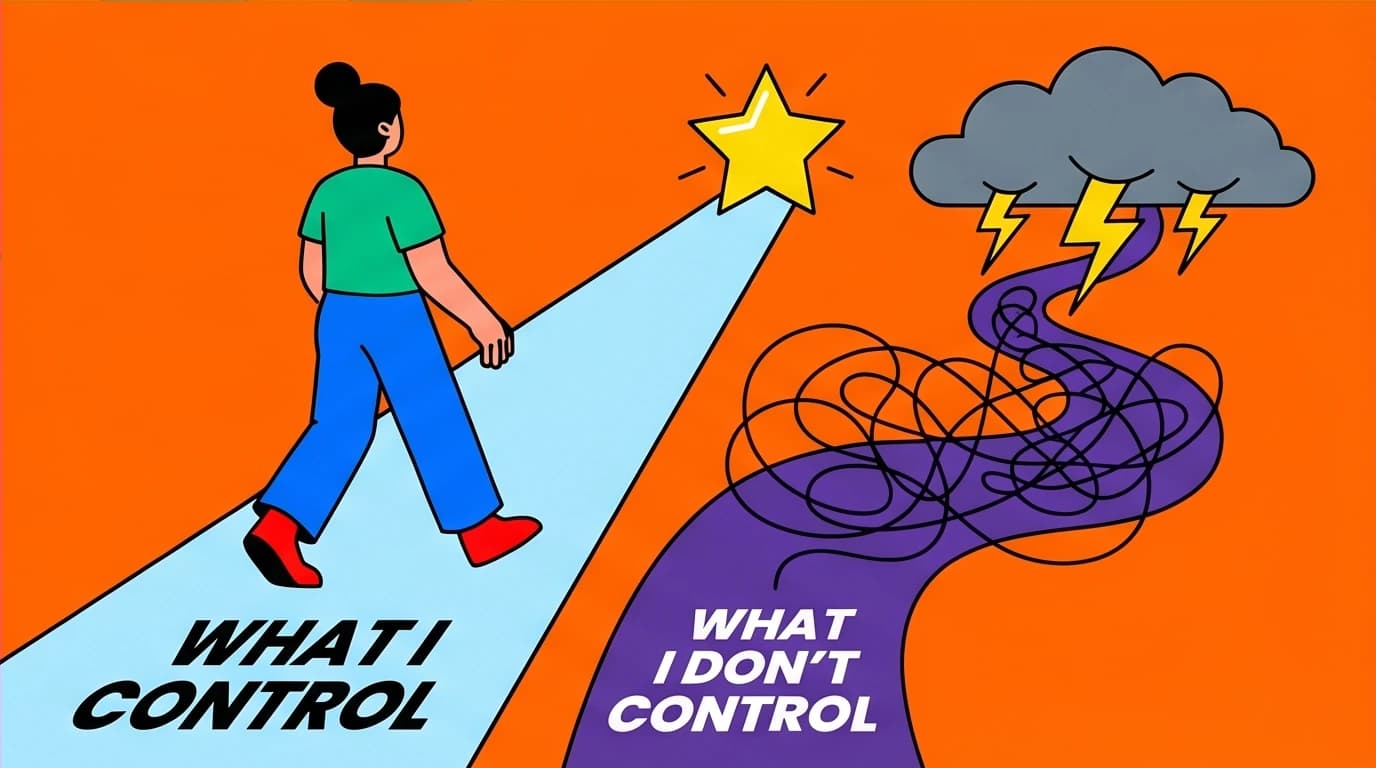
2. "You have power over your mind - not outside events. Realize this, and you will find strength."
- The Modern Translation: Your anger at external events is useless energy expenditure.
- The Action: Create a "Control Audit." Take a piece of paper and draw a line down the middle. On the left, list everything causing you stress right now (inflation, the housing market, office politics). On the right, list the micro-actions you actually control (your budget, upgrading your resume, sending three networking emails). Completely ignore the left column and execute the right.
3. "It is not death that a man should fear, but he should fear never beginning to live."
- The Modern Translation: Chronic anxiety steals your actual life.
- The Action: Recognize that spending your weekend worrying about a Monday morning meeting means you have sacrificed your free time to a corporation that is not paying you for it. Reclaim your weekend. Go to Barnes & Noble, read a book, take a walk. Force your mind to detach.
These maxims offer a glimpse into the emperor's mindset. For those looking for more concentrated wisdom, exploring a wider collection of his thoughts can be a powerful source of daily motivation.
The Obstacle is the Way: Overcoming Adversity Stoicism Style
When bad things happen—you lose a major client, a relationship ends, or a project fails—the default human reaction is to feel victimized.
For overcoming adversity, stoicism relies on a complete cognitive reframe. Marcus Aurelius believed that obstacles were not blocking the path; they were the path. A fire consumes everything thrown into it and uses it as fuel to burn brighter.
If you are stuck in a dead-end job with a manager who constantly undermines you, look at it through the Stoic lens. This is not a tragedy; it is an intensive training camp for your emotional regulation. This environment is teaching you how to maintain professional composure, how to document processes efficiently, and exactly what kind of leader you never want to be.
Every setback is an opportunity to practice a specific virtue:
- A canceled flight is an opportunity to practice patience.
- A hostile email is an opportunity to practice emotional restraint.
- A financial hit is an opportunity to practice resourcefulness.
When you flip the script, anxiety loses its grip. You are no longer a victim of your circumstances; you are an active participant using the situation to build a stronger version of yourself.
If the concept of flipping adversity into an advantage resonates with you, you might want to dive deeper into how history's greatest figures applied this exact Stoic principle. It is one thing to understand that obstacles can become fuel; it is another to see how leaders have actively used that mindset to conquer seemingly impossible odds. This modern bestseller is a fantastic resource that translates this ancient Roman wisdom into a highly accessible playbook for thriving in today's chaotic, unpredictable world.
The Obstacle Is the Way
Ryan Holiday
44 Duration7 Key Points4.6 RateA Daily Routine to Bulletproof Your Mind
To truly benefit from Marcus Aurelius on anxiety, you cannot just read the theory. You have to build the mental muscle through repetition. Integrate these three habits into your week:
1. The "View from Above"
When you are overwhelmed by a specific problem, zoom out. Imagine your house from a drone's perspective. Then your city. Then the United States. Then the globe. Consider the billions of people living their lives, the centuries of history, and the vastness of the universe. Your missed deadline or awkward social interaction is incredibly tiny in the grand scheme of things. This is not meant to depress you; it is meant to liberate you from the crushing weight of temporary problems.
When you are overwhelmed by a specific problem, zoom out. Imagine your house from a drone's perspective. Then your city. Then the United States. Then the globe. Consider the billions of people living their lives, the centuries of history, and the vastness of the universe. Your missed deadline or awkward social interaction is incredibly tiny in the grand scheme of things. This is not meant to depress you; it is meant to liberate you from the crushing weight of temporary problems.
2. Negative Visualization (Premeditatio Malorum)
Once a week, take five minutes to vividly imagine the worst-case scenario of something you are anxious about. What if you actually bomb the presentation? What happens next? You feel embarrassed, maybe your boss criticizes you. Then what? You go home, eat dinner, wake up the next day, and keep living. Visualizing the absolute worst outcome strips away its vague terror and shows you that, logically, you will survive it.
Once a week, take five minutes to vividly imagine the worst-case scenario of something you are anxious about. What if you actually bomb the presentation? What happens next? You feel embarrassed, maybe your boss criticizes you. Then what? You go home, eat dinner, wake up the next day, and keep living. Visualizing the absolute worst outcome strips away its vague terror and shows you that, logically, you will survive it.
3. The Evening Review
Before you go to sleep, review your day without judgment. Ask yourself:
Before you go to sleep, review your day without judgment. Ask yourself:
- What upset me today?
- Did I react out of emotion or logic?
- What is out of my control that I need to let go of before I close my eyes?
Write it down in a journal to physically move the anxiety out of your brain and onto paper.
Building these psychological habits takes time, and having a structured, contemporary roadmap can make the Stoic lifestyle feel much more attainable. If you want a deeper dive into applying negative visualization and other mental tools to 21st-century stressors, this book is a remarkably helpful companion. It beautifully bridges the gap between ancient philosophy and our fast-paced modern lives, offering a step-by-step approach to finding lasting tranquility amidst the noise.
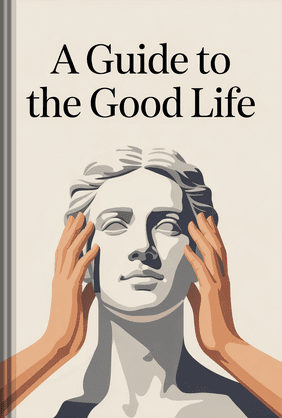
A Guide to the Good Life
William B. Irvine
56 Duration9 Key Points4.5 RateBuilding these Stoic habits is a journey, and while these books are invaluable guides, feeling pressured to read them all can add to your stress. For those days when you're too mentally drained for a full chapter, you can still make progress.
Fit the life-changing lessons from all these recommended books into your day with 15-minute audio summaries, perfect for your commute or workout.
LeapAheadFAQ
Did Marcus Aurelius actually struggle with anxiety?
Yes. While we remember him as a stoic philosopher, his private writings show a man constantly battling feelings of being overwhelmed, frustrated by incompetent people, and stressed by his immense responsibilities. Meditations is not a book of a man who naturally had perfect mental health; it is the diary of a deeply stressed man talking himself off the ledge and coaching himself back to tranquility.
Yes. While we remember him as a stoic philosopher, his private writings show a man constantly battling feelings of being overwhelmed, frustrated by incompetent people, and stressed by his immense responsibilities. Meditations is not a book of a man who naturally had perfect mental health; it is the diary of a deeply stressed man talking himself off the ledge and coaching himself back to tranquility.
How do I practice Stoicism when my boss is genuinely toxic?
Stoicism does not mean being a passive punching bag. It means protecting your internal state while you take logical external actions. If your boss is toxic, you recognize that their behavior is out of your control. You do not waste energy trying to fix them or crying over their unfairness. Instead, you channel that saved energy into things you control: updating your resume, networking on LinkedIn, and meticulously documenting your work to protect yourself until you can exit the environment.
Stoicism does not mean being a passive punching bag. It means protecting your internal state while you take logical external actions. If your boss is toxic, you recognize that their behavior is out of your control. You do not waste energy trying to fix them or crying over their unfairness. Instead, you channel that saved energy into things you control: updating your resume, networking on LinkedIn, and meticulously documenting your work to protect yourself until you can exit the environment.
Is Stoicism just about suppressing your emotions?
No. This is the biggest misconception about the philosophy. Stoicism is about preventing destructive emotions (like panic, blind rage, or crippling anxiety) from hijacking your decision-making. You still feel the initial flash of fear or anger—that is a biological reflex. Stoicism is the tool you use in the split second after that flash to stop the emotion from spiraling into a narrative that ruins your day.
No. This is the biggest misconception about the philosophy. Stoicism is about preventing destructive emotions (like panic, blind rage, or crippling anxiety) from hijacking your decision-making. You still feel the initial flash of fear or anger—that is a biological reflex. Stoicism is the tool you use in the split second after that flash to stop the emotion from spiraling into a narrative that ruins your day.