


You see Stoicism praised everywhere today, from Silicon Valley podcasts to Wall Street trading floors. Yet, sitting down with a 2,000-year-old philosophical text is a daunting time commitment. You want the tactical insights to handle high-stress environments without spending weeks deciphering archaic translations.
This guide strips away the academic clutter. Here is the definitive Meditations Marcus Aurelius summary, structured to give you the exact mental frameworks the world's most powerful emperor used to stay grounded, focused, and resilient.
Core Philosophy: Meditations Key Takeaways
Marcus Aurelius never intended to publish this book. He wrote these notes in military tents on the front lines to keep his own behavior in check. Because of this, the text is intensely practical. If you only remember four concepts from this Marcus Aurelius book summary, make it these.
1. The Dichotomy of Control
Much of our daily anxiety comes from trying to force outcomes we do not control. Traffic on the interstate, a fluctuating stock market, or a coworker's bad attitude are outside your jurisdiction. Aurelius argues that your energy must be spent entirely on your own reactions, choices, and character.
Practical Application: Next time a flight gets canceled or a client backs out, stop wasting energy complaining. Pivot immediately to the only variable you control: your response.

2. Perception Dictates Reality
Aurelius famously wrote: "The things you think about determine the quality of your mind. Your soul takes on the color of your thoughts." Events themselves are neutral. A rainy day is just water falling from the sky; your judgment that the rain is "ruining your weekend" is what causes you distress. You have the power to strip away the emotional narrative and look at things objectively.
This is just one of many powerful insights from the emperor, whose private journal is filled with timeless wisdom.
3. Obstacles Are the Path
Instead of getting frustrated when things go wrong, Stoics view problems as raw material for practicing virtue. If someone is rude to you, they are giving you a chance to practice patience. If a project fails, it is a chance to practice resilience. The impediment to action advances action. What stands in the way becomes the way.
If this specific concept—turning adversity into your biggest advantage—resonates with you, there is a modern bestseller that expands entirely on this single premise. Ryan Holiday takes Aurelius's famous maxim that "what stands in the way becomes the way" and applies it to historical figures who used insurmountable odds to achieve greatness. It is an incredibly motivating read that will completely rewire how you handle stressful setbacks in your own career.

The Obstacle Is the Way
Ryan Holiday
 44 Duration
 7 Key Points
 4.6 Rate
4. Memento Mori (Remember You Will Die)
This sounds morbid, but it is deeply liberating. Aurelius constantly reminded himself of his own mortality. Realizing that your time is highly limited forces you to stop caring about petty arguments, office politics, or the opinions of strangers. It brings sharp focus to what actually matters right now.

Want to absorb powerful ideas like these from Stoicism and other bestsellers? Get key insights from non-fiction books in just 15 minutes with audio and text summaries.

Download LeapAhead App now
Book-by-Book Breakdown: Meditations Chapter Summary
The original text is divided into 12 "books" (effectively chapters). Because it was a diary, it does not follow a linear narrative. Here is a streamlined Meditations chapter summary to help you navigate his core themes.
Book 1: Debts and Lessons
Aurelius starts with gratitude. He lists his family members, tutors, and mentors, detailing the specific virtues he learned from each. It is a powerful exercise in recognizing that our character is built from the positive traits we absorb from others.
Book 2: Dealing with Difficult People
Written while on a military campaign, this chapter tackles human toxicity. Aurelius tells himself to wake up expecting to meet people who are selfish, jealous, and arrogant. He reminds himself that they act this way out of ignorance, and he cannot let their behavior infect his own character.
Book 3: Mental Discipline
Focus is the primary theme here. Aurelius urges himself to stop worrying about what others are doing or thinking. If you want to organize your life, you must stop letting your mind wander into meaningless anxieties. Keep your thoughts so pure that if someone asked you what you were thinking about right now, you could answer immediately without embarrassment.
Book 4: The Inner Citadel
Aurelius introduces the concept of retreating into one's own mind. You do not need a vacation to the beach or the mountains to find peace. The ultimate retreat is inward. By building an "inner citadel" of calm rationality, you can find tranquility anywhere, even in the middle of a chaotic workday.

Book 5: Purpose and Action
This chapter features the famous passage about struggling to get out of bed. Aurelius argues with himself on cold mornings, reminding himself that humans are designed to work and contribute to society, not to huddle under warm blankets. You exist to do your job as a human being. Get up and do it.
Book 6: Stripping Away the Illusion
To prevent himself from becoming obsessed with luxury, Aurelius practices objective framing. He describes fine wine as just fermented grape juice, and the purple robes of an emperor as sheep's wool dyed with shellfish blood. By breaking things down to their literal components, you destroy their psychological grip on you.
Book 7: Patience and Change
Everything is in a constant state of flux. Aurelius reflects on the vastness of time and how quickly historical figures are forgotten. This serves as a reminder to stay patient, do good work in the present moment, and not worry about lasting fame.
Book 8: Self-Reliance
You cannot rely on external wealth, status, or even health, because all of it can be taken away by fate. Your mind is the only asset that is truly yours. Build your reliance on logic and virtue.
Book 9: Interconnectedness
Aurelius emphasizes that humans are social animals meant to work together. Harming someone else effectively harms yourself because we are all part of the same organism. Do your part for the common good without expecting applause.
Book 10: Accepting Your Fate (Amor Fati)
Whatever happens to you was prepared for you by nature. Do not just tolerate your circumstances; embrace them. If something is bearable, endure it without complaining. If it is unbearable, it will eventually end your life, and the pain will end with it.
The Stoic idea of embracing unbearable circumstances can feel abstract until you see it tested in the real world. For a profound modern parallel to this principle, consider Viktor Frankl's psychological masterpiece. Written after his survival in horrific concentration camps, it proves that even when every external comfort and freedom is violently stripped away, your ability to choose your attitude—your own internal Amor Fati—remains yours. It is a brilliant testament to the durability of the human spirit.
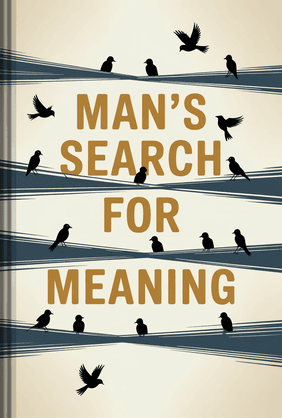
Man's Search for Meaning
Viktor E. Frankl
44 Duration8 Key Points4.6 RateBook 11: The Stupidity of Anger
Anger causes more damage than the event that triggered the anger. Aurelius lists strategies to cool a hot temper, reminding himself that people rarely do wrong on purpose—they do it because they are misguided. Responding with anger is a failure of your own rationality.
Book 12: The Final Exit
In the concluding chapter, Aurelius reflects on his eventual death. He urges himself to live fully in the present, stop seeking external validation, and accept the end of life with the same grace as an actor leaving the stage when the play is over.
While this summary gives you a great overview, tackling the original text can be a rewarding experience. For those ready to dive in, a structured approach can make all the difference.
Actionable Steps: Applying Marcus Aurelius Today
Understanding a Meditations Marcus Aurelius summary is only half the battle. Stoicism is a practical tool, not a theoretical debate. Here is how to apply his strategies this week:
- Audit Your Morning Routine: Before checking your phone or reading the news, set your daily expectation. Acknowledge that you will encounter traffic, unreasonable emails, and stressful deadlines. Pre-deciding your calm reaction prevents these events from throwing you off balance.
- The "Objective Description" Hack: When you are stressed about a massive upcoming presentation or a financial setback, describe it literally. It is not "the end of my career." It is simply "speaking words to a group of people in a conference room" or "numbers changing on a bank screen." Remove the emotional adjectives.
- Keep a Private Journal: Aurelius did not write for an audience. Grab a notebook from Amazon or Barnes & Noble and use it solely to talk to yourself. Audit your daily mistakes, dissect your emotional reactions, and write down what you can do better tomorrow.
Once you start journaling and applying these mental frameworks, you might find yourself craving more practical advice from the ancient world. If you want another incredibly accessible Roman philosopher to add to your reading list, Seneca is the perfect next step. His letters read like direct advice from a wealthy, wise mentor. He tackles everything from managing your daily schedule to dealing with anxiety, wealth, and the fear of missing out, proving that human nature hasn't changed in 2,000 years.
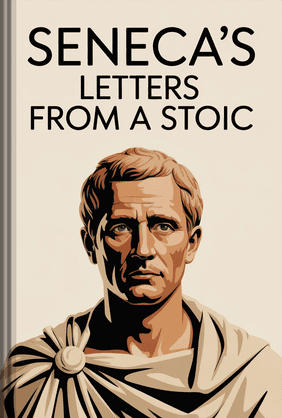
Seneca's Letters from a Stoic
Lucius Annaeus Seneca, Classics HQ
38 Duration8 Key Points4.7 RateFeeling daunted by a 2,000-year-old text? LeapAhead breaks down classics like *Meditations* into 15-minute summaries so you can learn the core wisdom without the heavy reading.
Download LeapAhead App now
Best Ways to Consume the Book Quickly
If you want to go deeper without getting bogged down by 19th-century old English, your approach matters.
- Read the Gregory Hays Translation: If you choose to read the physical book, buy the translation by Gregory Hays. It uses modern, direct American English. It cuts out the "thou" and "shalt" language, making the ancient emperor sound like a modern-day mentor.
Choosing the right version is crucial, as the language can significantly impact your understanding and enjoyment.
- Use a Meditations Audio Summary: For busy commuters driving 20 miles to work, a full audiobook can still be heavy. Look for a dedicated Meditations audio summary on platforms like Audible or major podcast networks. These often compress the 12 books into a tight 45-minute listen, focusing purely on the tactical takeaways.
- Use a Microlearning App like LeapAhead: For those who want a more structured, habit-forming approach, microlearning apps are the modern solution. An app like LeapAhead is designed to break down dense books like Meditations into 15-minute audio or text summaries. This format is ideal for building a consistent learning habit, as the Stoics would have endorsed. The real strength here is the focus on retention; features like visual infographics, daily goal setting, and personalized recommendations help ensure the ideas actually stick. While it won't replace a deep academic reading of the original text, it's arguably the most efficient way to absorb the core principles and apply them to your daily life.
Of course, reading summaries and listening to podcast breakdowns will only get you so far. If you are truly ready to dive straight to the source and experience the emperor's private thoughts firsthand, you need to pick up a physical copy of the text. Keeping this foundational book on your desk or nightstand allows you to read just a few short passages every evening, constantly reinforcing the mental discipline required to thrive in a chaotic world.
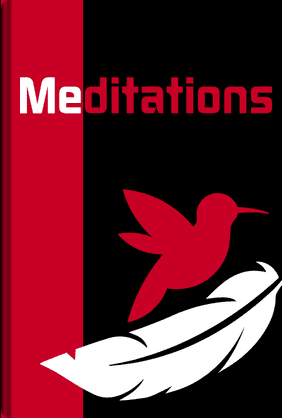
Meditations
Marcus Aurelius
34 Duration7 Key Points4.6 RateFAQ
Which translation of Meditations is the best to read?
For modern readers, the Gregory Hays translation is widely considered the best. It translates Aurelius's thoughts into crisp, direct English, completely removing the archaic, clunky language found in older, public-domain translations.
For modern readers, the Gregory Hays translation is widely considered the best. It translates Aurelius's thoughts into crisp, direct English, completely removing the archaic, clunky language found in older, public-domain translations.
Is Meditations hard to read?
It depends on the translation, but generally, no. Because it is a collection of diary entries, it is incredibly easy to pick up, read two or three short passages, and put down. You do not need to read it cover-to-cover to extract immense value from it.
It depends on the translation, but generally, no. Because it is a collection of diary entries, it is incredibly easy to pick up, read two or three short passages, and put down. You do not need to read it cover-to-cover to extract immense value from it.
Was Marcus Aurelius a religious man?
Aurelius often refers to "Nature," "the gods," and the "Logos" (a rational principle governing the universe). While he operated within the framework of Roman paganism, his philosophy is fundamentally practical and psychological. You do not need to hold any specific religious belief to effectively practice the Stoic principles he outlines.
Aurelius often refers to "Nature," "the gods," and the "Logos" (a rational principle governing the universe). While he operated within the framework of Roman paganism, his philosophy is fundamentally practical and psychological. You do not need to hold any specific religious belief to effectively practice the Stoic principles he outlines.