

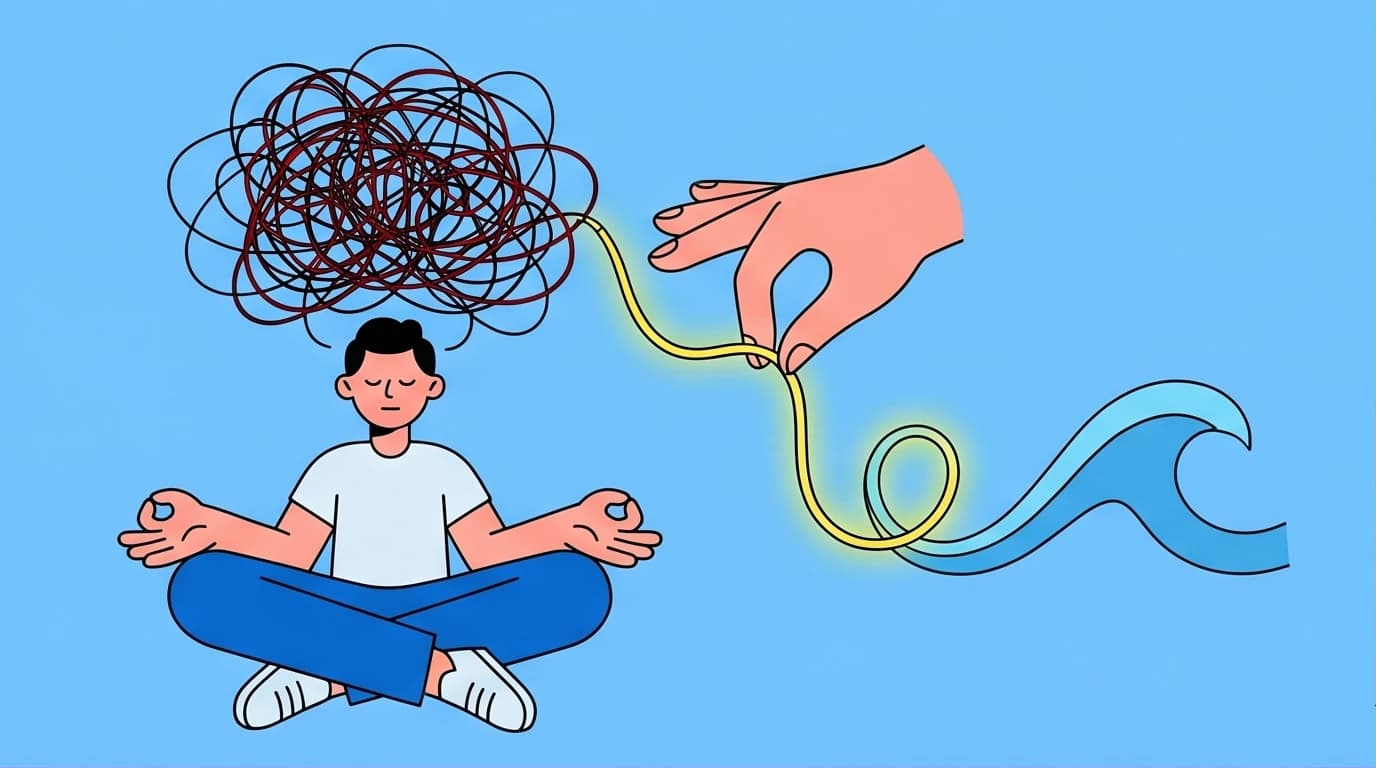
Your heart races, your chest feels tight, and your brain is looping through a dozen worst-case scenarios about tomorrow. You decide to sit down, close your eyes to meditate, and suddenly the thoughts get twice as loud. Managing anxiety with meditation often feels impossible when your mind refuses to shut off, leaving you more frustrated than when you started.
You are not doing it wrong. Anxiety is a survival mechanism. Your brain thinks you are in physical danger, so it floods your body with adrenaline and cortisol. Telling a brain in survival mode to "just relax" is like telling a smoke alarm to ignore a fire.
To actually find relief, you need a different approach. You don't need to empty your mind. You just need to change how you react to the noise.
The Trap: Why Meditating with Anxiety Feels Hard
Most people abandon meditation after a few days because they misunderstand the goal. If you sit down expecting a wave of instant peace, you are setting yourself up for failure.
Anxiety creates a magnifying glass effect. When you remove external distractions—like your phone, work emails, or the TV—you are left alone with your internal dialogue. For an anxious person, that internal dialogue is usually loud and terrifying.
The "Empty Mind" Myth
The biggest misconception about calming a racing mind is that you have to stop thinking. You cannot stop your thoughts. The brain secretes thoughts the way the stomach secretes acid. It is a natural biological function.
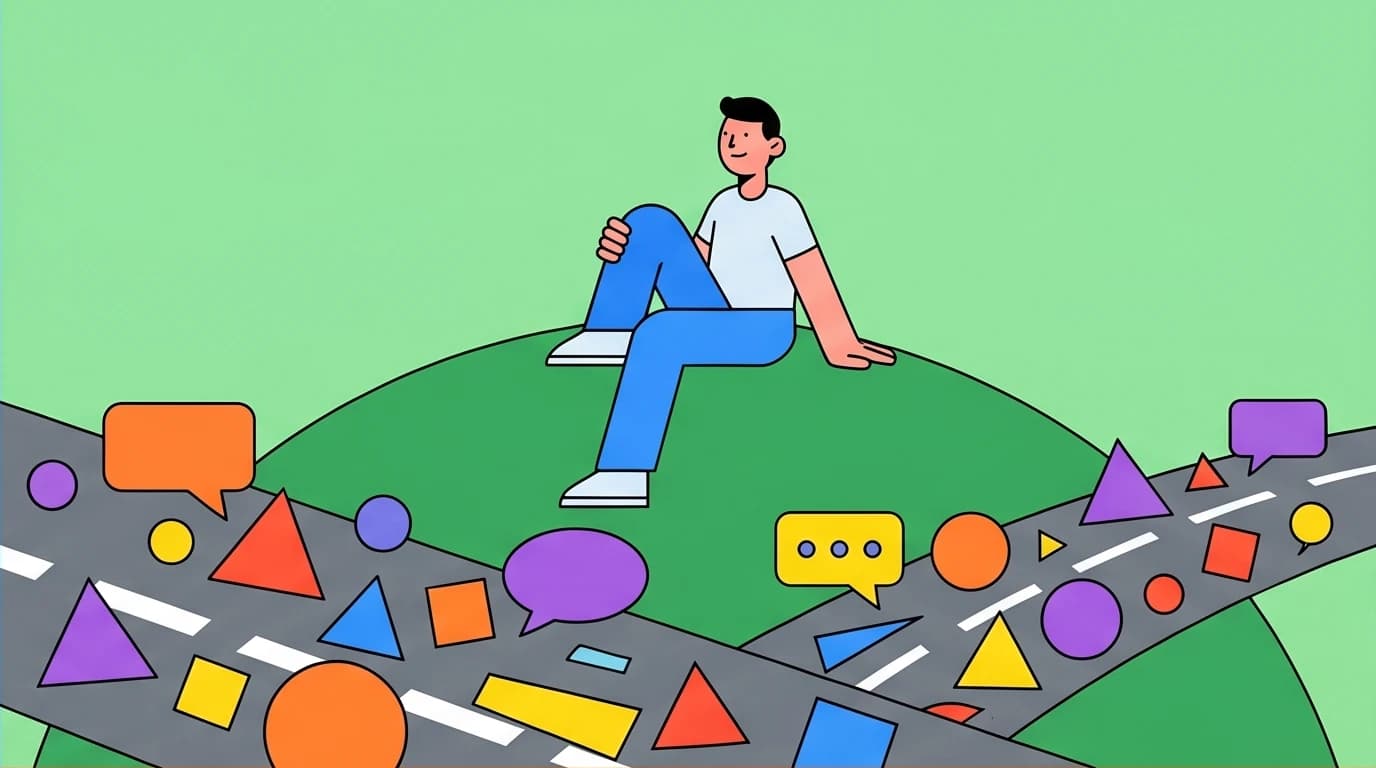
Mindfulness is not about stopping the thoughts. It is about stepping back and watching them happen without getting tangled up in them. You become the observer standing on the side of the road, watching the cars (your thoughts) drive by, rather than jumping into traffic to stop them.
If you still feel like your brain is too wired to sit quietly, you are definitely not alone. Many people give up on mindfulness because they believe their restless energy disqualifies them from finding inner peace. If you are someone who rolls your eyes at the idea of sitting still on a cushion, learning how to adapt these practices to your hyperactive mind can be a total game-changer. For a highly relatable, no-nonsense approach to training an anxious brain without losing your edge, this practical guide offers excellent strategies.
Meditation for Fidgety Skeptics
Dan Harris, Jeff Warren, Carlye Adler
 36 Duration
 9 Key Points
 4.6 Rate
Overcoming these initial hurdles is the first step. For those who are brand new to the concept and want a simple, foundational walkthrough before tackling anxiety-specific exercises, it can be helpful to start with the basics.
How Mindfulness Rewires an Anxious Brain
You do not need to rely on faith for this to work. Mindfulness meditation for anxiety triggers distinct, measurable biological changes.
Shrinking the Fear Center
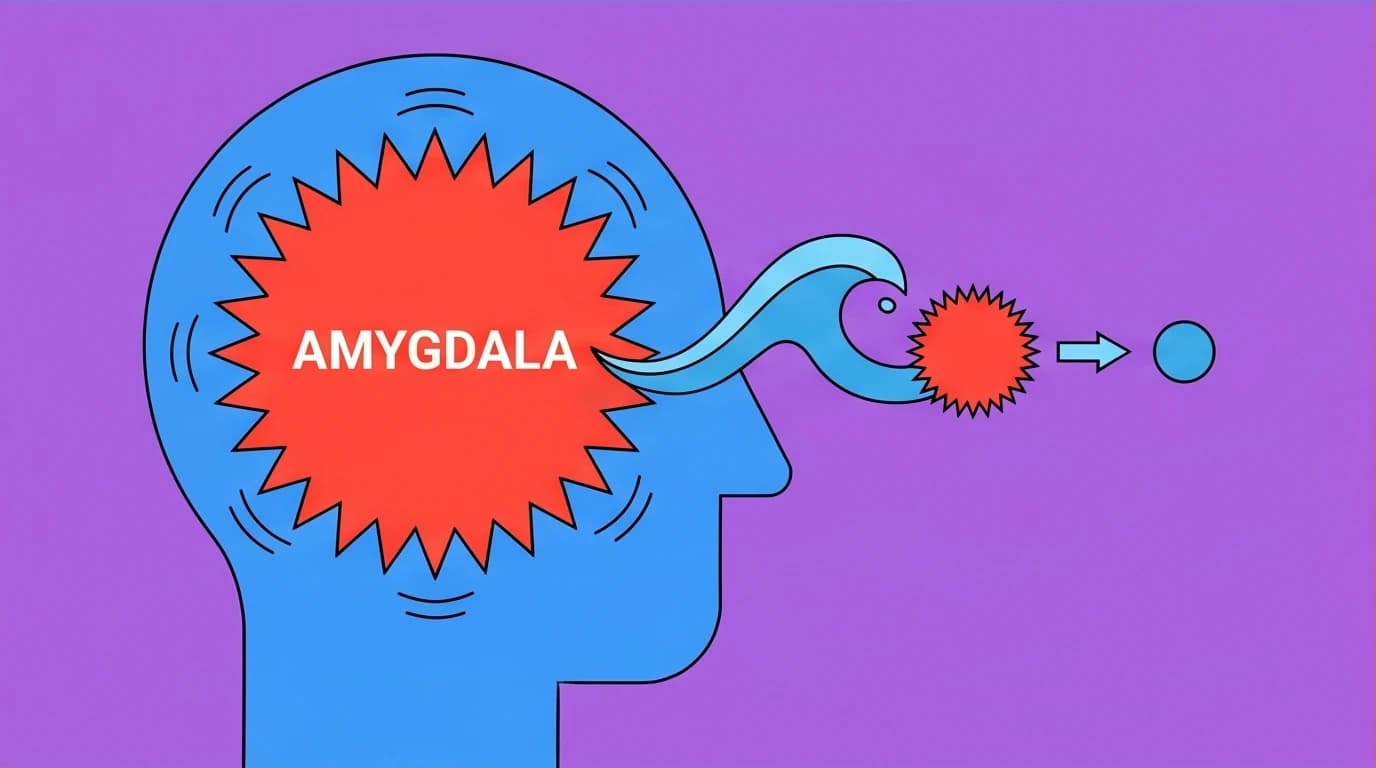
Regular meditation directly impacts the amygdala, the primitive part of the brain responsible for processing fear and triggering panic. When you live with chronic anxiety, your amygdala becomes hyperactive and enlarged. Studies consistently show that a consistent mindfulness practice physically shrinks the amygdala, making you less reactive to stress triggers.
Engaging the Vagus Nerve
When you practice specific breathing techniques during meditation, you stimulate the vagus nerve. This nerve acts as the brake pedal for your nervous system. Activating it tells your body to switch from the sympathetic nervous system (fight-or-flight) to the parasympathetic nervous system (rest-and-digest). Your heart rate slows, your blood pressure drops, and your muscles un-clench.
Understanding the biological mechanics behind anxiety can be incredibly empowering. When you realize that your racing heart and tight chest are just neurochemical reactions rather than character flaws, it becomes much easier to manage them. If you want to dive deeper into how focused attention physically alters your neural pathways and helps shrink your brain's fear center, it helps to read up on the intersection of modern neuroscience and ancient contemplative practices. Ready to learn more about hardwiring your nervous system for calm? This excellent read breaks down the science beautifully.
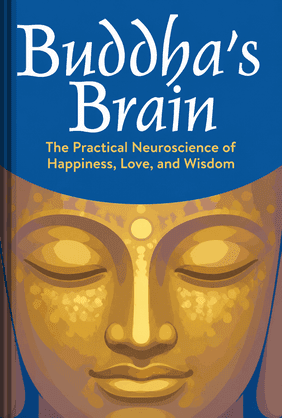
Buddha's Brain
Richard Mendius, M.D., Rick Hanson, Ph.D.
42 Duration8 Key Points4.6 RateIf a deep dive into neuroscience feels like too much when your mind is already racing, you can still access these powerful ideas in a more digestible format.


Understand the science behind how meditation rewires an anxious brain by listening to key insights from books like this in short, focused sessions.
 LeapAhead
Core Techniques: Managing Anxiety with Meditation
When you are exhausted, you need practical instructions, not vague philosophy. Here are four concrete techniques you can use depending on your current level of anxiety.
1. The Anchoring Technique (For Daily Baseline Anxiety)
This is the foundational practice of mindfulness. You use a physical sensation as an "anchor" to keep you grounded in the present.
- How to do it: Find a quiet place to sit. You don't need a special cushion; a normal chair works perfectly. Plant both feet flat on the floor.
- The Focus: Close your eyes, or keep them open with a soft gaze on the floor. Bring your attention to the physical sensation of breathing. Notice the cool air entering your nose and the warm air leaving it. Notice the rise and fall of your belly.
- The Reaction: Within seconds, a thought will pop up. "Did I pay the electric bill?" "What if I mess up that presentation?" This is normal. The exact moment you realize your mind has wandered is the moment of mindfulness. Gently, without judging yourself, pull your attention back to the breath.
- Why it works: Every time you notice your mind wandering and pull it back, you are doing a "bicep curl" for your brain. You are training your focus and reducing the power of intrusive thoughts.
2. Mental Noting (For Calming a Racing Mind)
Sometimes the thoughts are moving too fast, and the breath isn't a strong enough anchor. This is where "noting" or "labeling" becomes highly effective.
- How to do it: Sit quietly and watch your mind. Instead of getting sucked into the content of your thoughts, label the action itself.
- The Practice: When you start worrying about the future, mentally whisper to yourself: Worrying, worrying. When you start going over a past argument, whisper: Remembering, remembering. If you feel a tight sensation in your chest, whisper: Feeling, feeling.
- Why it works: Labeling puts a layer of distance between you and the anxiety. It moves brain activity from the emotional center (amygdala) to the logical center (prefrontal cortex). You stop being the anxiety and become the person observing the anxiety.
Creating a buffer between yourself and your inner voice is one of the most effective ways to stop an anxiety spiral in its tracks. However, that inner monologue can be incredibly stubborn, often hijacking your attention when you least expect it. If you struggle with a relentless internal critic or find yourself constantly ruminating on worst-case scenarios, learning how to harness that voice rather than fighting it is crucial. To discover science-backed tools for turning your chaotic inner dialogue into a helpful coach, consider exploring this insightful resource.
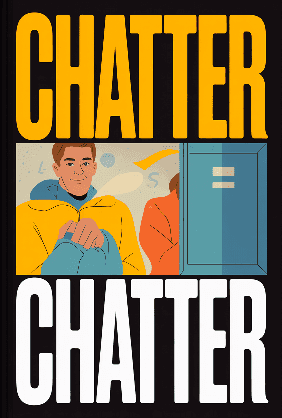
Chatter
Ethan Kross, Ph.D.
23 Duration10 Key Points4.3 Rate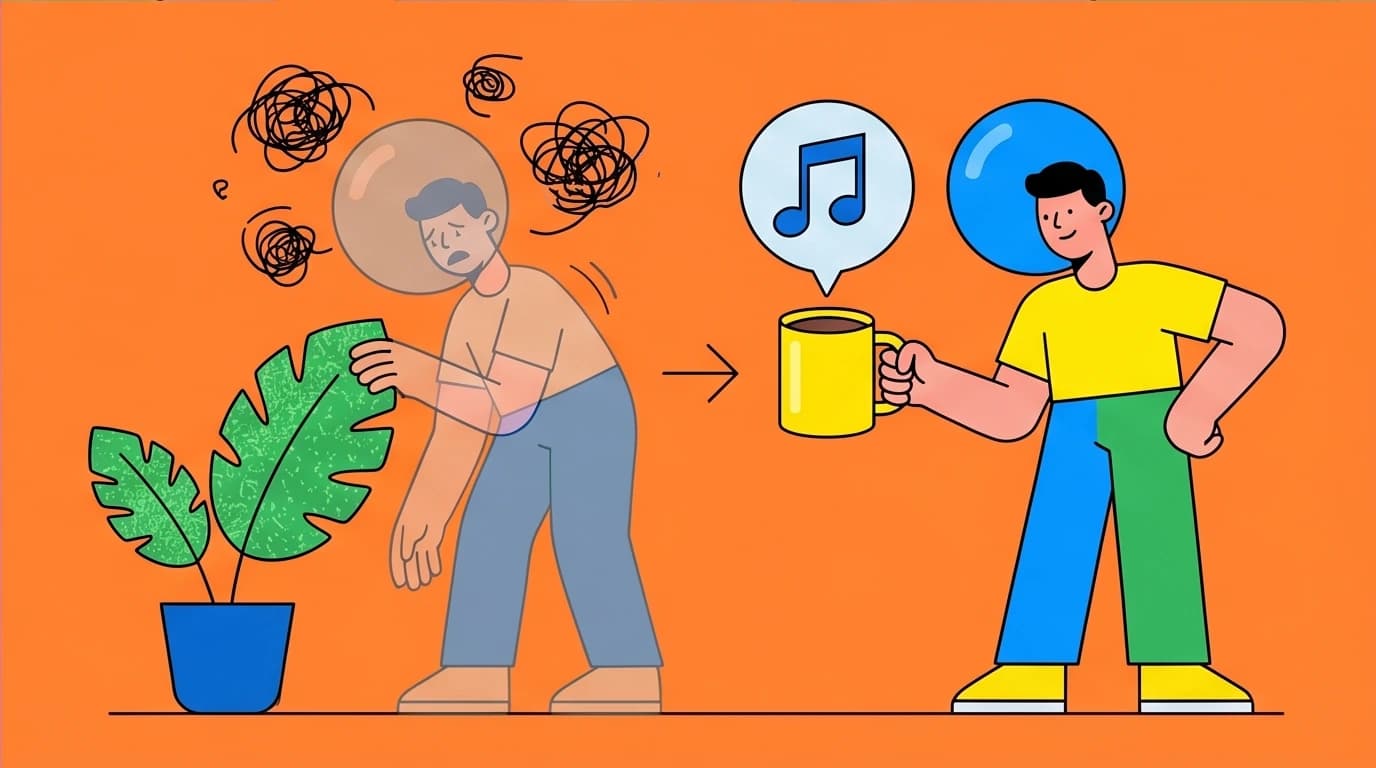
3. The 5-4-3-2-1 Sensory Method (For Immediate Panic)
If you are actively hyperventilating or spinning into a panic attack, closing your eyes and watching your breath might make things worse. You need robust mindfulness techniques for panic attacks that force your brain into the immediate physical environment.
Say these out loud or strongly in your head:
- 5 things you can see: Look around the room. A blue coffee mug, a crack in the wall, the edge of your desk, a tree outside the window, your own shoes.
- 4 things you can feel: The texture of your shirt, the hard plastic of the chair, the cold floor under your feet, the warmth of your hands.
- 3 things you can hear: The hum of the refrigerator, a car passing by outside, the sound of your own breathing.
- 2 things you can smell: Fresh coffee, the scent of your laundry detergent.
- 1 thing you can taste: A sip of water, a mint, or just the resting taste in your mouth.
This technique immediately short-circuits the panic loop by forcing your brain to process intense, real-time sensory data instead of imaginary future threats.
4. The Body Scan (For Physical Tension and Sleep)
Anxiety often manifests physically before we even realize we are anxious. You might have a clenched jaw, raised shoulders, or a tight stomach. A body scan is the best meditation for stress relief because it systematically releases trapped physical tension.
- How to do it: Lie down on your back. Starting from the top of your head, mentally check in with each body part.
- The Process: Focus your attention entirely on your forehead. Is it tense? Let it relax. Move down to your jaw. Let your tongue fall away from the roof of your mouth. Move to your shoulders, your chest, your arms, down to your fingertips. Work your way all the way down to your toes.
- Why it works: It forces you to inhabit your body rather than living entirely inside your anxious thoughts. It is incredibly effective for people who suffer from anxiety-induced insomnia.
The connection between a calm body and a quiet mind is key to restful sleep. If anxiety-induced insomnia is a frequent issue for you, exploring techniques specifically designed for nighttime can make a significant difference.
How to Build a Routine That Actually Sticks
The benefits of mindfulness are cumulative. Doing it for five minutes every single day will give you far better results than doing it for an hour once a month.
Start Ridiculously Small
Do not commit to twenty minutes a day. You will fail, feel guilty, and become more stressed. Commit to two minutes. Everyone has two minutes. Set a timer on your phone for two minutes, sit quietly, and just notice your breath. When the alarm goes off, you are done.
Do not commit to twenty minutes a day. You will fail, feel guilty, and become more stressed. Commit to two minutes. Everyone has two minutes. Set a timer on your phone for two minutes, sit quietly, and just notice your breath. When the alarm goes off, you are done.
Habit Stacking
Attach your short meditation practice to something you already do every single day without fail.
Attach your short meditation practice to something you already do every single day without fail.
- Meditate for three minutes immediately after turning on the coffee maker in the morning.
- Do a two-minute breathing exercise in your parked car before walking into the grocery store.
- Do a physical body scan in bed right before you turn off the reading lamp.
Embrace the Messy Practice
Some days, your meditation will feel deep and relaxing. Other days, your mind will feel like a hurricane, and you will spend the entire five minutes fighting off grocery lists and work stress. Both are valid practices. A messy, distracted meditation session is still a successful session because you showed up and observed the mess.
Some days, your meditation will feel deep and relaxing. Other days, your mind will feel like a hurricane, and you will spend the entire five minutes fighting off grocery lists and work stress. Both are valid practices. A messy, distracted meditation session is still a successful session because you showed up and observed the mess.
The concept of habit stacking and starting with ridiculously small, two-minute increments is the golden rule for integrating mindfulness into a busy American lifestyle. When we try to overhaul our entire daily routine overnight, willpower inevitably fades. Instead, focusing on tiny, incremental adjustments ensures that your new meditation practice actually survives the chaotic workweek. If you want a proven framework for building positive routines—like a daily breathing practice—while effortlessly breaking the bad behaviors that fuel your anxiety, this definitive guide to behavior change is a must-read.

Atomic Habits
James Clear
26 Duration8 Key Points4.7 RateBut what if the very idea of starting another book—even one as helpful as Atomic Habits—feels exhausting? When you're running on empty, you can still build a learning habit by starting with the key ideas.
Absorb the core lessons from bestselling books on habits and anxiety in just 15 minutes, making personal growth manageable on even the most draining days.
LeapAheadTroubleshooting: What to Do When...
When your nose itches or your leg falls asleep:
Do not ignore it, but do not react instantly. Notice the itch. Acknowledge the physical sensation of the itch. If it becomes unbearable, mindfully and slowly move your hand to scratch it, then return to your breath. Everything is part of the practice.
Do not ignore it, but do not react instantly. Notice the itch. Acknowledge the physical sensation of the itch. If it becomes unbearable, mindfully and slowly move your hand to scratch it, then return to your breath. Everything is part of the practice.
When a traumatic or deeply disturbing thought arises:
Mindfulness is not about torturing yourself. If a thought is too overwhelming and you feel your heart rate skyrocketing, open your eyes. Stand up, drink a glass of cold water, or splash water on your face. You are always in control, and it is entirely okay to pause the practice.
Mindfulness is not about torturing yourself. If a thought is too overwhelming and you feel your heart rate skyrocketing, open your eyes. Stand up, drink a glass of cold water, or splash water on your face. You are always in control, and it is entirely okay to pause the practice.
When you feel you don't have time:
Anxiety steals time by making you inefficient, exhausted, and easily distracted. Investing five minutes into calming your nervous system will usually buy you back an hour of focused, clear-headed productivity.
Anxiety steals time by making you inefficient, exhausted, and easily distracted. Investing five minutes into calming your nervous system will usually buy you back an hour of focused, clear-headed productivity.
Beyond simply managing anxiety, a consistent mindfulness practice can be a powerful tool for enhancing your professional life. By training your mind to return to the present moment, you can significantly improve your ability to concentrate on complex tasks.
FAQ
Can meditation make my anxiety worse?
Yes, it can happen. This is known as relaxation-induced anxiety. When you quiet down, the emotions you have been suppressing all day can suddenly rush to the surface, causing a spike in panic. If closing your eyes makes you feel out of control, keep them open. Focus on a specific object in the room, or try a walking meditation instead of a sitting one.
Yes, it can happen. This is known as relaxation-induced anxiety. When you quiet down, the emotions you have been suppressing all day can suddenly rush to the surface, causing a spike in panic. If closing your eyes makes you feel out of control, keep them open. Focus on a specific object in the room, or try a walking meditation instead of a sitting one.
How long does it take to see real results from mindfulness?
While breathing techniques can lower your heart rate in minutes, neurological changes take a bit more time. Most clinical studies suggest that practicing mindfulness for 10 to 15 minutes a day yields noticeable reductions in generalized anxiety after about four to eight weeks. Consistency matters more than duration.
While breathing techniques can lower your heart rate in minutes, neurological changes take a bit more time. Most clinical studies suggest that practicing mindfulness for 10 to 15 minutes a day yields noticeable reductions in generalized anxiety after about four to eight weeks. Consistency matters more than duration.
Do I need a meditation app, or should I do it in silence?
Apps can be incredibly helpful for beginners because guided voices give your active brain something to focus on, reducing the feeling of being "left alone" with your thoughts. However, they are not strictly necessary. If you find phone notifications distracting, sitting in a quiet room and using the 4-7-8 breathing method (inhale for 4 seconds, hold for 7, exhale for 8) is entirely free and highly effective.
Apps can be incredibly helpful for beginners because guided voices give your active brain something to focus on, reducing the feeling of being "left alone" with your thoughts. However, they are not strictly necessary. If you find phone notifications distracting, sitting in a quiet room and using the 4-7-8 breathing method (inhale for 4 seconds, hold for 7, exhale for 8) is entirely free and highly effective.
What if I simply cannot sit still?
Then do not sit still. Movement-based mindfulness is perfectly valid. Go for a walk around your neighborhood without your phone or headphones. Pay hyper-focused attention to the sensation of your feet hitting the pavement, the wind on your face, and the specific colors of the trees. The goal is being present, not remaining perfectly paralyzed.
Then do not sit still. Movement-based mindfulness is perfectly valid. Go for a walk around your neighborhood without your phone or headphones. Pay hyper-focused attention to the sensation of your feet hitting the pavement, the wind on your face, and the specific colors of the trees. The goal is being present, not remaining perfectly paralyzed.