


You hit the snooze button twice, grab your phone to check work emails, and immediately feel behind before your feet even touch the floor. You know your day needs a better launchpad, but trying to copy extreme productivity hacks often leaves you exhausted and running on fumes by noon. The vast gap between a chaotic morning rush and the laser-focused start of a top industry leader does not require superhuman willpower. It relies on a few deliberate systems.
Your morning dictates the trajectory of your day. Win the first hour, and you generate momentum that carries you through complex decisions and high-stakes projects.
The Anatomy of the Billionaire Morning Routine
When we examine the private habits of industry titans, a clear pattern emerges. A genuine billionaire morning routine is not a punishing test of endurance. It is a psychological shield.
Throughout the day, executives face a barrage of decisions that drain cognitive resources. Every email, meeting, and operational fire chips away at their mental energy. By establishing a rigid morning protocol, they eliminate decision fatigue entirely from their first waking hours. They do not wonder what to wear, what to eat, or what to do first. The routine runs on autopilot, preserving premium cognitive fuel for the challenges that actually matter.

This proactive stance shifts the brain from a reactive state to a dominant one. You are no longer defending yourself against the demands of others; you are executing your own agenda.
What Successful People Do Before 8 AM
The specifics vary, but the foundation remains identical. If you track what successful people do before 8 am, you will find they consistently invest in three core pillars before opening a single spreadsheet.
1. Physical Activation First
Movement is non-negotiable. Before addressing business logic, high performers address their physiology. A quick spike in heart rate clears sleep inertia and floods the brain with endorphins and brain-derived neurotrophic factor (BDNF), which enhances focus and learning.
You do not need to run ten miles. Richard Branson plays tennis, while others might spend 20 minutes on an indoor cycling bike or do a rapid circuit of bodyweight exercises. The goal is blood flow. Action precedes motivation.
2. Strategic Isolation and Input
Before dealing with output (talking, emailing, managing), top leaders prioritize high-quality input. This is the window where the house is quiet and uninterrupted thought is actually possible.
Many dedicate 30 minutes to reading a physical book from Barnes & Noble or listening to an audiobook on Audible while walking. Others use this silence for mindfulness or journaling. This practice anchors the mind, preventing the anxiety spike that usually accompanies the first glance at a busy inbox.
For many people, finding an uninterrupted 30 minutes for a book is the biggest hurdle. If you want the knowledge but are short on time, a more condensed learning format can be the perfect solution.

LeapAhead delivers the core insights from bestselling books in 15-minute audio or text summaries, making it easy to fit strategic learning into a tight morning schedule.

Download LeapAhead App now
When you start your day proactively rather than reacting to a flooded inbox, you are setting the stage for profound focus. If you struggle to disconnect from the constant ping of notifications and want to cultivate the kind of intense concentration that moves the needle on your biggest projects, learning how to work without distraction is a game-changer. This concept is masterfully explored by Cal Newport, offering actionable strategies to reclaim your cognitive bandwidth and thrive in an increasingly distracted corporate landscape.
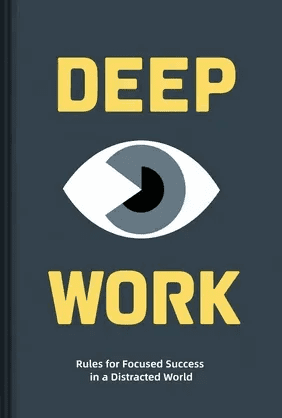
Deep Work
Cal Newport
 47 Duration
 8 Key Points
 4.6 Rate
3. Executing the "One Thing"
High performers isolate their most critical, high-leverage task for the day and attack it before the world wakes up. This is often called "eating the frog." By locking in one major win before breakfast, the rest of the day immediately feels lighter. Even if afternoons dissolve into chaotic meetings, progress on the core objective is already secure.
Narrowing down your morning focus to a single, high-leverage task can feel daunting when you have a mile-long to-do list. However, identifying that singular priority is the true secret to compound success. If you want to dive deeper into this exact philosophy and learn how to cut through the daily noise to find the one objective that makes everything else easier or completely unnecessary, there is an essential read that breaks down this minimalist approach to work. It will fundamentally change how you organize your daily goals.

The ONE Thing
Gary Keller, Jay Papasan
22 Duration10 Key Points4.5 Rate
Contrasting CEO Morning Habits
A major trap is believing there is only one correct way to start the day. Analyzing specific CEO morning habits reveals that top performers tailor their routines to their biological chronotypes and lifestyle constraints.
Take Tim Cook, CEO of Apple. He represents the hyper-early executive. Cook wakes up around 3:45 AM, immediately tackles user comments and executive emails to clear the deck, hits the gym by 5:00 AM, and then heads to the office. His routine relies on absolute quiet and intense, uninterrupted early momentum.
Contrast that with Jeff Bezos. The Amazon founder fiercely protects eight hours of sleep and prefers a slower, more organic start. He prioritizes "puttering time" in the morning. He drinks coffee, reads the newspaper, and eats breakfast with his family. Bezos famously refuses to schedule any high-IQ meetings before 10:00 AM. His routine is built on the philosophy that a relaxed, fully rested brain makes better high-stakes decisions than a rushed, sleep-deprived one.
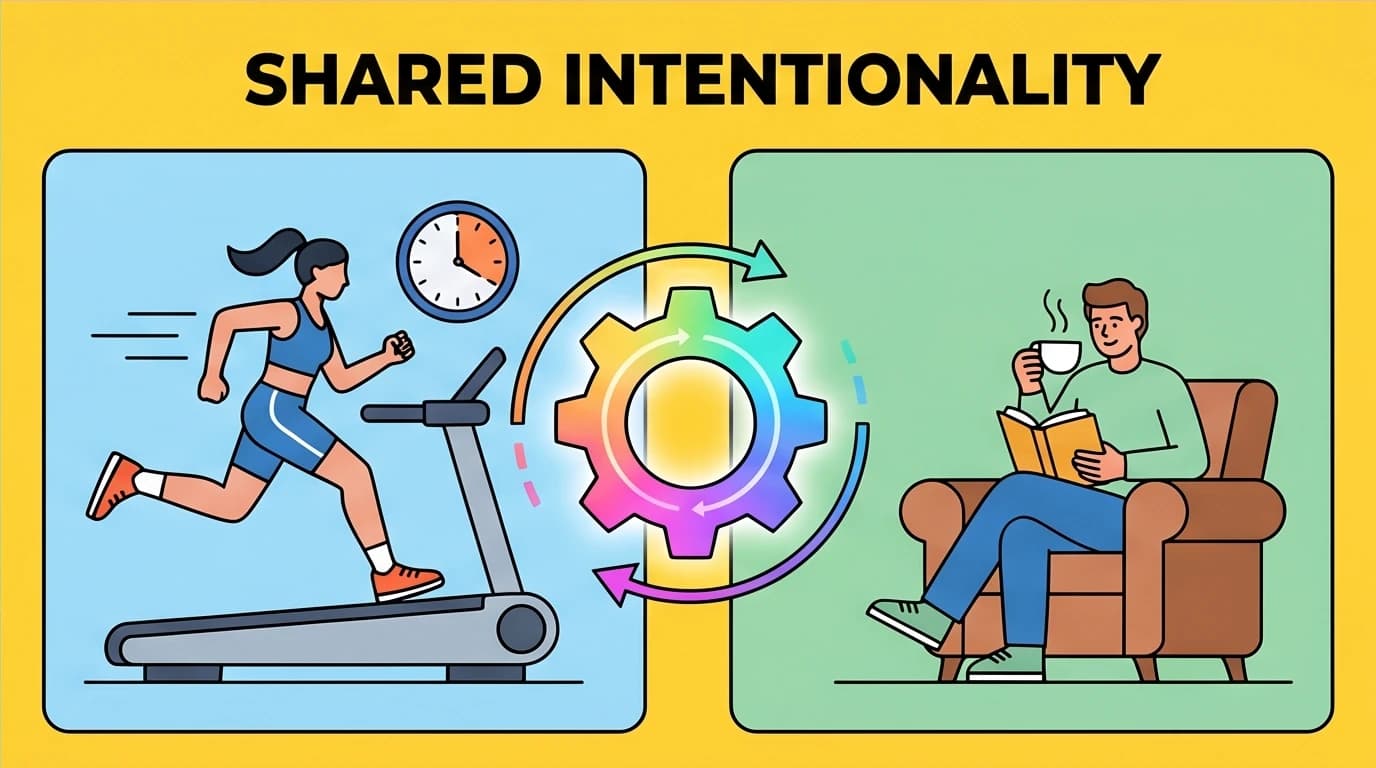
Both lead trillion-dollar companies. Both have vastly different approaches. The common denominator is intentionality. They designed their mornings; they did not let their mornings happen to them.
How to Build Your High Performer Morning Schedule
Adopting a high performer morning schedule requires customization. If you force a routine that violently clashes with your natural rhythm, you will abandon it within a week. Follow these steps to build a sustainable protocol.
Audit and Optimize Your Evening
A successful morning actually begins at 8:00 PM the night before. You cannot wake up sharp if you go to bed late, dehydrated, and overstimulated.
- Set a hard stop for screens: Turn off the TV and put the phone away an hour before bed.
- Stage your environment: Lay out your gym clothes, prep the coffee maker, and organize your work bag. Eliminate any friction that could give your morning brain an excuse to quit.
- Control the temperature: Drop the bedroom thermostat to around 65°F to signal to your body that it is time for deep recovery sleep.
The 20-20-20 Framework
If you are starting from scratch, a balanced approach like the 20-20-20 rule offers a solid template. Dedicate the first hour of your day to three 20-minute blocks:
- Move (20 mins): Break a sweat. Do yoga, jog a mile, or lift weights. Wake up the nervous system.
- Reflect (20 mins): Meditate, pray, or journal. Review your long-term goals to ensure your daily actions align with your macro vision.
- Learn (20 mins): Read a non-fiction book, study an industry report, or listen to an educational podcast.
The 20-20-20 framework is not just a random assortment of good habits; it is a meticulously structured protocol designed to optimize your brain's morning neurobiology. If you are intrigued by this specific breakdown and want to understand the psychology behind why moving, reflecting, and learning in 20-minute increments yields such massive results, you should absolutely read the book that pioneered this concept. It provides a phenomenal, story-driven blueprint on how to protect your mornings, elevate your mindset, and dramatically increase your daily output without burning out.

The 5 AM Club
Robin Sharma
39 Duration10 Key Points4.6 RateHydrate Before You Caffeinate
After seven to eight hours of sleep, your body is mildly dehydrated, which directly impairs cognitive function. Before pouring that first cup of coffee, drink 16 to 20 ounces of water. Many executives add a pinch of sea salt or a squeeze of lemon to replenish electrolytes. Delaying caffeine intake by 90 minutes after waking also prevents the dreaded afternoon energy crash by allowing your body's natural cortisol levels to peak and clear out sleep-inducing adenosine.
Ban the Smartphone from the Bedroom
The single most destructive habit for a morning routine is checking your phone in bed. The moment you open social media or a messaging app, you surrender your mental bandwidth to other people's agendas. You flood your brain with cheap dopamine and reactive stress. Buy a standalone alarm clock and charge your phone in the kitchen or home office.
Overhauling your morning schedule does not happen overnight. Relying on sheer willpower to wake up earlier or avoid your smartphone will eventually leave you exhausted and frustrated. Instead, the most successful people rely on designing frictionless environments and stacking tiny, manageable changes. If you are ready to stop setting unrealistic morning goals and want a proven, science-backed framework to permanently wire these positive behaviors into your daily routine, mastering the art of habit formation is the absolute best place to start.

Atomic Habits
James Clear
26 Duration8 Key Points4.7 RateApplying these principles to your reading habit can be especially powerful. If your goal is to learn more but a stack of unread books feels daunting, starting with the key ideas can build the momentum you need.
LeapAhead helps you conquer your reading list by breaking down essential books into quick 15-minute sessions, turning the goal of 'reading more' into a simple, daily habit.
Download LeapAhead App now
FAQ
Do I really need to wake up at 4 AM to be successful?
No. Waking up at 4 AM only works if you go to sleep at 8 PM. Sacrificing sleep for extra waking hours destroys your focus, emotional regulation, and decision-making abilities. The exact time you wake up matters far less than what you do with the first hour after you open your eyes. Find a time that allows you to get 7 to 8 hours of sleep and stick to it consistently.
No. Waking up at 4 AM only works if you go to sleep at 8 PM. Sacrificing sleep for extra waking hours destroys your focus, emotional regulation, and decision-making abilities. The exact time you wake up matters far less than what you do with the first hour after you open your eyes. Find a time that allows you to get 7 to 8 hours of sleep and stick to it consistently.
How do I maintain a routine when I have young children?
Parents must build flexible, modular routines. You might not have a luxurious, uninterrupted hour. Instead, aim for a 15-minute micro-routine before the kids wake up—just enough time to hydrate, stretch, and review your top priority for the day. Alternatively, integrate your family into the routine by making breakfast together or doing a quick walk outside. The goal is control, not necessarily isolation.
Parents must build flexible, modular routines. You might not have a luxurious, uninterrupted hour. Instead, aim for a 15-minute micro-routine before the kids wake up—just enough time to hydrate, stretch, and review your top priority for the day. Alternatively, integrate your family into the routine by making breakfast together or doing a quick walk outside. The goal is control, not necessarily isolation.
Should I check my email right when I wake up?
Absolutely not. Checking email forces you into a reactive state immediately. You are responding to other people's emergencies instead of executing your own strategy. Block out at least the first 30 to 60 minutes of your day for your own physical and mental preparation. Your inbox will still be there when you are fully awake and ready to tackle it strategically.
Absolutely not. Checking email forces you into a reactive state immediately. You are responding to other people's emergencies instead of executing your own strategy. Block out at least the first 30 to 60 minutes of your day for your own physical and mental preparation. Your inbox will still be there when you are fully awake and ready to tackle it strategically.
How long should my morning routine be?
A highly effective routine can be as short as 20 minutes or as long as two hours. The length is irrelevant. A focused 30-minute routine consisting of hydration, a quick workout, and reviewing your daily goals will outperform a drawn-out, two-hour routine where you are constantly getting distracted. Start small, lock in the habit, and scale up only if it adds real value to your day.
A highly effective routine can be as short as 20 minutes or as long as two hours. The length is irrelevant. A focused 30-minute routine consisting of hydration, a quick workout, and reviewing your daily goals will outperform a drawn-out, two-hour routine where you are constantly getting distracted. Start small, lock in the habit, and scale up only if it adds real value to your day.