

You are scrolling through Amazon or standing in the children's section at Barnes & Noble. You know you want a Shel Silverstein book—maybe for your child's bedtime, a baby shower gift, or a nostalgic read for yourself. But it has been decades since you actually read them. Is The Giving Tree too sad for a toddler? Which book features the poem about the boy who turns into a TV set?
You do not have time to reread hundreds of pages right now. You need the main points, fast. This guide breaks down his most famous works so you can pick the exact right book for your needs today.
The Giving Tree (1964)
If you are looking for a quick the giving tree summary, the plot is deceptively simple. A young boy loves a tree, and the tree loves the boy. As the boy grows older, his needs change. He wants money, a house, and a boat. The tree gives him her apples to sell, her branches to build a house, and her trunk to build a boat. By the end, the boy is an old man, and the tree is nothing but a stump—but it is still a quiet place for him to sit and rest. The tree is happy, though completely depleted.

Core Message and Takeaways
This is Silverstein’s most debated book. Depending on your perspective, the takeaway changes:
- For Kids: A basic lesson about generosity, appreciation, and the enduring nature of love.
- For Adults/Parents: A poignant (and sometimes painful) look at unconditional love and the sacrifices parents make. Some readers view it as a cautionary tale about taking advantage of others or lacking healthy boundaries.
Buy it for: Baby showers, Mother's Day, or teaching kids about gratitude.
The ongoing debate about whether the tree represents unconditional love or a toxic, one-sided relationship is central to its enduring appeal.
Reading The Giving Tree often sparks deep conversations about what it means to be a supportive parent without losing yourself entirely. If you want to raise kind, appreciative children without turning into the depleted stump from the story, it takes a mindful approach. Moving away from reactive parenting and setting healthy boundaries can help you foster a home filled with unconditional love and mutual respect. For actionable steps on nurturing gratitude and emotional intelligence in your little ones, this guide is an absolute game-changer.
Raising Good Humans
Hunter Clarke-Fields MSAE, Carla Naumburg PhD, et al.
 22 Duration
 7 Key Points
 4.8 Rate
Where the Sidewalk Ends (1974)
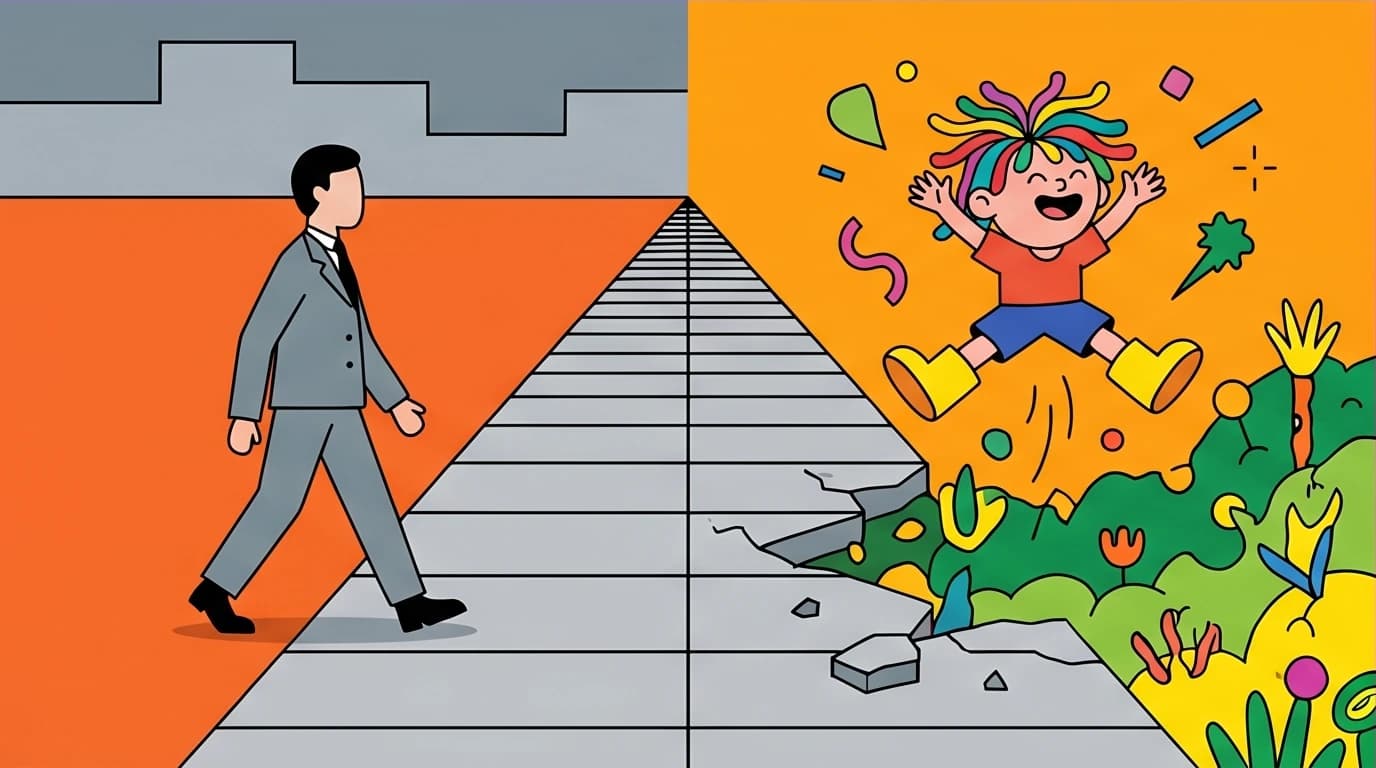
Unlike his narrative stories, this is a massive collection of poetry and illustrations. A where the sidewalk ends summary is less about a single plot and more about a state of mind. The title poem sets the stage: the "sidewalk" represents the rigid, rule-heavy world of adults. Where the sidewalk ends is where the magical, chaotic, and limitlessly creative world of childhood begins.
Key Poems and Concepts
You will find absurd scenarios that kids find hilarious and parents find highly relatable.
- Sarah Cynthia Sylvia Stout: A girl who refuses to take the garbage out until it swallows her town (a great stealth lesson on chores).
- Sick: Little Peggy Ann McKay invents a dozen bizarre illnesses to avoid school, only to realize it is Saturday.
Core Message and Takeaways
The book validates childhood feelings. It tells kids that it is okay to be silly, to have irrational fears, and to question the strange rules adults invent.
Buy it for: Kids ages 7 to 12, bedtime reading, and reluctant readers who need short, funny bursts of text to stay engaged.
Silverstein's genius in Where the Sidewalk Ends lies in his ability to speak directly to kids in a language they understand, validating their wildest fears and biggest feelings. As parents, trying to communicate across that divide—especially when you are dealing with tantrums over chores or school—can feel exhausting. If you want to master the art of getting on your child's level and communicating without the constant power struggles, there are proven strategies that work beautifully. Bridging the gap between the chaotic kid world and the rule-heavy adult world is entirely possible.
How to Talk so Little Kids Will Listen
Joanna Faber
26 Duration8 Key Points4.6 RateA Light in the Attic (1981)
This was the first children's book to make the New York Times bestseller list for weeks on end. When examining a light in the attic themes, you notice a slightly more rebellious and philosophical tone compared to his earlier work. The "light" in the attic refers to an open, active, and illuminated mind.
Core Message and Takeaways
The major themes revolve around confronting fears, embracing mistakes, and challenging authority.
- Facing the Unknown: Poems like "Whatif" perfectly capture childhood anxiety—the little voices in your ear asking what if you fail a test, or what if lightning strikes.
- Subversive Humor: Silverstein encourages kids not to take life so seriously. He writes about kids being eaten by lions or turning into household appliances because they watched too much television.
Buy it for: Pre-teens, creative kids, and families who love reading out loud and doing funny voices.
The poems in A Light in the Attic perfectly capture the quirky, and sometimes anxious, inner lives of kids navigating their "whatifs." While humor is a great tool, helping your child process those complex emotions and fears often requires a deeper understanding of their developing minds. When you know how a child's brain is wired, you can turn everyday meltdowns and anxieties into opportunities for tremendous emotional growth. If you are looking for a practical, science-backed way to help your kids thrive rather than just survive their fears, this is a must-read.
The Whole-Brain Child
Daniel J. Siegel, M.D., Tina Payne Bryson, Ph.D.
41 Duration7 Key Points4.6 RateThe Missing Piece (1976) & The Missing Piece Meets the Big O (1981)
These two books look like simple geometry lessons but are actually deep philosophical fables.
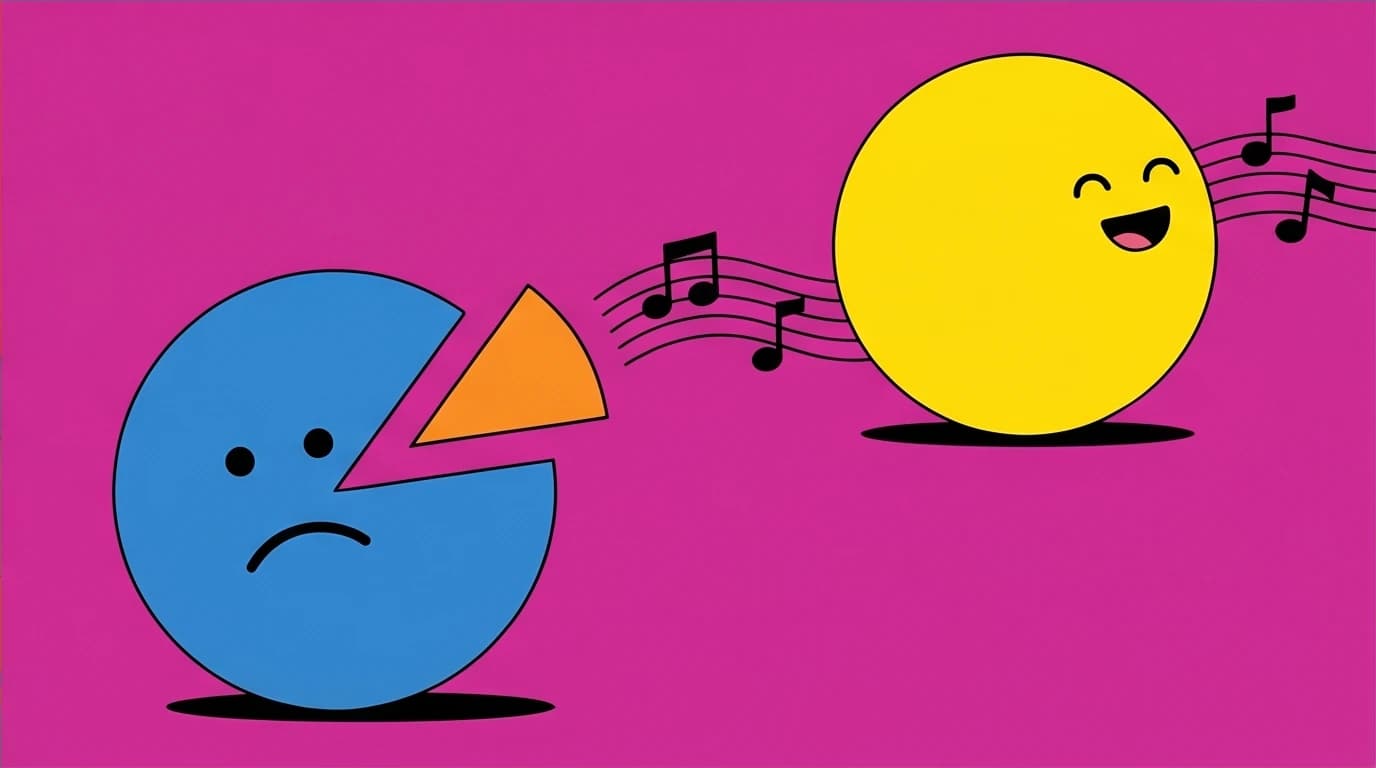
- The Missing Piece: A circle is missing a wedge-shaped piece and rolls around singing a song, looking for its missing part. When it finally finds a piece that fits perfectly, it realizes it can no longer sing its happy song because it is rolling too fast. It gently puts the piece down and continues its search.
- The Missing Piece Meets the Big O: Told from the perspective of the piece waiting to be picked up. It eventually learns it does not need someone else to carry it; it can round off its own corners and roll on its own.
Core Message and Takeaways
These books are masterful explorations of codependency, self-completeness, and relationships. They teach that you should not rely on another person to make you "whole."
Buy it for: High school graduates, friends going through a breakup, or adults looking for a quick, uplifting reset on their personal growth.
The metaphor of rolling along while waiting for someone else to "complete" you is one of the most poignant lessons in children's literature, but it is deeply relevant to adult relationships. Far too often, we fall into the trap of codependency, sacrificing our own needs or waiting for a partner to make us feel whole. Learning to round off your own corners and find happiness independently is the ultimate key to a healthy life. If these fables resonated with you or a loved one recovering from a toxic dynamic, exploring the mechanics of self-care and boundary-setting can be incredibly healing.
Codependent No More
Beattie Melody
19 Duration8 Key Points4.6 RateListening on the Go: Audio Options
Sometimes sitting down with a hardcover book is not practical. If you are rushing to a book club or prepping for a classroom discussion, finding a shel silverstein book summaries audio overview online or through a quick podcast can help you nail the main points during your morning commute.
However, if you want the actual experience of his work, skip the summaries and head straight to Audible or Apple Books. Silverstein was a talented musician and performer (he actually won a Grammy). Listening to him narrate his own poems brings out the frantic energy, the weird voices, and the comedic timing that you just cannot replicate reading silently in your head.
While nothing replaces Silverstein's own narration for his poetry, finding time for the insightful parenting and self-growth books mentioned in this article can be a challenge. If your to-read list feels like it's growing faster than you can keep up, an app can help you absorb the core lessons from those books in the time it takes to drink your morning coffee.

Absorb the core ideas from bestselling parenting and self-help books in just 15 minutes. It's the perfect way for busy parents to clear their reading list and apply new insights without having to find hours to read.

Download LeapAhead App now
Beyond the individual plots, Silverstein's work is woven together by profound, often bittersweet, observations about the human experience.
Quick Decision Guide: Which Book Do You Need?
- To make someone cry (in a good way): The Giving Tree
- To get a kid to laugh and love reading: Where the Sidewalk Ends
- To give a meaningful gift to a single adult: The Missing Piece Meets the Big O
- To spark creativity and manage childhood anxiety: A Light in the Attic
FAQ
Are Shel Silverstein books appropriate for all ages?
Yes, but they land differently depending on the reader's age. Toddlers love the rhythm and funny drawings in his poetry books. Older elementary kids understand the jokes and irony. Adults pick up on the deep, sometimes melancholic philosophical undertones.
Yes, but they land differently depending on the reader's age. Toddlers love the rhythm and funny drawings in his poetry books. Older elementary kids understand the jokes and irony. Adults pick up on the deep, sometimes melancholic philosophical undertones.
Is The Giving Tree actually a sad book?
Many adults find it incredibly sad because it mirrors the self-sacrificing nature of parenthood or toxic relationships. However, young children usually interpret it literally and see it as a sweet story about a tree helping a friend. It is a fantastic conversation starter.
Many adults find it incredibly sad because it mirrors the self-sacrificing nature of parenthood or toxic relationships. However, young children usually interpret it literally and see it as a sweet story about a tree helping a friend. It is a fantastic conversation starter.
Which Shel Silverstein poetry book should I buy first?
Start with Where the Sidewalk Ends. It is his most iconic poetry collection and contains his most recognizable and culturally referenced poems. If your child likes that one, A Light in the Attic is the perfect follow-up.
Start with Where the Sidewalk Ends. It is his most iconic poetry collection and contains his most recognizable and culturally referenced poems. If your child likes that one, A Light in the Attic is the perfect follow-up.
Do I need to read The Missing Piece before The Missing Piece Meets the Big O?
No. While they share a visual style and thematic DNA, they function completely independently. The first focuses on the one seeking completion, while the second focuses on the one waiting to be chosen. Both stand alone perfectly.
No. While they share a visual style and thematic DNA, they function completely independently. The first focuses on the one seeking completion, while the second focuses on the one waiting to be chosen. Both stand alone perfectly.