

You grab a familiar hardcover off a shelf at Barnes & Noble, or maybe you pull an old, frayed copy of Where the Sidewalk Ends out of a storage box. You sit down to read a quick poem, expecting a brief hit of nostalgia. Instead, a handful of simple lines suddenly holds up a mirror to your current life, your relationships, and your deepest insecurities.
The experience of re-reading childhood books as an adult often triggers unexpected revelations. When we were young, we laughed at the silly rhymes and absurd illustrations. Today, those same pages slice through the noise of adulthood. Shel Silverstein wasn't just writing for kids. He was writing existential blueprints masquerading as bedtime stories. His work bypasses our heavily fortified adult defenses and speaks directly to the struggles we face with ambition, love, and authenticity.
Let’s unpack the philosophy of Shel Silverstein and explore how his timeless work holds the exact wisdom we need to navigate the complexities of grown-up life.

The Giving Tree: A Masterclass in Boundaries and Burnout
If there is one story that perfectly captures adult themes in children's books, it is The Giving Tree. For decades, parents and teachers framed this book as a beautiful, albeit melancholic, story of unconditional love. A tree loves a boy so much that she gives him her apples to sell, her branches to build a house, and her trunk to build a boat, until she is nothing but a stump.
As a child, you might have thought the tree was a hero. As an adult, reading this story hits entirely differently.
You recognize the tree not as a saint, but as someone trapped in a cycle of toxic altruism and codependency. You see the boy not as an innocent child, but as an entitled taker who only returns when he needs something.
The Illusion of "And the Tree Was Happy"
The most haunting line in the book arrives after the tree has stripped herself of everything she is: "And the tree was happy... but not really."
This is the ultimate lesson in boundary-setting. It speaks directly to chronic people-pleasers, overworked employees, and individuals carrying the emotional weight of their relationships. Silverstein illustrates exactly what happens when you set yourself on fire to keep someone else warm. You don't gain respect; you just become a stump for someone to sit on when they are tired.
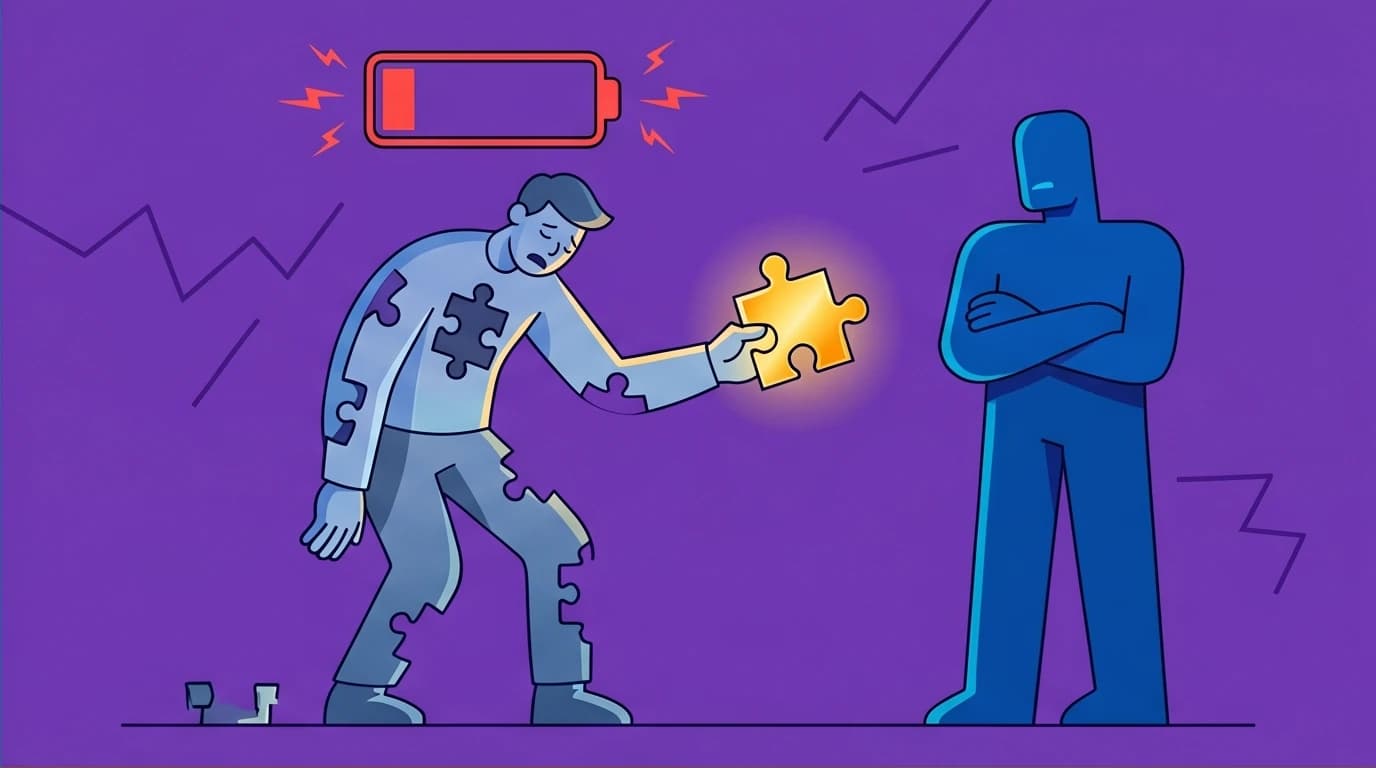
The Adult Takeaway: Love and generosity should not require your total destruction. Healthy relationships require mutual nourishment. If you find yourself constantly giving away your "apples" and "branches" to people who only take, it is time to re-evaluate your boundaries. True connection does not demand you diminish yourself to nothing.
If Silverstein's story of the overly accommodating tree resonated a little too closely with your own relationships, it might be time to formalize how you protect your energy. Breaking the habit of people-pleasing requires actionable tools to help you stop giving away your resources to those who only take. This comprehensive guide provides the exact frameworks you need to reclaim your personal space, communicate effectively, and build healthier, more balanced connections without the heavy burden of guilt.
Set Boundaries, Find Peace
Nedra Glover Tawwab
 29 Duration
 10 Key Points
 4.5 Rate
Finding the time and energy to read a full book, especially when you're already feeling depleted, can be a challenge in itself.


LeapAhead

For a quicker way to absorb the core lessons on setting boundaries from this book and others, LeapAhead offers 15-minute audio and text summaries perfect for busy schedules.
The story’s true message remains a topic of intense debate. For a more detailed exploration of the different psychological interpretations, from selfless love to toxic codependency, our complete analysis offers further insight.
The Missing Piece: Letting Go of Perfect Completion
Many adults spend their lives running on a treadmill of acquisition. We think: If I just get that promotion, find the perfect partner, or buy that house, I will finally be complete.
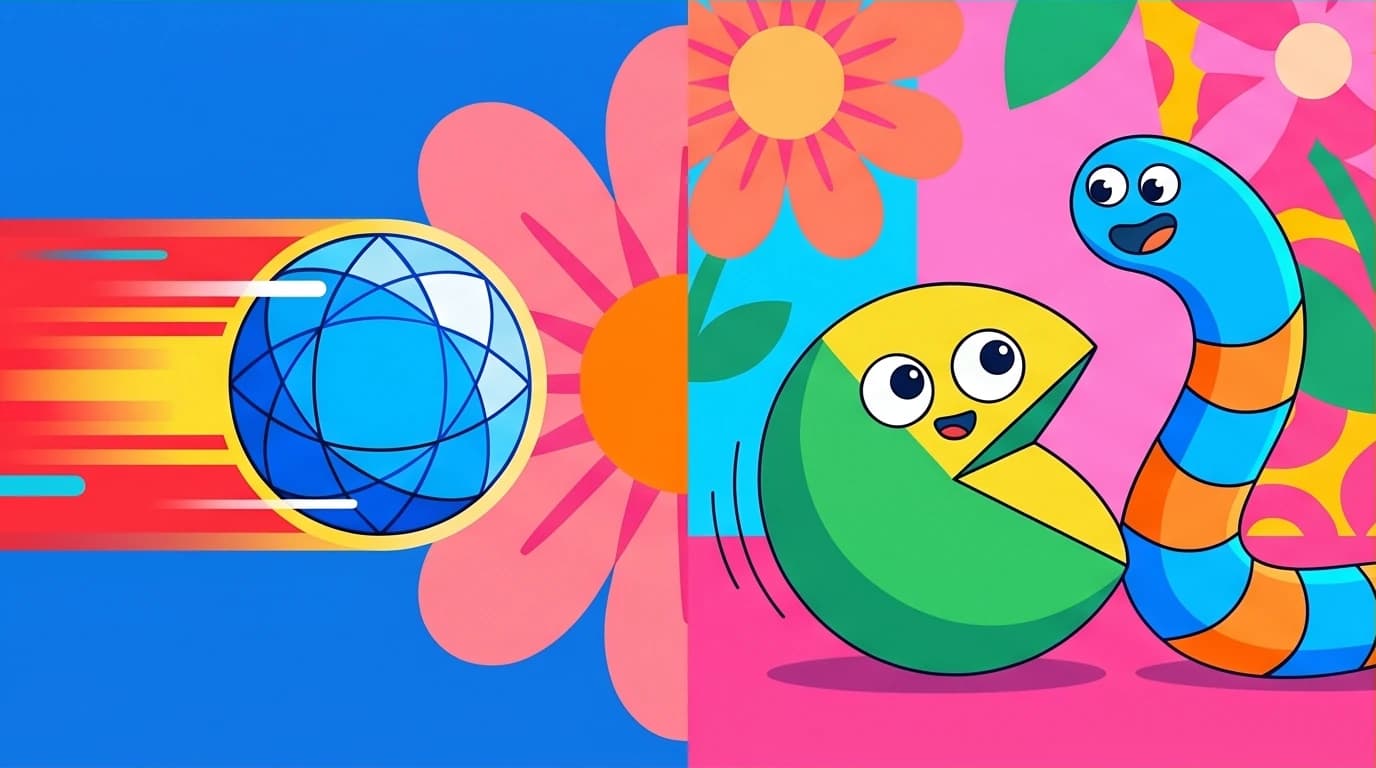
Silverstein tackled this exact illusion in The Missing Piece. A circle with a wedge cut out of it rolls around singing a song, searching everywhere for its missing piece. Because it is incomplete, it rolls slowly. It stops to talk to worms. It smells the flowers. It enjoys the sunshine.
Eventually, it finds the perfect piece. It fits exactly. The circle is finally whole. But because it is now perfectly round, it rolls faster than ever before. It rolls too fast to stop and talk to the worm. It rolls too fast to smell the flowers. It can't even sing its song anymore.
So, it stops, gently sets the piece down, and rolls away, singing again.
The Myth of "The Other Half"
We are culturally conditioned to search for our missing pieces—especially in romantic relationships, where the idea of finding your "soulmate" or "other half" is heavily romanticized. Silverstein flips this narrative completely.
He suggests that the pursuit of perfection actually robs us of the joy of living. Our gaps, our flaws, and our unfulfilled desires are exactly what allow us to engage meaningfully with the world around us.
The Adult Takeaway: Stop waiting for a person, a job, or an achievement to make you whole. Your incompleteness is not a flaw; it is the space where life actually happens. The friction of your imperfections is what keeps you grounded enough to appreciate the journey.
We spend so much of our adulthood trying to smooth out our edges and present a flawless version of ourselves to the world. But as Silverstein pointed out, it's those very gaps and quirks that make the ride worthwhile. If you constantly struggle with the exhausting demands of perfectionism, learning to embrace your inherent "missing pieces" can be incredibly liberating. This practical read offers a refreshing approach to letting go of impossible standards and finding genuine happiness in the messy, incomplete reality of everyday life.
How to Be an Imperfectionist
Stephen Guise
44 Duration9 Key Points4.8 RateSilverstein's parable about the circle and its journey offers profound wisdom on self-acceptance. To further explore the philosophical ideas behind this simple tale, you can dive deeper into its lessons.
Masks: The Heavy Cost of Hiding Who You Are
When looking for Shel Silverstein quotes about life, few are as piercing as the poem Masks from Everything On It:
She had blue skin,
And so did he.
He kept it hid
And so did she.
They searched for blue
Their whole life through,
Then passed right by–
And never knew.
And so did he.
He kept it hid
And so did she.
They searched for blue
Their whole life through,
Then passed right by–
And never knew.
Adults are masters of masking. We curate our LinkedIn profiles, filter our Instagram feeds, and project an image of having it all together. We hide our weirdness, our unpopular opinions, and our "blue skin" because we fear rejection. We want to fit into the standard mold of American society.
Silverstein perfectly captures the tragedy of this conformity. By hiding our true selves to avoid judgment, we actively prevent ourselves from finding our real tribe. The energy spent maintaining a false persona is completely wasted, and worse, it keeps us isolated.
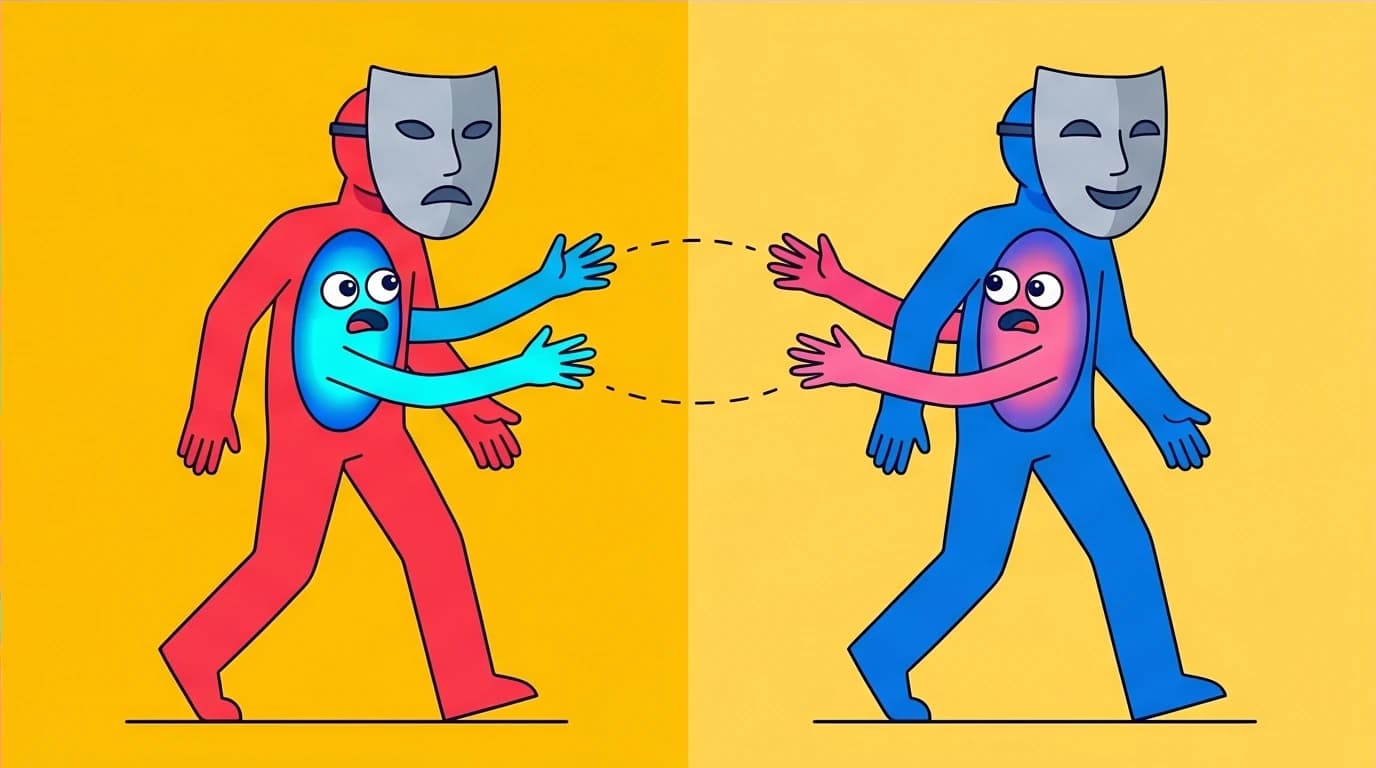
The Adult Takeaway: Vulnerability is the only bridge to genuine connection. If you never show the world who you actually are, you will inevitably walk right past the people who are looking for someone exactly like you. Take off the mask. It is a risk, but it is the only way to avoid a lifetime of profound loneliness.
Taking off the heavy masks we wear for society is a terrifying prospect, especially when we have been culturally conditioned to fear judgment. Yet, showing up as your true, unvarnished self is the absolute prerequisite for real belonging. If you are ready to trade the false safety of hiding for the profound rewards of living authentically, exploring the power of vulnerability is the next logical step. This transformative book dives deep into why having the courage to be seen is the ultimate key to a wholehearted life.
The Gifts of Imperfection
Brené Brown, Ph.D.
34 Duration10 Key Points4.6 RateThe Voice: Trusting Your Internal Compass
In a world driven by algorithms, endless podcast advice, and external validation, deciding what to do with your life can feel paralyzing. Everyone has an opinion on how you should spend your money, raise your kids, or manage your career.
Silverstein addresses this noise directly in The Voice:
There is a voice inside of you
That whispers all day long,
"I feel that this is right for me,
I know that this is wrong."
No teacher, preacher, parent, friend
Or wise man can decide
What's right for you—just listen to
The voice that speaks inside.
That whispers all day long,
"I feel that this is right for me,
I know that this is wrong."
No teacher, preacher, parent, friend
Or wise man can decide
What's right for you—just listen to
The voice that speaks inside.
This poem is an absolute cornerstone of the philosophy of Shel Silverstein. It strips away the authority we so easily hand over to society.
As adults, we often ignore our gut instincts. We rationalize staying in dead-end jobs because the salary looks good on paper. We stay in bad relationships because society tells us we are running out of time. We let external metrics overrule our internal alarm bells.
The Adult Takeaway: You are the ultimate authority on your own life. Experts, mentors, and societal expectations can provide data, but they cannot feel what you feel. Reconnecting with that quiet, internal voice is the first step toward living a life that actually belongs to you.
Learning to tune out the deafening roar of societal expectations so you can actually hear that quiet, internal voice is one of the hardest parts of being an adult. We are trained from a young age to seek external approval rather than trusting our own intuition. If you feel like you have lost touch with your inner compass while trying to appease everyone else, this empowering book acts as a brilliant guide to untethering yourself from the world's demands and finally trusting your own deepest knowing.

Untamed
Glennon Doyle
40 Duration8 Key Points4.3 RateListen to the Mustn'ts: Defying Artificial Limitations
Where the Sidewalk Ends famously begins with a call to reject the limits imposed upon us by "the rules."
Listen to the MUSTN'TS, child,
Listen to the DON'TS
Listen to the SHOULDN'TS
The IMPOSSIBLES, the WON'TS
Listen to the NEVER HAVES
Then listen close to me—
Anything can happen, child,
ANYTHING can be.
Listen to the DON'TS
Listen to the SHOULDN'TS
The IMPOSSIBLES, the WON'TS
Listen to the NEVER HAVES
Then listen close to me—
Anything can happen, child,
ANYTHING can be.
We are told constantly what we cannot do. We are told that changing careers at 40 is impossible. We are told that traveling the world without a trust fund is a pipe dream. We internalize these "mustn'ts" until our world shrinks to the size of a cubicle.
Silverstein demands that we acknowledge the naysayers—we listen to them—and then we completely disregard them.
The Adult Takeaway: The boundaries of what is possible are often drawn by people who were too afraid to push them. Do not let the anxieties of others dictate the scope of your reality. You do not need permission to step off the paved road and see where the sidewalk ends.
The Timeless Resonance of Simple Truths
The true genius of Shel Silverstein lies in his economy of words. He didn't write dense philosophical treatises. He drew a rough sketch of a circle, wrote a few rhyming couplets about a tree, and somehow mapped out the entire human condition.
We outgrow our childhood shoes, our childhood homes, and our childhood fears, but we never truly outgrow the need for the basic truths Silverstein offered. We all still struggle with giving too much. We all still search for missing pieces. We all still wear masks.
Re-reading childhood books as an adult isn't about escaping reality; it is about finding the clarity to face it. Silverstein gives us permission to be imperfect, to protect our energy, and to listen to that quiet voice inside. Sometimes, the most profound adult wisdom isn't found in a self-help book or a business seminar. Sometimes, it’s sitting right there on the shelf in the children's section, waiting for you to be mature enough to finally understand it.
It's one thing to feel inspired by these lessons, but another to find the time to dive into all the great books that explore them.
LeapAhead
If your reading list feels a mile long, LeapAhead helps you absorb the key ideas from these books and thousands more in just 15 minutes a day.
The wisdom discussed here is just a glimpse into the vast world Silverstein created. For a broader look at his most beloved works and their central themes, our collection of summaries can serve as a perfect starting point.
FAQ
Is "The Giving Tree" actually a toxic story?
Yes, for many adult readers, it is. While originally marketed as a tale of selfless love, modern psychological interpretations view it as a stark warning about codependency and toxic altruism. The book shows how giving without boundaries leads to absolute depletion (becoming a stump), offering a powerful lesson on why we must protect our own well-being in relationships.
Yes, for many adult readers, it is. While originally marketed as a tale of selfless love, modern psychological interpretations view it as a stark warning about codependency and toxic altruism. The book shows how giving without boundaries leads to absolute depletion (becoming a stump), offering a powerful lesson on why we must protect our own well-being in relationships.
What is the core philosophy of Shel Silverstein?
Silverstein's core philosophy revolves around radical authenticity, the rejection of societal conformity, and finding contentment within oneself. Across his poems and stories, he consistently advocates for listening to your inner voice, dropping the masks you wear to please others, and realizing that the pursuit of "perfect completion" is an illusion.
Silverstein's core philosophy revolves around radical authenticity, the rejection of societal conformity, and finding contentment within oneself. Across his poems and stories, he consistently advocates for listening to your inner voice, dropping the masks you wear to please others, and realizing that the pursuit of "perfect completion" is an illusion.
Why are Shel Silverstein's books so relevant for adults today?
Adults today face an epidemic of burnout, isolation, and pressure to curate perfect lives. Silverstein’s work cuts through the complex noise of modern American life with simple, unpretentious truths. His ability to address deep existential anxieties—like the fear of not fitting in or the exhaustion of over-giving—makes his poetry an incredibly effective grounding tool for overwhelmed adults.
Adults today face an epidemic of burnout, isolation, and pressure to curate perfect lives. Silverstein’s work cuts through the complex noise of modern American life with simple, unpretentious truths. His ability to address deep existential anxieties—like the fear of not fitting in or the exhaustion of over-giving—makes his poetry an incredibly effective grounding tool for overwhelmed adults.