

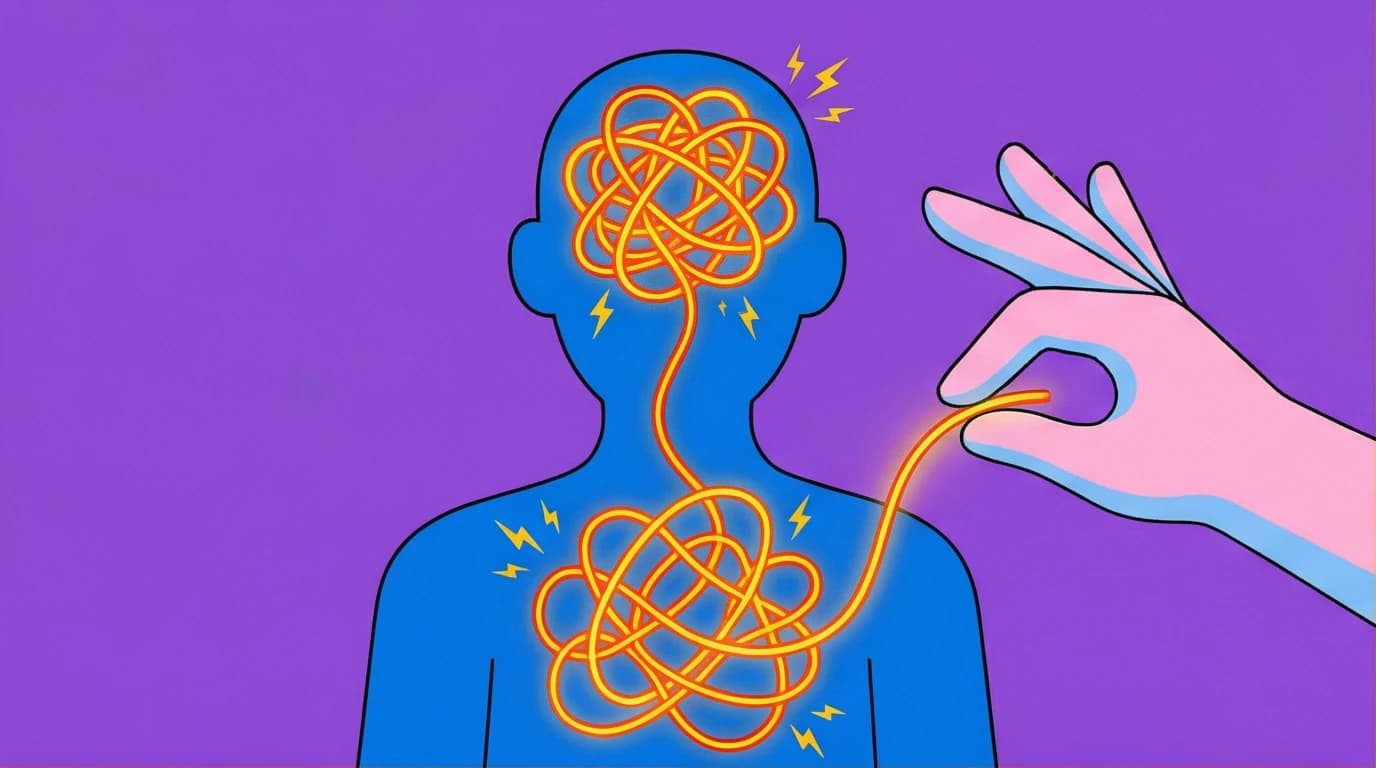
Living with trauma often feels incredibly isolating because the pain is invisible to everyone else but intensely physical to you. You know something feels wrong inside your own skin. Yet, finding the exact words to explain why your body reacts the way it does, or why certain memories feel like they are happening right now, can feel impossible.
Dr. Bessel van der Kolk changed the global conversation around mental health when he published his groundbreaking work. The book didn't just explain neuroscience; it gave language to the unspoken suffering of millions. When you read quotes from The Body Keeps the Score, you often experience a profound moment of recognition—a realization that your reactions are not character flaws, but biological adaptations.
Whether you are looking for language to use in your next therapy session, seeking validation for your personal journal, or looking for quotes to save to your Goodreads profile, understanding these insights can be a vital step in the recovery process.
The Nature of Trauma: Rewiring the Brain
Trauma is completely misunderstood by mainstream culture. It is frequently dismissed as just a "bad memory" or a difficult event you should eventually "get over." The most impactful body keeps the score trauma quotes dismantle this myth entirely. They validate that trauma is an active, ongoing physical presence.
"Trauma is not just an event that took place sometime in the past; it is also the imprint left by that experience on mind, brain, and body."
This is arguably the most defining statement of the entire book. It shifts the focus away from the historical event and places it on the present-day nervous system. The incident may have ended years ago, but the alarm bells inside the brain are still ringing. Realizing this changes everything. It means you stop judging yourself for not being able to just "move on."
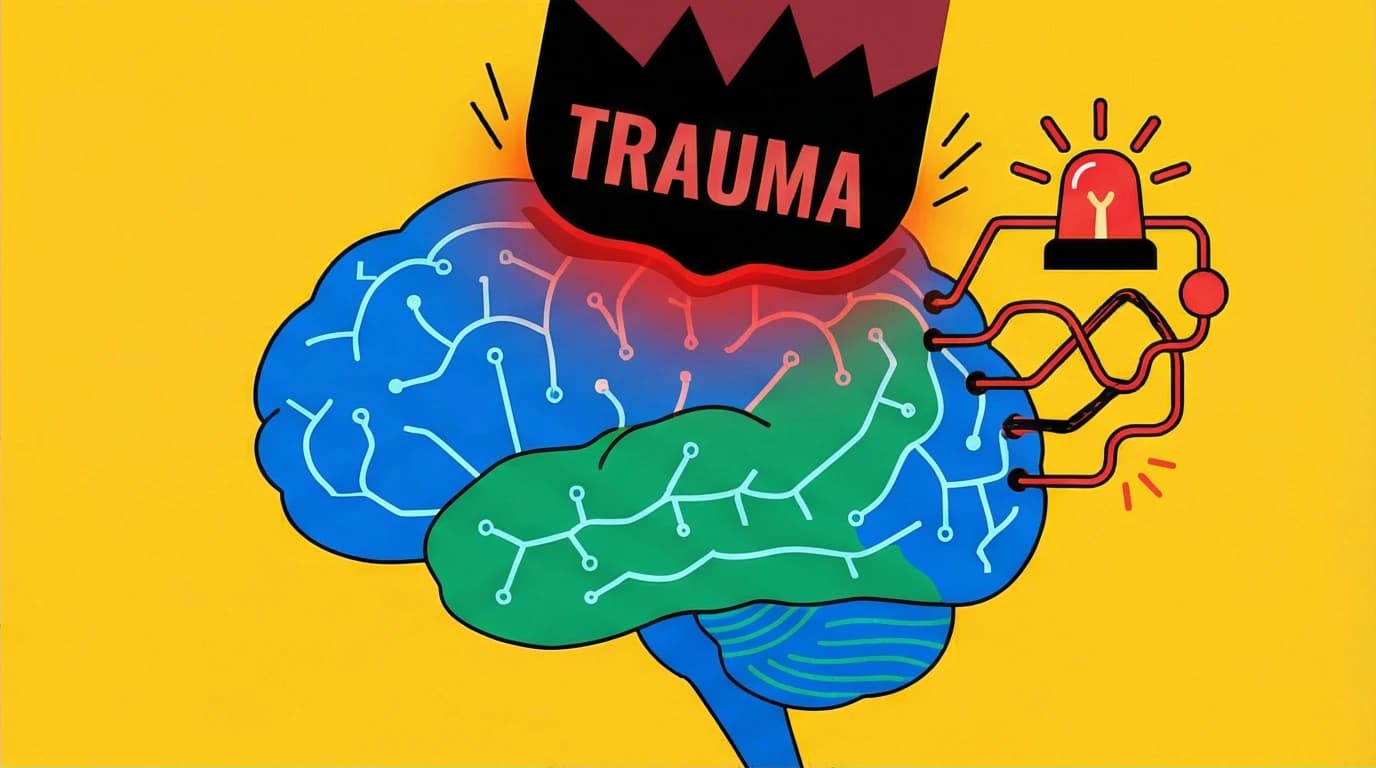
"We have learned that trauma is not just an event that took place sometime in the past; it is also the imprint left by that experience on mind, brain, and body. This imprint has ongoing consequences for how the human organism manages to survive in the present."
Your brain reorganizes itself to detect danger. When people wonder why trauma survivors are easily startled, highly anxious, or emotionally numb, this quote provides the answer. The organism is doing exactly what it was designed to do: survive. It is just surviving a threat that is no longer in the room.
"Trauma victims cannot recover until they become familiar with and befriend the sensations in their bodies."
Avoidance is the natural human response to pain. If an area of your body hurts, you try not to touch it. But emotional trauma lives in physical sensations—a tight chest, a sinking stomach, shallow breathing. True recovery requires turning toward those sensations rather than numbing them out.
These quotes offer a glimpse into the book's core arguments. For a more structured overview of its chapters and key takeaways, a detailed summary can be a helpful guide.
If reading these quotes has already sparked a sense of recognition, diving into the full text of Dr. Bessel van der Kolk's groundbreaking work is a transformative next step. This foundational book doesn't just offer validation; it provides a comprehensive look into the science of the nervous system and actionable pathways toward healing. For anyone trying to make sense of their physiological reactions to past pain, picking up a copy is an essential investment in your mental health journey.
The Body Keeps The Score
Bessel Van Der Kolk
 32 Duration
 10 Key Points
 4.5 Rate
If the idea of starting such a dense book feels overwhelming right now, you can get a handle on its core concepts first.


LeapAhead

Absorb the key ideas from The Body Keeps the Score and other groundbreaking psychology books in just 15 minutes to understand complex topics without the overwhelm.
The Physical Reality: How the Body Remembers
The central thesis of van der Kolk’s work is right there in the title. Your logical mind might try to suppress a memory, but your nervous system keeps a precise tally of the damage.
"The brain-disease model takes control over people’s fate out of their own hands, and puts doctors and insurance companies in charge of fixing their problems."
Many bessel van der kolk quotes challenge the traditional psychiatric establishment in the United States. Simply prescribing medication to mask symptoms often ignores the root cause. A pill might lower your heart rate, but it doesn't process the trapped traumatic energy. This perspective empowers you to look beyond standard pharmaceutical interventions and explore somatic therapies.
While van der Kolk's work is foundational, it's also part of a wider conversation about trauma. Understanding the critiques and controversies surrounding the book can provide a more balanced and nuanced perspective on its influential ideas.
"As long as you keep secrets and suppress information, you are fundamentally at war with yourself."
Shame thrives in secrecy. When you hide your story, the effort required to keep that secret acts as a constant stressor on your body. Your muscles stay tense. Your immune system is compromised. Acknowledging the truth—even if initially only to yourself in a private journal—is the first step toward disarming that internal war.
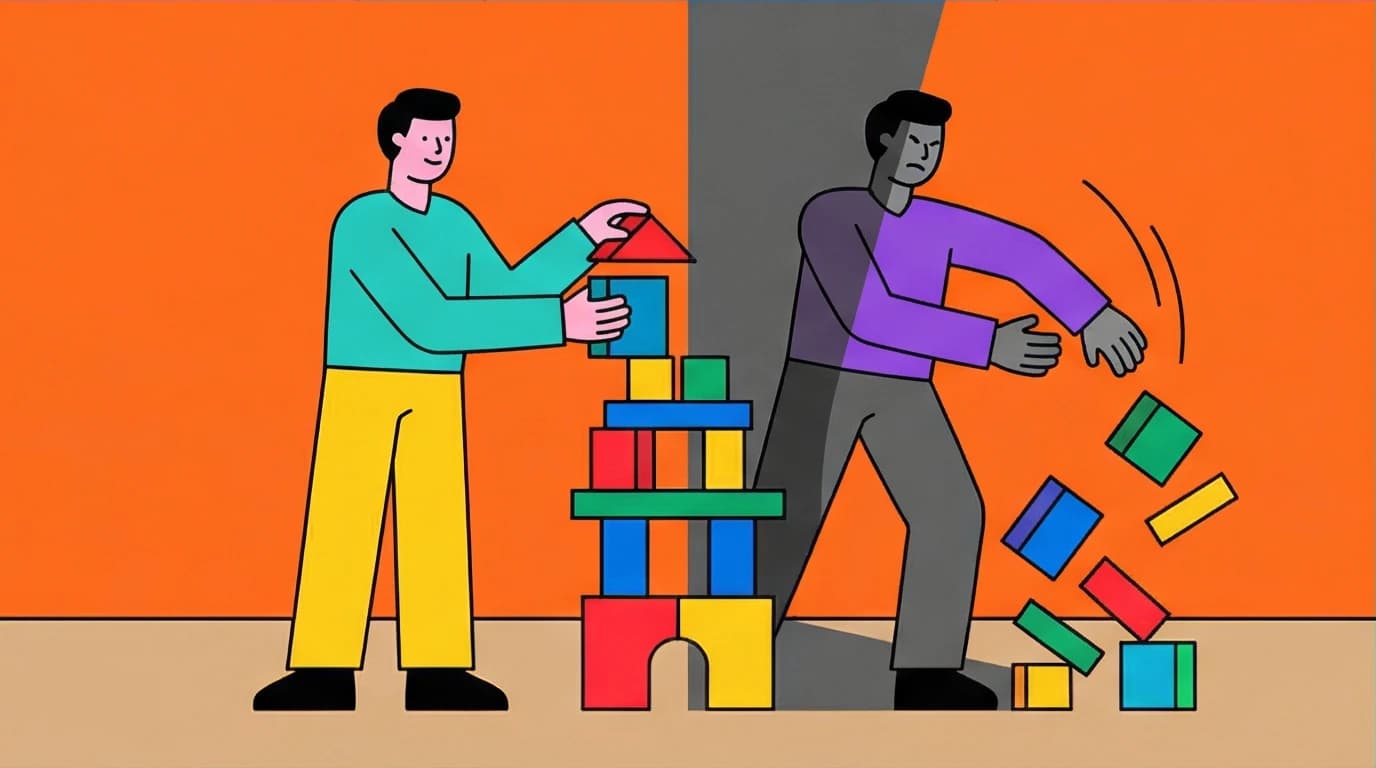
"The body keeps the score: If the memory of trauma is encoded in the viscera, in heartbreaking and gut-wrenching emotions, in autoimmune disorders and skeletal/muscular problems, and if mind/brain/visceral communication is the royal road to emotion regulation, this demands a radical shift in our therapeutic assumptions."
This quote validates the chronic pain, fatigue, and autoimmune issues so many survivors face. The trauma isn't "all in your head." It is in your digestive tract, your tense shoulders, and your elevated cortisol levels. Medical professionals often miss this connection, but recognizing it is crucial for targeted healing.
Understanding the deep physiological toll of trauma often brings up questions about other ways our emotional distress manifests physically. If you are intrigued by the connection between suppressed emotions and autoimmune issues or chronic fatigue, expanding your reading can offer even more clarity. Exploring how chronic stress turns into physical illness provides another validating layer to what your body is trying to tell you, helping you advocate for more holistic healthcare solutions.
When the Body Says No
Gabor Mate, MD
25 Duration10 Key Points4.6 RateThe Lifeline of Connection and Safety
Isolation is both a symptom and a consequence of trauma. When your internal alarm system is constantly firing, connecting with other human beings feels dangerous. Yet, healing happens in community.
"Being able to feel safe with other people is probably the single most important aspect of mental health; safe connections are fundamental to meaningful and satisfying lives."
Humans are social mammals. We regulate our nervous systems through interaction with safe, predictable people. If your trauma was caused by other people—which is often the case—your brain categorizes all human connection as a potential threat. Relearning how to trust, and finding truly safe people to practice with, is the core of therapeutic work.
"The single most important issue for traumatized people is to find a sense of safety in their own bodies."
Before you can feel safe with anyone else, you have to feel safe inside your own skin. This is why interventions like yoga, deep breathing, and somatic experiencing are heavily featured in the book. You cannot talk your way out of a physiological panic attack. You have to show the body it is safe through breath and movement.
"Beneath the surface of the protective parts of trauma survivors there exists an undamaged essence, a Self that is confident, curious, and calm."
For anyone who feels permanently broken, this is one of the most hopeful bessel van der kolk quotes. Trauma covers up your core self, but it does not destroy it. The confident, calm version of you is still in there, waiting for the smoke to clear so it can step back into the light.
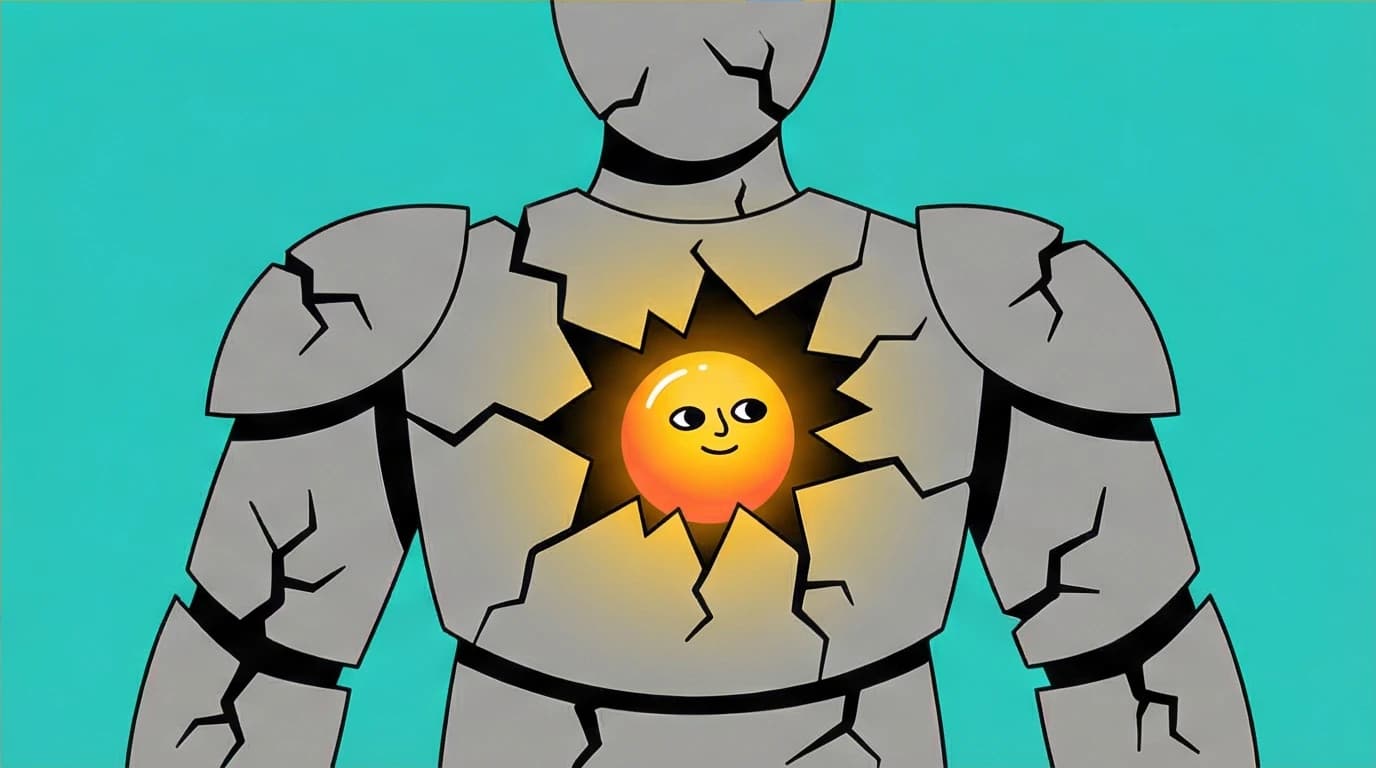
The idea that your core "Self" remains undamaged beneath your trauma is one of the most liberating concepts in modern psychology. If you want to learn how to access that calm, confident essence and make peace with the protective walls your mind has built, Internal Family Systems (IFS) therapy is a phenomenal framework. Reading about how to befriend your inner critics and wounded parts can help you establish that vital sense of internal safety before you connect with others.
No Bad Parts
Richard Schwartz Ph.D.
22 Duration7 Key Points4.6 RateEssential Body Keeps the Score Quotes on Healing
Moving from understanding trauma to actually healing from it requires actionable steps. The book offers a roadmap out of the darkness, and these body keeps the score quotes on healing serve as guideposts.
"Neuroscience research shows that the only way we can change the way we feel is by becoming aware of our inner experience and learning to befriend what is going inside ourselves."
You have to name it to tame it. Mindfulness is not just a wellness trend popularized on Amazon or Apple Books; it is a neurological necessity. By observing your physical reactions without immediate judgment, you create a tiny gap between a trigger and your reaction. In that gap lies your freedom.
"We do not truly understand ourselves unless we can feel and interpret our physical sensations; we need to register and act on these sensations to navigate safely through life."
Many survivors live entirely in their heads, detached from the neck down. Healing means moving back into the body. It means noticing that your jaw clenches when a certain topic is brought up, or that your breathing becomes shallow in specific environments. That data is critical for your recovery.
"Mainstream trauma treatment has paid scant attention to helping terrified people to safely experience their sensations and emotions."
Talk therapy is highly valuable, but it is often not enough on its own. Retelling your trauma story while your body is actively trapped in a state of terror can sometimes be re-traumatizing. Effective healing must include somatic (body-based) practices.
How to Apply These Quotes to Your Recovery
Reading quotes from The Body Keeps the Score is validating, but real change happens when you apply this wisdom to your daily life. Here are a few ways to utilize these insights:
Use them as Journaling Prompts:
Take one quote each week. Write it at the top of a blank page. Ask yourself: Where do I feel this quote in my body right now? How does this specific concept show up in my daily behavior?
Take one quote each week. Write it at the top of a blank page. Ask yourself: Where do I feel this quote in my body right now? How does this specific concept show up in my daily behavior?
Bring them to Therapy:
If you struggle to articulate your feelings, bring a specific quote to your therapist. Say, "I read this, and it perfectly describes what I've been experiencing but couldn't explain." This gives your therapist a clear entry point into your internal world.
If you struggle to articulate your feelings, bring a specific quote to your therapist. Say, "I read this, and it perfectly describes what I've been experiencing but couldn't explain." This gives your therapist a clear entry point into your internal world.
Build a Somatic Toolkit:
Since the body actually holds the trauma, rely on physical practices to release it. Look into trauma-sensitive yoga. Practice tapping (EFT). Go for a walk and focus entirely on the physical sensation of your feet hitting the pavement.
Since the body actually holds the trauma, rely on physical practices to release it. Look into trauma-sensitive yoga. Practice tapping (EFT). Go for a walk and focus entirely on the physical sensation of your feet hitting the pavement.
Create Visual Reminders:
Print out your favorite quotes on healing and place them where you need them most—on your bathroom mirror, as your phone lock screen, or on your desk. When your nervous system spikes into hyperarousal, let these words serve as a grounding anchor.
Print out your favorite quotes on healing and place them where you need them most—on your bathroom mirror, as your phone lock screen, or on your desk. When your nervous system spikes into hyperarousal, let these words serve as a grounding anchor.
Putting these ideas into practice is the most crucial step. If you're ready to move from understanding to action, exploring specific exercises can help you apply these concepts directly to your healing journey.
Reframing your perspective on trauma is a lifelong practice, and building a library of validating resources can keep you grounded when your nervous system spikes. One of the most powerful shifts you can make is moving away from self-blame and asking yourself what you survived rather than what is wrong with you. Supplementing your trauma-informed toolkit with conversations from other leading experts in childhood trauma and resilience will continually reinforce that your reactions are a biological adaptation, not a failure.
What Happened to You
Bruce D. Perry, M.D., Ph.D., and Oprah Winfrey
39 Duration8 Key Points4.5 RateBuilding this toolkit of knowledge is powerful, but it can be hard to find the time and energy to get through every important book on your list.
LeapAhead
Listen to key insights from bestselling wellness and psychology books on your commute or during a break, making it easier to learn and heal even on exhausting days.
FAQ
Why is "The Body Keeps the Score" so popular among trauma survivors?
The book fundamentally shifted the blame away from the survivor. Instead of asking "What is wrong with you?", the book asks "What happened to you, and how has your body adapted to survive it?" This biological validation removes massive amounts of shame, allowing individuals to finally understand their confusing symptoms.
The book fundamentally shifted the blame away from the survivor. Instead of asking "What is wrong with you?", the book asks "What happened to you, and how has your body adapted to survive it?" This biological validation removes massive amounts of shame, allowing individuals to finally understand their confusing symptoms.
Can reading this book or these quotes be triggering?
Yes. Because Dr. van der Kolk details real-world trauma and its raw, physical effects, reading the material can activate your own trauma responses. It is highly recommended to consume this content slowly. If you feel your chest tightening or your heart racing while reading, step away and focus on regulating your nervous system before continuing.
Yes. Because Dr. van der Kolk details real-world trauma and its raw, physical effects, reading the material can activate your own trauma responses. It is highly recommended to consume this content slowly. If you feel your chest tightening or your heart racing while reading, step away and focus on regulating your nervous system before continuing.
Are these quotes helpful if I only have anxiety, not PTSD?
Absolutely. The mechanisms of the nervous system are universal. The insights on how the body processes stress, the importance of feeling safe in your physical form, and the limitations of traditional talk therapy apply directly to chronic stress, general anxiety, and depression.
Absolutely. The mechanisms of the nervous system are universal. The insights on how the body processes stress, the importance of feeling safe in your physical form, and the limitations of traditional talk therapy apply directly to chronic stress, general anxiety, and depression.
How do I actually release trauma from the body?
According to the book, cognitive understanding (knowing why you are traumatized) isn't enough. You must engage the body. Practices like trauma-informed yoga, Eye Movement Desensitization and Reprocessing (EMDR), neurofeedback, martial arts, and even theater help the body process and release trapped survival energy that verbal processing alone cannot reach.
According to the book, cognitive understanding (knowing why you are traumatized) isn't enough. You must engage the body. Practices like trauma-informed yoga, Eye Movement Desensitization and Reprocessing (EMDR), neurofeedback, martial arts, and even theater help the body process and release trapped survival energy that verbal processing alone cannot reach.