

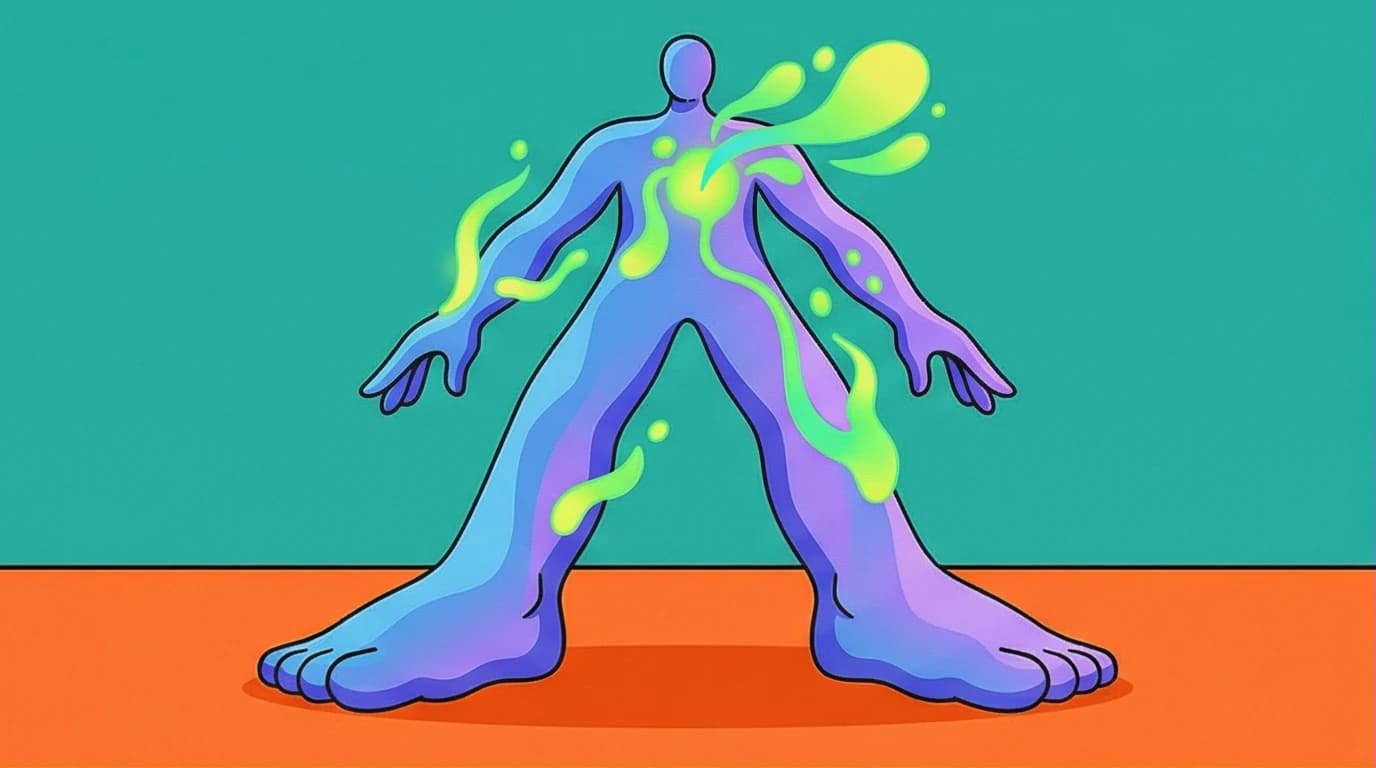
You finished the book. The neuroscience makes perfect sense, the case studies resonated deeply, and you finally understand why you react the way you do. But now you are staring at the back cover, asking yourself one frustrating question: What exactly am I supposed to do now?
Understanding trauma is top-down (brain to body). Healing trauma is bottom-up (body to brain). Talk therapy alone often falls short because trauma lives in the nervous system, locked in muscle tension, shallow breathing, and sudden physiological reactions. You do not need another chapter on the amygdala. You need a roadmap for your living room floor.
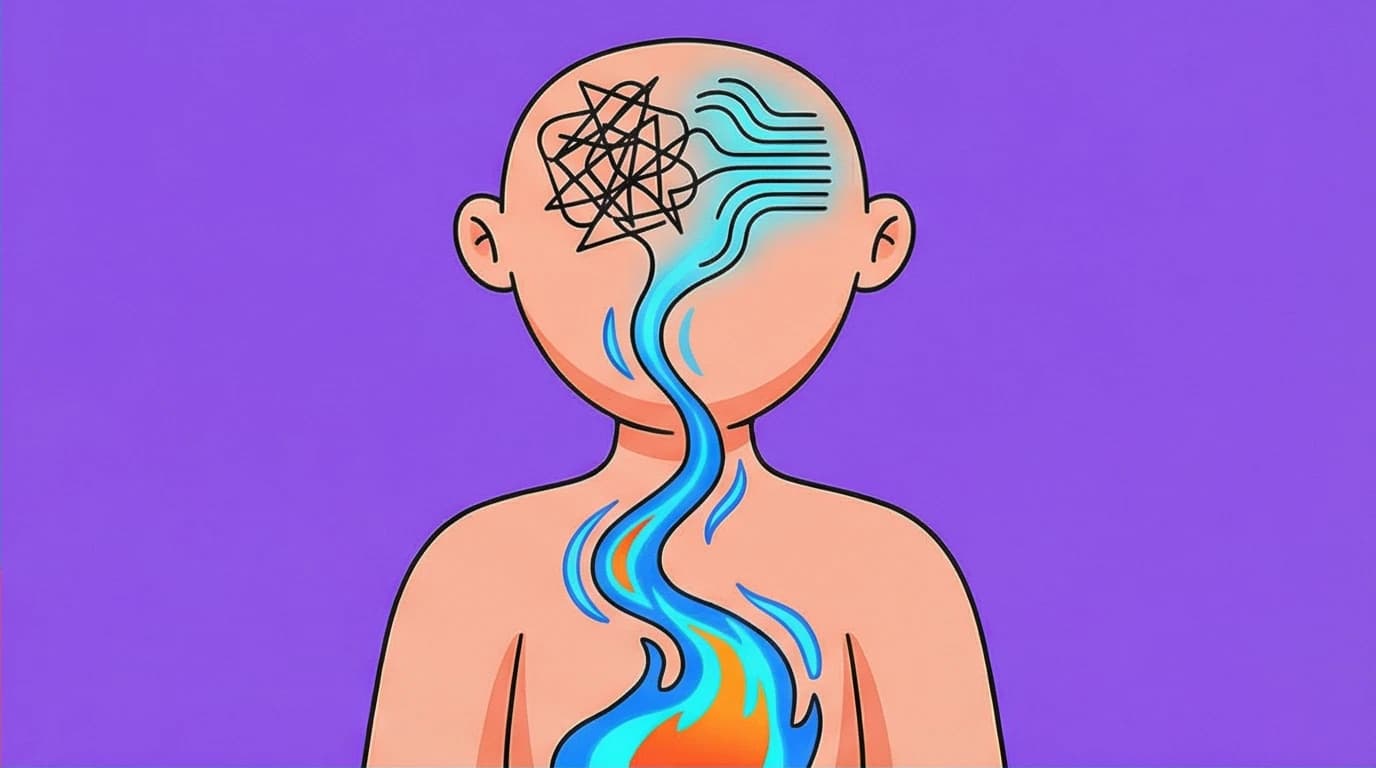
Here is exactly how to apply the body keeps the score in your daily life using structured, actionable steps.
Shifting from Theory to Practice
When you want to release trauma, you have to bypass the logical brain. You cannot think your way out of a physiological trauma response. The core premise of creating your own the body keeps the score workbook is to shift your focus from analyzing your past to tracking your present physical sensations.
Instead of writing down "I feel anxious about my childhood," a somatic workbook approach asks you to write down: "My chest feels tight, my breathing is shallow, and I notice a buzzing sensation in my hands."
Your goal is not to fix everything at once. Your goal is to gradually increase your capacity to feel safe in your own skin.
Before you can truly build out your own practical exercises, it helps to ensure you have a firm grasp on the foundational science. If you have only read summaries or watched videos about trauma's physical impact, immersing yourself in Dr. Bessel van der Kolk's original, groundbreaking work is an absolute must. It provides the essential vocabulary and neurobiological context needed to understand exactly why your body holds onto pain—and why bottom-up healing is the only way forward.
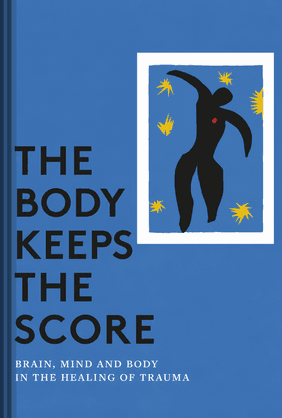
The Body Keeps The Score
Bessel Van Der Kolk
 32 Duration
 10 Key Points
 4.5 Rate
If you need a refresher on the key concepts before diving into these exercises, a detailed summary can be incredibly helpful for grounding your practice in the book's core principles.
Core Body Keeps the Score Healing Techniques
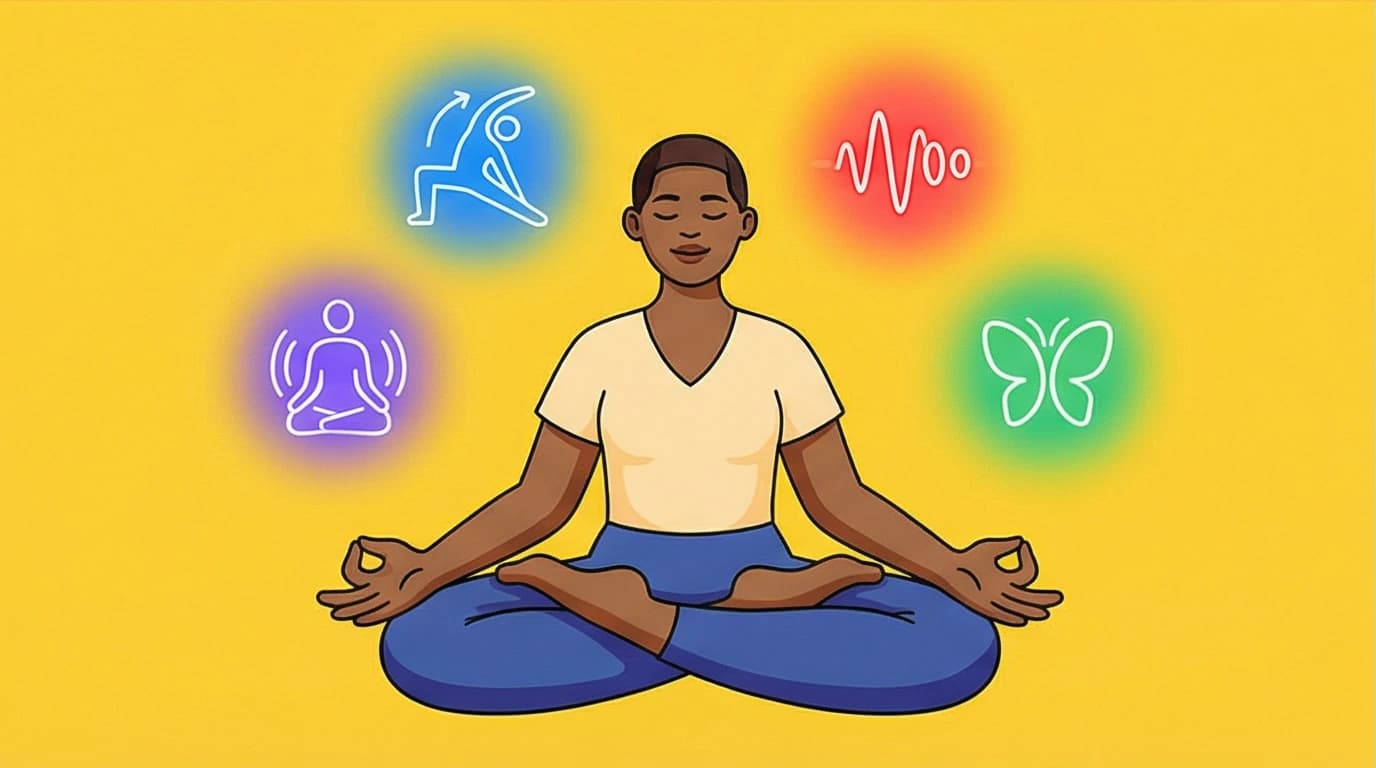
To build a routine that actually works, you need to rely on the specific body keeps the score healing techniques validated by clinical research. These practices focus on restoring rhythm, releasing physical bracing, and teaching your nervous system that the threat is over.
1. Trauma-Sensitive Yoga (Targeting Interoception)
Trauma often causes us to disconnect from our bodies to survive pain. Trauma-sensitive yoga is not about flexibility or achieving the perfect pose. It is about practicing making choices with your body.
- The Practice: Sit on a mat or a comfortable chair. Notice where your body makes contact with the floor. Slowly tilt your head to one side.
- The Workbook Prompt: Instead of asking "Am I doing this right?", ask yourself, "Do I want to stretch further, or do I want to back off?"
- The Goal: You are practicing agency. You are relearning that you own your muscles and can control what they do.
2. Somatic Therapy Exercises for Trauma
Somatic experiencing, developed by Peter Levine and heavily featured in the book, focuses on releasing trapped fight-or-flight energy. Integrating somatic therapy exercises for trauma into your daily routine is crucial.
The "Voo" Sound Exercise:
Trauma compromises the vagus nerve, which acts as the brake pedal for your nervous system. Stimulating it helps you calm down.
Trauma compromises the vagus nerve, which acts as the brake pedal for your nervous system. Stimulating it helps you calm down.
- Take a deep breath into your belly.
- As you exhale, make a low, deep, vibrating "Vooooo" sound (like a foghorn).
- Let the sound empty your lungs completely. Pause before inhaling naturally.
- Notice the vibration in your gut and chest. Repeat 3 to 5 times.
Pendulation (Finding Safe Zones):
- Identify a place in your body that feels tense or uncomfortable (e.g., a tight throat).
- Now, actively find a place in your body that feels completely neutral or relaxed (e.g., your left earlobe, or your big toe).
- Shift your attention back and forth between the tense area and the neutral area. This teaches your nervous system that pain is not everywhere—safety exists simultaneously.
As you practice these somatic techniques, you might realize just how profoundly your emotional stress has manifested as physical ailments—from chronic fatigue to autoimmune flare-ups. If you are curious about the deep connection between repressed trauma and physical illness, Dr. Gabor Maté offers a brilliant exploration of this phenomenon. His work acts as a perfect companion to somatic experiencing, helping you recognize the hidden ways your nervous system is sounding the alarm and asking for relief.

When the Body Says No
Gabor Mate, MD
25 Duration10 Key Points4.6 Rate3. Bilateral Stimulation (Rhythm and Integration)
Trauma shuts down the language center of the brain and traps you in the emotional right hemisphere. Bilateral stimulation (engaging both sides of the body) helps integrate the brain, similar to the mechanics behind EMDR.
The Butterfly Hug:
- Cross your arms over your chest so your hands rest just below your collarbones.
- Hook your thumbs together to form a "butterfly" shape.
- Close your eyes partially or fully.
- Alternate tapping your hands lightly on your chest (left, right, left, right) at a slow, rhythmic pace.
- Breathe slowly while tapping for 1 to 2 minutes. This is an excellent tool to use when you feel a panic attack or flashback starting.
Building Your Personal The Body Keeps the Score Exercises Routine
You do not need to spend thousands of dollars immediately to start healing. You can organize the body keeps the score exercises into a manageable, structured routine right at home. Keep it simple. Overwhelming your system will just trigger another stress response.
Phase 1: Establish Baseline Safety (Weeks 1-2)
Do not dive into deep trauma release yet. Focus entirely on grounding and self-regulation.
- Morning: 5 minutes of mindful breathing. Focus purely on making your exhale longer than your inhale.
- Afternoon Check-in: Set an alarm. When it goes off, do a 60-second body scan. Notice where you are clenching your muscles. Drop your shoulders. Unclench your jaw.
- Workbook Action: Log your triggers daily. Note the time, the physical sensation (e.g., "stomach drop"), and the external trigger.
Phase 2: Introduce Movement and Rhythm (Weeks 3-4)
Trauma thrives in stillness and isolation. Recovery thrives in rhythm and connection.
- Daily Activity: Engage in 15 minutes of rhythmic movement. This could be brisk walking, drumming, swimming, or bouncing on a mini-trampoline.
- Focus: Pay attention to the alternating rhythm of your limbs. If you are walking outside, count your steps or notice the colors of the cars passing by. Keep your brain anchored in the present environment.
Phase 3: Gentle Somatic Processing (Weeks 5+)
Once you have tools to calm yourself down, you can start gently engaging with the tension.
- Practice the pendulation exercise described above when you feel mild anxiety.
- Try beginner trauma-sensitive yoga routines (you can find free, certified guides on YouTube).
- Workbook Action: After any exercise, write down one physical shift you noticed. "After the Voo sound, my chest felt 10% lighter."
While building your own routine is incredibly empowering, having a structured, expert-designed guide can take the guesswork out of your healing journey. For those who want more targeted, step-by-step written exercises, investing in a clinical workbook specifically designed for complex trauma is highly recommended. Dr. Arielle Schwartz provides a wealth of practical prompts, mindfulness practices, and somatic tools that seamlessly complement the daily routine you are already building in your living room.
The Complex PTSD Workbook
Arielle Schwartz and Jim Knipe
21 Duration7 Key Points4.8 RateAs you continue on this path, you might also be interested in other expert perspectives that can support your healing.
Essential Rules for Safe Practice (Avoiding Pitfalls)
When applying a the body keeps the score workbook method on your own, safety is your highest priority. Healing trauma is not a "no pain, no gain" situation. Pushing too hard will flood your nervous system.
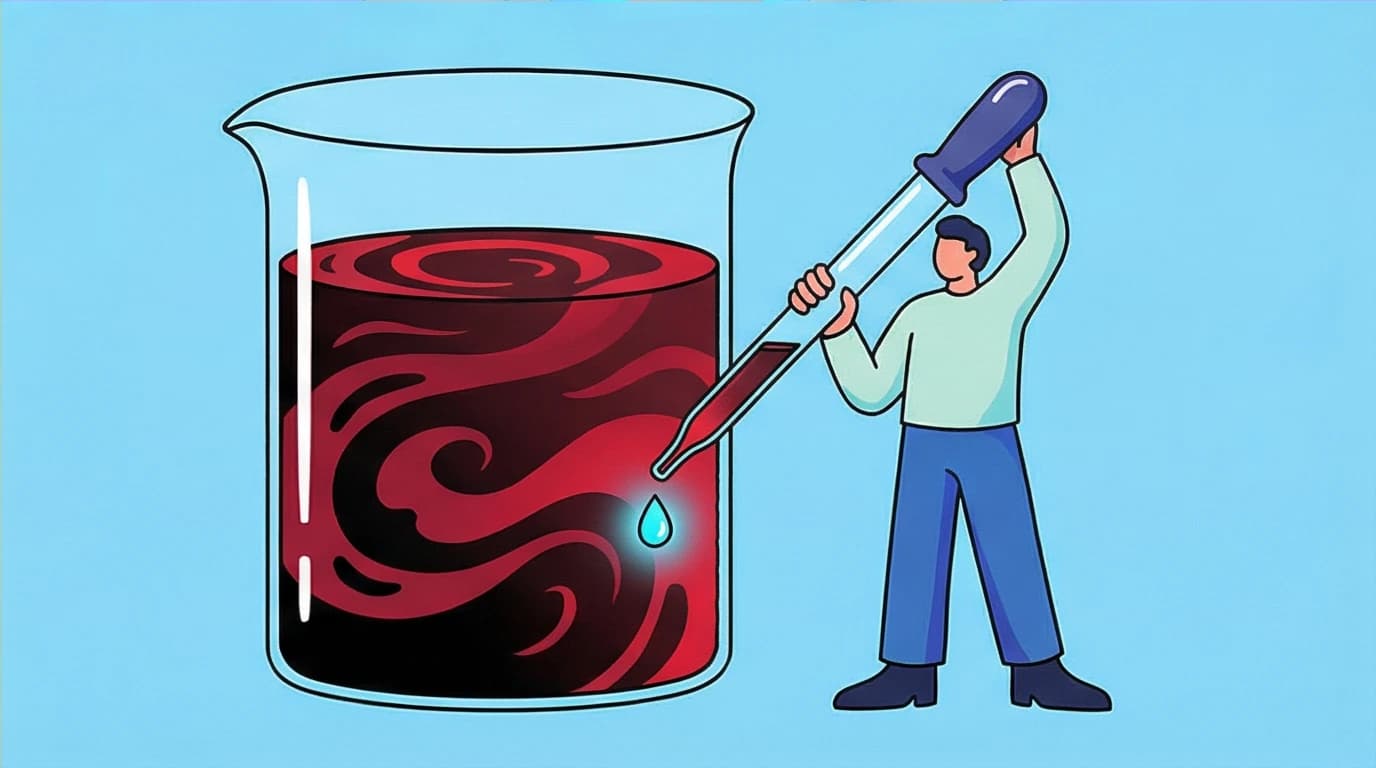
- Respect Titration: In chemistry, titration means adding a volatile substance one tiny drop at a time to prevent an explosion. Do the same with your trauma. Work in 3-to-5-minute increments. Do not try to process decades of pain on a Sunday afternoon.
- Honor the Freeze Response: If you start an exercise and suddenly feel numb, spacey, or completely exhausted, your body is entering a freeze state. Stop the exercise immediately. Look around the room, name five objects you can see, and drink a glass of cold water to ground yourself.
- Create a Safe Environment: Practice in a space where you will not be interrupted. Control your environment—set the thermostat to a comfortable temperature (around 68 to 72 degrees Fahrenheit is ideal for relaxation), wear loose clothes, and keep a heavy blanket nearby for comfort.
Healing trauma is a physical project. It requires patience, repetition, and a lot of self-compassion. By shifting your focus from the narrative of what happened to the physical reality of how your body feels today, you are taking the most crucial step toward reclaiming your life.
Healing is undeniably hard, physical work, but you do not have to walk the path blindly. If you are looking for a comprehensive, empowering blueprint to continue taking actionable steps toward recovery, Dr. Nicole LePera’s holistic approach to self-healing is phenomenal. It bridges the gap between traditional psychology and somatic practices, offering practical tools to break trauma bonds, regulate your nervous system, and finally step into a more authentic, balanced version of yourself.
How to Do the Work
Dr. Nicole LePera
47 Duration10 Key Points4.6 RateTo stay motivated, it can be helpful to reconnect with the profound messages that set you on this healing journey in the first place.
Absorbing the wisdom from all these powerful books is a journey in itself. If you're feeling overwhelmed by your reading list but want to quickly grasp the core concepts to support your healing practice, there's a way to learn more efficiently.


LeapAhead

Get the key insights from bestselling books on trauma and psychology in just 15 minutes, helping you apply crucial knowledge to your healing journey without the reading overwhelm.
FAQ
Is there an official "The Body Keeps the Score" workbook?
No, Dr. Bessel van der Kolk never published an official companion workbook. However, independent mental health professionals and somatic therapists have created excellent unofficial workbooks available on platforms like Amazon or Barnes & Noble. You can also build your own guided practice using the specific exercises outlined in this article.
No, Dr. Bessel van der Kolk never published an official companion workbook. However, independent mental health professionals and somatic therapists have created excellent unofficial workbooks available on platforms like Amazon or Barnes & Noble. You can also build your own guided practice using the specific exercises outlined in this article.
Can I do somatic therapy exercises without a therapist?
Yes, you can do basic somatic exercises (like grounding, deep breathing, and the Butterfly Hug) on your own to regulate your nervous system. However, if you have severe complex PTSD, experience intense flashbacks, or feel entirely overwhelmed when focusing on your body, it is highly recommended to work with a certified somatic experiencing practitioner (SEP) or EMDR therapist.
Yes, you can do basic somatic exercises (like grounding, deep breathing, and the Butterfly Hug) on your own to regulate your nervous system. However, if you have severe complex PTSD, experience intense flashbacks, or feel entirely overwhelmed when focusing on your body, it is highly recommended to work with a certified somatic experiencing practitioner (SEP) or EMDR therapist.
How long does it take to release trauma from the body?
There is no fixed timeline. It depends on the severity of the trauma, how long it has been stored, and your current life stressors. Healing is not linear. You will likely notice small improvements in your sleep, reactivity, and muscle tension within a few weeks of consistent practice, but deeper nervous system rewiring is a long-term, ongoing lifestyle shift.
There is no fixed timeline. It depends on the severity of the trauma, how long it has been stored, and your current life stressors. Healing is not linear. You will likely notice small improvements in your sleep, reactivity, and muscle tension within a few weeks of consistent practice, but deeper nervous system rewiring is a long-term, ongoing lifestyle shift.
Why do I feel more anxious when I start paying attention to my body?
This is very common. If you have spent years disconnecting from your body to avoid pain, suddenly paying attention to it can feel unsafe and triggering. This is why you must start with grounding and safety exercises before trying to "release" tension. If focusing internally causes panic, open your eyes and focus strictly on external things (sounds, colors, textures) until you feel settled.
This is very common. If you have spent years disconnecting from your body to avoid pain, suddenly paying attention to it can feel unsafe and triggering. This is why you must start with grounding and safety exercises before trying to "release" tension. If focusing internally causes panic, open your eyes and focus strictly on external things (sounds, colors, textures) until you feel settled.