

You have probably seen this title dominating the non-fiction charts on Amazon, featured heavily on Goodreads, or recommended by a therapist. At over 400 pages of dense clinical history and neuroscience, it is an intimidating read. If you are looking at that thick spine and wondering exactly what is the body keeps the score about, you are in the right place.
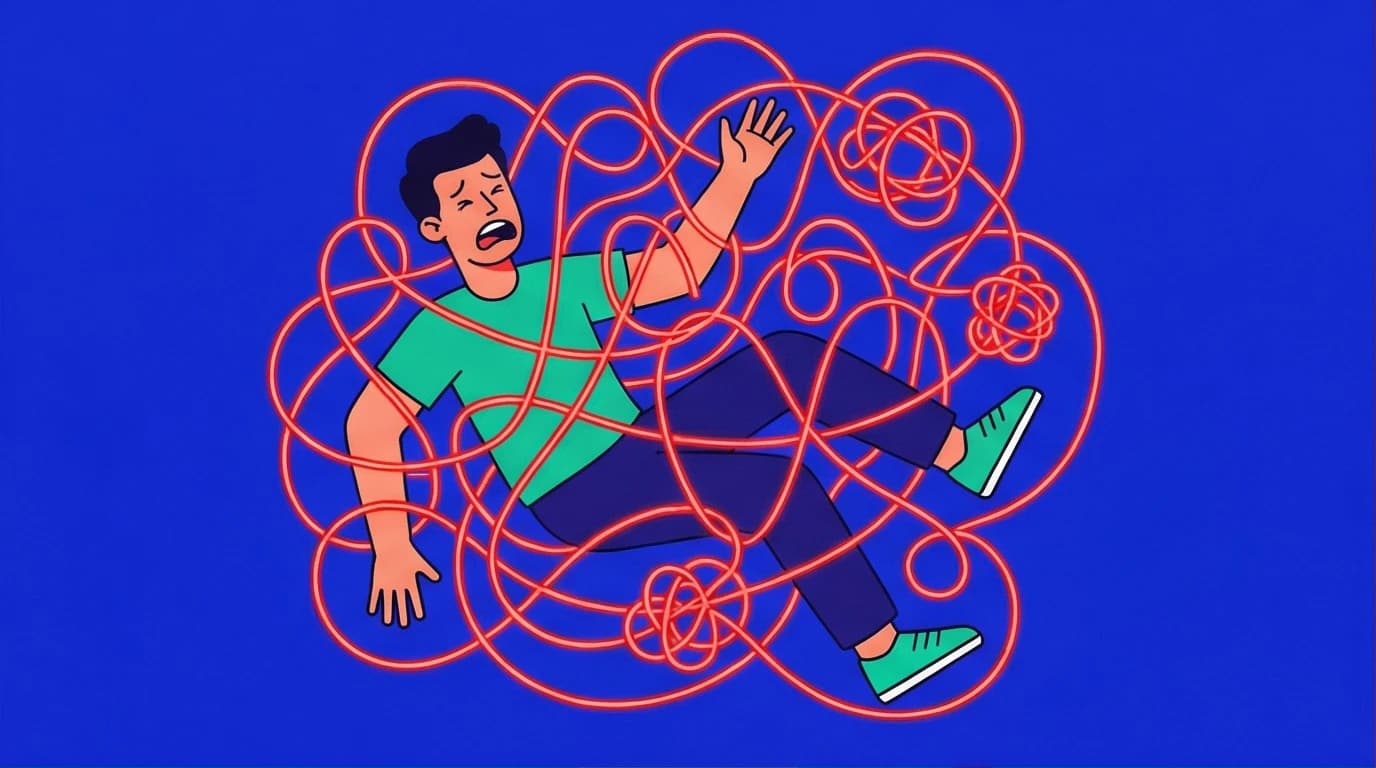
Dr. Bessel van der Kolk’s central premise is radical yet simple: trauma is not just an event that happened in the past. It is a physical footprint left inside your nervous system. Trauma rewires your brain to perceive threats where there are none, trapping you in a perpetual state of fight, flight, or freeze.
While the book's impact is undeniable, it hasn't been without its critics. Understanding the nuances and potential trigger warnings discussed by both clinicians and survivors can provide a more complete picture of its place in the trauma discourse.
Whether you are a psychology student reviewing for a paper, a survivor looking for actionable paths forward, or just an avid reader short on time, this the body keeps the score summary cuts through the academic jargon. We will break down the exact mechanisms of trauma and the most effective ways to heal.
Tackling a 400-page clinical text can feel like a huge commitment. If you want to absorb the key ideas from influential non-fiction books like this one but struggle to find the time, an app that summarizes them into short, digestible listens can be a game-changer.

Grasp the core insights from dense but important books on psychology and healing in just 15 minutes, perfect for learning on a tight schedule.

Download LeapAhead App now
The Body Keeps the Score Cheat Sheet: Core Scientific Concepts
To understand the book, you need to understand the basic mechanics of a traumatized brain. Van der Kolk uses specific terminology to explain how our biology reacts to extreme stress. Here is your fast-track the body keeps the score cheat sheet:
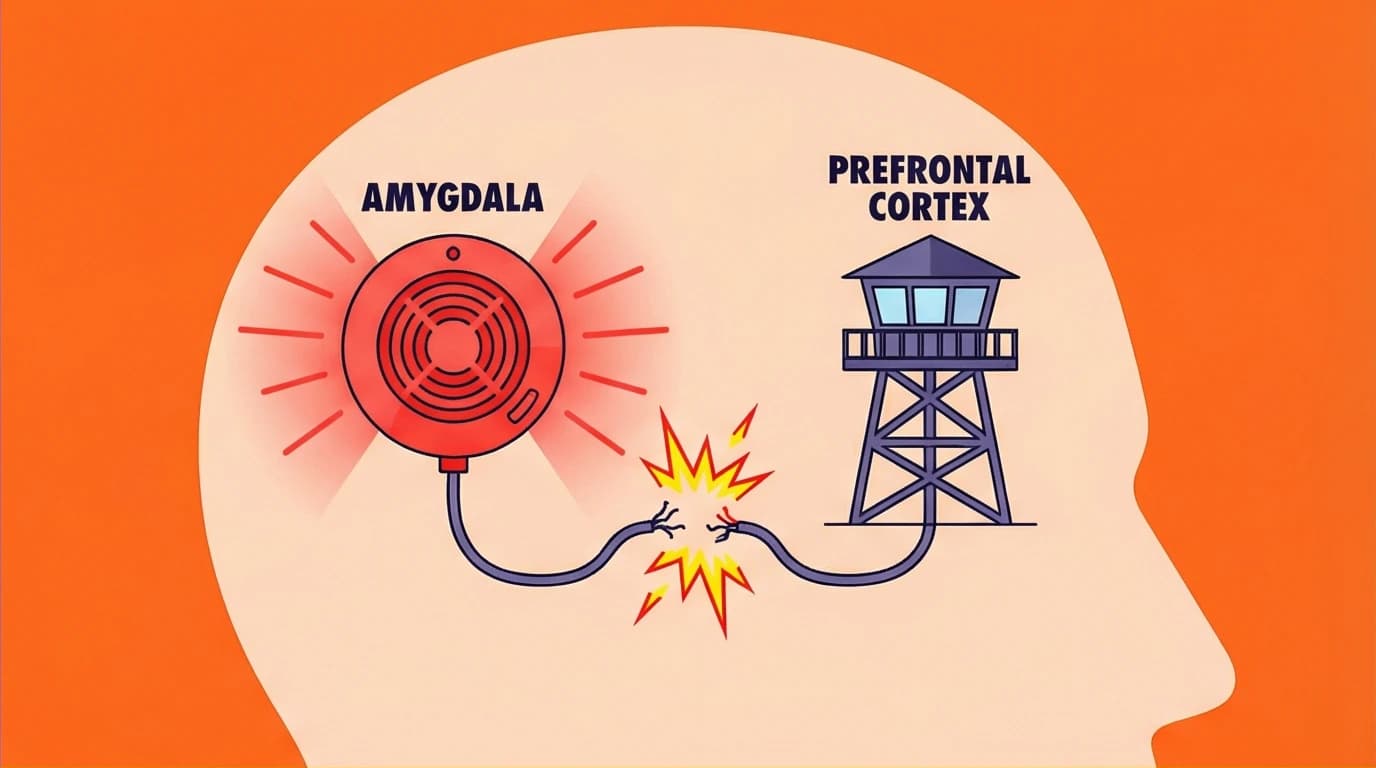
- The Smoke Detector (Amygdala): Deep inside your brain is the amygdala, responsible for identifying danger. When it senses a threat, it floods your body with stress hormones (adrenaline and cortisol). In traumatized individuals, this smoke detector is faulty. It constantly sounds the alarm, even when the person is completely safe.
- The Watchtower (Prefrontal Cortex): This is the rational, logical part of your brain located right behind your forehead. Its job is to evaluate the alarm. If you hear a loud bang, the smoke detector panics. The watchtower looks around, sees a car backfiring, and tells the body to calm down. Trauma physically breaks the connection between the smoke detector and the watchtower.
- The Timekeeper (Hippocampus): This brain region organizes your memories with a beginning, middle, and end. During trauma, the hippocampus shuts down. The traumatic memory is never stamped with a "date and time." As a result, flashbacks feel like the event is happening right now.
- Top-Down vs. Bottom-Up Processing: Traditional talk therapy is "top-down" (using the logical mind to soothe the body). Van der Kolk argues this rarely works for severe trauma. You need "bottom-up" processing (calming the physical body to signal safety to the brain).
If this breakdown of Dr. van der Kolk’s foundational concepts has sparked your interest, there is simply no substitute for reading his complete, unabridged work. While summaries are fantastic for a quick academic review or a high-level understanding, the original text is packed with poignant, real-life patient stories and rich clinical details that truly bring the neuroscience to life. If you are ready to explore the profound depths of how trauma reshapes our biology and how we can ultimately reclaim our lives, grabbing a copy of the actual book is the best next step.
The Body Keeps The Score
Bessel Van Der Kolk
 32 Duration
 10 Key Points
 4.5 Rate
Body Keeps the Score Chapter Summary (Broken Down by Part)
The original book is organized into five distinct sections. Instead of summarizing all 20 individual chapters, this body keeps the score chapter summary groups the information by these five foundational parts to give you a clear roadmap of the author's argument.
Part 1: The Rediscovery of Trauma
The book opens with van der Kolk’s early days as a psychiatrist working with Vietnam veterans at US Department of Veterans Affairs (VA) hospitals in the 1980s. At the time, trauma was highly misunderstood. Veterans were diagnosed with various mood disorders and heavily medicated. Van der Kolk explores the history of trauma research, noting how the psychiatric community slowly realized that these individuals were not inherently "broken." Their brains had simply adapted to survive war. This realization eventually led to the official American Psychiatric Association diagnosis of Post-Traumatic Stress Disorder (PTSD).
Part 2: This is Your Brain on Trauma
This is the most science-heavy section of the book. Van der Kolk dives deep into neuroscience, utilizing fMRI brain scans to prove that traumatized brains look structurally different.
When a person experiences trauma, the brain's speech center (Broca’s area) goes dark. This is why trauma survivors physically cannot put their horrific experiences into words—they literally lose the biological capacity for speech during a trigger. The author introduces the "Triune Brain" model, explaining that we have a reptilian brain (basic survival), a mammalian brain (emotions), and a rational brain (logic). Trauma hijacks the lower brains, rendering the rational brain useless in moments of high stress.
Part 3: The Minds of Children
Van der Kolk shifts focus to developmental trauma—abuse and neglect that occurs during childhood. He references the famous CDC-Kaiser Permanente Adverse Childhood Experiences (ACEs) study. The data is staggering: severe childhood trauma drastically increases the risk of heart disease, cancer, depression, and suicide later in life.
Children wire their brains based on their caregivers. If a parent is a source of terror, the child's brain cannot organize a cohesive sense of self. They grow up anticipating betrayal and danger, making it incredibly difficult to form healthy adult relationships.
Understanding the profound impact of childhood neglect and abuse on a developing brain can be heavy, but it is a crucial step toward generational healing. If you found the research on adverse childhood experiences (ACEs) particularly eye-opening, you might want to explore further literature dedicated specifically to early developmental trauma. By shifting the crucial question from "What is wrong with you?" to "What happened to you?", this next recommendation offers a deeply compassionate, scientifically grounded look at how our earliest environments shape our adult behaviors and relationships.
What Happened to You
Bruce D. Perry, M.D., Ph.D., and Oprah Winfrey
39 Duration8 Key Points4.5 RatePart 4: The Imprint of Trauma
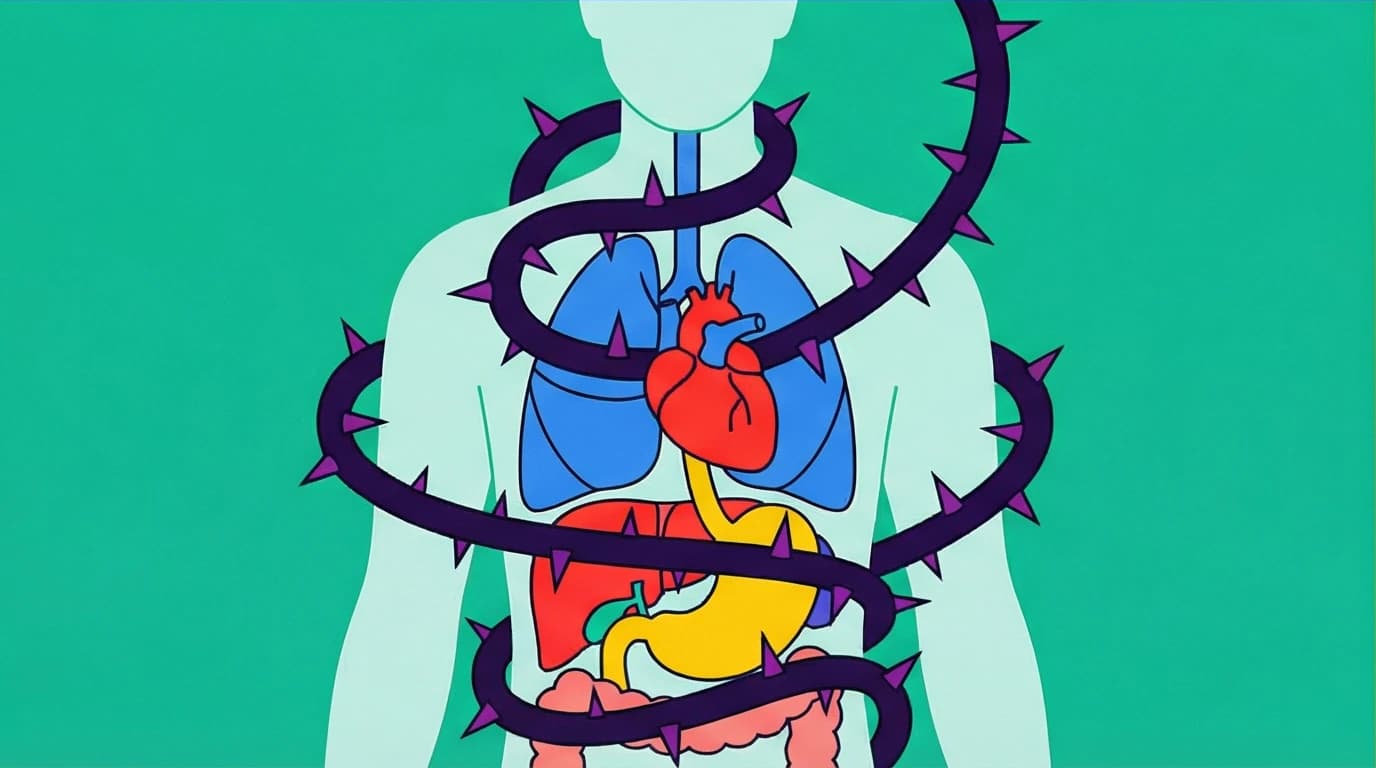
Why is the book called The Body Keeps the Score? Because the physical body absorbs what the mind cannot process. Trauma patients frequently suffer from chronic pain, fibromyalgia, chronic fatigue, and autoimmune disorders.
The author introduces Stephen Porges’ Polyvagal Theory. The vagus nerve connects the brain to the gut, heart, and lungs. When we feel safe, the vagus nerve promotes digestion, rest, and social connection. When we are traumatized, the vagus nerve triggers rapid heartbeats, shallow breathing, and a churning stomach. The trauma lives inside the nervous system, not just in memories.
The realization that emotional distress manifests as actual physical disease—such as autoimmune disorders or chronic fatigue—is one of the most validating discoveries for trauma survivors. If you are fascinated by this undeniable link between the nervous system, repressed emotions, and physical illness, expanding your reading list to include other renowned experts in mind-body medicine is a wonderful idea. Dr. Gabor Maté dives brilliantly into this exact phenomenon, offering compelling evidence on how chronic stress and unresolved trauma can quite literally make our bodies turn against themselves.
When the Body Says No
Gabor Mate, MD
25 Duration10 Key Points4.6 RateBuilding a powerful reading list on trauma and healing is a fantastic step, but it can also feel overwhelming. If the thought of adding more dense books to your pile is daunting, a summary app can help you absorb the essential insights from these authors without the months-long commitment.
Get the main ideas from influential books on healing by authors like Gabor Maté in 15-minute summaries to easily manage your growing reading list.
Download LeapAhead App now
Part 5: Paths to Recovery
The final and most hopeful part of the book outlines exactly how to heal. Since trauma bypasses logic, you cannot just talk your way out of it. Recovery requires resetting the nervous system. Van der Kolk explores specific, scientifically backed therapies designed to help patients befriend their bodies again. (These therapies are outlined in detail in the section below).
The Body Keeps the Score Key Takeaways
If you only have a few minutes, here are the body keeps the score key takeaways that represent the absolute core of van der Kolk’s research:
- Talk therapy is rarely enough. Cognitive Behavioral Therapy (CBT) and traditional psychoanalysis fall short when treating severe trauma. You cannot rationalize with an overactive amygdala. Healing must involve the physical body.
- Trauma steals your imagination. Traumatized individuals often lose their ability to imagine a better future. Their brain is so consumed with scanning for immediate threats that there is no energy left for creativity, play, or future planning.
- Agency is the antidote to trauma. Trauma is the ultimate experience of helplessness. Therefore, recovery is about restoring a sense of agency—the physical and mental feeling that you are in control of your own body and your own choices.
- Neuroplasticity works both ways. Just as extreme stress can wire your brain for fear, targeted physical and mental exercises can rewire your brain for safety. The brain is malleable. You are never permanently broken.
Actionable Healing: How to Reset the Nervous System
A major reason people seek out a summary of this book is to find out what actually works. Van der Kolk dedicates the final portion of his book to alternative, body-centered treatments. Here is what the clinical data supports:
EMDR (Eye Movement Desensitization and Reprocessing)
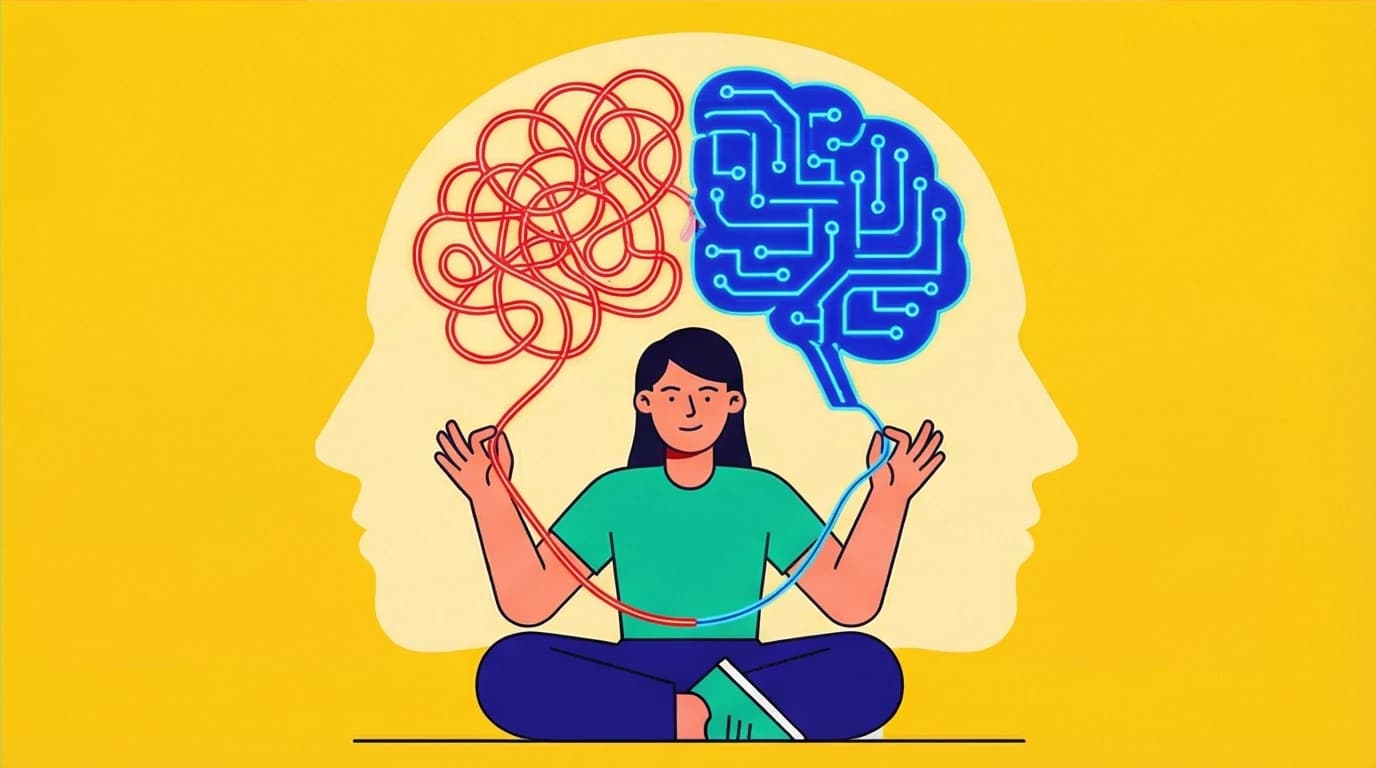
EMDR is one of the most effective treatments for PTSD. The patient focuses on a traumatic memory while simultaneously tracking a therapist's moving finger (or listening to alternating audio tones) side to side. This bilateral stimulation mimics REM sleep. It helps the brain process the frozen memory and move it from the emotional center (amygdala) to the historical archive (hippocampus).
Yoga and Interoception
Trauma survivors often detach from their bodies to avoid feeling the visceral pain of their memories. Yoga forces you to practice interoception—the ability to notice what is happening inside your body without judgment. By focusing on breathing and holding poses, survivors slowly learn that physical sensations are temporary and not inherently dangerous.
Neurofeedback
Neurofeedback involves connecting a patient to an EEG machine to monitor brain waves in real-time. By playing a video game controlled entirely by their brainwave activity, patients can literally train their brains to shift out of hyper-arousal and into a state of calm focus.
Theater and Rhythmic Movement
Because trauma isolates individuals, communal rhythm is incredibly healing. Participating in theater, choir singing, or synchronized drumming forces individuals to connect with others. It builds a sense of community and requires the brain to synchronize with a group, establishing deep feelings of safety and belonging.
For those ready to translate these ideas into action, applying specific techniques at home can be a powerful next step. Grounding exercises and somatic practices help bridge the gap between understanding trauma and actively healing the nervous system.
As van der Kolk emphasizes throughout his research, healing from trauma requires active, physical, and intentional participation—you cannot simply talk your way out of a triggered nervous system. If you are looking for practical, day-to-day exercises to complement therapies like EMDR or yoga, structured workbooks can be incredibly beneficial. They provide a safe, self-paced framework to practice grounding techniques and vagus nerve stimulation at home. For those dealing with repeated, long-term trauma, a specialized workbook focused on actionable recovery strategies is an excellent tool to add to your healing toolkit.
The Complex PTSD Workbook
Arielle Schwartz and Jim Knipe
21 Duration7 Key Points4.8 RateIf you're building a reading list around trauma and healing, it's helpful to explore a range of perspectives from different experts in the field. Seeing how various authors tackle concepts like somatic therapy and developmental trauma can provide a richer, more comprehensive understanding.
FAQ
Is "The Body Keeps the Score" too triggering to read?
It can be. Van der Kolk uses real-life case studies from his clinical practice to illustrate his points. Some of these stories involve severe physical abuse, sexual assault, and combat trauma. If you are currently in a highly sensitive state, you may want to read the book slowly, skip the case studies in Part 1 and 3, or simply rely on this summary for the core mechanics and healing strategies.
It can be. Van der Kolk uses real-life case studies from his clinical practice to illustrate his points. Some of these stories involve severe physical abuse, sexual assault, and combat trauma. If you are currently in a highly sensitive state, you may want to read the book slowly, skip the case studies in Part 1 and 3, or simply rely on this summary for the core mechanics and healing strategies.
Do I need to read the entire 400-page book to start healing?
No. While the book is a masterclass in neuroscience and psychology, you do not need a medical degree to heal. Understanding the basic premise—that your body needs to feel safe before your mind can relax—is enough to start. You can skip directly to Part 5 of the book, or use the healing methods outlined above to find a trauma-informed therapist.
No. While the book is a masterclass in neuroscience and psychology, you do not need a medical degree to heal. Understanding the basic premise—that your body needs to feel safe before your mind can relax—is enough to start. You can skip directly to Part 5 of the book, or use the healing methods outlined above to find a trauma-informed therapist.
Is there an official workbook for the book?
Dr. Bessel van der Kolk has not published an official workbook himself. However, there are numerous unofficial workbooks available on Amazon. When looking for practical application, prioritize finding a therapist trained in EMDR, Somatic Experiencing, or trauma-sensitive yoga over relying solely on unverified workbooks.
Dr. Bessel van der Kolk has not published an official workbook himself. However, there are numerous unofficial workbooks available on Amazon. When looking for practical application, prioritize finding a therapist trained in EMDR, Somatic Experiencing, or trauma-sensitive yoga over relying solely on unverified workbooks.
What does the phrase "the body keeps the score" actually mean?
It means that even if you try to mentally block out or forget a traumatic event, your physical biology remembers it. Your muscles stay tense, your stress hormones remain elevated, and your immune system may be compromised. Your body holds onto the physical memory of the event until it is actively processed and released.
It means that even if you try to mentally block out or forget a traumatic event, your physical biology remembers it. Your muscles stay tense, your stress hormones remain elevated, and your immune system may be compromised. Your body holds onto the physical memory of the event until it is actively processed and released.