

You have probably seen this book sitting on the "Modern Classics" tables at Barnes & Noble, or scrolled past it on Goodreads with thousands of five-star reviews. You know it is a cultural touchstone. But maybe you do not have the time to sit down and untangle a novel that jumps between eight different perspectives, two continents, and several decades. You are looking for the psychological core. You want to understand why mothers and daughters clash so intensely, and how they eventually find common ground.
And if you find yourself wanting to grasp the core lessons of other classic and modern nonfiction books but struggle to find the time, there are tools designed to help you learn on the go.


Get the powerful ideas from bestselling books on psychology and family dynamics in 15-minute audio or text summaries, perfect for when you're short on time.
 LeapAhead
This comprehensive The Joy Luck Club book summary gives you exactly that. We bypass the dense narrative structure to extract the raw, actionable insights about family dynamics, invisible wounds, and the path to healing.
The Core Framework: Four Families, One Mahjong Table
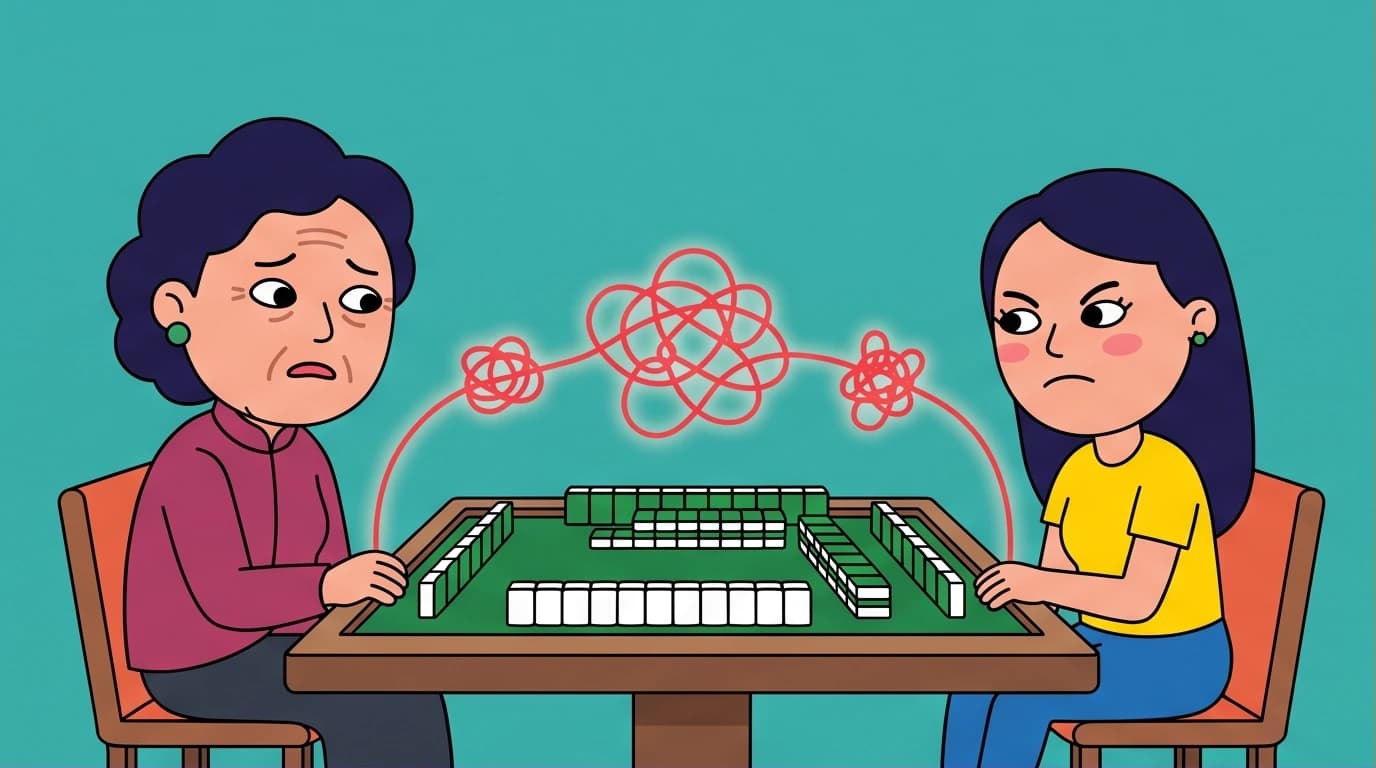
At its most basic level, the story revolves around the "Joy Luck Club," a weekly mahjong group formed in San Francisco by four Chinese immigrant women. They meet to play, eat, and invest in stocks. But the club is actually a survival mechanism—a way to create joy and luck in a foreign land after surviving unimaginable tragedy in China.
The narrative shifts between these four mothers and their four American-born daughters. The central tension is always the same: The mothers want to pass on their fierce survival instincts, while the daughters just want to be understood as independent American women.
1. Suyuan and Jing-mei "June" Woo (The Burden of Expectations)
Suyuan founded the club. During World War II in China, she was forced to abandon her twin baby girls on a road to save them from the Japanese invasion. She carries this devastating secret to America. Her American daughter, Jing-mei, feels utterly average and constantly falls short of her mother's desperate hope that she becomes a prodigy. The conflict here centers on the gap between a mother’s trauma-driven ambition and a daughter’s desire for unconditional acceptance.
2. Lindo and Waverly Jong (The Battle of Pride)
Lindo survived a forced, abusive marriage in China by using her wits to escape without dishonoring her family. She teaches her daughter, Waverly, the art of "invisible strength." Waverly uses this psychological tactic to become a national chess champion. However, Waverly misinterprets her mother’s fierce pride as controlling criticism, leading to a bitter, decades-long cold war between the two highly competitive women.
3. An-mei Hsu and Rose Hsu Jordan (Finding Your Voice)
An-mei grew up watching her own mother suffer as a silenced, abused concubine in China. From this, An-mei learned that a woman must speak up. Ironically, her American daughter, Rose, becomes completely passive. When Rose’s American husband demands a divorce, Rose completely collapses. An-mei must push her daughter to find her voice and fight for her space in the world, breaking a long cycle of female submission.
4. Ying-ying and Lena St. Clair (The Fear of Fate)
Ying-ying was a bold child whose spirit was broken by a traumatic first marriage. She developed a fatalistic mindset, believing she had no control over her destiny. She passes this anxiety and passivity down to her daughter, Lena. Lena ends up in a highly unequal, mathematically divided marriage with a stingy husband. Ying-ying realizes she must reveal her own painful past to wake her daughter up and stop her from making the same mistakes.
These four stories highlight the universal struggles that can arise between mothers and daughters, often stemming from love, fear, and miscommunication.
If you found yourself nodding along to these complicated mother-daughter dynamics, you might be dealing with similar communication breakdowns in your own family. When parents operate from a place of unresolved pain or emotional immaturity, they often pass those struggles directly to their children through rigid expectations and emotional distance. If you want to better understand these patterns and learn how to protect your own peace without completely cutting ties, there is an incredible resource that breaks down exactly how to navigate these emotional landmines.
Adult Children of Emotionally Immature Parents
Lindsay C. Gibson, Psy.D.
 39 Duration
 8 Key Points
 4.6 Rate
Unpacking the Generational Trauma Meaning
If you want to understand the modern psychological concept of inherited wounds, you do not need a medical textbook. You just need a solid Joy Luck Club analysis.
The generational trauma meaning in this story is vivid and highly practical. It refers to how the extreme survival tactics the mothers developed in war-torn, patriarchal China became highly dysfunctional when applied to their daughters in middle-class California.
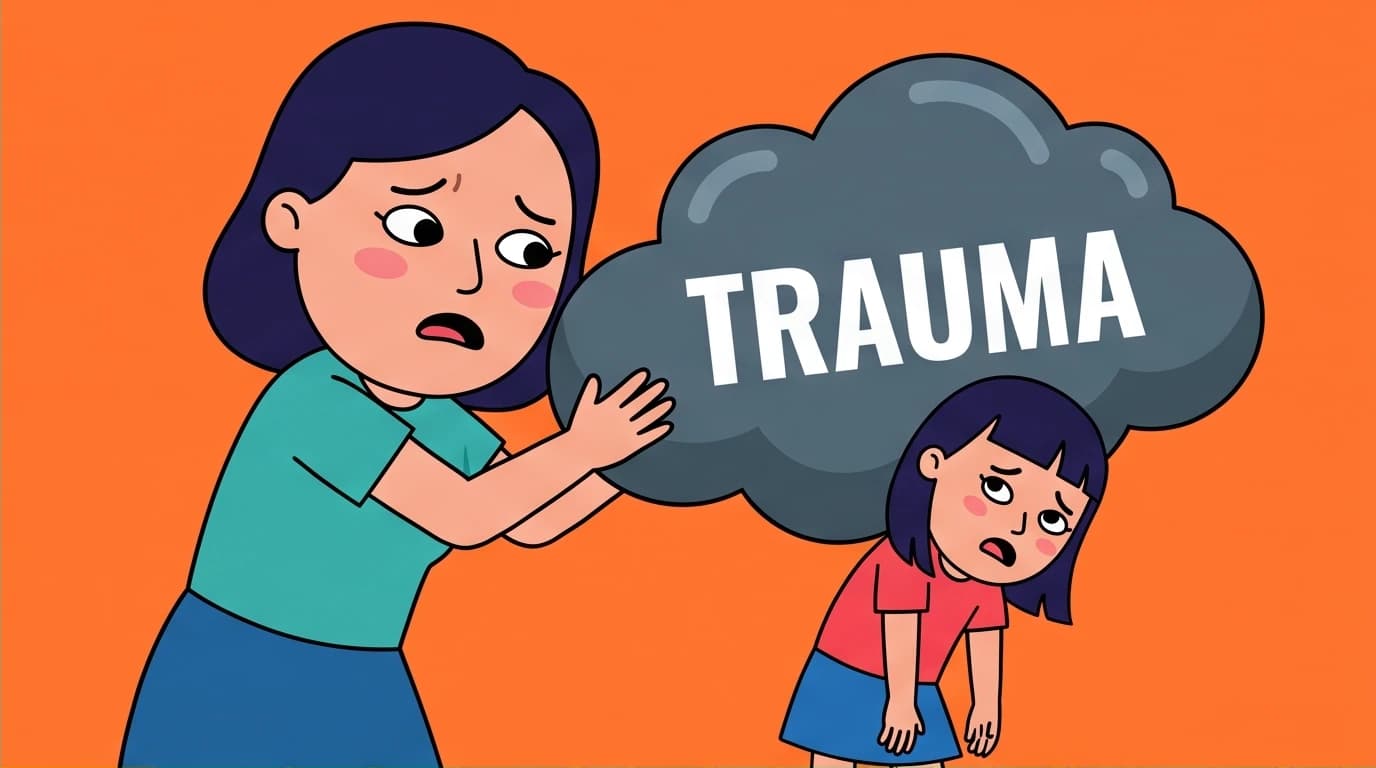
The mothers survived famine, war, and extreme misogyny. To them, criticism is a shield. Pushing their daughters to be perfect is a defense mechanism against a hostile world. They believe that if their daughters are exceptional, they cannot be hurt.
The daughters, growing up in the United States, do not have this context. They just feel suffocated. When a mother criticizes her daughter's haircut or her husband, the daughter hears: "You are not good enough." The mother is actually saying: "I am trying to protect you from the pain I experienced."
The trauma is passed down not through genetics, but through unspoken fears, rigid expectations, and the heavy silence surrounding the mothers' past lives. Healing only begins when the silence breaks.
Understanding the invisible wounds our parents carry is the first step toward breaking the cycle, but you might be wondering how these deep psychological patterns actually transfer from one generation to the next. Modern psychology shows us that trauma is not just behavioral; it can leave a lasting imprint on how families communicate and process fear. If you are fascinated by the science of inherited family trauma and want to discover actionable ways to stop these cycles in your own life, exploring the deeper clinical perspective can be incredibly eye-opening.
It Didn't Start with You
Mark Wolynn
21 Duration8 Key Points4.8 RateMajor Amy Tan Books Themes Explored
This novel established the blueprint for almost all Amy Tan books themes. If you are reading her work for an essay or just personal growth, keep these three massive pillars in mind.
The Chasm of Language and Culture
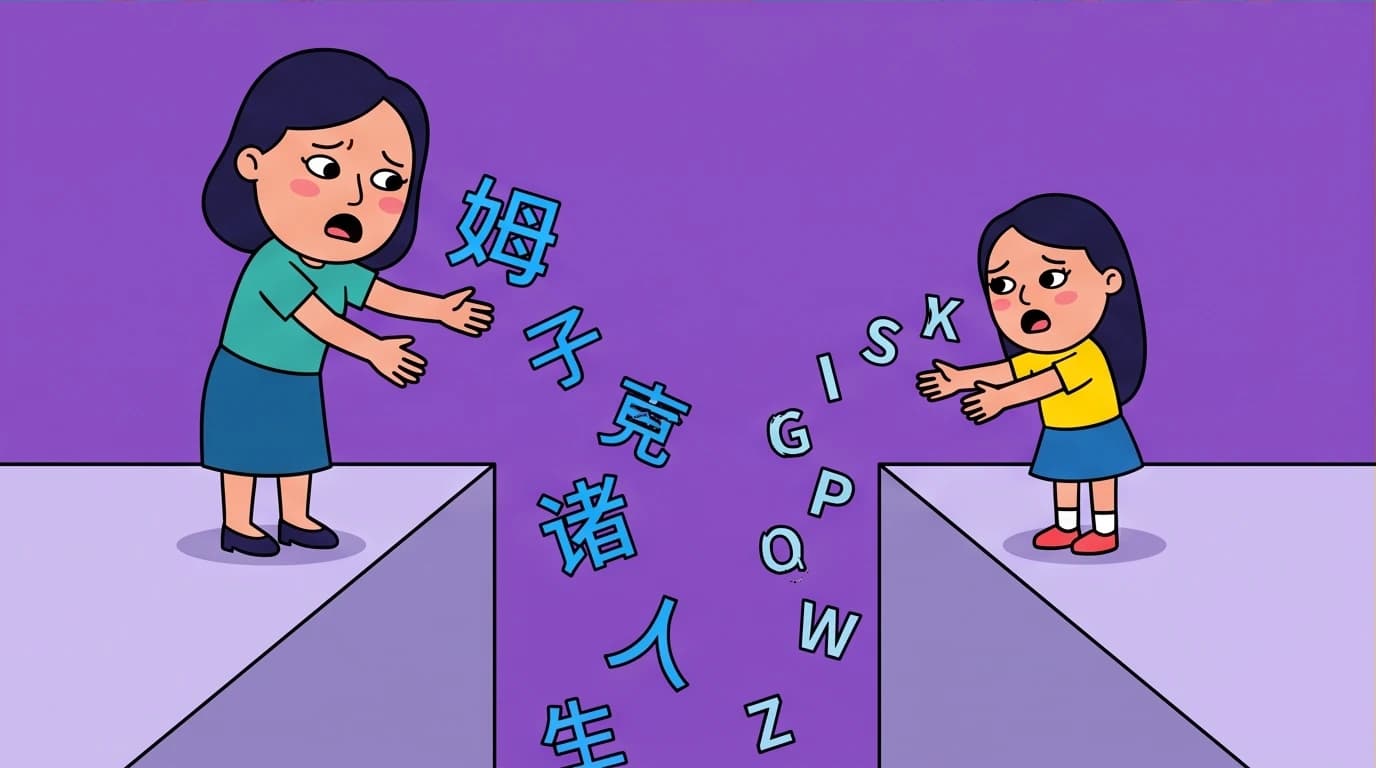
The mothers speak broken English; the daughters speak no Chinese. This creates a literal and metaphorical barrier. The mothers cannot articulate the depth of their love and their past traumas in English. The daughters lack the cultural vocabulary to understand their mothers' motivations. Tan masterfully shows that translation is not just about words; it is about context.
The barrier between immigrant parents and their first-generation children goes far beyond just speaking a different language—it is about navigating two entirely different realities. Growing up in the United States while trying to honor an Eastern heritage often leaves children feeling like they do not fully belong in either world. To dive deeper into this specific cultural dissonance and the unique psychological toll of the Asian American experience, there are brilliant contemporary essays that capture this exact struggle with breathtaking honesty and sharp wit.
Minor Feelings
Cathy Park Hong
19 Duration8 Key Points4 RateThe Illusion of American Individualism
The daughters embrace the American ideal: You write your own destiny, you cut toxic people off, and you stand alone. The mothers operate on a Chinese familial model: You are an extension of your ancestors, and your actions reflect on the collective. The book highlights the friction between Western individualism and Eastern collectivism, ultimately suggesting that true strength requires a blend of both.
The Power of Storytelling as Therapy
Facts do not heal families; stories do. The turning point for every mother-daughter pair in this book happens when a story is shared. When a daughter finally hears the horrifying, beautiful truth of what her mother survived, resentment turns into profound respect.
This therapeutic power of sharing stories is a central theme in Tan's work and a valuable tool for improving connection in any relationship.
Key Joy Luck Club Life Lessons You Can Apply
You do not need to share this specific cultural background to extract massive value from this story. The Joy Luck Club life lessons apply to anyone dealing with difficult family dynamics.
- Empathy Requires Historical Context: You cannot judge your parents' parenting style without understanding the era and environment that shaped them. Their neuroses are often just outdated survival skills.
- Expectations Are Often Disguised Acts of Love: That nagging you hate? It might be the only way your family knows how to express care. Once you recognize the intent behind the criticism, it loses its power to hurt you.
- You Must Claim Your Own Voice: As seen with Rose and Lena, waiting for someone else to validate you is a losing game. You have to advocate for yourself, even if it disrupts the peace.
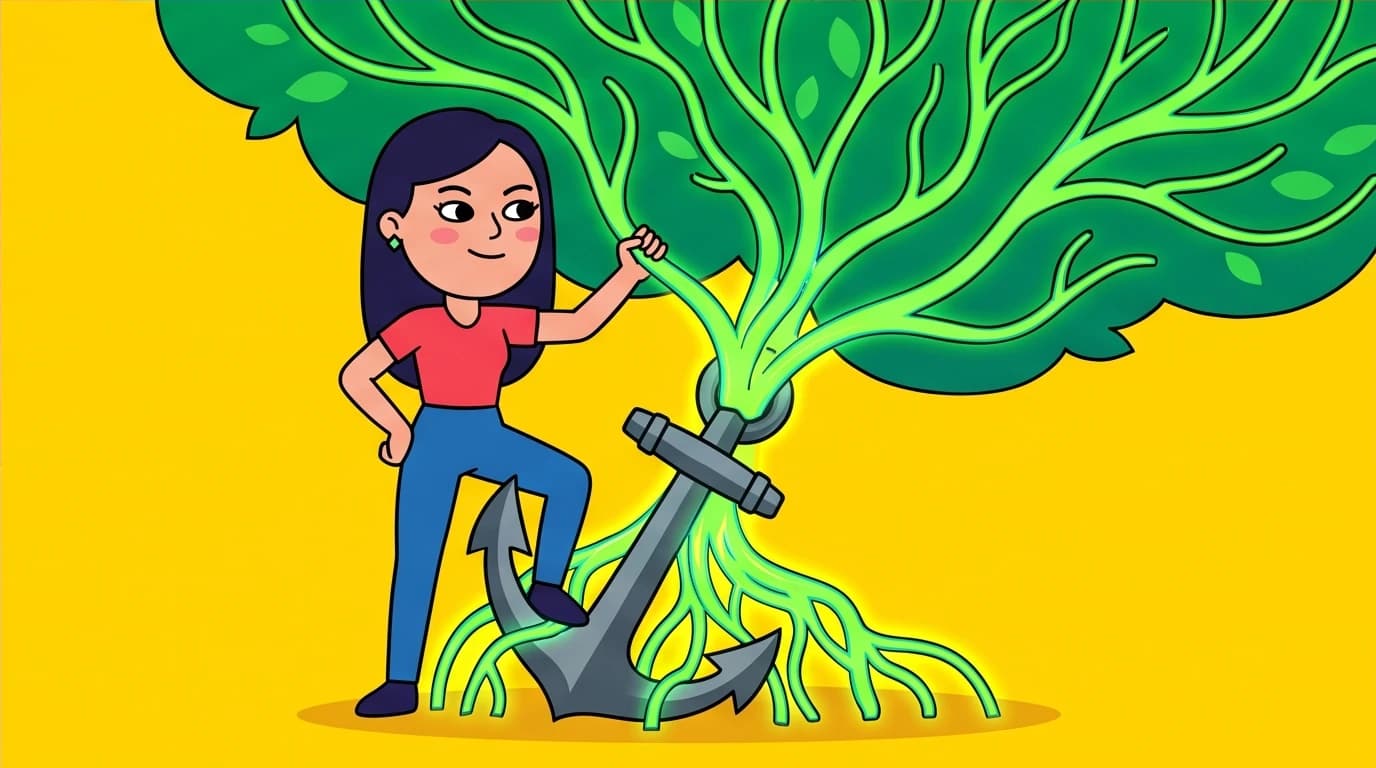
- Your Heritage Is an Anchor, Not a Chain: The daughters spend the first half of their lives running away from their Chinese roots, viewing them as embarrassing or restrictive. They spend the second half realizing that embracing their heritage is the exact thing that gives them the strength to navigate modern American life.
The journey of running from your cultural roots only to eventually realize they are your greatest source of strength is a universal coming-of-age experience. Often, it takes a profound life event or the potential loss of a parent to make us finally appreciate the traditions, the food, and the tough love we grew up resenting. If you love narratives that beautifully explore the intersection of grief, Asian American identity, and the complicated but fierce love between mothers and daughters, you will find a deeply moving emotional resonance in modern memoirs.

Crying in H Mart
Michelle Zauner
18 Duration8 Key Points4.8 RateA Deeper Joy Luck Club Analysis: Why It Still Matters Today
Why does a book published in 1989 still dominate reading lists and Amazon charts today?
Because the core conflicts have not changed. A deeper Joy Luck Club analysis reveals that modern readers are still fighting the same battles. We live in an era obsessed with boundaries and "cutting off" toxic family members. While sometimes necessary, Tan’s novel offers a highly compelling alternative: curiosity.
Instead of walking away, the characters lean in. They do the brutal, uncomfortable work of asking questions. Jing-mei travels to China to meet her lost half-sisters. Waverly finally sits down and listens to Lindo.
The novel acts as a mirror. It forces you to ask: What secrets are my parents hiding? What trauma are they silently carrying? And how much of my own personality is just a reaction to their unhealed wounds? It proves that reconciliation is rarely neat or easy, but the freedom on the other side of understanding is worth the painful conversation.
Exploring these complex family dynamics doesn't have to end here. If your reading list is growing but your free time isn't, a micro-learning app can help you absorb key insights from influential books in just minutes a day.
Turn your commute into a learning session by listening to key takeaways from books that explore generational trauma, communication, and personal growth.
LeapAheadFAQ
Do I need to read the full book if I have already watched the movie?
The 1993 film is fantastic and captures the emotional beats perfectly. However, the book offers deep internal monologues and historical nuances that a two-hour movie simply cannot fit in. If you want to understand the pure psychology behind the characters' decisions, the book provides significantly more depth.
The 1993 film is fantastic and captures the emotional beats perfectly. However, the book offers deep internal monologues and historical nuances that a two-hour movie simply cannot fit in. If you want to understand the pure psychology behind the characters' decisions, the book provides significantly more depth.
What is the main message of The Joy Luck Club?
The central message is that unconditional love and true understanding between generations can only be achieved through communication. You cannot heal a relationship until you understand the history and the trauma that shaped the other person.
The central message is that unconditional love and true understanding between generations can only be achieved through communication. You cannot heal a relationship until you understand the history and the trauma that shaped the other person.
Is The Joy Luck Club based on a true story?
It is loosely semi-autobiographical. Amy Tan drew heavily from her own relationship with her mother, who was a Chinese immigrant, and the stories her mother told her about her past life in China, including the existence of half-sisters left behind.
It is loosely semi-autobiographical. Amy Tan drew heavily from her own relationship with her mother, who was a Chinese immigrant, and the stories her mother told her about her past life in China, including the existence of half-sisters left behind.
Why is it so hard to follow the structure of the book?
The book is structured like a mahjong game, divided into four parts with four stories in each (making sixteen interconnected chapters). It rejects the traditional Western linear timeline, instead favoring a circular storytelling method that reflects how memory and trauma actually work in the human brain. Focus on the individual pairs rather than trying to construct a perfect chronological timeline.
The book is structured like a mahjong game, divided into four parts with four stories in each (making sixteen interconnected chapters). It rejects the traditional Western linear timeline, instead favoring a circular storytelling method that reflects how memory and trauma actually work in the human brain. Focus on the individual pairs rather than trying to construct a perfect chronological timeline.