

You love her, but spending more than an hour in the same room often feels like walking through a minefield. The constant critiques of your parenting, the heavy guilt trips over a missed phone call, and the passive-aggressive comments about your lifestyle leave you entirely drained. You find yourself reverting to a defensive teenager the moment she crosses your threshold. This is not just typical family friction; this is a deeply rooted psychological wound. For decades, women have turned to literature to make sense of this pain, and the specific tension found in these dynamics requires a hard, honest look at why the women who birthed us often know exactly how to break us.
The Literary Mirror: Why Fiction Explains Our Reality
When trying to dissect the complexities of mother daughter relationships Amy Tan provides a masterclass in family psychology. Books like The Joy Luck Club and The Bonesetter’s Daughter are rarely just book club favorites picked up at Barnes & Noble; they are survival manuals for women carrying the weight of their mothers' unresolved trauma.
Tan’s work captures a universal truth: mothers often project their own unhealed wounds, lost dreams, and cultural fears directly onto their daughters. The daughter is expected to be an extension of the mother—a second chance at a perfect life. When the daughter inevitably develops her own identity, makes her own choices, and draws her own boundaries, the mother perceives this independence not as healthy growth, but as a direct rejection and profound betrayal.
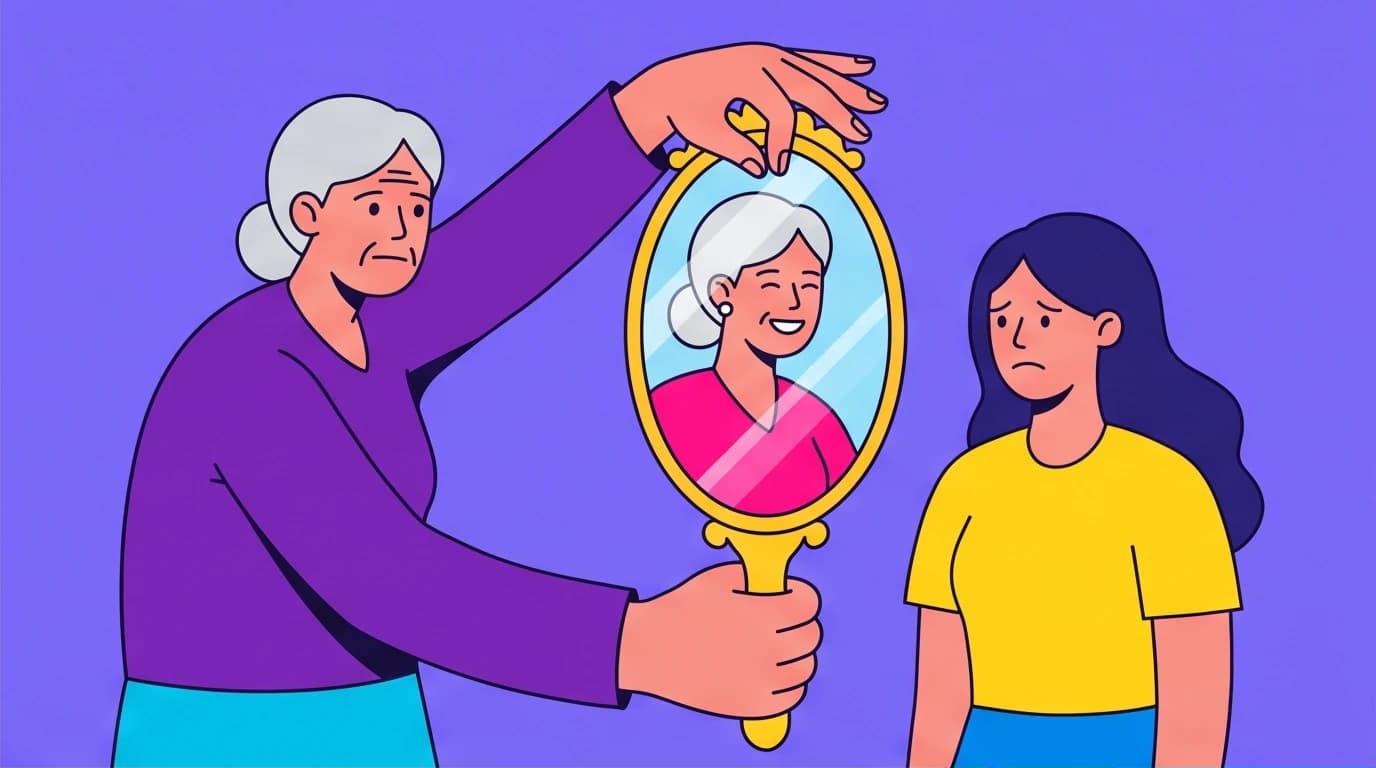
Understanding this dynamic is the first necessary step in shifting your perspective. Your mother’s criticism usually has very little to do with you, and everything to do with her own internal anxieties.
If you find yourself constantly navigating the heavy weight of your family's unhealed wounds, it can be incredibly validating to understand the science behind this generational hand-me-down. Often, the anxiety and fears our mothers project onto us aren't even theirs originally—they were inherited from the generations before them. If you are ready to dig deeper into how these inherited family traumas shape your current reality and how to finally break the cycle, this groundbreaking book offers profound insights and practical tools for lasting healing.
It Didn't Start with You
Mark Wolynn
 21 Duration
 8 Key Points
 4.8 Rate
Tan's novel is a masterclass in these dynamics. For a closer look at the generational trauma and cultural lessons woven into the narrative, you can explore our full analysis.
Decoding the Psychology of Mother Daughter Conflict
To stop the endless arguments, you have to look under the hood of the conflict. The psychology of mother daughter conflict usually boils down to a few core mechanisms that operate completely under the surface.
The "Sacrifice Debt"
Many mothers from previous generations gave up education, career aspirations, or personal freedom to raise children. This massive sacrifice creates a subconscious ledger. The mother feels she is owed unquestioning loyalty and obedience because of what she gave up. When you set a boundary, she cashes in that debt with statements like, "I gave up everything for you, and this is how you treat me?" This weaponized guilt is designed to keep you compliant.
Enmeshment and Lack of Separation
Healthy parenting requires raising a child to eventually leave the nest and function independently. Enmeshed mothers, however, view their daughters as limbs attached to their own bodies. They cannot organize their own emotional lives without their daughters acting as their primary support system. If you feel sad, she feels devastated. If you make a choice she wouldn't make, she feels personally attacked. There is no clear line where she ends and you begin.

Generational Projection
Mothers often project the strict rules they were forced to live by onto their daughters. If your mother was taught that a woman’s worth is tied entirely to her physical appearance or her ability to keep a spotless house, she will ruthlessly critique your weight or your messy living room. She is terrified that the world will judge you as harshly as it judged her, and her harshness is a warped, dysfunctional form of protection.
Recognizing these deeply ingrained patterns of enmeshment and projection is a crucial step in detaching from the drama. When your mother lacks the emotional maturity to separate her identity from yours, the resulting friction can leave you feeling constantly invalidated. To better understand why your mother operates this way and to learn how to protect your own emotional well-being without completely severing ties, you might find immense relief in this highly recommended guide for adult children navigating emotionally immature parents.

Adult Children of Emotionally Immature Parents
Lindsay C. Gibson, Psy.D.
39 Duration8 Key Points4.6 RateThese psychological patterns often create profound misunderstandings between different generations. Learning to navigate these differences and the cultural context behind them is crucial for finding peace.
Identifying Toxic Family Dynamics vs. Generational Friction
A major hurdle in finding peace is figuring out if your mother is just difficult or if the relationship is genuinely abusive. Labeling something as toxic family dynamics requires recognizing patterns of manipulation that go beyond mere misunderstandings.
Generational Friction looks like:
- She gives unsolicited advice about your career or children because she genuinely thinks her way is better.
- She complains about how little you call, fueled by loneliness.
- She fails to understand modern mental health or parenting strategies, often dismissing them as fads.
Toxic Dynamics look like:
- Gaslighting: She blatantly denies things she said or did, making you question your own memory and sanity.
- Character Assassination: Instead of critiquing a behavior, she attacks who you are ("You have always been selfish and ungrateful").
- Triangulation: She uses siblings, your spouse, or other family members against you, spreading rumors to isolate you.
- Stonewalling: She uses the silent treatment for weeks to punish you for minor infractions.
You can negotiate and work through friction. Toxicity, however, requires rigid, non-negotiable boundaries to protect your mental health.
Coming to terms with the reality that your family dynamic leans heavily toward toxicity rather than normal generational friction is a painful realization. If you are dealing with a mother who uses manipulation, character assassination, or gaslighting, you might be carrying a deep, lingering sense that nothing you do will ever be enough. For daughters specifically navigating the exhausting terrain of maternal narcissism and toxic criticism, this empowering read is an absolute lifeline for reclaiming your self-worth.

Will I Ever Be Good Enough?
Dr. Karyl McBride, Ph.D.
20 Duration8 Key Points4.4 RateThe Turning Point: Understanding Aging Parents
The friction often hits a boiling point when parents enter their twilight years. Understanding aging parents requires recognizing the massive power shift occurring in real time.
For your entire life, your mother held the authority. Now, she might be losing her mobility, her friends, her cognitive sharpness, or her ability to drive a car even a few miles down the road. This loss of independence is terrifying. As her world shrinks and she realizes she is losing control over her own life, she may double down on trying to control yours.
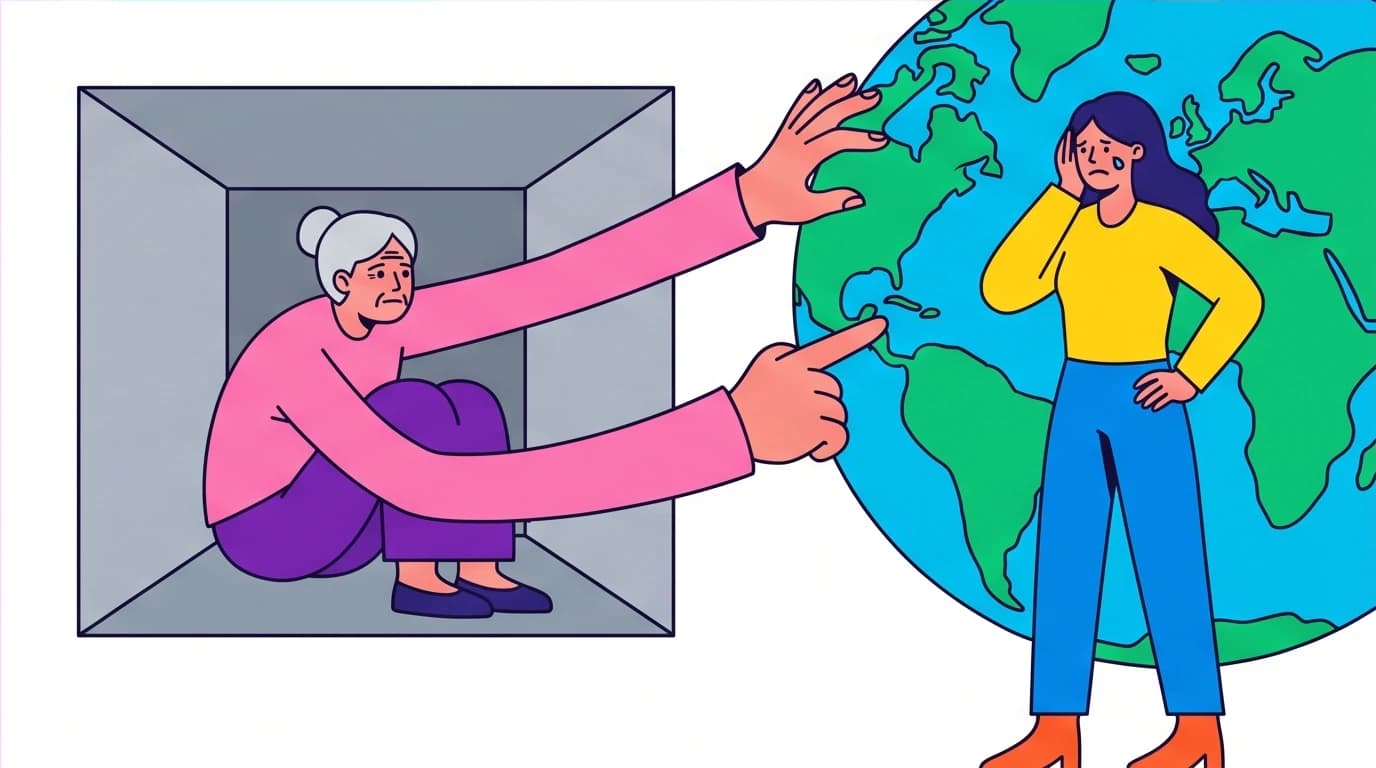
Her sudden demands, heightened anxiety, and aggressive critiques are often a desperate grasp for agency. Recognizing this fear doesn’t excuse her bad behavior, but it strips away the power of her insults. When she lashes out, she is not reacting to you; she is reacting to her own mortality and irrelevance. Seeing her as a scared, aging woman rather than an all-powerful matriarch changes the color of the entire interaction.
Actionable Frameworks for Healing Family Relationships
You cannot force an unwilling person to walk into a therapist's office. If you are waiting for your mother to suddenly realize the error of her ways and offer a tearful apology, you will likely wait forever. Healing family relationships is an inside job. It is about changing how you engage with the system.
1. Radically Accept Who She Is
Stop bringing a hardware problem to a software store. If your mother has never been capable of emotional validation, stop going to her for it. Accept her exact current capacity. Grieve the mother you deserved but did not get. Once you stop expecting her to magically change, she loses the power to disappoint you.
2. Drop the Rope
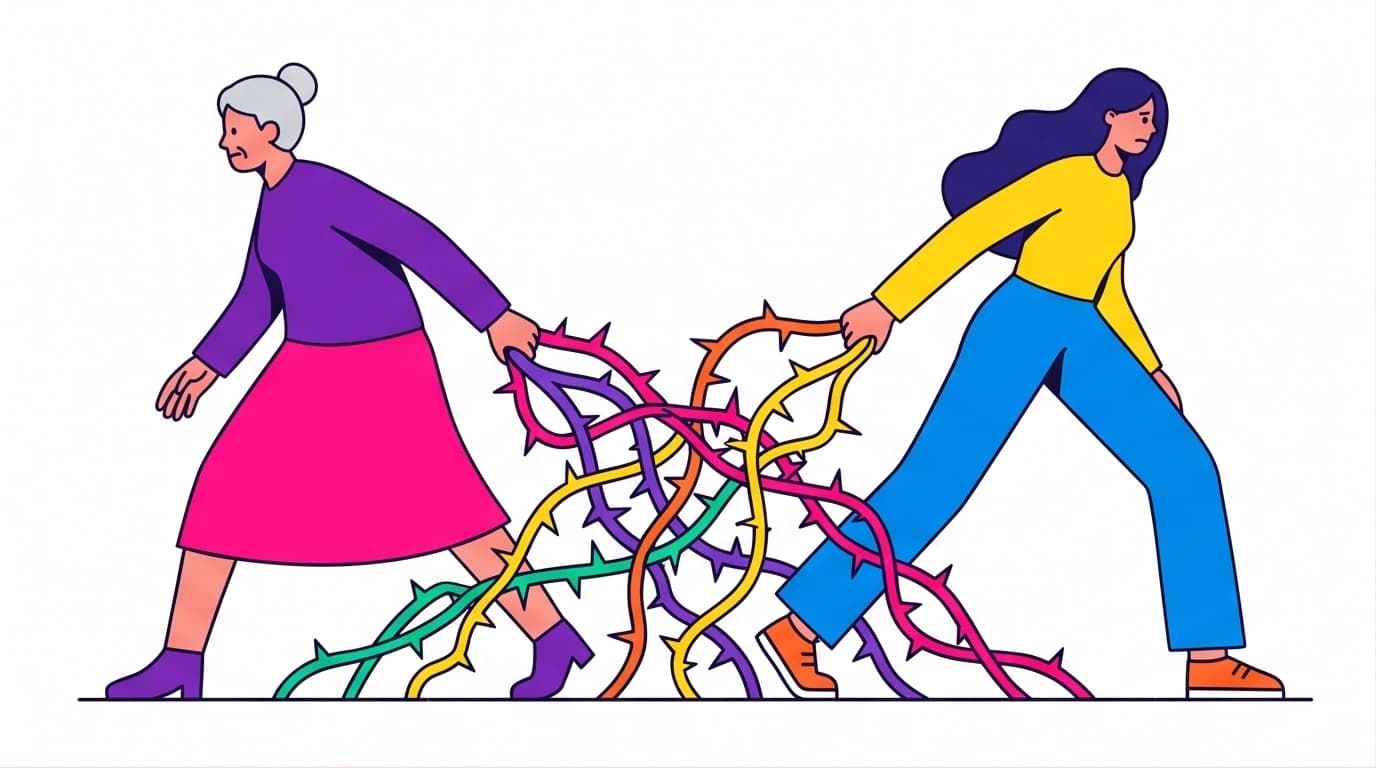
In a tug-of-war, the only way to stop getting dragged in the mud is to let go of the rope. When she makes a passive-aggressive comment about your weight, do not argue. Do not defend yourself. Simply say, "That is an interesting perspective," and change the subject. Refuse to participate in the conflict cycle.
3. Establish Behavioral Boundaries
Boundaries are not about controlling her behavior; they are about dictating yours.
- Weak Boundary: "Mom, stop criticizing my house." (Relies on her changing).
- Strong Boundary: "Mom, if you continue to comment on the mess in my house, I will end this visit and go home." (Dictates your action).
If she crosses the line, you must execute the consequence immediately and without a long explanation.
4. Reframe the Narrative
Look at your family history. What traumas did your mother survive? What were her parents like? Understanding her background does not give her a free pass to abuse you, but it gives you context. It allows you to look at her behavior and say, "This is not about me. This is her unhealed pain talking."
This process of reframing is a powerful exercise in empathy. By looking at your mother's life as a story, you can begin to understand her motivations without excusing her actions.
Implementing these actionable frameworks—especially setting rigid behavioral boundaries—is often easier said than done. It takes practice to stand your ground when you've been conditioned for decades to keep the peace at your own expense. If you're looking for a clear, step-by-step roadmap to confidently establish limits with difficult family members without drowning in guilt, this fantastic resource will teach you exactly how to protect your peace and communicate your needs unapologetically.

Set Boundaries, Find Peace
Nedra Glover Tawwab
29 Duration10 Key Points4.5 RateTackling these deep-seated issues is draining, and the thought of adding multiple psychology books to your to-do list can feel overwhelming. If you want to absorb the key insights from titles like these but struggle to find the time or energy, an app can help.

Listen to the core ideas from books on healing family trauma and setting boundaries in 15-minute summaries, perfect for learning when you feel emotionally drained.

Download LeapAhead App now
FAQ
Why are mother-daughter relationships so uniquely complicated?
Mothers and daughters often experience profound enmeshment. Society places immense pressure on women to perform perfectly in domestic and professional spheres. Mothers internalize this pressure and project it onto their daughters, treating the daughter's success or failure as a direct reflection of their own worth.
Mothers and daughters often experience profound enmeshment. Society places immense pressure on women to perform perfectly in domestic and professional spheres. Mothers internalize this pressure and project it onto their daughters, treating the daughter's success or failure as a direct reflection of their own worth.
Can you fix a toxic mother-daughter relationship if she refuses to change?
You cannot fix the relationship to be picture-perfect, but you can fix your experience of it. By setting hard boundaries, limiting contact when necessary, and abandoning the need for her approval, you protect your peace. Healing often means finding distance rather than closeness.
You cannot fix the relationship to be picture-perfect, but you can fix your experience of it. By setting hard boundaries, limiting contact when necessary, and abandoning the need for her approval, you protect your peace. Healing often means finding distance rather than closeness.
How do I set boundaries with an aging mother without feeling immense guilt?
Guilt is a feeling, not a fact. Feeling guilty does not mean you are doing something wrong; it just means you are breaking an old, deeply ingrained family rule. Remind yourself that setting boundaries actually preserves the relationship. Without boundaries, resentment will grow until you are forced to cut contact entirely.
Guilt is a feeling, not a fact. Feeling guilty does not mean you are doing something wrong; it just means you are breaking an old, deeply ingrained family rule. Remind yourself that setting boundaries actually preserves the relationship. Without boundaries, resentment will grow until you are forced to cut contact entirely.
Does understanding her past excuse her abusive behavior toward me?
Absolutely not. Empathy and boundaries can exist at the exact same time. You can understand that she acts out of unhealed trauma and profound anxiety, while still firmly refusing to be her emotional punching bag. Understanding her simply helps you stop taking her cruelty personally.
Absolutely not. Empathy and boundaries can exist at the exact same time. You can understand that she acts out of unhealed trauma and profound anxiety, while still firmly refusing to be her emotional punching bag. Understanding her simply helps you stop taking her cruelty personally.