


You know exactly what you need to do to change your life, yet you find yourself doing the exact opposite. You procrastinate on the project that could launch your career. You push away the partner who treats you well. That invisible wall keeping you stuck isn't a lack of capability or bad luck. It is you.
Brianna Wiest’s groundbreaking book struck a massive nerve across social media because it called out a universal truth: we are often our own biggest obstacles. If you are looking for the exact words to process this realization, you are in the right place. We have curated the most impactful the mountain is you quotes to help you understand your behavior, reframe your trauma, and stop self-sabotaging.
Why Brianna Wiest Quotes Hit So Hard
If you spend any time on BookTok or Instagram wellness pages, you have likely seen brianna wiest quotes plastered over aesthetic videos of morning routines and journaling sessions. But their popularity goes far beyond aesthetics.
Wiest does not write toxic positivity. She does not tell you to simply "look on the a bright side." Instead, she dismantles the mechanics of your pain. She explains that your worst habits are actually misguided attempts to keep yourself safe. When you read the mountain is you best quotes, you feel exposed but simultaneously understood. They give language to the quiet, frustrating internal battles we all fight but rarely talk about.
Below is a breakdown of the most powerful excerpts from the book, categorized by the exact stage of the healing journey you are currently navigating.
The Mountain Is You Self Sabotage Quotes
We usually view self-sabotage as a character flaw—proof that we are lazy, broken, or unworthy of success. Wiest completely flips this script. Here are the mountain is you self sabotage quotes that will fundamentally change how you view your own bad habits.
1. The True Definition of Self-Sabotage
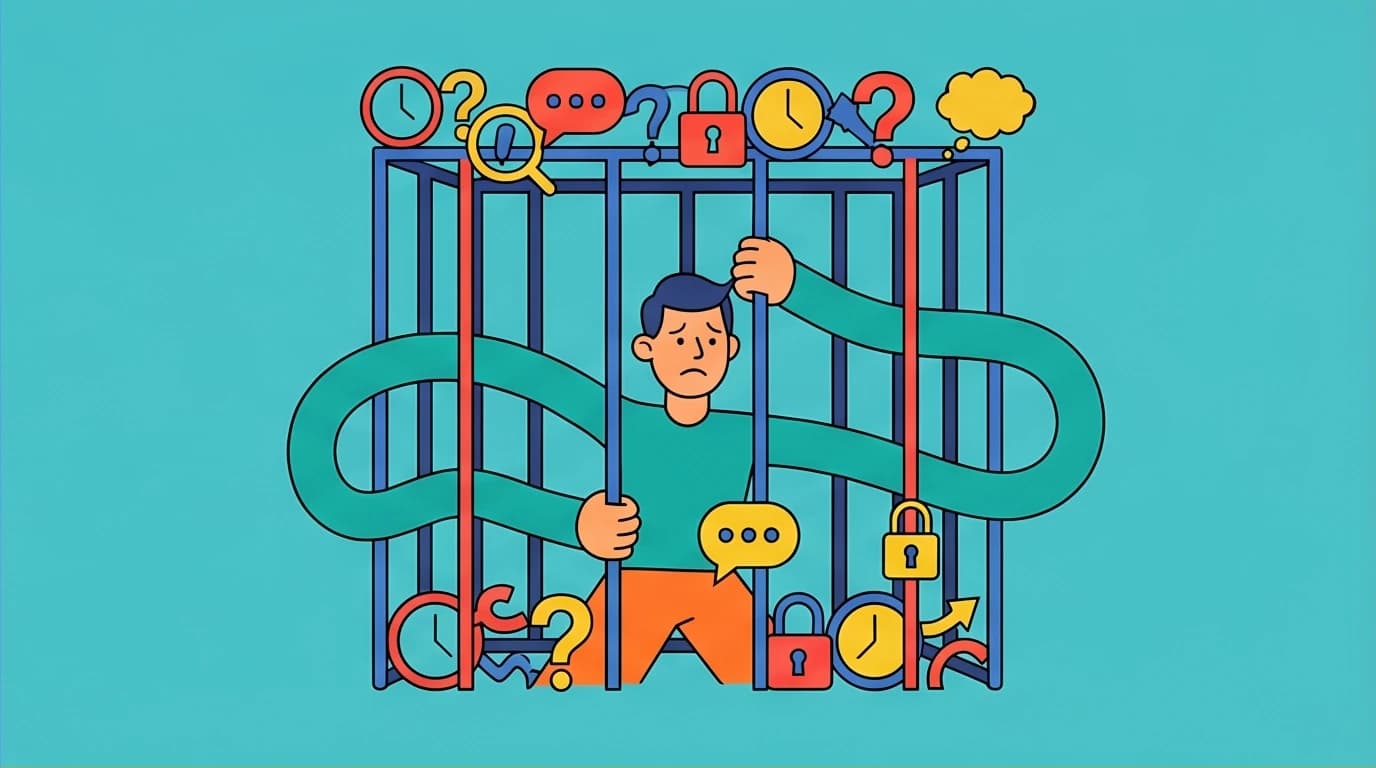
"Self-sabotage is simply the presence of an unconscious need that is being fulfilled by the self-sabotaging behavior."
The Meaning: You aren't ruining your life for fun. You are doing it because part of your brain associates your new goal with danger. If you constantly self-sabotage a diet, maybe your unconscious mind associates weight loss with receiving unwanted attention. If you ruin a healthy relationship, maybe chaos feels safer because it is familiar.
The Action: Stop shaming yourself. When you catch yourself self-sabotaging, ask: What is this behavior trying to protect me from?
The Action: Stop shaming yourself. When you catch yourself self-sabotaging, ask: What is this behavior trying to protect me from?
Wiest’s insight that self-sabotage is actually a misguided form of self-protection can completely shift how you view your own mind. This concept is the foundation of Internal Family Systems (IFS) therapy, which suggests that our destructive behaviors come from internal "protector" parts trying to keep us safe from past pain. If you want to learn how to communicate with these defensive parts of your psyche rather than fighting them, this paradigm-shifting book by Dr. Richard Schwartz is an absolute must-read.
No Bad Parts
Richard Schwartz Ph.D.
 22 Duration
 7 Key Points
 4.6 Rate
2. The Comfort of the Familiar
"We self-sabotage because we have a negative association with achieving the goal."
The Meaning: We are wired to crave what is familiar, even if the familiar is miserable. Success brings the unknown. The unknown brings a lack of control. Your brain prefers a predictable failure over an unpredictable success.
The Action: You have to normalize feeling uncomfortable. When things start going well and panic sets in, remind yourself that anxiety is just the feeling of your brain adjusting to a new baseline.
The Action: You have to normalize feeling uncomfortable. When things start going well and panic sets in, remind yourself that anxiety is just the feeling of your brain adjusting to a new baseline.
3. The Illusion of Laziness
"What we call laziness is often just a symptom of burnout or a deep, internal resistance to doing something that isn’t aligned with who we really are."
The Meaning: Society conditions us to push through exhaustion. When we eventually crash, we label ourselves as lazy. Wiest argues that your inability to act is often your intuition screaming that you are walking down the wrong path.
The Action: Audit your resistance. Are you tired because you need sleep, or are you tired because your current life path is draining your soul?
The Action: Audit your resistance. Are you tired because you need sleep, or are you tired because your current life path is draining your soul?
Once you recognize that your procrastination or "laziness" is actually a subconscious rebellion, the next logical step is figuring out how to short-circuit that behavior. It takes a lot of mental energy to constantly fight your own resistance, especially when you are standing in your own way. If you are looking for a no-nonsense, straightforward guide to identifying and stopping the self-destructive patterns that drain your potential, Gary John Bishop’s straightforward advice will give you the exact kick in the pants you need to get moving again.
Stop Doing That Sh*t
Gary John Bishop
19 Duration9 Key Points4.6 RateIt's one thing to know which books can help, but finding the time and mental energy to read them all while you're already feeling stuck is another challenge.


Absorb the core lessons from powerful self-help books in just 15 minutes, making it easier to overcome the 'reading debt' that self-sabotage often creates.
 LeapAhead
Quotes About The Mountain Is You: The Core Metaphor
To heal, you must first understand the landscape of your problem. The core premise of the book rests on a powerful metaphor. These quotes about the mountain is you break down exactly what that obstacle represents.
4. Identifying the Real Problem
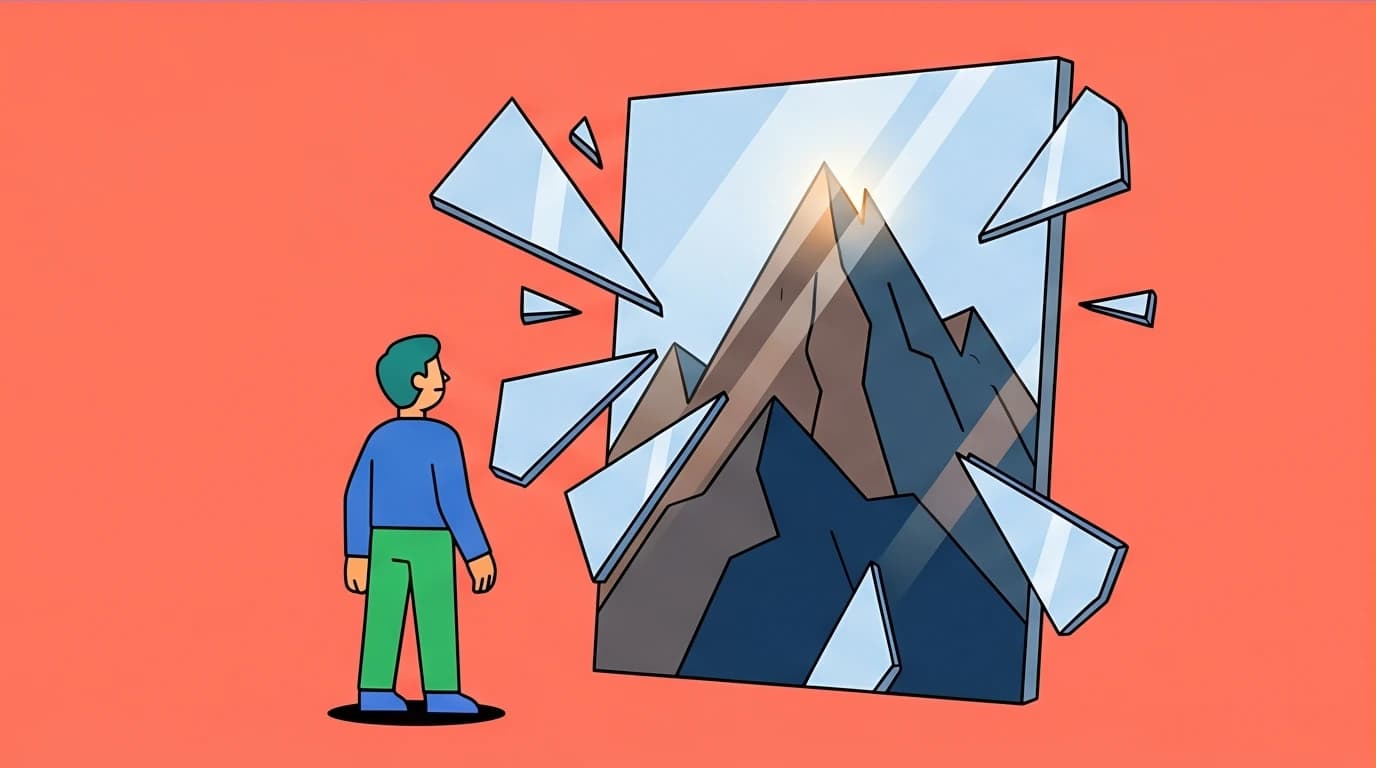
"Your mountain is the block between you and the life you want to live. Facing it is also the only path to your freedom and growth."
The Meaning: The mountain isn't your boss, your ex, or your bank account. The mountain is the compilation of your unhealed trauma, your limiting beliefs, and your protective walls.
The Action: Stop trying to change external circumstances to fix internal voids. You have to stop walking around the mountain and start climbing it.
The Action: Stop trying to change external circumstances to fix internal voids. You have to stop walking around the mountain and start climbing it.
5. The Moment of Awakening
"Maybe the mountain is you."
The Meaning: This is the thesis of the entire book. It is the jarring, uncomfortable realization that the common denominator in all your failed attempts, broken relationships, and stalled progress is your own behavior.
The Action: Take radical accountability. It is painful at first, but it is ultimately the most liberating realization you can have. If you are the problem, you are also the solution.
The Action: Take radical accountability. It is painful at first, but it is ultimately the most liberating realization you can have. If you are the problem, you are also the solution.
6. The Necessity of the Obstacle
"You are not failing. You are just being forced to learn how to climb."
The Meaning: When we hit rock bottom, we assume we have failed. In reality, the obstacle is a mandatory training ground. You cannot become the person capable of holding the life you want without first building the muscles required to survive the climb.
The Action: Reframe your current struggle. It is not a punishment; it is preparation.
The Action: Reframe your current struggle. It is not a punishment; it is preparation.
Reframing your struggles as necessary preparation requires you to confront the hidden, often uncomfortable pieces of your identity that you’ve suppressed for years. Facing your personal "mountain" means coming to terms with your shadow self—the unconscious thoughts and repressed emotions driving your behavior. If you are ready to do the deep, introspective work necessary to uncover the root causes of your subconscious resistance, guided shadow work is an incredibly effective tool for processing those heavy realizations.
The Shadow Work Journal
Keila Shaheen
30 Duration8 Key Points4.5 RateThe Mountain Is You Best Quotes for Growth and Letting Go
Once you identify the self-sabotage and accept that the mountain is you, the real work begins. Healing requires grief. You have to mourn the person you used to be. These excerpts provide the perfect framework for letting go.
7. The Cost of Transformation
"Your new life is going to cost you your old one. It’s going to cost you your comfort zone and your sense of direction."
The Meaning: You cannot bring your old habits into your new reality. You cannot keep your toxic friends and expect to heal. Growth requires a brutal shedding of skin. You will feel lost before you feel found.
The Action: Write down three things you are currently holding onto out of pure comfort. Make a plan to cut ties with one of them by the end of the week.
The Action: Write down three things you are currently holding onto out of pure comfort. Make a plan to cut ties with one of them by the end of the week.
8. The Reality of Healing
"Healing is not a one-time event. It is a daily choice to react differently to the same triggers."
The Meaning: Healing isn't a finish line you cross after reading a self-help book or attending therapy for six months. It is the mundane, daily discipline of noticing your trigger and choosing a different response.
The Action: Track your micro-wins. Did you pause before sending an angry text? Did you choose a glass of water instead of doom-scrolling when stressed? That is what healing actually looks like.
The Action: Track your micro-wins. Did you pause before sending an angry text? Did you choose a glass of water instead of doom-scrolling when stressed? That is what healing actually looks like.
9. Reclaiming Your Power
"You must be willing to let go of who you have been to become who you were meant to be."
The Meaning: We often cling to our trauma because it becomes our identity. "I am the person who always gets left." "I am the person who can't get it right." Letting go of that identity leaves a terrifying void.
The Action: Start speaking to yourself in the present tense of your desired future. Change your internal narrative from "I am struggling" to "I am learning how to thrive."
The Action: Start speaking to yourself in the present tense of your desired future. Change your internal narrative from "I am struggling" to "I am learning how to thrive."
How to Apply These Quotes in Your Daily Life
Reading the mountain is you quotes will give you a temporary hit of dopamine and inspiration. But if you want actual change, you have to operationalize these words. Here is how to use these quotes to interrupt your self-sabotage loop in real-time.
- The Mirror Technique: Pick the quote that offends or triggers you the most. That is the one you need. Write it on a sticky note and put it on your bathroom mirror. Read it out loud every morning to disrupt your default thought patterns.
- Journaling Prompts: Use the quotes as anchors for your morning pages. Write a quote at the top of a blank page and ask yourself: How is this true in my life right now? Where am I hiding?
- The Lock Screen Disruptor: Make your favorite quote your phone’s lock screen. Every time you impulsively pick up your phone to distract yourself from difficult emotions, the quote will force you to pause and check in with your current mental state.
Using quotes as daily reminders is a fantastic way to interrupt negative thought loops, but creating lasting change requires a holistic commitment to your mental health. Taking radical accountability for your self-sabotage is just the beginning of the process. For anyone ready to move beyond inspiration and start implementing a daily, tangible practice of reparenting themselves and breaking deep-rooted trauma bonds, Dr. Nicole LePera provides a masterclass in taking your healing into your own hands.
How to Do the Work
Dr. Nicole LePera
47 Duration10 Key Points4.6 RateBuilding a new life takes consistent learning, but it can be hard to find the energy for dense books after a long day of fighting your own resistance.
Turn your commute into a consistent learning habit by listening to key ideas from books on healing and emotional intelligence, even on days you're too exhausted to read.
LeapAheadFAQ
What is the main message of The Mountain Is You?
The core message is that our biggest obstacles are not external forces, but our own self-sabotaging behaviors. These behaviors are deeply ingrained coping mechanisms designed to protect us from pain. To achieve the life we want, we must identify these internal blocks, process our underlying trauma, and consciously choose to build new, healthier habits.
The core message is that our biggest obstacles are not external forces, but our own self-sabotaging behaviors. These behaviors are deeply ingrained coping mechanisms designed to protect us from pain. To achieve the life we want, we must identify these internal blocks, process our underlying trauma, and consciously choose to build new, healthier habits.
Why is self-sabotage actually a coping mechanism?
Because your brain's primary job is to keep you safe, not to make you happy. If you experienced trauma or neglect in the past, your brain associates vulnerability, success, or deep connection with potential danger. Self-sabotage is your subconscious mind hitting the brakes to keep you in a familiar, controllable environment, even if that environment is painful.
Because your brain's primary job is to keep you safe, not to make you happy. If you experienced trauma or neglect in the past, your brain associates vulnerability, success, or deep connection with potential danger. Self-sabotage is your subconscious mind hitting the brakes to keep you in a familiar, controllable environment, even if that environment is painful.
Are Brianna Wiest quotes good for Instagram or TikTok captions?
Yes. Wiest's writing is highly resonant and concise, making her quotes perfect for social media. Using excerpts about self-growth, healing, or overcoming internal obstacles allows you to share your personal journey authentically while providing value and inspiration to your followers.
Yes. Wiest's writing is highly resonant and concise, making her quotes perfect for social media. Using excerpts about self-growth, healing, or overcoming internal obstacles allows you to share your personal journey authentically while providing value and inspiration to your followers.
Is The Mountain Is You worth reading if I already know I self-sabotage?
Absolutely. Recognizing that you self-sabotage is only the first step. The real value of the book lies in its practical frameworks for dismantling those habits. Wiest provides actionable advice on how to build emotional intelligence, process micro-traumas, and rewire your brain to tolerate success and happiness without panicking.
Absolutely. Recognizing that you self-sabotage is only the first step. The real value of the book lies in its practical frameworks for dismantling those habits. Wiest provides actionable advice on how to build emotional intelligence, process micro-traumas, and rewire your brain to tolerate success and happiness without panicking.