

You know exactly what you need to do to hit your goals, yet you keep getting in your own way. Whether it is procrastinating on a major project, staying in toxic habits, or ruining healthy relationships, this endless cycle of self-defeating behavior leaves you exhausted. You are looking for a way out, but sheer willpower is no longer cutting it. The problem is not your work ethic; the problem is your internal programming.

A Brief The Mountain Is You Synopsis
The central metaphor of the book is simple but profound: the obstacle standing in front of you is not an external force. The mountain is you. We often blame our circumstances, the economy, or other people for our lack of progress. Wiest flips this narrative. Your internal blocks, unhealed trauma, and subconscious fears are the actual terrain you need to navigate.
A clear the mountain is you synopsis boils down to this: you must stop fighting yourself and start understanding what your subconscious is trying to protect you from. Once you map your internal landscape, you can stop sabotaging your progress and start building a life aligned with your true potential.
Since this entire guide is based on Brianna Wiest's transformative framework, reading the full source material is the best next step. If you are tired of standing in your own way, picking up a copy of the book will give you the complete, unabridged roadmap to turning your biggest obstacles into stepping stones. It is a highly recommended read for anyone serious about doing the deep, necessary work to break their cycles of self-sabotage.

The Mountain Is You
Brianna Wiest
 41 Duration
 7 Key Points
 4.6 Rate
To experience the direct impact of Wiest's insights, sometimes it's best to hear them in her own words.
The Core Problem: Why We Sabotage Ourselves
When searching for a transforming self sabotage into self mastery summary, the most critical concept to grasp is that self-sabotage is not a sign of weakness or laziness. It is a biological and psychological defense mechanism.
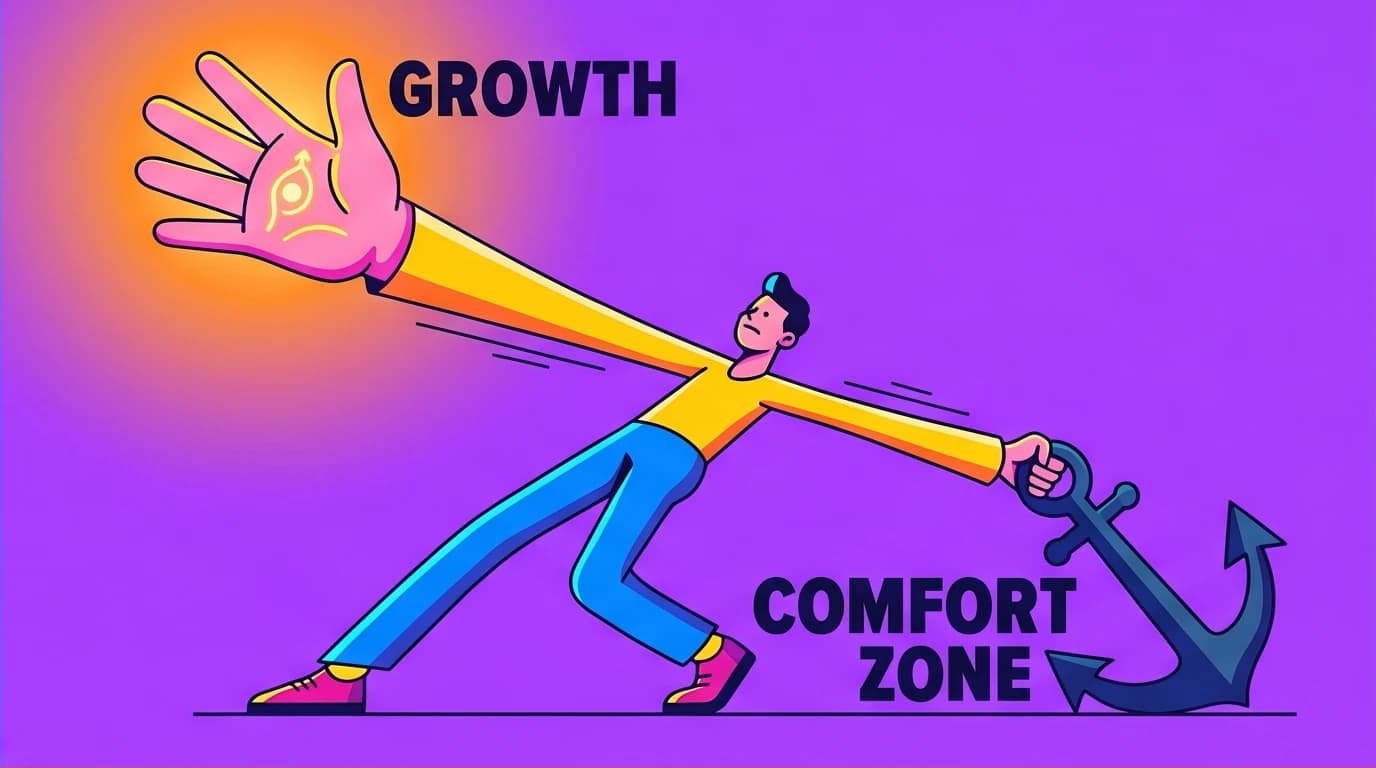
You self-sabotage because your brain perceives your new goal—even a positive one like making more money, finding a healthy partner, or getting fit—as a threat to your current emotional safety. Your comfort zone might be miserable, but it is familiar. Success requires stepping into the unknown, which triggers anxiety. To avoid that anxiety, your brain orchestrates a distraction: you procrastinate, you pick a fight, or you binge-watch a show.
You are not broken. You just have conflicting needs: a conscious desire for growth and a subconscious desire for safety.
Understanding that your brain is simply trying to protect you from perceived threats is a massive paradigm shift. If you want to dig deeper into the physiological side of how our bodies and nervous systems store these past traumas and defense mechanisms, there is groundbreaking literature available. Exploring how emotional baggage physically reshapes the body and brain can help you practice more self-compassion and finally stop shaming yourself for having a normal biological response.
The Body Keeps The Score
Bessel Van Der Kolk
32 Duration10 Key Points4.5 RateUnderstanding that self-sabotage is a protective mechanism is the first step. The next is to develop healthier strategies to meet your underlying needs without derailing your progress.
The Mountain Is You Chapter Summary
To truly grasp how to dismantle your internal roadblocks, you need to understand the step-by-step framework Wiest provides. Here is a detailed the mountain is you chapter summary that breaks down the psychological mechanisms and action steps from the book.
Chapter 1: The Mountain is You
Your current problem is a symptom of a deeper issue. You have hit your upper limit. Whenever you start to experience more joy, success, or love than you are used to, your internal thermostat kicks in to cool things down to a familiar, comfortable level of suffering. Recognizing that you are the mountain is the first mandatory step to changing your life.
Chapter 2: There Is No Such Thing as Self-Sabotage
Wiest argues that self-sabotage is a misnomer. What we call sabotage is actually a highly effective coping mechanism meeting a hidden need.
- Procrastination is not laziness; it is a way to avoid the fear of failure or the pressure of high expectations.
- Perfectionism is not high standards; it is a shield to prevent criticism.
Once you identify the hidden need your bad habit is serving, you can find a healthier way to meet that need.
Chapter 3: Your Triggers Are the Guides
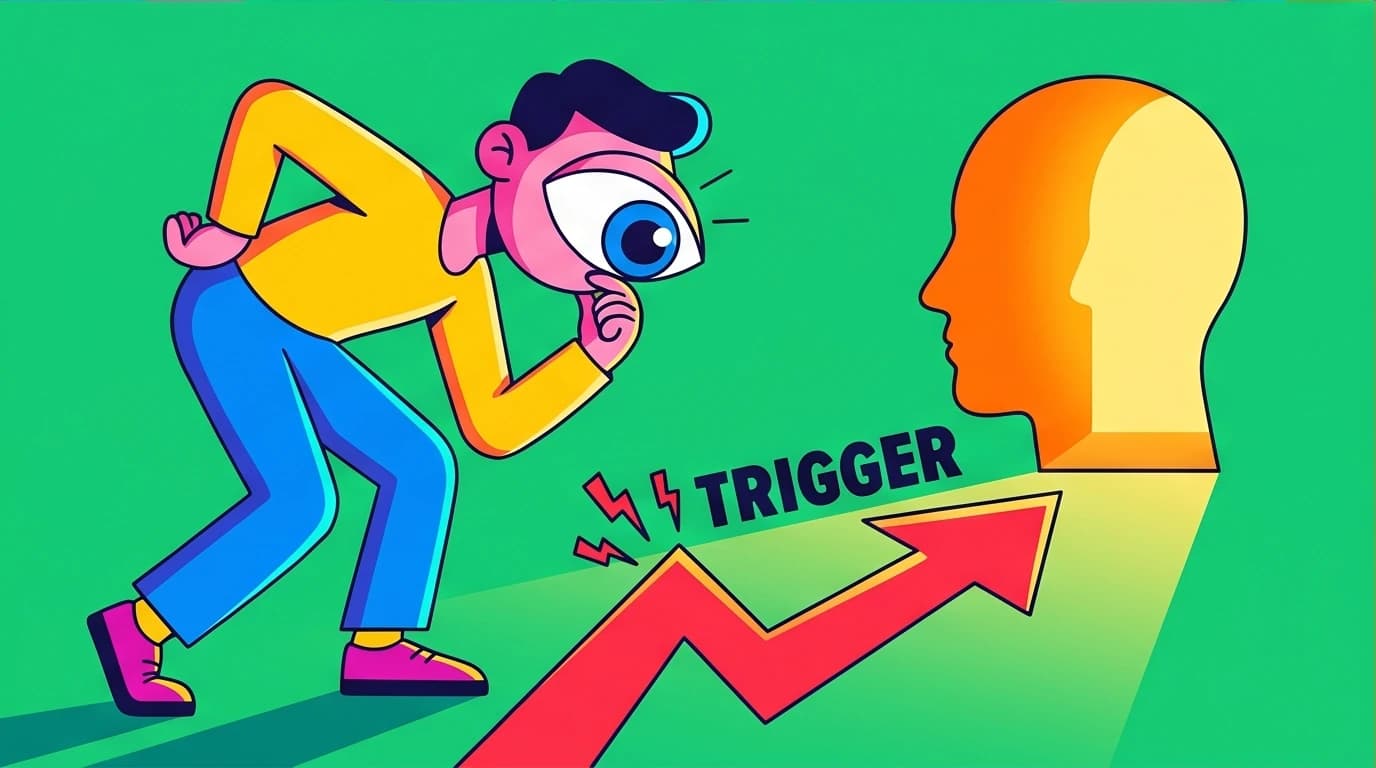
Most people run away from emotional triggers. Wiest teaches that triggers are maps pointing directly to your unhealed wounds. If a coworker's promotion makes you intensely angry or depressed, that trigger is exposing your own suppressed fear of inadequacy or stagnation. Instead of projecting your anger outward, follow the trigger inward. Ask yourself: What is this reaction trying to teach me about my own insecurities?
Chapter 4: Building Emotional Intelligence
Emotional intelligence (EQ) in this context is the ability to sit with an uncomfortable feeling without rushing to numb it. When you feel shame, anger, or grief, your default is likely to grab your phone, buy something on Amazon, or pour a drink. Building EQ means feeling the physical sensation of the emotion in your body and letting it pass naturally. Emotions are temporary; they only get trapped when you refuse to process them.
Chapter 5: Releasing the Past
You cannot conquer your mountain carrying the heavy baggage of your past. Releasing the past requires grieving. You must mourn the childhood you did not get, the apologies you will never receive, and the past versions of yourself that failed. Acceptance is the only way forward. Forgiveness is not about letting someone else off the hook; it is about taking your own energy back.
Chapter 6: Building a New Future
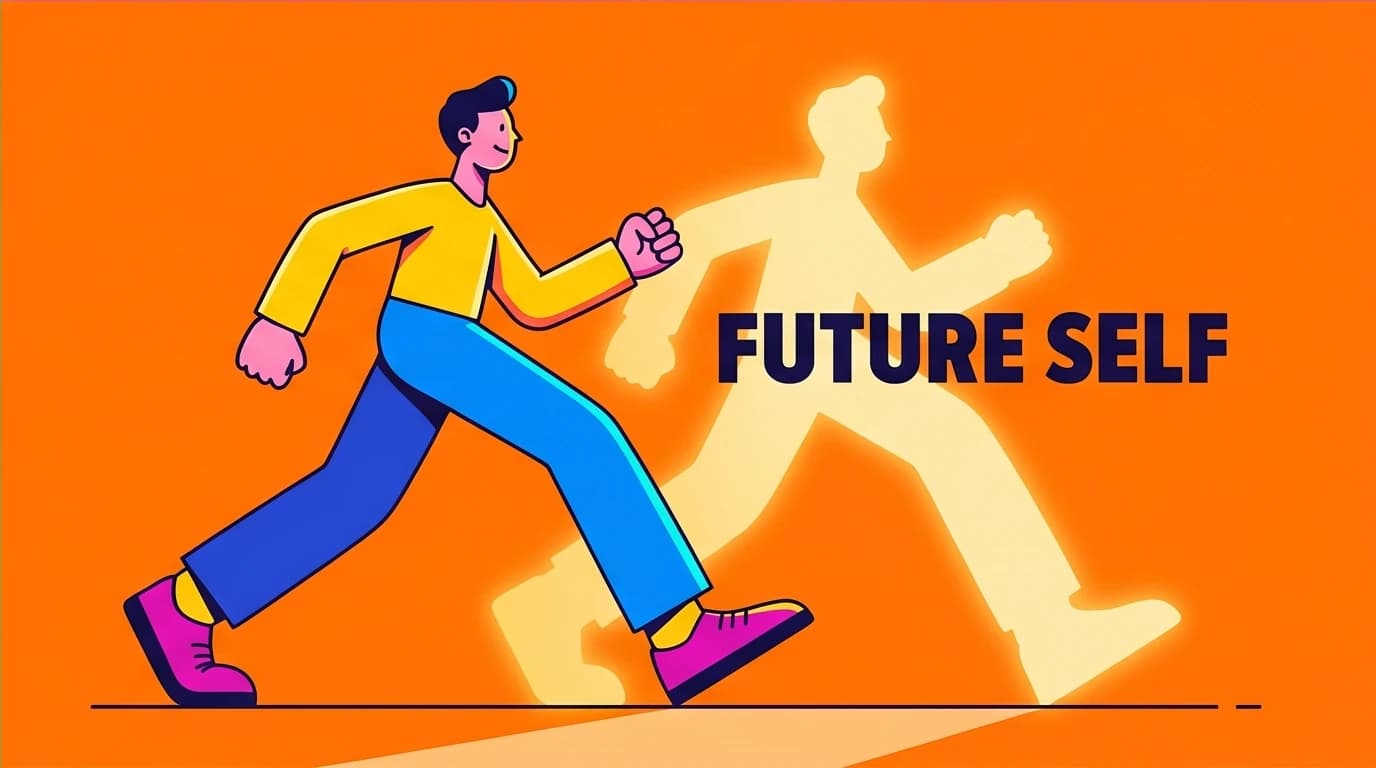
You cannot wait to feel ready before you change your life. Action precedes motivation. To build a new future, you must start making decisions as your "Future Self." If your highest self is a healthy, financially stable, and emotionally balanced person, ask yourself what that person would do today—and then do it, regardless of your current mood.
Chapter 7: From Self-Sabotage to Self-Mastery
Self-mastery is the state where your conscious goals and subconscious beliefs are fully aligned. You no longer have to force yourself to do the right things; it becomes your baseline. You reach the top of the mountain not by finding a magical shortcut, but by doing the consistent, unglamorous daily work of emotional regulation and disciplined action.
Achieving true self-mastery means creating a baseline where doing the right thing happens automatically. Because motivation is fleeting, your success ultimately relies on the daily systems and routines you put into place. If you want to lock in your newly developed emotional intelligence with practical, actionable behaviors, learning how to implement tiny, incremental changes will ensure your healthy new coping mechanisms stick around for the long haul.

Atomic Habits
James Clear
26 Duration8 Key Points4.7 RateFeeling inspired but also a bit overwhelmed by your new reading list? If finding the time to get through these transformative books is your next 'mountain,' a little help can go a long way.


Absorb the core insights from bestselling books like these in just 15-minute audio or text sessions, making it easier to build a consistent learning habit even on your busiest days.
 LeapAhead
Top The Mountain Is You Takeaways
If you want to apply the book’s lessons immediately, here are the most impactful the mountain is you takeaways you can start using today:
1. Stop Trying to Out-Logic Your Emotions
You cannot rationalize your way out of a feeling. If you are anxious about a presentation, telling yourself "there is nothing to worry about" rarely works. You must physically process the stress cycle. Take a walk, do a quick breathing exercise, or write out your worst-case scenarios. Address the body before you address the mind.
2. Identify Your "Upper Limit" Problem
Pay close attention to what happens right after a big win. Do you get into an argument with your partner right after a great vacation? Do you overspend immediately after receiving a bonus? Catch yourself in the act of adjusting your thermostat back to a lower frequency. Acknowledge the fear of success, and consciously choose to tolerate the new level of happiness.
This "upper limit" concept is widely recognized as one of the most stubborn hidden barriers to lifelong success and happiness. If you frequently notice a pattern of creating unnecessary drama or retreating the minute you hit a new milestone, dedicating some time to understanding this specific psychological ceiling is incredibly freeing. There are fantastic resources dedicated entirely to helping you shatter this barrier and safely expand your capacity for joy and wealth.
The Big Leap
Gay Hendricks
17 Duration7 Key Points4.7 Rate3. Replace Numbing with Coping
Numbing avoids the problem; coping deals with it. Scrolling social media for three hours is numbing. Journaling for ten minutes, taking a shower, and outlining your task list is coping. The next time you feel the urge to check out, force yourself to spend just five minutes directly facing whatever is stressing you.
4. Let Go of the Need for Closure
Waiting for an apology or for a situation to "make sense" is a massive form of self-sabotage. Closure is an internal job. You decide when a chapter is over by choosing to focus your energy on your next step instead of staring at a closed door.
Common Missteps to Avoid During Self-Mastery
Even armed with the right knowledge, it is easy to fall into new traps while trying to heal. Watch out for these common errors:
- Weaponizing self-awareness: Do not use your new understanding of your triggers as an excuse for bad behavior. Saying "I am acting this way because of my trauma" is a trap. Awareness is for taking accountability, not deflecting it.
- Waiting for 100% healing before taking action: You will never be entirely free of doubts or old triggers. Do not put your career, dating life, or personal goals on hold until you are "fully healed." You heal by taking action in the real world.
- Confusing self-care with self-indulgence: True self-care is often boring. It means setting a budget, going to sleep at 10 PM, and holding boundaries. Self-indulgence masquerading as self-care (like excessive shopping or skipping important work to "relax") is just self-sabotage in disguise.
FAQ
Is The Mountain Is You worth reading if I already know I self-sabotage?
Yes. Most people know that they self-sabotage, but they do not know why or how to stop. The book's primary value is not pointing out the problem, but providing the psychological mechanics to dismantle your triggers and build emotional resilience.
Yes. Most people know that they self-sabotage, but they do not know why or how to stop. The book's primary value is not pointing out the problem, but providing the psychological mechanics to dismantle your triggers and build emotional resilience.
How long does it take to read the book?
The book is roughly 250 pages. A fast reader can finish it in a few days. If you prefer listening, the audiobook is widely available on platforms like Audible and takes about 5 hours to complete.
The book is roughly 250 pages. A fast reader can finish it in a few days. If you prefer listening, the audiobook is widely available on platforms like Audible and takes about 5 hours to complete.
What is the difference between self-sabotage and simply needing rest?
Rest regenerates your energy and leaves you feeling ready to tackle your goals. Self-sabotage drains your energy, increases your anxiety, and creates a backlog of stress. If your "break" makes you feel worse afterward, it is sabotage, not rest.
Rest regenerates your energy and leaves you feeling ready to tackle your goals. Self-sabotage drains your energy, increases your anxiety, and creates a backlog of stress. If your "break" makes you feel worse afterward, it is sabotage, not rest.
Are the concepts in the book backed by science?
While Brianna Wiest is an author and not a clinical psychologist, the concepts she writes about—such as emotional regulation, trauma responses, the subconscious mind, and cognitive behavioral adjustments—are deeply rooted in modern psychological practices and therapeutic frameworks.
While Brianna Wiest is an author and not a clinical psychologist, the concepts she writes about—such as emotional regulation, trauma responses, the subconscious mind, and cognitive behavioral adjustments—are deeply rooted in modern psychological practices and therapeutic frameworks.