

You have probably seen the minimalist cover of Brianna Wiest's book plastered across social media feeds or prominently displayed on the front tables at Barnes & Noble. When a self-help book reaches this level of viral fame, skepticism is the natural and correct response. You are tired of buying 200-page books that could have been summarized in a single blog post. You need to know if this book actually provides tools to stop your self-sabotaging habits, or if it just offers variations of "change your mindset" dressed up in poetic language.
Any thorough The Mountain Is You review requires stripping away the viral marketing hype to examine the actual substance on the page. We are going to break down exactly what Wiest gets right about self-sabotage, where the book falls flat, and whether it deserves a spot on your reading list.
The Core Premise: What Is the Book Actually About?
Self-sabotage is usually framed as a character flaw or a lack of willpower. Wiest flips this narrative entirely. The central thesis of The Mountain Is You is that self-sabotage is not a punishment you inflict on yourself; it is a misguided coping mechanism. It is your brain's clumsy way of trying to protect you from pain, rejection, or the unknown.
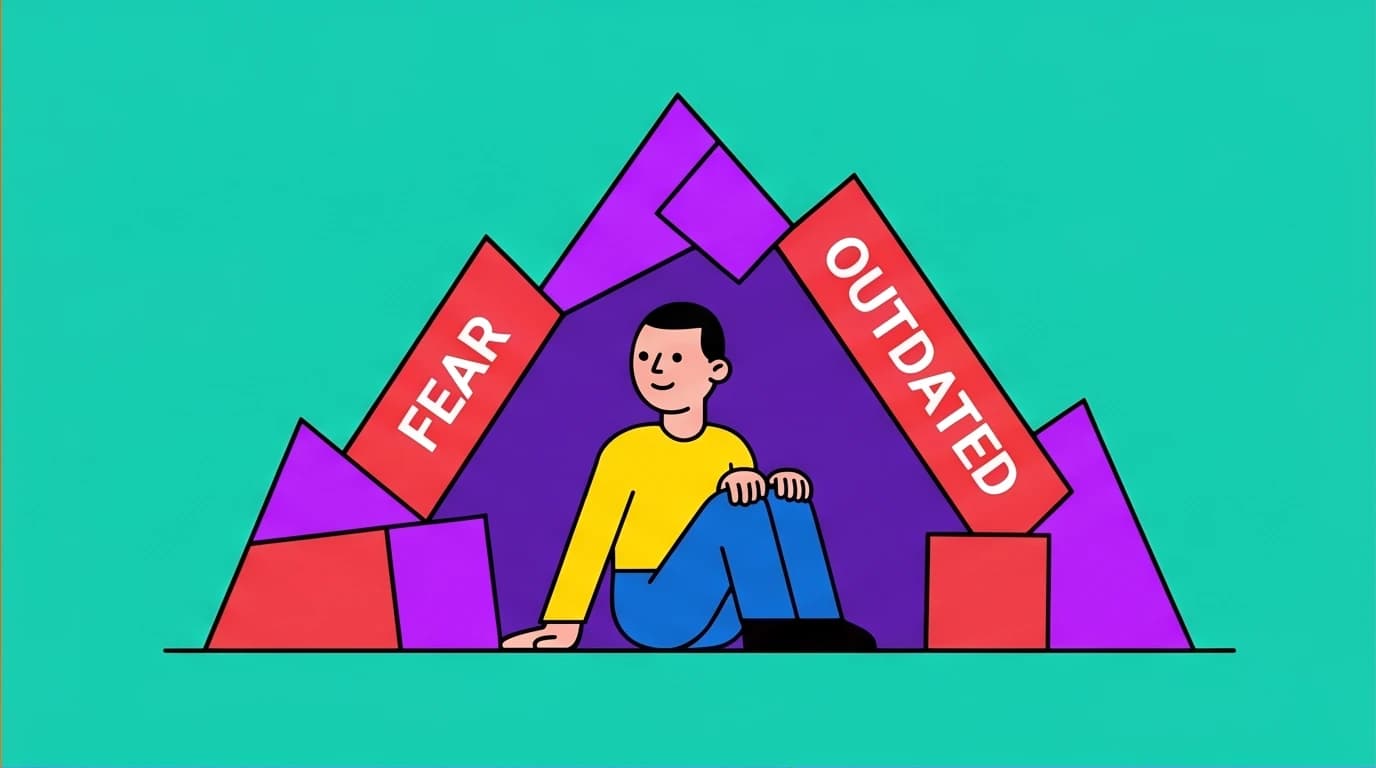
The "mountain" is a metaphor for the massive blockades we build in our own lives. To overcome the mountain, you do not force your way over it. You have to understand why you built it in the first place.
Wiest breaks down common self-sabotaging behaviors, including:
- Resistance to change even when your current situation is painful
- Perfectionism as a shield against criticism
- Upper-limiting (sabotaging yourself when things are going too well because you expect the other shoe to drop)
- Numbing out through mindless scrolling, overeating, or substance use
This reframing is the strongest part of the book. Recognizing that your bad habits are actually outdated survival skills offers massive emotional relief. It removes the shame from the equation, allowing you to look at your behavior objectively.
If this reframing of self-sabotage resonates with you, experiencing Brianna Wiest's work firsthand is the best next step. Even if you ultimately decide you need more clinical frameworks later, her empathetic approach to unraveling why we build these internal roadblocks can be incredibly validating. For anyone ready to stop fighting their own mind and start understanding their hidden coping mechanisms, grabbing a copy of the book is a solid starting point.
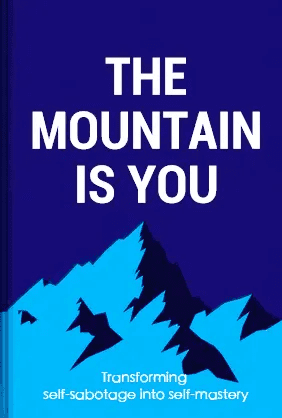
The Mountain Is You
Brianna Wiest
 41 Duration
 7 Key Points
 4.6 Rate
Is The Mountain Is You Worth Reading?
Determining if The Mountain Is You is worth reading depends entirely on your current level of psychological self-awareness.
If you are just beginning your personal development journey and you struggle to understand why you keep ruining good relationships or blowing past your budget, this book offers profound "aha" moments. Wiest has a genuine talent for articulating complex internal conflicts. She puts words to feelings you may have struggled to define for years.
However, if you have already spent years in therapy, read extensively on trauma (like Bessel van der Kolk’s The Body Keeps the Score), or actively practice Cognitive Behavioral Therapy (CBT), you will likely find the content shallow. The book operates heavily in the realm of awareness rather than execution.
Wiest tells you what you need to do—release past trauma, step into your highest potential, build emotional intelligence. She is much less clear on the how.
Speaking of trauma and deep-seated psychological healing, if you realize you need something with far more clinical rigor than a standard self-help read, you might want to look into the cornerstone text of modern trauma recovery. Bessel van der Kolk’s groundbreaking work goes beyond surface-level awareness to explain exactly how trauma physically alters the brain and nervous system. It is a dense but incredibly rewarding read for anyone looking to truly understand the science behind their emotional blockages.
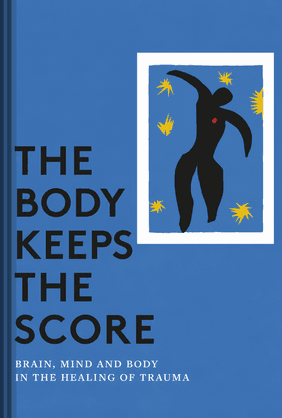
The Body Keeps The Score
Bessel Van Der Kolk
32 Duration10 Key Points4.5 RateIf you're intrigued by dense but powerful books like these but struggle to find the time to get through them, a summary app can be a great way to start.


Grasp the core ideas from bestselling psychology and self-help books like these in just 15-minute audio or text sessions, perfect for a busy schedule.
 LeapAhead
The Missing Action Plan
A major flaw in the structure of the text is the absence of concrete frameworks. Unlike books like Atomic Habits by James Clear, which gives you precise formulas for changing behavior, Wiest relies on broad directives.
For example, a chapter might urge you to "process your repressed emotions." A clinical psychologist would follow this with specific grounding techniques, somatic exercises, or journaling prompts. Wiest instead follows it with poetic paragraphs about letting the pain wash over you and recognizing your inner strength. This is where the line between helpful psychology and generic platitudes starts to blur.
If the lack of a structured action plan in Wiest's work leaves you feeling a bit lost, you will likely benefit from a framework that is relentlessly practical. James Clear's highly acclaimed guide is the perfect antidote to vague self-help advice. Instead of telling you to simply "change your mindset," it provides a rigorous, step-by-step system for building good routines and breaking bad ones, making it an essential companion if you want to turn your newfound self-awareness into measurable daily progress.

Atomic Habits
James Clear
26 Duration8 Key Points4.7 RateBrianna Wiest The Mountain Is You Criticism: Where It Falls Short
A deep dive into Brianna Wiest The Mountain Is You criticism reveals a consistent pattern among disappointed buyers. The primary complaint is that the book leans far too heavily into philosophical musings and lacks the rigorous backing of clinical psychology.
Wiest is an essayist, not a licensed therapist or neuroscientist. Her writing style reflects this. She writes beautifully, but beauty does not cure deep-seated trauma.
Here are the most valid criticisms of the book:
1. Treating All Trauma Equally
The book tends to paint "trauma" with a broad brush. Overcoming the anxiety of a minor career change requires a very different toolkit than healing from severe childhood abuse or Complex PTSD. Readers with serious trauma histories often report feeling alienated by the book's underlying suggestion that you can simply "think" your way out of a physiological trauma response.
The book tends to paint "trauma" with a broad brush. Overcoming the anxiety of a minor career change requires a very different toolkit than healing from severe childhood abuse or Complex PTSD. Readers with serious trauma histories often report feeling alienated by the book's underlying suggestion that you can simply "think" your way out of a physiological trauma response.
2. Repetitive Formatting
Many readers note that the core message is fully delivered in the first 50 pages. The subsequent chapters often feel repetitive, rephrasing the same concepts about letting go of the past and embracing the future. This is a common flaw in modern publishing, where a solid 5,000-word essay is stretched to meet a 200-page book requirement.
Many readers note that the core message is fully delivered in the first 50 pages. The subsequent chapters often feel repetitive, rephrasing the same concepts about letting go of the past and embracing the future. This is a common flaw in modern publishing, where a solid 5,000-word essay is stretched to meet a 200-page book requirement.
3. Borderline Toxic Positivity
While Wiest avoids the worst traps of the "good vibes only" movement, some passages edge uncomfortably close to suggesting that your reality is 100% created by your thoughts. This mindset ignores systemic issues, financial barriers, and clinical depression, placing the entire burden of suffering squarely on the reader's shoulders.
While Wiest avoids the worst traps of the "good vibes only" movement, some passages edge uncomfortably close to suggesting that your reality is 100% created by your thoughts. This mindset ignores systemic issues, financial barriers, and clinical depression, placing the entire burden of suffering squarely on the reader's shoulders.
The Mountain Is You Reddit Consensus vs. Reality
If you scroll through The Mountain Is You Reddit discussions on subreddits like r/books or r/selfhelp, you will notice a massive divide.
Camp A: The Believers
Half the users claim the book fundamentally changed their lives. These users usually share stories of being stuck in a rut—staying in dead-end jobs or toxic relationships out of fear. For them, Wiest’s blunt but empathetic tone was the exact wake-up call they needed. They highlight the passages on "upper-limiting" as incredibly accurate to their lived experience.
Half the users claim the book fundamentally changed their lives. These users usually share stories of being stuck in a rut—staying in dead-end jobs or toxic relationships out of fear. For them, Wiest’s blunt but empathetic tone was the exact wake-up call they needed. They highlight the passages on "upper-limiting" as incredibly accurate to their lived experience.
Camp B: The Skeptics
The other half of Reddit tears the book apart. They describe it as a collection of viral Instagram quotes stitched together. They criticize the lack of scientific citations and point out that the advice boils down to "stop doing the bad thing and do the good thing instead."
The other half of Reddit tears the book apart. They describe it as a collection of viral Instagram quotes stitched together. They criticize the lack of scientific citations and point out that the advice boils down to "stop doing the bad thing and do the good thing instead."
The Reality
Both camps are right. The Mountain Is You is a gateway book. It is highly accessible psychology wrapped in a digestible, aesthetically pleasing package. Every honest The Mountain Is You book review has to acknowledge that making psychological concepts accessible to the masses is a valuable skill, even if it lacks academic depth.
Both camps are right. The Mountain Is You is a gateway book. It is highly accessible psychology wrapped in a digestible, aesthetically pleasing package. Every honest The Mountain Is You book review has to acknowledge that making psychological concepts accessible to the masses is a valuable skill, even if it lacks academic depth.
The Verdict: Should You Buy It?
Stop agonizing over the Amazon reviews and use this simple framework to make your decision.
Buy this book if:
- You frequently catch yourself self-sabotaging but have no idea why you do it.
- You respond well to empathetic, validating, and slightly poetic writing styles.
- You are looking for a shift in perspective rather than a clinical workbook.
- You want a relatively quick read to jumpstart your self-awareness.
Skip this book (and save your money) if:
- You want actionable, step-by-step exercises to change your daily habits.
- You are dealing with severe trauma and need evidence-based coping mechanisms.
- You hate repetitive writing and prefer hard data, neuroscience, or clinical case studies.
- You have already read extensively on the topics of shadow work or CBT.
If you decide to pass on Wiest's work but still want to tackle self-sabotage, consider Chatter by Ethan Kross for a science-backed look at internal monologues, or The Dialectical Behavior Therapy Skills Workbook for actual, grounded exercises to regulate your emotions.
As mentioned above, if you want to understand the relentless voice in your head from a strictly scientific perspective rather than a poetic one, Ethan Kross offers a phenomenal alternative. His research dives deep into why our internal monologues can turn so toxic and provides evidence-based tools to quiet the noise. It is an ideal read for anyone who wants to stop their inner critic from running the show, using proven psychological strategies rather than abstract inspiration.
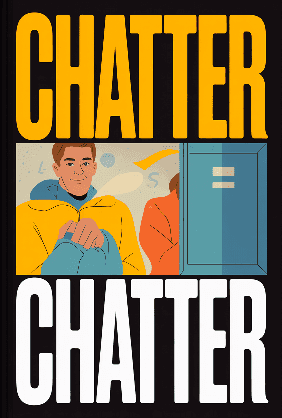
Chatter
Ethan Kross, Ph.D.
23 Duration10 Key Points4.3 RateWith so many powerful book recommendations, it's easy to build a reading list that feels too long to tackle. For those looking to absorb key lessons from these and other bestselling titles without the time commitment, an app can help clear that "reading debt."
Explore key insights from books on self-sabotage, habits, and psychology, turning your commute or workout into productive learning time.
LeapAheadFAQ
Does The Mountain Is You give practical advice?
The book offers excellent frameworks for identifying your problems, but it is light on practical execution. It gives you the "what" and the "why," but leaves the "how" mostly up to you. You will not find step-by-step worksheets or daily habits to implement.
The book offers excellent frameworks for identifying your problems, but it is light on practical execution. It gives you the "what" and the "why," but leaves the "how" mostly up to you. You will not find step-by-step worksheets or daily habits to implement.
Is this a good book for severe trauma?
No. The author is an essayist, not a medical professional. While the book discusses emotional pain and past hurt, it relies on mindset shifts that are inadequate—and potentially frustrating—for readers dealing with PTSD or severe clinical trauma.
No. The author is an essayist, not a medical professional. While the book discusses emotional pain and past hurt, it relies on mindset shifts that are inadequate—and potentially frustrating—for readers dealing with PTSD or severe clinical trauma.
How long does it take to read?
The book is roughly 250 pages with relatively large margins and spacing. An average reader can finish it in about 4 to 5 hours. It is easily digestible and organized into distinct chapters that can be read in short, standalone sessions.
The book is roughly 250 pages with relatively large margins and spacing. An average reader can finish it in about 4 to 5 hours. It is easily digestible and organized into distinct chapters that can be read in short, standalone sessions.
What is the main takeaway of the book?
The central thesis is that self-sabotage is not a flaw; it is a coping mechanism your brain uses to protect you from perceived danger. To stop self-sabotaging, you must stop fighting yourself and instead uncover the underlying fear that is triggering your need for protection.
The central thesis is that self-sabotage is not a flaw; it is a coping mechanism your brain uses to protect you from perceived danger. To stop self-sabotaging, you must stop fighting yourself and instead uncover the underlying fear that is triggering your need for protection.