

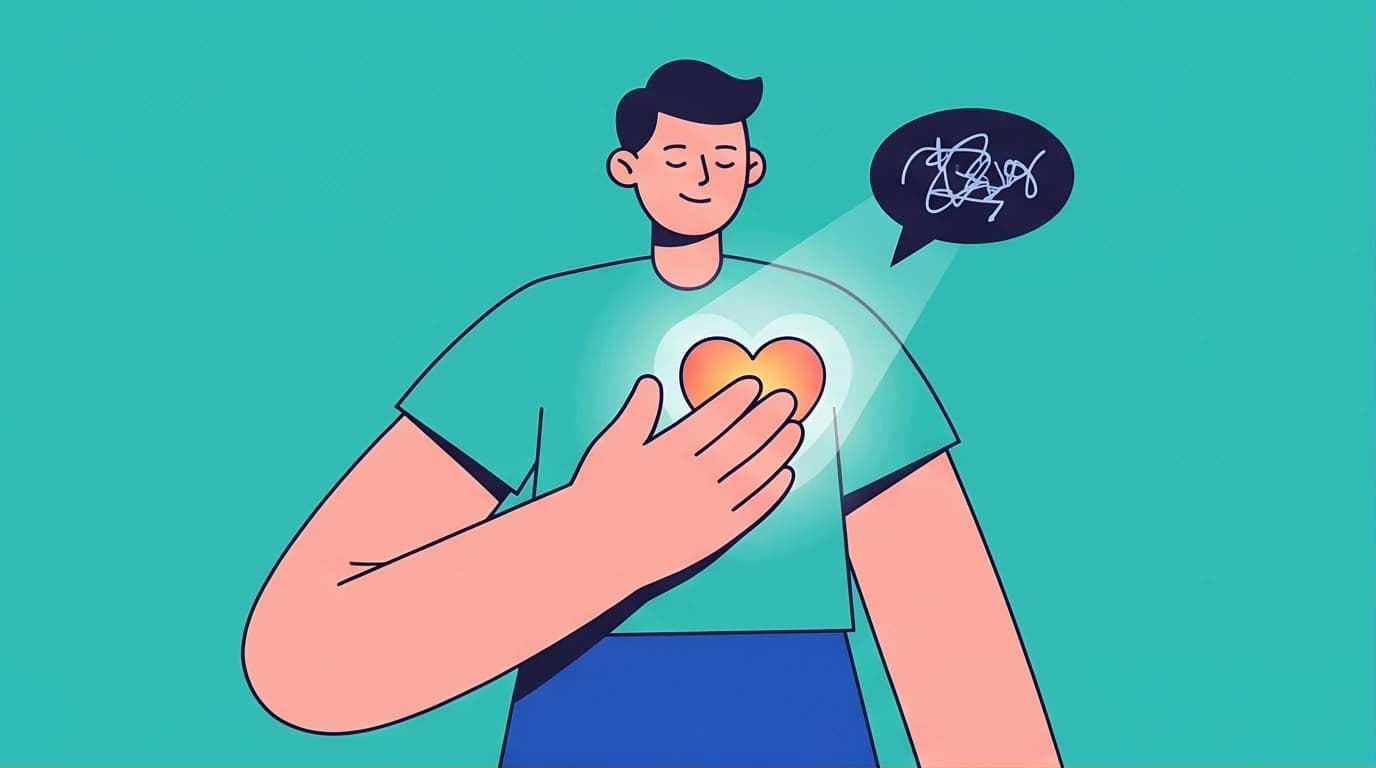
You miss a deadline at work, snap at your partner, or look at your bank account and feel a sudden knot in your stomach. Instantly, the familiar voice in your head takes over. You are falling behind. You are not trying hard enough. Get your act together.
Most of us are ruthlessly hard on ourselves. We operate under the assumption that beating ourselves up is the only way to stay motivated and achieve our goals. The reality? That relentless inner critic is likely causing chronic burnout, heightening your anxiety, and destroying your self-esteem. If you want to break this exhausting cycle, the answer lies in changing how you respond to your own struggles.
For those ready to confront that inner voice directly, it's helpful to have a clear set of strategies.
The Core Mindful Self Compassion Definition
To change your inner dialogue, you first need to understand the precise mindful self compassion definition. Simply put, it is the radical act of supporting yourself when you suffer, fail, or feel inadequate. It is not about feeling sorry for yourself, nor is it about taking bubble baths or indulging in retail therapy. It is a psychological framework for emotional regulation.
Pioneer researcher Dr. Kristin Neff revolutionized modern psychology when she developed the kristin neff self compassion framework. Through extensive clinical studies, she proved that offering yourself warmth and understanding during moments of failure is a highly trainable, measurable skill. When you strip away the misconceptions, mindful self-compassion is about acknowledging your own pain and responding with care instead of punishment.
If you want to dive deeper into the exact framework mentioned above, the best place to start is directly with the researcher who pioneered it. Dr. Kristin Neff's foundational book is a must-read for anyone struggling with chronic self-criticism in the United States or beyond. It breaks down the clinical research into everyday, actionable strategies, helping you navigate everything from workplace stress to relationship hurdles with genuine warmth. This audio edition is particularly soothing and makes for a perfect companion during your morning commute.
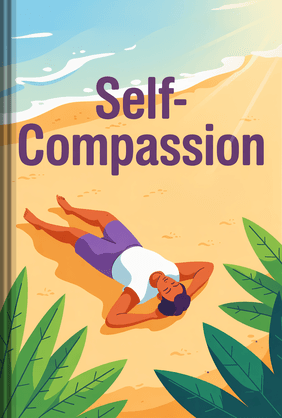
Self-Compassion
Kristin Neff, Xe Sands, et al.
 26 Duration
 8 Key Points
 4.8 Rate
The Three Pillars of the Practice
Dr. Neff outlines three interacting components that must be present for true self-compassion to occur. If you are missing one, you risk falling into self-pity or emotional avoidance.
1. Self-Kindness vs. Self-Judgment
When things go wrong, our default setting is often harsh judgment. We call ourselves names we would never dare call a friend. Self-kindness requires you to actively stop that hostile rhetoric. Instead of attacking your own character after a mistake, you offer yourself warmth and patience. You accept that being imperfect is a fundamental part of the human experience.
Learning to silence that hostile voice and accept your own flaws can feel incredibly challenging in a culture that constantly pushes for perfection. If you find yourself constantly striving to meet impossible standards, you might benefit from exploring how to embrace your authentic, imperfect self. Brené Brown's transformative work is a fantastic resource for learning how to let go of who you think you are supposed to be. It offers deeply relatable insights into cultivating a life grounded in courage, compassion, and genuine connection.
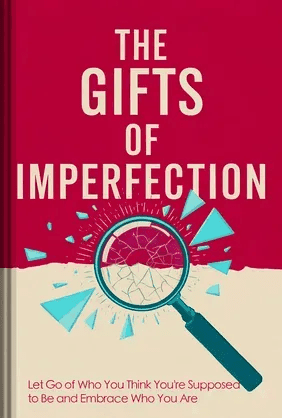
The Gifts of Imperfection
Brené Brown, Ph.D.
34 Duration10 Key Points4.6 RateIf you're inspired by these authors but struggle to find the time to read full books, there's a more modern way to absorb their core ideas.


Get powerful insights from authors like Brené Brown and Kristin Neff in 15-minute audio summaries, making it easier to learn on your commute or during a break.
 LeapAhead
2. Common Humanity vs. Isolation
Failure and emotional pain often make us feel entirely alone. When you get rejected for a job or struggle to run a single mile when you planned for three, your brain convinces you that everyone else is succeeding and you are the only one failing. Common humanity shifts this perspective. It reminds you that suffering, making mistakes, and feeling inadequate are shared human experiences. You are not broken; you are just human.
3. Mindfulness vs. Over-Identification
You cannot heal pain if you pretend it does not exist. Mindfulness involves taking a balanced approach to your negative emotions so that feelings are neither suppressed nor exaggerated. Over-identification happens when you let a single failure define your entire identity—turning "I failed this test" into "I am a failure." Mindfulness keeps you anchored in the present reality.
Mindfulness vs Self Compassion: What is the Difference?
These two concepts are frequently grouped together, but understanding mindfulness vs self compassion is essential for using them effectively.
Mindfulness asks the question: "What am I experiencing right now?"
It is the clear, non-judgmental awareness of your current pain. It requires you to observe your stressful thoughts without getting swept away by them.
It is the clear, non-judgmental awareness of your current pain. It requires you to observe your stressful thoughts without getting swept away by them.
Self-compassion asks the question: "What do I need right now?"
It is the warm, loving response to the person experiencing the pain.
It is the warm, loving response to the person experiencing the pain.
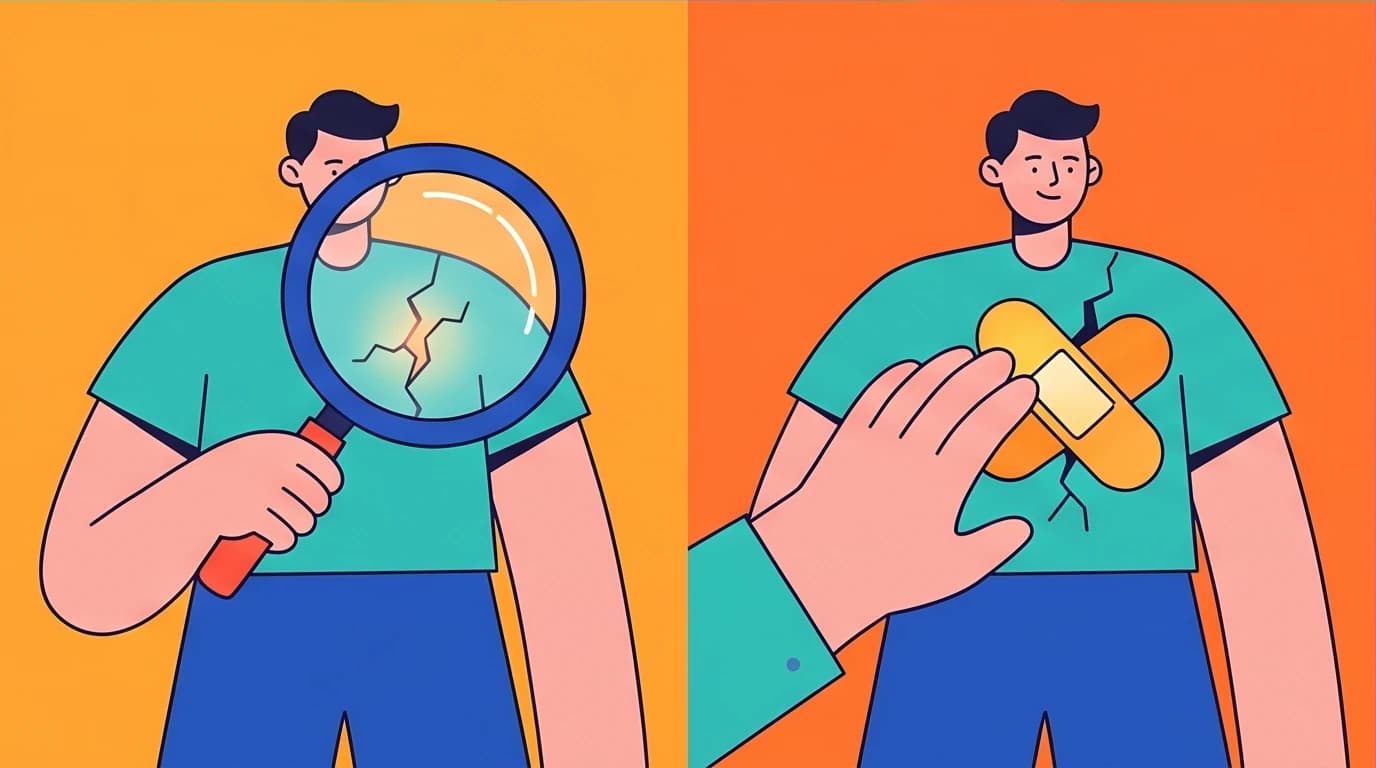
Think of it this way: Mindfulness creates the mental space to realize you are hurting. Self-compassion steps into that space to offer comfort. You need mindfulness to see the wound, but you need self-compassion to apply the bandage.
Creating that crucial mental space between experiencing pain and reacting to it takes a bit of practice. If you are struggling to simply observe your stressful thoughts without getting swept up in them, building a foundational mindfulness habit is the key. A structured, easy-to-follow guide can take the mystery out of the process. Mark Williams and Danny Penman offer a practical, eight-week program designed to help you break the cycle of anxiety and unhappiness, making it much easier to step in and apply that much-needed self-compassion.
Mindfulness
Mark Williams & Danny Penman
25 Duration10 Key Points4.5 Rate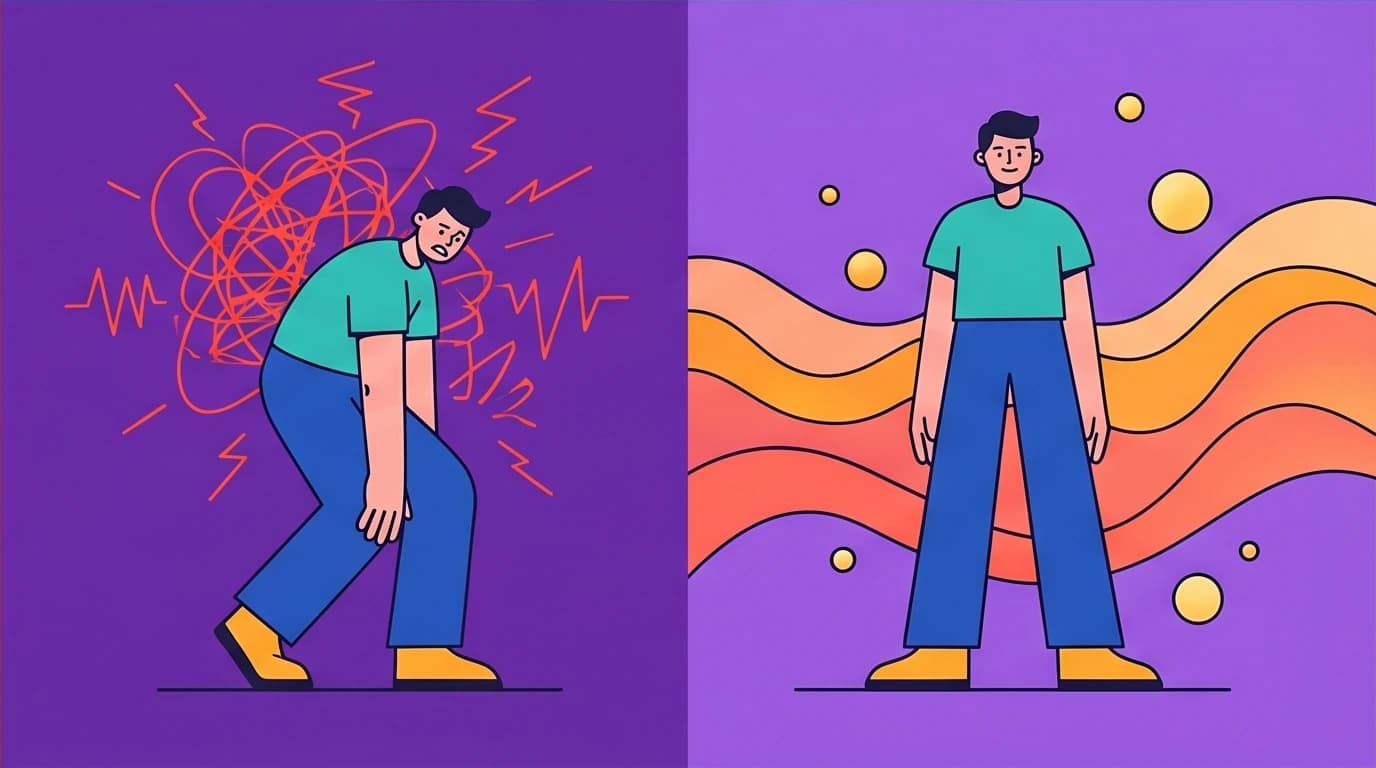
Proven Mindful Self Compassion Benefits
Shifting away from self-criticism is not a fluffy self-help trend; it is backed by decades of hard science. Embracing this practice fundamentally changes how your brain and body handle stress. Here are the most significant mindful self compassion benefits:
Drops Cortisol and Reduces Burnout
When you criticize yourself, you activate your body's threat-defense system. Your amygdala fires up, releasing cortisol and adrenaline. You are literally attacking yourself from the inside. Self-compassion, however, activates the mammalian caregiving system. It releases oxytocin and endorphins, which lower your heart rate and soothe your nervous system, drastically reducing daily burnout.
The physical toll of operating constantly in a threat-defense state is staggering, often leaving us completely depleted by the end of the workweek. Understanding the biological stress cycle is essential if you want to stop feeling exhausted and start feeling empowered. If you are dealing with the overwhelming pressures of modern American life, learning how to properly process your stress can be life-changing. Emily and Amelia Nagoski provide a brilliant, science-backed roadmap for unlocking the stress cycle, helping you to finally relax and thrive without the constant burden of burnout.

Burnout
Emily Nagoski, Ph.D., Amelia Nagoski, DMA
25 Duration9 Key Points4.5 RateBoosts Real Motivation
A massive misconception is that if you stop criticizing yourself, you will lose your drive and sit on the couch all day. Science shows the exact opposite. Fear-based motivation works in the short term but eventually causes exhaustion. Self-compassion creates a safe mental environment. Because you know you will not verbally abuse yourself if you fail, you are actually more willing to take risks, learn new skills, and bounce back from setbacks.
Enhances Emotional Resilience
Life will always throw curveballs. Whether it is a sudden layoff, a bad breakup, or just a string of exhausting days, self-compassion acts as a shock absorber. People who practice it recover from emotional trauma much faster because they do not compound their external pain with internal shame.
For those who find these benefits compelling and want to explore a more structured path, formal training can provide expert guidance and support.
Common Pitfalls: What Self-Compassion is NOT
To apply this correctly, you need to know exactly what to avoid. Beginners often confuse self-compassion with toxic behaviors that do more harm than good.
- It is not making excuses. Self-compassion does not let you off the hook. You still take full responsibility for your actions, but you do so without attacking your character.
- It is not self-pity. Self-pity says, "Poor me, my life is worse than everyone else's." Self-compassion says, "This is really hard right now, and hardship is part of life."
- It is not endless self-indulgence. Eating a pint of ice cream or binge-watching a show to avoid doing your taxes is not compassion. Compassion is acting like a good parent to yourself—which sometimes means enforcing healthy boundaries and doing hard things because you care about your future well-being.
How to Start Putting It into Practice Today
You do not need an hour of meditation to start. You can practice this right in the middle of a chaotic day. Next time you notice that tight, sinking feeling of self-criticism, try the "Mindful Self-Compassion Break":
- Acknowledge the moment (Mindfulness): Say to yourself, "This is a moment of suffering." Or simply, "This sucks right now."
- Connect with others (Common Humanity): Say, "Suffering is a part of life. Other people feel exactly like this."
- Offer care (Self-Kindness): Put your hand over your heart. Notice the physical warmth. Say, "May I be kind to myself in this moment. May I give myself the patience I need."
It will feel awkward at first. Your brain is wired for self-criticism. But with repetition, you will build new neural pathways. You will stop acting as your own worst enemy and start becoming your own strongest advocate.
To help build that repetition and create a sustainable habit, it's useful to have a toolkit of different techniques to try.
As you begin practicing the Mindful Self-Compassion Break, you might realize just how deeply ingrained your negative thought patterns really are. Rewiring your brain to stop acting as your own worst enemy takes time, but having the right psychological tools can speed up the process. If you want to systematically dismantle the toxic mental habits holding you back, clinical psychologist Dr. Andrea Bonior provides fantastic, actionable advice. Her approach helps you identify self-sabotaging thoughts and replace them with empowering, realistic beliefs that support your new self-compassion journey.
Detox Your Thoughts
Andrea Bonior, Ph.D.
18 Duration7 Key Points4.6 RateIt's a powerful reading list, but tackling it can feel daunting. If you want to start applying these transformative ideas without the pressure of a full bookshelf, an app can help you get the key takeaways first.
Absorb the core lessons from all the recommended books on self-compassion and psychology in quick summaries that fit into your busy life.
LeapAheadFAQ
Does self-compassion lower your standards or make you lazy?
No. Research consistently shows that self-compassionate people actually hold higher personal standards. The difference is how they react when they fall short. Instead of wasting energy on shame and self-punishment, they figure out what went wrong and try again. It fosters personal accountability without the emotional crash.
No. Research consistently shows that self-compassionate people actually hold higher personal standards. The difference is how they react when they fall short. Instead of wasting energy on shame and self-punishment, they figure out what went wrong and try again. It fosters personal accountability without the emotional crash.
How long does it take to see the benefits?
You can feel a slight nervous system reset the very first time you physically place a hand on your heart and speak kindly to yourself. However, rewriting years of harsh mental habits takes consistent practice. Most clinical programs run for about 8 weeks to see profound, lasting changes in baseline anxiety and depression levels.
You can feel a slight nervous system reset the very first time you physically place a hand on your heart and speak kindly to yourself. However, rewriting years of harsh mental habits takes consistent practice. Most clinical programs run for about 8 weeks to see profound, lasting changes in baseline anxiety and depression levels.
I feel ridiculous talking kindly to myself. What should I do?
This is a perfectly normal reaction known as "backdraft." When you open the door to self-kindness, old pain and resistance rush out. If saying kind words feels entirely fake, change the prompt. Ask yourself: "If my best friend were in this exact situation, what would I tell them?" Use those exact words on yourself.
This is a perfectly normal reaction known as "backdraft." When you open the door to self-kindness, old pain and resistance rush out. If saying kind words feels entirely fake, change the prompt. Ask yourself: "If my best friend were in this exact situation, what would I tell them?" Use those exact words on yourself.
Are there good resources or books to learn more?
Yes. The Mindful Self-Compassion Workbook by Kristin Neff and Christopher Germer is the gold standard for beginners. You can easily find physical copies at Barnes & Noble or order it on Amazon. If you prefer listening during your commute, the audiobook version on Audible is highly recommended.
Yes. The Mindful Self-Compassion Workbook by Kristin Neff and Christopher Germer is the gold standard for beginners. You can easily find physical copies at Barnes & Noble or order it on Amazon. If you prefer listening during your commute, the audiobook version on Audible is highly recommended.