

You are staring at an Amazon checkout page or your Audible queue. Every venture capitalist, tech founder, and business podcaster has mentioned this book since it dropped in 2014. You already know Peter Thiel co-founded PayPal, was the first outside investor in Facebook, and has a reputation for being a polarizing contrarian.
But you do not want background history. You want to know if investing your limited time into this specific book will actually yield a return. Is it an outdated relic from the early 2010s tech boom, or does it hold weight today?
If you are convinced by the hype but still hesitant to commit hours to the full text, you can get a head start on the core concepts first.


Get the powerful, contrarian ideas from Zero to One in a 15-minute summary to decide if Thiel’s philosophy is the right fit for your venture.
 LeapAhead
If you are looking for an honest Zero to One review, we need to strip away the Silicon Valley hype. Let's break down exactly what makes this book unique, where the logic falls apart, and whether it deserves a spot on your bookshelf.

The Core Premise: What "Zero to One" Actually Means
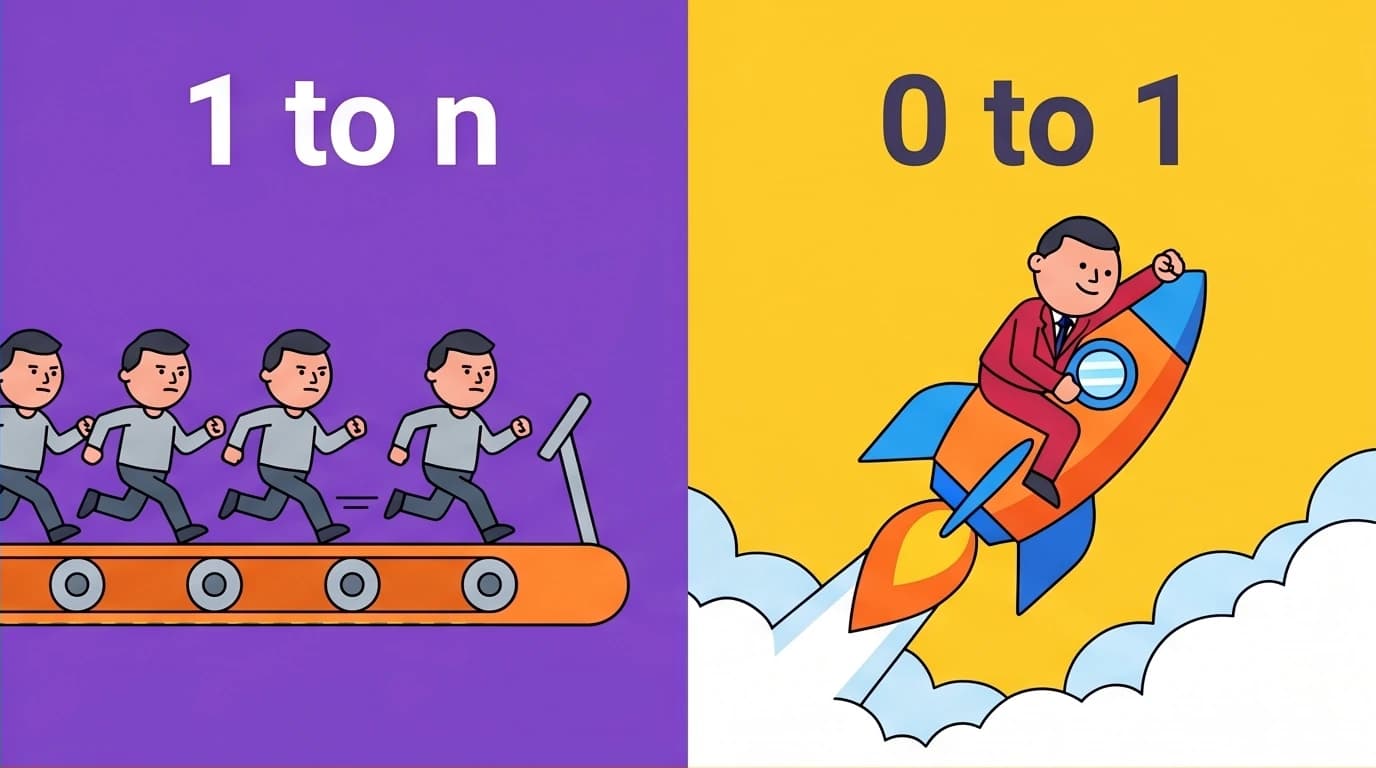
Most business advice focuses on going from 1 to n. This means taking something that already exists and making it slightly better. You see a successful coffee shop, and you open a coffee shop with better seating. You are adding to the n. This is horizontal progress.
Thiel argues this is a trap.
Going from 0 to 1 means creating something entirely new. It is vertical progress. Doing what we already know how to do takes the world from 1 to n. But every time we create something new, we go from 0 to 1. The next Bill Gates will not build an operating system. The next Larry Page won’t make a search engine. If you are copying these guys, you aren't learning from them.
The Biggest Takeaways: Why You Should Read It
You do not read this book for accounting advice. You read it to completely rewire how you view markets. Here are the principles that make the book stand out.
1. Competition is for Losers
This is the most famous concept in any Zero to One book review. We are taught that capitalism and competition are synonyms. Thiel argues they are opposites. A capitalist wants to accumulate capital. In a perfectly competitive market, profit margins are driven down to zero.
Therefore, your ultimate goal as a founder is to build a monopoly. You want to create a product so unique and protected that no one else can offer a close substitute. Google has a monopoly on search. They do not have to worry about fighting over razor-thin margins. They can focus on the future.
To understand Thiel's full argument for why a founder's goal should be dominance rather than competition, it helps to dive deeper into his definition of a monopoly.
Thiel isn't the only business thinker who warns against the dangers of crowded, hyper-competitive markets. If you are intrigued by the idea of sidestepping competition entirely rather than fighting for scraps, you might want to explore the mechanics of creating uncontested market spaces. While Thiel focuses on the Silicon Valley venture model, other frameworks can help everyday businesses achieve this same monopoly-like advantage. A fantastic companion read on this topic dives deep into making your competition totally irrelevant by unlocking new demand.
Blue Ocean Strategy
W. Chan Kim
 47 Duration
 8 Key Points
 4.6 Rate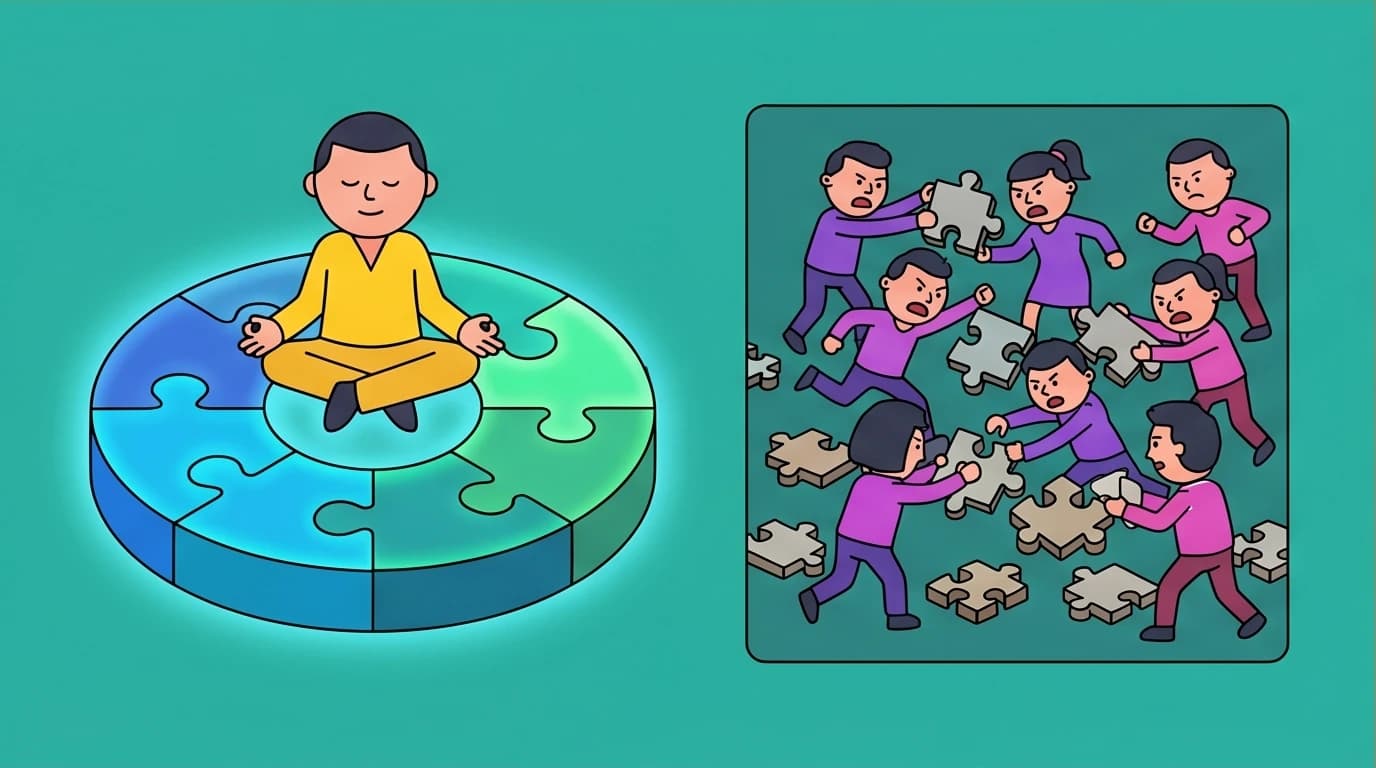
2. The Contrarian Question
Thiel filters all potential investments through one specific question: "What important truth do very few people agree with you on?"
If you answer this with something obvious like, "Our education system is broken," you fail. Everyone agrees with that. A good answer is a secret. It reveals a hidden market or a technological breakthrough that the rest of the world is blind to. Finding that secret is the foundation of a 0 to 1 company.
This single question is so central to his philosophy that it's worth exploring the best ways to formulate a strong, non-obvious answer.
3. Thiel's Hatred of "Lean Startup" Culture
In the startup world, the "Lean Startup" methodology is gospel. Build a Minimum Viable Product (MVP), test it, iterate, and pivot based on customer feedback.
Thiel attacks this violently. He calls it "indefinite optimism"—hoping the future will be good without having a concrete plan to get there. He argues that Apple did not A/B test their way to the iPhone. Steve Jobs had a rigid, bold vision of the future and built it. The book pushes you to form a definitive plan rather than just throwing ideas at the wall to see what sticks.
Even though Thiel fiercely critiques the idea of building minimum viable products without a rigid master plan, it is incredibly valuable to understand the exact methodology he is arguing against. For many founders—especially those who do not have millions in venture capital to burn on a singular grand vision—rapid iteration and customer feedback are lifesavers. Reading the foundational text on this agile approach provides a crucial counterweight to Thiel’s top-down philosophy, allowing you to decide which strategy best fits your unique business environment.
The Lean Startup
Eric Ries
45 Duration8 Key Points4.5 Rate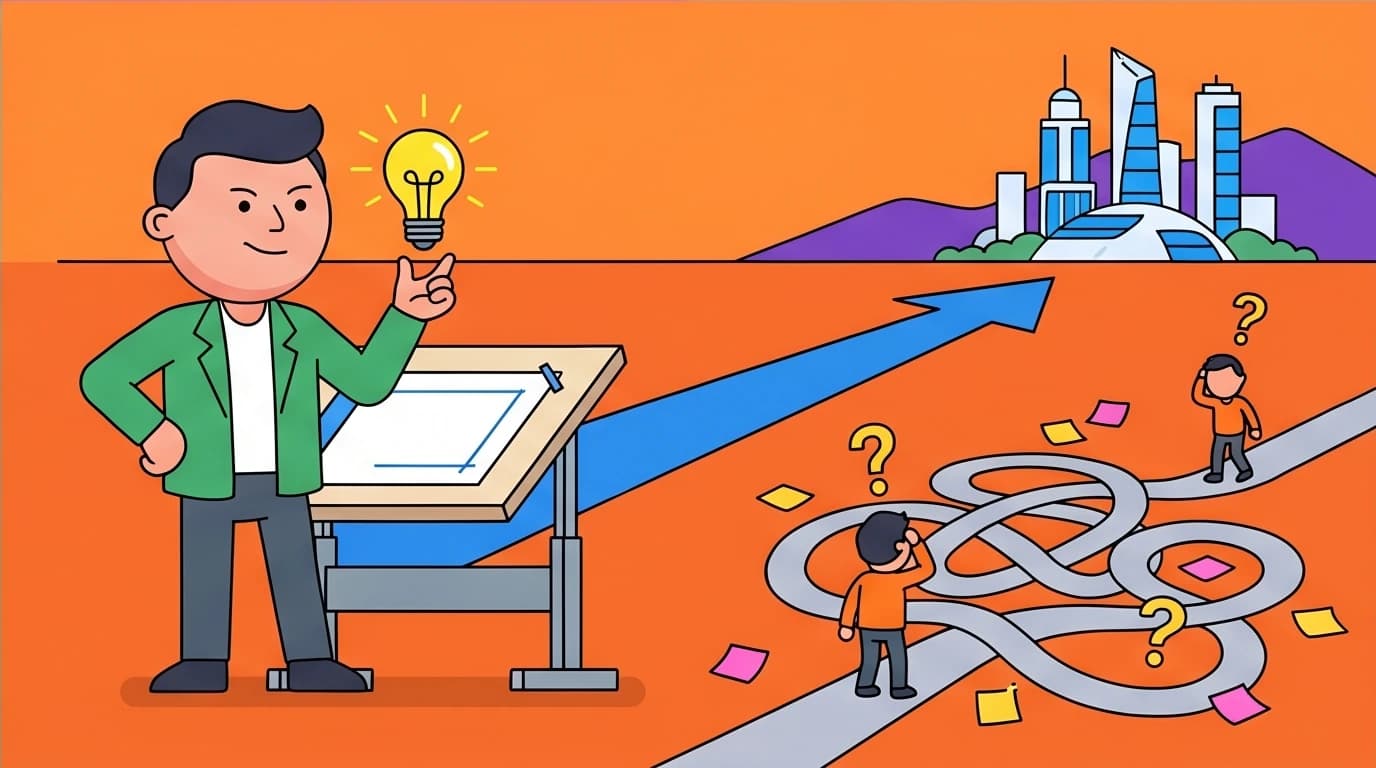
A Fair Zero to One Critique: Where the Book Falls Short
No piece of writing is perfect. If you want a realistic assessment before deciding should I read Zero to One, you need to understand its limitations.
1. It Is Not an Operating Manual
If you need to know how to set up payroll, run Facebook ads, or structure a sales team, look elsewhere. This is high-level business philosophy. It tells you what to build, not the day-to-day mechanics of how to build it.
2. Heavy Survivor Bias
Thiel looks at the world through the lens of a billionaire tech investor. He uses his experiences with the "PayPal Mafia" (the early PayPal team who went on to found Tesla, YouTube, LinkedIn, and Yelp) as the baseline for reality. His framework assumes that if you aren't building a billion-dollar venture-backed tech company, you are basically wasting your time.
3. Total Dismissal of Small Businesses
Thiel equates success strictly with venture-scale monopolies. He overlooks the fact that tens of thousands of entrepreneurs build incredible, wealth-generating lives through 1 to n businesses. Opening a specialized dental practice, a niche regional logistics company, or a boutique marketing agency can make you very rich and highly fulfilled. Under Thiel's strict criteria, these are "bad" businesses because they face competition.
It is perfectly fine if your endgame isn't building the next Google or raising rounds of venture capital. In fact, deliberately keeping your business small, highly profitable, and entirely under your control is one of the smartest ways to build lasting wealth and personal freedom. If Thiel's obsession with endless scaling and unicorn status feels out of touch with your entrepreneurial goals, there are excellent resources that champion the exact opposite approach. You might find a lot of inspiration in a guide that shows you how to stay small while maximizing your independence.
Company of One
Paul Jarvis
16 Duration7 Key Points4.8 RateIs Zero to One Worth Reading Today?
So, is Zero to One worth reading right now?
Absolutely. But only if you understand what it is designed to do.
The core concepts—aiming for monopoly over competition, relying on power laws rather than simple diversification, and rejecting blind iteration in favor of strong vision—are timeless. Even with the rise of AI and changing economic landscapes, the fundamental framework of escaping competition holds up perfectly. In fact, in an era where anyone can clone a software tool using AI in an afternoon, building a defensible monopoly is more important than ever.
Who Should Buy It immediately:
- Early-stage startup founders: If you are still in the ideation phase, read this before you write a single line of code.
- Venture capitalists and angel investors: It helps build a mental model for spotting outliers.
- Corporate strategists: Anyone looking to help a legacy company break out of a low-margin commodity trap.
Who Can Safely Skip It:
- Local service business owners: If you run a landscaping company or a local bakery, Thiel’s advice on total market domination won't apply to your daily reality.
- Mid-level managers looking for leadership tactics: This book will not help you run your weekly team meetings better.
For the exact audience this book targets—busy founders, investors, and strategists—finding the time to sit down and read is often the biggest challenge. A great way to fit this kind of high-level thinking into a packed schedule is by listening to the key takeaways.
Absorb game-changing principles from books like Zero to One during your commute or workout, turning downtime into a strategic advantage for your next big idea.
LeapAheadUltimately, even with its inherent Silicon Valley bias and lack of tactical blueprints, this manifesto remains a thought-provoking staple for any ambitious founder. If you are ready to challenge your assumptions about capitalism, innovation, and what it truly takes to build a category-defining company, it is time to grab a copy for yourself. Adding this modern classic to your library will give you a fresh, contrarian lens through which to view your next big venture.
Zero to One
Peter Thiel, Blake Masters
47 Duration8 Key Points4.5 RateFAQ
How long does it take to read Zero to One?
It is a very fast read. The book is just over 200 pages, with large text and plenty of illustrations. An average reader can finish it in about four to five hours. If you prefer the audiobook on Audible, narrated by Blake Griffin, it clocks in at just under five hours.
Is Zero to One outdated because it was published in 2014?
No. While some specific examples reference the "cleantech bubble" of the late 2000s or older Silicon Valley trends, the underlying psychology of markets and human behavior has not changed. The framework of seeking monopolies and avoiding competition is just as applicable to the current AI boom as it was to the mobile app boom of 2014.
Should I read Zero to One or The Lean Startup?
Read both, but recognize they are complete opposites. The Lean Startup by Eric Ries teaches you how to execute, test, and survive when you do not know exactly what the market wants. Zero to One teaches you how to think big, lock in a vision, and dominate a specific niche. Use Thiel’s book to pick your destination, and use Ries’s book to navigate the bumps along the road.