

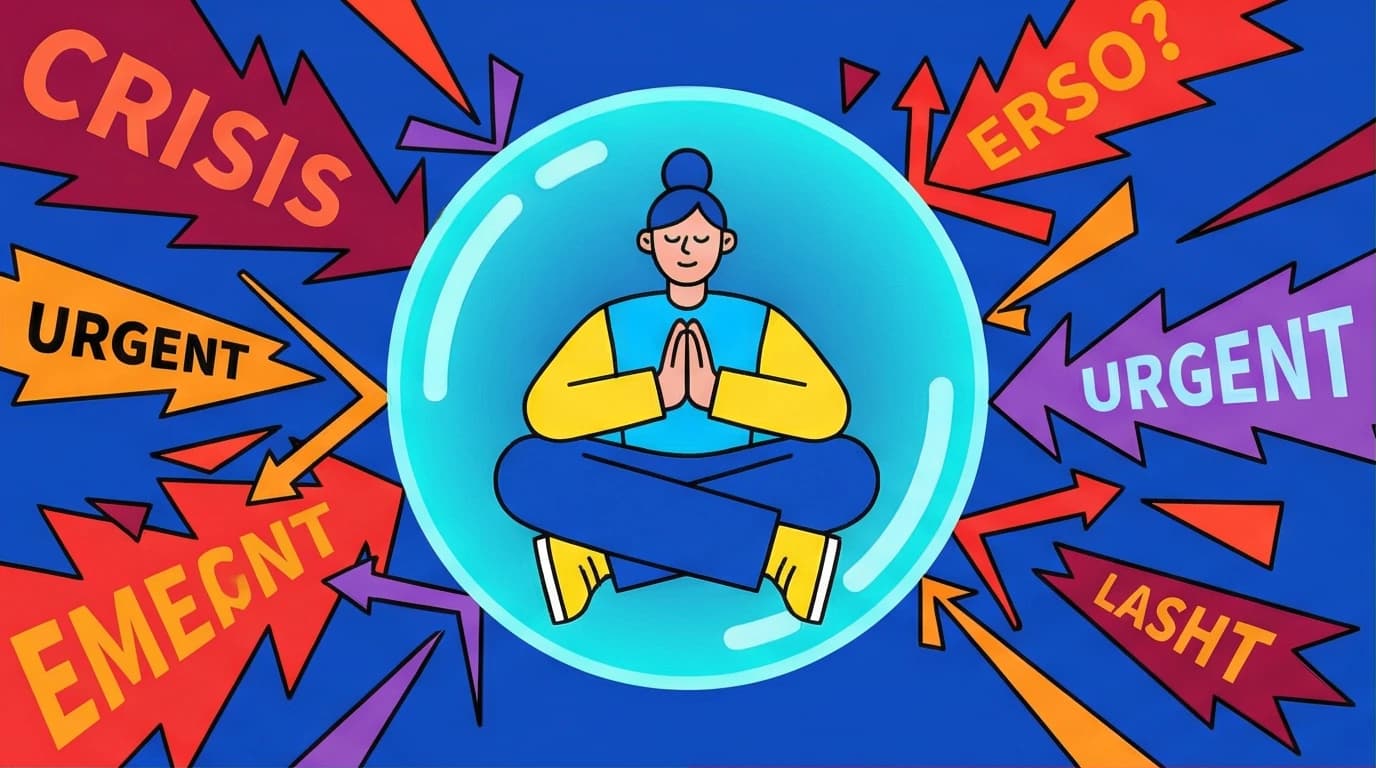
You are exhausted. You say yes when you desperately want to say no. You constantly absorb the emotional crises of your friends, family, or coworkers, leaving you drained and secretly resentful. Deep down, you know you need better boundaries, but every time you try to set one, a wave of guilt convinces you that you are being selfish.
This is exactly why so many therapists recommend diving into the 10 laws of boundaries Henry Cloud and Dr. John Townsend laid out in their groundbreaking book, Boundaries. Whether you just added it to your Goodreads shelf, bought the paperback at Barnes & Noble, or are listening to it on Audible during your commute, grasping these rules is your first step toward emotional freedom.
If you're still deciding whether the book is the right fit for you, exploring a detailed review can help clarify its core message and potential criticisms.
If you are wondering exactly what are the 10 laws of boundaries and how to apply them to your daily chaos without feeling like a bad person, you need a clear breakdown. Here is a complete laws of boundaries summary, with the Boundaries book laws explained in a way you can use right now.
Since we just summarized the core concept of the original framework, there is no better time to read the source material. If you want to fully unpack the psychology behind these 10 laws and see real-life examples of how to implement them without feeling guilty, you should absolutely grab a copy of Dr. Cloud and Dr. Townsend’s original masterpiece. It is widely considered the gold standard for relationship and mental health advice in the United States, providing the exact blueprints you need to take control of your life.

Boundaries
Dr. Henry Cloud and Dr. John Townsend
 47 Duration
 10 Key Points
 4.7 Rate
If your to-read list is already a mile long, diving into another dense book can feel daunting. A great way to absorb the core principles of books like this quickly is by using a summary app.

Grasp the key takeaways from bestselling self-help books like *Boundaries* in just 15 minutes, perfect for busy people who want to start applying these lessons today.

Download LeapAhead App now
For those who prefer a detailed written overview, a chapter-by-chapter breakdown can provide excellent context before you dive into each specific law below.
1. The Law of Sowing and Reaping
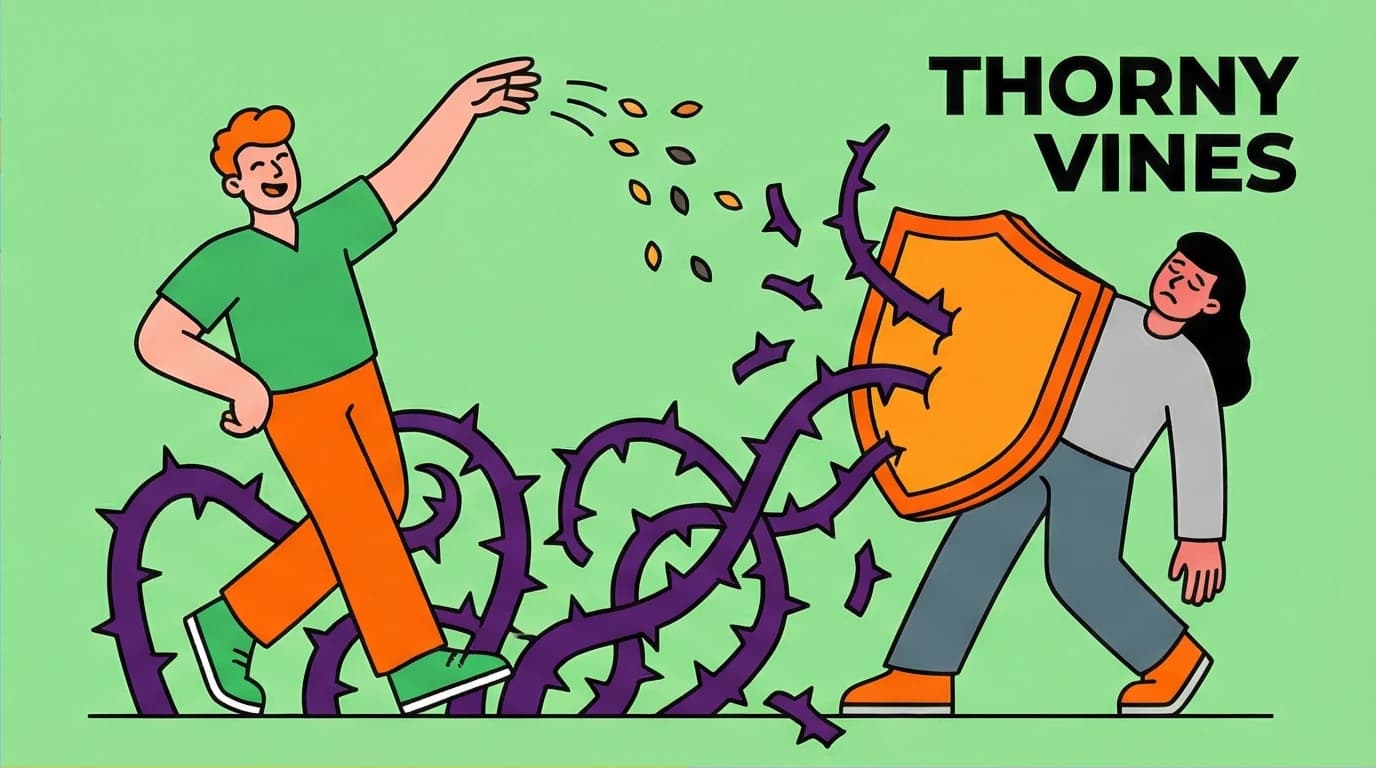
The most fundamental rule of human behavior is cause and effect: actions have consequences. If you plant seeds of financial irresponsibility, you reap debt.
The problem occurs when you step in and interrupt this natural law for someone else. If your brother constantly overspends and you bail him out to "keep the peace," you are the one reaping the consequences of his sowing. He feels no pain, so he never changes his behavior. Setting a boundary means letting people experience the natural consequences of their own actions. You stop shielding them from reality.
2. The Law of Responsibility
We are responsible to each other, not for each other.
Many people-pleasers confuse these two concepts. You are responsible to your partner—meaning you should be honest, respectful, and supportive. However, you are not responsible for your partner's emotions, happiness, or mental health. When you take responsibility for someone else's feelings, you strip them of their own agency. Your only true responsibility is managing your own behavior, choices, and emotional reactions.
Constantly taking responsibility for other people’s emotions is exhausting, and it is often a hallmark of codependency. If you find yourself repeatedly stepping in to fix your partner’s moods or shield your family from the consequences of their actions, you might need a deeper reset. Melody Beattie’s classic guide is an absolute lifesaver for people-pleasers. It helps you untangle your own identity from the struggles of your loved ones, giving you the practical tools you need to stop over-functioning and start prioritizing your own well-being.
Codependent No More
Beattie Melody
19 Duration8 Key Points4.6 Rate3. The Law of Power
You need to get brutally honest about what you have power over and what you do not.
You do not have the power to change a toxic boss. You do not have the power to make an emotionally unavailable parent suddenly understand you. You only have power over how you respond. The Law of Power forces you to stop trying to fix others. Instead of wasting energy trying to change someone else's destructive habits, you use your power to walk away, limit your availability, or establish consequences for how they treat you.
4. The Law of Respect
If you want people to respect your boundaries, you must respect theirs.
You cannot demand that others honor your need for space if you throw a guilt trip every time a friend cancels plans with you. Our boundaries are only as strong as our willingness to accept a "no" from others without punishing them. When you respect someone else's boundary, you build a relationship based on freedom rather than control.
5. The Law of Motivation
Freedom must always come before love. If you are doing something for someone out of fear, guilt, or a desperate need for approval, you are not genuinely loving them. You are managing your own anxiety.
False motivations include fear of conflict, fear of abandonment, and the desire to be the "good person." The Law of Motivation demands that you check why you are saying yes. If a "yes" comes with a heavy dose of inner resentment, it is a dishonest yes. Authentic relationships require you to give out of free will, which means you must also have the absolute freedom to say no.
Reclaiming your freedom often boils down to mastering one simple, two-letter word: no. Yet, for recovering people-pleasers, saying no can trigger intense anxiety and a fear of conflict. If you want a straightforward, actionable system to help you decline requests without agonizing over it, Damon Zahariades offers a fantastic roadmap. His book breaks down the exact scripts and mindsets you need to confidently turn down demands on your time, ensuring your "yes" is always genuine and your schedule remains your own.
The Art of Saying NO
Damon Zahariades
16 Duration9 Key Points4.6 Rate6. The Law of Evaluation
This is often the hardest law for empathetic people to swallow: you must evaluate the pain your boundaries cause others.
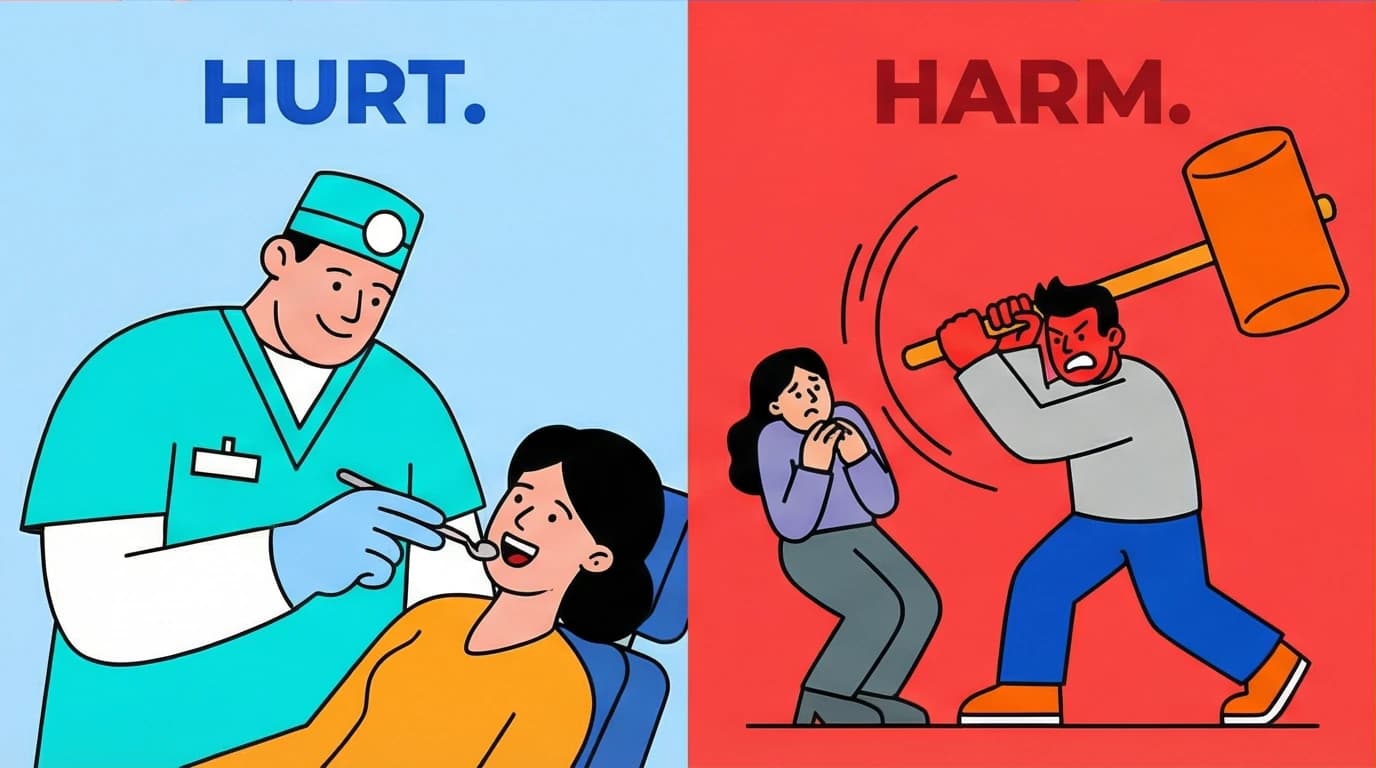
Setting a boundary will often cause someone pain. If you tell your mother you will only visit once a month instead of every weekend, she will likely feel hurt. But there is a massive difference between hurt and harm.
- Harm is causing real damage to someone (like stealing from them).
- Hurt is simply temporary discomfort or disappointment.
A dentist hurts you to fix your tooth, but he does not harm you. When you set a healthy boundary, you might hurt someone's feelings, but you are not harming them. Stop confusing the two.
7. The Law of Proactivity
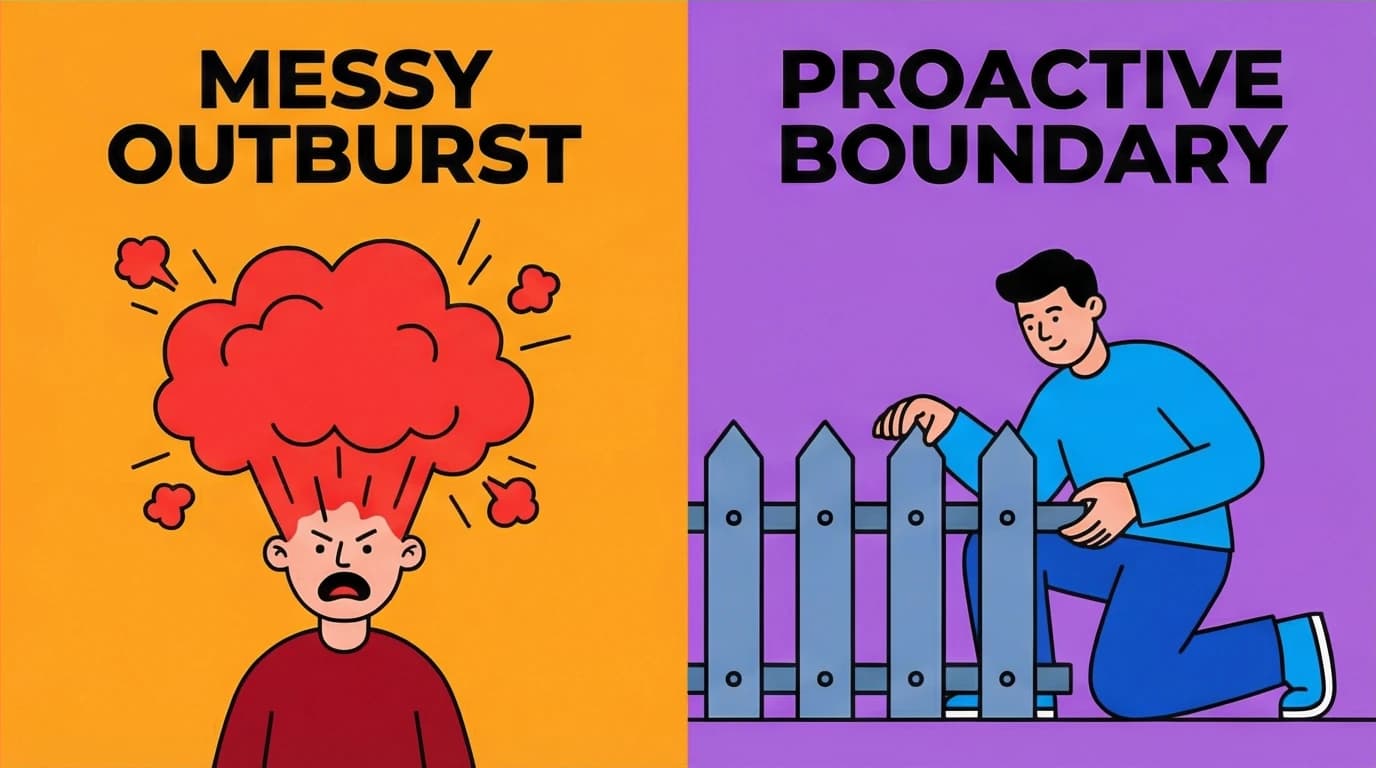
Reactive boundaries happen when you explode in anger after holding in resentment for six months. Proactive boundaries happen when you communicate your limits calmly, before a crisis hits.
Reaction is often messy, hostile, and driven by a feeling of victimization. Proactivity is grounded and controlled. Instead of screaming at a coworker for dumping a project on your desk at 4:30 PM on a Friday, a proactive boundary means setting a clear rule on Tuesday: "I don't review new requests after 3 PM on Fridays." Act based on your values, don't just react to others' bad behavior.
8. The Law of Envy
Envy is a massive boundary problem because it focuses your energy completely outside of your own yard. When you are envious of a friend's career, a neighbor's house, or a colleague's confidence, you are defining yourself by what you lack.
Envy blinds you to the responsibilities you need to take in your own life. Instead of looking over the fence at what someone else has, the Law of Envy tells you to look down at your own soil. What are you doing right now to cultivate what you want? Use envy as a signal to figure out what you are neglecting in your own life.
9. The Law of Activity
Passivity is the enemy of boundaries. You cannot sit back and hope that someone will finally notice you are exhausted and offer to give you a break. No one is coming to set your boundaries for you.
You must take the initiative. Whether it is speaking up in a relationship, seeking therapy, or actively reorganizing your schedule, establishing boundaries requires forward momentum. If you wait for the other person to "realize what they are doing wrong," you will be waiting forever.
10. The Law of Exposure
Your boundaries do not exist if they are entirely kept in your head.
Many people silently withdraw, harbor resentment, or use passive-aggressive behavior when their boundaries are crossed. They think the other person "should just know." The Law of Exposure states that boundaries need to be made visible to others. You have to communicate them clearly and directly. Relationships cannot heal or grow in the dark; they require the friction of honest communication.
These ten laws provide a powerful framework for change. To keep the core ideas top of mind, sometimes a few memorable phrases can make all the difference.
How to Apply These Laws Today
Reading about the 10 laws of boundaries is easy; executing them is uncomfortable. If you are new to this, do not attempt to overhaul your entire life overnight. Start small.
- Audit your resentment: Write down three areas in your life right now where you feel resentful. Resentment is your internal alarm clock signaling that a boundary is missing or has been crossed.
- Pick one low-stakes boundary: Say no to a minor request this week. Notice the guilt that arises (Law of Motivation) and remind yourself that disappointing someone does not mean you are harming them (Law of Evaluation).
- Hold the line: When you set a boundary, people will test it. Do not negotiate. Stick to your rule and let them manage their own reaction (Law of Responsibility).
Taking back control of your life means giving up the illusion that you can keep everyone happy. By integrating these laws, you step out of the exhausting role of the victim or the savior, and step into the role of an adult who directs their own life.
Applying these ten laws takes practice, and it is completely normal to feel a bit overwhelmed when you first start establishing your limits. If you are looking for a modern, highly practical guide to help you navigate pushback from friends, family, and coworkers, Nedra Glover Tawwab's expertise is unmatched. Her book provides incredibly relatable scenarios and scripts to help you verbalize your needs clearly. It is the perfect companion to keep on your nightstand as you embark on your journey toward healthier, more balanced relationships.

Set Boundaries, Find Peace
Nedra Glover Tawwab
29 Duration10 Key Points4.5 RateBuilding better boundaries is a journey, and these books are excellent guides. But if you're struggling to find the time or energy to read them all, you can start learning the core concepts right away.
Listen to 15-minute audio summaries of these essential self-help books during your commute or workout, turning your busiest days into opportunities for growth.
Download LeapAhead App now
FAQ
Are boundaries a form of selfishness?
No. Selfishness is demanding that others sacrifice their needs for yours. Boundaries are simply about taking stewardship of your own life, time, and resources so you can give to others out of freedom rather than resentment.
No. Selfishness is demanding that others sacrifice their needs for yours. Boundaries are simply about taking stewardship of your own life, time, and resources so you can give to others out of freedom rather than resentment.
What if someone gets angry when I apply the 10 laws of boundaries?
If someone gets angry when you set a boundary, that is their issue to manage, not yours. Anger from others is often a sign that your boundary is working—it stops them from taking advantage of you. Let them be mad. You are responsible for the boundary; they are responsible for their reaction.
If someone gets angry when you set a boundary, that is their issue to manage, not yours. Anger from others is often a sign that your boundary is working—it stops them from taking advantage of you. Let them be mad. You are responsible for the boundary; they are responsible for their reaction.
Do these laws apply to the workplace as well as personal relationships?
Absolutely. The laws of boundaries apply seamlessly to professional environments. Refusing to check emails after 6 PM (Law of Proactivity) or letting a coworker fail because they didn't do their part of a presentation (Law of Sowing and Reaping) are crucial strategies to avoid severe career burnout.
Absolutely. The laws of boundaries apply seamlessly to professional environments. Refusing to check emails after 6 PM (Law of Proactivity) or letting a coworker fail because they didn't do their part of a presentation (Law of Sowing and Reaping) are crucial strategies to avoid severe career burnout.