

You are exhausted. Your boss sends you an email at 9 PM expecting a fast reply. Your family dictates how you spend your weekends. You constantly agree to favors you hate doing because you do not want to disappoint anyone. You are burning out because you lack one critical tool: boundaries.
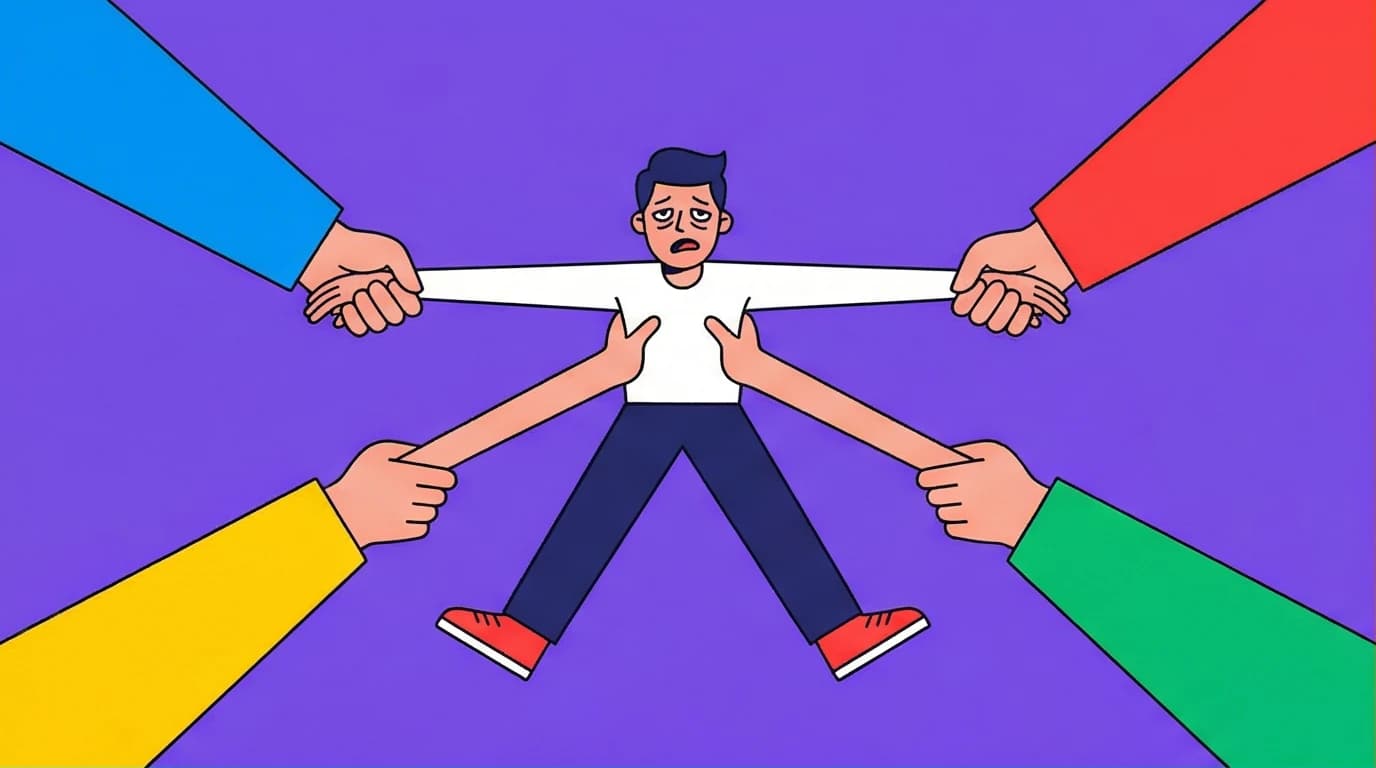
Reading a 300-page psychological guide takes time you currently do not have. You need the facts, the framework, and the action plan right now. This guide pulls the exact tools you need from the best-selling book Boundaries: When to Say Yes, How to Say No to Take Control of Your Life. We will strip away the fluff and give you the raw mechanics of protecting your time, energy, and sanity.
Reading a 300-page psychological guide takes time you currently do not have. You need the facts, the framework, and the action plan right now. This guide pulls the exact tools you need from the best-selling book Boundaries: When to Say Yes, How to Say No to Take Control of Your Life. We will strip away the fluff and give you the raw mechanics of protecting your time, energy, and sanity.
If this idea of getting crucial insights without the time commitment resonates with you, it's helpful to know there are tools designed for exactly this purpose.


Grasp the core ideas from 'Boundaries' and other bestselling self-help books in 15-minute audio or text summaries, perfect for learning on a tight schedule.
 LeapAhead
What Exactly Is a Boundary?
Think of a physical property line. When you buy a house, a fence marks where your yard ends and your neighbor’s yard begins. You mow your lawn; you do not mow theirs. If someone dumps trash in your yard, you have the right to remove it.
A personal boundary works exactly the same way, but in the mental and emotional space. It defines where you end and someone else begins.
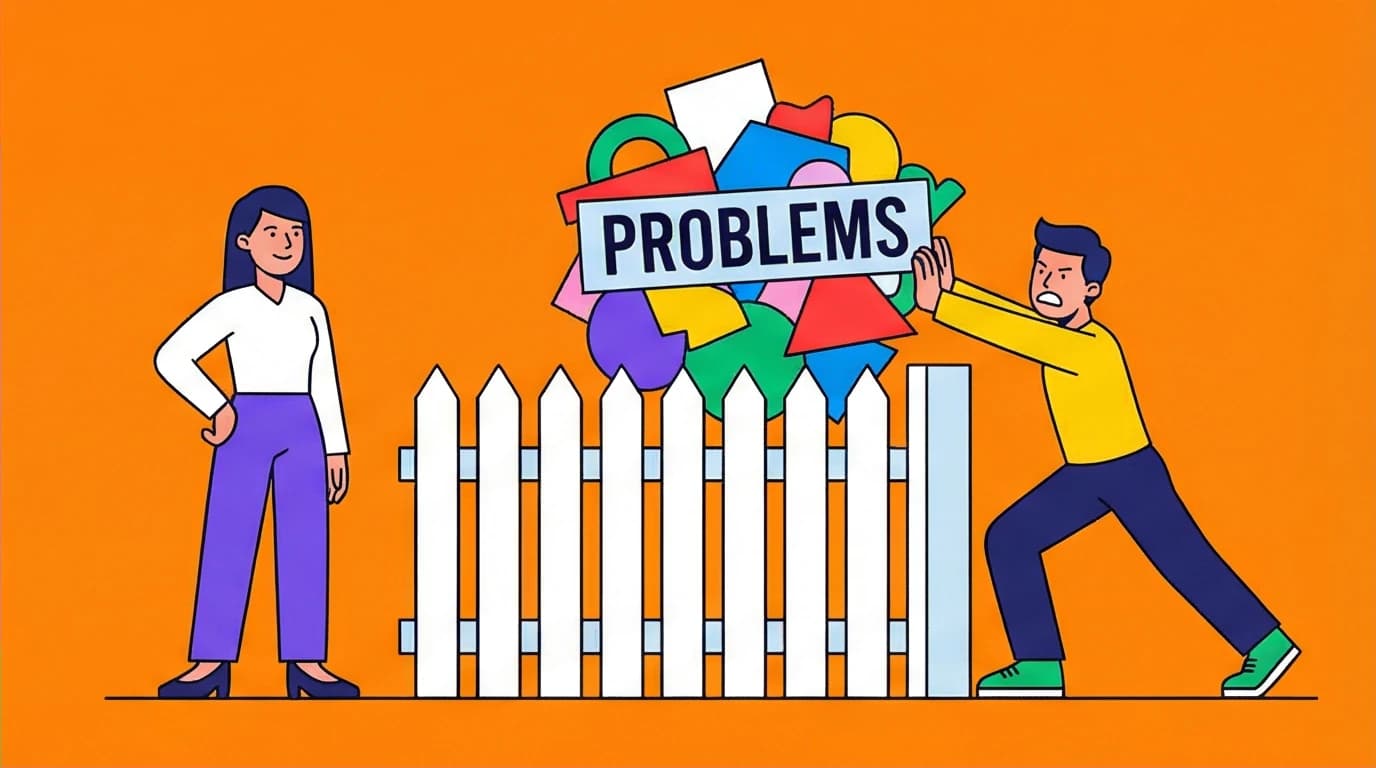
Many people struggle with burnout because their property lines are completely invisible. They take on other people's problems as their own and allow others to dictate their feelings.
Dr. Cloud and Dr. Townsend establish a fundamental rule: You are responsible TO others, but you are responsible FOR yourself. You can care about a friend who is struggling, but you cannot do their emotional heavy lifting for them.
Dr. Cloud and Dr. Townsend establish a fundamental rule: You are responsible TO others, but you are responsible FOR yourself. You can care about a friend who is struggling, but you cannot do their emotional heavy lifting for them.
The authors approach this topic from a specific worldview, which influences their framework. Many readers wonder about this underlying perspective, and understanding it can provide deeper context.
Since this entire summary is based on the groundbreaking concepts by Dr. Henry Cloud and Dr. John Townsend, you might be realizing that you need to read the full source material. If you are tired of feeling stretched too thin and want the complete, unabridged framework for protecting your time, energy, and relationships, picking up the original text is a game-changer. It dives deeper into the specific scripts and psychological tools you need to finally take your life back.
Boundaries
Dr. Henry Cloud and Dr. John Townsend
 47 Duration
 10 Key Points
 4.7 Rate
Key Takeaways from Boundaries: The 10 Laws
To truly understand how to implement limits, you need to grasp the underlying rules of human interaction. The most vital key takeaways from Boundaries are framed as the "10 Laws." These laws dictate how healthy relationships function.
1. The Law of Sowing and Reaping
Actions have consequences. If you overspend on your credit cards, you get into debt. However, boundary problems occur when someone else sows the seeds, but you reap the consequences. If you constantly bail out a financially irresponsible sibling, they never feel the pain of their actions. You are interrupting the natural law of cause and effect.
2. The Law of Responsibility
You must love others, but you cannot be them. You cannot feel their feelings, think their thoughts, or behave for them. You are responsible for your own feelings, choices, and limits. Expecting someone else to make you happy is a clear boundary violation against yourself.
3. The Law of Power
You have the power to agree with the truth about your problems. You have the power to submit your inability to a higher power or a support system. You have the power to search for and ask others to help reveal your blind spots. You do not have the power to change other people. Stop trying to fix a toxic coworker or an overbearing parent. Focus your power on your own response.
4. The Law of Respect
If you want others to respect your boundaries, you must respect theirs. When someone says "no" to you, how do you react? If you manipulate, guilt-trip, or get angry, you are projecting a toxic standard. Accept the "no" of others gracefully, and they will be more likely to accept yours.
5. The Law of Motivation
Freedom must direct your choices. If you say "yes" out of fear, guilt, or a desire for approval, you are setting a false boundary. Resentment is the warning light on your dashboard that indicates you did something out of obligation, not out of free will.
6. The Law of Evaluation
You need to evaluate the effects of setting boundaries and be responsible to the other person, but that does not mean you avoid setting them. Setting a limit might cause someone pain (e.g., they have to find another ride to the airport because you said no), but it does not cause them harm. Pain helps people grow.
7. The Law of Proactivity
Reactive boundaries are angry outbursts. When you let someone walk all over you for months and suddenly explode, that is a reaction. Proactive boundaries are calm, calculated, and clear. You state your limits before the resentment builds.
8. The Law of Envy
Envy defines "good" as what you do not possess. It guarantees you will feel empty. If you constantly look at your neighbor's new car or a colleague's promotion and feel cheated, you are focusing outside your property line. Envy ignores the boundaries of your own life and prevents you from taking action to improve your own situation.
9. The Law of Activity
Passivity is the enemy of boundaries. You cannot wait for someone else to notice you are overwhelmed and magically step back. You must take the initiative to communicate your limits. Actively defend your space.
10. The Law of Exposure
A boundary does not exist if it is kept entirely in your head. You must communicate your limits openly and honestly. Silent frustration changes nothing.
These ten laws provide a powerful framework for understanding healthy limits. To help these principles resonate and become part of your daily mindset, it can be helpful to have a few key phrases at your fingertips for inspiration.
Boundaries Book Chapter Summaries: Core Themes Broken Down
Reading standard Boundaries book chapter summaries can feel repetitive because the authors apply their 10 Laws across various domains of life. Instead of a dry, chapter-by-chapter list, here is how the core framework applies to your daily reality.
Boundaries and Your Family
Family dynamics are usually the hardest place to draw lines because the patterns are decades old. Parents might use guilt to force you to attend every holiday gathering.
The Fix: Realize that as an adult, you are no longer under the authority of your parents. You are on equal footing. If driving 200 miles for Thanksgiving will ruin your mental health, you have the right to say, "We are staying home this year." Expect pushback. Hold the line without apologizing for your choice.
The Fix: Realize that as an adult, you are no longer under the authority of your parents. You are on equal footing. If driving 200 miles for Thanksgiving will ruin your mental health, you have the right to say, "We are staying home this year." Expect pushback. Hold the line without apologizing for your choice.
Setting limits with parents or siblings is often the most painful part of this journey, especially if you grew up in an environment where your property lines were constantly ignored or ridiculed. If you are struggling with guilt trips from family members who refuse to respect your adulthood, it can be incredibly healing to understand the root causes of their behavior. For a deeper dive into navigating these complex, deeply ingrained family dynamics, exploring how childhood patterns affect adult boundaries is a phenomenal next step.

Adult Children of Emotionally Immature Parents
Lindsay C. Gibson, Psy.D.
39 Duration8 Key Points4.6 RateBoundaries and Your Friends
Toxic friendships often feature one giver and one taker. The taker constantly unloads their drama, expects you to pay the check, or demands your time.
The Fix: Stop rescuing them. If a friend constantly calls you to complain about their life but never takes your advice, limit the time you spend on the phone. "I have ten minutes before I need to organize my evening, what's up?"
The Fix: Stop rescuing them. If a friend constantly calls you to complain about their life but never takes your advice, limit the time you spend on the phone. "I have ten minutes before I need to organize my evening, what's up?"
Boundaries and Your Work
In the era of remote work and smartphones, the corporate property line is completely blurred. If you answer emails on Saturday, you are training your boss to expect Saturday work.

The Fix: You were hired to do a specific job within specific parameters. If you are handed the workload of three people, it is your responsibility to speak up. Say: "I can prioritize Project A or Project B. Which one is the priority right now? I cannot do both by Friday."
The Fix: You were hired to do a specific job within specific parameters. If you are handed the workload of three people, it is your responsibility to speak up. Say: "I can prioritize Project A or Project B. Which one is the priority right now? I cannot do both by Friday."
The corporate world is notorious for pushing your limits until you have nothing left to give, making it essential to learn the art of the pushback. Saying "no" to a boss or a demanding client can feel terrifying, but it is the only way to earn genuine respect and protect your off-the-clock hours. If you want to master the communication skills required to decline requests professionally without burning bridges or halting your career progression, there are fantastic resources that teach you how to turn a firm refusal into a positive outcome.
The Power of a Positive No
William Ury
18 Duration8 Key Points4.5 RateFinding the time to read up on these crucial professional skills can feel impossible when you're already overworked. That’s where a more modern approach to learning can make all the difference.
Use your commute or lunch break to learn how to set firm work boundaries by listening to key takeaways from books like this in just 15 minutes.
LeapAheadBoundaries and Yourself
Often, our worst boundary violations are internal. You tell yourself you will hit the gym, but you binge-watch Netflix instead. You promise to save money, but you impulsively shop on Amazon.
The Fix: You need to parent yourself. Set strict limits on your own behavior. Budget your time and money as if you were managing a business.
The Fix: You need to parent yourself. Set strict limits on your own behavior. Budget your time and money as if you were managing a business.
Actionable Advice: How to Start Setting Boundaries Today
Understanding the theory is useless if you do not change your behavior. Here is how you can put this Boundaries Henry Cloud summary into practice immediately.
1. Identify Your Resentment
Resentment is your best diagnostic tool. Look at your calendar and your text messages. Who makes you feel exhausted before you even interact with them? Where do you feel a tight knot in your stomach? That is exactly where a boundary needs to be drawn.
Resentment is your best diagnostic tool. Look at your calendar and your text messages. Who makes you feel exhausted before you even interact with them? Where do you feel a tight knot in your stomach? That is exactly where a boundary needs to be drawn.
2. Stop Explaining Yourself
When you set a boundary, keep it short. "I cannot commit to that right now" is a complete sentence. You do not need to invent an excuse about being sick or having a flat tire. The more you explain, the more room you give the other person to negotiate your boundary.
When you set a boundary, keep it short. "I cannot commit to that right now" is a complete sentence. You do not need to invent an excuse about being sick or having a flat tire. The more you explain, the more room you give the other person to negotiate your boundary.
3. Prepare for the Pushback
When you start drawing property lines, people who used to camp out on your lawn for free are going to be upset. Expect them to call you selfish. Expect them to test the boundary to see if you actually mean it. Hold firm. Their anger is not your responsibility.
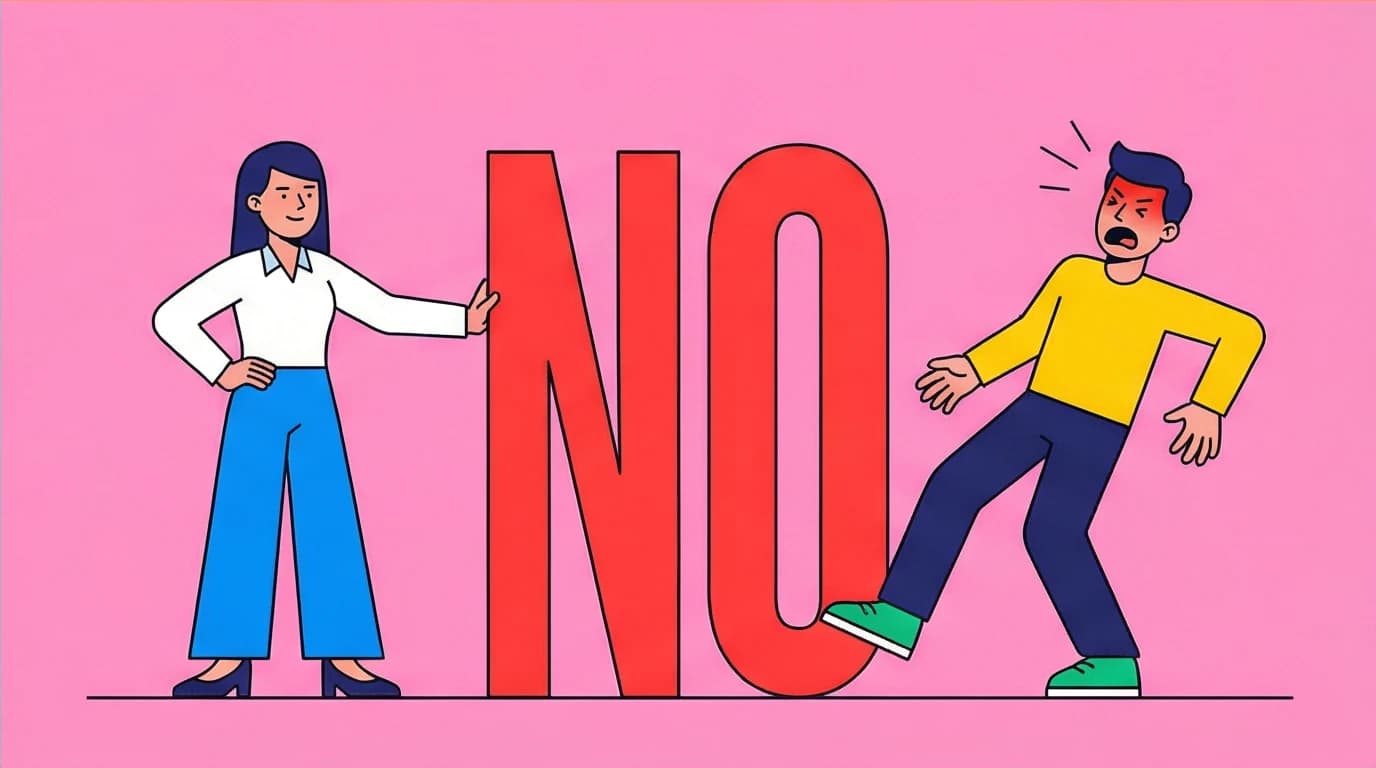
When you start drawing property lines, people who used to camp out on your lawn for free are going to be upset. Expect them to call you selfish. Expect them to test the boundary to see if you actually mean it. Hold firm. Their anger is not your responsibility.
4. Start Small
Do not attempt to overhaul your marriage, quit your job, and cut off your toxic parents all on a Tuesday. Start with low-stakes environments. Say no to a minor favor from a casual acquaintance. Send a dish back at a restaurant if it is cold. Build your boundary muscles slowly.
Do not attempt to overhaul your marriage, quit your job, and cut off your toxic parents all on a Tuesday. Start with low-stakes environments. Say no to a minor favor from a casual acquaintance. Send a dish back at a restaurant if it is cold. Build your boundary muscles slowly.
Implementing these changes in your real, everyday life takes practice, and sometimes you need a modern, highly practical guide to help you stay on track. If you are ready to stop people-pleasing and want a straightforward, step-by-step approach to reclaiming your space, expanding your library with contemporary experts can give you that extra push. A fresh perspective on establishing healthy limits can provide the exact scripts you need to navigate awkward conversations with confidence and grace.
Set Boundaries, Find Peace
Nedra Glover Tawwab
29 Duration10 Key Points4.5 RateNow that you have a comprehensive summary and actionable steps, you might be curious about a more critical perspective. Understanding both the praise and the criticisms of the book can provide a well-rounded view before you decide to read it in full.
Frequently Asked Questions
Is there a fast way to digest the whole book without reading all the chapters?
Yes. If you need a rapid Boundaries Henry Cloud summary, focus strictly on the "10 Laws" outlined above. Those laws dictate the entire philosophy of the book. Once you master the Law of Responsibility and the Law of Sowing and Reaping, you can handle almost any interpersonal conflict.
Where can I find a Boundaries book PDF summary?
Many readers look for a Boundaries book PDF summary online to keep on their phones for quick reference. While you can find community-created PDFs and cheat sheets on platforms like Goodreads or Reddit, the best approach is to copy the "10 Laws" and the "Actionable Advice" from this page into your own notes app. This ensures you have the exact framework ready when a boundary issue arises.
Does setting boundaries make me a selfish person?
No. This is the most common misconception. Selfishness is demanding that others give up their resources to serve you. Boundaries are about protecting your own resources so you can actually give out of love and freedom, rather than resentment and burnout.
What do I do if someone gets angry when I set a boundary?
Let them be angry. You cannot control their reaction. If someone gets angry because you said "no," it proves they were only valuing you for what you could do for them, not for who you are. Acknowledge their frustration calmly ("I understand you are upset that I cannot help move your furniture this weekend"), but do not backtrack on your decision.