


You are exhausted from constantly saying "yes" when your brain is screaming "no." You saw this title trending on Amazon or spotted it on a shelf at Barnes & Noble, but you are skeptical. The self-help market is flooded with vague theories about self-love. Before you invest your weekend and your hard-earned money into another relationship guide, you need to know if this specific manual actually delivers practical results.
Here is a clear, evaluative breakdown of the core concepts, the valid critiques, and what you can expect if you decide to read it.
What is the Core Premise?
At its heart, the book defines a boundary as a personal property line that marks those things for which we are responsible. In other words, boundaries define who we are and who we are not.
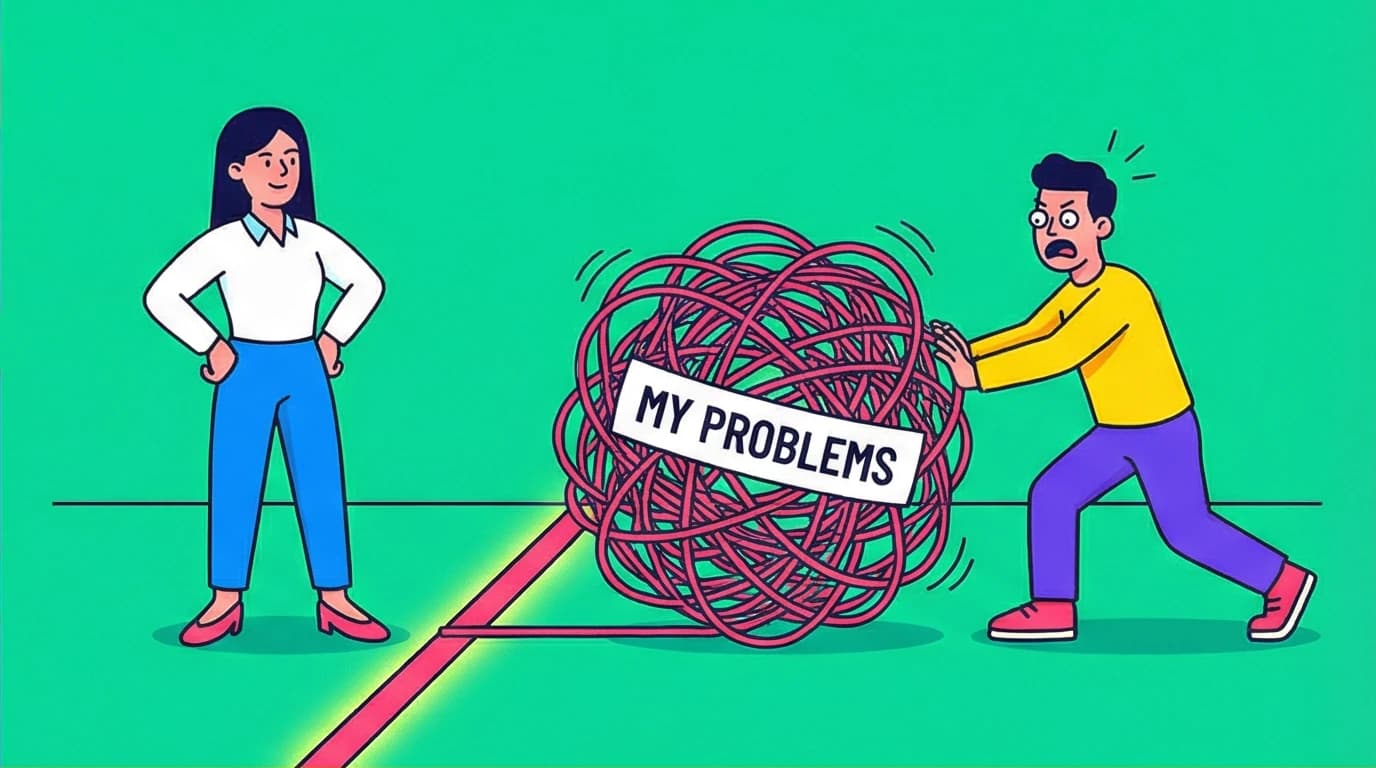
Dr. Cloud and Dr. Townsend argue that many psychological issues and relationship breakdowns stem from a lack of clear boundaries. People either take responsibility for other people's actions (often seen in codependent relationships) or expect others to take responsibility for theirs.
The authors break this down into specific, highly relatable areas:
- Family: Dealing with overbearing parents who treat you like a child.
- Friends: Managing friends who only call when they need a favor.
- Work: Setting limits with bosses who expect you to answer emails at 10 PM.
- Self: Establishing boundaries with your own destructive behaviors.
If you'd like a more detailed breakdown of these core ideas before committing, our chapter-by-chapter guide can give you a deeper look at the key takeaways.
If you are ready to stop taking on the heavy burden of other people's problems and want to define your own personal property lines, diving into the source material is the best place to start. Getting your hands on the actual book gives you the complete, unabridged blueprint for reclaiming your time, energy, and emotional well-being across all these core areas of your life.
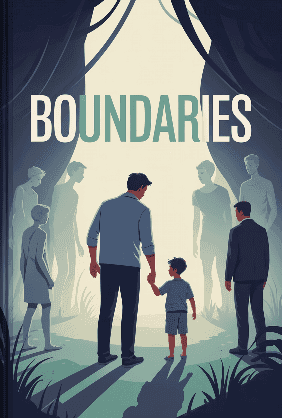
Boundaries
Dr. Henry Cloud and Dr. John Townsend
 47 Duration
 10 Key Points
 4.7 Rate
But if your schedule is exactly why you're struggling with boundaries in the first place, finding the time to read a full book can feel like another impossible demand. For those who need these key lessons on the go, there’s a more modern approach.

Absorb the core lessons from 'Boundaries' and other bestsellers in 15-minute audio or text summaries, perfect for learning during a commute or on a short break.

Download LeapAhead App now
The Honest Pros and Cons of Boundaries Book
No self-help book is perfect. To make an informed decision, you need to weigh what the book does brilliantly against where it falls short.
The Pros: Where the Book Shines
1. Highly Actionable Frameworks
Unlike abstract psychology books, this text gives you exact scripts. It explains the mechanics of confrontation and provides actual language you can use. You learn the difference between being "selfish" and being "stewardly" with your energy.
Unlike abstract psychology books, this text gives you exact scripts. It explains the mechanics of confrontation and provides actual language you can use. You learn the difference between being "selfish" and being "stewardly" with your energy.
2. The "Law of Sowing and Reaping"
One of the most valuable takeaways is this specific concept: if you constantly rescue a toxic person from the consequences of their behavior, you are interrupting the natural law of cause and effect. They never feel the pain of their actions; you do. Realizing this completely shifts how you view enabling behavior.
One of the most valuable takeaways is this specific concept: if you constantly rescue a toxic person from the consequences of their behavior, you are interrupting the natural law of cause and effect. They never feel the pain of their actions; you do. Realizing this completely shifts how you view enabling behavior.
This principle is just one part of a larger framework presented by the authors. For a complete overview of the core rules that govern healthy limits, it's worth exploring the entire set of principles they introduce.
Breaking the cycle of enabling toxic behavior is often easier said than done. If the concept of the "Law of Sowing and Reaping" resonates deeply with you, you might also be battling deeply ingrained codependent habits. For readers who want to further explore how to stop chronic caretaking and start prioritizing their own mental health, there is another highly acclaimed resource that pairs perfectly with this boundary-setting framework.
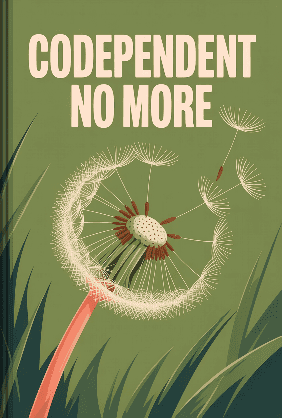
Codependent No More
Beattie Melody
19 Duration8 Key Points4.6 Rate
3. Direct Addressing of Guilt
In almost every Boundaries Henry Cloud review, readers highlight how effectively the authors dismantle false guilt. They clearly separate the act of hurting someone (doing them harm) from hurting someone's feelings (them being upset because you set a healthy limit).
In almost every Boundaries Henry Cloud review, readers highlight how effectively the authors dismantle false guilt. They clearly separate the act of hurting someone (doing them harm) from hurting someone's feelings (them being upset because you set a healthy limit).
Even when you logically know you aren't doing any real harm, the sheer anxiety of disappointing someone can still paralyze you. If dismantling that people-pleasing guilt is your primary hurdle, you might benefit from a targeted guide that focuses entirely on the mechanics of declining requests. For a highly practical, step-by-step approach to turning down favors without feeling like a terrible person, this next read is a fantastic supplement.
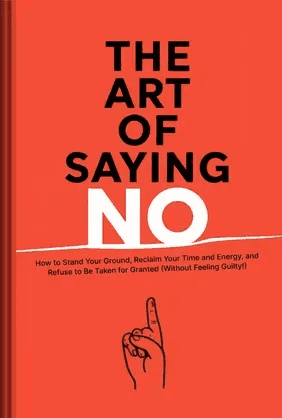
The Art of Saying NO
Damon Zahariades
16 Duration9 Key Points4.6 RateThe Cons: Valid Boundaries Book Criticism
1. Heavy Biblical Integration
This is the single most common Boundaries book criticism found on Goodreads and Audible. The authors are Christian psychologists. Every chapter, concept, and psychological framework is backed by scripture. If you are looking for a strictly secular, a clinically driven psychology book, the constant Bible quotes will feel jarring and potentially alienating.
This is the single most common Boundaries book criticism found on Goodreads and Audible. The authors are Christian psychologists. Every chapter, concept, and psychological framework is backed by scripture. If you are looking for a strictly secular, a clinically driven psychology book, the constant Bible quotes will feel jarring and potentially alienating.
If this is your main hesitation, you may want to explore this topic further to decide if the book is right for you.

2. Outdated Cultural Contexts
First published in the 1990s, some of the examples surrounding gender roles and marriage dynamics feel a bit traditional. While the core psychological concepts remain rock solid, modern readers might find a few of the situational examples slightly out of touch with contemporary family structures.
First published in the 1990s, some of the examples surrounding gender roles and marriage dynamics feel a bit traditional. While the core psychological concepts remain rock solid, modern readers might find a few of the situational examples slightly out of touch with contemporary family structures.
3. Victim-Blaming Risks in Extreme Situations
Critics point out that while the boundary framework works wonders for annoying friends or overbearing parents, applying it strictly to situations involving severe domestic abuse can border on victim-blaming. The book assumes both parties are operating with a baseline of rationality, which is not always true in highly toxic or dangerous environments.
Critics point out that while the boundary framework works wonders for annoying friends or overbearing parents, applying it strictly to situations involving severe domestic abuse can border on victim-blaming. The book assumes both parties are operating with a baseline of rationality, which is not always true in highly toxic or dangerous environments.
The Final Verdict: Is Boundaries Worth Reading?
The short answer: Yes, for the right audience.
If you are struggling with codependency, feeling completely burned out at work, or constantly feeling guilty for trying to protect your own schedule, this book is a foundational text. It provides the exact structural tools you need to build emotional fences.
Who should buy it immediately:
- People-pleasers who feel trapped by guilt.
- Christian readers looking for relationship advice that aligns with their faith.
- Anyone dealing with a highly demanding family dynamic.
Who should skip it (or read with caution):
- Readers who have a strong aversion to religious texts or Christian theology.
- Individuals currently in severe, abusive relationships who need clinical intervention rather than a self-help framework.
If the religious aspect bothers you but you still need the boundary-setting framework, you might want to look into secular alternatives like Set Boundaries, Find Peace by Nedra Glover Tawwab. However, if you can filter the psychological gold from the theological delivery, the principles in this book are life-changing.
As mentioned, if you prefer a strictly secular, clinically driven approach, you certainly do not have to miss out on learning how to advocate for yourself. Nedra Glover Tawwab's modern masterpiece strips away the religious framing and delivers incredibly sharp, relatable, and culturally updated advice for drawing a line in the sand. It is arguably the best alternative on the market today for readers seeking a faith-free boundary manual.
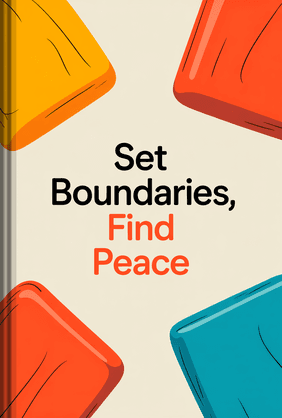
Set Boundaries, Find Peace
Nedra Glover Tawwab
29 Duration10 Key Points4.5 RateWith so many powerful recommendations, it's easy to feel motivated but also overwhelmed by a growing to-read list. If you want to absorb the key ideas from all these books and start applying them now, not months from now, an app like LeapAhead can help you get started immediately.
Quickly get the main takeaways from books like 'Boundaries' and its alternatives, helping you clear your 'reading debt' and turn valuable insights into immediate action.
Download LeapAhead App now
FAQ
Does the book offer practical value for non-Christians?
Yes. While the framework is built on Christian theology, the psychological principles—identifying manipulation, stopping enabling behaviors, and utilizing direct communication—are universally applicable. Many secular readers treat the scripture as metaphorical support and still extract immense value from the behavioral advice.
Yes. While the framework is built on Christian theology, the psychological principles—identifying manipulation, stopping enabling behaviors, and utilizing direct communication—are universally applicable. Many secular readers treat the scripture as metaphorical support and still extract immense value from the behavioral advice.
Should I get the physical book or listen on Audible?
Because the book contains a lot of lists, specific laws (like the 10 Laws of Boundaries), and conversational scripts, a physical copy or an eBook is usually better. It allows you to highlight phrases and reference specific scenarios when you are actually facing a boundary violation.
Because the book contains a lot of lists, specific laws (like the 10 Laws of Boundaries), and conversational scripts, a physical copy or an eBook is usually better. It allows you to highlight phrases and reference specific scenarios when you are actually facing a boundary violation.
Does it cover workplace boundaries?
Yes. There is a dedicated section on setting limits in the workplace. It covers handling coworkers who drop their responsibilities onto your desk and dealing with management that expects you to work well beyond your designated hours.
Yes. There is a dedicated section on setting limits in the workplace. It covers handling coworkers who drop their responsibilities onto your desk and dealing with management that expects you to work well beyond your designated hours.