

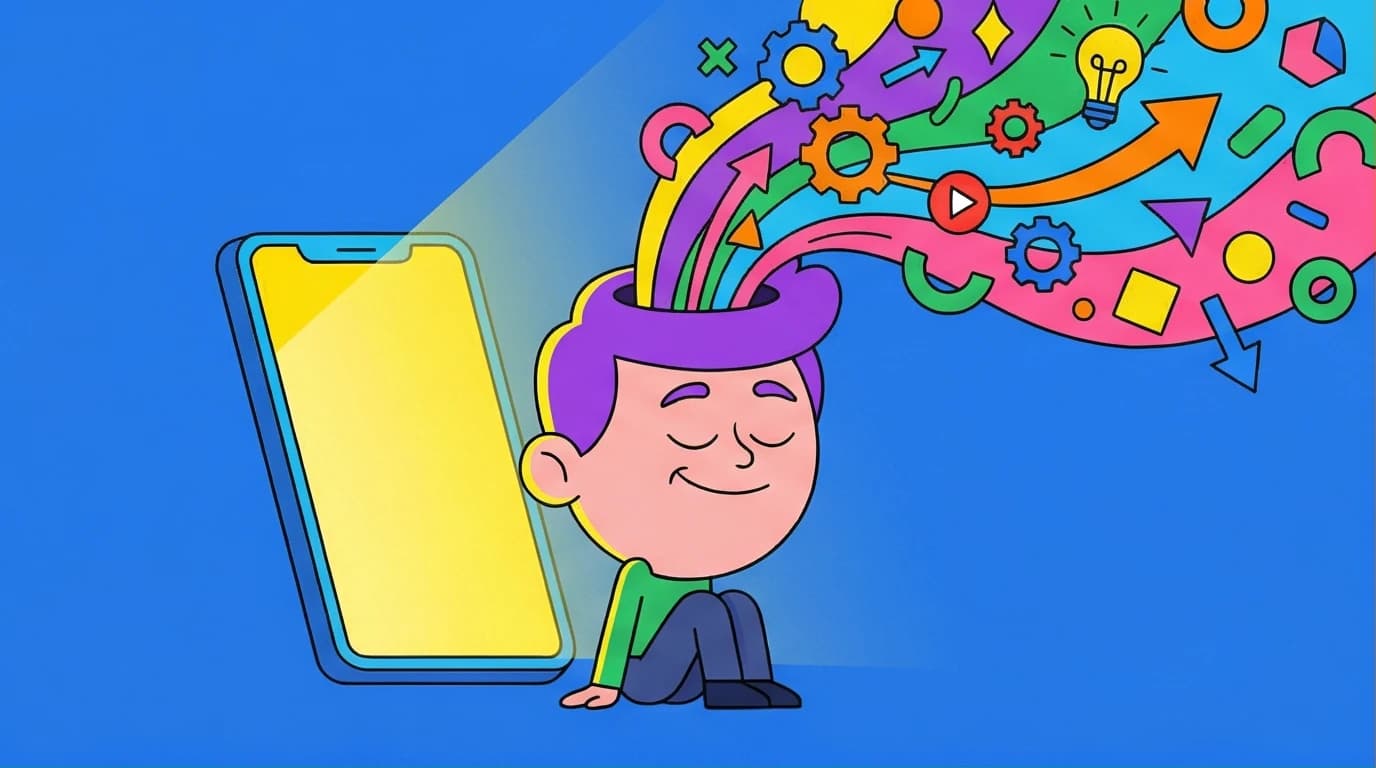
You stare at the growing stack of non-fiction hardcovers on your nightstand. You know you should read them, but finding three uninterrupted hours just isn't happening. Between the morning commute, back-to-back work meetings, and managing a household, your actual reading time is practically zero. Worse, when you finally crack open a popular business book, you quickly realize the author stretched a single good idea into 300 pages of repetitive fluff. You need a way to extract the meat of a book without chewing through the filler.
Manual skimming takes practice, energy, and still requires you to buy the full book. Instead of forcing yourself to speed-read, you can offload the heavy lifting to dedicated platforms. We are going to break down the exact digital tools you need to reclaim your time, filter out the noise, and actually apply the knowledge you want.
While these apps provide an excellent technological shortcut, understanding the foundational skill they are built on is also valuable. If you want to improve your ability to quickly grasp the core arguments of any text, mastering the manual technique is a great place to start.
Why Relying on a Read Non Fiction FasterApp is the Smart Move
The traditional reading model is broken for busy professionals. You hear a great recommendation on a podcast, immediately open Amazon, and order the hardcover. A week later, it arrives, you read the first two chapters, get the main concept, and the book sits on a shelf forever. You just spent $25 and two hours to learn something you could have grasped in ten minutes.
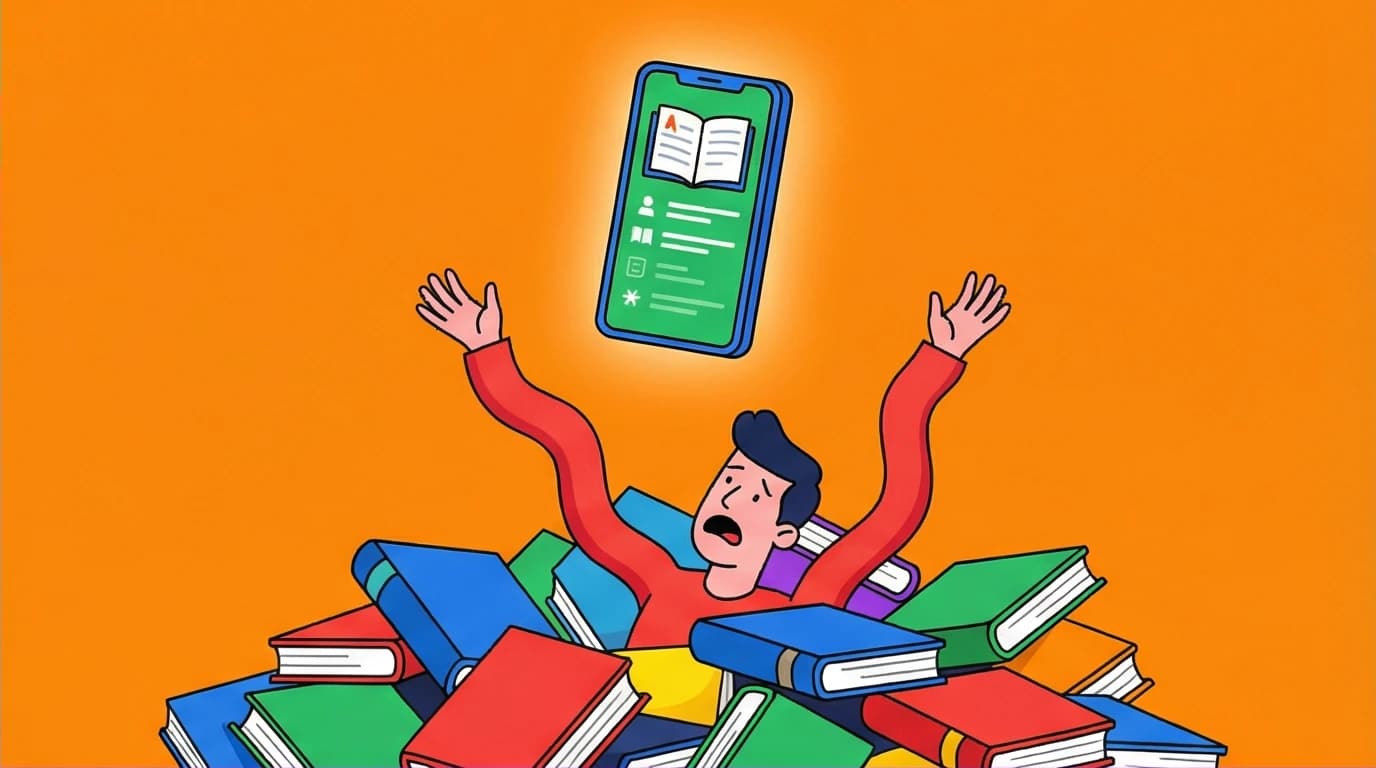
This is where the market for the best book summary apps steps in. These platforms employ dedicated researchers and editors to strip away the anecdotes and repetitive case studies, leaving only the actionable frameworks. Using these tools provides three massive advantages:
- Vetting Before Buying: You can use these apps to test-drive a book's core concepts. If the summary blows your mind, you can confidently walk into Barnes & Noble or go on Apple Books to buy the full version. If the summary is enough, you just saved yourself 10 hours and twenty bucks.
- Capitalizing on Dead Time: We all have 15-minute pockets of dead time. Waiting in the school pickup line, riding the subway, or driving five miles to the grocery store. High-quality audio book summaries turn this dead time into aggressive learning.
- High Information Retention: Because the fluff is removed, you are exposed exclusively to high-density information. Many of these apps include interactive quizzes, spaced repetition, and digital highlighters that sync with your existing note-taking systems.
If you are trying to cut out the fluff and focus only on the information that truly matters, you might be interested in fundamentally changing how you view your time and energy. One of the best ways to complement your new skimming habit is by learning to identify what is actually essential in your life and career. For a brilliant deep dive into doing less but achieving better results by filtering out the noise, this book is a must-read (or must-skim).
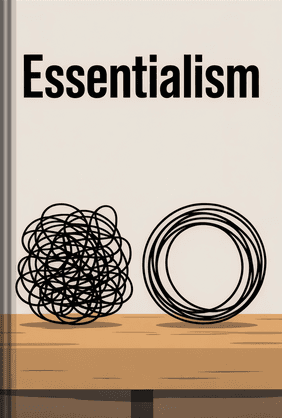
Essentialism
Greg McKeown
 32 Duration
 10 Key Points
 4.6 Rate
LeapAhead

Turn your commute into a micro-learning session with 15-minute book summaries from LeapAhead.
The Top Apps That Summarize Books: A Breakdown
Not all summary tools are created equal. Some prioritize massive libraries, others focus on deep critical analysis, and some lean heavily into gamification. Here is the definitive list of apps to skim books based on your specific learning style.
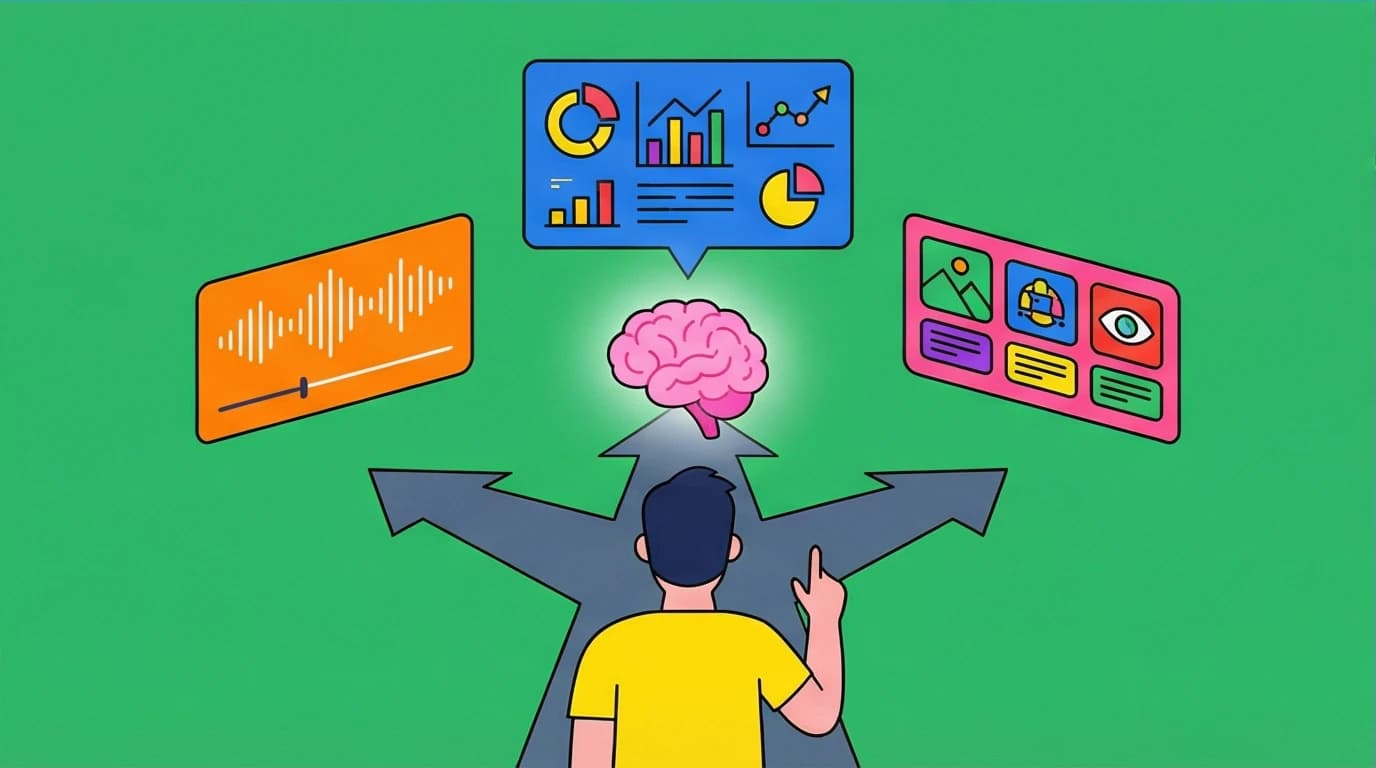
1. Blinkist: The Commuter’s Best Friend
Blinkist is the undisputed pioneer in the space. With a library of over 6,500 non-fiction titles, it breaks down books into short audio and text chapters called "Blinks."
- How it works: Each book is distilled into 7 to 15 Blinks. You can read the text on your phone or listen to the audio track. The narration is done by real humans, providing a premium, podcast-like experience.
- Best feature: "Shortcasts." Blinkist recently partnered with top podcast creators to summarize long-form podcast episodes, which is perfect if you do not have two hours to listen to an entire interview.
- Why it fits your routine: If your primary goal is to consume audio book summaries while driving or running on the treadmill, Blinkist offers the smoothest, most reliable interface.
2. Shortform: For the Analytical Thinker
If Blinkist is a quick briefing, Shortform is a masterclass. Many apps that summarize books barely scratch the surface, offering bullet points that lack context. Shortform takes a completely different approach by writing comprehensive, multi-page guides.
- How it works: Instead of just summarizing, Shortform restructures the book's arguments logically. They also provide commentary, pointing out where the author's logic might be flawed, and compare the ideas to other books in the same genre.
- Best feature: Interactive exercises. At the end of every major concept, Shortform prompts you with questions to apply the framework directly to your own life or business.
- Why it fits your routine: This is the ultimate read non fiction faster app for people who actually want to master the material. It bridges the gap between skimming a quick summary and spending a week reading the original text.
Shortform’s focus on exercises and active recall aligns perfectly with the science of learning. Simply reading—or even skimming—isn't enough if you want the frameworks to stick in your long-term memory. If you want to understand exactly how your brain encodes and retrieves information, mastering the art of learning itself is the ultimate productivity hack. To discover the proven techniques for retaining complex knowledge and making your learning stick, check out this fascinating guide.
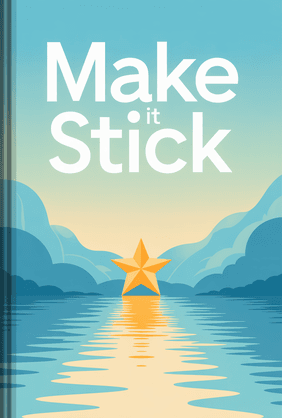
Make It Stick
Peter C. Brown, Mark A. McDaniel, Ph.D., Henry L. Roediger III, Ph.D.
18 Duration8 Key Points4.6 Rate3. Headway: For the Visual Learner
Headway has exploded in popularity by focusing heavily on user interface, gamification, and visual learning aids.
- How it works: It provides 15-minute summaries of top non-fiction books, but it integrates daily streaks, customized reading challenges, and beautifully designed infographics that explain complex concepts.
- Best feature: Spaced Repetition feature. You can save key insights as flashcards, and the app will prompt you to review them days or weeks later to ensure the knowledge actually sticks.
- Why it fits your routine: If you struggle with consistency and need a little psychological push to open a learning app instead of scrolling social media, Headway’s engaging design makes building a daily reading habit effortless.
4. LeapAhead: For Building a Sustainable Learning Habit
LeapAhead positions itself as a structured learning system designed to combat reading fatigue. With a massive library of over 30,000 titles, it delivers key ideas from nonfiction bestsellers in 15-minute audio or text summaries, but its real strength lies in its personalization and habit-forming tools.
- How it works: After an initial assessment of your goals, LeapAhead creates a personalized learning plan. It organizes books into themed "learning albums" that solve specific pain points, like career growth or improving relationships, giving you a clear path instead of random suggestions.
- Best feature: Personalized learning plans. The app’s ability to curate book collections and set daily study goals based on your specific needs helps turn learning into a low-pressure, sustainable routine rather than another chore on your to-do list.
- Why it fits your routine: This is the ideal app for those who feel overwhelmed and struggle with consistency. Its mobile-first design is perfect for on-the-go learning, but like most summary apps, it won't replace deep academic reading.
5. getAbstract: The Corporate Powerhouse
Originally designed for massive corporate teams, getAbstract boasts an astonishing library of over 25,000 summaries, including books, financial reports, TED talks, and economic articles.
- How it works: Every summary is rigidly structured into exactly 5 pages or a 10-minute audio track. They rank books on a 1-10 scale based on applicability, innovation, and style.
- Best feature: Channel curation. You can follow specific channels curated by industry experts, ensuring you are only fed the most relevant leadership, finance, or tech insights.
- Why it fits your routine: If you are an ambitious professional looking to stay ahead of industry trends and need to reference niche business books that consumer-level apps ignore, getAbstract is unparalleled.
The inclusion of articles in getAbstract's library highlights an important point: the principles of speed reading are not just for books. For professionals who need to stay on top of industry news and research, knowing how to process long-form online content is equally crucial.
6. StoryShots: The Best Free Tier
If you are hesitant to commit to a $100 annual subscription right away, StoryShots is the perfect entry point.
- How it works: It aggregates the best book summaries and offers them in text, audio, and even animated video formats.
- Best feature: The sheer variety of media formats. If you learn best by watching a quick whiteboard animation of a book's core concepts, StoryShots provides that alongside traditional text.
- Why it fits your routine: It allows you to experiment with the workflow of a summary app without opening your wallet.
How to Build the Ultimate 15-Minute Skimming Workflow
Downloading the app is only step one. To truly maximize the return on your time, you need to build a system around these tools. Here is how highly productive people use these platforms to absorb knowledge.
The "Audible to App" Verification Strategy
Never waste an Audible credit or $20 on Amazon blindly again. Keep a running wishlist on Goodreads. When a book catches your eye, look it up on your summary app first. Spend 15 minutes listening to the summary while making your morning coffee. If the concepts are profound and demand deeper exploration, buy the full version. If the summary covers everything you need to know, check it off your list and move on.
Habit Stacking Your Commute
Connect your learning to a habit you already do every single day. If your morning commute is a 20-minute drive, do not listen to the morning news. Connect your phone to the car via Bluetooth, open Blinkist or Headway, and queue up two audio book summaries. By the time you pull into the office parking lot, you have essentially consumed the core thesis of two entire books. You arrive at work mentally stimulated with fresh ideas.
The concept of "habit stacking" your commute is incredibly powerful, but actually sticking to it requires a strategic approach to behavior change. It is easy to plan on listening to a summary, but much harder to resist the temptation of your favorite playlist when you get behind the wheel. If you want to learn the exact science behind building unbreakable routines and making small, incremental changes that lead to massive long-term results, you will want to add this modern classic to your reading list.

Atomic Habits
James Clear
26 Duration8 Key Points4.7 RateLeapAhead
Build a consistent learning habit that fits your life. Try LeapAhead to get key insights from bestsellers in minutes.
Digital Highlighting for Long-Term Retention
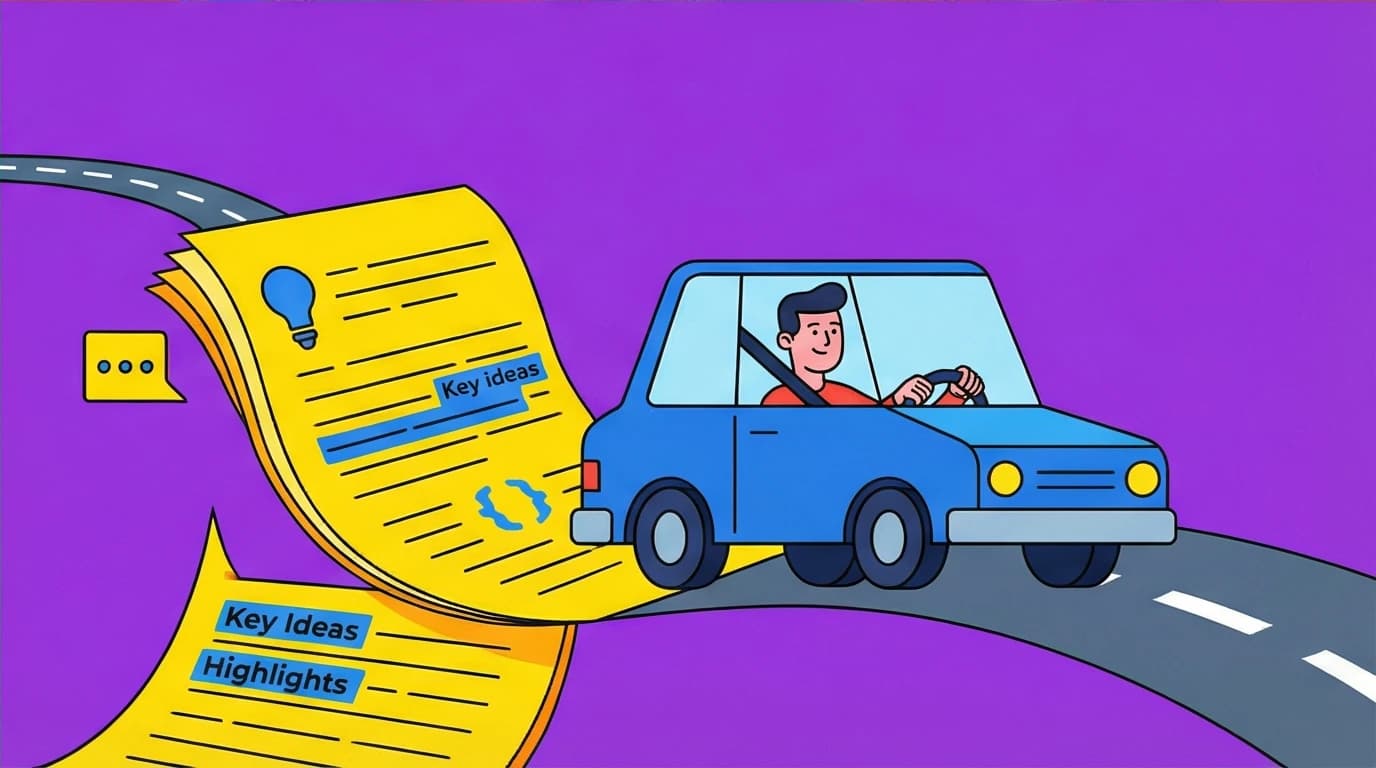
Do not just passively consume. When using apps like Shortform, aggressively highlight key insights. Most premium summary apps allow you to export your highlights directly to Evernote, Notion, or Readwise. This creates a personal, searchable database of knowledge. Next time you need to write a presentation or solve a management issue, you can instantly search your database for the exact framework you skimmed three months ago.
Avoid This Common Trap: The Illusion of Competence
While these tools are incredibly powerful, you must avoid the illusion of competence. Listening to a 15-minute summary of a complex book on macroeconomics does not make you an economist.
These apps are designed for efficiency and exposure, not deep mastery of highly technical subjects. They excel at extracting frameworks from self-help, business, marketing, and productivity books—genres notorious for excessive filler. For dense, philosophical, or highly technical texts, use the summary as a map to navigate the full book, not as a complete replacement.
This is especially true for academic material. While a summary app can provide a high-level overview, a different set of strategies is required when you need to get through required reading for college or a certification program.
Stop letting your lack of free time keep you from the knowledge you need. The modern world moves too fast to spend a month reading a single business book. By integrating the right app into your daily routine, you can turn your fragmented time into a massive competitive advantage.
While book summary apps are phenomenal for quick exposure, true mastery requires sustained, uninterrupted focus. In a world full of notifications, fast-paced apps, and constant distractions, the ability to concentrate deeply on a single, complex task is becoming a rare and highly lucrative skill. If you are ready to balance your quick 15-minute summary sprints with intense, distraction-free sessions that produce meaningful career breakthroughs, this insightful read will show you exactly how to cultivate that focus.
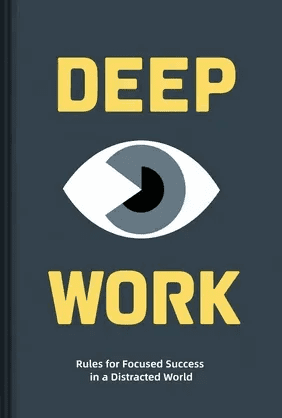
Deep Work
Cal Newport
47 Duration8 Key Points4.6 RateFAQ
Are book summary apps actually worth the money?
Yes, if you use them to replace the cost of buying unread books. Most premium apps cost between $60 and $100 per year. If an app saves you from buying just four $25 hardcover books that you would have abandoned after chapter two, it has completely paid for itself, not to mention the hours of time saved.
Yes, if you use them to replace the cost of buying unread books. Most premium apps cost between $60 and $100 per year. If an app saves you from buying just four $25 hardcover books that you would have abandoned after chapter two, it has completely paid for itself, not to mention the hours of time saved.
Do these apps replace actual reading?
For about 80% of business, productivity, and self-help books, yes. These genres often rely on one core concept padded with repetitive case studies. However, for biographies, dense philosophical works, or books where the narrative and prose matter, these apps should be used to preview the book before committing to the full text.
For about 80% of business, productivity, and self-help books, yes. These genres often rely on one core concept padded with repetitive case studies. However, for biographies, dense philosophical works, or books where the narrative and prose matter, these apps should be used to preview the book before committing to the full text.
Can I get audio versions of the summaries?
Absolutely. The top platforms like Blinkist, Headway, and getAbstract all feature high-quality audio book summaries. They are narrated by professional voice actors, allowing you to listen seamlessly while driving, working out, or doing household chores.
Absolutely. The top platforms like Blinkist, Headway, and getAbstract all feature high-quality audio book summaries. They are narrated by professional voice actors, allowing you to listen seamlessly while driving, working out, or doing household chores.
Which app is best for reading fiction?
None of them. The tools mentioned above are strictly designed as apps to skim books in the non-fiction space. Distilling a novel into 15 minutes destroys the narrative arc, character development, and prose that make fiction worth reading. If you want to consume fiction faster, your best option is listening to full fiction audiobooks on Audible at 1.5x speed.
None of them. The tools mentioned above are strictly designed as apps to skim books in the non-fiction space. Distilling a novel into 15 minutes destroys the narrative arc, character development, and prose that make fiction worth reading. If you want to consume fiction faster, your best option is listening to full fiction audiobooks on Audible at 1.5x speed.