

You are tired of relationship drama, constant anxiety over text replies, or feeling smothered by partners who demand too much closeness. You know your relationship patterns need fixing, but you do not have the time to read a 300-page psychology book. You want answers now. You need to know why your partner pulls away exactly when things are going great, or why you panic the moment they ask for space. This breakdown gives you exactly what you need to understand your behavior, decode your partner's actions, and make better romantic choices today.
And if you want to absorb key insights from other life-changing psychology books but simply don't have the hours, there are ways to learn smarter.


LeapAhead

Listen to or read the core ideas from bestselling psychology books in just 15 minutes, helping you fix relationship patterns on a busy schedule.

What is Adult Attachment Theory?
If you are looking for a comprehensive attached amir levine summary, you first need to understand the underlying premise of the book. Attachment theory is not a new pop-psychology trend. It traces back to the 1950s when British psychologist John Bowlby observed how infants bond with their mothers.
Dr. Amir Levine and Rachel Heller took this foundational science and applied it to adult romantic relationships. The core message of Attached is simple: humans are biologically wired to depend on a significant other. The idea that we should be completely independent and self-sufficient in a relationship is a myth. Our brains treat our romantic partners as a secure base. When that base is unstable, our survival instincts kick in.
The book categorizes people into three main attachment styles: Anxious, Avoidant, and Secure. Understanding these styles is the ultimate cheat code for navigating the modern dating world.
Before you can fix your relationship patterns, you first need to identify them. If you're curious about where you fall on the attachment spectrum, a quiz can offer valuable insights into your behavior.
The Three Adult Attachment Styles
To fix your relationship dynamics, you must diagnose the attachment style you and your partner operate under. The authors argue that your style is formed by a combination of genetics and early childhood experiences, but it is not set in stone.
1. The Anxious Attachment Style
People with an anxious attachment style crave profound intimacy and are highly sensitive to any perceived threats in the relationship. They constantly worry about their partner's availability and love.
Core Traits:
- You need constant reassurance.
- You take your partner's moods or actions highly personally.
- You possess a highly sensitive "attachment system" that acts like an internal radar, constantly scanning for signs of rejection.
Activating Strategies:
When an anxious person's attachment system is triggered (e.g., a partner takes five hours to reply to a text), they use "activating strategies" to re-establish closeness.
When an anxious person's attachment system is triggered (e.g., a partner takes five hours to reply to a text), they use "activating strategies" to re-establish closeness.
- Thinking about the partner constantly and struggling to focus on anything else.
- Believing this person is their only chance for love.
- Putting the partner on a pedestal and ignoring their flaws.
Protest Behavior:
If activating strategies do not work, anxious individuals resort to protest behavior. This is an attempt to get the partner's attention, often resulting in destructive outcomes.
If activating strategies do not work, anxious individuals resort to protest behavior. This is an attempt to get the partner's attention, often resulting in destructive outcomes.
- Excessive attempts to connect: Calling, texting, or showing up at their workplace.
- Withdrawing: Giving the silent treatment, waiting to see how long it takes the partner to reach out.
- Keeping score: "I paid for dinner last time, so I won't call until they do."
- Acting hostile: Rolling eyes, leaving the room, or picking fights over minor issues.
- Threatening to leave: Saying "We are done" just to hear the partner beg them to stay.
2. The Avoidant Attachment Style
People with an avoidant attachment style equate intimacy with a loss of independence. They want love, but the moment a relationship gets too close, they feel suffocated and actively push their partner away.
Core Traits:
- You send mixed signals.
- You value your independence above all else.
- You often feel your partner is "too needy" or wants too much from you.
Deactivating Strategies:
Avoidants use "deactivating strategies" to maintain emotional distance. These are subconscious maneuvers designed to keep a partner at arm's length.
Avoidants use "deactivating strategies" to maintain emotional distance. These are subconscious maneuvers designed to keep a partner at arm's length.
- Saying or thinking "I'm not ready to commit" while staying in a relationship for years.
- Focusing on small imperfections (the way a partner eats, a slight physical flaw, the way they organize their desk) to justify pulling away.
- Pining after a "phantom ex"—an idealized past partner who prevents them from committing to someone new.
- Flirting with others to introduce insecurity into the current relationship.
- Pulling away immediately after a period of intense closeness.
- Keeping secrets to maintain a sense of absolute independence.
3. The Secure Attachment Style
Secure individuals are comfortable with intimacy and are usually warm and loving. They make up over 50% of the population, but they are rarely found in the dating pool because once they enter a relationship, they tend to stay in it.
Core Traits:
- They naturally communicate their needs and feelings.
- They do not play games.
- They forgive easily and do not hold grudges.
- They are reliable and consistent.
Many an attached book review highlights a harsh reality: anxious people often find secure people "boring." Because secure people do not trigger the anxious person's attachment system, there is no emotional roller coaster. The anxious person mistakes the lack of drama for a lack of chemistry.
As Dr. Levine and Rachel Heller point out, your attachment style is heavily influenced by your early childhood experiences. If you constantly find yourself falling into anxious or avoidant patterns, it might be rooted in how your caregivers responded to your emotional needs growing up. For readers wanting to unpack that past baggage and understand why they struggle with intimacy today, exploring the lingering impact of emotionally unavailable parents is a game-changer. It is the first step toward breaking toxic cycles and rebuilding your self-esteem before you even open a dating app.
Adult Children of Emotionally Immature Parents
Lindsay C. Gibson, Psy.D.
 39 Duration
 8 Key Points
 4.6 Rate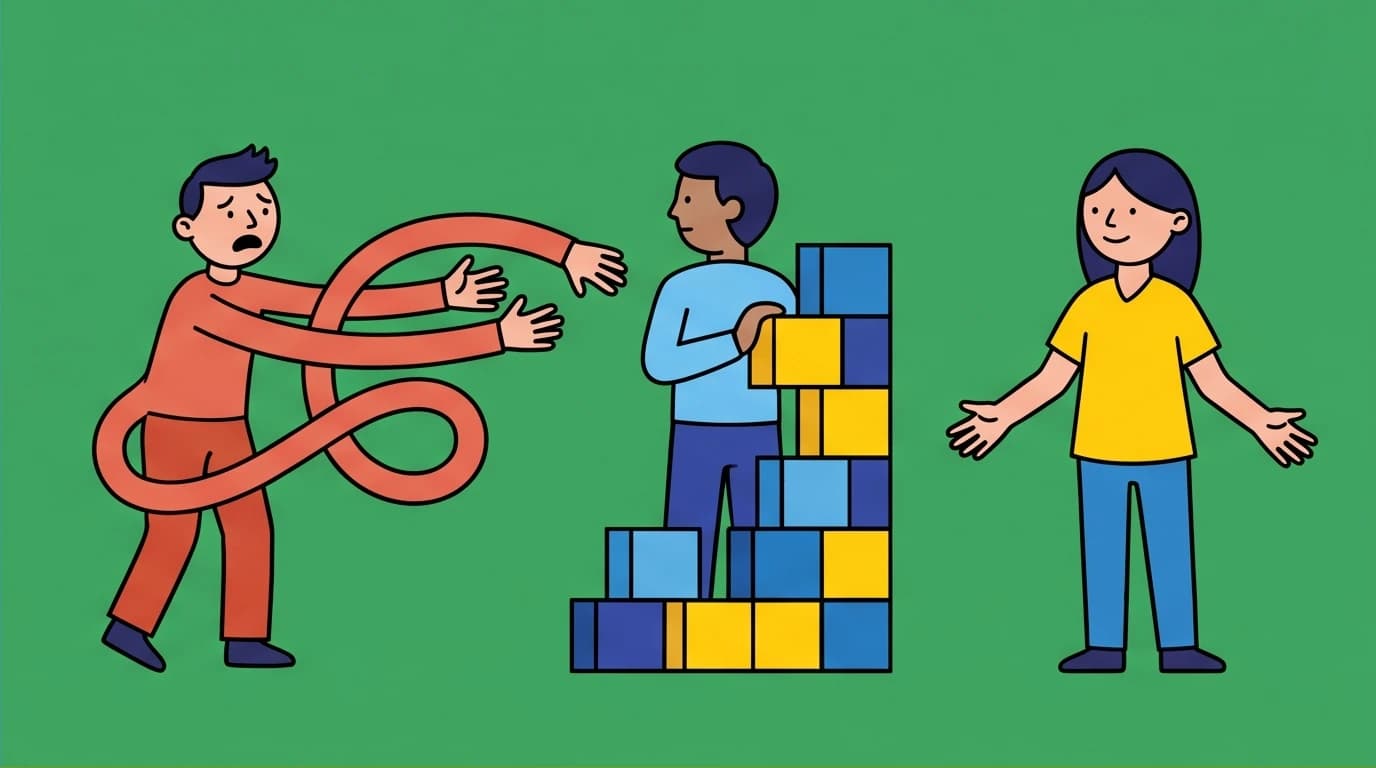
The Anxious-Avoidant Trap
One of the most critical concepts in the book is the Anxious-Avoidant Trap. This is a toxic relationship dynamic where an anxious person and an avoidant person are drawn to each other, creating a relentless cycle of misery.
Why They Attract:
The avoidant's need for distance triggers the anxious partner's need for closeness. The anxious partner works harder to get close, which makes the avoidant partner run a hundred miles in the opposite direction.
The avoidant's need for distance triggers the anxious partner's need for closeness. The anxious partner works harder to get close, which makes the avoidant partner run a hundred miles in the opposite direction.
The Cycle:
- The Chase: The anxious partner pushes for intimacy.
- The Retreat: The avoidant partner feels suffocated and withdraws emotionally or physically.
- The Panic: The anxious partner's attachment system goes into overdrive, leading to extreme protest behavior.
- The Reconnection: The avoidant partner finally feels enough space has been established and re-engages.
- The Illusion: Things feel perfect again for a short time, convincing both partners the relationship can work.
This cycle is addictive. The extreme highs and lows mimic the symptoms of passionate love, but it is entirely dysfunctional. Levine and Heller warn that if you are anxious, you must consciously avoid dating avoidants. You cannot change them, and the dynamic will drain your energy.
This dynamic is one of the most common reasons for relationship turmoil. For a more detailed look at the signs and practical steps to break free, it helps to dive deeper into this specific pairing.
Finding yourself stuck in the anxious-avoidant trap can feel incredibly isolating, but you do not have to navigate it alone. If you recognize this destructive cycle in your own romance and want to learn how to foster a secure, lasting connection, exploring Emotionally Focused Therapy (EFT) is a fantastic next step. EFT is built entirely on the science of adult attachment. By understanding how to have safe, vulnerable conversations, you can stop the endless cycle of chasing and retreating, and start building a secure emotional haven with your partner.
Hold Me Tight
Dr. Sue Johnson
26 Duration10 Key Points4.6 Rate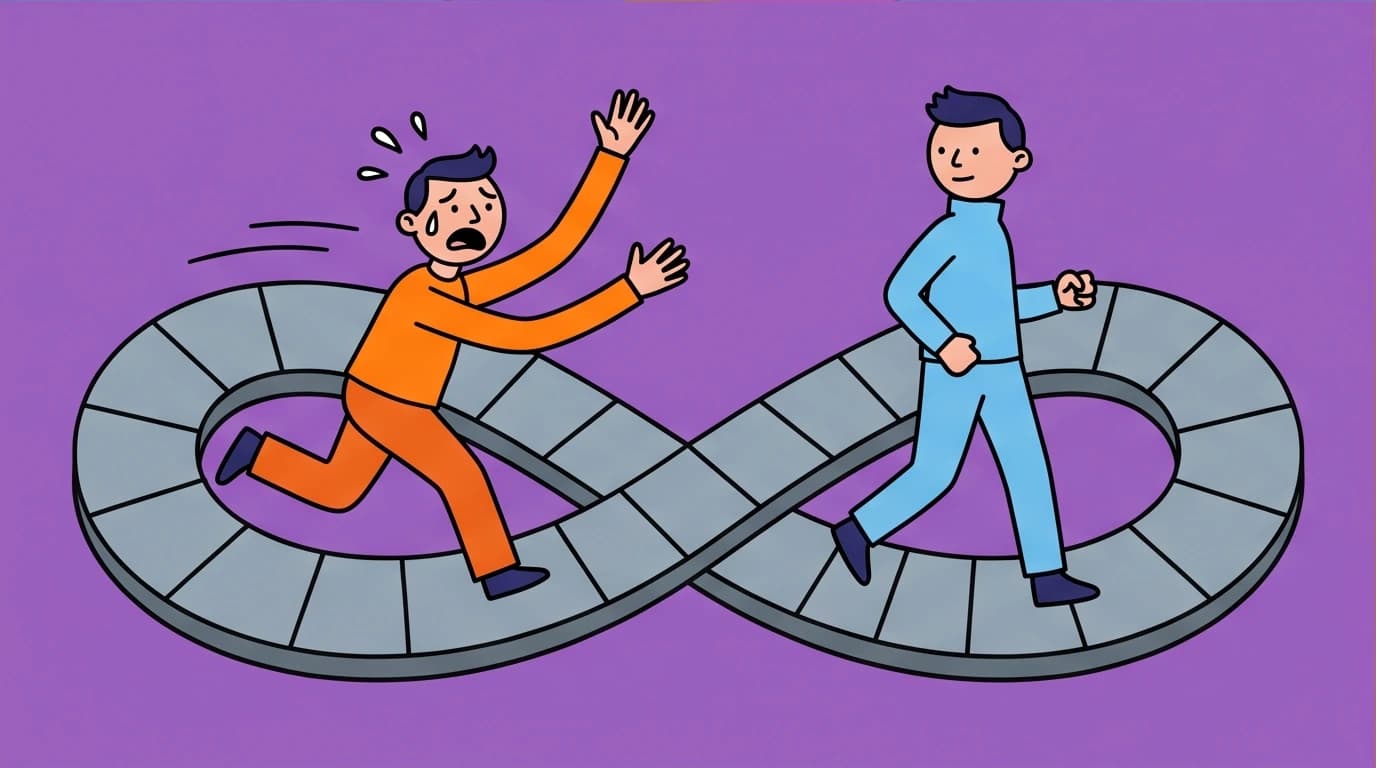
Attached Book Key Takeaways
If you want to apply the science immediately, here are the most critical attached book key takeaways to implement in your dating life.
1. Acknowledge and Accept Your Needs
Stop pretending you are cool with a casual relationship if you actually want a serious commitment. If you have an anxious attachment style, you need a partner who provides consistency and reassurance. Do not apologize for this. Your needs are valid.
Stop pretending you are cool with a casual relationship if you actually want a serious commitment. If you have an anxious attachment style, you need a partner who provides consistency and reassurance. Do not apologize for this. Your needs are valid.
2. Learn to Use Effective Communication
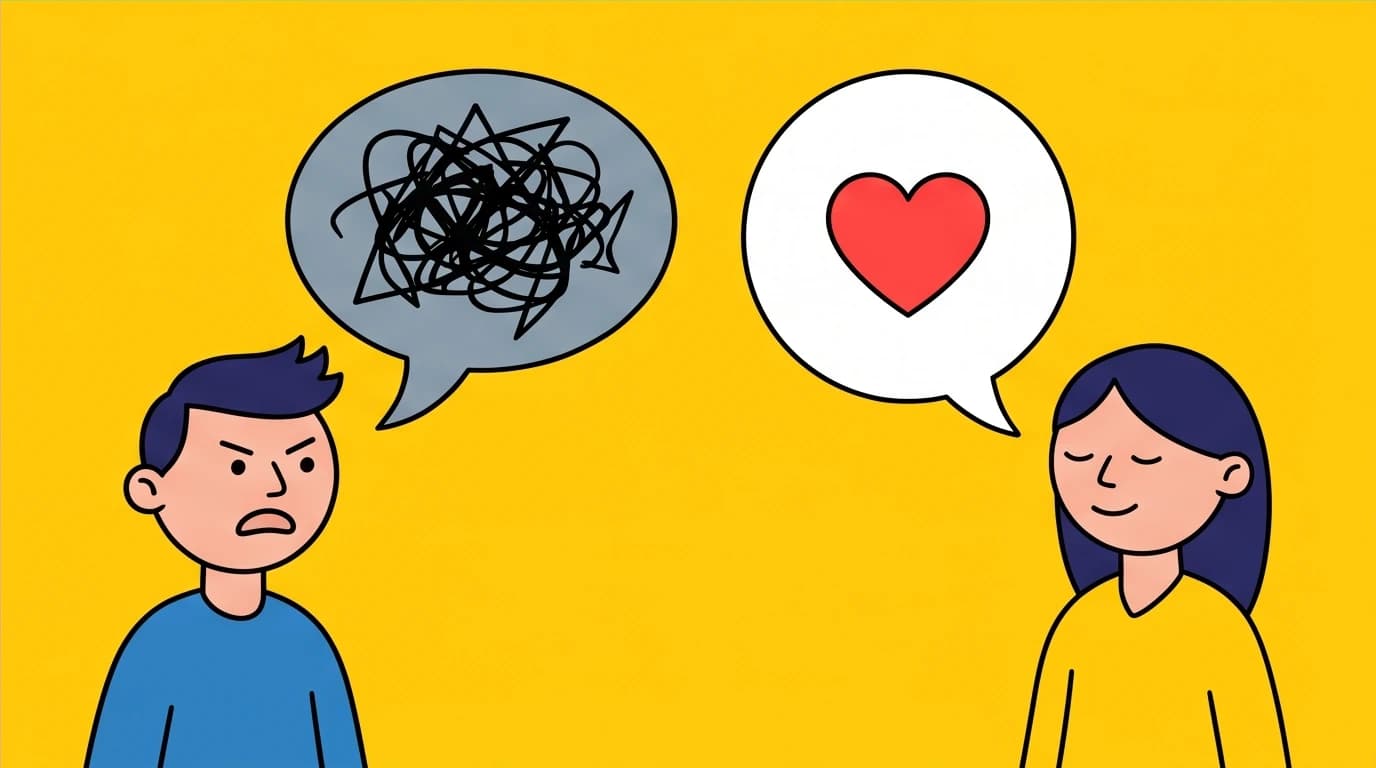
When you feel triggered, do not resort to protest behavior. Use direct, non-blaming language to express your needs. Levine and Heller call this "Effective Communication."
Instead of giving the silent treatment when your partner ignores your texts, say: "When you go completely silent for a day, I feel anxious. I need a partner who communicates regularly."
How they respond to this tells you everything. A secure partner will apologize and try to fix it. An avoidant partner will call you needy and defensive.
When you feel triggered, do not resort to protest behavior. Use direct, non-blaming language to express your needs. Levine and Heller call this "Effective Communication."
Instead of giving the silent treatment when your partner ignores your texts, say: "When you go completely silent for a day, I feel anxious. I need a partner who communicates regularly."
How they respond to this tells you everything. A secure partner will apologize and try to fix it. An avoidant partner will call you needy and defensive.
3. Date Secure People
If you are anxious or avoidant, your best chance at a healthy relationship is to find a secure partner. Secure partners act as an emotional anchor. Over time, a secure partner can help an anxious or avoidant person become more secure themselves.
If you are anxious or avoidant, your best chance at a healthy relationship is to find a secure partner. Secure partners act as an emotional anchor. Over time, a secure partner can help an anxious or avoidant person become more secure themselves.
4. Stop Equating Anxiety with Love
If your relationship feels like a constant roller coaster where the emotional temperature drops 50 degrees Fahrenheit at random, you are not experiencing true love. You are experiencing an activated attachment system. Real love is stable, calm, and predictable.
If your relationship feels like a constant roller coaster where the emotional temperature drops 50 degrees Fahrenheit at random, you are not experiencing true love. You are experiencing an activated attachment system. Real love is stable, calm, and predictable.
5. Beware the Phantom Ex and the Myth of "The One"
If you are avoidant, recognize that your brain is playing tricks on you. You use the memory of a perfect "phantom ex" or the idea of an impossible "perfect match" as an excuse to avoid intimacy with the very real, flawed person standing right in front of you.
If you are avoidant, recognize that your brain is playing tricks on you. You use the memory of a perfect "phantom ex" or the idea of an impossible "perfect match" as an excuse to avoid intimacy with the very real, flawed person standing right in front of you.
Applying these principles can feel overwhelming, but small, consistent changes make a huge difference. For more actionable strategies on finding the right partner and building a secure bond, exploring specific dating advice is a great next step.
Putting these key takeaways into practice requires a massive shift in how you communicate, especially if you are used to letting your anxiety dictate your behavior. Learning to accept your needs and speak up without falling into protest behavior all comes down to one fundamental skill: setting healthy boundaries. If you want to stop feeling resentful, walk away from partners who refuse to meet you halfway, and cultivate a secure dating life, mastering the art of boundary-setting is absolutely essential. It will completely change how you show up in your relationships.
Set Boundaries, Find Peace
Nedra Glover Tawwab
29 Duration10 Key Points4.5 RateMemorable Attached Book Quotes
Understanding the exact language the authors use can help cement these concepts in your mind. Here are a few essential attached book quotes that summarize the core philosophy:
- "Dependency is a fact; it is not a choice or a preference."
- "When our partner is unable to meet our basic attachment needs, we experience a chronic sense of disquiet and tension that leaves us more exposed to various ailments."
- "If you want to take the road to independence and happiness, first find the right person to depend on and travel down it with them."
- "Does he or she want to be there for me? This is the most important question you can ask yourself."
Why You Should Read the Full Book
While this summary provides the structural framework, the full book contains extensive quizzes to help you identify your exact style, alongside numerous real-world case studies. Whether you buy the paperback at Barnes & Noble, order it on Amazon, or listen to the audiobook on Audible during your commute, the full text offers a deeper dive into the specific communication scripts you can use to transform your relationship dynamics.
For those who want to digest the insights from Attached and similar books but find that even an audiobook is a time commitment, an app like LeapAhead can be a game-changer.
LeapAhead
Master the key lessons from Attached and other essential relationship books with 15-minute summaries that fit perfectly into your commute or break.
Since this entire framework is based on the groundbreaking research by Dr. Amir Levine and Rachel Heller, there is simply no substitute for reading their original work. If this summary opened your eyes to your own dating patterns, the complete book is an absolute must-read. It is packed with interactive quizzes to help you pinpoint your exact attachment style, plus detailed, real-world communication scripts to help you navigate tricky conversations. Grab a copy to fully master your emotional triggers and finally take the guesswork out of finding lasting, secure love.
Attached
Amir Levine, PhD, Rachel Heller, MA
48 Duration9 Key Points4.5 RateFAQ
Can you change your attachment style over time?
Yes. While your attachment style is heavily influenced by your early life and past relationships, it is fluid. Research shows that roughly 25% of people change their attachment style over a four-year period. The fastest way to transition from anxious or avoidant to secure is by dating a secure partner and consciously practicing effective communication.
Yes. While your attachment style is heavily influenced by your early life and past relationships, it is fluid. Research shows that roughly 25% of people change their attachment style over a four-year period. The fastest way to transition from anxious or avoidant to secure is by dating a secure partner and consciously practicing effective communication.
How do I quickly know what attachment style a new date has?
Pay attention to how they respond to your needs and boundaries early on. If you express a boundary and they respect it easily, they likely lean secure. If they mock you, call you overly sensitive, or pull away physically when you try to get close, they are likely avoidant. If they over-share immediately and demand all of your time within the first week, they might be anxious.
Pay attention to how they respond to your needs and boundaries early on. If you express a boundary and they respect it easily, they likely lean secure. If they mock you, call you overly sensitive, or pull away physically when you try to get close, they are likely avoidant. If they over-share immediately and demand all of your time within the first week, they might be anxious.
Is it possible for an anxious and an avoidant person to make a relationship work?
It is possible, but it is extremely difficult. It requires both partners to be intensely self-aware of their attachment triggers. The avoidant partner must actively suppress their instinct to run, and the anxious partner must actively suppress their protest behaviors. Without professional therapy and massive conscious effort, this pairing usually fails.
It is possible, but it is extremely difficult. It requires both partners to be intensely self-aware of their attachment triggers. The avoidant partner must actively suppress their instinct to run, and the anxious partner must actively suppress their protest behaviors. Without professional therapy and massive conscious effort, this pairing usually fails.
Is the book Attached backed by real science?
Absolutely. Dr. Amir Levine is a psychiatrist and neuroscientist at Columbia University. The book is heavily grounded in decades of peer-reviewed psychological research, starting with John Bowlby and Mary Ainsworth, and continuing through modern adult attachment research by figures like Phillip Shaver and Cindy Hazan.
Absolutely. Dr. Amir Levine is a psychiatrist and neuroscientist at Columbia University. The book is heavily grounded in decades of peer-reviewed psychological research, starting with John Bowlby and Mary Ainsworth, and continuing through modern adult attachment research by figures like Phillip Shaver and Cindy Hazan.