

You wake up exhausted. A weekend off doesn't fix it. You push through your daily tasks, but your focus is fragmented, and that tight feeling in your chest rarely leaves. You do not need another listicle telling you to take a bubble bath or drink chamomile tea.
When chronic stress hijacks your nervous system, you need rigorous, science-backed frameworks to take your life back.
You need to understand the biology of what is happening inside your body and apply proven psychological tools to fix it. The primary keyword here is execution. You want authority, deep insights, and highly actionable strategies. We have curated a definitive guide to the best books on stress management, filtering out the fluff to bring you only the most impactful, high-return reading investments.
Why You Need More Than Just "Self-Care"
Most conventional stress advice treats the symptom rather than the root cause. When you are operating in a high-stakes environment, your brain perceives missed deadlines or overflowing inboxes as literal life-or-death threats. Your amygdala fires, flooding your system with cortisol and adrenaline.
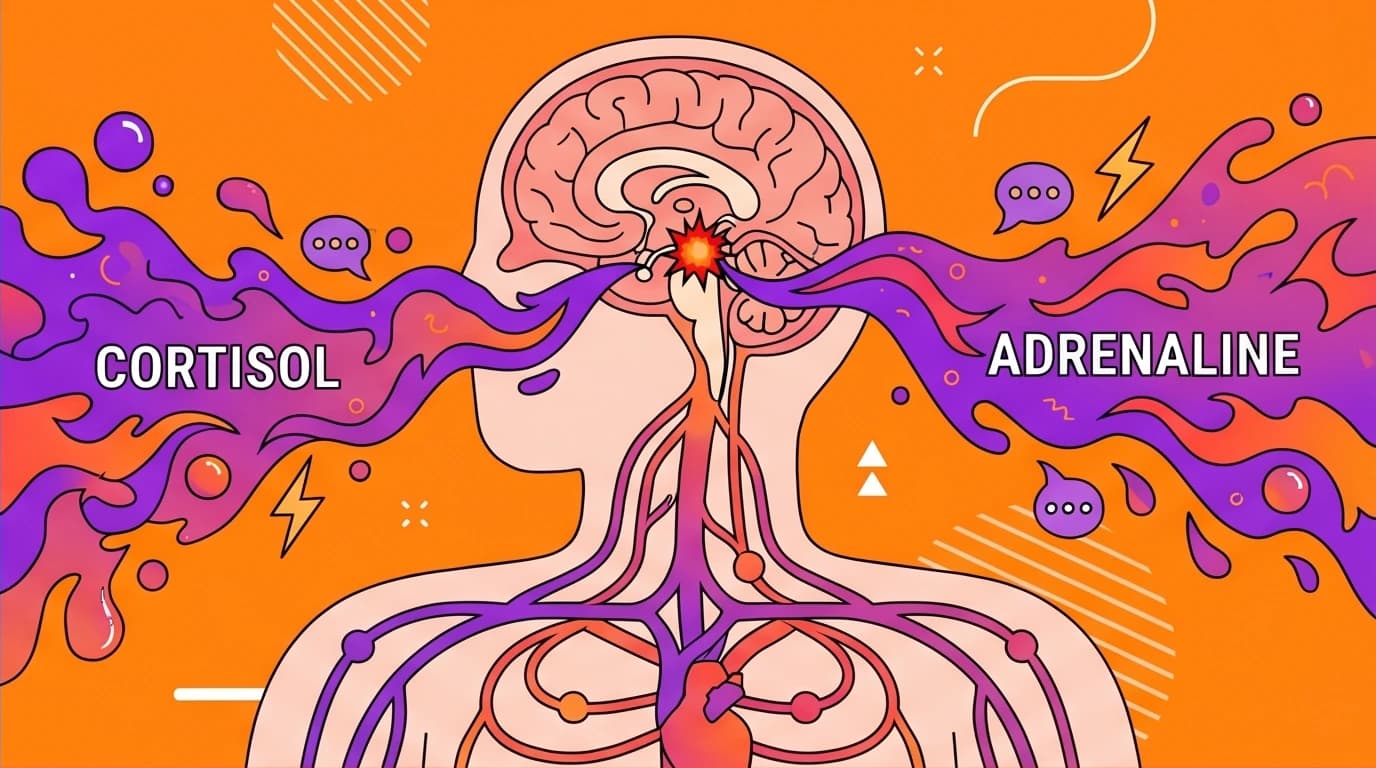
To break this cycle, you must target the nervous system directly. The books on this list do exactly that. They categorize into distinct phases of recovery: understanding your biology, actively processing the stress cycle, reframing your relationship with pressure, and building systems that prevent future overload.


Too stressed to read? Access key insights from top stress management books in 15-minute audio summaries with LeapAhead. A perfect way to learn and grow, even on your busiest days.
 LeapAhead
Top Psychology Books on Stress and the Nervous System
If you want to fix a machine, you first need to read the manual. These are the top psychology books on stress that explain the biological and neurological underpinnings of why we feel so overwhelmed.
Why Zebras Don’t Get Ulcers by Robert M. Sapolsky
Stanford primatologist and neurobiologist Robert Sapolsky delivers what is arguably the most comprehensive scientific breakdown of stress.
The Core Premise:
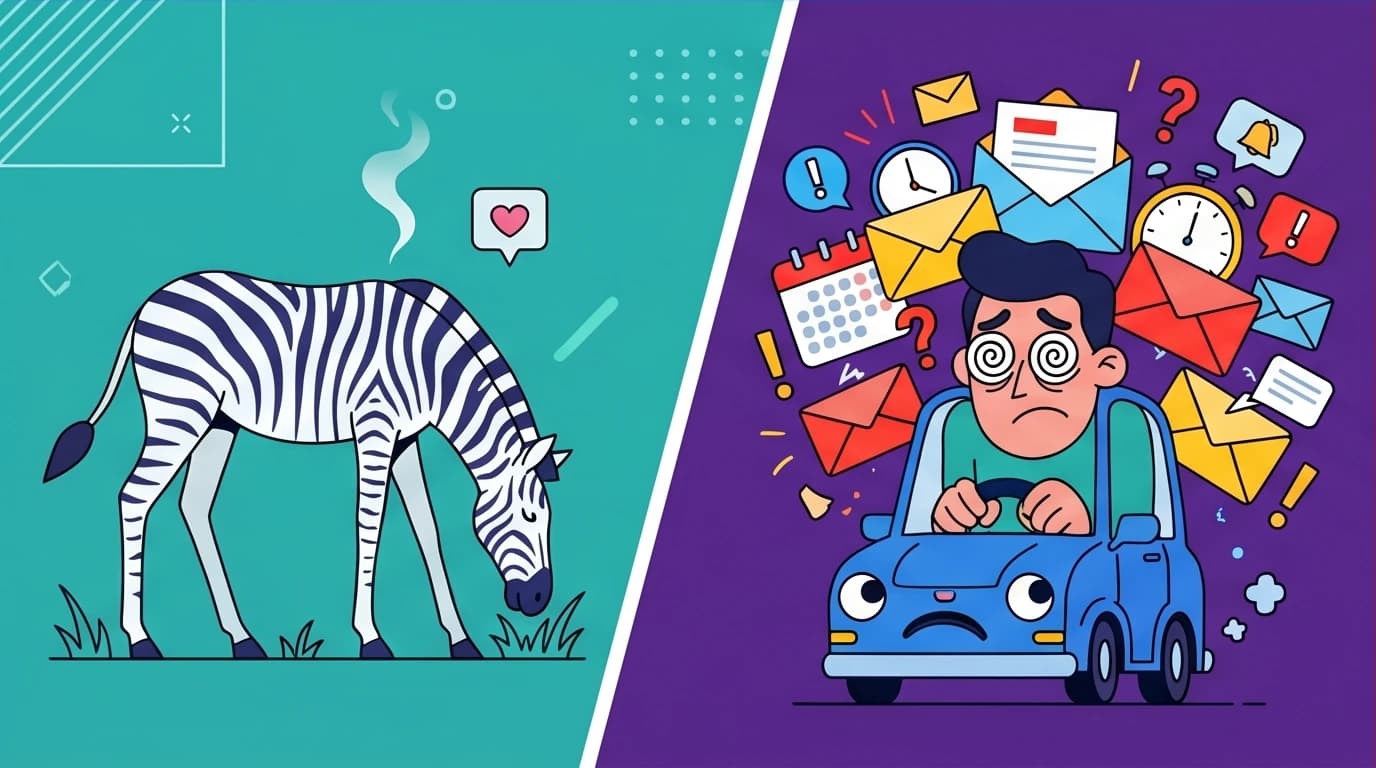
Zebras experience episodic stress. When a lion chases them, their stress response spikes. If they survive, the stress immediately dissipates, and they go back to grazing. Humans, however, generate chronic stress. We sit in gridlock traffic on the interstate for miles, worry about mortgages, and panic over emails, keeping our physiological stress response activated 24/7.
Zebras experience episodic stress. When a lion chases them, their stress response spikes. If they survive, the stress immediately dissipates, and they go back to grazing. Humans, however, generate chronic stress. We sit in gridlock traffic on the interstate for miles, worry about mortgages, and panic over emails, keeping our physiological stress response activated 24/7.
Why You Must Read It:
Sapolsky explains how prolonged exposure to stress hormones deteriorates our immune system, sleep, and memory. By understanding the exact mechanical pathways of cortisol, you realize that shutting off the psychological trigger is a biological necessity, not a luxury.
Sapolsky explains how prolonged exposure to stress hormones deteriorates our immune system, sleep, and memory. By understanding the exact mechanical pathways of cortisol, you realize that shutting off the psychological trigger is a biological necessity, not a luxury.
If you are ready to dive deep into the biological mechanics of why your modern lifestyle feels so incredibly draining, Robert Sapolsky's masterpiece is an absolute must-read. It is witty, profoundly insightful, and strips away the mystery of why commuting miles in gridlock traffic or dealing with high-pressure American corporate culture wears down your physical health. Grabbing a copy of this book is the perfect first step toward recognizing your physiological triggers and learning how to flip the switch off before cortisol damages your long-term well-being.
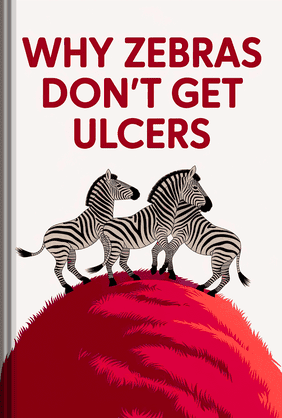
Why Zebras Don't Get Ulcers
Robert M. Sapolsky
 20 Duration
 8 Key Points
 4.8 Rate
The Body Keeps the Score by Bessel van der Kolk, M.D.
While often categorized under trauma, this phenomenal book is essential reading for anyone dealing with severe, chronic stress that feels trapped in the physical body.
The Core Premise:
Stress and trauma physically alter the brain's wiring and the body's nervous system. Talk therapy alone often fails because the body still holds onto the physiological memory of the stress.
Stress and trauma physically alter the brain's wiring and the body's nervous system. Talk therapy alone often fails because the body still holds onto the physiological memory of the stress.
Why You Must Read It:
Dr. van der Kolk introduces somatic experiencing, EMDR, and neurofeedback. If your stress manifests physically—tension headaches, gastrointestinal issues, or an inability to relax your muscles—this book provides the roadmap to resetting your nervous system.
Dr. van der Kolk introduces somatic experiencing, EMDR, and neurofeedback. If your stress manifests physically—tension headaches, gastrointestinal issues, or an inability to relax your muscles—this book provides the roadmap to resetting your nervous system.
For anyone who feels like stress has become permanently lodged in their muscles, joints, or gut, Dr. Bessel van der Kolk’s groundbreaking work offers a profound path to healing. Traditional talk therapy has limits, especially when your nervous system is stuck in overdrive from chronic workplace tension or past emotional baggage. This book is widely considered the gold standard for understanding somatic recovery. It provides actionable, science-backed strategies to help you finally release the physical burden of stress and reclaim a sense of safety within your own body.
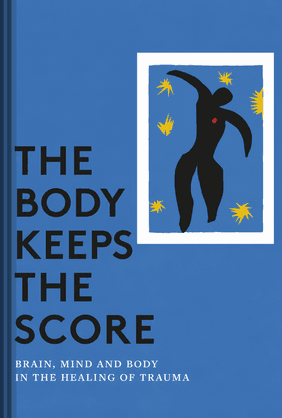
The Body Keeps The Score
Bessel Van Der Kolk
32 Duration10 Key Points4.5 RateUnderstanding how stress impacts you physically is the first step toward recovery. For a deeper look at how chronic stress affects everything from your sleep to your immune system, explore our detailed guide.
Books About Overcoming Burnout
Burnout is not just "being very tired." It is a state of emotional, physical, and mental exhaustion caused by excessive and prolonged stress. These books about overcoming burnout offer precise instructions on how to climb out of the hole.
Burnout: The Secret to Unlocking the Stress Cycle by Emily Nagoski, PhD, and Amelia Nagoski, DMA
If you look at reviews on Goodreads, you will see readers calling this book a literal lifesaver. It specifically addresses the modern burnout epidemic.
The Core Premise:
Dealing with the stressor (the angry boss, the massive project) is completely different from dealing with the stress (the physiological reaction in your body). Even if you finish the big project, the stress remains trapped in your body until you complete the "stress cycle."
Dealing with the stressor (the angry boss, the massive project) is completely different from dealing with the stress (the physiological reaction in your body). Even if you finish the big project, the stress remains trapped in your body until you complete the "stress cycle."
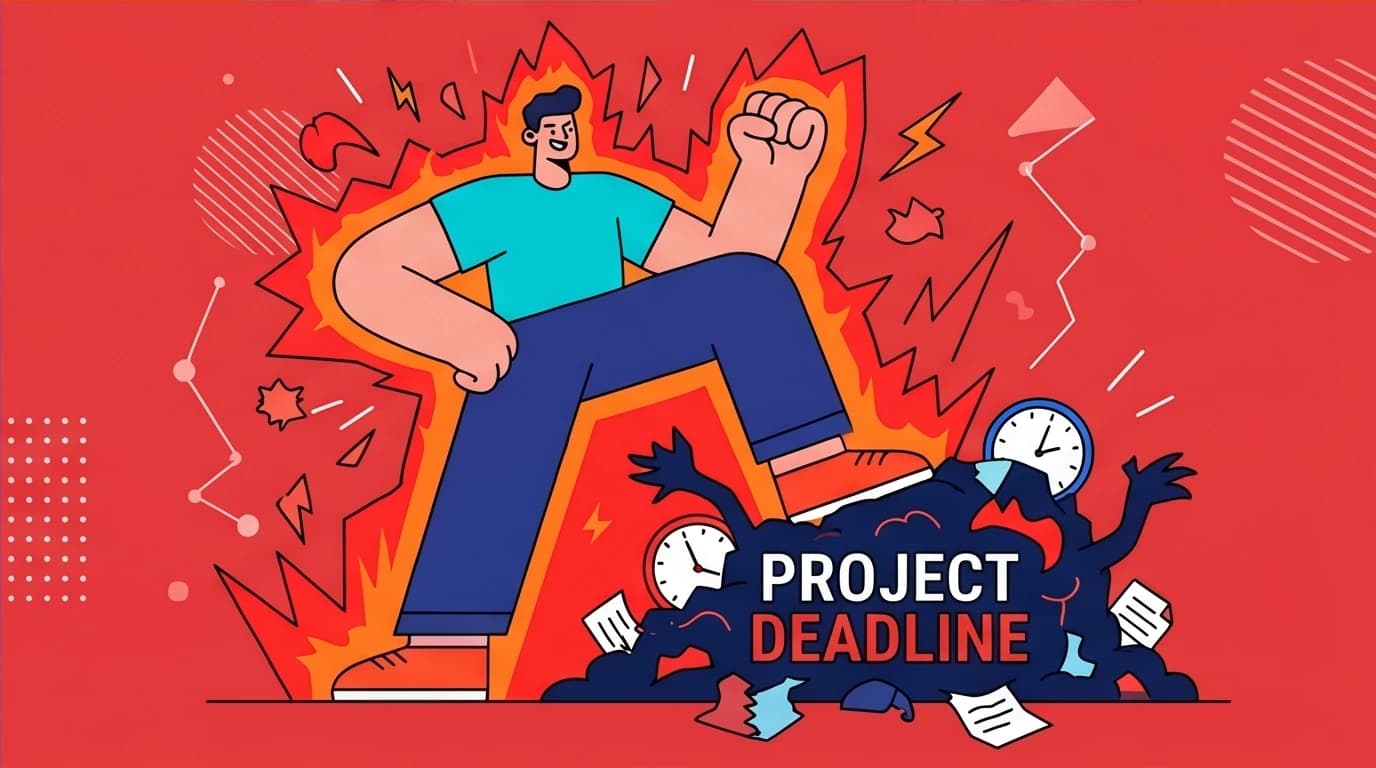
Actionable Takeaway:
The authors detail specific ways to signal to your body that you are safe. Exercise is the most efficient, but crying, deep affection (like a 20-second hug), creative expression, and deep breathing also work. You must actively flush the stress chemistry out of your system daily.
The authors detail specific ways to signal to your body that you are safe. Exercise is the most efficient, but crying, deep affection (like a 20-second hug), creative expression, and deep breathing also work. You must actively flush the stress chemistry out of your system daily.
When you hit a wall and feel like no amount of vacation time or weekends off will ever be enough, Emily and Amelia Nagoski offer the ultimate lifeline. Their science-driven approach to completing the stress cycle is completely paradigm-shifting. Instead of telling you to simply "relax," they give you concrete, actionable methods to tell your brain that the threat has passed. If you want to stop feeling perpetually overwhelmed and start closing the loop on your daily anxiety, this transformative guide deserves a permanent spot on your nightstand.
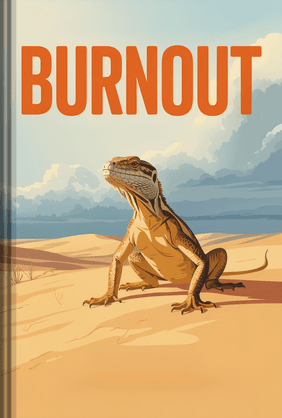
Burnout
Emily Nagoski, Ph.D., Amelia Nagoski, DMA
25 Duration9 Key Points4.5 RateEssentialism: The Disciplined Pursuit of Less by Greg McKeown
Sometimes the best way to manage stress is to aggressively eliminate its sources.
The Core Premise:
"If it isn't a clear yes, then it's a clear no." We burn out because we spread our energy a millimeter deep across a mile-wide surface. Essentialism is about doing fewer things, but better.
"If it isn't a clear yes, then it's a clear no." We burn out because we spread our energy a millimeter deep across a mile-wide surface. Essentialism is about doing fewer things, but better.
Actionable Takeaway:
You have to stop viewing "busyness" as a badge of honor. McKeown provides a robust framework for filtering requests, protecting your time, and pushing back against the endless demands of corporate America. This is an indispensable tool for boundary setting.
You have to stop viewing "busyness" as a badge of honor. McKeown provides a robust framework for filtering requests, protecting your time, and pushing back against the endless demands of corporate America. This is an indispensable tool for boundary setting.
Taking back your schedule is arguably the most powerful way to slash chronic anxiety, and Greg McKeown’s framework is the ultimate playbook for doing just that. If you find yourself constantly saying "yes" to projects, invites, and obligations out of sheer guilt or a desire to please, this read will be a total game-changer. It teaches you how to confidently ruthlessly prioritize your life, weed out the noise, and focus your energy only on what truly moves the needle. Ready to stop spreading yourself too thin? Check out his brilliant guide below.
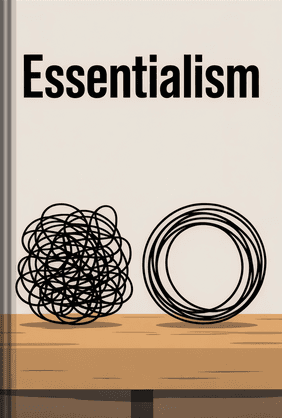
Essentialism
Greg McKeown
32 Duration10 Key Points4.6 RateFight burnout with knowledge. LeapAhead distills books like *Essentialism* and *Burnout* into powerful 15-minute summaries you can listen to anywhere. Start reclaiming your time and energy today.
LeapAheadWhile these books offer powerful frameworks for recovery, applying them in a high-pressure job requires specific tactics.
Related reading:
Powerful Stress Relief Books for Daily Reframing
Once you understand the biology and have stopped the bleeding of burnout, you need to reframe your daily relationship with pressure. These stress relief books shift your mindset from fragile to robust.
The Upside of Stress by Kelly McGonigal, PhD
We are constantly told that stress is the enemy. McGonigal completely flips this narrative.
The Core Premise:
The belief that stress is harmful is actually more dangerous than the stress itself. Studies show that people who view stress as a natural, helpful mechanism for peak performance do not suffer the same cardiovascular damage as those who fear it.
The belief that stress is harmful is actually more dangerous than the stress itself. Studies show that people who view stress as a natural, helpful mechanism for peak performance do not suffer the same cardiovascular damage as those who fear it.
Actionable Takeaway:
Instead of trying to calm down before a major presentation, reframe the racing heart and sweaty palms as your body giving you the energy you need to perform. Embrace the pressure response as fuel.
Instead of trying to calm down before a major presentation, reframe the racing heart and sweaty palms as your body giving you the energy you need to perform. Embrace the pressure response as fuel.
Atomic Habits by James Clear
While not explicitly marketed as a stress management book, this is a foundational text for reducing decision fatigue—one of the biggest hidden drivers of daily anxiety.
The Core Premise:
You do not rise to the level of your goals; you fall to the level of your systems. Relying on willpower alone causes extreme mental friction.
You do not rise to the level of your goals; you fall to the level of your systems. Relying on willpower alone causes extreme mental friction.
Actionable Takeaway:
By organizing your environment and automating your behavior, you dramatically reduce the cognitive load on your brain. Organize your workspace, lay out your gym clothes, and standardize your morning routine to conserve your mental energy for the high-stakes decisions that actually matter.
By organizing your environment and automating your behavior, you dramatically reduce the cognitive load on your brain. Organize your workspace, lay out your gym clothes, and standardize your morning routine to conserve your mental energy for the high-stakes decisions that actually matter.
Reframing your mindset and building better systems are cornerstones of emotional fortitude. To learn more about developing the mental toughness to handle pressure, see our guide on building resilience.
Audiobooks for Stress and Anxiety (For the Time-Crunched)
You might be thinking, "I am already too stressed to sit down and read a 300-page book." This is exactly where audiobooks for stress and anxiety shine. Leveraging platforms like Audible or Apple Books allows you to absorb high-value frameworks during your commute or while doing household chores.
Top Audio Recommendations:
-
Unwinding Anxiety by Judson Brewer, MD, PhD
Narrated by Dr. Brewer himself, this audiobook breaks down anxiety as a habit loop. Listening to his calm, clinical voice explain how curiosity and mindfulness can short-circuit panic is incredibly effective when you are sitting in frustrating traffic. -
Chatter by Ethan Kross
If your stress is driven by an endless loop of negative self-talk, Kross explains how to harness the voice in your head. It translates brilliantly to audio, making you feel like a top psychologist is walking you through a mental reset step-by-step. -
LeapAhead for Micro-Learning
For those who find even a full audiobook daunting, a micro-learning app like LeapAhead offers a powerful alternative. It summarizes the core ideas of bestselling nonfiction books (including many on this list) into 15-minute audio and text explainers. This format is ideal for absorbing key frameworks on stress management during a short commute or workout, making learning feel achievable instead of another task on your to-do list. While summaries can't replace the depth of a full book, they excel at delivering the most actionable insights quickly, helping you build a consistent learning habit without the overwhelm. -
Meditations by Marcus Aurelius
Sometimes the best stress relief comes from ancient Stoic philosophy. Listening to the private journal of a Roman Emperor who faced plagues, wars, and betrayal puts modern inbox anxiety into sharp perspective.
If you constantly battle an inner critic that ramps up your anxiety, Ethan Kross’s brilliant exploration of our internal dialogue is a phenomenal resource—whether you listen on your commute or read it with your morning coffee. He reveals exactly why our minds spiral into worst-case scenarios and offers proven, practical tools to rein in that destructive mental loop. Turning your inner voice from a harsh critic into a supportive coach is a crucial step in managing daily pressure. Discover the full framework and start silencing the noise by diving into his highly acclaimed work.
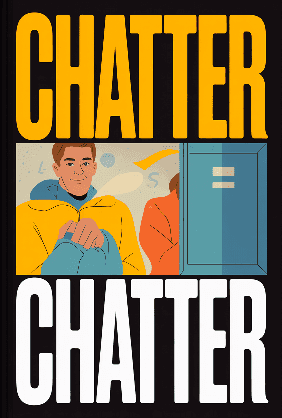
Chatter
Ethan Kross, Ph.D.
23 Duration10 Key Points4.3 RateHow to Choose the Right Book for Your Current Situation
Do not buy all these books at once and let them sit unread on your nightstand—that will only create more guilt. Pick the one that directly addresses your immediate bottleneck.
- If you feel physically sick, tight, or on edge all the time: Start with The Body Keeps the Score or Why Zebras Don’t Get Ulcers. You need biological context.
- If you are totally exhausted, apathetic, and dreading Monday mornings: Pick up Burnout. You need to learn how to process the stress cycle immediately.
- If your schedule is overflowing and you cannot say no: Grab a copy of Essentialism from Amazon or Barnes & Noble. You need structural boundaries.
- If you feel panicked before big events or high-stakes meetings: Read The Upside of Stress. You need immediate cognitive reframing.
Knowledge only reduces stress when applied. Pick one book, extract the core framework, and implement it into your routine this week.
FAQ
What is the most effective book for workplace burnout?
Burnout: The Secret to Unlocking the Stress Cycle by Emily and Amelia Nagoski is highly regarded as the absolute best resource for workplace burnout. It moves past generic advice and gives you scientific permission to process the physical toll that toxic workplace environments or intense workloads take on your body.
Burnout: The Secret to Unlocking the Stress Cycle by Emily and Amelia Nagoski is highly regarded as the absolute best resource for workplace burnout. It moves past generic advice and gives you scientific permission to process the physical toll that toxic workplace environments or intense workloads take on your body.
Are audiobooks as effective as physical books for retaining psychology concepts?
Yes, especially for people dealing with high anxiety. When you are severely stressed, your attention span shrinks. Listening to audiobooks for stress and anxiety while walking outdoors can actually increase retention because the physical movement helps regulate your nervous system while you absorb the information.
Yes, especially for people dealing with high anxiety. When you are severely stressed, your attention span shrinks. Listening to audiobooks for stress and anxiety while walking outdoors can actually increase retention because the physical movement helps regulate your nervous system while you absorb the information.
Which stress management book is best for absolute beginners?
If you want something highly readable and immediately actionable, start with The Upside of Stress by Kelly McGonigal. It is less dense than the heavy neuroscience books but offers a profound, instantaneous shift in how you view and handle pressure.
If you want something highly readable and immediately actionable, start with The Upside of Stress by Kelly McGonigal. It is less dense than the heavy neuroscience books but offers a profound, instantaneous shift in how you view and handle pressure.
Where should I buy these books if I want the best formatting and readability?
For physical copies, Barnes & Noble or independent bookstores often carry these staple titles in their psychology sections. If you prefer digital, Amazon Kindle and Apple Books offer great highlighting features, which are vital for taking notes on the actionable frameworks you want to remember.
For physical copies, Barnes & Noble or independent bookstores often carry these staple titles in their psychology sections. If you prefer digital, Amazon Kindle and Apple Books offer great highlighting features, which are vital for taking notes on the actionable frameworks you want to remember.