

Anxiety is physically and mentally exhausting. Your chest tightens, your mind races, and logic goes out the window. When you are caught in a spiral of "what ifs," simply telling yourself to calm down does not work.
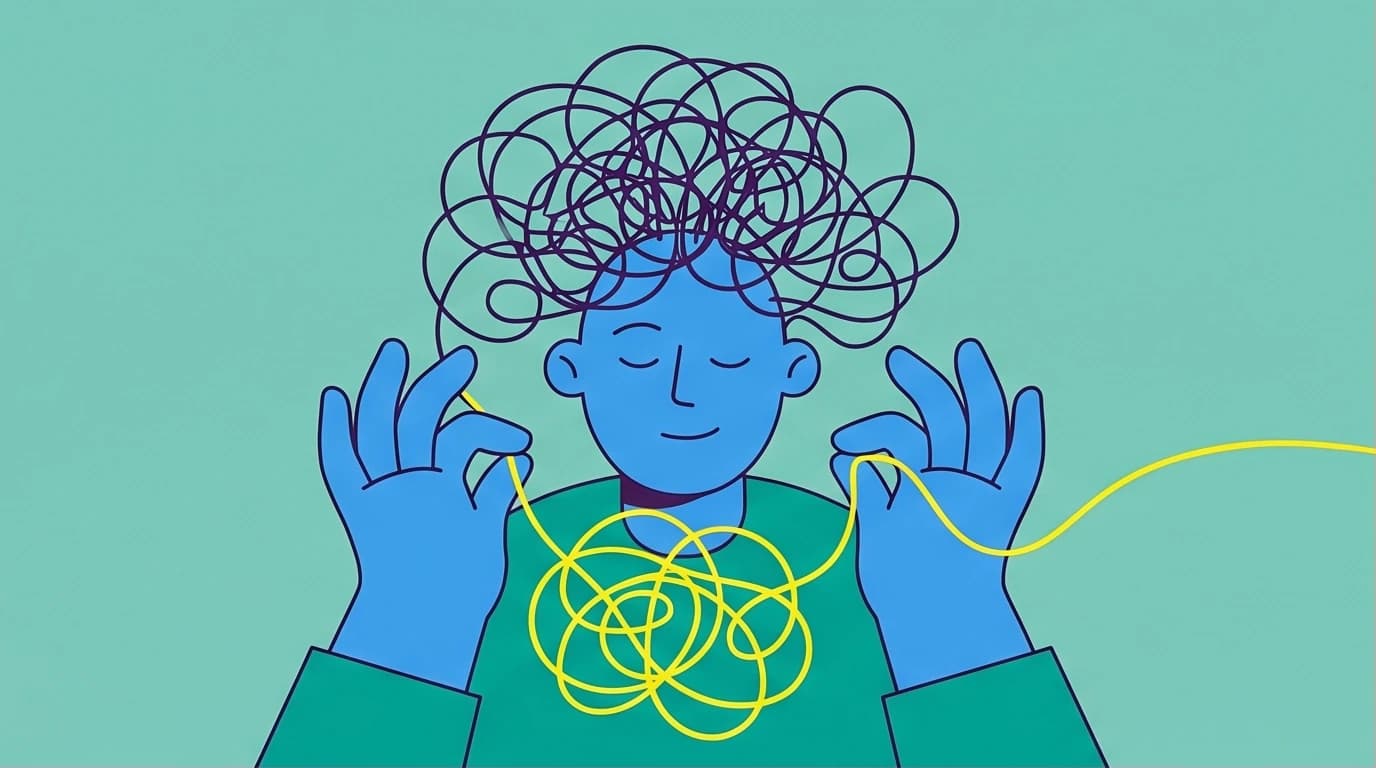
You need a system to rewire how your brain processes fear. That is exactly what Cognitive Behavioral Therapy (CBT) delivers. It is not about vague positive thinking; it is a highly structured, scientifically backed method to identify cognitive distortions and change your behavioral responses. If you do not have the time or budget for weekly therapy sessions, the right literature can bridge the gap.
You need a system to rewire how your brain processes fear. That is exactly what Cognitive Behavioral Therapy (CBT) delivers. It is not about vague positive thinking; it is a highly structured, scientifically backed method to identify cognitive distortions and change your behavioral responses. If you do not have the time or budget for weekly therapy sessions, the right literature can bridge the gap.
Here is a highly curated breakdown of the top resources to help you tackle anxiety head-on.
The Foundation: Why Books Are Highly Effective for CBT
CBT is inherently educational. Unlike traditional psychoanalysis that requires a therapist to interpret your childhood, CBT operates on a transparent model: your thoughts dictate your feelings, which dictate your behaviors.
Before diving into specific books, it's helpful to have a solid grasp of the core principles. Understanding the fundamentals of how CBT works for anxiety can provide the context you need to get the most out of these resources.
Because the methodology relies on specific exercises—like thought records, exposure ladders, and behavioral experiments—it translates perfectly to the written word. You can realistically learn CBT on your own if you choose resources grounded in clinical evidence rather than generic self-help fluff. The key is selecting a book that matches your learning style and the specific type of anxiety you are battling.
If your anxiety manifests as endless loops of rumination where you cannot stop analyzing every possible outcome, you need a resource specifically tailored to quieting mental chatter. Many US readers find that before they can even attempt structured CBT worksheets, they must first learn to hit the brakes on a racing mind. Exploring dedicated guides on halting overanalysis can perfectly complement your cognitive behavioral therapy journey by giving you the immediate mental breathing room you desperately need.
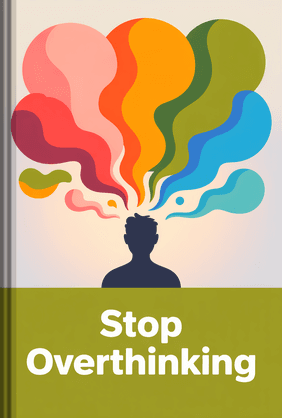
Stop Overthinking
Nick Trenton
 50 Duration
 9 Key Points
 4.5 Rate

Feeling too overwhelmed to start a whole book? Get the key insights from top psychology bestsellers in just 15 minutes with LeapAhead.
 LeapAhead
The Best CBT Books for Anxiety: A Curated Selection
To save you from scrolling through thousands of Amazon or Goodreads reviews, here are the absolute best titles, categorized by how they help you fight anxiety.
1. The Clinical Gold Standard: Mind Over Mood
Authors: Dennis Greenberger and Christine A. Padesky
Best for: People who want a highly structured, data-driven approach to tracking their thoughts.
Best for: People who want a highly structured, data-driven approach to tracking their thoughts.
Mind Over Mood is widely considered one of the top CBT self help books ever written. It is essentially a masterclass in cognitive restructuring. The authors provide step-by-step mood charts and thought records. If your anxiety stems from catastrophic thinking (always assuming the worst-case scenario), this book forces you to play the role of a defense attorney. You will learn to weigh the evidence for and against your anxious thoughts.
Why it works: It treats anxiety as a solvable puzzle rather than a mysterious curse. The charts require you to write down your automatic thoughts and rate your anxiety levels from 1 to 100, forcing a highly logical brain to override an emotional response.

2. The Direct Action Plan: The Anxiety and Worry Workbook
Authors: David A. Clark and Aaron T. Beck
Best for: Action-oriented individuals looking for practical, daily exercises.
Best for: Action-oriented individuals looking for practical, daily exercises.
Aaron T. Beck is the literal founder of Cognitive Therapy. When you buy The Anxiety and Worry Workbook, you are getting guidance straight from the source. This is a dedicated cognitive behavioral therapy workbook designed to tackle Generalized Anxiety Disorder (GAD) and panic.
Instead of just reading chapters of theory, you get worksheets, self-assessments, and targeted exercises. It focuses heavily on the "worry cycle" and teaches you how to test your anxious predictions in the real world.
Why it works: It shifts you from a passive reader to an active participant. If you have a habit of over-researching without taking action, this workbook demands that you pick up a pen and put the techniques to the test.
3. The 7-Week Sprint: Retrain Your Brain
Author: Seth J. Gillihan
Best for: Busy professionals who need a clear, time-bound schedule to stay on track.
Best for: Busy professionals who need a clear, time-bound schedule to stay on track.
If you struggle to organize your self-improvement goals, Retrain Your Brain: Cognitive Behavioral Therapy in 7 Weeks is your blueprint. Gillihan strips away complex jargon and breaks the CBT process into a highly digestible seven-week program.
You spend week one identifying your core issues, week two tracking your thoughts, and subsequent weeks building behavioral activation and exposure strategies.
Why it works: Anxiety often makes us feel overwhelmed by large tasks. By pacing the material across seven distinct weeks, this book prevents burnout. You know exactly what your "homework" is every single day.
4. The Microlearning Companion: LeapAhead App
Platform: iOS and Android App
Best for: People who feel too overwhelmed to read a full book but want to absorb key psychological concepts in 15-minute sessions.
Best for: People who feel too overwhelmed to read a full book but want to absorb key psychological concepts in 15-minute sessions.
For many dealing with anxiety, the thought of committing to a 300-page book feels like another monumental task. LeapAhead tackles this "reading debt" by breaking down bestselling non-fiction books—including many popular psychology and self-help titles—into 15-minute summaries available in both audio and text. With a library of over 30,000 titles, you can quickly grasp the core ideas from authors like David Burns or Judson Brewer during a commute or workout, making learning accessible even on low-energy days. The app's features, like personalized recommendations and daily learning goals, help build a consistent habit without the pressure.
Why it works: It dramatically lowers the barrier to entry for self-improvement. When your mind is racing, an achievable 15-minute goal can provide a crucial sense of accomplishment, which is a key principle of behavioral activation in CBT. The audio format is particularly useful, allowing you to absorb helpful concepts while walking or engaging in other anxiety-reducing activities. However, users should know that while these summaries are excellent for understanding high-level concepts, they don't replace the deep, interactive exercises found in dedicated workbooks.
5. For Panic and Social Phobia: When Panic Attacks
Author: David D. Burns
Best for: Those dealing with sudden panic attacks, social anxiety, or severe phobias.
Best for: Those dealing with sudden panic attacks, social anxiety, or severe phobias.
David Burns is a legend in the mental health space. While his earlier book Feeling Good focused on depression, When Panic Attacks takes his signature CBT tools and applies them specifically to anxiety. Burns introduces dozens of anti-anxiety techniques, from the "Daily Mood Log" to "Exposure Therapy" techniques that you can practice safely at home.
Why it works: Burns writes with an incredibly conversational and empathetic tone. He also introduces the concept of "paradoxical agenda setting," which helps lower your resistance to change before you even start the core exercises.
Burns's approach is excellent for a range of anxiety disorders. For those whose anxiety is primarily triggered by social situations, taking a deeper look at targeted strategies can be particularly beneficial.
Speaking of David Burns, while his focused workbook on panic attacks is a fantastic targeted resource for acute anxiety, it is incredibly helpful to look at the broader picture of cognitive distortions. If you find that your anxiety often walks hand in hand with feelings of low self-worth or a general blue mood, going back to his groundbreaking original work can be a total game changer. It lays the absolute bedrock for understanding how your thoughts warp your reality, making it a must-have companion on your bookshelf.
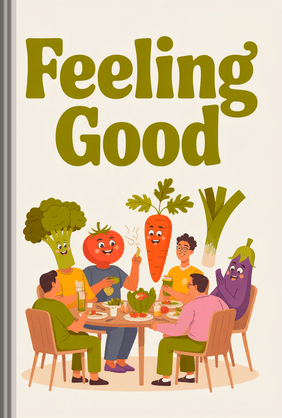
Feeling Good
David D. Burns, M.D.
41 Duration9 Key Points4.6 RateSelf-Help Books vs. Workbooks: Which Format Do You Need?
When browsing the aisles at Barnes & Noble or scrolling online, you will notice a distinct split in formatting. Making the right choice dictates whether you actually finish the material.
Choose standard self-help books if:
You need to understand the why. If you are the type of person who needs to fully grasp the neuroscience and psychological theory behind your anxiety before you can commit to changing your habits, start with a standard text. It builds the foundational logic.
You need to understand the why. If you are the type of person who needs to fully grasp the neuroscience and psychological theory behind your anxiety before you can commit to changing your habits, start with a standard text. It builds the foundational logic.
Choose a cognitive behavioral therapy workbook if:
You are tired of reading and want immediate symptom relief. Workbooks have wide margins, fill-in-the-blank charts, and daily checklists. They require you to physically write down your fears. Writing bypasses the chaotic loop in your mind and forces your thoughts onto paper, making them instantly more manageable.
You are tired of reading and want immediate symptom relief. Workbooks have wide margins, fill-in-the-blank charts, and daily checklists. They require you to physically write down your fears. Writing bypasses the chaotic loop in your mind and forces your thoughts onto paper, making them instantly more manageable.
Expert Tip: The most effective strategy is usually buying one of each. Read a foundational book to understand the concepts, and keep a workbook on your nightstand to execute the daily routines.
Prefer to learn on the go? LeapAhead turns your commute into a learning session with 15-minute audio summaries of powerful self-help books.
LeapAheadPrefer Listening? CBT Audiobooks for Anxiety
Not everyone has the time or focus to sit down with a paperback. If you are constantly driving down the interstate, commuting on the train, or walking the dog, audio formatting is a lifesaver.
However, CBT audiobooks for anxiety present a unique challenge: CBT requires active participation, while listening is inherently passive.
To get the most out of platforms like Audible, look for audiobooks that act as guided coaching sessions rather than dense clinical lectures.
- "Unwinding Anxiety" by Judson Brewer: While it incorporates mindfulness alongside CBT, this audiobook is exceptional for understanding how anxiety forms habit loops in the brain. Brewer’s voice is calming, and the audio format feels like a one-on-one session.
- "Dare" by Barry McDonagh: Highly popular in the audio format, Dare utilizes heavy CBT and ACT (Acceptance and Commitment Therapy) principles to help listeners stop fighting panic attacks and start accepting them, which defuses the anxiety.
How to optimize the audio experience: If you choose to learn via audiobook, keep a dedicated "Anxiety Journal" on your phone or in a pocket notebook. When the narrator prompts an exercise—such as identifying a cognitive distortion—hit pause and dictate your thoughts into your phone's notes app. Do not just let the audio wash over you; capture the insights.
As mentioned above, choosing to tackle panic attacks through an audio format requires an approach that feels empowering rather than clinical. Barry McDonagh’s methodology is incredibly popular precisely because it challenges the traditional instinct to fight or flee from panic. If you are ready to completely flip the script on how you respond to physical anxiety symptoms and prefer a conversational, coaching-style guide that you can easily plug into your daily routine, this exact recommendation is a standout choice.

Dare
Barry McDonagh
40 Duration9 Key Points4.5 RateHow to Learn CBT on Your Own Effectively
Owning the best books means nothing if they sit untouched on your shelf. To actually learn CBT on your own and see a reduction in your anxiety symptoms, you must treat the process like physical therapy for your brain.
Rule 1: You Must Write Things Down
You cannot do CBT in your head. When you are anxious, your brain is a hostile environment. Trying to logically debate an anxious thought inside a panicked mind is like trying to put out a fire with gasoline. Use the worksheets. Write down the trigger, the automatic thought, and the rational alternative. The physical act of writing engages different neural pathways and slows your heart rate.
Rule 2: Embrace Behavioral Experiments
Reading about anxiety does not cure anxiety; proving your anxiety wrong does. CBT requires you to test your fears. If you have social anxiety and fear that people will judge you if you stumble over your words, a CBT behavioral experiment might require you to intentionally drop your keys at the local Target and observe the actual reactions of people around you. You will quickly realize that reality is rarely as catastrophic as your mind predicts.
Embracing these behavioral experiments is often the hardest step, especially when your brain is actively trying to protect you by sounding the alarm. To successfully challenge these deeply ingrained fears, it helps to understand why your mind acts like a noisy, terrified monkey in the first place. For those who need extra encouragement to stop avoiding their triggers and start facing them with confidence, there are fantastic, accessible resources written by seasoned psychotherapists that focus entirely on turning off this false alarm system.
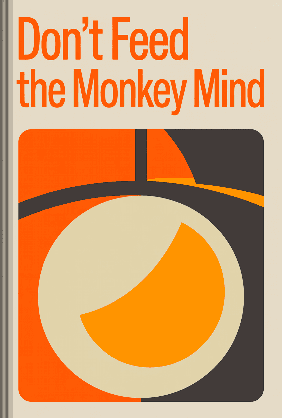
Don't Feed the Monkey Mind
Jennifer Shannon
21 Duration8 Key Points4.4 Rate
Rule 3: Consistency Beats Intensity
Do not try to read an entire workbook in one weekend. Anxiety is a deeply ingrained habit, and breaking it takes repetition. Dedicate just 15 minutes a day to reading your chosen book and completing one thought record. Small, consistent daily shifts will completely restructure your baseline anxiety levels over a few months.
Building this consistency is key, and having a clear plan for how to integrate these powerful tools into your routine seamlessly can make all the difference.
Moving Forward with Confidence
Overcoming anxiety is not about never feeling stressed again; it is about knowing you have the tools to handle the stress when it arrives. By investing in a high-quality cognitive behavioral therapy workbook or an expert-authored guide, you are building an emotional first-aid kit. Pick one resource from this list, commit to the daily exercises, and start taking your life back from worry.
FAQ
Can I really treat my anxiety with just a book, or do I need a therapist?
For mild to moderate anxiety, self-directed CBT through highly-rated books and workbooks is incredibly effective and supported by clinical research. Many people experience significant relief just by applying these structured exercises. However, if your anxiety is severe, leads to frequent panic attacks, or interferes heavily with your ability to function daily, use these books alongside professional therapy.
For mild to moderate anxiety, self-directed CBT through highly-rated books and workbooks is incredibly effective and supported by clinical research. Many people experience significant relief just by applying these structured exercises. However, if your anxiety is severe, leads to frequent panic attacks, or interferes heavily with your ability to function daily, use these books alongside professional therapy.
How long does it take to see results from reading CBT books?
You can experience moments of immediate relief from your first thought record as it grounds your chaotic thinking. However, lasting neural rewiring usually takes 6 to 8 weeks of consistent, daily practice. Books like Retrain Your Brain are specifically structured around this timeline to ensure you build permanent habits.
You can experience moments of immediate relief from your first thought record as it grounds your chaotic thinking. However, lasting neural rewiring usually takes 6 to 8 weeks of consistent, daily practice. Books like Retrain Your Brain are specifically structured around this timeline to ensure you build permanent habits.
I bought a CBT workbook but I lack the motivation to finish it. What should I do?
This is incredibly common. Anxiety drains your energy. If a full workbook feels too overwhelming, lower the bar. Commit to doing just one exercise for five minutes a day. Alternatively, pair a workbook with an audiobook. Listen to the concepts on your commute to build motivation, and spend just a few minutes in the evening filling out one chart.
This is incredibly common. Anxiety drains your energy. If a full workbook feels too overwhelming, lower the bar. Commit to doing just one exercise for five minutes a day. Alternatively, pair a workbook with an audiobook. Listen to the concepts on your commute to build motivation, and spend just a few minutes in the evening filling out one chart.
Are standard self-help books useless compared to workbooks?
Not at all. Standard CBT self-help books are crucial for building your baseline understanding of why your brain reacts the way it does. They provide the "aha!" moments and the clinical logic. Workbooks provide the execution. The most successful approach often involves reading a standard book to understand the theory, then using a workbook to practice the techniques.
Not at all. Standard CBT self-help books are crucial for building your baseline understanding of why your brain reacts the way it does. They provide the "aha!" moments and the clinical logic. Workbooks provide the execution. The most successful approach often involves reading a standard book to understand the theory, then using a workbook to practice the techniques.