

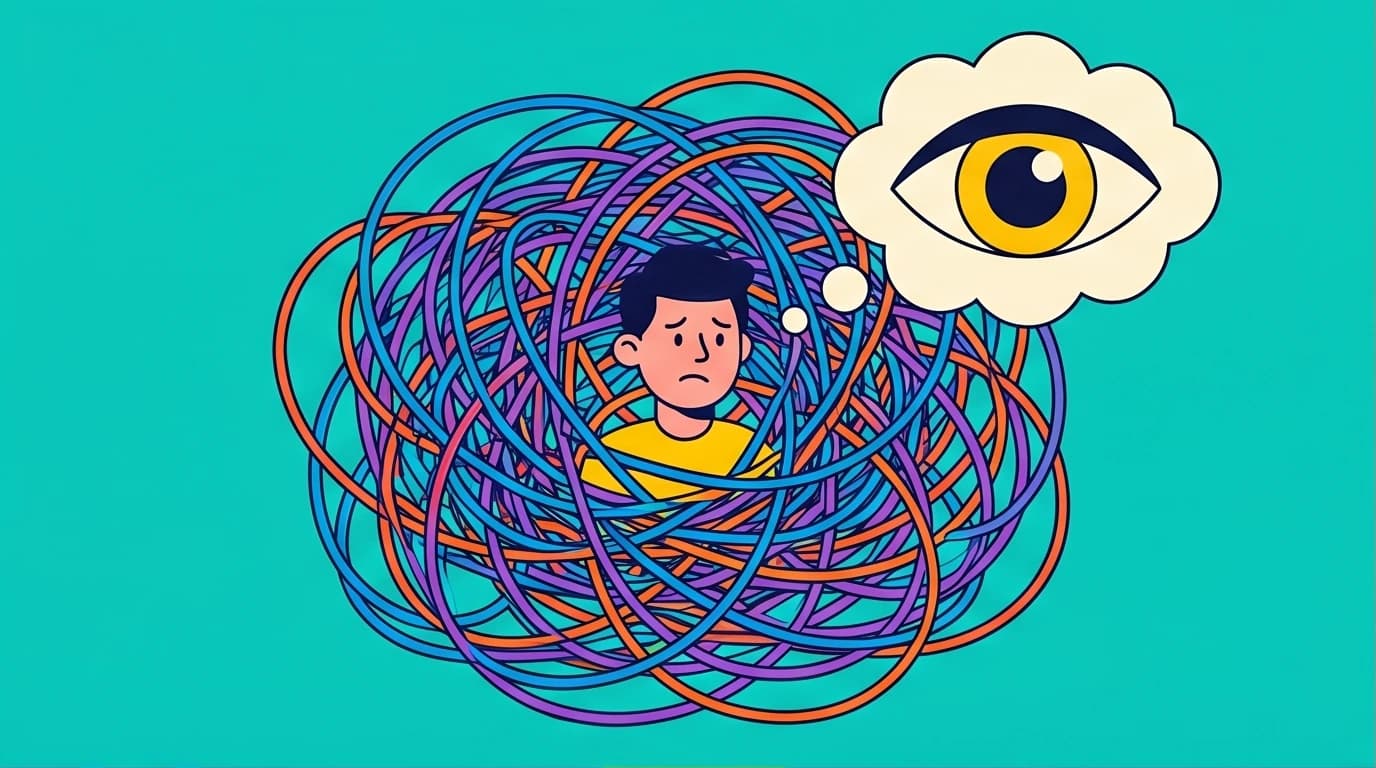
You log into a Zoom meeting or walk into a networking event, and your heart immediately starts racing. You script exactly what you are going to say, but when it is your turn to speak, your voice tightens. Hours later, while driving home or trying to sleep, you endlessly analyze a single awkward pause, convinced everyone noticed.
This is the exhausting reality of social anxiety. You do not need well-meaning advice telling you to "just relax" or "be yourself." You need a mechanical, proven framework to disrupt the mental loops that hijack your nervous system.
Here is exactly how cognitive behavioral therapy dismantles the fear of social evaluation, step by step.
The Architecture of Social Fear
To understand how CBT works, you have to look at the CBT Triangle. This model proves that your thoughts, feelings, and behaviors are entirely interconnected.
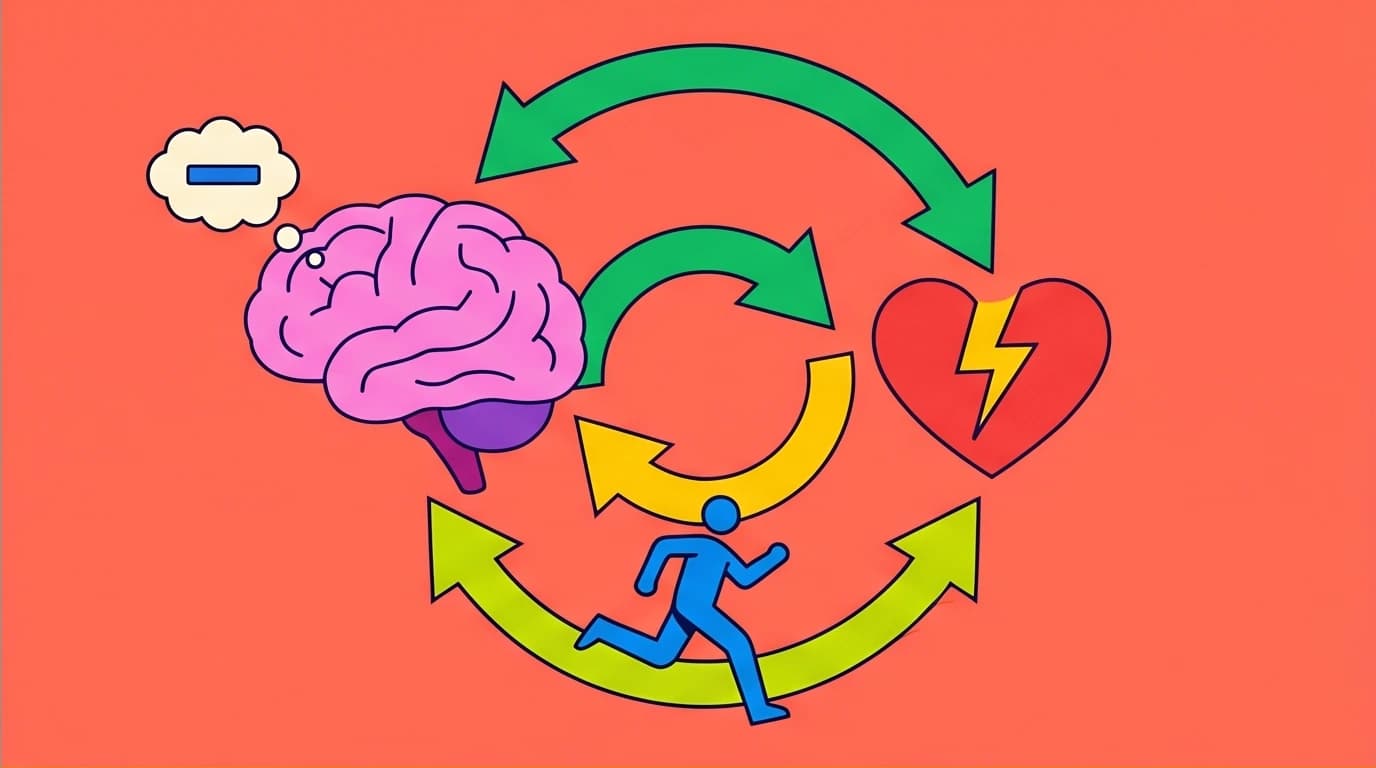
In a social setting, the cycle usually looks like this:
- Thought: "If I speak up, I'll sound stupid and they will judge me."
- Feeling: Intense anxiety, an accelerated heart rate, sweating, and a tight chest.
- Behavior: You stay completely silent, look at your phone, or leave the event early.
Specialized cognitive behavioral therapy social phobia programs focus on breaking this exact loop. The therapy does not waste time digging into your early childhood. Instead, it targets the immediate cognitive distortions—the automatic lies your brain tells you—and the behavioral safety nets you use to cope.
This cycle of thoughts, feelings, and behaviors is the core focus of the therapy. To better understand the science behind this powerful model and why it is so effective for various forms of anxiety, it can be helpful to get a broader overview.
Identifying Your Cognitive Distortions
Your brain is equipped with a threat-detection system. When you have social anxiety, this system is drastically miscalibrated. It treats a casual conversation at a coffee shop the same way it treats a physical attack.
CBT identifies the specific mental filters that warp your perception of social reality.
1. Mind Reading
You assume you know exactly what other people are thinking, and it is always negative. If a colleague looks at their watch while you are talking, you instantly assume, "They think I'm boring." You completely ignore alternative facts, like the possibility they have a hard stop for another meeting.
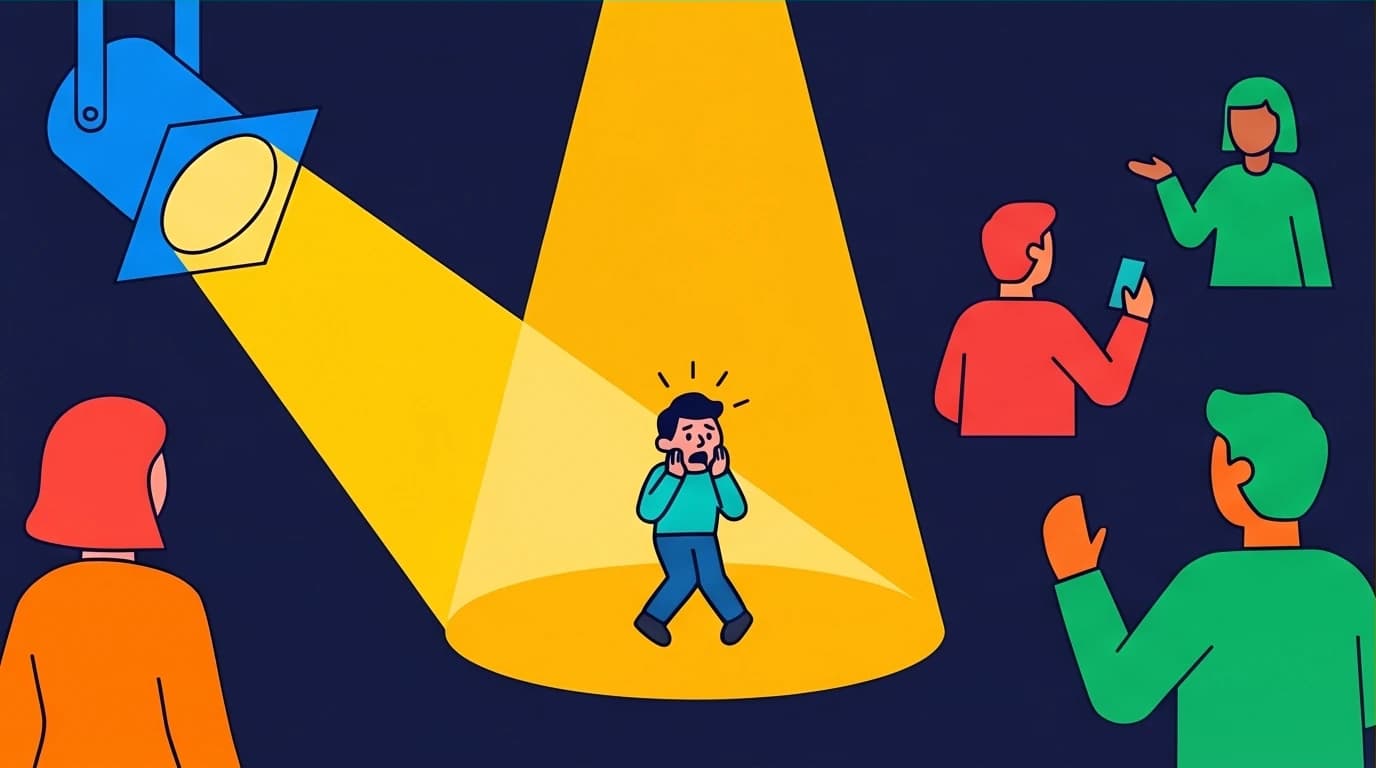
2. The Spotlight Effect
You operate under the illusion that an invisible spotlight is tracking your every move. If you spill a drop of water or stumble over a word, you feel certain the entire room registered the mistake and is judging you. In reality, most people are entirely absorbed in their own inner monologues.
3. Fortune Telling
You predict a catastrophic outcome before the event even happens. Days before a presentation, you tell yourself, "I am going to freeze, turn completely red, and ruin my career." This anticipatory anxiety drains your energy long before you ever step foot in the room.
4. Post-Event Processing (The "Cringe Attack")
This is the hallmark of social anxiety. After a party, you lie in bed reviewing every interaction like game tape, amplifying minor awkward moments until you feel deeply embarrassed.
If you constantly find yourself paralyzed by the "Spotlight Effect" or trapped in endless post-event processing after a simple conversation, you might need a dedicated strategy to quiet your mind. Breaking these deeply ingrained cognitive distortions starts with recognizing when your brain is spiraling out of control. For an incredibly practical approach to shutting down these exhausting mental loops and regaining your focus, consider reading this insightful guide on managing overactive thoughts. It offers actionable steps to stop second-guessing every interaction you have.
Stop Overthinking
Nick Trenton
 50 Duration
 9 Key Points
 4.5 Rate
Cognitive Restructuring: Rewiring the Thoughts
The first major component of any overcoming social anxiety CBT workbook is cognitive restructuring. This is not positive thinking. It is accurate thinking. You learn to put your automatic negative thoughts on trial.
When an anxious thought arises, you must force yourself to pause and look for evidence.
The Thought Record Technique:
- The Trigger: You are invited to a happy hour with senior management.
- The Automatic Thought: "I have nothing smart to say. I'll just stand there looking awkward."
- The Emotion: Anxiety (Rated 85/100).
- The Evidence FOR the thought: I am quieter than some of my outgoing coworkers.
- The Evidence AGAINST the thought: I know my industry well. I had a great one-on-one conversation with a director last month. No one expects me to give a keynote speech at a casual bar.
- The Rational Response: "I might feel nervous at first, but I can ask people questions about their weekend. I don't have to be the loudest person in the room to be valued."
- The New Emotion: Anxiety drops to 40/100.
By repeatedly forcing your brain to process evidence rather than emotion, you slowly rewrite your baseline reaction to social triggers. The Thought Record is just one of many powerful tools in the CBT toolkit.
Putting your thoughts on trial is a foundational skill in cognitive behavioral therapy, but it can take some real practice to turn this exercise into a daily habit. If you want to dive deeper into the mechanics of the Thought Record technique and see exactly how to dismantle automatic negative thoughts, there is no better resource than the foundational text that brought CBT into the mainstream. This book is widely recommended by therapists across the United States as the ultimate workbook for rewiring a highly critical, anxious mind.

Feeling Good
David D. Burns, M.D.
41 Duration9 Key Points4.6 RateWhile workbooks are powerful, finding the energy to sit down and read can be a challenge in itself, especially when you're drained from social anxiety. For a lighter way to absorb these same powerful ideas, you might find an app helpful.


Grasp the key ideas from essential psychology books like 'Feeling Good' in just 15 minutes, making it easier to learn new mental skills on low-energy days.
 LeapAhead
Exposure Therapy for Social Anxiety: Facing Fears Safely
Reframing your thoughts is only half the battle. To truly eliminate the fear, you must prove to your nervous system that social situations are not dangerous. This is where the behavioral component takes over.
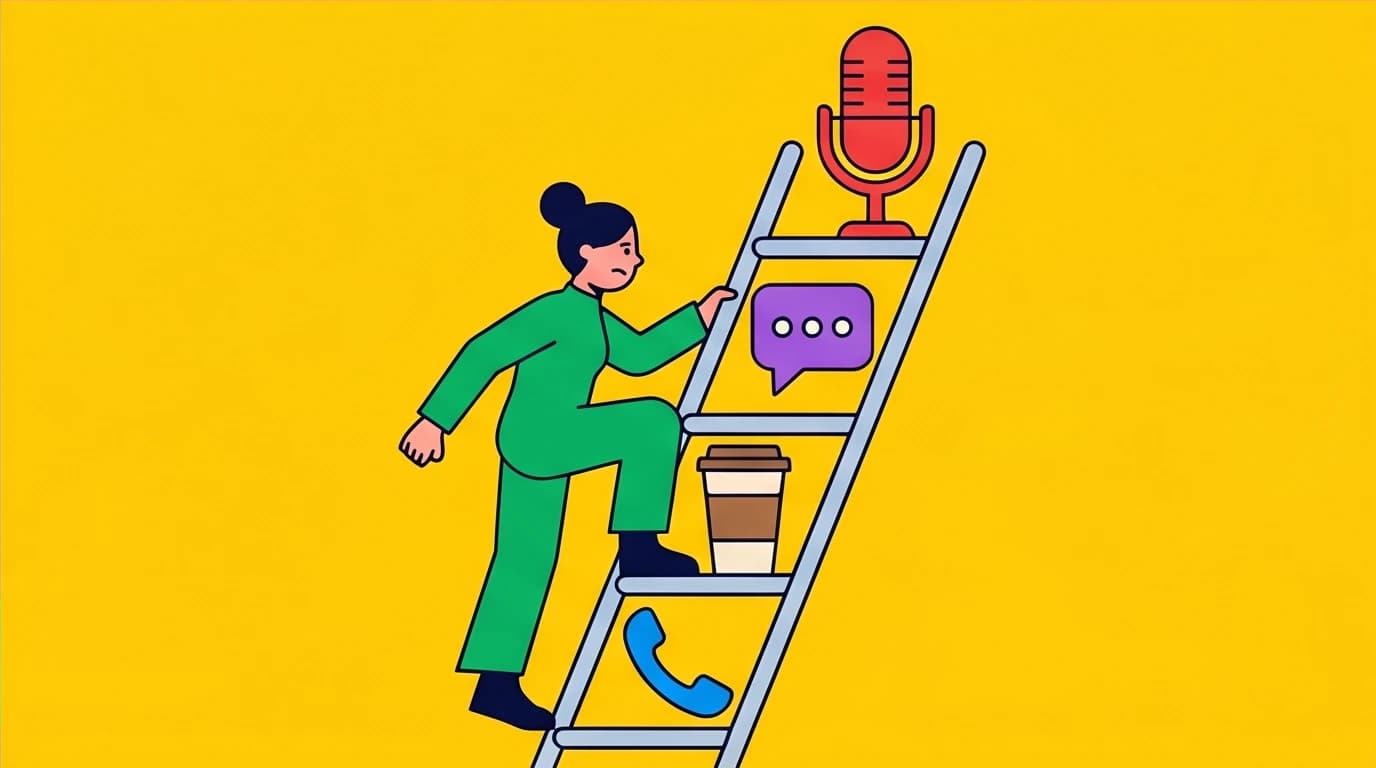
Implementing exposure therapy for social anxiety means deliberately facing social triggers in a graduated, systematic way. You do not start by giving a TED Talk. You start small.
Building Your Fear Hierarchy
You will create a list of social situations, ranking them from least anxiety-inducing to most terrifying on a scale of 1 to 100.
- Level 1 (Distress 20): Asking a stranger on the street for directions.
- Level 2 (Distress 40): Calling a local restaurant to ask what time they close instead of checking their website.
- Level 3 (Distress 60): Making a brief comment during a large team Zoom meeting.
- Level 4 (Distress 80): Going to a networking event alone and initiating a conversation.
- Level 5 (Distress 100): Giving a 15-minute presentation to executives.
You tackle Level 1 repeatedly until it feels boring. Then, you move to Level 2. The goal is habituation. As you log successful, non-catastrophic experiences, your brain naturally stops sounding the alarm.
Dropping Your Safety Behaviors
During these exposures, you must identify and eliminate your "safety behaviors." These are the subtle crutches you use to minimize anxiety.
- Holding a drink tightly against your chest to create a barrier.
- Over-rehearsing exactly what you will say before approaching a counter.
- Avoiding eye contact.
- Wearing headphones even when no music is playing.
Safety behaviors trick your brain. If you survive a social event, your brain credits the safety behavior ("I only survived because I stared at my phone the whole time"), keeping the underlying anxiety perfectly intact. CBT forces you to drop the crutches and experience the situation raw.
As you start climbing your fear hierarchy and peeling away your safety behaviors, you will inevitably face the core fear driving your social anxiety: the terror of being judged or disliked. Exposure therapy works best when you pair it with a mindset shift that allows you to tolerate a little social friction. If you struggle with chronic people-pleasing or fear that speaking your mind will lead to immediate rejection, this next book is an empowering resource. It teaches you how to embrace your authentic self without apologizing for taking up space.
Not Nice
Dr. Aziz Gazipura
17 Duration7 Key Points4.4 RateRegulating the Body: Managing Physical Symptoms
For many, social anxiety is heavily physical. You might experience a trembling voice, intense sweating, or the sensation that you cannot breathe. When this fear of physical symptoms escalates, borrowing techniques from CBT for panic attacks becomes essential.
The fear of having a panic attack in front of people often becomes worse than the social event itself.
Interoceptive Exposure:
CBT practitioners use interoceptive exposure to break the terror of physical symptoms. If you fear a racing heart, a therapist might have you run in place for two minutes to intentionally elevate your heart rate. If you fear sweating, you might wear a heavy sweater in a warm room.
CBT practitioners use interoceptive exposure to break the terror of physical symptoms. If you fear a racing heart, a therapist might have you run in place for two minutes to intentionally elevate your heart rate. If you fear sweating, you might wear a heavy sweater in a warm room.
By voluntarily triggering the physical sensations in a safe environment, you realize that a rapid heartbeat or a flushed face is uncomfortable, but not dangerous. If you start sweating at a party, your brain recognizes the sensation and no longer spirals into a full-blown panic attack.
Grounding Techniques in the Moment:
If you feel a panic spike mid-conversation, do not try to fight the anxiety. Fighting it acts like throwing gasoline on a fire.
If you feel a panic spike mid-conversation, do not try to fight the anxiety. Fighting it acts like throwing gasoline on a fire.
- Acceptance: Tell yourself, "My heart is racing, and that is okay. It is just an adrenaline spike."
- External Focus: Shift your attention entirely outward. Listen intently to the exact words the other person is saying. Look at the color of their shirt. When you force your brain to process external data, you interrupt the internal panic loop.
The Long-Term Reality of Social Confidence
Confidence is not the absence of fear; it is the belief that you can handle the situation regardless of the outcome.
CBT does not aim to turn a naturally introverted person into an extrovert. Its sole purpose is to remove the debilitating fear of judgment so you can choose how you want to interact with the world. Whether you want to command a boardroom or simply enjoy a quiet dinner with a new acquaintance without your hands shaking, the mechanics of cognitive restructuring and gradual exposure are your most reliable tools.
Stop letting distorted thoughts dictate your boundaries. Start gathering the evidence, face the hierarchy, and reclaim your social agency.
You've learned the core strategies for dismantling social anxiety. The next step is turning these powerful exercises into consistent habits that build lasting confidence.
Building lasting confidence is a continuous journey. To keep learning and reinforcing these powerful concepts without getting overwhelmed, incorporating new ideas into your daily routine is key.
Turn your commute or break time into a self-improvement session by listening to key insights from hundreds of books on confidence, communication, and psychology.
LeapAheadFAQ
How long does CBT take to work for social anxiety?
Most structured CBT programs for social anxiety last between 12 to 16 weeks. However, you can often notice a decrease in daily anxiety within the first month as you begin identifying cognitive distortions and applying rational reframing to your interactions.
Most structured CBT programs for social anxiety last between 12 to 16 weeks. However, you can often notice a decrease in daily anxiety within the first month as you begin identifying cognitive distortions and applying rational reframing to your interactions.
Can I do CBT on my own without a therapist?
Yes. While working with a licensed CBT therapist provides personalized guidance and accountability, many people successfully use self-directed CBT workbooks to overcome mild to moderate social anxiety. If your anxiety causes severe panic attacks or severe isolation, professional clinical support is highly recommended.
Yes. While working with a licensed CBT therapist provides personalized guidance and accountability, many people successfully use self-directed CBT workbooks to overcome mild to moderate social anxiety. If your anxiety causes severe panic attacks or severe isolation, professional clinical support is highly recommended.
Will CBT force me to completely change my personality?
No. CBT does not change who you are; it simply removes the irrational fear of judgment. If you are naturally introverted, you will still be an introvert after CBT. The difference is that you will choose to stay home because you want to rest, not because you are terrified of facing people.
No. CBT does not change who you are; it simply removes the irrational fear of judgment. If you are naturally introverted, you will still be an introvert after CBT. The difference is that you will choose to stay home because you want to rest, not because you are terrified of facing people.
What should I do if I freeze up and forget my CBT skills during a conversation?
Freezing up is a normal part of the learning curve. When it happens, do not mentally beat yourself up. Shift your focus completely to the external environment—listen closely to the speaker or notice physical details in the room. Later, use the Thought Record technique to analyze the situation and prepare a better response for the next exposure.
Freezing up is a normal part of the learning curve. When it happens, do not mentally beat yourself up. Shift your focus completely to the external environment—listen closely to the speaker or notice physical details in the room. Later, use the Thought Record technique to analyze the situation and prepare a better response for the next exposure.