


Getting kids to sit still for a story can often feel like a wrestling match. Between endless screen time options and natural childhood energy, finding a book that actually holds their attention while subtly building character is a daily challenge for parents. You do not just want silly rhymes that kill time; you want meaningful moments that spark real conversations before bedtime.
You need something punchy, unapologetically funny, and deceptively smart.
This is exactly why Shel Silverstein remains the undisputed king of children's poetry. His iconic black-and-white line drawings and perfectly paced verses do not talk down to children. Instead, they invite kids into a world where rules are bent, logic is flipped upside down, and the absurd becomes reality.
If you want to build a lasting love for literature in your home, here is a curated guide to the best Shel Silverstein poems for kids, complete with practical tips on how to read them aloud and the deeper themes they introduce.
Why Shel Silverstein is the Ultimate Read-Aloud Choice
Before diving into the specific poems, it helps to understand why Silverstein’s work connects so deeply with young minds. Many parents struggle with teaching kids poetry because traditional poems can feel stiff, overly academic, or detached from a child's daily reality.
Silverstein destroys that barrier.
He wrote from the perspective of a child who sees the adult world as entirely ridiculous. By using humor, gross-out gags, and wild exaggeration, he captures kids' attention immediately. But beneath the jokes about flying shoes and girls who refuse to take out the garbage, there is a profound layer of empathy and philosophical questioning.
This duality makes his books some of the most effective read aloud books for family bonding. You get the immediate payoff of belly laughs, followed by a quiet moment where your child might ask, "Wait, why did they do that?" That exact moment is the holy grail of fostering creativity in children—when they start questioning the text and bringing their own imagination to the table.
If you find yourself fascinated by these moments of cognitive connection, you might enjoy learning more about how your child's mind processes storytelling, logic, and big emotions. The Whole-Brain Child is a fantastic resource for parents wanting to dive deeper into this topic. It breaks down the fascinating science behind your child's developing brain and offers practical strategies to nurture their emotional intelligence during everyday interactions—including your nightly storytime routine.
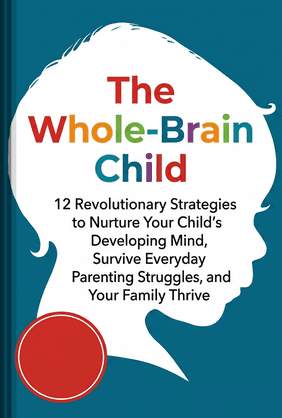
The Whole-Brain Child
Daniel J. Siegel, M.D., Tina Payne Bryson, Ph.D.
 41 Duration
 7 Key Points
 4.6 Rate
Of course, finding the time to sit down and read a full parenting book is a challenge in itself. If you want to absorb the key takeaways from books like this during a commute or while tidying up, an app like LeapAhead can help.

Absorb key insights from parenting bestsellers in 15-minute audio summaries, perfect for busy parents who want to keep learning on the go.

Download LeapAhead App now

The Best Shel Silverstein Poems for Kids (Categorized by Intent)
To make your next bedtime reading session a breeze, we have categorized the top poems based on the exact vibe you want to create with your child.
1. For Pure Belly Laughs: "Sick"
(Found in: Where the Sidewalk Ends)
The Premise: Little Peggy Ann McKay lists an escalating series of bizarre and dramatic medical ailments to her parents to avoid going to school. She has the measles, the mumps, a gash, a rash, and her brain is shrinking. The twist? At the very end, she finds out it is Saturday, and miraculously, she is completely cured and ready to go outside and play.
Why Kids Love It: Every child has tried to fake a stomachache to get out of doing something they hate. The sheer exaggeration of Peggy's symptoms is hilarious.
How to Read It Aloud: Start with a weak, raspy, dramatic voice. As the list of ailments grows more ridiculous ("my left leg is broke," "my instep is blue"), read faster and let your voice get a little wilder. Then, drop the act completely for the final, cheerful line: "G'bye, I'm going out to play!"
The Conversation Starter:
- "What is the funniest excuse you have ever thought of to get out of cleaning your room?"
- "Do you think her parents actually believed her, or were they just letting her talk?"
When you find a book that guarantees a genuine, roaring belly laugh from your child, it becomes an instant bedtime staple. Humor is one of the most effective ways to build a positive association with reading, especially for younger kids who might have a shorter attention span. If you are looking to add another lighthearted, highly interactive read-aloud to your family's collection, Your Baby's First Word Will Be DADA is an absolute winner. It's wildly silly, beautifully illustrated, and gives parents a chance to flex their most ridiculous animal noises to keep kids entertained.

Your Baby's First Word Will Be DADA
Jimmy Fallon and Miguel Ordóñez
15 Duration6 Key Points4.8 Rate
2. For Math and Logic: "Smart"
(Found in: Where the Sidewalk Ends)
The Premise: A proud young boy is given a one-dollar bill by his father. Thinking he is a brilliant negotiator, he trades the dollar for two quarters (because two is more than one). He then trades the two quarters for three dimes, the three dimes for four nickels, and finally, the four nickels for five pennies. He goes back to his dad, incredibly proud of his "five" coins.
Why Kids Love It: Children around ages 5 to 8 are just learning the value of money. They immediately spot the boy's mistake and feel a massive sense of superiority and delight in knowing better than the character in the book.
How to Read It Aloud: Read the boy's perspective with absolute, unshakeable confidence. Puff out your chest. Make him sound incredibly proud of his terrible math skills.
The Conversation Starter:
- "Wait a second, how much money did he actually lose?"
- "If someone offered you ten shiny pennies for one wrinkled twenty-dollar bill, what would you tell them?"
3. For Teaching Responsibility: "Sarah Cynthia Sylvia Stout Would Not Take the Garbage Out"
(Found in: Where the Sidewalk Ends)
The Premise: Sarah flat-out refuses to take the trash out. The garbage piles up to the ceiling, spills out the windows, covers the state, and eventually stretches from New York to the Golden Gate. By the time Sarah finally decides she is ready to take it out, it is too late, and she meets a mysterious (but humorous) fate in the trash.
Why Kids Love It: The descriptive language of the rotting garbage—brown banana peels, sour milk, moldy melons—is delightfully gross. Kids love the "yuck" factor.
How to Read It Aloud: Lean into the disgust. Wrinkle your nose. When you read the long list of garbage items, try to read it in one single, exhausting breath to show just how much trash there is.
The Conversation Starter:
- "What do you think actually happened to Sarah at the end of the poem?"
- "What is a chore you hate doing, but know you have to do so our house doesn't turn into Sarah's?"

4. For Building Empathy and Inclusion: "The Hug O' War"
(Found in: Where the Sidewalk Ends)
The Premise: A short, sweet poem where the narrator suggests replacing a "tug of war" with a "hug o' war," where everyone hugs, everyone giggles, and everyone wins.
Why Kids Love It: It is gentle and acts as a nice palate cleanser after the chaotic and gross poems. It offers a warm, safe feeling.
How to Read It Aloud: Slow down your pace. Lower your volume to a soft, comforting tone. This is the perfect poem to read right as you are tucking them under the covers.
The Conversation Starter:
- "How does it feel when you play a game and nobody has to lose?"
- "Who is someone at school who might need a 'hug o' war' today?"
5. For Self-Acceptance: "Masks"
(Found in: Everything On It)
The Premise: Two people who have blue skin hide their true colors under masks. They walk right past each other, searching their whole lives for someone else with blue skin, never realizing they just passed their perfect match because they were both hiding.
Why Kids Love It: While younger toddlers might just see the visual of the masks, older kids (ages 7-10) will instantly grasp the profound sadness of hiding who you really are.
How to Read It Aloud: Read this one simply and seriously. Let a few seconds of silence hang in the room after you finish the final line.
The Conversation Starter:
- "Why do you think they were hiding their blue skin?"
- "Is there ever something about yourself that you feel like you have to hide at school?"
Understanding "Where the Sidewalk Ends" Themes
When you read these poems, you will quickly notice a recurring pattern. Understanding Where the Sidewalk Ends themes will help you guide the conversations you have with your kids.
The title itself is a metaphor. The "sidewalk" represents the adult world—rigid, gray, predictable, and bound by strict rules (like asphalt). The place "where the sidewalk ends" is the realm of childhood innocence, boundless nature, and untamed imagination.
Silverstein constantly plays with the tension between these two worlds. In his poems, adults are often portrayed as overly literal, boring, or easily fooled, while children possess the real wisdom. By highlighting these themes, you validate your child's perspective. You tell them that their imagination is not just "silly playtime"—it is a valuable way of seeing the world.
Practical Tips for Making Poetry a Family Habit
You do not need to be an English teacher to successfully share these works. Here are a few practical ways to integrate these poems into your routine:
- Ditch the Front-to-Back Rule: Poetry books are not novels. You do not need to read them chronologically. Open the book to a random page. Look at the weird illustration together, and let your child decide if they want to read that one based purely on the drawing.
- Encourage Voice Acting: After you read a poem, ask your child to read it back to you (if they are reading age). Challenge them to read it like a grumpy old man, a tiny mouse, or an angry robot. This is incredible for building reading fluency and confidence.
- Leave the Book Out: Keep a copy of A Light in the Attic or Where the Sidewalk Ends on your living room coffee table or in the backseat of the car. These short bursts of text are perfect for the five minutes you spend waiting for dinner to finish in the oven.
- Use the Local Library or Bookstores: If you want to preview the books before buying, check out your local US public library or spend an afternoon browsing the kids' section at a Barnes & Noble. Let your child physically hold the books—Silverstein’s thick, white, hardcover editions are iconic and satisfying to flip through.
Encouraging your kids to do voice acting and keeping books accessible in the living room are excellent steps toward building lifelong literacy. But if your child is just starting their reading journey, transitioning from listening to actually reading the words themselves can sometimes feel intimidating. If you want a structured, stress-free way to help them make that leap, check out The Reading Lesson. It provides a simple, step-by-step framework that turns the daunting task of learning to read into a fun, manageable bonding activity for you and your little one.

The Reading Lesson
Michael Levin MD and Charan Langton MS
23 Duration8 Key Points4.7 RateShel Silverstein gave parents a cheat code. He provided a bridge between the chaotic, messy minds of children and the structured world of reading. By leaning into his humor and heart, you are not just reading words on a page; you are creating core memories and raising a thinker.
FAQ
What age is Shel Silverstein appropriate for?
Shel Silverstein’s poems are incredibly versatile. Toddlers and preschoolers (ages 3-5) will love the rhythm, the rhymes, and the funny illustrations. Elementary-aged kids (ages 6-10) will appreciate the clever wordplay, the math jokes, and the rebellious humor. Even middle schoolers and adults can find deep philosophical meaning in poems like "Masks" or "The Voice."
Which Shel Silverstein book should I buy first?
If you are only going to start with one, Where the Sidewalk Ends is universally considered the gold standard and the perfect entry point. It contains his most famous and culturally recognizable poems. You can easily find hardcover editions on Amazon or at any local bookstore. After that, A Light in the Attic and Falling Up are the natural next steps.
How do I explain the deeper meaning of these poems to a young child?
Do not force the "lesson." The beauty of Silverstein's work is that the lesson is baked into the joke. Instead of lecturing, ask open-ended questions like, "What do you think would happen if you did what the kid in the poem did?" Let them arrive at the conclusion themselves. If they just want to laugh at the funny drawing today, let them. They will pick up on the deeper themes as they grow older and revisit the book.