

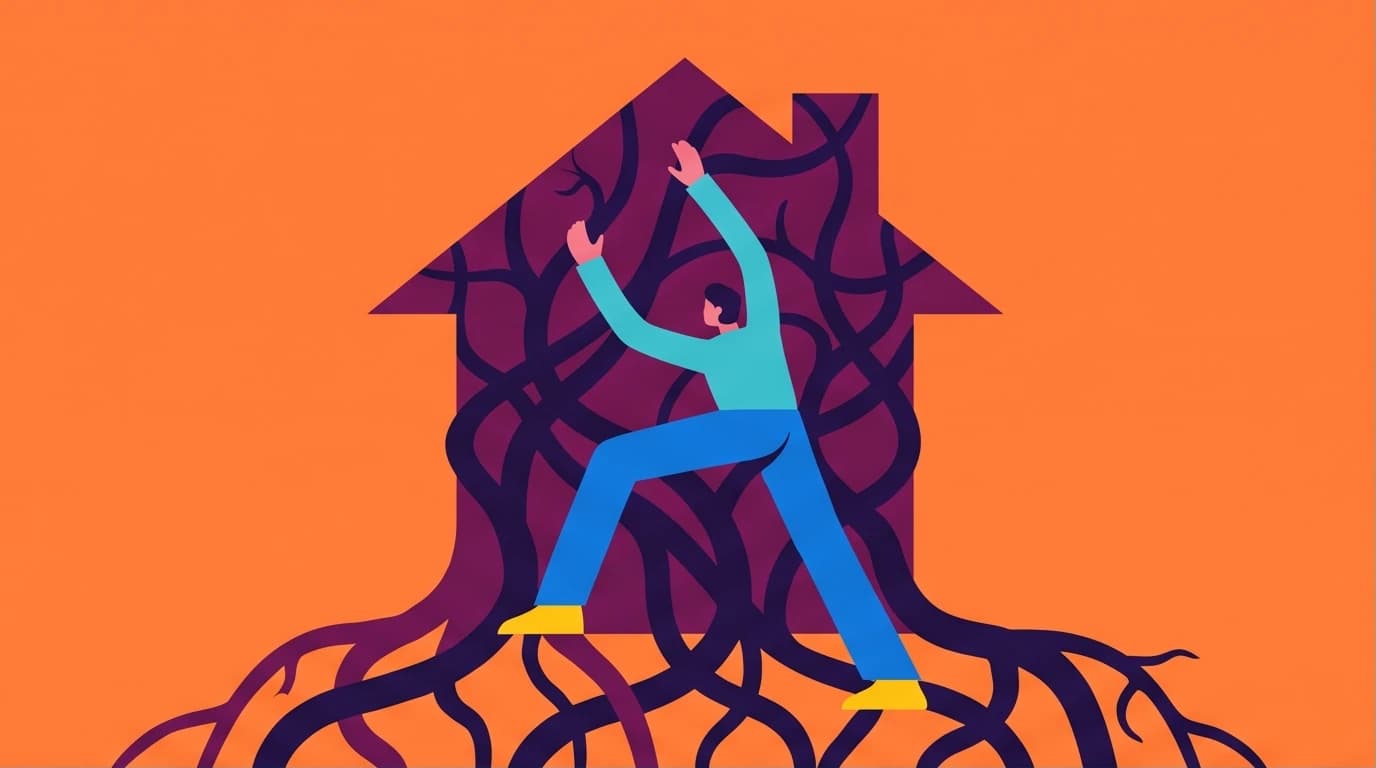
You didn't ask for the dysfunction, but you carry the weight of it every day. Whether you are dealing with subtle manipulation, constant criticism, or overt emotional abuse, untangling the reality of your upbringing is exhausting. You likely spend a lot of time questioning your own memory, wondering if things were "really that bad," and feeling a heavy sense of guilt for wanting space from your family. Finding the right frameworks can be the exact breakthrough you need to stop doubting yourself, understand the behavior you grew up with, and start setting ironclad boundaries.
Navigating the self-help section on Amazon or Barnes & Noble can be overwhelming when you are already dealing with heavy emotional baggage. To cut through the noise, we have organized the most impactful books into clear categories. Whether you need clinical validation, actionable recovery steps, or just to know you aren't alone, this guide will help you find exactly what you need.

LeapAhead

Overwhelmed by a long reading list? Get the key insights from top healing and psychology books in just 15 minutes a day with LeapAhead.
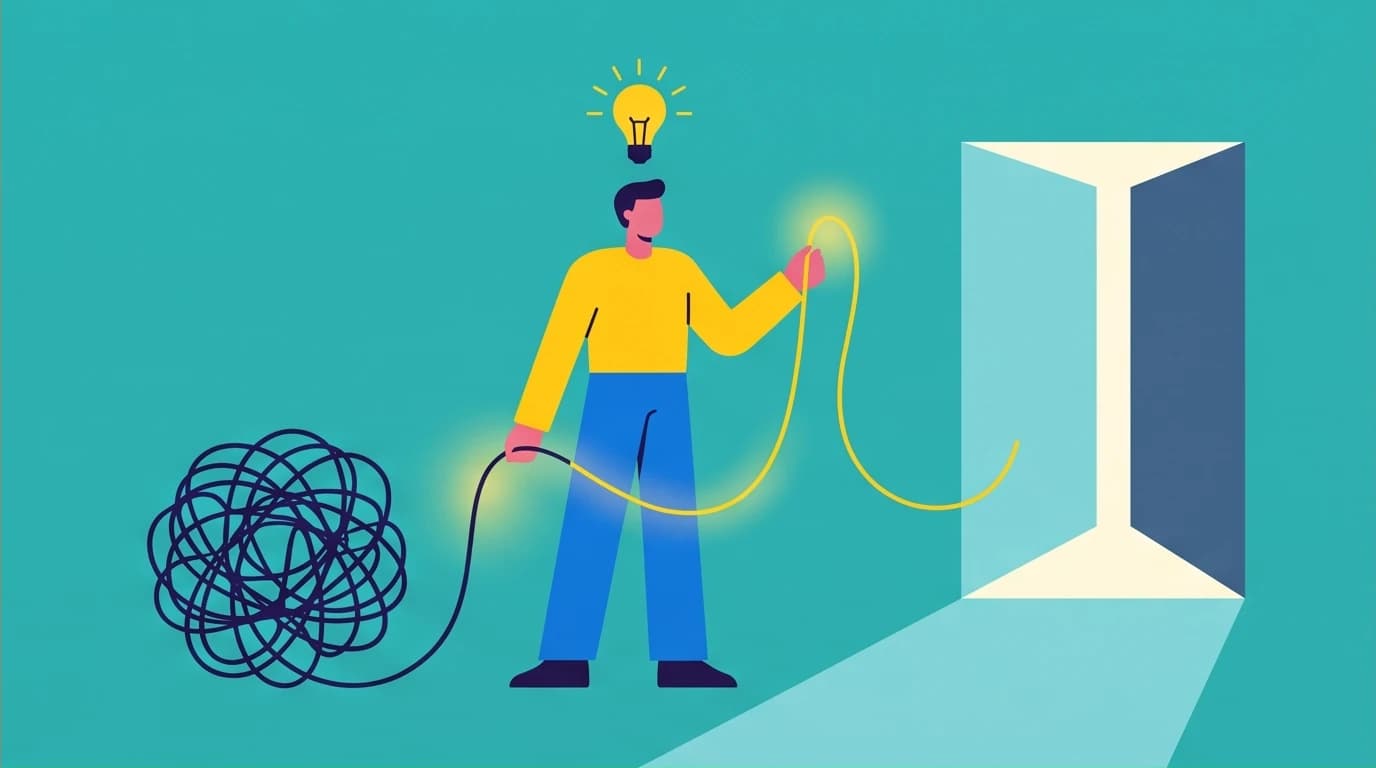
Foundational Reading: Understanding the Family Dynamic
Before you can heal, you need to accurately name what happened. These foundational books about toxic parents strip away societal expectations (like "family is everything") and replace them with clear, clinical terms for toxic behavior.
1. Adult Children of Emotionally Immature Parents by Lindsay C. Gibson, PsyD
If you only read one book from this list, make it this one. Gibson breaks down exactly why you always felt lonely or unheard as a child, even if your parents provided for you financially. She categorizes emotionally immature parents into four types: emotional, driven, passive, and rejecting.
- Core Takeaway: You cannot fix your parents' emotional immaturity. Your healing comes from shifting your expectation that they will one day change, and instead focusing on how you react to them.
- Who Should Read It: Anyone who feels like they are the "parent" in the parent-child relationship, or those who constantly feel guilty for not being close to their family.
If you've spent years trying to figure out why your relationship with your parents feels so hollow despite their outward support, this is the resource you need. Dr. Gibson's compassionate framework will help you stop chasing the impossible dream of changing them. Instead, it empowers you to protect your own emotional energy. Ready to break free from the cycle of disappointment and start healing? You can grab a copy to explore her groundbreaking strategies right here.
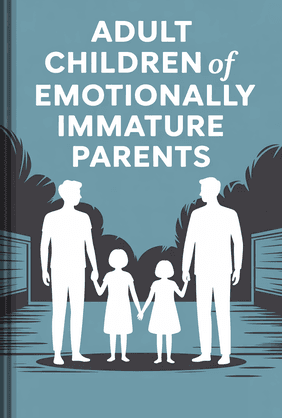
Adult Children of Emotionally Immature Parents
Lindsay C. Gibson, Psy.D.
 39 Duration
 8 Key Points
 4.6 Rate
2. Toxic Parents: Overcoming Their Hurtful Legacy and Reclaiming Your Life by Dr. Susan Forward
This is the classic textbook on family dysfunction. Dr. Forward doesn't sugarcoat anything. She directly addresses parents who are inadequate, controlling, alcoholic, or verbally and physically abusive.
- Core Takeaway: You are not responsible for what was done to you as a defenseless child. The book provides specific phrasing and techniques for confrontation and boundary-setting.
- Who Should Read It: Readers looking for a direct, no-nonsense approach to identifying abuse and learning exactly what to say when setting a boundary.
For those who need to confront severe boundary violations, Dr. Susan Forward's straightforward guidance is an absolute lifesaver. This book doesn't just validate your pain; it equips you with the exact words to defend yourself against manipulation and guilt trips. If you are tired of being caught in a web of family dysfunction and want a no-nonsense roadmap to reclaiming your independence, pick up this quintessential guide to start your journey today.
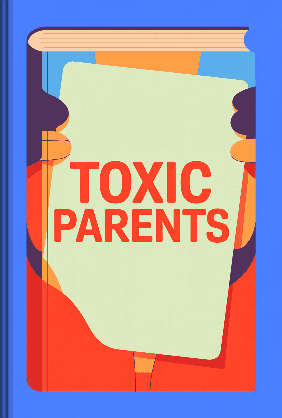
Toxic Parents
Susan Forward Ph.D., Craig Buck
23 Duration9 Key Points4.7 Rate
Exploring the Maternal Dynamic: The Mother Wound
The relationship between a mother and child is heavily romanticized in American culture, making it incredibly isolating when your mother is the source of your pain. Healing this specific dynamic requires targeted resources, which is why finding the best books for mother wound recovery is a critical step for many readers.
3. Will I Ever Be Good Enough? Healing the Daughters of Narcissistic Mothers by Dr. Karyl McBride
Narcissistic mothers often view their daughters as extensions of themselves, leading to a lifetime of perfectionism, self-sabotage, and anxiety for the child. Dr. McBride, a therapist who specializes in this exact dynamic, provides a roadmap for daughters to separate their own identity from their mother's demands.
- Core Takeaway: Your worth is not tied to your achievements, your appearance, or your ability to keep your mother happy.
- Who Should Read It: Daughters who struggle with intense perfectionism, imposter syndrome, or the constant feeling that they are falling short.
4. Discovering the Inner Mother: A Guide to Healing the Mother Wound and Claiming Your Personal Power by Bethany Webster
Webster tackles the mother wound not just from a psychological perspective, but from a cultural and systemic one. She explains how unhealed generational trauma is passed down and how you can become the "inner mother" you always needed.
- Core Takeaway: Healing the mother wound isn't just about fixing a relationship with one person; it's about reclaiming your own autonomy and breaking a generational cycle.
Memoirs: Finding Validation in Shared Stories
Sometimes, clinical psychology feels too heavy or academic. You just need to hear from someone who has been through it. Reading memoirs gives you permission to feel your anger and grief. If you are searching for books like I'm Glad My Mom Died, these highly-rated titles on Goodreads offer that same raw, unfiltered honesty.
5. I'm Glad My Mom Died by Jennette McCurdy
Jennette McCurdy's explosive memoir shattered the taboo of speaking ill of the dead, especially a mother. With dark humor and unflinching honesty, she details the severe emotional abuse, eating disorders, and exploitation she suffered at the hands of her mother. It is the gold standard for modern trauma memoirs because it refuses to offer a neat, forgiving resolution where one isn't deserved.
- Why It Works: It completely dismantles the guilt associated with feeling relief when a toxic parent is gone or out of your life.
Sometimes, the most profound healing comes from realizing you aren't the only one with dark, complicated feelings toward your family. Jennette McCurdy's brave and darkly comedic memoir gives you full permission to grieve the childhood you didn't get, without forcing a toxic positivity narrative. If you are looking for a deeply relatable story that will make you feel seen, understood, and less alone in your trauma, you won't be able to put this memoir down.
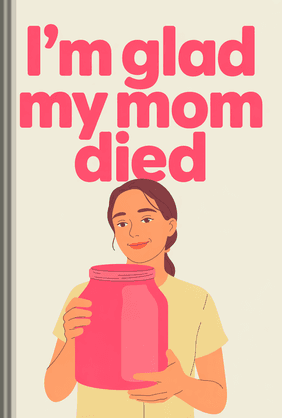
I'm Glad My Mom Died
Jennette McCurdy
28 Duration9 Key Points4.3 Rate6. What My Bones Know: A Memoir of Healing from Complex Trauma by Stephanie Foo
Stephanie Foo was a successful radio producer who seemed to have it all together, but internally she was battling the severe effects of her parents' abuse and abandonment. Her memoir is unique because it blends her personal narrative with serious investigative journalism into the science of trauma.
- Why It Works: It bridges the gap between a gripping personal story and hard science, making it incredibly validating for high-achievers who use work to mask their childhood pain.
7. Educated by Tara Westover
While not strictly categorized as a self-help book, Westover's journey of leaving her survivalist, abusive family in rural Idaho to pursue a PhD at Cambridge is a masterclass in breaking trauma bonds.
- Why It Works: It brilliantly illustrates the extreme cognitive dissonance of loving your family while knowing you must cut them off to survive.
8. LeapAhead: Key Insights from Healing Books in 15 Minutes
Let's be honest: diving into dense books about trauma can be exhausting, especially when you're already low on emotional energy. LeapAhead is a microlearning app designed for this exact problem. It offers 15-minute summaries of over 30,000 bestselling nonfiction books (including many on this list) in both audio and text formats, making it possible to absorb core concepts on healing, psychology, and boundary-setting during a commute, a workout, or a short break.
- Core Takeaway: You don't need to read a 300-page book in one sitting to start healing. Consistently absorbing key ideas in 15-minute chunks helps you build knowledge and momentum without the overwhelm. The app's visual infographics and personalized goal-setting also help make complex ideas stick.
- Who Should Use It: Anyone who feels too tired or time-crunched to read full books, or those who want to "sample" the main ideas from a book before committing to buying it. It's also great for audio learners who retain information better when they hear it.
- Honest Limitations: While excellent for grasping key concepts and building a learning habit, 15-minute summaries can't replace the deep, nuanced exploration found in full-length clinical books like The Body Keeps the Score. Think of it as a powerful supplement or starting point, not a full substitute for deep therapeutic reading.
Advanced Healing: Trauma and the Nervous System
Once you understand the dynamics and feel validated in your experience, the next step is untangling how this trauma lives in your brain and body. These psychology books on childhood trauma provide the clinical frameworks necessary for deep recovery.
9. Complex PTSD: From Surviving to Thriving by Pete Walker
Growing up with toxic parents rarely results in a single, isolated traumatic event. Instead, it creates a prolonged environment of fear and stress, leading to Complex PTSD (C-PTSD). Pete Walker, a therapist who also has C-PTSD, wrote what is widely considered the bible for this condition.
- Core Takeaway: Emotional flashbacks are real. When you suddenly feel small, helpless, or overwhelmed by panic in your adult life, you are likely experiencing an emotional flashback to your childhood. Walker provides actionable steps to manage these.
- Who Should Read It: Anyone who struggles with hyper-vigilance, intense inner criticism, or feeling constantly stuck in "fight, flight, freeze, or fawn" modes.
10. The Body Keeps the Score: Brain, Mind, and Body in the Healing of Trauma by Bessel van der Kolk, M.D.
You cannot talk about trauma without mentioning this groundbreaking book. Dr. van der Kolk explains how chronic stress from childhood abuse literally rewires the brain and alters the nervous system.
- Core Takeaway: Talk therapy alone is often not enough. You have to engage the body (through yoga, EMDR, neurofeedback, etc.) to release stored trauma.
Understanding trauma logically is only half the battle; the rest involves teaching your nervous system that it is finally safe. Dr. Bessel van der Kolk's pioneering work is essential reading for anyone who feels physically weighed down by their past. If you are ready to explore how your body holds onto stress and discover proven, science-backed pathways to physical and emotional recovery, this is a must-add to your personal healing library.
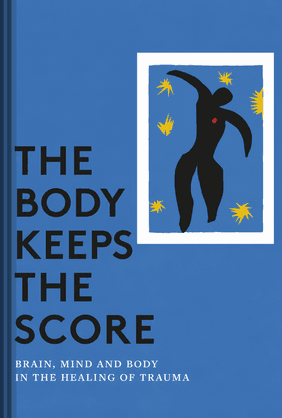
The Body Keeps The Score
Bessel Van Der Kolk
32 Duration10 Key Points4.5 Rate
Practical Application: Setting Boundaries and Moving Forward
Insight is useless without action. When you are looking for healing from emotional abuse books, you need resources that teach you how to behave differently in the real world.
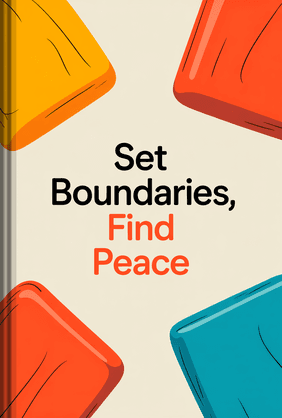
11. Set Boundaries, Find Peace: A Guide to Reclaiming Yourself by Nedra Glover Tawwab
Dealing with toxic parents ultimately comes down to boundaries. Tawwab provides a clear, actionable guide to identifying what you need, communicating it clearly, and dealing with the inevitable pushback.
- Core Action: Stop over-explaining. The book offers literal scripts you can use in text messages or at family dinners to shut down toxic behavior without getting pulled into an argument.
You shouldn't have to navigate holiday dinners or weekend phone calls with a knot in your stomach. Nedra Glover Tawwab's practical advice is perfect for anyone who struggles with people-pleasing or fears the conflict that comes with saying "no." If you want to stop over-explaining yourself and finally master the art of setting healthy, guilt-free boundaries with your family, this book is the perfect actionable companion to help you protect your peace.
Set Boundaries, Find Peace
Nedra Glover Tawwab
29 Duration10 Key Points4.5 RateHow to Consume These Books Safely
Reading about childhood trauma is not like reading a beach novel. It can be highly triggering. If you find yourself getting anxious while listening to an audiobook on Audible or reading a paperback, use these strategies:
- Titrate Your Reading: Do not binge-read trauma psychology. Read a chapter, then put the book down for a few days to let your brain process the information.
- Pair Reading with Journaling: Keep a notebook nearby. When a paragraph resonates deeply, write down how it applies to your specific childhood memories. This moves the information from abstract theory to personal realization.
- Bring It to Therapy: Use these books to accelerate your professional treatment. Highlighting passages and bringing them to your therapist is a great way to bypass small talk and get straight to the core issues.
- Mix Heavy with Light: If you are reading a dense clinical book like The Body Keeps the Score, make sure your other media consumption is light, entertaining, and relaxing.
LeapAhead
Find it hard to read dense trauma books? Listen to the core ideas on your commute or workout with LeapAhead's 15-minute audio summaries.
FAQ
Should I read these books if I still have a relationship with my parents?
Absolutely. Reading these books does not mean you are required to cut your parents out of your life (no contact). Many of these resources focus on "low contact" strategies, teaching you how to maintain a superficial but safe relationship, protect your emotional energy, and manage your expectations.
Absolutely. Reading these books does not mean you are required to cut your parents out of your life (no contact). Many of these resources focus on "low contact" strategies, teaching you how to maintain a superficial but safe relationship, protect your emotional energy, and manage your expectations.
Are memoirs or clinical psychology books better for healing?
It depends on where you are in your healing journey. If you are deeply confused and still asking, "Was it really abuse?", memoirs offer incredible validation and break down feelings of isolation. If you already know your upbringing was toxic but you are struggling with panic attacks, people-pleasing, or bad relationship patterns, clinical psychology books offer the tools to rewire those behaviors.
It depends on where you are in your healing journey. If you are deeply confused and still asking, "Was it really abuse?", memoirs offer incredible validation and break down feelings of isolation. If you already know your upbringing was toxic but you are struggling with panic attacks, people-pleasing, or bad relationship patterns, clinical psychology books offer the tools to rewire those behaviors.
Can reading about childhood trauma make me feel worse?
Yes, temporarily. Therapists often refer to this as the "healing crisis." When you stop suppressing painful memories and finally look at them clearly, you will likely feel anger, grief, and exhaustion. This is a normal part of processing. If it becomes overwhelming, pause your reading and consult a mental health professional.
Yes, temporarily. Therapists often refer to this as the "healing crisis." When you stop suppressing painful memories and finally look at them clearly, you will likely feel anger, grief, and exhaustion. This is a normal part of processing. If it becomes overwhelming, pause your reading and consult a mental health professional.
What if my parents weren't physically abusive, just emotionally absent?
Emotional neglect is incredibly damaging because it is defined by what didn't happen, making it very hard to point to a specific event. Books like Adult Children of Emotionally Immature Parents specifically address this exact scenario. Your pain is entirely valid, even if your childhood looked perfectly normal from the outside.
Emotional neglect is incredibly damaging because it is defined by what didn't happen, making it very hard to point to a specific event. Books like Adult Children of Emotionally Immature Parents specifically address this exact scenario. Your pain is entirely valid, even if your childhood looked perfectly normal from the outside.