

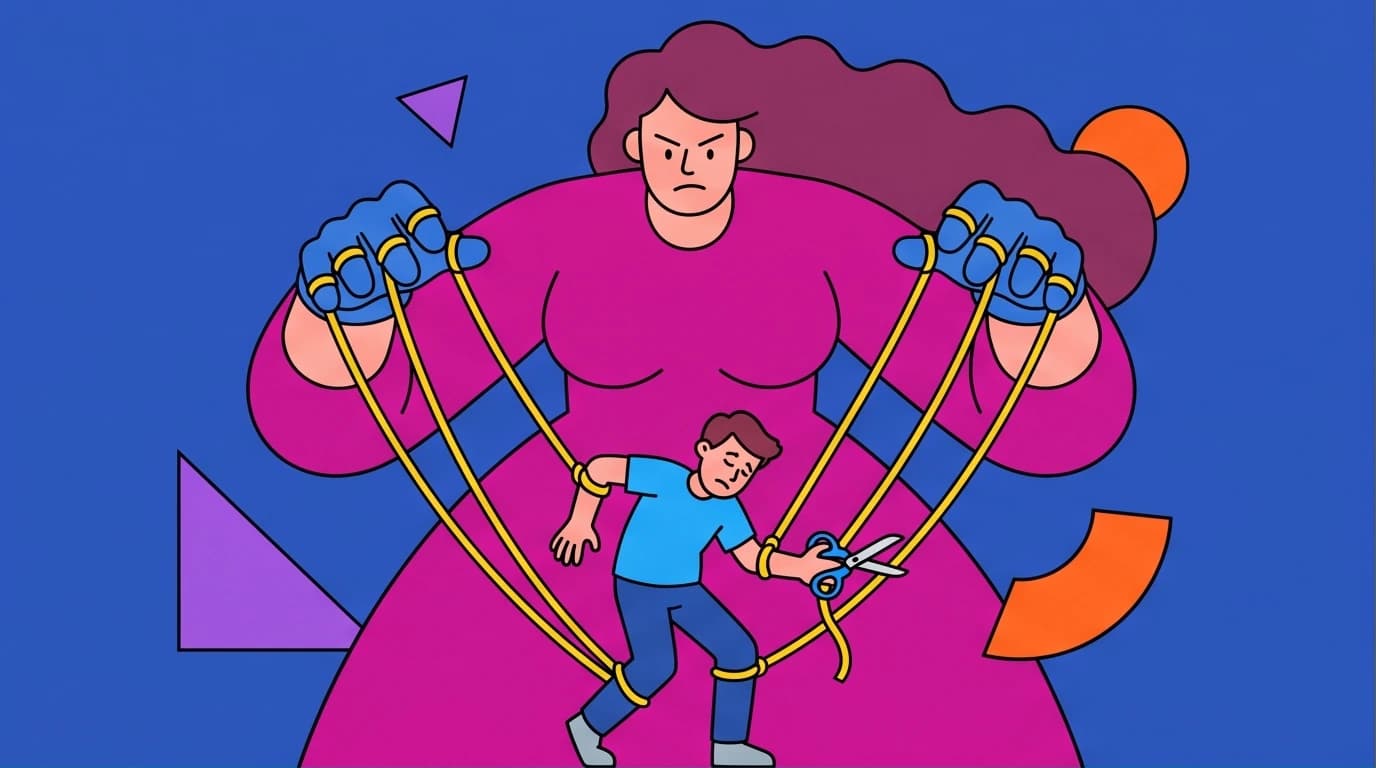
You might be here because you just finished a revealing memoir, listened to a podcast, or finally hit a breaking point after another draining phone call with your family. You are exhausted. You constantly feel like you are walking on eggshells, yet somehow, you are always the one apologizing. Now, you are asking a very heavy, uncomfortable question: Are these just quirks, or are these signs of a narcissistic mother?
Accepting that your parent lacks the capacity to love you unconditionally is a brutal realization. Society conditions us to believe that a mother's love is inherently selfless. When your lived reality contradicts that narrative, it breeds profound self-doubt and guilt.
This guide is designed to help you cut through the confusion. We will break down the exact behaviors that define narcissistic parenting, validate your experiences, and give you the tools to protect your mental health.
Core Signs of a Narcissistic Mother
Narcissism exists on a spectrum. While only a qualified mental health professional can officially diagnose Narcissistic Personality Disorder (NPD), you do not need a clinical diagnosis to identify and protect yourself from emotionally abusive mother traits. Here is what this behavior actually looks like behind closed doors.
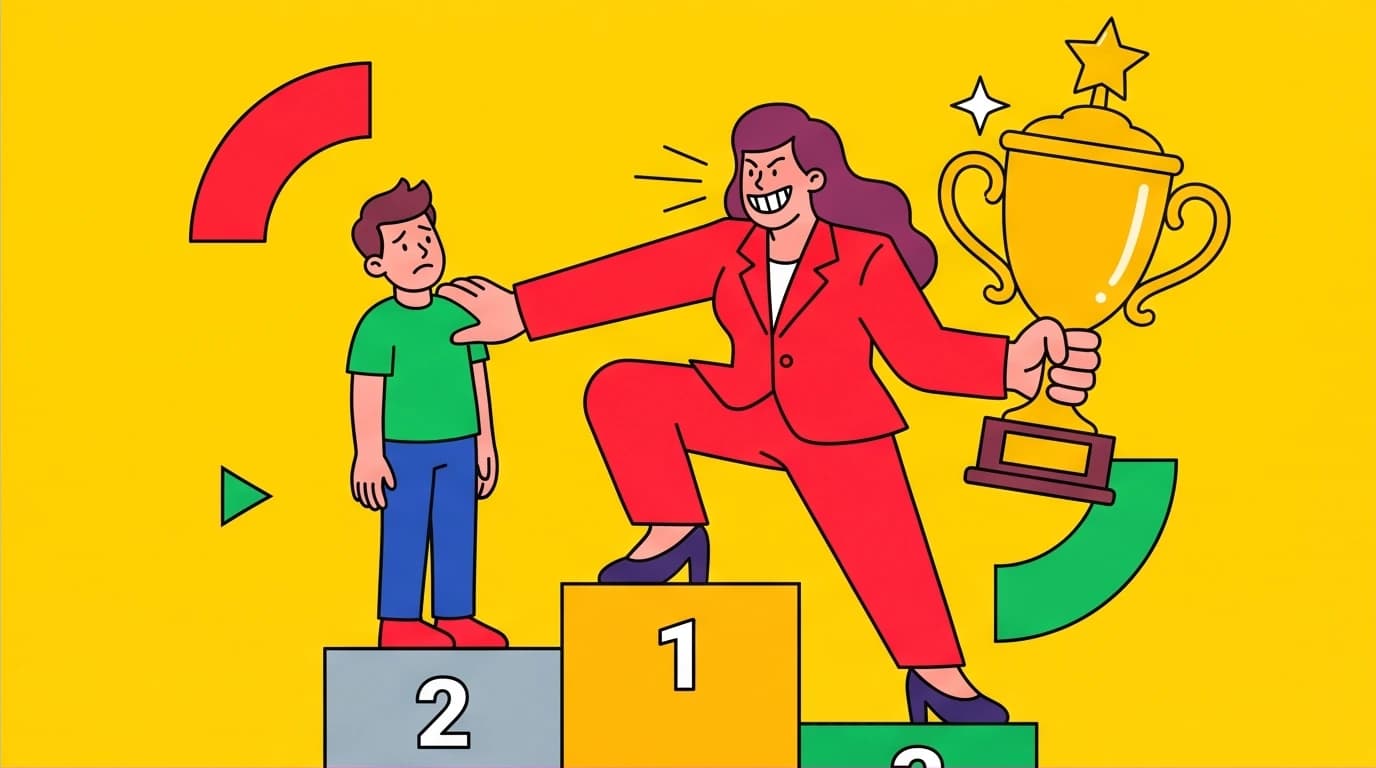
1. Everything is a Competition (and She Must Win)
A healthy mother celebrates her child's successes. A narcissistic mother views them as a threat. If you share good news about a promotion, she will quickly pivot the conversation to her own achievements or complain about how hard her life has been. If you are sick, she is sicker. She fundamentally lacks the emotional bandwidth to center your experience.
2. Love is Strictly Transactional
Affection is never free. It is distributed as a reward for compliance and abruptly withdrawn as a punishment for independence. You quickly learn that her "love" is entirely dependent on how well you serve her needs, reflect well on her to the outside world, or agree with her opinions. The moment you set a boundary, you are met with the silent treatment or explosive rage.
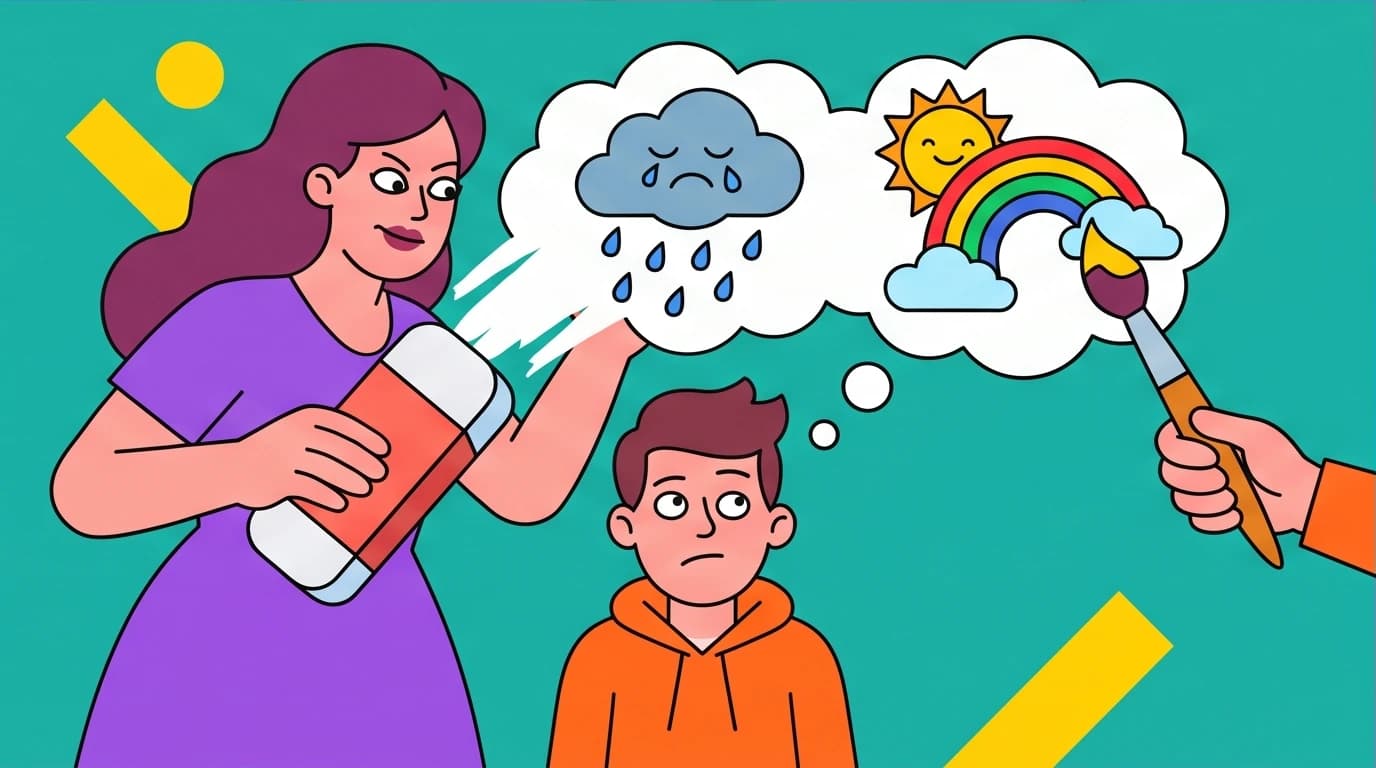
3. Chronic Gaslighting and Rewriting History
Gaslighting is one of the most destructive emotionally abusive mother traits. When you confront her about something hurtful she said or did, the response is never a genuine apology. Instead, it sounds like:
- "That never happened."
- "You are just being too sensitive."
- "I guess I am just the worst mother in the world, then."
This tactic forces you to question your own memory and reality, keeping you off-balance and easier to control.
4. Zero Respect for Boundaries
To a narcissist, boundaries are perceived as personal attacks. She might read your journals, show up unannounced at your home, demand immediate responses to texts, or share your highly personal medical information with her friends. She views you as an extension of herself, much like a limb. When a limb tries to move on its own, it feels unnatural to her.
If you are reading through these signs and feeling a heavy sense of recognition, you are not alone. Coming to terms with the reality of an emotionally unavailable or manipulative parent is often an isolating journey. To help you better understand these toxic dynamics, validate the confusion you have experienced, and begin untangling yourself from the guilt, we highly recommend this insightful guide on navigating life after being raised by caregivers who lacked emotional maturity.

Adult Children of Emotionally Immature Parents
Lindsay C. Gibson, Psy.D.
 39 Duration
 8 Key Points
 4.6 Rate
The Unique Burden of Toxic Mother Daughter Relationships
While a narcissistic parent damages all children, the dynamic between a mother and daughter carries specific, heavy expectations. Society tells us that mothers and daughters are supposed to be best friends.
When a mother is a narcissist, she often projects her own insecurities onto her daughter. This creates deeply toxic mother daughter relationships marked by fierce, unspoken rivalry. She might criticize your weight, your parenting style, or your career choices, often masking it as "just being honest" or "wanting what is best for you."
The recent surge in awareness around Jennette McCurdy mom psychology—sparked by her bestselling memoir dominating the charts on Apple Books and Audible—has shed light on this specific trauma. McCurdy’s story resonated with millions because it perfectly illustrated the enmeshment that happens when a mother forces her daughter to bear the weight of her own unfulfilled ambitions and emotional regulation. It validated the silent reality that sometimes, protecting yourself means walking away from the person who raised you.
Since we highlighted Jennette McCurdy’s groundbreaking memoir, it is absolutely worth a read if you have not picked it up yet. Her brave, unflinching look at the enmeshment and abuse she suffered at the hands of a deeply narcissistic mother has helped so many adult children feel seen and validated. It perfectly captures the confusing, conflicting emotions of loving someone while desperately needing to escape their toxic orbit to save yourself.

I'm Glad My Mom Died
Jennette McCurdy
28 Duration9 Key Points4.3 RateDealing with a Narcissistic Parent: Your Action Plan
You cannot fix a narcissist. You cannot love them enough, explain your feelings clearly enough, or be "good enough" to make them suddenly develop empathy. When dealing with a narcissistic parent, your entire strategy must shift from trying to change them to protecting yourself.
Practice Radical Acceptance
Stop waiting for the apology you are never going to get. Radical acceptance means looking at your mother exactly as she is right now, not as the mother you deserved or the mother you hope she will become. Grieving the mother you never had is a necessary step to stop the cycle of disappointment.
Radical acceptance is often the hardest part of the healing process, especially if you have spent your life trying to earn a mother's approval. If you constantly feel like you are falling short no matter how hard you try, it is time to address that internalized criticism. To help you navigate this painful but necessary step toward reclaiming your self-worth, we highly suggest this classic, compassionate roadmap designed specifically for daughters recovering from maternal narcissism.

Will I Ever Be Good Enough?
Dr. Karyl McBride, Ph.D.
20 Duration8 Key Points4.4 RateDeploy the "Gray Rock" Method
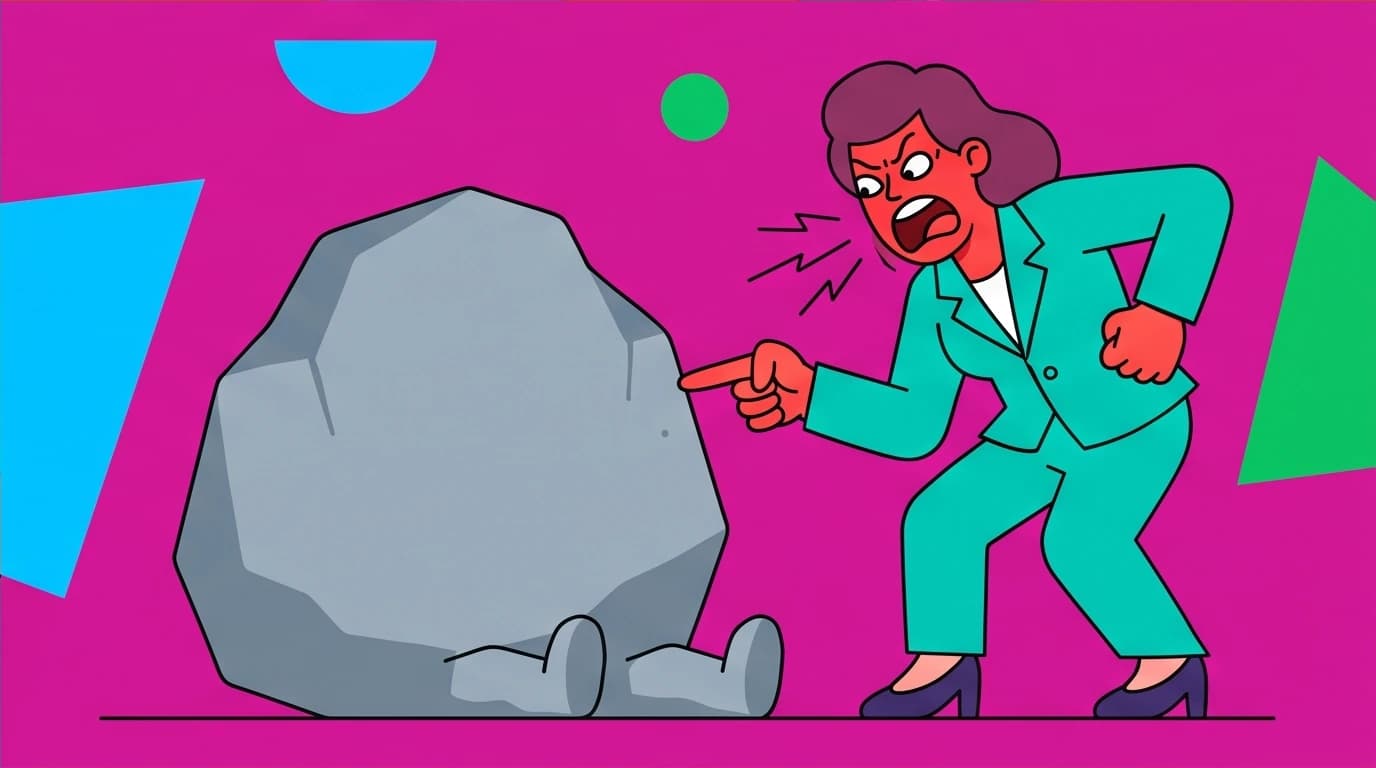
If you must maintain contact, become as uninteresting as a gray rock. Do not offer emotional reactions. Do not share deeply personal news, vulnerabilities, or anxieties. Keep conversations strictly focused on boring, neutral topics like the weather or generic daily routines. Narcissists feed on emotional reactions (narcissistic supply). When you cut off the supply, they often look elsewhere for their drama.
Put Her on an Information Diet
You do not owe your mother unrestricted access to your life. Filter the information you provide. If she uses your finances to criticize you, stop telling her what you earn. If she attacks your parenting, stop going to her for advice about your kids. Protect your peace by strictly limiting what she knows.
Build Firm, Consequence-Based Boundaries
A boundary without a consequence is just a suggestion. You cannot control what she does, but you can control what you will tolerate.
- Instead of: "Please stop criticizing my weight."
- Say: "If you comment on my body again, I will hang up the phone."
And the moment she crosses the line, you must hang up. Follow-through is the only language a narcissist understands.
Establishing and enforcing consequences with a parent who feels entitled to your time and energy is incredibly daunting. You will likely face intense pushback, severe guilt trips, and even anger when you first start standing your ground. If you are struggling to find the right words or the courage to draw these vital lines in the sand, this empowering guide on boundary-setting will give you the exact scripts and confidence you need to protect your peace.

Set Boundaries, Find Peace
Nedra Glover Tawwab
29 Duration10 Key Points4.5 RateWe know that diving into these recommended books is a big step, and finding the time and energy for heavy reading while you're already healing can be tough. If you want to start absorbing these critical insights more manageably, there are tools designed to help.


Absorb the core lessons from bestselling books on healing and psychology in 15-minute audio or text summaries, making it easier to learn and grow on your own terms.
 LeapAhead
FAQ
Can a narcissistic mother change?
True narcissism is deeply ingrained in a person's personality structure. While people can learn to modify their behavior if they are highly motivated, a narcissist rarely believes they have a problem, making true change highly unlikely. Your best strategy is managing your own exposure rather than waiting for her to heal.
How do I know if my mom is a narcissist or just difficult?
A difficult parent might be stubborn, possess outdated views, or occasionally lose their temper, but they generally possess empathy and can offer a genuine apology when they hurt you. A narcissistic mother lacks fundamental empathy, uses manipulation as a primary tool, and consistently centers herself in every situation without remorse.
Should I cut contact with my narcissistic mother?
Going "no contact" is a highly personal decision and often a last resort when your physical or mental health is in jeopardy. Many adult children choose "low contact"—restricting communication to holidays or brief, structured visits. Evaluate what level of contact allows you to maintain your peace and sanity, ideally with the guidance of a licensed therapist.