

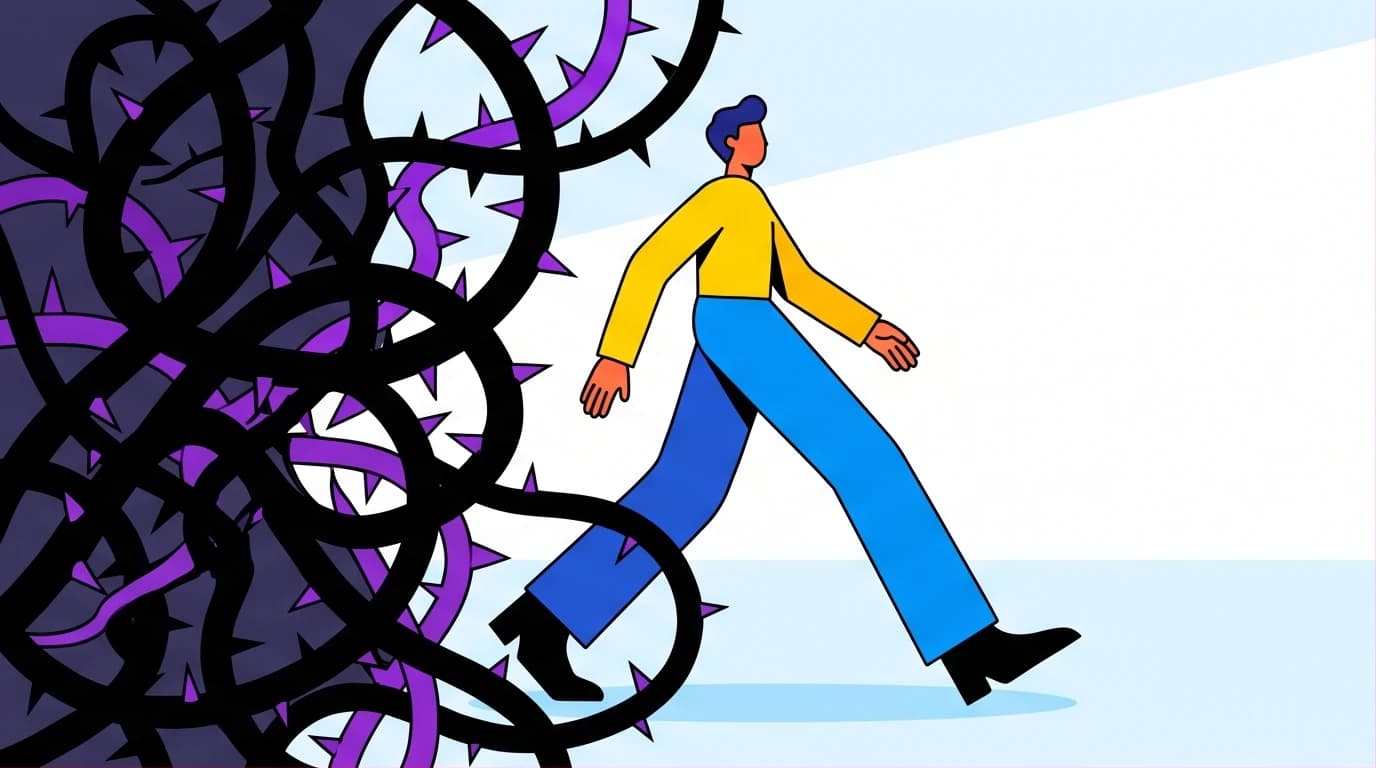
You might feel constantly on edge, struggle to trust others, or battle a loud inner critic that sounds exactly like your parents. The weight of your past does not just live in your head; it is wired into your nervous system, dictating your daily reactions and relationships. You are not broken, and a tangible path forward exists.
Understanding the Invisible Scars
Many survivors delay recovery because they believe their experiences "weren't that bad." If you were not physically harmed, it is easy to minimize your pain. But emotional damage leaves deep, lasting neurological scars.
The Reality of Emotional Neglect
Overcoming childhood emotional neglect can be incredibly confusing. Unlike active abuse, neglect is about what did not happen. You did not receive comfort when you cried. Your achievements were ignored. Your feelings were treated as an inconvenience. This absence of validation teaches a child that their needs do not matter, leading to chronic emptiness and crippling self-doubt in adulthood.
If the concept of emotional neglect resonates with you, you might be struggling to put your finger on exactly what went wrong during your childhood. Because this type of trauma stems from what was absent rather than what was present, it can be incredibly difficult to identify. To explore this further, Running on Empty is a remarkable resource. Dr. Jonice Webb brilliantly unpacks the lasting effects of childhood emotional neglect and provides practical, compassionate strategies to help you finally validate your own feelings and heal that persistent sense of emptiness.
Running on Empty
Jonice Webb, Ph.D.
 19 Duration
 7 Key Points
 4.6 Rate
The Impact of Active Emotional Abuse
Recovering from emotional abuse involves unpacking years of gaslighting, manipulation, and conditional love. Toxic caregivers often use guilt, rage, or silent treatment to control their children. As an adult, this translates to walking on eggshells, hypervigilance, and an intense fear of abandonment. You learned to read the room to survive. Now, that same survival mechanism is exhausting you.
Core Strategies for Healing From Childhood Trauma
Healing is not a passive event. It is an active, daily practice of rewiring your brain and body. Here are the actionable steps to take back control of your life.
Step 1: Break the Denial and Name the Abuse
You cannot heal what you refuse to acknowledge. Survivors often protect their abusive parents by carrying the blame themselves. You must stop making excuses for the adults who failed you.
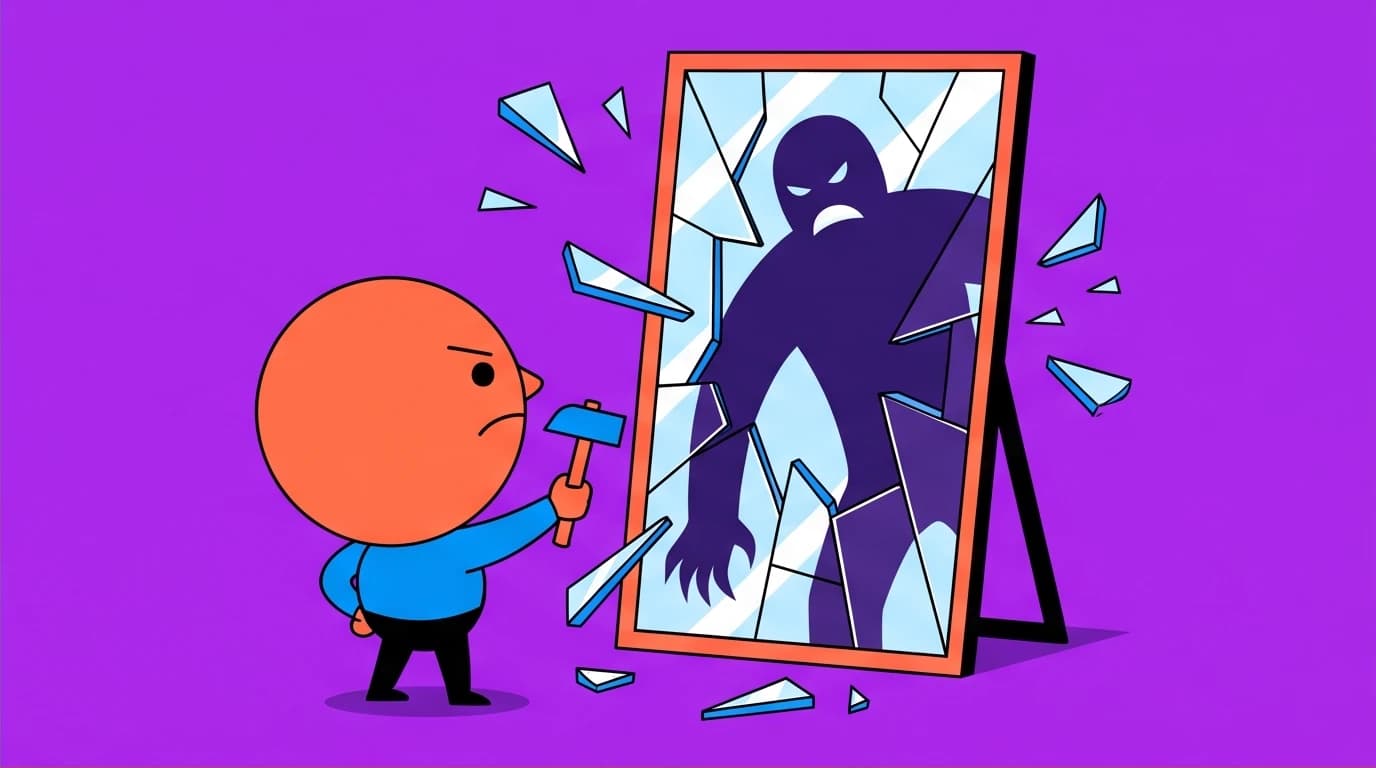
If you are dealing with maternal toxicity, healing the mother wound is often the most painful first step. Society pushes the narrative that "a mother's love is unconditional." When your reality directly contradicts this, the grief is immense. You must allow yourself to mourn the nurturing, safe mother you needed but never received. Accept that your parent is emotionally immature. Let go of the fantasy that if you just explain your pain clearly enough, they will finally realize their mistakes and apologize.
For many, putting a name to the dynamic is the first step toward healing. Recognizing that a parent's behavior fits a specific pattern of emotional abuse can be profoundly validating.
Step 2: Regulate Your Nervous System
Trauma lives in the body. When triggered, your nervous system throws you into fight, flight, freeze, or fawn responses. You cannot think your way out of a trauma trigger; you have to physically calm your body down first.

- Temperature shifts: When panic hits, splash ice-cold water on your face or hold an ice cube. The sudden temperature drop forces your mammalian dive reflex to activate, slowing your heart rate immediately.
- Box breathing: Inhale for 4 seconds, hold for 4, exhale for 4, hold for 4. This signals safety to your brain.
- Grounding objects: Keep a specific item in your pocket—a smooth stone or a textured piece of fabric. Focus purely on its physical sensation to pull your mind out of an emotional flashback and back to the present moment.
Understanding how trauma physically alters your nervous system is one of the most validating steps in recovery. When you realize your extreme reactions are biological survival mechanisms rather than personal failures, the shame begins to lift. If you want to dive deeper into the mind-body connection of trauma, The Body Keeps The Score is widely considered the gold standard. Dr. Bessel van der Kolk offers incredible insight into how abuse literally reshapes both the brain and the body, while highlighting innovative, somatic treatments that can help you reclaim your physical and emotional well-being.
The Body Keeps The Score
Bessel Van Der Kolk
32 Duration10 Key Points4.5 RateStep 3: Setting Boundaries With Toxic Parents
Setting boundaries with toxic parents is non-negotiable for your recovery. A boundary is not a tool to control your parents' behavior; it is a rule you create for your own protection.
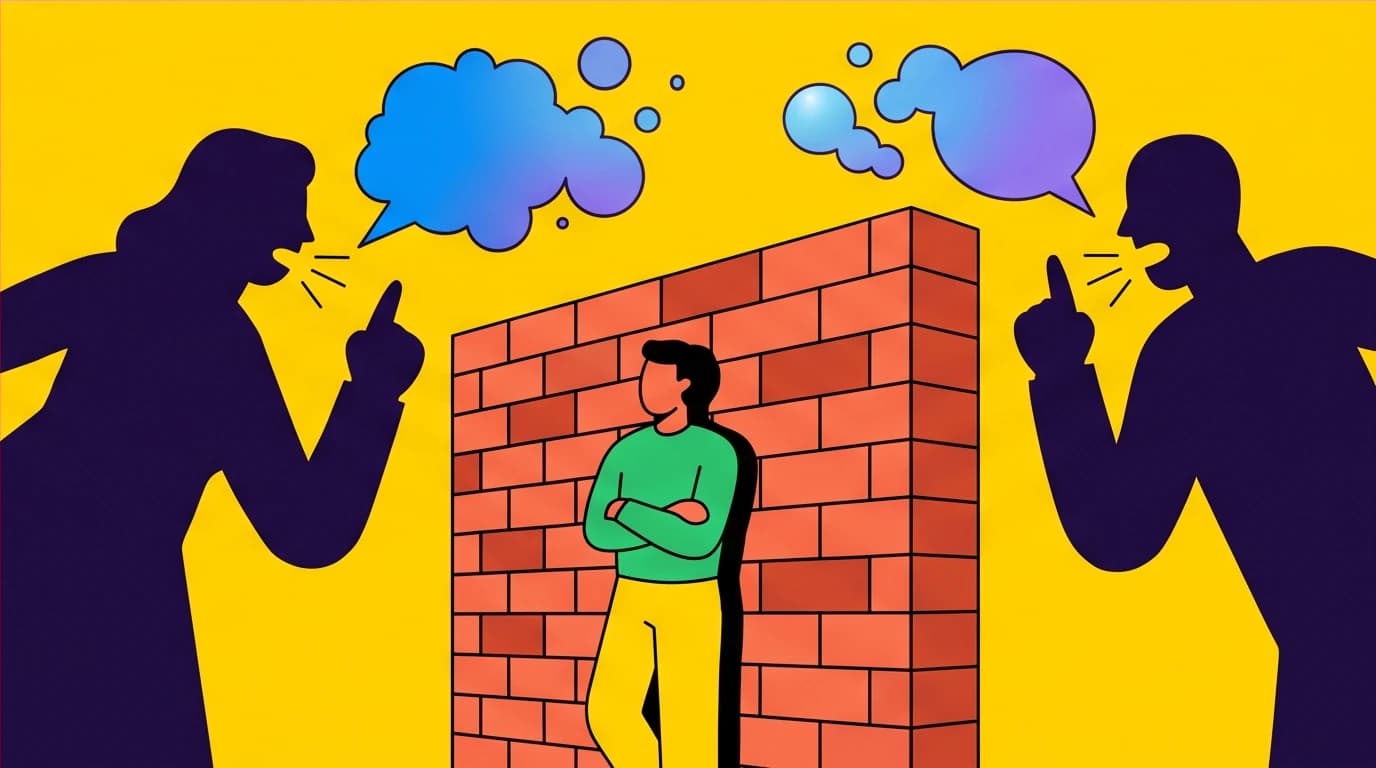
Define what you will no longer tolerate. Communicate it clearly, and enforce the consequence immediately.
- The Script: "If you continue to criticize my weight/career/spouse, I will end this phone call."
- The Action: The moment they cross the line, hang up. Do not argue. Do not explain.
If direct communication causes severe distress, utilize the Grey Rock Method. Become as uninteresting and unresponsive as a grey rock. Give short, non-committal answers (e.g., "Mhm," "Okay," "I see"). Do not share personal details, successes, or struggles. Starve them of the emotional reaction they are looking for.
If the relationship severely impacts your mental health, you have the absolute right to go Low Contact (LC) or No Contact (NC). You do not owe anyone your sanity just because you share DNA.
This struggle with boundaries is often a symptom of a deeper, more complex family system where individual autonomy was never allowed to develop. If you feel like your emotions and your parent's emotions are hopelessly tangled, you may be dealing with an unhealthy level of attachment.
Learning to set and enforce boundaries is often the most intimidating part of healing, especially if you were raised to be a chronic people-pleaser. The guilt can feel entirely overwhelming at first, but having a clear roadmap can make a world of difference. If you are looking for straightforward, actionable advice on how to navigate these tough conversations, Nedra Glover Tawwab’s Set Boundaries, Find Peace is an absolute must-read. It offers fantastic, real-world scripts and empowering guidance on how to assert your needs without apologizing, helping you protect your peace against toxic family dynamics.

Set Boundaries, Find Peace
Nedra Glover Tawwab
29 Duration10 Key Points4.5 RateStep 4: Reparent Your Inner Child
Childhood trauma forces you to grow up too fast. The vulnerable child inside you is still waiting for safety and validation. Reparenting means stepping into the role of the healthy caregiver you never had.
When you feel overwhelming shame or fear, pause. Ask yourself: How old do I feel right now? Often, a trigger makes you feel like a helpless seven-year-old. Speak directly to that part of yourself. Tell yourself out loud: "You are safe now. I am an adult, and I will protect you. It was not your fault."
Organize your physical space to feel incredibly safe. Buy the color of bedding you actually like. Eat your favorite foods without guilt. These small acts of autonomy rebuild your self-worth.
Reparenting your inner child requires a great deal of self-compassion, especially when dealing with the parts of yourself that carry immense fear or shame. Rather than fighting these triggered states, you can learn to approach them with curiosity and care. A highly effective framework for this is Internal Family Systems (IFS). Dr. Richard Schwartz’s No Bad Parts is an excellent guide for understanding this approach. It teaches you how to embrace every fragmented piece of your psyche, empowering you to become the safe, loving adult your wounded inner child has always needed.
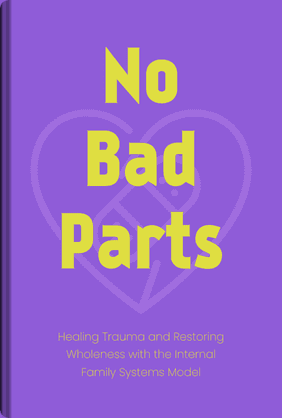
No Bad Parts
Richard Schwartz Ph.D.
22 Duration7 Key Points4.6 Rate

LeapAhead

Feeling overwhelmed? Absorb key insights from top healing and psychology books in just 15 minutes a day. LeapAhead makes learning manageable, even on your toughest days.
Build Your Recovery Toolkit
You do not have to do this alone. Educating yourself is a massive step in recovery. Seek out trauma-informed resources to help you process your experiences.
Pick up physical copies of highly recommended trauma recovery workbooks at Barnes & Noble. If you prefer to listen while commuting or walking, download audiobooks on Audible or Apple Books. Reading reviews on Goodreads from other survivors can also remind you that you are part of a larger community. Excellent starting points include Adult Children of Emotionally Immature Parents by Lindsay C. Gibson and Complex PTSD: From Surviving to Thriving by Pete Walker. If you decide to shop online, Amazon offers a massive selection of guided journals designed specifically for inner child work.
However, the healing process itself can be exhausting, and finding the time and energy to read dense psychological texts can feel like another monumental task. For those days when you want to learn but feel too drained for a full book, a microlearning app like LeapAhead can be an invaluable tool. It offers 15-minute summaries of over 30,000 bestselling nonfiction books in both audio and text formats. This allows you to absorb the core ideas from many of the books mentioned here while commuting, exercising, or during a short break. While a summary can't replace the depth of a full book, it's an incredibly effective way to build knowledge consistently and discover which authors and concepts you want to explore more deeply. For survivors who prefer learning on the go, its mobile-first design is a major plus, though it may feel less suited for those who prefer long study sessions on a desktop.
LeapAhead
Start building your recovery toolkit without the pressure of heavy reading. Listen to summaries of books like 'The Body Keeps The Score' on your commute with LeapAhead.
As you continue to build your knowledge, creating a personalized reading list is an empowering next step. There is a wealth of literature available that can help you feel seen and understood on your healing journey.
As you build your personal recovery toolkit, finding literature that accurately reflects your lived experience is incredibly validating. The realization that you are not alone—and that your parents' behavior follows a well-documented psychological pattern—can be life-changing. Since it was mentioned above as an essential read, we highly recommend picking up Adult Children of Emotionally Immature Parents. Dr. Lindsay C. Gibson provides profound clarity on how emotionally unavailable parents operate. Her book offers practical tools to help you detach from their toxic behavior, establish healthier boundaries, and finally step into your own emotional autonomy.
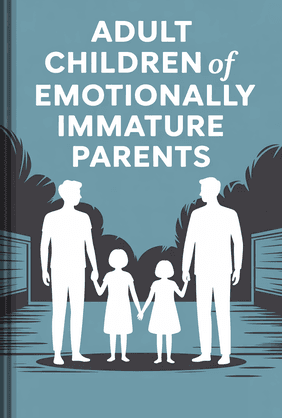
Adult Children of Emotionally Immature Parents
Lindsay C. Gibson, Psy.D.
39 Duration8 Key Points4.6 RateIf your budget allows, seek a licensed therapist who specializes in EMDR (Eye Movement Desensitization and Reprocessing) or Somatic Experiencing. Traditional talk therapy is helpful, but trauma-specific modalities are far more effective at clearing trauma from the nervous system.
Common Pitfalls to Avoid
As you navigate recovery, watch out for these common traps that can stall your progress.
Forcing Premature Forgiveness
Society pushes forgiveness as a requirement for healing. It is not. You can fully heal, process your anger, and move on with a happy life without ever forgiving your abuser. Focus on acceptance and detachment, not forced forgiveness.
Society pushes forgiveness as a requirement for healing. It is not. You can fully heal, process your anger, and move on with a happy life without ever forgiving your abuser. Focus on acceptance and detachment, not forced forgiveness.
Falling for Toxic Positivity
Do not let anyone tell you to "just look on the bright side" or "be grateful they gave you life." Toxic positivity invalidates your very real pain. Your anger and grief are justified. Feel them fully so they can pass.
Do not let anyone tell you to "just look on the bright side" or "be grateful they gave you life." Toxic positivity invalidates your very real pain. Your anger and grief are justified. Feel them fully so they can pass.
Expecting Linear Progress
Healing is messy. You might have a great month, followed by a severe emotional flashback triggered by a random smell or a minor argument. A setback does not erase your progress. It just highlights an area that needs a little more attention.
Healing is messy. You might have a great month, followed by a severe emotional flashback triggered by a random smell or a minor argument. A setback does not erase your progress. It just highlights an area that needs a little more attention.
FAQ
Does healing mean I have to confront my parents about the past?
No. Confrontation is rarely productive with toxic or narcissistic parents. They will likely gaslight you, deny the events, or play the victim. Healing happens entirely within you and does not require their participation, validation, or apology.
No. Confrontation is rarely productive with toxic or narcissistic parents. They will likely gaslight you, deny the events, or play the victim. Healing happens entirely within you and does not require their participation, validation, or apology.
How do I know if I am actually recovering?
Progress shows up in quiet ways. You will notice a gap between a trigger and your reaction. You will stop over-explaining yourself. You will feel less guilt when saying "no." The inner critic in your head will become quieter, replaced by a more compassionate, supportive voice.
Progress shows up in quiet ways. You will notice a gap between a trigger and your reaction. You will stop over-explaining yourself. You will feel less guilt when saying "no." The inner critic in your head will become quieter, replaced by a more compassionate, supportive voice.
Is it too late to heal if I am already in my 40s or older?
It is never too late. The brain possesses neuroplasticity throughout your entire life. This means you can rewire your trauma responses, build new neural pathways, and learn healthy relationship dynamics at any age. Many survivors only begin to find true peace well into adulthood.
It is never too late. The brain possesses neuroplasticity throughout your entire life. This means you can rewire your trauma responses, build new neural pathways, and learn healthy relationship dynamics at any age. Many survivors only begin to find true peace well into adulthood.
I feel guilty for setting boundaries. Does that mean I am doing it wrong?
Guilt is a standard withdrawal symptom of setting boundaries. If you were conditioned to be a people-pleaser, prioritizing yourself will feel wrong at first. Expect the guilt, sit with it, but do not change your boundary. The guilt will fade as your brain learns that prioritizing your safety is not a crime.
Guilt is a standard withdrawal symptom of setting boundaries. If you were conditioned to be a people-pleaser, prioritizing yourself will feel wrong at first. Expect the guilt, sit with it, but do not change your boundary. The guilt will fade as your brain learns that prioritizing your safety is not a crime.