

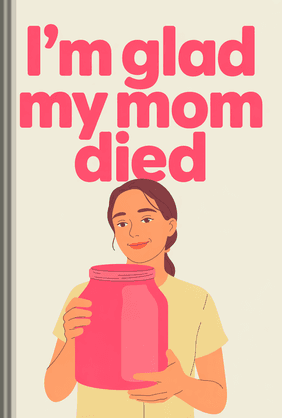
You see the neon pink cover sitting on the bestseller tables at Barnes & Noble. The title is deliberately jarring. Many assume it is just another piece of celebrity gossip or a hollow Hollywood tell-all designed for shock value. It isn't.
Behind the provocative title lies a clinical, devastating, and darkly funny examination of enmeshment. When you grow up with a parent who dictates your career, your diet, and your very identity, separating your voice from theirs becomes a matter of survival. If you want to understand the psychological weight of the book without committing to the full Audible narration, you need to look past the sitcom sets and focus on the family dynamics.
Here is a comprehensive look at the core narrative, the deep psychological analysis, and the actionable lessons you can apply to your own understanding of boundaries and healing.
The Core Narrative Arc: A Quick I'm Glad My Mom Died Summary
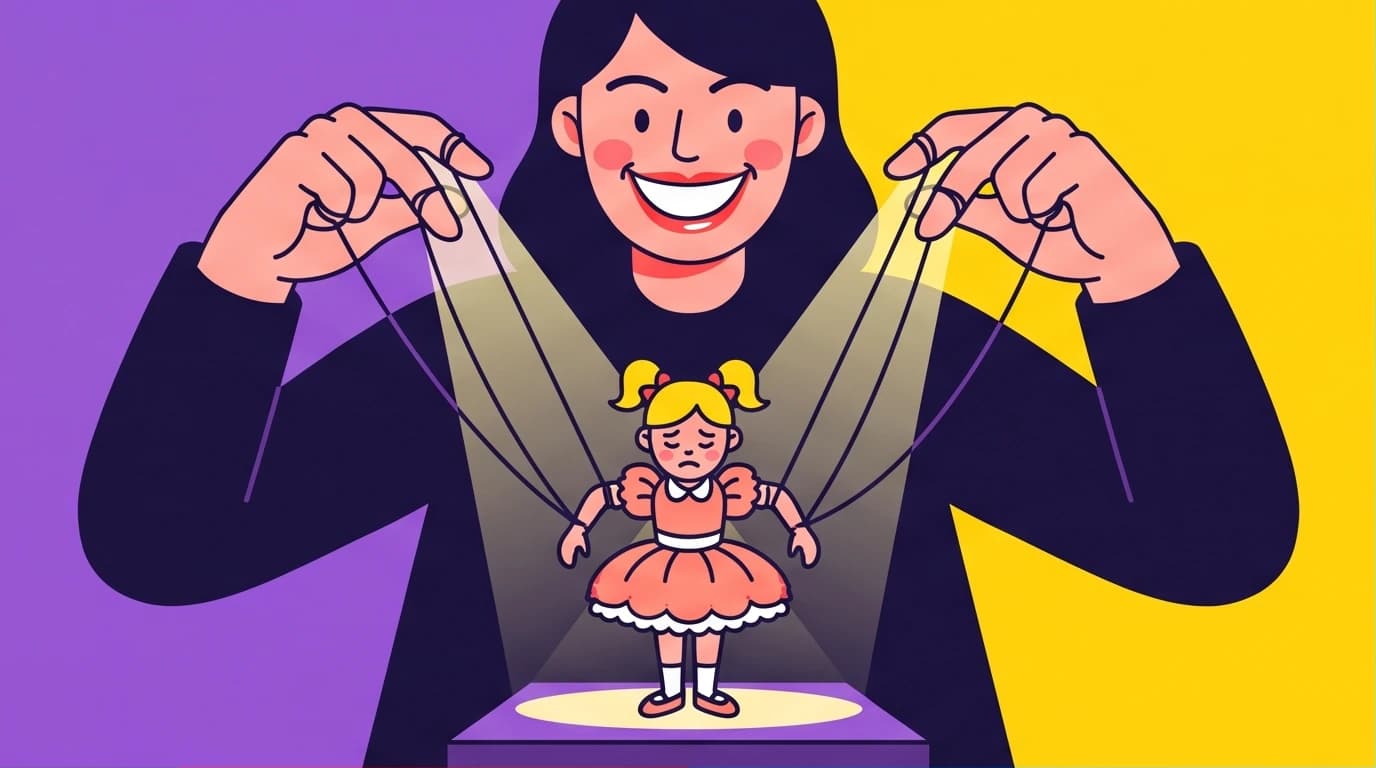
To extract the right lessons, you first need the context of McCurdy’s reality. Jennette McCurdy did not want to be an actress. She was pushed into the industry at age six by her mother, Debra, a woman desperate to live out her own dashed Hollywood dreams through her daughter.
Debra’s control was absolute. She managed Jennette's money, her schedule, and eventually, her physical body. When Jennette began going through puberty, Debra introduced her to "calorie restriction," effectively teaching her young daughter how to develop an eating disorder to delay breast development and remain marketable for child roles.
Jennette booked major roles on Nickelodeon (specifically iCarly and Sam & Cat), becoming the family's primary breadwinner. Behind the scenes, she endured inappropriate behavior from a powerful network executive she refers to only as "The Creator," while simultaneously managing her mother's volatile emotions and hoarding tendencies at home.
When Debra died of cancer, Jennette's world collapsed. The person she had built her entire life around—the person she was programmed to keep happy at all costs—was gone. What followed was a brutal spiral into bulimia, alcohol abuse, and toxic relationships, before she finally found a competent therapist who helped her face the unspeakable truth: her mother was an abuser. Acknowledging that truth was the only way Jennette could actually start living.
If this quick summary has already piqued your interest, there is simply no substitute for experiencing McCurdy’s journey in her own words. While overviews are helpful for spotting the major themes, the raw emotion, dark humor, and gripping pacing of her actual memoir are what make it a modern classic. If you're ready to dive into the full, unvarnished truth of her Hollywood upbringing and family struggles, you'll want to pick up the complete book.
I'm Glad My Mom Died
Jennette McCurdy
 28 Duration
 9 Key Points
 4.3 Rate
Deep Dive: I'm Glad My Mom Died Analysis and Psychological Themes
A proper I'm Glad My Mom Died analysis requires looking at the specific mechanisms of control Debra used. The Jennette McCurdy memoir themes extend far beyond the entertainment industry; they are textbook case studies in family trauma.
Enmeshment and Narcissistic Abuse
Enmeshment occurs when personal boundaries between family members are blurred or nonexistent. Debra did not see Jennette as a separate human being. She viewed her as an extension of herself. Debra showered Jennette with praise when she booked a role and withdrew affection when she failed.
Debra performed Jennette's physical exams (including breast and vaginal exams) under the guise of "checking for cancer" well into Jennette's late teens. This extreme violation of privacy destroyed Jennette's bodily autonomy. The psychological theme here is clear: when a parent demands total enmeshment, the child learns that setting a boundary equals a loss of love.
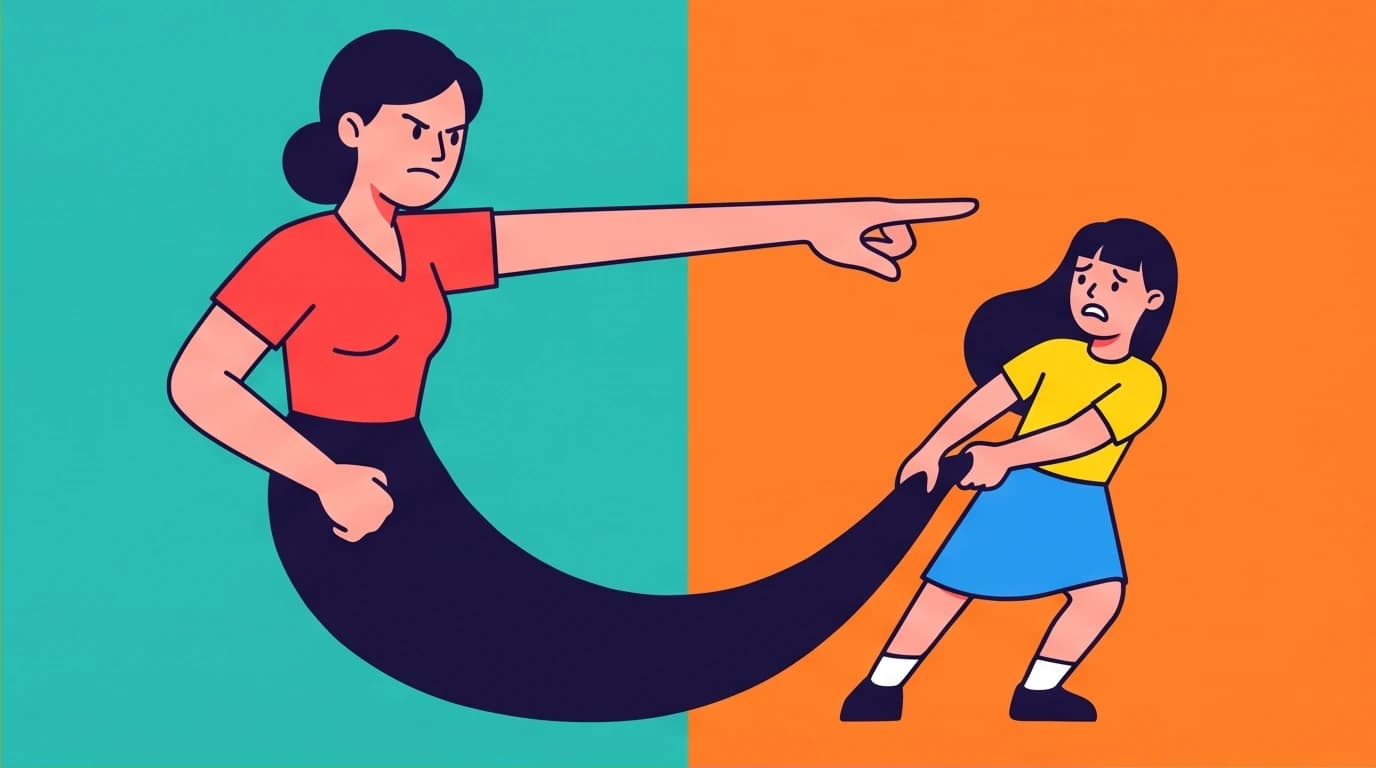
Recognizing that a parent viewed you as an extension of themselves rather than an independent human being is a tough pill to swallow. If McCurdy's experience with a deeply enmeshed, self-centered caregiver resonates with your own family history, you might be looking for ways to untangle those lingering emotional knots. For a deeper understanding of how self-involved caregivers impact our adult lives—and how to heal from that specific brand of emotional neglect—this insightful guide by Dr. Lindsay Gibson is an absolute must-read.
Adult Children of Emotionally Immature Parents
Lindsay C. Gibson, Psy.D.
39 Duration8 Key Points4.6 RateEating Disorders as a Mechanism of Control
One of the most harrowing Jennette McCurdy memoir themes is the weaponization of food. Anorexia and bulimia are rarely just about weight; they are about control. Debra weaponized calorie counting as a shared "secret" between mother and daughter.
By keeping Jennette small, Debra kept her dependent. It is a terrifying illustration of how abusers disguise harm as care. Debra framed the eating disorder as teamwork, ensuring Jennette would view food not as nourishment, but as a metric of her mother's approval.
The physical toll of emotional abuse and control is often profound, manifesting in eating disorders, chronic stress, or other bodily symptoms. Debra’s weaponization of her daughter's physical form perfectly illustrates how psychological trauma embeds itself in our physical bodies. If you are interested in exploring the fascinating, science-backed connection between childhood trauma and physical health—and how to begin releasing that trapped pain—Bessel van der Kolk’s groundbreaking research offers incredible clarity.
The Body Keeps The Score
Bessel Van Der Kolk
32 Duration10 Key Points4.5 RateExploring dense psychological topics like trauma and enmeshment can be demanding. If you want to grasp the foundational ideas from these kinds of expert-led books before committing to a deep read, you can get the key takeaways in a more digestible format.


Quickly grasp complex psychological concepts from bestselling authors like Bessel van der Kolk by listening to their core ideas in just 15 minutes.
 LeapAhead
The Illusion of "The Creator" and Industry Exploitation
While Debra was the primary abuser, the broader ecosystem of child stardom enabled the abuse. Jennette details her interactions with "The Creator," a man who exerted immense power over child actors, crossing physical and emotional boundaries with impunity.
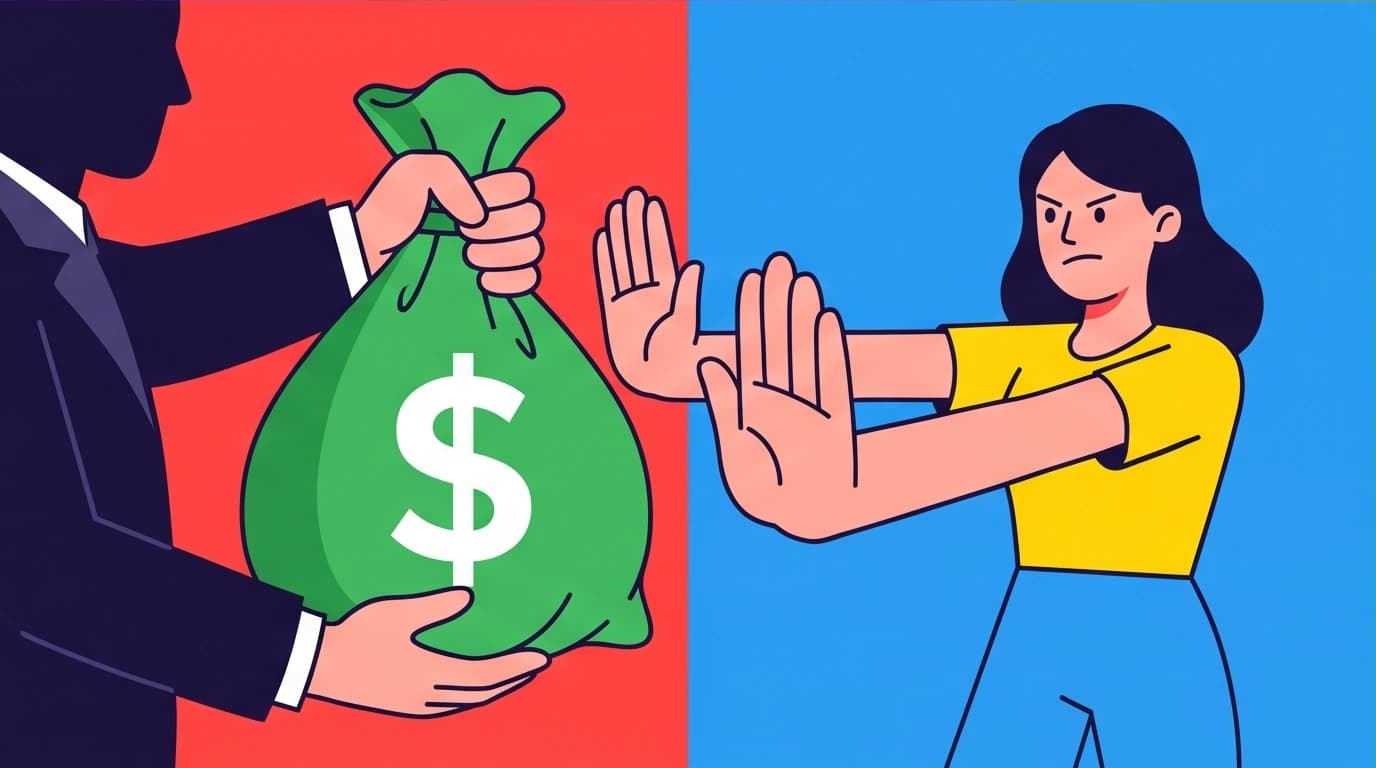
The studio eventually offered Jennette $300,000 in "hush money" to never speak about her experiences with The Creator. She turned it down. This rejection of money is the pivotal moment where Jennette chooses her own integrity and voice over the financial security that kept her trapped for decades.
Key Jennette McCurdy Book Takeaways
For readers focused on self-improvement, the real value lies in the Jennette McCurdy book takeaways. You don't have to be a former child star to resonate with the fallout of toxic relationships.
1. Forgiveness Is Not a Prerequisite for Healing
Society places immense pressure on trauma survivors to "forgive and forget." A common narrative suggests that you cannot heal until you forgive the person who hurt you. McCurdy rejects this entirely.
One of the most profound lessons from I'm Glad My Mom Died is that anger is a valid, necessary stage of healing. Jennette realizes she does not owe her dead mother forgiveness. She owes herself the truth. Accepting that someone abused you—without forcing yourself to forgive them—is a complete and valid path to recovery.
2. Grief is Complicated When the Deceased Was Abusive
Grieving a loving parent is agonizing. Grieving an abusive parent is psychologically chaotic. When Debra died, Jennette felt devastated, but she eventually felt profound relief.
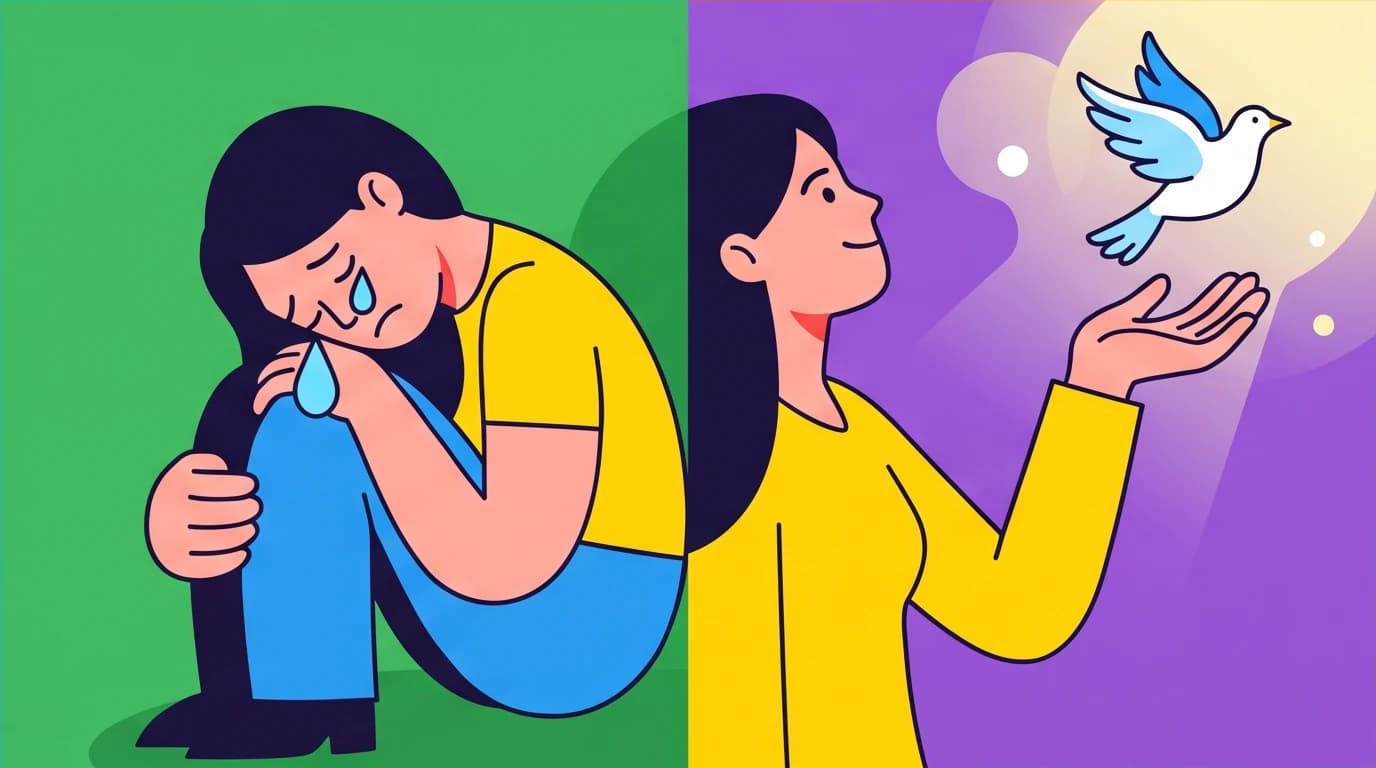
This duality is called complex grief. You are mourning the parent you had, the parent you deserved but never got, and the loss of the purpose they forced onto you. The book validates the messy reality that you can miss someone terribly while simultaneously being glad they can no longer hurt you.
3. Identity Exists Outside of Parental Expectations
Jennette spent 21 years being exactly what Debra wanted. When Debra died, Jennette didn't know what her favorite color was, what music she actually liked, or what she wanted to do for a living.
Discovering your identity after escaping an enmeshed relationship requires starting from zero. It means unlearning the instinct to people-please. Jennette's decision to quit acting, despite being highly successful, proves that walking away from something you are good at is the right move if it destroys your mental health.
Practical Lessons from I'm Glad My Mom Died
How do you take the insights from this memoir and apply them to your own life? Here are the actionable lessons from I'm Glad My Mom Died that you can integrate into your own personal growth journey.
- Audit Your Motivations: Ask yourself if your current career, relationship, or lifestyle choices are genuinely yours. Are you doing this because you want to, or because you are trying to fulfill an expectation set by a parent, partner, or society?
- Recognize Conditional Love: Pay attention to how people react when you say "no." If a parent or partner withdraws affection, gives you the silent treatment, or guilts you when you set a basic boundary, you are dealing with conditional love. Real love respects boundaries.
- Therapy Requires Complete Honesty: Jennette went through multiple therapists. Early on, she lied to her therapists to protect her mother's image. Healing only began when she found an eating disorder specialist and finally told the ugly truth. You cannot outsmart the therapeutic process. You must be willing to dismantle the idolized versions of the people who hurt you.
- Reclaim Your Autonomy: Start small. If your boundaries have been erased, rebuild them through minor daily choices. Choose your own clothes. Eat what you actually want. Say no to a small favor. Autonomy is a muscle that atrophies under abuse; it requires daily exercise to rebuild.
Reclaiming your autonomy after a lifetime of people-pleasing is incredibly challenging, but it starts with learning how to say no. When you have been conditioned to accept conditional love, drawing lines in the sand can feel terrifying. If you need actionable strategies to stop feeling guilty for protecting your peace, Nedra Glover Tawwab provides a fantastic framework. Her practical advice will help you confidently establish healthy limits with family, friends, and coworkers so you can start prioritizing your own well-being.

Set Boundaries, Find Peace
Nedra Glover Tawwab
29 Duration10 Key Points4.5 RateThis article introduces several life-changing books, but building a new reading habit can be tough when you're busy. If you feel inspired to learn but overwhelmed by your to-read list, starting with the core ideas can be a powerful first step.
Turn your commute or daily chores into learning time by listening to the key insights from these and thousands of other personal growth books.
LeapAheadMcCurdy's memoir is a triumph not because of the celebrity behind it, but because of the unflinching honesty within it. It serves as a permission slip for anyone holding onto guilt regarding toxic family members. You are allowed to set boundaries. You are allowed to be angry. And, most importantly, you are allowed to write your own story.
FAQ
Why did Jennette McCurdy name her book I'm Glad My Mom Died?
She chose the title to reflect her genuine emotional reality. While shocking to the public, the death of her mother was the exact event that freed Jennette from severe emotional and physical abuse, eating disorders, and a career she hated. The title highlights the complex truth that losing her abuser was the only way she could survive.
She chose the title to reflect her genuine emotional reality. While shocking to the public, the death of her mother was the exact event that freed Jennette from severe emotional and physical abuse, eating disorders, and a career she hated. The title highlights the complex truth that losing her abuser was the only way she could survive.
Do I need to be a fan of iCarly or Nickelodeon to understand the book?
Not at all. While the backdrop is Hollywood and child acting, the core of the book is about a toxic mother-daughter relationship, narcissism, and trauma recovery. The Hollywood element just serves as the unique environment where the abuse took place.
Not at all. While the backdrop is Hollywood and child acting, the core of the book is about a toxic mother-daughter relationship, narcissism, and trauma recovery. The Hollywood element just serves as the unique environment where the abuse took place.
What does the book reveal about eating disorders?
The memoir provides a stark look at how eating disorders can be taught and weaponized. McCurdy explains how her mother introduced her to calorie restriction at age 11 to delay puberty. It strips away the glamorization of eating disorders and shows them as brutal mechanisms of control and deeply ingrained psychological coping strategies.
The memoir provides a stark look at how eating disorders can be taught and weaponized. McCurdy explains how her mother introduced her to calorie restriction at age 11 to delay puberty. It strips away the glamorization of eating disorders and shows them as brutal mechanisms of control and deeply ingrained psychological coping strategies.
What is the main takeaway from the book?
The primary takeaway is that you are allowed to prioritize your own well-being over the expectations of your parents. It teaches that healing often requires confronting uncomfortable truths about the people who raised you, and that you do not have to forgive your abusers to move forward and live a healthy life.
The primary takeaway is that you are allowed to prioritize your own well-being over the expectations of your parents. It teaches that healing often requires confronting uncomfortable truths about the people who raised you, and that you do not have to forgive your abusers to move forward and live a healthy life.