

You spend thousands of dollars on Google Ads, drive steady traffic to your website, and watch potential buyers bounce within seconds. You tweak the button colors, redesign the logo, and rewrite your company history, yet conversions remain flat. The problem usually isn't your product. The problem is that your potential customers have no idea what you actually do, how it solves their specific problem, or how they are supposed to buy it.
If you are a skeptical marketer or a business owner tired of burning budget on vague brand awareness campaigns, you have likely heard of the SB7 framework. You are likely wondering: is this just another overhyped business trend, or is there measurable substance behind the methodology?
This comprehensive building a storybrand review strips away the marketing jargon to evaluate whether Donald Miller’s system deserves a place in your strategic playbook.
The Core Premise: Why Most Marketing Fails
Before diving into the mechanics of the framework, it is crucial to understand the foundational argument Miller makes. Most companies play the hero in their own story. They build websites that brag about their founding year, their massive facility, or their complex proprietary processes.
Customers do not care.
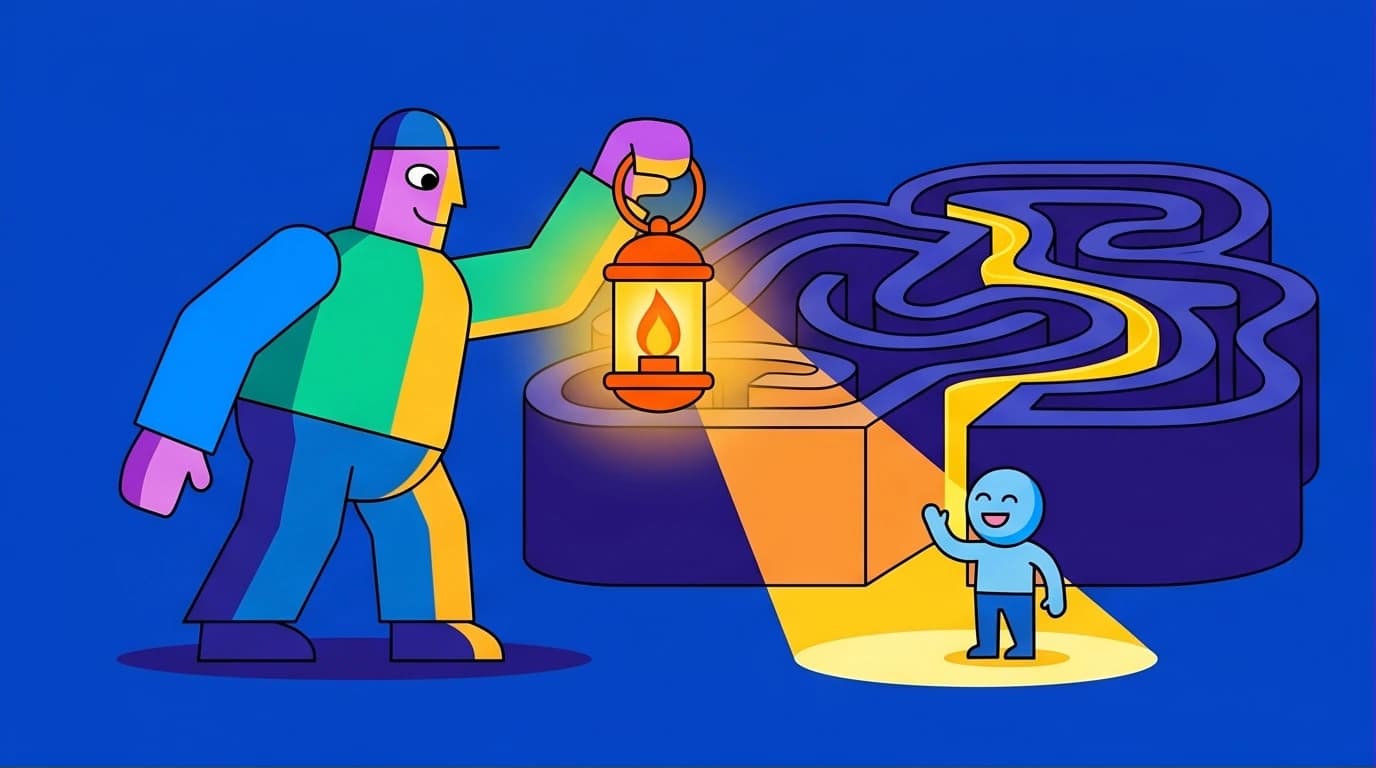
When a prospect lands on your website, they are looking for a way to survive and thrive. They are burning mental calories trying to figure out if you can solve their problem. If your messaging makes them think too hard, they will leave. StoryBrand leverages the ancient structure of storytelling to organize your message so that people actually listen. The monumental shift is simple: The customer is the hero of the story, not your brand. Your brand is simply the guide equipped to help them win.
This shift is the single most important concept in the entire framework. Understanding the psychology behind this change is key to unlocking its effectiveness in your own marketing.
If you are realizing that your current marketing strategy is too focused on your own business rather than the customer's journey, you might need a complete strategic reset. Transitioning to a customer-centric model does not require a 50-page corporate marketing document. In fact, simplifying your entire lead generation and sales process onto a single page can provide the exact clarity your team needs to thrive. If you want a straightforward, no-nonsense blueprint to organize your business growth, this read is an absolute game-changer.
The 1-Page Marketing Plan
Allan Dib
 22 Duration
 9 Key Points
 4.7 Rate
Unpacking the SB7 Framework
Any thorough donald miller book review must dissect the seven-part framework (SB7) that serves as the engine of the methodology. Instead of abstract branding theories, Miller offers a sequential narrative structure.
1. A Character (The Customer)
Every story starts with a hero who wants something. In marketing, you must clearly define what your customer wants in relation to your product. If you run a landscaping company, your customer doesn't just want lawn care; they want a beautiful yard without sacrificing their weekend free time.
2. Has a Problem
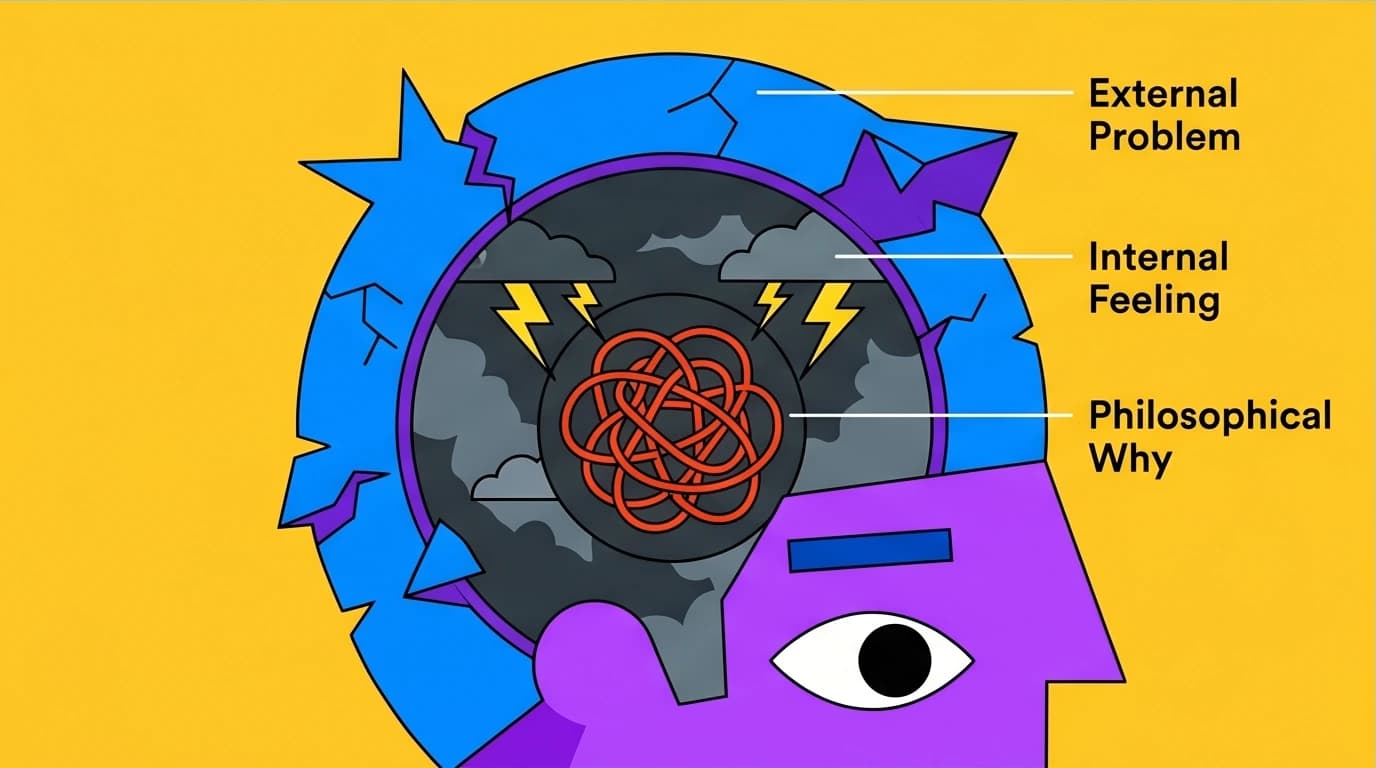
This is where the framework shines. Miller divides problems into three levels:
- External: The physical, tangible problem (e.g., weeds in the lawn).
- Internal: How the external problem makes them feel (e.g., frustrated, embarrassed by the neighbors).
- Philosophical: The deeper meaning (e.g., you shouldn't have to spend your precious days off doing manual labor).
Companies usually only sell to external problems, but customers make buying decisions based on internal frustrations.
3. And Meets a Guide (Your Brand)
The hero cannot solve their own problem, otherwise, there wouldn't be a story. They need Yoda. They need Haymitch. They need your business. To establish your brand as the guide, you must demonstrate two things: Empathy (you understand their pain) and Authority (you have the competence to help them).
4. Who Gives Them a Plan
Even with a guide, taking action is scary for a customer. A plan removes the risk. This usually looks like a simple 3-step process on your website: 1. Schedule a call. 2. Get a customized strategy. 3. Enjoy your new reality. It bridges the gap between confusion and purchase.
5. And Calls Them to Action
Heroes do not take action unless they are forced to. You need a direct, impossible-to-miss Call to Action (CTA) like "Buy Now," "Schedule an Appointment," or "Get a Quote." Passive phrases like "Learn More" or "Get Started" are considered weak in this framework.
6. That Helps Them Avoid Failure
What is at stake if they do not buy your product? If there are no stakes, there is no reason to buy. You must gently remind your customers of the negative consequences of inaction.
7. And Ends in Success
Paint a vivid picture of what their life will look like after using your product or service. Show smiling people enjoying the resolution of their internal and external problems.
These seven components form the basis of a "BrandScript," a messaging document that guides all your copywriting. Seeing how these abstract parts come together in a tangible script can help clarify the entire process.
StoryBrand vs Other Marketing Frameworks
Marketers often ask how this compares to existing theories they already use. When evaluating storybrand vs other marketing frameworks, the distinctions become very clear.
Versus Simon Sinek’s "Start With Why"
Sinek's Golden Circle revolutionized leadership and internal company culture. However, translating "Why we do what we do" to a homepage often leads to pretentious, inward-facing copy. StoryBrand actively pushes against leading with your "Why." Miller argues that customers do not care about your "Why" until their own survival needs are met. StoryBrand is vastly superior for direct-response copywriting and website wireframing.
Sinek's Golden Circle revolutionized leadership and internal company culture. However, translating "Why we do what we do" to a homepage often leads to pretentious, inward-facing copy. StoryBrand actively pushes against leading with your "Why." Miller argues that customers do not care about your "Why" until their own survival needs are met. StoryBrand is vastly superior for direct-response copywriting and website wireframing.
While StoryBrand is incredibly effective for website copywriting and external lead generation, Simon Sinek’s methodology remains unparalleled for building your internal corporate culture and defining your long-term vision. If you are struggling with team alignment, employee retention, or finding the deeper philosophical purpose behind your products, diving directly into Sinek’s original work is a must. It pairs beautifully with Miller's approach—use Sinek to inspire your internal team, and use StoryBrand to sell to your external customers.
Start with Why
Simon Sinek
45 Duration7 Key Points4.6 RateVersus Traditional AIDA (Attention, Interest, Desire, Action)
AIDA is a classic copywriting formula. While effective, it lacks an emotional scaffolding. StoryBrand inherently builds Desire by addressing the Internal Problem, but it goes a step further by explicitly requiring a Plan and defining the Stakes (Failure/Success), which makes the transition to Action much smoother for the buyer.
AIDA is a classic copywriting formula. While effective, it lacks an emotional scaffolding. StoryBrand inherently builds Desire by addressing the Internal Problem, but it goes a step further by explicitly requiring a Plan and defining the Stakes (Failure/Success), which makes the transition to Action much smoother for the buyer.
Versus Standard Funnel Marketing
StoryBrand does not replace your sales funnel; it fuels it. You still need lead magnets, email nurture sequences, and landing pages. StoryBrand simply dictates what words you should use at every stage of that funnel to ensure maximum clarity.
StoryBrand does not replace your sales funnel; it fuels it. You still need lead magnets, email nurture sequences, and landing pages. StoryBrand simply dictates what words you should use at every stage of that funnel to ensure maximum clarity.
StoryBrand Criticism: Where the Methodology Falls Short
No framework is a silver bullet. Addressing the common storybrand criticism is vital for an objective review.
1. It Can Feel Highly Formulaic
If you spend enough time looking at websites built by StoryBrand Certified Guides, you will start to notice a very distinct, repetitive pattern. The headline structure, the three-step plan, and the direct CTAs look strikingly similar. For brands that pride themselves on avant-garde creativity or highly nuanced messaging, this cookie-cutter approach can feel restrictive.

If you spend enough time looking at websites built by StoryBrand Certified Guides, you will start to notice a very distinct, repetitive pattern. The headline structure, the three-step plan, and the direct CTAs look strikingly similar. For brands that pride themselves on avant-garde creativity or highly nuanced messaging, this cookie-cutter approach can feel restrictive.
2. The Book Serves as a Funnel Itself
A frequent critique in almost every donald miller book review is that the book operates as a masterclass in upselling. Miller frequently points readers toward his online software (Business Made Simple) and encourages hiring his certified guides. While the upsell makes sense strategically, it can annoy readers looking for an isolated educational resource.
A frequent critique in almost every donald miller book review is that the book operates as a masterclass in upselling. Miller frequently points readers toward his online software (Business Made Simple) and encourages hiring his certified guides. While the upsell makes sense strategically, it can annoy readers looking for an isolated educational resource.
3. Not Ideal for Every Single Industry
If you sell high-fashion apparel, luxury perfumes, or highly visual lifestyle products, consumers are often buying an aesthetic, a vibe, or a status symbol rather than seeking a logical resolution to a defined problem. While you can force a luxury watch into the SB7 framework, heavy copy emphasizing "avoiding the failure of looking unprofessional" might actually damage the luxury mystique.
If you sell high-fashion apparel, luxury perfumes, or highly visual lifestyle products, consumers are often buying an aesthetic, a vibe, or a status symbol rather than seeking a logical resolution to a defined problem. While you can force a luxury watch into the SB7 framework, heavy copy emphasizing "avoiding the failure of looking unprofessional" might actually damage the luxury mystique.
While the "cookie-cutter" critique is valid, seeing how successful brands apply the framework without losing their unique voice can be inspiring. It often comes down to great design and brand-specific copy layered on top of the SB7 structure.
Is StoryBrand Worth It for Your Business?
So, is storybrand worth it? The answer depends heavily on your industry and your current marketing maturity.
Who will see massive ROI:
- B2B Companies and SaaS: If your software or service is complicated to explain, StoryBrand is a goldmine. It forces you to translate technical jargon into plain English.
- Local Service Providers: Plumbers, accountants, attorneys, and medical clinics will see immediate bumps in conversion rates by implementing a clear StoryBrand wireframe.
- Consultants and Coaches: It helps you clearly articulate the transformation you provide.
The Decision: Read the Book vs. Hire a Guide
If you are bootstrapping, go to Amazon or Barnes & Noble and buy the book for $15, or use an Audible credit. The book contains everything you need to execute the framework yourself. Run your website through the "Grunt Test" (can a caveman look at your site for five seconds and know what you offer, how it makes their life better, and what button to click to buy it?).
If you are bootstrapping, go to Amazon or Barnes & Noble and buy the book for $15, or use an Audible credit. The book contains everything you need to execute the framework yourself. Run your website through the "Grunt Test" (can a caveman look at your site for five seconds and know what you offer, how it makes their life better, and what button to click to buy it?).
Of course, for many busy entrepreneurs, the biggest challenge isn't the $15 cost—it's finding the time to actually read the book. If you want to grasp the core principles of StoryBrand quickly to start applying them today, there are more focused ways to learn.


LeapAhead

Get the key takeaways from essential marketing books like Building a StoryBrand in just 15-minute audio or text summaries, helping you learn faster on a tight schedule.
If you have a larger budget and zero time, hiring a StoryBrand Certified Guide typically costs anywhere from $3,000 to $10,000+ for a complete BrandScript and website copy rewrite. It is an expensive investment, but for an established business losing thousands in missed conversions due to poor messaging, the ROI of hiring an objective third-party expert is often realized within the first month of launching the new site.
Ready to stop confusing your website visitors and start converting them into loyal clients? As mentioned above, if you want to dive deep into the SB7 framework and implement these exact strategies yourself, picking up the foundational text is your best next step. It provides the comprehensive roadmap, detailed case studies, and practical exercises you need to clarify your message so customers finally listen. It is widely considered required reading for any modern business owner or marketing director.
Building a StoryBrand
Donald Miller
25 Duration11 Key Points4.5 RateActionable Steps You Can Take Today
You do not need to rewrite your entire brand identity today. Start with these high-impact adjustments:
- Draft Your One-Liner: Create a single sentence that identifies the character, the problem, the plan, and the success. (e.g., "Most local gyms leave you guessing on your workouts. We provide customized 30-minute training plans so you can build muscle without living in the gym.")
- Audit Your Above-the-Fold Website Copy: Remove the clever puns. State exactly what you do. Ensure there is a highly visible, contrasting CTA button in the top right corner and the center of the screen.
- Identify the Internal Problem: Look at your current sales materials. Are you only talking about the features of your product? Add a section that explicitly acknowledges how the customer's problem makes them feel. Empathy builds trust instantly.
Donald Miller did not invent storytelling, but he brilliantly commoditized it for the modern business owner. By shifting the spotlight off your company and onto the customer, you remove the friction that prevents sales.
Translating your newfound StoryBrand clarity into high-converting website copy, emails, and ad campaigns still requires strong foundational writing skills. Even the best messaging framework falls flat if the actual sentences feel clunky or unpersuasive to an American consumer. If you are rolling up your sleeves to write or audit your own marketing materials, having a classic, battle-tested copywriting resource on your desk will help you craft headlines, hooks, and calls to action that consistently drive revenue.
The Copywriter's Handbook
Robert W. Bly
26 Duration9 Key Points4.3 RateWith a full reading list of powerful books on marketing, messaging, and copywriting, the next challenge is finding the time to get through them all. If your stack of unread business books is starting to feel like 'reading debt,' a summary app can help you absorb the core ideas efficiently.
LeapAhead
Tackle your business reading list by listening to 15-minute summaries of these books and thousands more, turning your commute or gym time into a powerful learning habit.
FAQ
Do I need to hire a StoryBrand Guide, or is reading the book enough?
Reading the book is entirely sufficient to understand and implement the core concepts. The framework is designed to be accessible. You should only hire a certified guide if you have the budget, lack the time to write copy yourself, or find that you are too close to your own products to view them objectively from a customer's perspective.
Reading the book is entirely sufficient to understand and implement the core concepts. The framework is designed to be accessible. You should only hire a certified guide if you have the budget, lack the time to write copy yourself, or find that you are too close to your own products to view them objectively from a customer's perspective.
Does the StoryBrand framework work for B2B companies?
Yes, it is exceptionally effective for B2B. B2B purchases often involve high stakes, multiple decision-makers, and complex features. StoryBrand cuts through the corporate jargon and focuses on the human buyer's need to solve a problem and look competent to their boss or board.
Yes, it is exceptionally effective for B2B. B2B purchases often involve high stakes, multiple decision-makers, and complex features. StoryBrand cuts through the corporate jargon and focuses on the human buyer's need to solve a problem and look competent to their boss or board.
Is the SB7 framework too formulaic?
It can be, which is a valid storybrand criticism. If rigidly applied without any brand voice or personality, your marketing collateral can look identical to thousands of other businesses. The key is to use the SB7 framework as the structural foundation (the skeleton) and layer your unique brand voice, design, and industry-specific insights (the muscle and skin) on top of it.
It can be, which is a valid storybrand criticism. If rigidly applied without any brand voice or personality, your marketing collateral can look identical to thousands of other businesses. The key is to use the SB7 framework as the structural foundation (the skeleton) and layer your unique brand voice, design, and industry-specific insights (the muscle and skin) on top of it.