

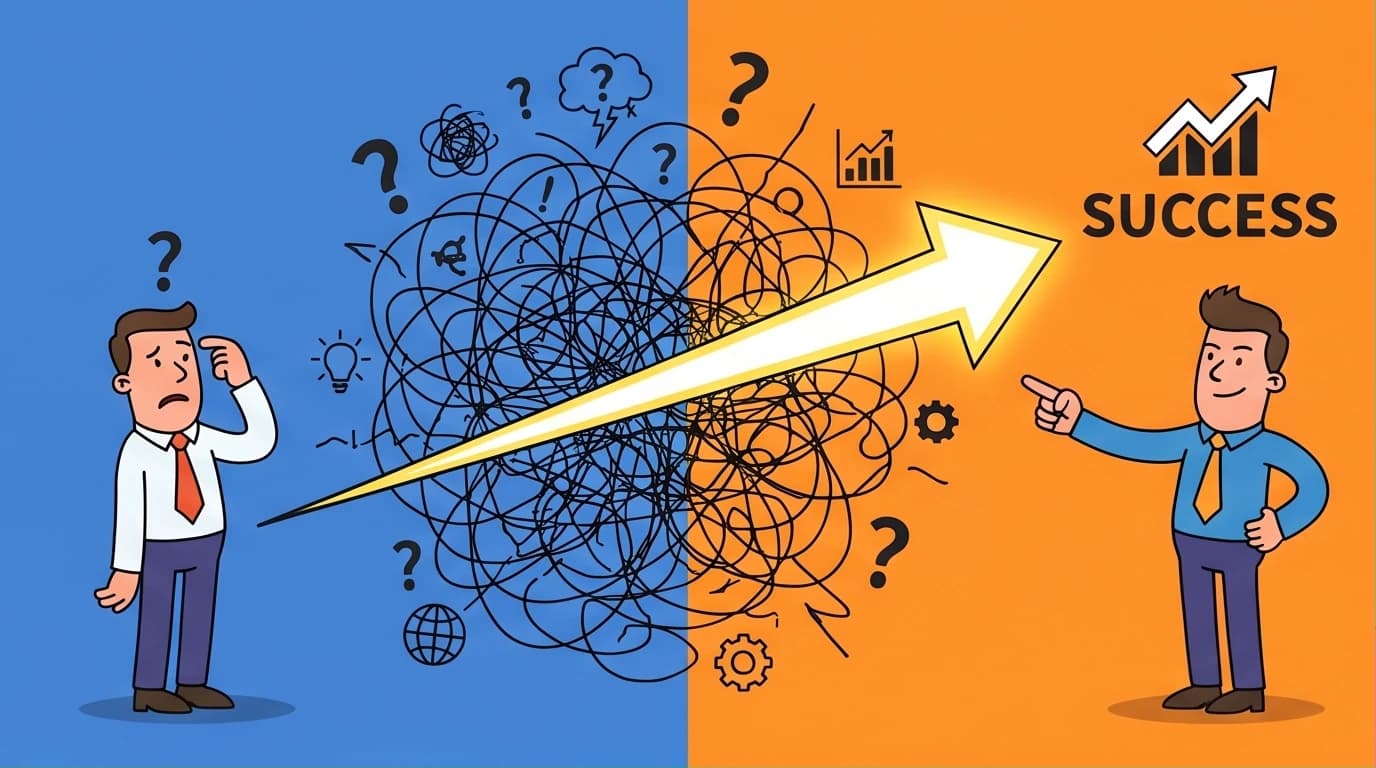
Staring at a blank screen is frustrating. You read the book, you understand your customer is the hero, but translating your complex business into simple, compelling copy feels impossible.
This fundamental shift in perspective is the most important part of the StoryBrand framework. Before you can effectively use these examples, it's crucial to fully embrace this mindset.
You don't need another marketing theory lesson. You need to see exactly what finished frameworks look like.
Reviewing brand script examples for small business takes the guesswork out of your marketing. Below, we break down real-world scripts across different industries to help you map out your customer's journey and build a message that actually converts.
The Core Elements: A Quick Refresher
Before you dive into the examples, you need to understand the mechanics of how to fill out a brandscript correctly. Keep your inputs brief. Bullet points always beat long paragraphs. You are strictly mapping out these seven elements:
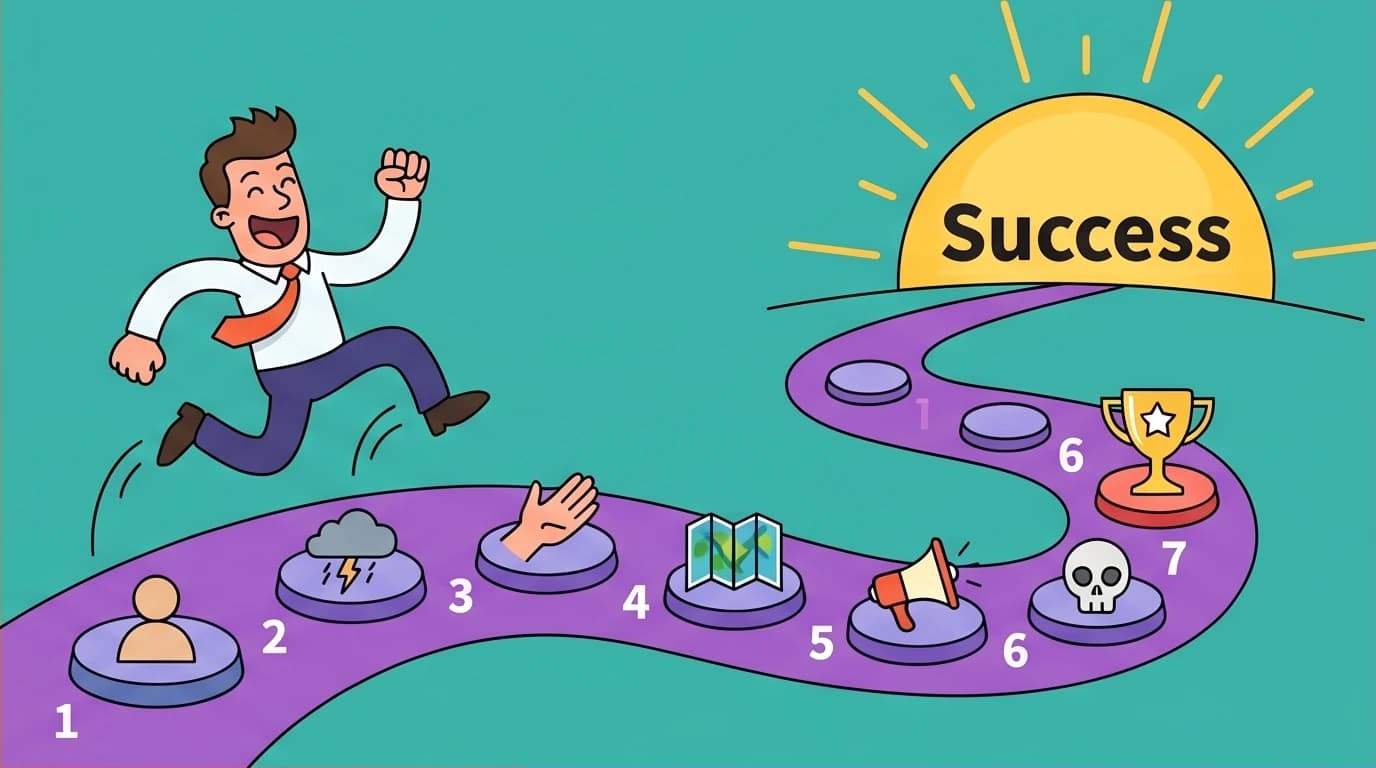
- A Character: The hero of the story (your customer) who wants something specific.
- Has a Problem: The villain causing frustration (External, Internal, and Philosophical).
- And Meets a Guide: Your brand, stepping in with Empathy and Authority.
- Who Gives Them a Plan: A simple 3-step process to do business with you.
- And Calls Them to Action: A Direct and Transitional path forward.
- That Helps Them Avoid Failure: The negative stakes if they don't buy.
- And Ends in Success: The positive resolution of their problem.
While this list provides a quick overview, each part of the framework has important nuances. A deeper understanding of these core principles is key to crafting a message that truly resonates.
Before you dig into the examples, it helps to understand the foundational philosophy behind this framework. If you haven't read the original source material that popularized the seven-part framework, it's an absolute must-read for any business owner or marketer. Donald Miller’s masterclass on messaging will radically change how you view your customers, shifting the spotlight off your company and directly onto the people you serve. It's the ultimate guide to ensuring your message cuts through the noise.
Building a StoryBrand
Donald Miller
 25 Duration
 11 Key Points
 4.5 Rate
If you're eager to absorb the core concepts from Miller's book but struggle to find the time for a full read, an app can help you grasp the key ideas in minutes.


LeapAhead

Get the main takeaways from bestselling business books like Building a StoryBrand in just 15-minute reads or listens, perfect for busy marketers and founders.
4 Practical StoryBrand BrandScript Examples
Use these industry-specific breakdowns as a benchmark. Find the one closest to your business model and use it to inspire your own storybrand brandscript template.
Example 1: Local Landscaping & Lawn Care (B2C Service)
Local service businesses need to communicate reliability and trust. Their customers usually buy to buy back their time.
- Character: Busy homeowners who want a pristine yard without spending their weekends sweating in the dirt. (Notice how the storybrand character want is incredibly specific and tied directly to a feeling).
- Problem:
- Villain: Time-consuming yard maintenance.
- External: An overgrown, embarrassing front lawn.
- Internal: Exhaustion and guilt from neglecting the property.
- Philosophical: You shouldn't have to sacrifice your weekends just to have a lawn you can be proud of.
- Guide: A dependable lawn care team with over 500 five-star Google reviews. We treat your yard like our own backyard.
- Plan: 1. Get a fast, free quote. 2. Schedule your weekly service. 3. Come home to a perfect lawn.
- Call to Action:
- Direct: Schedule Your Free Estimate.
- Transitional: Download our Seasonal Lawn Care Checklist.
- Failure: Angry HOA warning letters, dead grass, and lost weekends pushing a mower in the heat.
- Success: Hosting neighborhood barbecues in a lush, green backyard while actually having the energy to enjoy it.
Example 2: Bookkeeping Firm for Startups (B2B Service)
Selling B2B services often feels complicated. This is one of the most effective brand script examples for small business owners selling high-ticket services to other professionals.
- Character: Startup founders who need total financial clarity to scale their operations.
- Problem:
- Villain: Unpredictable cash flow.
- External: Messy books and disorganized tax documents.
- Internal: Anxiety about making payroll and fear of an IRS audit.
- Philosophical: Growing a business is hard enough; managing spreadsheets shouldn't hold you back.
- Guide: Certified CPAs who specialize in startup growth. We’ve helped over 100 founders secure Series A funding.
- Plan: 1. Book a discovery call. 2. We audit and clean up your books. 3. You receive monthly financial reports that actually make sense.
- Call to Action:
- Direct: Book a Consultation.
- Transitional: Get the "Tax Prep Guide for Startups" PDF.
- Failure: Running out of cash, making poor hiring decisions, or failing compliance checks.
- Success: Confidently making financial decisions, securing investor funding, and sleeping well at night.
Example 3: Specialty Coffee Roaster (E-Commerce)
For product-based businesses, focus heavily on the sensory experience and the quality of the product compared to big-box competitors.
- Character: Coffee enthusiasts who want cafe-quality espresso in their own kitchen.
- Problem:
- Villain: Mass-produced grocery store coffee.
- External: Stale, bitter coffee beans that lack flavor.
- Internal: Disappointment every morning when the brew tastes flat.
- Philosophical: Life is too short to start your day with bad coffee.
- Guide: Award-winning roasters who source directly from ethical farms in Colombia and Ethiopia.
- Plan: 1. Take our flavor profile quiz. 2. Receive freshly roasted beans at your door. 3. Brew the perfect cup every time.
- Call to Action:
- Direct: Shop the Roasts.
- Transitional: Join the VIP Coffee Club for 10% off.
- Failure: Wasting money on burnt beans and settling for a mediocre morning routine.
- Success: Waking up excited for a rich, flavorful cup of coffee that rivals any high-end local cafe.
Example 4: Project Management Software (B2B SaaS)
SaaS companies frequently make the mistake of selling features instead of solutions. Your software is just a tool; the result is what matters.
- Character: Operations managers who want their teams to hit deadlines without constant micromanaging.
- Problem:
- Villain: Information silos.
- External: Scattered communication across email threads and Slack channels.
- Internal: Frustrated, overwhelmed, and constantly feeling behind schedule.
- Philosophical: Software should make your job easier, not create more administrative work.
- Guide: Software built by former project managers. Trusted by over 10,000 remote teams.
- Plan: 1. Start your 14-day free trial. 2. Import your existing projects with one click. 3. Watch your team's productivity skyrocket.
- Call to Action:
- Direct: Start Free Trial.
- Transitional: Watch the 2-Minute Demo Video.
- Failure: Missed deadlines, burnt-out employees, and losing clients due to disorganized execution.
- Success: A streamlined workflow where everyone knows exactly what to do, resulting in early deliveries and a stress-free team.
Seeing these breakdowns is a great starting point, but weaving these frameworks into everyday business communication takes practice. If you want to master the art of business storytelling beyond just your website homepage, there's a fantastic resource that breaks down the four types of stories every business needs to tell. It helps you seamlessly integrate compelling narratives into sales pitches, emails, and presentations, making your brand truly unforgettable.

Stories That Stick
Kindra Hall
29 Duration9 Key Points4.7 RateHow to Nail the "StoryBrand Character Want"
The single biggest roadblock when learning how to fill out a brandscript is overcomplicating the hero's desire.
Keep it singular. If your customer wants a reliable car, a low interest rate, and a free car wash, you must pick the one that matters most. A diluted desire leads to confusing copy.
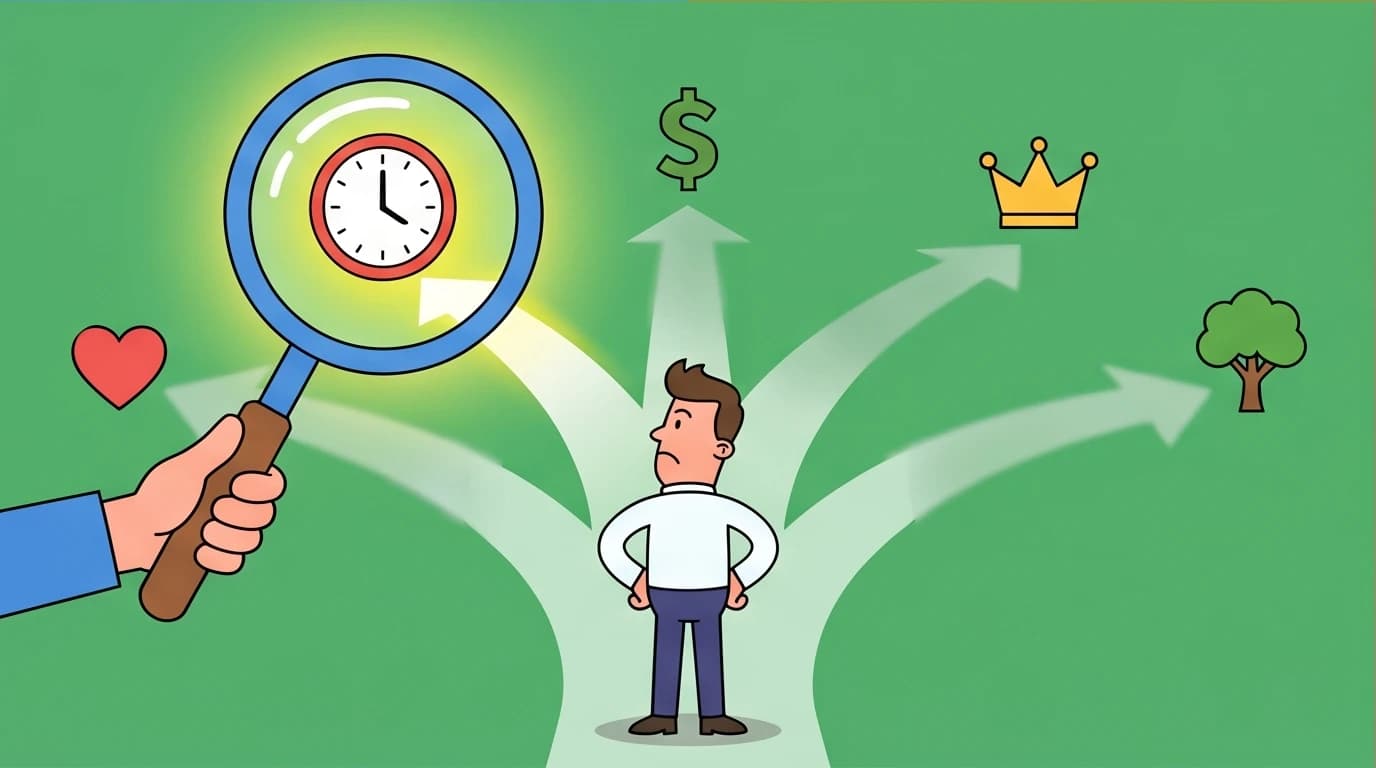
When defining the storybrand character want, focus on a core human survival need:
- Saving time
- Saving money
- Gaining status or prestige
- Reducing stress and anxiety
- Building a legacy
If your character's want does not tie back to one of those five basic human desires, you need to revise it.
Drilling down to that single, core human desire requires a deep level of empathy for your target audience. You have to understand what truly motivates them to take action in the modern marketplace. To dive deeper into the psychology of customer desires and how to build marketing that genuinely serves rather than interrupts, consider exploring one of the most influential marketing books of our era. It will reshape how you think about identifying and solving your customer’s most pressing problems.
This Is Marketing
Seth Godin
36 Duration8 Key Points4.5 RateTranslating Your BrandScript into Website Copy
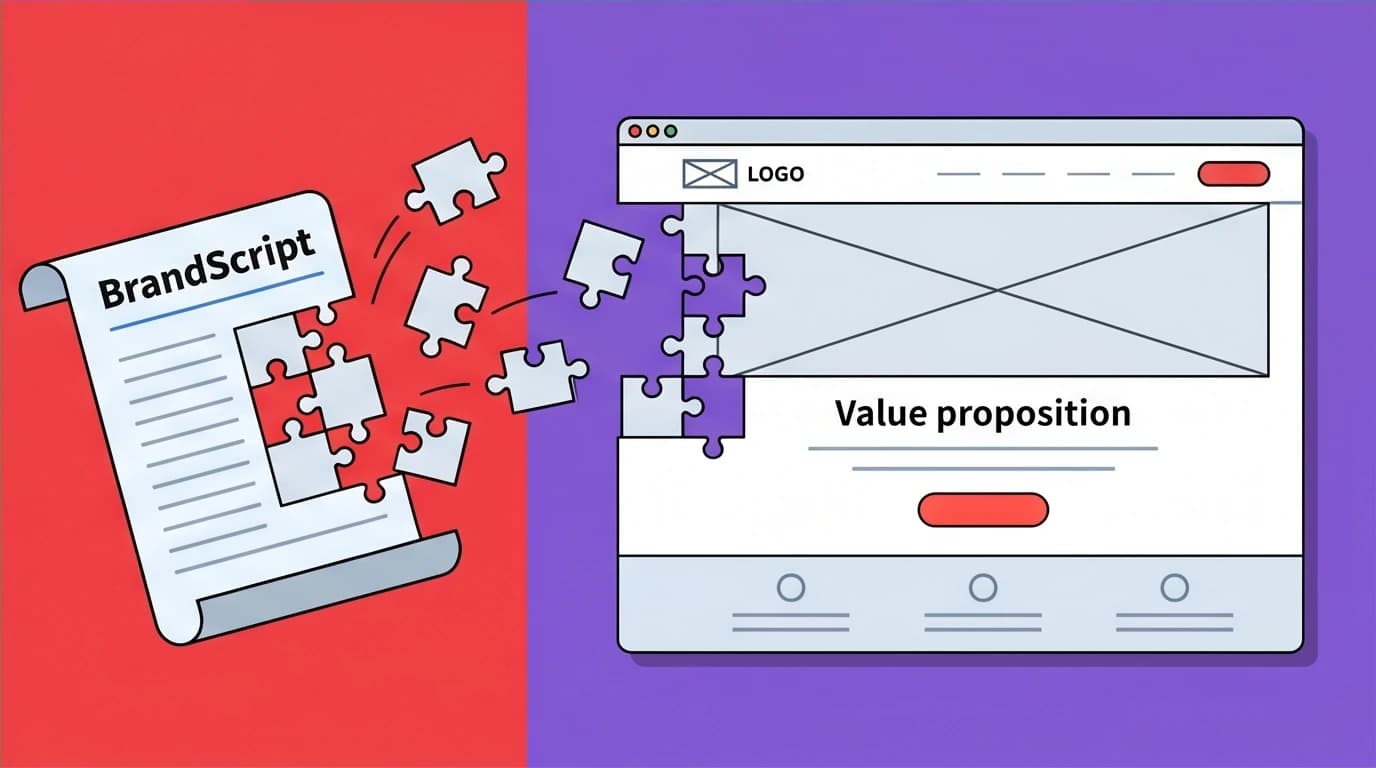
A completed storybrand brandscript template is useless if it just sits in a Google Doc. You need to apply it directly to your marketing assets. Here is how you map the elements of your script to your website homepage:
- The Website Header (Above the Fold): Combine the Character Want + Success + Direct CTA.
- Example: "Get a pristine lawn without giving up your weekends. Schedule your free estimate today."
- The Value Proposition Section: Combine the Problem + The Guide. Address their frustration and introduce your authority to solve it.
- The How It Works Section: This is exactly where your 3-Step Plan goes. Keep the steps painfully simple.
- The Lead Generator: Use the Failure stakes to create a compelling transitional CTA. If the failure is an IRS audit, your lead generator should be "5 Mistakes That Trigger an IRS Audit."
Mapping the theory is one thing, but seeing how it works on real homepages provides invaluable insight. Observing how successful brands wireframe their pages can help you visualize the flow and structure of a high-converting site.
Once you have your brand’s core message mapped out, the next hurdle is writing the actual words that will fill your website headers, emails, and ad campaigns. Even with a great framework, crafting high-converting copy is a unique skill. To bridge the gap between a finished message strategy and a high-performing website, you might want to pick up a classic, practical guide to copywriting. It is packed with proven formulas and time-tested techniques that take the guesswork out of writing persuasive marketing material.
The Copywriter's Handbook
Robert W. Bly
26 Duration9 Key Points4.3 RateWith a list of powerful books like these, the biggest challenge can be finding the time to get through them all. If you want to absorb these key ideas faster and turn them into action, a book summary app can be a game-changer.
LeapAhead
Tackle your new marketing reading list by absorbing the core lessons from these books during your commute, turning your otherwise busy schedule into productive learning time.
FAQ
Can I have more than one StoryBrand BrandScript?
Yes. If you serve distinctly different audiences (for example, residential homeowners and commercial property managers), you must create a separate storybrand brandscript template for each. Their core problems, internal frustrations, and ultimate desires are completely different. Trying to fit both into one script will water down your message.
How long should my BrandScript be?
Keep it extremely brief. Use short phrases and bullet points. If you are writing full paragraphs, you are overthinking the exercise. The goal is message clarity, not writing a novel. You want raw material that you can easily pull from when writing emails or website copy.
What exactly is the philosophical problem?
The philosophical problem is the "why it's just plain wrong" factor. It connects the customer's struggle to a larger sense of injustice. Phrases starting with "You shouldn't have to..." or "Every business deserves..." work best here. It shows your customer that you align with their deeper values.