

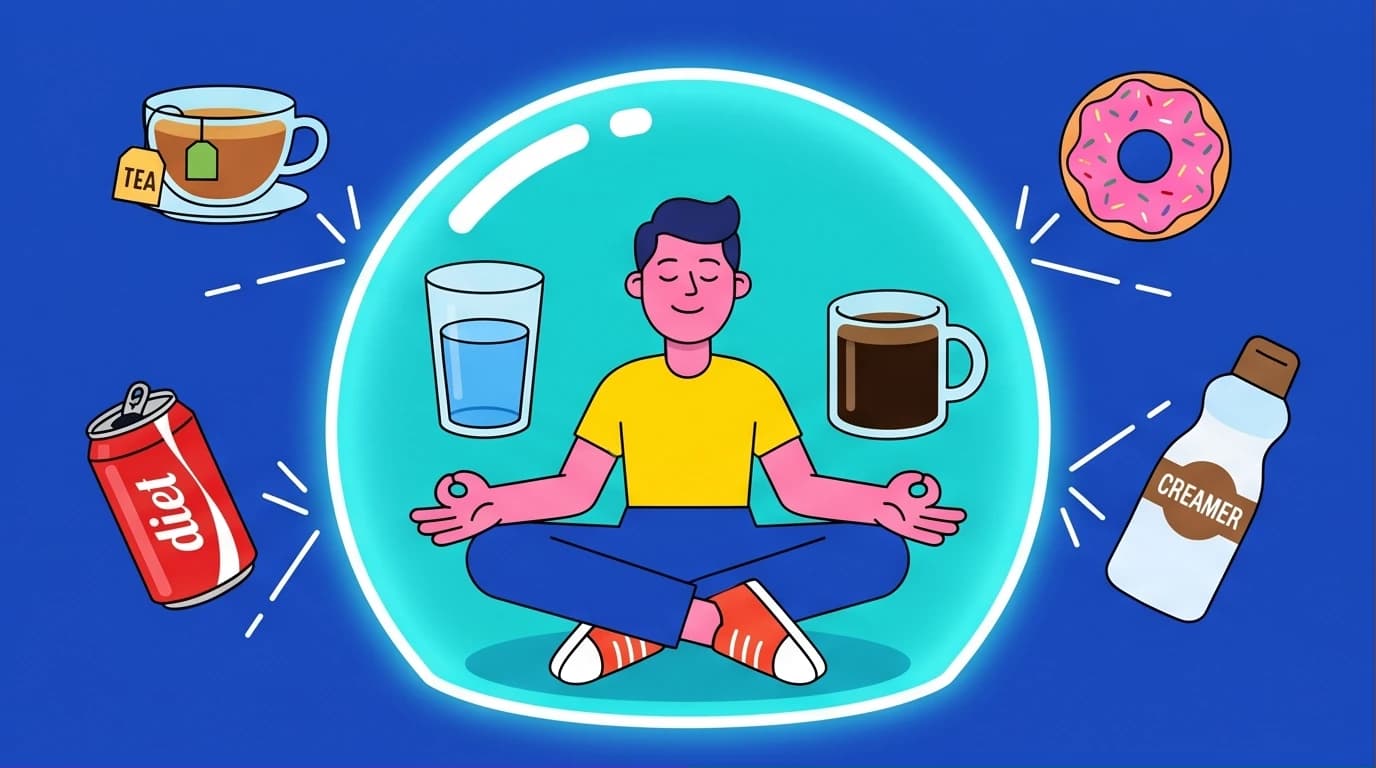
You are putting in the hours, pushing through morning hunger, and watching the clock until your eating window opens. Yet, the scale refuses to budge, and you feel ravenous all day. The harsh truth is that the innocent splash of almond milk, the zero-calorie flavor drop in your water, or that sugar-free gum is likely sabotaging your entire intermittent fasting effort.
When it comes to intermittent fasting, the most critical element of success is not just how long you fast, but how you fast. Gin Stephens, author of the massive bestseller Fast. Feast. Repeat. (a staple on Amazon and Barnes & Noble bookshelves across the country), popularized a non-negotiable concept: the clean fast.
This guide strips away the confusion, ignores the fitness industry myths, and delivers the exact protocols you need to follow to see real results.
The clean fast is just one pillar of Gin Stephens' broader intermittent fasting philosophy. For a complete look at her approach to both the fasting and feasting windows, it's helpful to understand the core concepts of her book.
The Biological Reality: Why the Rules Exist
To understand the strictness of the clean fast rules Gin Stephens advocates, you must stop looking at fasting through the lens of calories. Fasting is a hormonal switch, not a caloric deficit tool.
When you fast, your goal is to lower insulin levels so your body can access stored body fat for energy. When insulin is high, fat burning stops. Period.
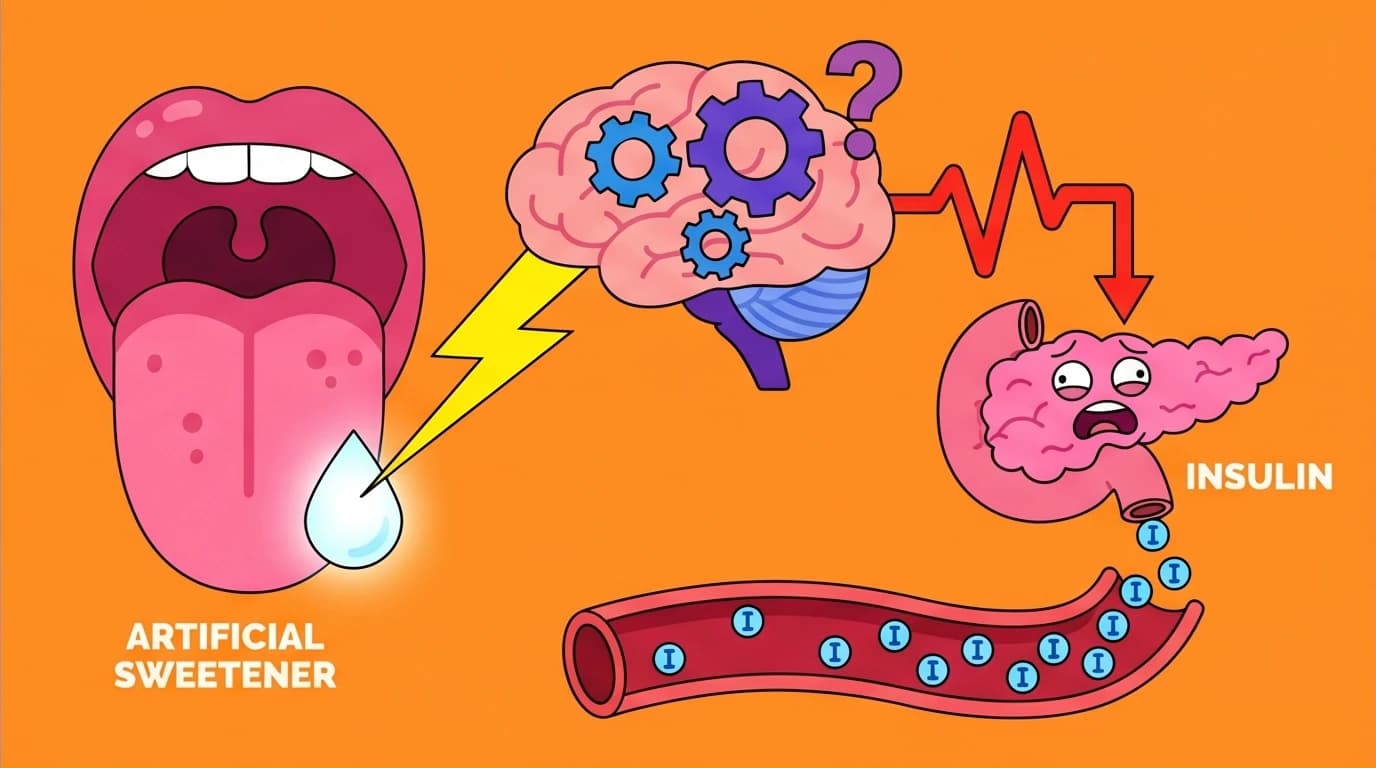
Your body is incredibly perceptive. When your taste buds detect something sweet—even if it is a zero-calorie artificial sweetener like Stevia or aspartame—your brain anticipates sugar. This triggers a biological process called Cephalic Phase Insulin Release (CPIR). Your pancreas pumps out insulin to handle the expected sugar. Because there is no actual sugar to process, your blood sugar plummets, leaving you violently hungry, jittery, and entirely kicked out of the fat-burning state.
If your fasting window requires immense willpower and you find yourself "white-knuckling" through the morning, you are likely not fasting clean.
If you are fascinated by the science of insulin and want to truly understand why the old "calories in, calories out" model fails so many dieters, you need to dive deeper into the hormonal aspects of weight loss. Lowering insulin is the master key to unlocking your body's fat stores. To fully grasp how this biological switch works and how you can use it to your advantage, consider reading Dr. Jason Fung's groundbreaking work. It provides a crystal-clear explanation of why hormonal balance matters much more than counting every single calorie on your plate.
The Obesity Code
Dr. Jason Fung
 33 Duration
 9 Key Points
 4.5 Rate
What is Allowed During a Clean Fast?
The approved list is incredibly short. This is intentional. To maintain a true fasting state, you must stick exclusively to items that have a bitter flavor profile or no flavor at all. Here is exactly what is allowed during a clean fast:
1. Plain Water
Tap water, spring water, and mineral water are perfectly fine. You can drink it ice cold, room temperature, or hot. There is zero insulin response to plain water.
2. Unflavored Sparkling Water
Carbonation does not break a fast. You can drink unflavored sparkling water (like plain LaCroix, Topo Chico, or plain San Pellegrino). However, you must check the label carefully. If the ingredients list "natural flavors" or "essence," leave it on the shelf until your eating window.
3. Black Coffee
Coffee lovers rejoice, but with a major caveat. The Fast Feast Repeat coffee rules dictate that your coffee must be completely black. No cream, no half-and-half, no almond milk, no butter, no MCT oil, and no cinnamon or vanilla extract. The bitter profile of black coffee actually enhances autophagy (your body's cellular cleanup process) and helps suppress appetite.
4. Plain, Unflavored Tea
You can drink true teas derived from the Camellia sinensis plant. This includes black tea, green tea, white tea, and oolong tea. You can also drink bitter herbal teas like plain peppermint or chamomile.
The absolute rule for tea: it cannot taste like fruit or dessert. Apple cinnamon tea, peach iced tea, and citrus blends signal "food" to your brain and will trigger an insulin spike.
The absolute rule for tea: it cannot taste like fruit or dessert. Apple cinnamon tea, peach iced tea, and citrus blends signal "food" to your brain and will trigger an insulin spike.
Clean Fasting vs Dirty Fasting: The 50-Calorie Myth
A pervasive myth in the diet community is that consuming under 50 calories keeps you in a fasted state. This is exactly where the clean fasting vs dirty fasting debate begins, and it is the exact reason why millions of dieters fail to lose weight with intermittent fasting.
Dirty Fasting involves consuming small amounts of calories or sweet flavors during your fasting window. Examples include:
- Adding a splash of heavy cream to your morning coffee.
- Drinking diet sodas or zero-sugar energy drinks.
- Sipping on bone broth.
- Chewing sugar-free gum or eating breath mints.
- Squeezing fresh lemon juice into your water.
Why Dirty Fasting Fails:
Proponents of dirty fasting claim a splash of cream won't hurt because "it's mostly fat and has no carbs." They miss the big picture. Even a minor insulin bump from protein or sweet flavors shuts down lipolysis (fat burning). Worse, dirty fasting keeps your digestive system active. It teases your body with just enough input to wake up your digestive enzymes, making you incredibly hungry.
Proponents of dirty fasting claim a splash of cream won't hurt because "it's mostly fat and has no carbs." They miss the big picture. Even a minor insulin bump from protein or sweet flavors shuts down lipolysis (fat burning). Worse, dirty fasting keeps your digestive system active. It teases your body with just enough input to wake up your digestive enzymes, making you incredibly hungry.
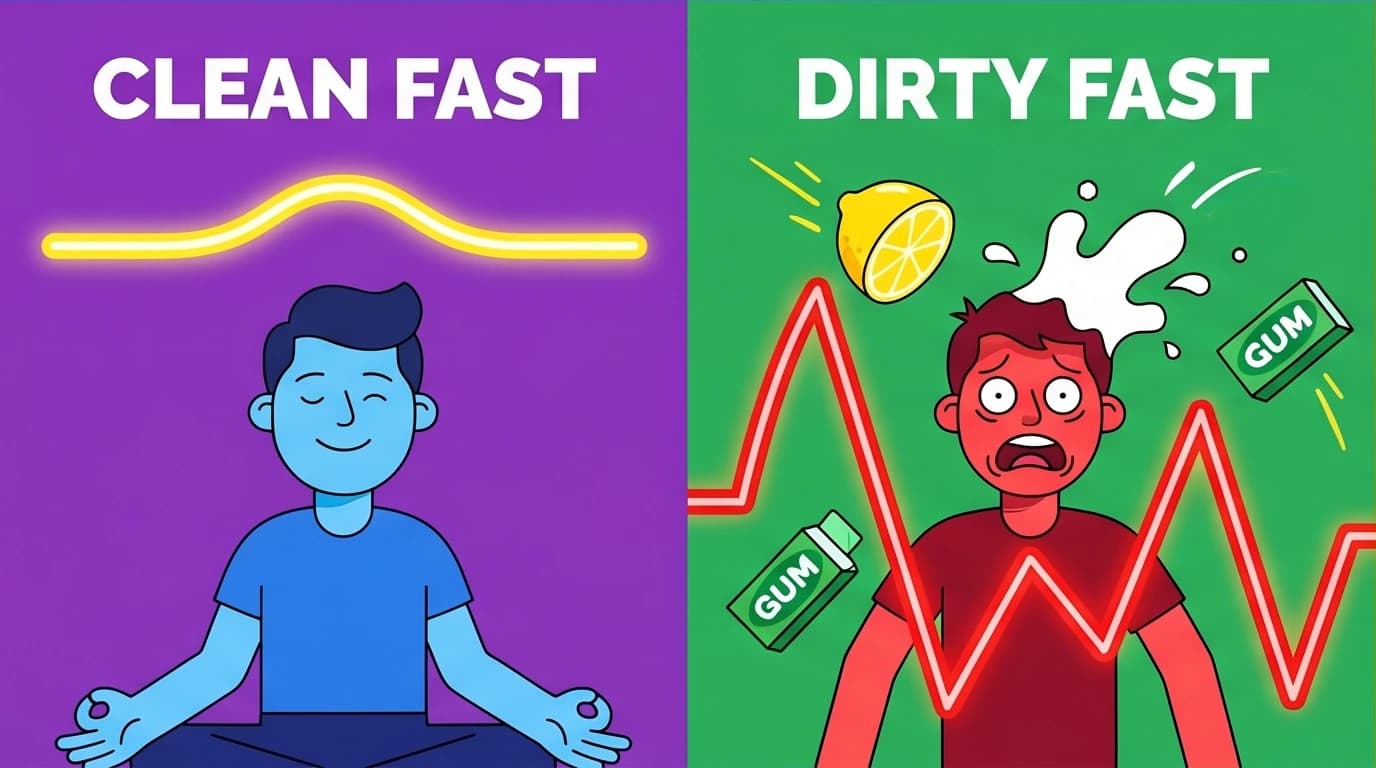
Clean Fasting, on the other hand, starves the body of all food signals. Once your body realizes no food is coming, it gracefully shifts into burning its own fat stores. Your hunger hormone (ghrelin) drops. Your energy stabilizes. The mental clarity kicks in. By cutting out the crutches of dirty fasting, fasting actually becomes easier.
Breaking free from the myth that "a few calories won't hurt" is often the hardest part of adopting a clean fast. For decades, we've been conditioned to obsess over calorie counts rather than how specific foods and flavors interact with our hormones. If you are struggling to let go of the 50-calorie crutch and want a compelling, science-backed explanation of why certain foods keep you trapped in a cycle of cravings and fat storage, Gary Taubes offers an eye-opening perspective. His research will permanently change the way you view diet soda, artificial sweeteners, and your body's metabolic processes.
Why We Get Fat
Gary Taubes
21 Duration10 Key Points4.7 RateFast Feast Repeat Rules: The Absolute "No" List
If it is not plain water, black coffee, or unflavored tea, it breaks your fast. To remove all ambiguity, here is a breakdown of common items that violate the Fast Feast Repeat rules:
Artificial and Natural Sweeteners
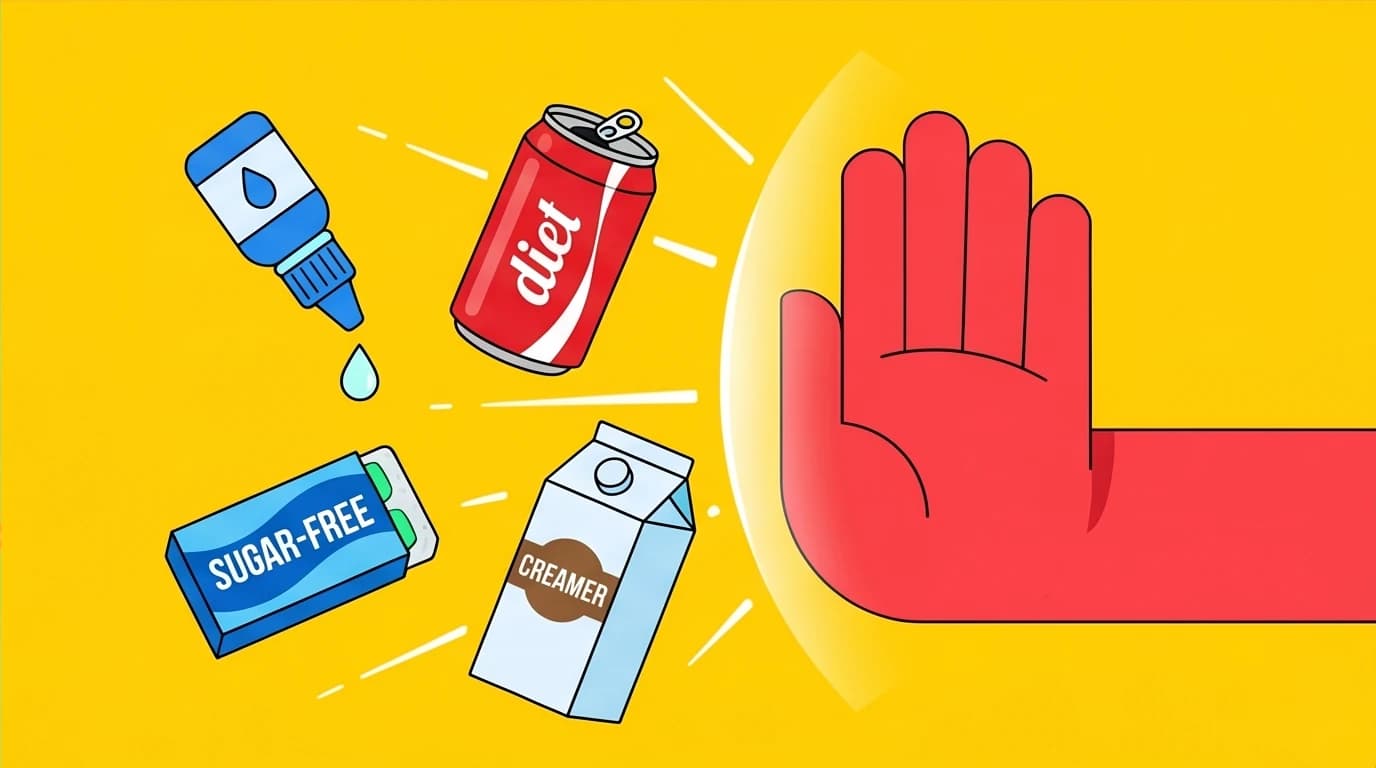
Do not touch them during your fast. This includes Stevia, Monk Fruit, Erythritol, Sucralose (Splenda), Aspartame, and Saccharin. Even if the packet says zero calories, the sweet taste on your tongue triggers an insulin release. Save your diet sodas and flavored water enhancers for your eating window.
Flavored Waters and Extracts
Adding a lemon wedge, cucumber slices, or mint leaves to your water pitcher crosses the line. These impart food flavors. "Fruit essence" in canned sparkling water also breaks the fast for most people. Stick strictly to unflavored carbonated water.
Creamers and Fats
The "bulletproof" coffee trend convinced many that drinking a cup of coffee loaded with butter and MCT oil counts as fasting. It does not. You are consuming hundreds of calories of fat. While pure fat has a minimal impact on insulin compared to carbs, your body will burn the dietary fat in your mug instead of the stored fat on your thighs. Skip the cream, milk, oat milk, and butter.
Gum and Mints
Even sugar-free gum contains sweeteners (like xylitol or sorbitol) and food flavors (like sweet peppermint or fruit). Chewing gum also signals to your stomach that food is coming, stimulating gastric juices and making you painfully hungry.
Supplements and BCAAs
Branched-Chain Amino Acids (BCAAs) are highly insulinogenic. Drinking them before a fasted workout completely breaks your fast. Gummy vitamins, chewable supplements, and protein powders also belong strictly in your eating window.
Apple Cider Vinegar (ACV)
This is a controversial topic, but under strict clean fast protocols, it is best avoided. While pure ACV is bitter, many people struggle to drink it without adding a sweetener. Furthermore, the apple flavor can trigger an insulin response in sensitive individuals.
While adhering to these 'no' list items is critical for a clean fast, what you eat during your window is just as important. Gin Stephens' approach isn't about restriction but about feasting well.
How to Survive the Transition to Black Coffee
The biggest hurdle for most people adopting the clean fast rules is giving up their morning coffee creamer. If you currently drink coffee that resembles a milkshake, the leap to black coffee will be jarring. Here are practical steps to make the transition:
- Step Down Slowly (If Necessary): If you absolutely cannot drink black coffee today, spend one week weaning yourself off. Measure your cream. If you use two tablespoons today, use one tablespoon tomorrow. Keep reducing it until you hit zero. Know that during this week, you are not truly fasting, but you are preparing your palate.
- Upgrade Your Beans: Cheap, mass-produced coffee tastes burnt and bitter because it is poor quality. Visit a local roaster or order freshly roasted beans online. Light or medium roasts generally have a smoother, more palatable flavor profile than dark roasts.
- Add a Pinch of Salt: Adding a tiny pinch of high-quality unflavored sea salt (like Redmond Real Salt) to your black coffee can neutralize the bitterness without triggering an insulin spike.
- Try Cold Brew: The cold brewing process extracts less acid from the coffee grounds, resulting in a naturally sweeter, smoother cup of black coffee.
- Switch to Tea: If black coffee makes you miserable, you do not have to drink it. Switch to a robust black or green tea instead.
Let's be honest—switching from a sweet, creamy morning latte to stark black coffee is a massive behavioral shift. It takes time for your taste buds to adapt, and relying on sheer willpower rarely works in the long run. Instead of fighting your cravings, you can engineer your environment and routines to make the transition virtually effortless. If you want a proven framework to help you break bad dietary habits and build sustainable new ones without feeling deprived, James Clear's masterclass on behavior change is the perfect companion for your fasting journey.

Atomic Habits
James Clear
26 Duration8 Key Points4.7 RateAnd if the thought of adding another book to your list feels overwhelming when you're already focused on new eating habits, there's a more efficient way to absorb these powerful ideas.


LeapAhead

Get the core lessons from books like Atomic Habits in 15-minute audio or text summaries, helping you build better fasting habits without the heavy reading commitment.
Reading Your Body's Signals
How do you know if you are accidentally breaking your fast? Your body will tell you. If you consume a beverage and experience any of the following symptoms within 30 to 60 minutes, you have triggered an insulin response:
- A sudden, aggressive wave of hunger.
- Stomach rumbling and intense cravings.
- Shakiness, lightheadedness, or feeling "hangry."
- A sharp drop in energy.
If you stick strictly to plain water, black coffee, and plain tea, these symptoms will disappear. You will ride waves of mild hunger that quickly pass, replaced by steady energy and focus.
Learning to read your body's signals is a game-changer, but it is especially critical for women, whose hormonal fluctuations require a more nuanced approach to intermittent fasting. What works perfectly one week might leave you exhausted and ravenous the next. If you want to optimize your fasting schedule to align naturally with your unique biological rhythms, Dr. Mindy Pelz offers an incredible resource. Her approach empowers you to tweak your fasting windows so you can burn fat, boost your energy levels, and balance your hormones without feeling completely burned out.
Fast Like a Girl
Dr. Mindy Pelz
27 Duration8 Key Points4.5 RateConsistently practicing a clean fast and listening to your body's feedback is the key to unlocking the benefits of intermittent fasting. To see what's possible, you might be inspired by real-world success stories.
All these books offer powerful knowledge to support your fasting journey, but finding the time to read them all can be a challenge on its own.
LeapAhead
Absorb the key insights from all the recommended health and wellness books in just 15 minutes each, making it easy to learn the science behind your fast on busy days.
FAQ
Can I put a little bit of lemon in my water during a clean fast?
No. Lemon imparts a fruit flavor, which can trigger a Cephalic Phase Insulin Response (CPIR). Any food flavor signals your brain that food is incoming, shutting down fat burning and making you hungry. Save the lemon water for your eating window.
No. Lemon imparts a fruit flavor, which can trigger a Cephalic Phase Insulin Response (CPIR). Any food flavor signals your brain that food is incoming, shutting down fat burning and making you hungry. Save the lemon water for your eating window.
Does taking medications or daily vitamins break a clean fast?
You should always take necessary prescription medications as directed by your doctor, regardless of your fasting schedule. However, move all optional supplements—especially gummy vitamins, chewables, and fat-soluble vitamins (like Vitamin D or Fish Oil)—to your eating window.
You should always take necessary prescription medications as directed by your doctor, regardless of your fasting schedule. However, move all optional supplements—especially gummy vitamins, chewables, and fat-soluble vitamins (like Vitamin D or Fish Oil)—to your eating window.
I hate black coffee. Can I use a zero-calorie sweetener like Stevia?
No. Zero-calorie sweeteners are one of the biggest culprits of broken fasts. The sweet taste on your tongue tricks your brain into releasing insulin to handle expected sugar. This immediately stops lipolysis (fat burning) and will cause your blood sugar to crash, leaving you extremely hungry.
No. Zero-calorie sweeteners are one of the biggest culprits of broken fasts. The sweet taste on your tongue tricks your brain into releasing insulin to handle expected sugar. This immediately stops lipolysis (fat burning) and will cause your blood sugar to crash, leaving you extremely hungry.
Can I add electrolytes to my water while fasting?
Yes, but only if they are completely unflavored and unsweetened. Plain sodium (like sea salt), potassium, and magnesium are fine and will not break your fast. Avoid popular commercial electrolyte powders that contain Stevia, natural flavors, or coloring.
Yes, but only if they are completely unflavored and unsweetened. Plain sodium (like sea salt), potassium, and magnesium are fine and will not break your fast. Avoid popular commercial electrolyte powders that contain Stevia, natural flavors, or coloring.