

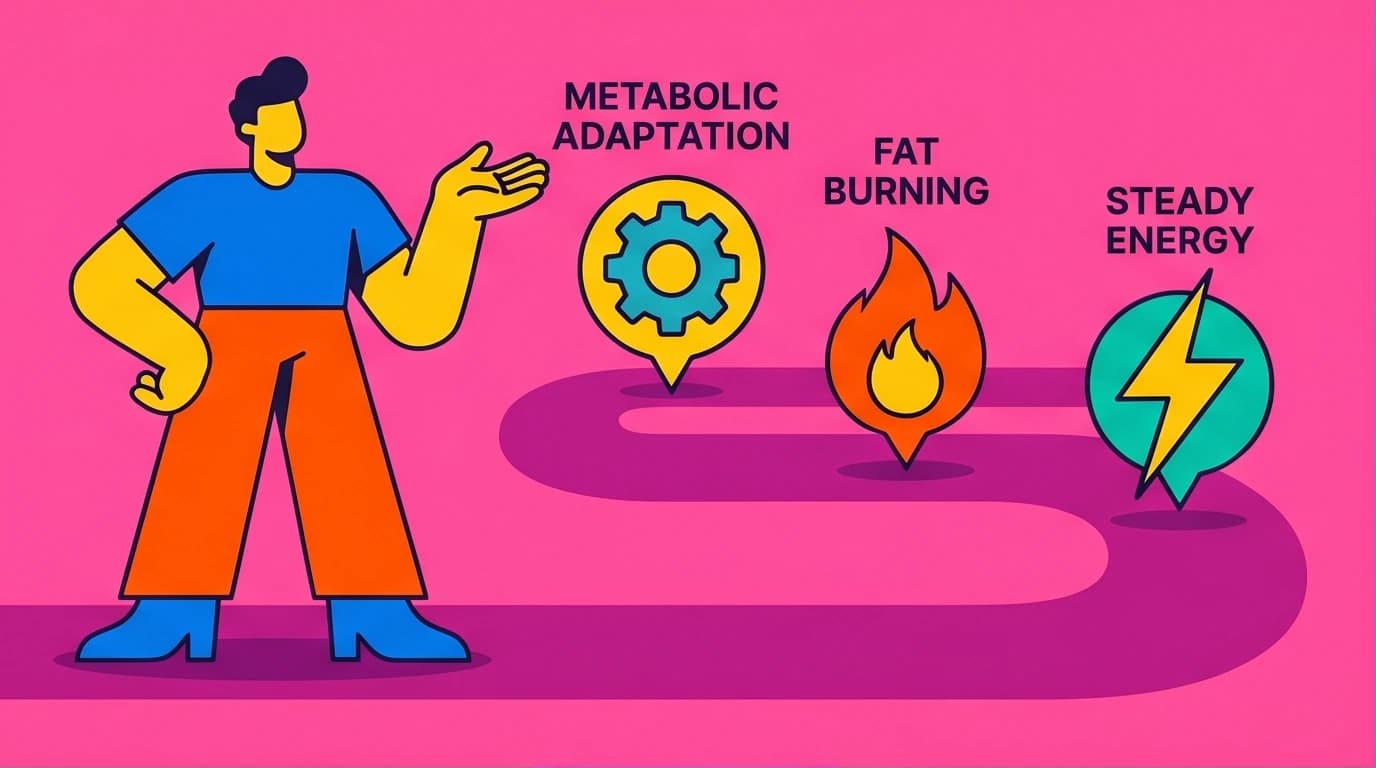
You are tired of starting over. You have restricted calories, meticulously tracked macros, and white-knuckled your way through exhausting diet plans only to watch the pounds come right back. Now you are trying intermittent fasting, but the scale is barely moving, and you are starting to wonder if this is just another fad that will leave you hungry and frustrated.
The truth is, your body needs time to heal before it drops the weight. Intermittent fasting is not a quick-fix crash diet; it is a metabolic reset. If you are questioning whether the process is working, you need to look beyond the bathroom scale and understand the biological timeline of healing.
Here is exactly what drives real results on this protocol, how to measure your progress, and why patience is your most valuable asset.
The Secret to Gin Stephens Weight Loss: The "Clean Fast"
Before analyzing timelines or stepping on a scale, you must address the foundation. The driving force behind genuine Fast Feast Repeat success stories is an uncompromising commitment to the "Clean Fast."
Many beginners fast for 18 hours but drink flavored water, chew sugar-free gum, or splash a little almond milk in their coffee. They complain of extreme hunger and see zero results. Why? Because any sweet flavor—even zero-calorie artificial sweeteners—or trace amounts of protein and fat trigger an insulin response.
When insulin is elevated, your body cannot access stored fat. It locks the fat cell doors. You end up starving because you are denying your body food, but your insulin levels are preventing your body from eating its own fat stores.
To get results, your fasting window must include only:
- Plain water (unflavored, no fruit slices)
- Black coffee (no cream, no artificial sweeteners, no cinnamon)
- Plain bitter tea (black or green, no fruit flavors)
When you keep your fast perfectly clean, your insulin levels drop to their baseline. Your body flips the metabolic switch and begins running on your stored body fat. This eliminates the white-knuckle hunger and paves the way for effortless weight management.
Mastering the clean fast is non-negotiable for success. If you're looking for a detailed breakdown of what's allowed and what to avoid, our comprehensive guide can help.
If you want to dive deeper into the science of why snacking and insulin spikes trap your body in fat-storage mode, understanding the hormonal mechanics of weight loss is a game-changer. Dr. Jason Fung's groundbreaking work explains exactly why traditional diets fail and how intermittent fasting effectively lowers insulin to unlock stored body fat. It is an essential read for anyone wanting to master the biological "why" behind protocols like the clean fast.
The Obesity Code
Dr. Jason Fung
 33 Duration
 9 Key Points
 4.5 Rate
If diving into a dense science book feels like a big commitment, you can get the main takeaways in minutes to start applying the principles right away.


LeapAhead

Grasp the key scientific ideas from books like The Obesity Code in just 15 minutes, making it easier to stick with your fasting goals.

How Long to See Results on Fast Feast Repeat?
If you are frantically googling "how long to see results Fast Feast Repeat," you must first understand the 28-day adaptation phase.
Your body has likely spent decades running on glucose (sugar from food). It has forgotten how to burn fat. When you start intermittent fasting, your body does not immediately switch to fat-burning mode. It protests. It demands sugar.
Days 1 to 14: The Messy Beginning
During the first two weeks, you might feel tired, hungry, or even irritable. You might drop a quick 3 to 5 pounds, but this is almost entirely glycogen and water weight. Do not mistake this for rapid fat loss. Conversely, your weight might fluctuate wildly, or you might even gain a pound as your body retains water due to the new stress of fasting.
Days 15 to 28: The Shift
Around week three or four, a biological shift occurs. Your body starts producing the enzymes required to break down stored body fat efficiently. You will notice you wake up with sharp mental clarity. You easily breeze through your fasting window without intense stomach rumbling. You stop thinking about your next meal constantly. This metabolic flexibility is your first real result.
Following a structured approach during this initial phase can make all the difference. For those just starting out, having a clear roadmap can help you push through the adaptation period with confidence.
Month 2 and Beyond: True Fat Loss
Once you complete the 28-day adaptation, real fat loss begins. A healthy, sustainable rate of fat loss is between 0.5 to 1 pound per week. This might sound slow compared to heavily marketed crash diets, but this is actual adipose tissue leaving your body, not just temporary water manipulation.
Reaching that second month where fasting feels natural and the scale steadily moves is incredibly rewarding. If you are looking to explore how other scientifically backed intermittent fasting schedules can complement your new lifestyle, learning about the 5:2 method offers fantastic perspective. Discovering different ways to incorporate brief fasting periods into your week can help you maintain your momentum and keep your metabolism flexible for the long haul.
The Fast Diet
Michael Mosley, Mimi Spencer
17 Duration7 Key Points4.5 Rate
Decoding Fast Feast Repeat Before and After Transformations
When you look at authentic Fast Feast Repeat before and after photos, the physical changes often outpace the numbers on the scale. Fasting reshapes your body composition differently than traditional calorie restriction.
The Phenomenon of Body Recomposition
Because a clean fast naturally boosts human growth hormone (HGH), your body preserves—and sometimes even builds—lean muscle mass while aggressively targeting visceral fat (the dangerous fat around your organs).
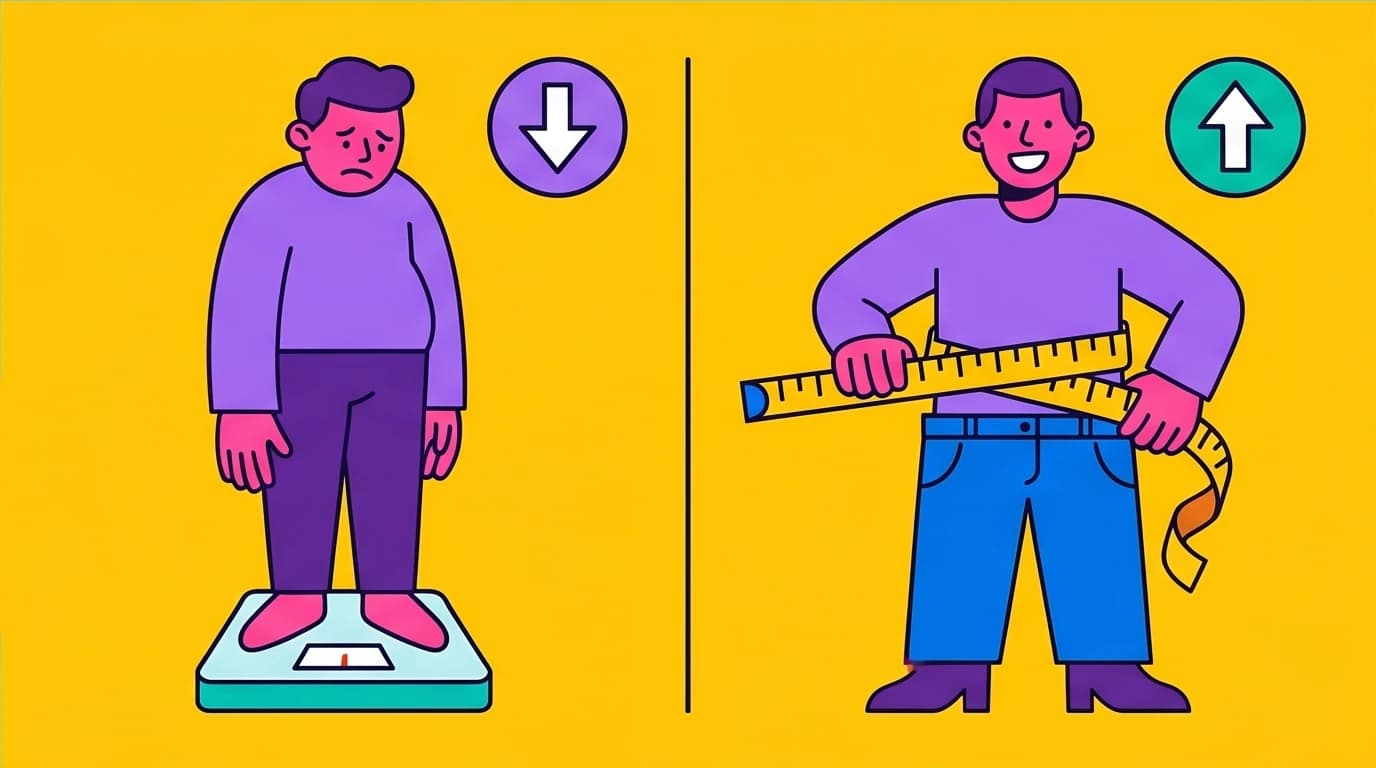
Muscle is significantly denser than fat. You could easily lose three inches off your waistline while the scale only drops two pounds. If you base your entire success on a cheap bathroom scale, you will miss the massive metabolic improvements happening inside your body.
Measuring Non-Scale Victories (NSVs)
To accurately track your results, you must rely on NSVs. Take out a tape measure and a pair of "goal pants"—jeans that are currently too tight to button comfortably.
Track these indicators every two weeks:
- The "Pants Test": How do your jeans fit around the thighs and waist?
- Inflammation drop: Notice the puffiness in your face, hands, and ankles. Many people drop a ring size before they drop a dress size.
- Energy stability: Say goodbye to the 3:00 PM afternoon slump. Steady energy is a primary indicator that you are successfully burning fat for fuel.
- Skin clarity: Fasting triggers autophagy, a cellular clean-up process that recycles old, damaged proteins. Many fasters report glowing skin and a reduction in skin tags or acne.
Common Pitfalls Delaying Your Progress
If you have passed the 28-day mark and are still not seeing physical changes, you need to audit your routine. Fasting is simple, but it is easy to sabotage.
Overeating in the "Feast" Window
"Feast" does not mean binge. The protocol encourages you to eat foods you enjoy until you are comfortably full, not stuffed. If your eating window is an unchecked buffet of highly processed foods, sugary drinks, and endless snacking, you can easily consume more calories than your body burns, negating the fat loss benefits of the fast. Focus on nutrient-dense proteins, healthy fats, and complex carbohydrates to naturally regulate your appetite.
Remember, the 'feast' is just as important as the 'fast'. Understanding the principles of what to eat during your window is key to sustainable results.
Cleaning up your eating window is just as important as maintaining a clean fast. If you find yourself gravitating toward highly processed foods when it is time to eat, committing to a short-term nutritional reset can completely transform your cravings. Focusing on nutrient-dense, whole foods for just one month will help you identify food sensitivities, stabilize your energy, and make your "feast" window truly nourishing rather than a free-for-all.

The Whole 30
Melissa Hartwig, Dallas Hartwig
20 Duration8 Key Points4.3 RateChasing the "Perfect" Fasting Schedule
Your body is highly adaptive. If you rigidly stick to exactly 16 hours of fasting and 8 hours of eating every single day for months, your body will eventually optimize for that routine, potentially leading to a plateau. Switch things up. Try an 18-hour fast on Tuesday, a 20-hour fast on Thursday, and a relaxed 14-hour fast on Sunday. Keeping your body guessing prevents metabolic adaptation.
Ignoring Sleep and Stress
High cortisol levels from chronic stress or poor sleep will absolutely stall your progress. Cortisol signals your body to store fat, particularly around the midsection. If you are sleeping four hours a night and highly stressed at work, fasting alone cannot overcome that hormonal roadblock. Prioritize sleep hygiene and stress management just as highly as your fasting window.
You cannot fast your way out of chronic sleep deprivation. Since cortisol and insulin are so closely linked, getting high-quality rest is just as crucial for your waistline as it is for your brain. If you struggle to get enough shut-eye or want to understand exactly how sleep impacts your metabolic health, taking a deep dive into the science of slumber will give you the tools you need to optimize your overnight recovery.

Why We Sleep
Matthew Walker and Steve West
38 Duration8 Key Points4.6 RateJuggling a new fasting routine and a list of must-read health books can be a challenge, especially when you're low on energy. A great way to stay on top of your learning is to listen to the key ideas while you commute or take a walk.
LeapAhead
Turn your new reading list into a powerful learning habit by listening to book summaries on the go, helping you absorb key health insights on busy days.
FAQ
Why am I gaining weight during my first two weeks of Fast Feast Repeat?
Weight gain in the first few weeks is usually due to water retention and fluctuating hormones as your body adjusts to the new routine. Your body is healing from the inside out. Put the scale away for the first 28 days and focus on keeping your fast perfectly clean.
Weight gain in the first few weeks is usually due to water retention and fluctuating hormones as your body adjusts to the new routine. Your body is healing from the inside out. Put the scale away for the first 28 days and focus on keeping your fast perfectly clean.
Does a splash of heavy cream or lemon water ruin my results?
Yes. While it may only contain a few calories, any flavor profile—especially sweet or fatty—triggers an insulin release. Elevated insulin stops fat burning immediately. To see optimal body composition changes, stick strictly to black coffee, plain water, and unflavored bitter tea during your fasting window.
Yes. While it may only contain a few calories, any flavor profile—especially sweet or fatty—triggers an insulin release. Elevated insulin stops fat burning immediately. To see optimal body composition changes, stick strictly to black coffee, plain water, and unflavored bitter tea during your fasting window.
How short should my eating window be to maximize weight loss?
There is no universal "best" window, but many people find the most consistent fat loss results when fasting between 18 to 20 hours daily. However, an eating window that is too short (like eating one massive meal in 30 minutes) can sometimes lead to under-eating nutrients or digestive distress. Find a sustainable window that allows you to eat a satisfying, balanced amount of food without feeling stuffed.
There is no universal "best" window, but many people find the most consistent fat loss results when fasting between 18 to 20 hours daily. However, an eating window that is too short (like eating one massive meal in 30 minutes) can sometimes lead to under-eating nutrients or digestive distress. Find a sustainable window that allows you to eat a satisfying, balanced amount of food without feeling stuffed.
What if I have an event and need to change my fasting times?
Adjust it. Intermittent fasting is a lifestyle, not a prison sentence. If you have a brunch on Saturday, open your window early. You can close it early that afternoon, or simply resume your normal schedule the next day. The flexibility of moving your window around is exactly what makes this approach a sustainable lifelong habit rather than a restrictive diet.
Adjust it. Intermittent fasting is a lifestyle, not a prison sentence. If you have a brunch on Saturday, open your window early. You can close it early that afternoon, or simply resume your normal schedule the next day. The flexibility of moving your window around is exactly what makes this approach a sustainable lifelong habit rather than a restrictive diet.