

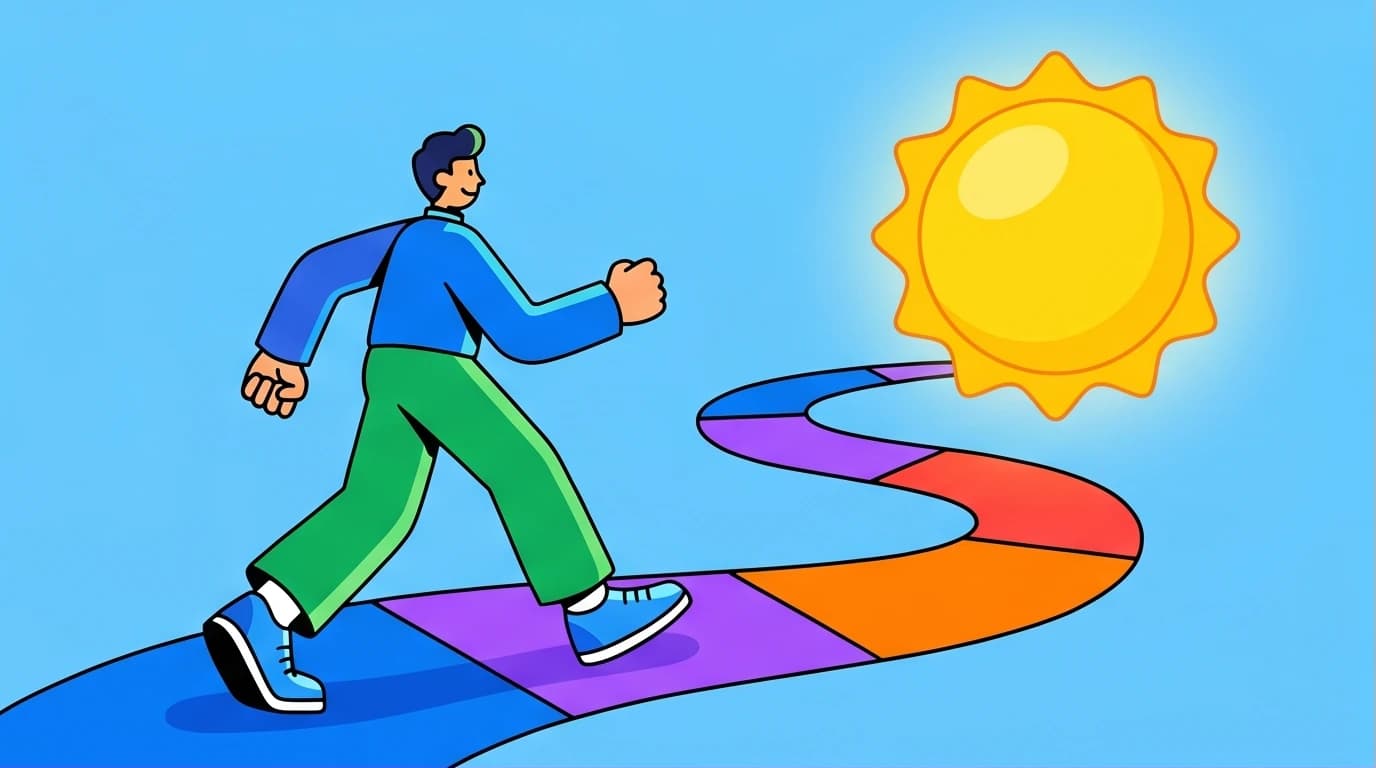
You have heard the success stories, bought the book, and decided it is time to give intermittent fasting a real try. But staring at the clock and wondering how you are going to survive the morning without your usual breakfast can feel incredibly intimidating. You do not need another biology lecture on insulin resistance right now. You need a practical, day-by-day playbook that tells you exactly what to do when your stomach starts rumbling.
And those success stories are often what provide the motivation to start. If you're looking for inspiration on what's possible with this lifestyle, seeing real-world transformations can make all the difference.
Transitioning your body from constantly relying on food for energy to tapping into its own fat stores takes time. If you dive straight into a strict 20-hour fast on day one, you are setting yourself up for failure, fatigue, and intense cravings.
This guide is designed to prevent that crash. Treat this first month as an intermittent fasting 28 day challenge to retrain your metabolism. We will break down exactly how to ease your body into this new lifestyle.
Why a 28-Day Transition Period Matters
Your body is currently used to a steady stream of glucose from meals and snacks. When you suddenly stop eating for long periods, your body panics. It sends strong hunger signals because it has forgotten how to access your stored body fat for energy.
The goal of this plan is adaptation. By slowly adjusting your fasting window over four weeks, you give your cells the time they need to build the cellular machinery required to burn fat. This progressive approach is the ultimate Fast Feast Repeat for beginners. It minimizes the headaches, the brain fog, and the mood swings that often derail early fasting attempts.
How to Start Fast Feast Repeat: The Golden Rules
Before looking at the calendar, you need to understand the foundational rules of the program. If you are wondering how to start Fast Feast Repeat, it all comes down to mastering two non-negotiable habits.
1. Embrace the Clean Fast
This is where most beginners fail. A fast is only a fast if you keep your insulin levels entirely flat. Any sweet taste—even if it has zero calories—can trigger an insulin response, making you hungrier and stopping the fat-burning process.
During your fasting window, you can only consume:
- Plain water (still or sparkling, like unflavored LaCroix or Perrier)
- Black coffee (no cream, no sugar, no stevia, no cinnamon)
- Plain, unflavored bitter tea (black or green)
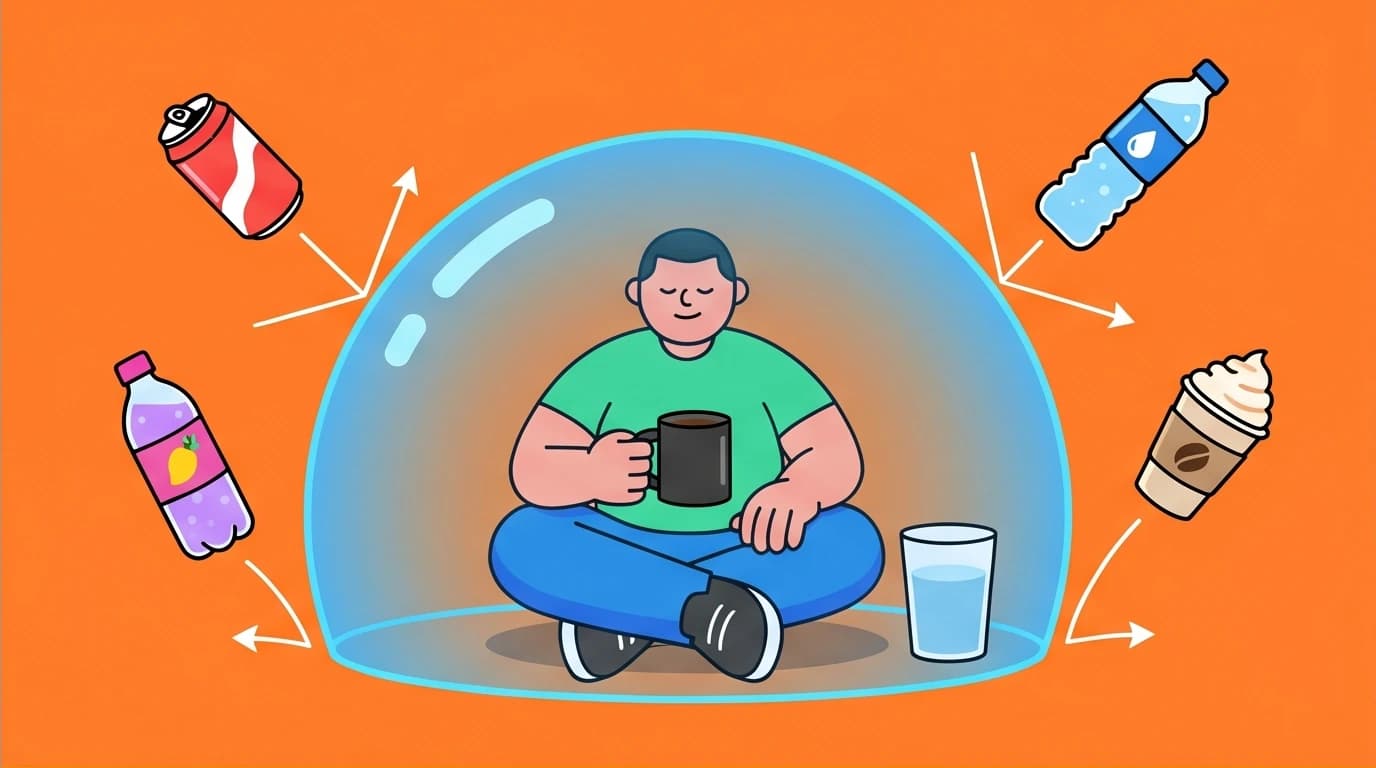
No flavored waters. No bone broth. No apple cider vinegar drinks. Keep it completely boring. A clean fast makes fasting infinitely easier because it prevents the intense hunger spikes caused by insulin release.
This strict adherence to the clean fast is what separates Fast Feast Repeat from other, less effective fasting methods. For a complete breakdown of what's allowed and what's not, it's worth exploring the specific guidelines in more detail.
To truly understand why that sweet taste triggers such a massive hunger response, it helps to look closely at how our bodies process sugar. If you find yourself struggling to manage those intense cravings during your fasting window, learning about glucose spikes can be a game-changer. It provides the exact science behind why the clean fast works so well to keep your blood sugar steady and your energy high.
Glucose Revolution
Jessie Inchauspe
 24 Duration
 9 Key Points
 4.5 Rate
If the idea of diving deep into the science is appealing but you're short on time, you can get the core concepts from books like this in a much faster format.


Understand the science behind books like Glucose Revolution with 15-minute summaries that fit perfectly into your busy fasting lifestyle.
 LeapAhead
2. Delay, Don't Deny
This is the core philosophy. You are not dieting; you are simply delaying your eating. When you open your window to feast, eat food that satisfies you. While prioritizing whole foods, high-quality proteins, and healthy fats will make your next fast easier, you do not need to obsessively count calories or macros. Eat until you are comfortably full, then close the window.
While the "don't deny" part is wonderfully flexible, structuring your meals strategically during your eating window can set you up for an even easier fast the next day. This concept, known as "appetite correction," is a key part of the program.
Your Fast Feast Repeat Schedule: The 4-Week Blueprint
You need a realistic Fast Feast Repeat schedule that fits into your actual life. This blueprint gradually shifts your eating window, allowing your body to adapt safely.
Week 1: The Acclimation Phase (14:10 to 16:8)
Goal: Eliminate snacking and establish the clean fast.
Your focus this week is simply getting used to the clean fast and stopping the habit of late-night snacking.
Your focus this week is simply getting used to the clean fast and stopping the habit of late-night snacking.
- Days 1-3 (14-Hour Fast / 10-Hour Feast):
- Stop eating by 8:00 PM.
- Drink black coffee or plain water in the morning.
- Open your window at 10:00 AM.
- Eat regular meals until 8:00 PM. No snacking after dinner.
- Days 4-7 (16-Hour Fast / 8-Hour Feast):
- Stop eating by 8:00 PM.
- Push your first meal to 12:00 PM (Noon).
- Eat normally between noon and 8:00 PM.
What to expect: You will feel hungry in the morning. This is not starvation; it is a learned hormonal response (ghrelin) based on your old breakfast habits. Drink a large glass of water or a cup of black coffee and ride it out. The hunger comes in waves and will pass.
Week 2: The Adaptation Phase (16:8 to 18:6)
Goal: Push the fasting window to unlock early fat-burning.
Now that your body understands the clean fast, we squeeze the window slightly tighter. This is where you start tapping into fat stores.
Now that your body understands the clean fast, we squeeze the window slightly tighter. This is where you start tapping into fat stores.
- Days 8-11 (Continue 16:8):
- Maintain the Noon to 8:00 PM schedule. Let your body solidify the habit.
- Days 12-14 (18-Hour Fast / 6-Hour Feast):
- Stop eating by 7:00 PM.
- Open your window at 1:00 PM.
- This usually means eating two solid meals (a late lunch and dinner) with maybe a small snack in between.
What to expect: Week two is often the hardest. Your body is realizing you are serious about this. You might experience a mild headache or fatigue. Add a pinch of high-quality unrefined salt under your tongue or in a glass of water. Sodium depletion is the main culprit for early fasting discomfort.
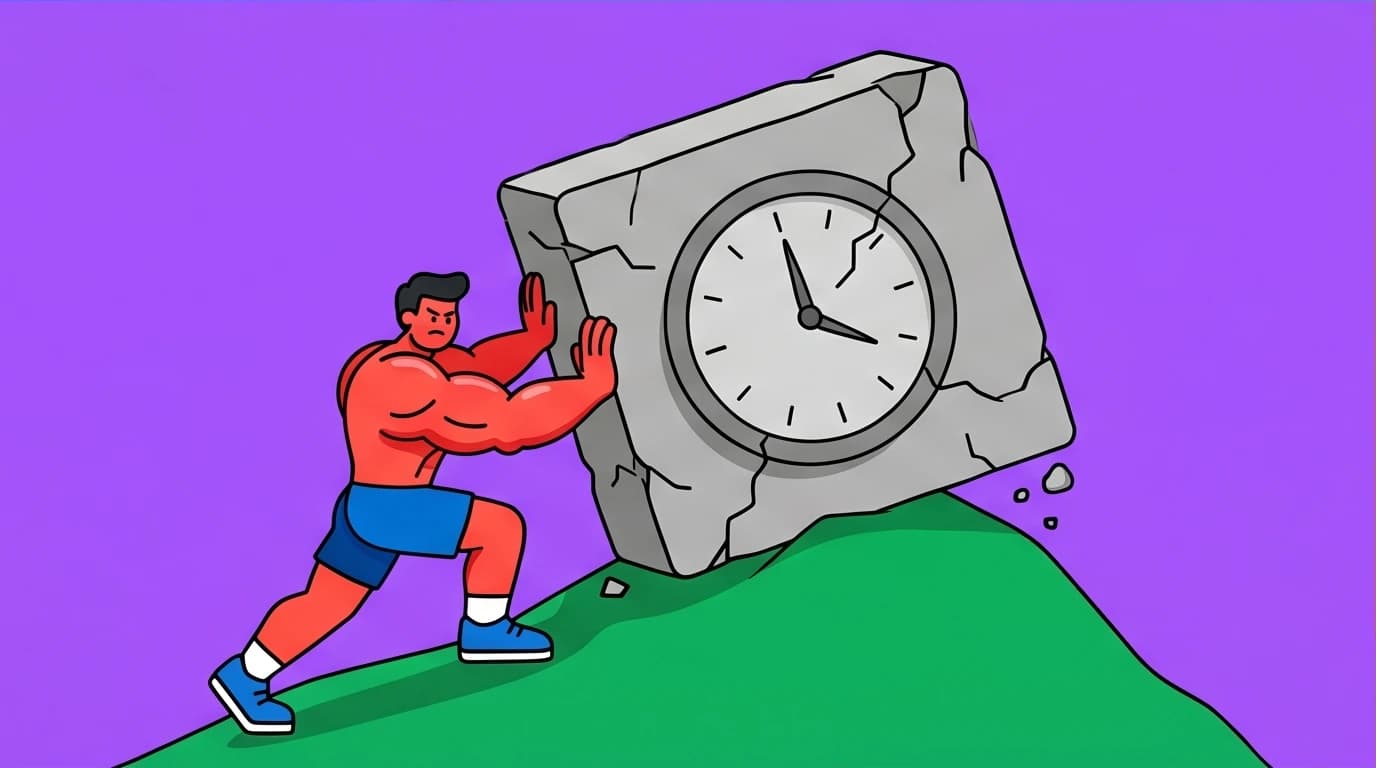
Getting through this tough adaptation phase is much less about willpower and far more about how you build your daily routines. When you are trying to shift your eating window, treating it like any other psychological habit can make the process feel effortless rather than restrictive. Mastering small, incremental changes in your environment and mindset will help ensure your new fasting schedule actually sticks for the long haul.

Atomic Habits
James Clear
26 Duration8 Key Points4.7 RateFor those who want to master the principles from habit-focused books like Atomic Habits without adding another 'to-do' to their list, there’s an easier way to learn.
Absorb the key lessons on building powerful routines from books like Atomic Habits in quick audio sessions during your commute or workout.
LeapAheadWeek 3: The Fat-Burning Phase (18:6 to 19:5)
Goal: Experience the energy surge of fat adaptation.
By week three, the morning hunger should drastically decrease. You will start experiencing mental clarity because your brain is running efficiently on ketones (byproducts of fat burning).
By week three, the morning hunger should drastically decrease. You will start experiencing mental clarity because your brain is running efficiently on ketones (byproducts of fat burning).
- Days 15-18 (18-Hour Fast / 6-Hour Feast):
- Keep the 1:00 PM to 7:00 PM window. Focus on eating nutrient-dense meals that keep you full.
- Days 19-21 (19-Hour Fast / 5-Hour Feast):
- Stop eating by 7:00 PM.
- Delay your first meal until 2:00 PM.
- Your eating window is now compact. You will likely find it hard to overeat in just five hours.
What to expect: The magic happens here. You will notice that 2:00 PM rolls around and you are not desperately hungry. Your clothes might start fitting differently, even if the scale hasn't moved much. This is a sign your body is utilizing stored fat.
Week 4: The Lifestyle Phase (Finding Your Rhythm)
Goal: Tweak the schedule to fit your personal and social life perfectly.
The 28-day transition is almost complete. You are no longer fighting your body; you are working with it.
The 28-day transition is almost complete. You are no longer fighting your body; you are working with it.
- Days 22-28 (Experiment with 19:5, 20:4, or OMAD):
- Listen to your body. Some days you might fast for 20 hours and eat one main meal and a small snack (20:4).
- Other days, if you have a social brunch, you might switch back to a 16:8 schedule.
- The goal now is flexibility. You have built the metabolic flexibility to handle different fasting lengths.
What to expect: Fasting feels natural. You no longer obsess over the clock. You view the fast as your default state and the feast as a deliberate celebration of food.
As you settle into this flexible lifestyle, you might want to understand more about how different fasting lengths impact your unique biology, especially for women navigating hormonal shifts. Knowing how to adjust your fasting and feasting windows to align with your natural cycles can take your metabolic flexibility to the next level. It empowers you to work with your body's natural rhythms rather than fighting against them.
Fast Like a Girl
Dr. Mindy Pelz
27 Duration8 Key Points4.5 RateSurviving the First 28 Days: Troubleshooting Guide
Even with a perfect plan, challenges will pop up. Here is how to handle the most common roadblocks during your transition.
The "I'm Going to Pass Out" Feeling
Unless you have an underlying medical condition, feeling weak during the first two weeks is usually an electrolyte issue, not a true lack of energy. When you fast, insulin drops, causing your kidneys to flush out sodium and water. You must replenish this. Keep coarse sea salt handy. A small pinch dissolves quickly and can cure fasting-induced dizziness within minutes.
Unless you have an underlying medical condition, feeling weak during the first two weeks is usually an electrolyte issue, not a true lack of energy. When you fast, insulin drops, causing your kidneys to flush out sodium and water. You must replenish this. Keep coarse sea salt handy. A small pinch dissolves quickly and can cure fasting-induced dizziness within minutes.
Social Pressure and Family Dinners
Intermittent fasting should not isolate you. Adjust your window to protect your most important social events. If you always have dinner with your family at 6:30 PM, build your window around that. If you have a morning breakfast meeting on a Thursday, open your window early that day and close it early, or just accept a shorter fast for one day. Consistency over the month matters more than perfection on any single day.
Intermittent fasting should not isolate you. Adjust your window to protect your most important social events. If you always have dinner with your family at 6:30 PM, build your window around that. If you have a morning breakfast meeting on a Thursday, open your window early that day and close it early, or just accept a shorter fast for one day. Consistency over the month matters more than perfection on any single day.
The Urge to Binge During the Feast
In the early days, you might feel frantic when your window opens, leading you to eat everything in sight. This is a normal survival response. Combat this by planning a specific "window opener." Start with a handful of almonds, an apple, or a small salad. Wait 20 minutes before moving on to your main meal. This signals your brain that food is secure and prevents the frantic gorge.
In the early days, you might feel frantic when your window opens, leading you to eat everything in sight. This is a normal survival response. Combat this by planning a specific "window opener." Start with a handful of almonds, an apple, or a small salad. Wait 20 minutes before moving on to your main meal. This signals your brain that food is secure and prevents the frantic gorge.
Once you conquer the urge to overeat, you might find yourself curious about the deeper physiological mechanisms driving your weight loss and hunger signals. If you want a masterclass on why controlling your eating window is so much more effective than traditional calorie counting, diving into the core science of obesity and insulin is incredibly eye-opening. It reinforces exactly why this 28-day transition is the best investment you can make for your long-term metabolic health.
The Obesity Code
Dr. Jason Fung
33 Duration9 Key Points4.5 RateFAQ
Can I put a little bit of cream or artificial sweetener in my coffee during the fast?
No. This breaks the clean fast. Even zero-calorie sweeteners like Stevia or Splenda trigger an insulin response in the brain, which halts fat burning and triggers intense hunger. Stick strictly to black coffee, plain tea, or plain water until your eating window opens.
No. This breaks the clean fast. Even zero-calorie sweeteners like Stevia or Splenda trigger an insulin response in the brain, which halts fat burning and triggers intense hunger. Stick strictly to black coffee, plain tea, or plain water until your eating window opens.
What if I feel dizzy, shaky, or extremely weak during the 28 days?
First, check your electrolytes. A pinch of salt usually resolves mild shakiness. Ensure you are drinking enough water. However, if the feeling is severe, persistent, or accompanied by an irregular heartbeat, break your fast immediately with a balanced snack. Fasting should not feel like torture. You can always try again tomorrow with a slightly shorter window.
First, check your electrolytes. A pinch of salt usually resolves mild shakiness. Ensure you are drinking enough water. However, if the feeling is severe, persistent, or accompanied by an irregular heartbeat, break your fast immediately with a balanced snack. Fasting should not feel like torture. You can always try again tomorrow with a slightly shorter window.
Do I need to count calories or eat low-carb during the feast window?
No, counting calories is not required or recommended for this approach. The "Delay, Don't Deny" philosophy encourages you to eat the foods you enjoy until you are comfortably full. While eating a balanced diet with plenty of protein and whole foods will naturally keep you fuller during your next fast, you do not need to restrict specific macronutrients or track every bite in an app.
No, counting calories is not required or recommended for this approach. The "Delay, Don't Deny" philosophy encourages you to eat the foods you enjoy until you are comfortably full. While eating a balanced diet with plenty of protein and whole foods will naturally keep you fuller during your next fast, you do not need to restrict specific macronutrients or track every bite in an app.