

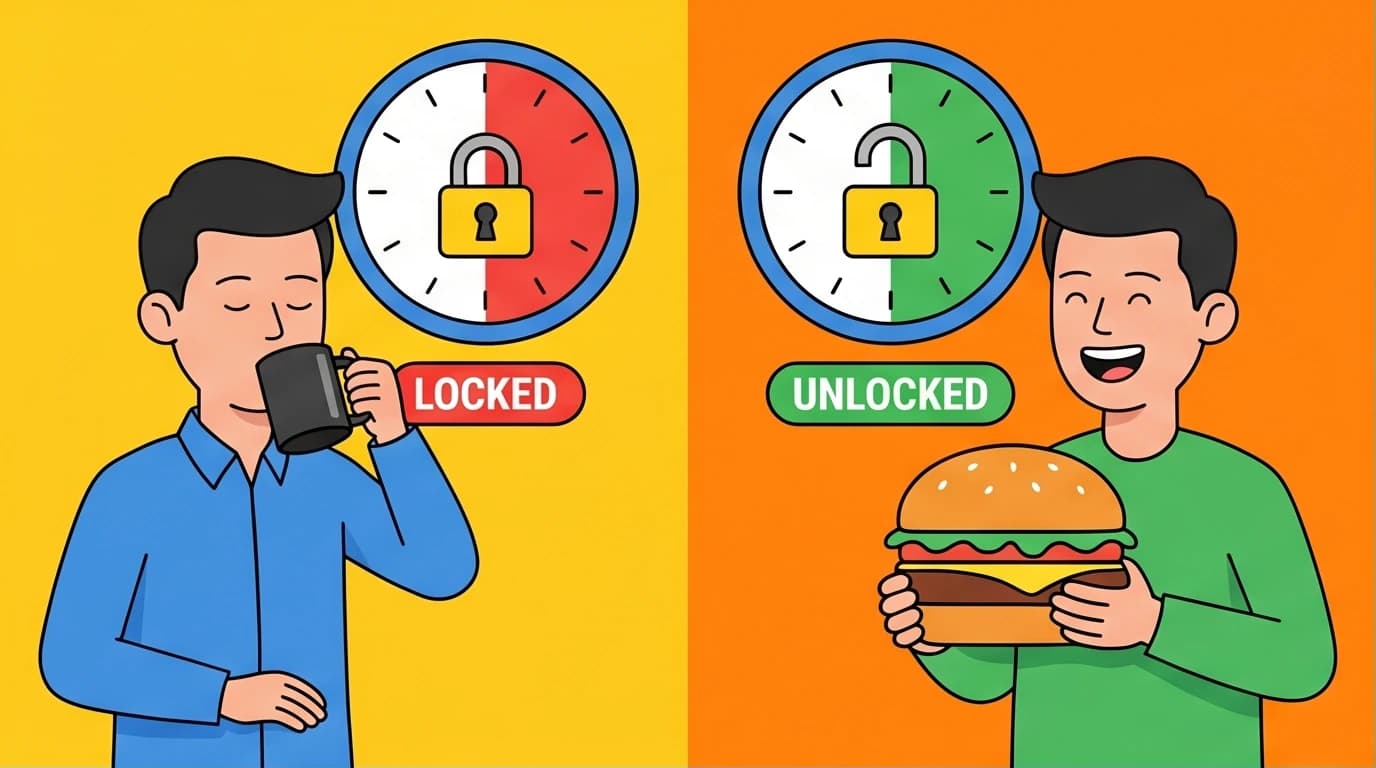
You pushed through the fasting hours, drank your black coffee, and finally opened your eating window. But instead of enjoying a satisfying meal, you ended up emptying the pantry, feeling intensely guilty, and wondering if intermittent fasting even works for you. It feels like you simply traded a traditional diet for a daily binge-and-restrict cycle.
Let's fix that. The problem is not your willpower. The problem is bringing a restrictive "diet mentality" into a lifestyle designed to free you from it. If you want sustainable weight loss and metabolic health without the anxiety, you need to master the actual delay don't deny diet rules.
The Foundation: Unlearning the Diet Mentality
When you read books by Gin Stephens on Goodreads or grab a copy from Barnes & Noble, the most jarring concept for chronic dieters to accept is the absence of counting. There are no points, no macros to track, and no banned food groups.
"Delay, Don't Deny" means you delay your eating to a specific block of time (the fast), but you do not forever deny yourself your favorite foods. If you truly want a slice of real New York cheesecake, you can have it. Knowing you can have it tomorrow or the next day removes the panic that causes binge eating today.
To make this work, you must follow three non-negotiable rules.
Rule 1: Master the Clean Fast
Your fast must be completely clean. This is where most people fail. A clean fast means consuming only plain water, black coffee, or plain bitter tea.
No flavored water. No artificial sweeteners. No cream in your coffee. No bone broth.
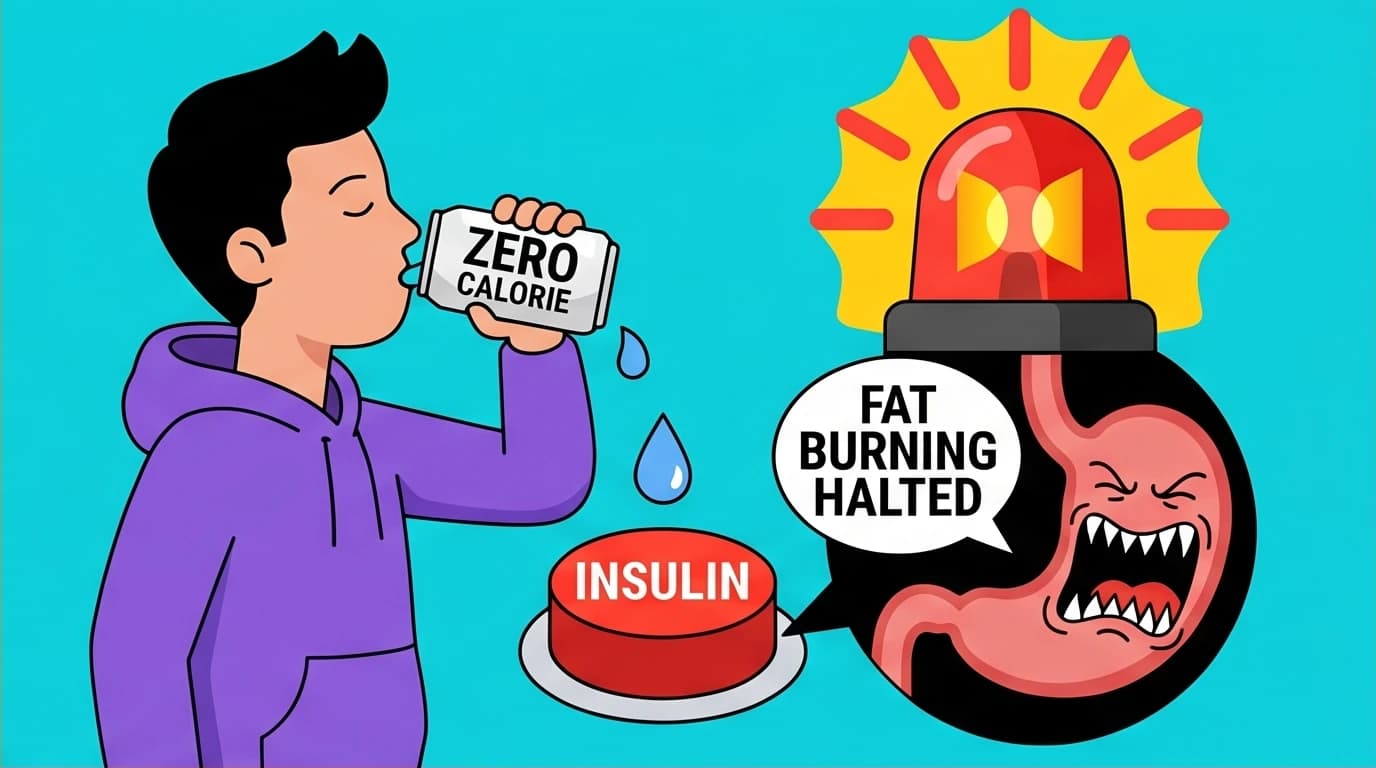
When you taste something sweet—even a zero-calorie diet soda—your brain anticipates food. It triggers an insulin response. Insulin halts fat burning and plummets your blood sugar, making you aggressively hungry. If you are white-knuckling your way through your fast and feeling starved, check your cup. You are likely dirty fasting. A clean fast makes the fasting hours easy and prevents uncontrollable ravenous hunger when you finally eat.
If you are finding it incredibly difficult to get through those fasting hours even when keeping it clean, your hormones might be playing a bigger role than you realize. Women, in particular, often need to adjust their fasting routines to align with their natural cycles. If you want a deeper dive into customizing your fasting window to reduce cravings and support your hormonal health, there is an excellent resource that breaks down exactly how to fast safely and effectively for your unique biology.
Fast Like a Girl
Dr. Mindy Pelz
 27 Duration
 8 Key Points
 4.5 Rate
Rule 2: Find the Right Gin Stephens Eating Window
Your eating window is the designated time you consume all your daily food. The classic Gin Stephens eating window ranges from 5 to 8 hours, depending on your goals and daily schedule.
A popular approach is 19:5 (19 hours fasting, 5 hours eating) or 18:6. You adjust the window to fit your life. If you have a dinner party on Saturday, you might shift your window later. The goal is consistency over time, not daily perfection. You are not racing a clock; you are managing your insulin levels.
Rule 3: Trust in Appetite Correction
If you are new to intermittent fasting, you might feel the urge to eat everything in sight when your window opens. This panic eating is temporary.
Over time, you will experience appetite correction intermittent fasting. This is a physiological shift where your hormones (specifically leptin and ghrelin) rebalance. Your body realizes it is not starving. It learns that food is abundant and coming every single day. Once appetite correction kicks in, your portion sizes will naturally shrink, and you will recognize a distinct physical signal—often a deep sigh or a subtle feeling of disinterest in the food—telling you it is time to stop eating.
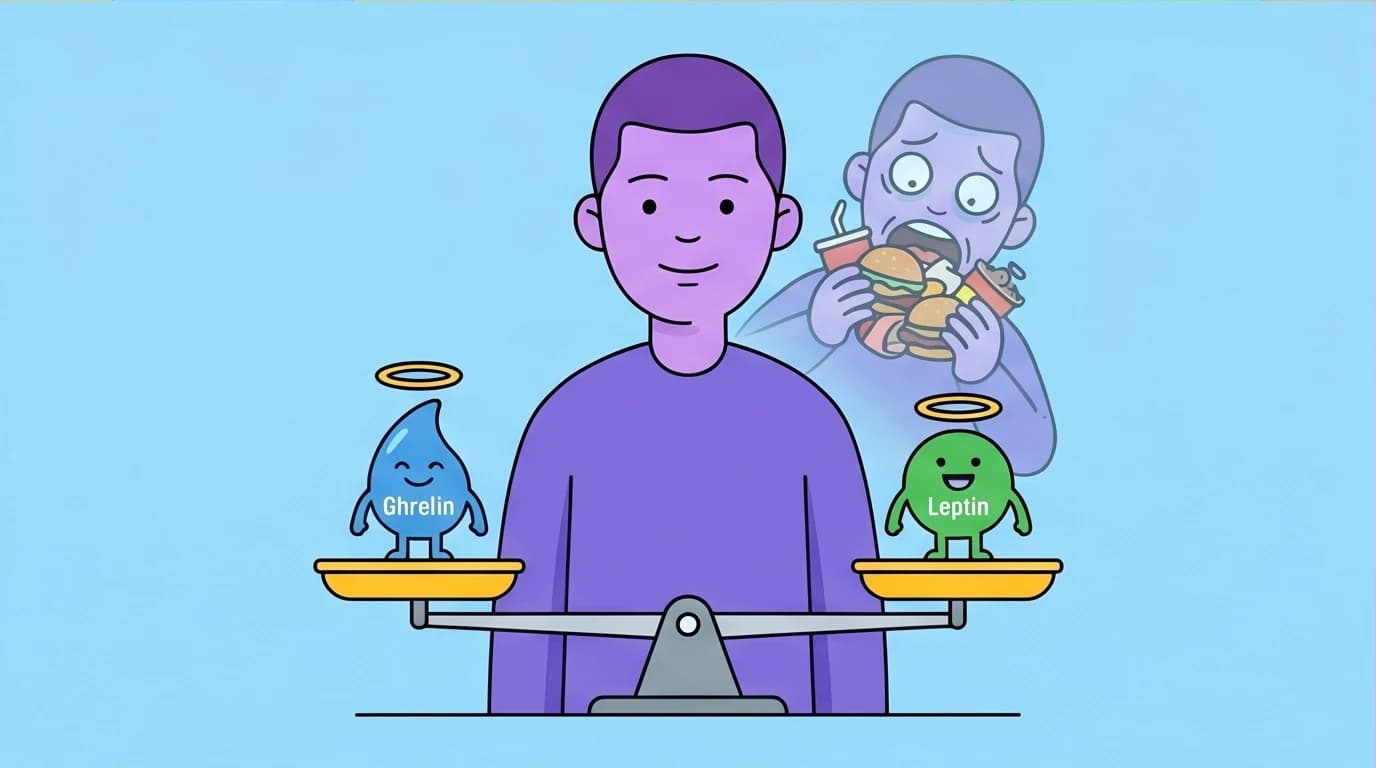
Understanding how hormones like insulin, leptin, and ghrelin control your weight is the key to finally trusting the fasting process. If you want to dive into the science of exactly why appetite correction happens and how meal timing heals your metabolism, you need to look at the root causes of weight gain. For readers who want to learn more about how to naturally lower insulin resistance and break the cycle of constant hunger, this groundbreaking book offers the perfect medical perspective to back up your new lifestyle.
The Obesity Code
Dr. Jason Fung
33 Duration9 Key Points4.5 RateIt can feel like a lot to take on a dense science book while also changing your eating habits. If you want to grasp the key ideas from books like The Obesity Code but don't have hours to read, there's a more efficient way.


Absorb the core scientific principles from bestselling health books like this one in just 15-minute audio or text summaries, making it easy to learn on the go.
 LeapAhead
Building Your Window: What to Eat on Fast Feast Repeat
People constantly look for a strict Fast Feast Repeat meal plan. They want a printable PDF telling them to eat exactly four ounces of chicken and a cup of broccoli at 2:00 PM.
That defeats the entire purpose of the lifestyle.
There is no rigid meal plan because your body needs different nutrients on different days. However, knowing what to eat on Fast Feast Repeat comes down to two concepts: Craving and Quality.
Eat What You Truly Crave
If you try to force yourself to eat a dry salad when you really want a hearty sandwich, you will eat the salad, feel unsatisfied, and then go eat the sandwich anyway. Eat what sounds good to you. Honoring your true cravings prevents feelings of deprivation, which is the primary trigger for binge eating.
Upgrade Your Food Quality
While you can eat anything, you should not eat everything. Highly processed foods engineered in labs bypass your natural satiety signals. A bag of processed chips will not trigger the "stop eating" sigh the way a steak, a baked potato, and a side of green beans will.
Focus your window on nutrient-dense foods:
- High-quality proteins (beef, chicken, fish, eggs)
- Healthy fats (avocados, olive oil, butter, nuts)
- Complex carbohydrates (potatoes, rice, fruit, sourdough bread)
If you want a cookie, eat a real cookie made with butter and sugar, not a low-fat, chemical-laden imitation. Real food satisfies real hunger.
You do not have to completely give up your favorite comfort foods to see incredible results, but understanding how those foods affect your blood sugar makes a world of difference. Simple food hacks—like eating a plate of veggies before a carbohydrate-heavy meal—can dramatically blunt your body's insulin response. If you are looking for practical, science-backed strategies to enjoy real sugar and carbs without throwing your body into a fat-storing, energy-crashing tailspin, this fantastic guide will completely change how you plate your meals.
Glucose Revolution
Jessie Inchauspe
24 Duration9 Key Points4.5 RateHow to Stop Bingeing When You Open Your Window
If you struggle with overeating during your feasting window, you need a strategy to transition from fasting to feasting smoothly.
1. The "Open the Window" Snack
Never break your fast with a massive, heavy meal immediately. Your digestive system has been resting. Break your fast with a small, high-quality snack about 30 to 60 minutes before your main meal.
Good window-openers include:
- A handful of macadamia nuts and a piece of cheese
- A small apple with natural peanut butter
- A bowl of bone broth
This small amount of food wakes up your digestion and takes the edge off your hunger, allowing you to approach your main meal calmly rather than frantically.
2. Plate Your Food and Sit Down
Do not eat standing at the kitchen counter or directly out of a bag. When you graze, your brain does not register the volume of food you are consuming. Put everything you intend to eat on a real plate. Sit at the dining table. Look at your food, chew slowly, and appreciate the flavors.
3. Implement the "Pause"
Before you go back for seconds, set a timer for 15 minutes. Walk away from the kitchen. Drink a glass of water. If you are genuinely still hungry after 15 minutes, eat more. Most of the time, you will realize your body is actually full, and your brain was just eating out of habit.
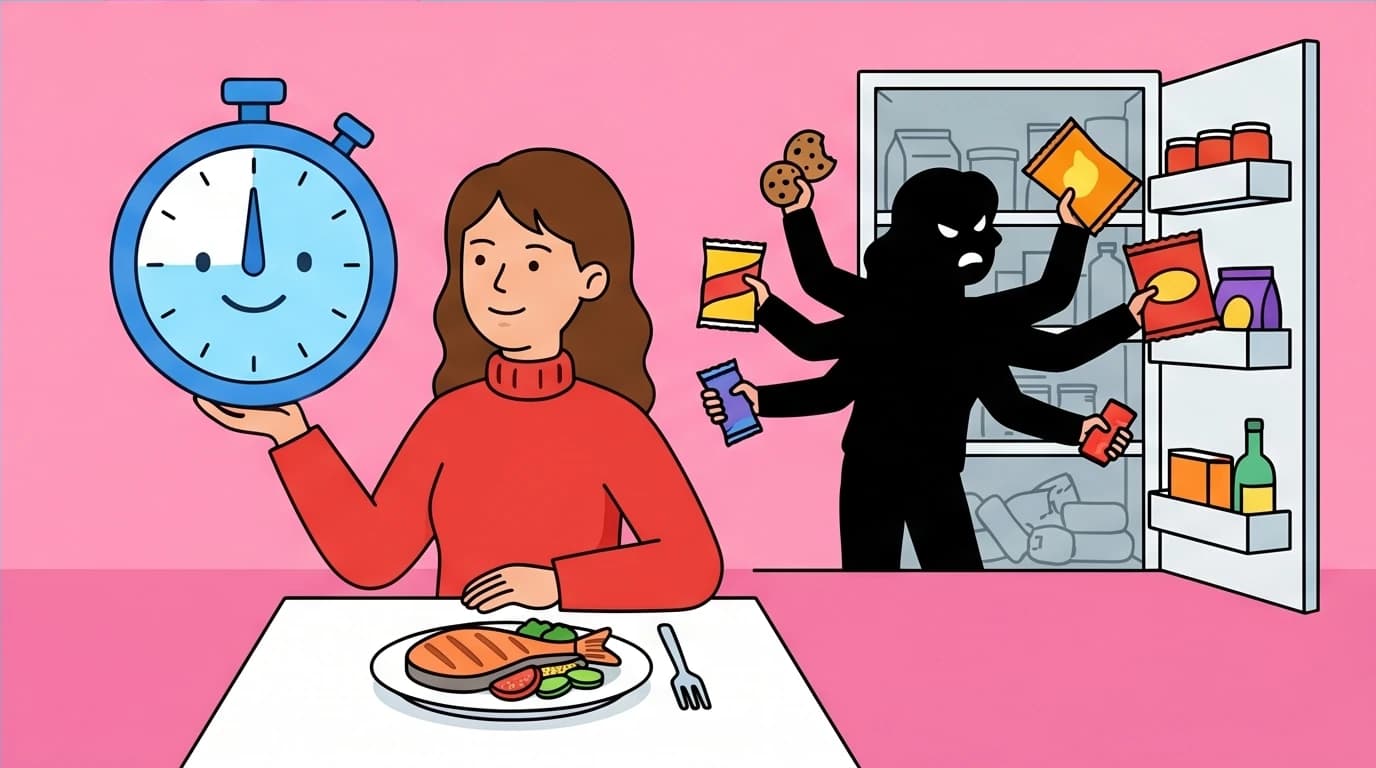
Breaking the habit of binge eating is rarely just about physical hunger; it is deeply tied to years of restrictive dieting and emotional programming. When you finally allow yourself unconditional permission to eat during your window, you might still struggle with the lingering urge to overdo it. If you want to rebuild a healthy, peaceful relationship with food, learning to honor your fullness and reject the diet mentality is crucial. This classic guide is a must-read for anyone looking to stop the binge-and-restrict cycle for good.
Intuitive Eating
Evelyn Tribole M.S. R.D., Elyse Resch M.S. R.D F.A.D.A
19 Duration7 Key Points4.1 RateCommon Mistakes Disrupting Your Progress
Even when following the delay don't deny diet rules, a few subtle mistakes can stall your weight loss and increase your food anxiety.
Treating the window as an eating marathon:
An eating window is not a command to eat continuously for six hours. It is the timeframe in which you have your meals and snacks. If you have a 6-hour window, you might have a snack to open it, a solid dinner a few hours later, and maybe a piece of dark chocolate to close it. You should not be chewing non-stop.
An eating window is not a command to eat continuously for six hours. It is the timeframe in which you have your meals and snacks. If you have a 6-hour window, you might have a snack to open it, a solid dinner a few hours later, and maybe a piece of dark chocolate to close it. You should not be chewing non-stop.
Holding onto diet foods:
Throw away the fat-free cheese, the zero-calorie syrups, and the diet breads. These products are designed for calorie-counting diets. In intermittent fasting, you need rich, real foods to signal satiety to your brain. Fat does not make you fat; insulin does. Eat the real butter.
Throw away the fat-free cheese, the zero-calorie syrups, and the diet breads. These products are designed for calorie-counting diets. In intermittent fasting, you need rich, real foods to signal satiety to your brain. Fat does not make you fat; insulin does. Eat the real butter.
The "I Earned It" trap:
Fasting for 20 hours does not mean you "earned" a trip to a fast-food drive-thru every day. Fasting heals your metabolism; nutrition builds your body. Treat your body with respect during the feast.
Fasting for 20 hours does not mean you "earned" a trip to a fast-food drive-thru every day. Fasting heals your metabolism; nutrition builds your body. Treat your body with respect during the feast.
Putting all this knowledge into practice can feel like a challenge, especially when your to-read list is growing. If you want to absorb the wisdom from all these recommended books without the overwhelm, an app can help you get the key insights fast.
Get the main takeaways from books on nutrition, fasting, and habit-building in quick 15-minute sessions, perfect for fitting powerful knowledge into a busy schedule.
LeapAheadFAQ
Can I drink diet soda or use stevia during the fasting window?
No. The clean fast is the most critical rule of this lifestyle. Sweet tastes, even without calories, cause a cephalic phase insulin response. This stops fat burning and makes you incredibly hungry. Stick to plain water, black coffee, or plain unflavored tea. Save the diet soda for your eating window if you really want it.
No. The clean fast is the most critical rule of this lifestyle. Sweet tastes, even without calories, cause a cephalic phase insulin response. This stops fat burning and makes you incredibly hungry. Stick to plain water, black coffee, or plain unflavored tea. Save the diet soda for your eating window if you really want it.
Do I need to eat Keto or low-carb to see results?
You do not have to follow a Keto diet. Many people lose weight and heal their metabolism eating a balanced diet that includes carbohydrates. However, if you find that eating heavy carbs makes you hungrier the next day, you might want to experiment with reducing processed sugars and focusing on complex, whole-food carbohydrates.
You do not have to follow a Keto diet. Many people lose weight and heal their metabolism eating a balanced diet that includes carbohydrates. However, if you find that eating heavy carbs makes you hungrier the next day, you might want to experiment with reducing processed sugars and focusing on complex, whole-food carbohydrates.
How long does it take for appetite correction to happen?
For some, appetite correction happens in a few weeks; for others coming off decades of chronic dieting, it can take a few months. Your body has to rebuild trust that it is not facing a famine. Be patient, stick to the clean fast, and stop restricting your portions during your window. The correction will happen naturally.
For some, appetite correction happens in a few weeks; for others coming off decades of chronic dieting, it can take a few months. Your body has to rebuild trust that it is not facing a famine. Be patient, stick to the clean fast, and stop restricting your portions during your window. The correction will happen naturally.
What if my schedule changes and I have to eat early?
Flexibility is built into the rules. If you normally eat at 4:00 PM but have a morning brunch planned on Sunday, just move your window. You might have a shorter fast that day and a longer fast the next. The beauty of this approach is that it bends to fit your life. Readjust and resume your normal schedule the following day.
Flexibility is built into the rules. If you normally eat at 4:00 PM but have a morning brunch planned on Sunday, just move your window. You might have a shorter fast that day and a longer fast the next. The beauty of this approach is that it bends to fit your life. Readjust and resume your normal schedule the following day.