

You want to experience the weight loss and energy boosts of intermittent fasting, but sitting down with a 300-page book doesn’t fit your packed schedule. You need the exact rules to get started right now. Instead of wasting an Audible credit or digging through sketchy websites for a Fast Feast Repeat pdf, use this guide.
And if you find yourself wanting to get the key insights from other health and wellness bestsellers without committing to hundreds of pages, there are tools designed for just that.

Absorb the core ideas from bestselling wellness books like Fast Feast Repeat in 15-minute audio or text summaries, perfect for learning on a packed schedule.
Download LeapAhead App now
This Gin Stephens book summary cuts through the noise. We will break down exactly what breaks a fast, how to structure your eating window, and how to survive the initial adaptation phase.
The Core Concept: Delay, Don't Deny
Before diving into schedules, you must understand the underlying philosophy: Delay, Don't Deny. Intermittent fasting (IF) is not a diet. It is a timing strategy. You are not permanently banning your favorite foods. You are simply delaying when you eat them.
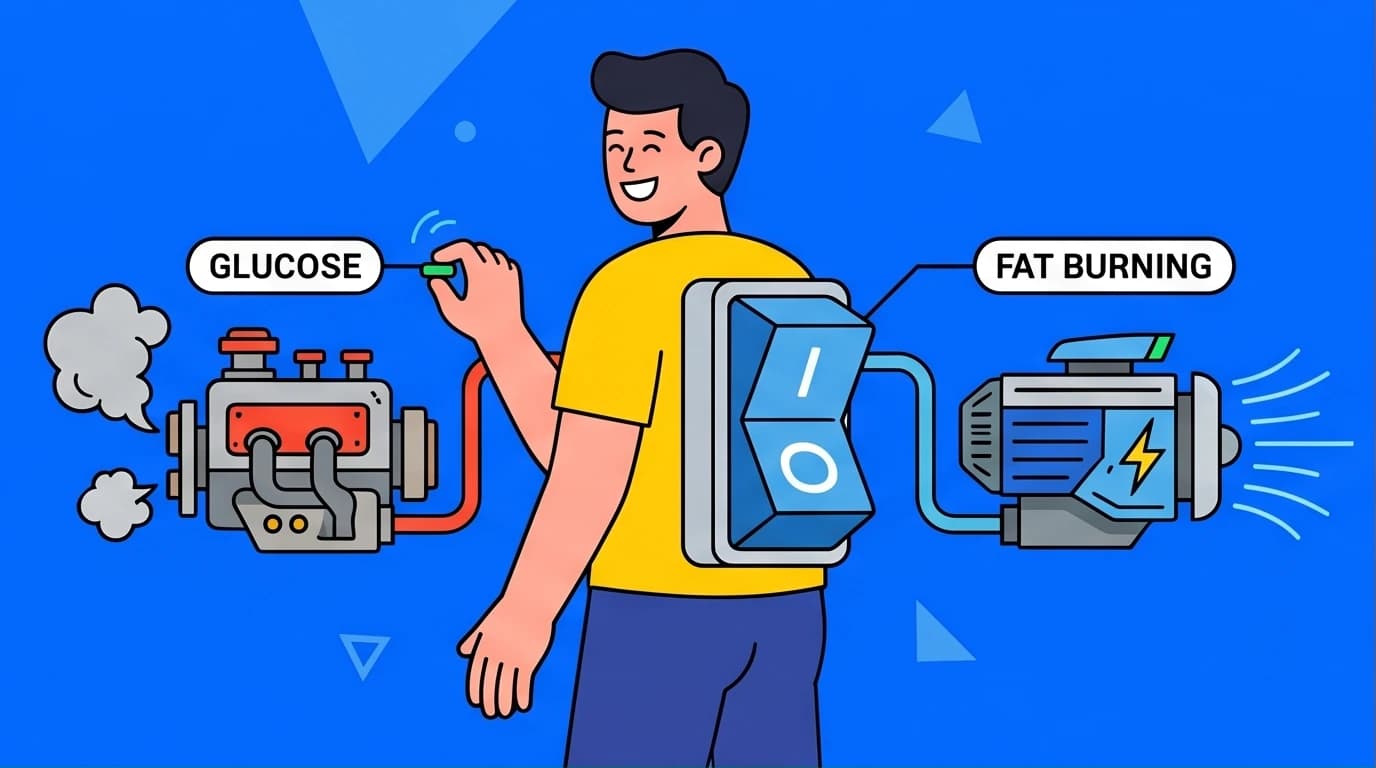
When you constantly snack, your body runs on glucose and keeps insulin levels high. High insulin blocks fat burning. By fasting, your insulin drops, forcing your body to tap into stored body fat for energy.
Here are the key takeaways Fast Feast Repeat offers, broken down into its three namesake phases.
If you are fascinated by the science behind why fasting works so well, you might want to explore exactly how insulin acts as the master switch for your metabolism. Understanding the hormonal drivers of weight gain makes the "Delay, Don't Deny" philosophy click into place. For a deep dive into why traditional calorie-counting diets have failed Americans for decades and how controlling insulin is the true secret to unlocking fat loss, this foundational book on metabolic health is a game-changer.
The Obesity Code
Dr. Jason Fung
 33 Duration
 9 Key Points
 4.5 Rate
Phase 1: The FAST (The Power of the Clean Fast)
This is where most people fail. If you take away only one rule from this entire guide, make it this: Your fast must be clean.
A clean fast means consuming absolutely nothing that provokes an insulin response. Even zero-calorie artificial sweeteners can trick your brain into thinking food is coming, which triggers an insulin release, stops fat burning, and makes you ravenously hungry.
What is Allowed During the Fast?
- Plain water: Still or sparkling (like unflavored LaCroix).
- Black coffee: No cream, no sugar, no stevia, no cinnamon. Just coffee beans and water.
- Plain tea: Green, black, or herbal teas with no added flavors, fruits, or sweeteners.
What Breaks the Fast?
- Diet soda and zero-calorie energy drinks.
- Lemon slices in your water.
- Bone broth.
- Gum or breath mints.
- MCT oil or butter in your coffee.
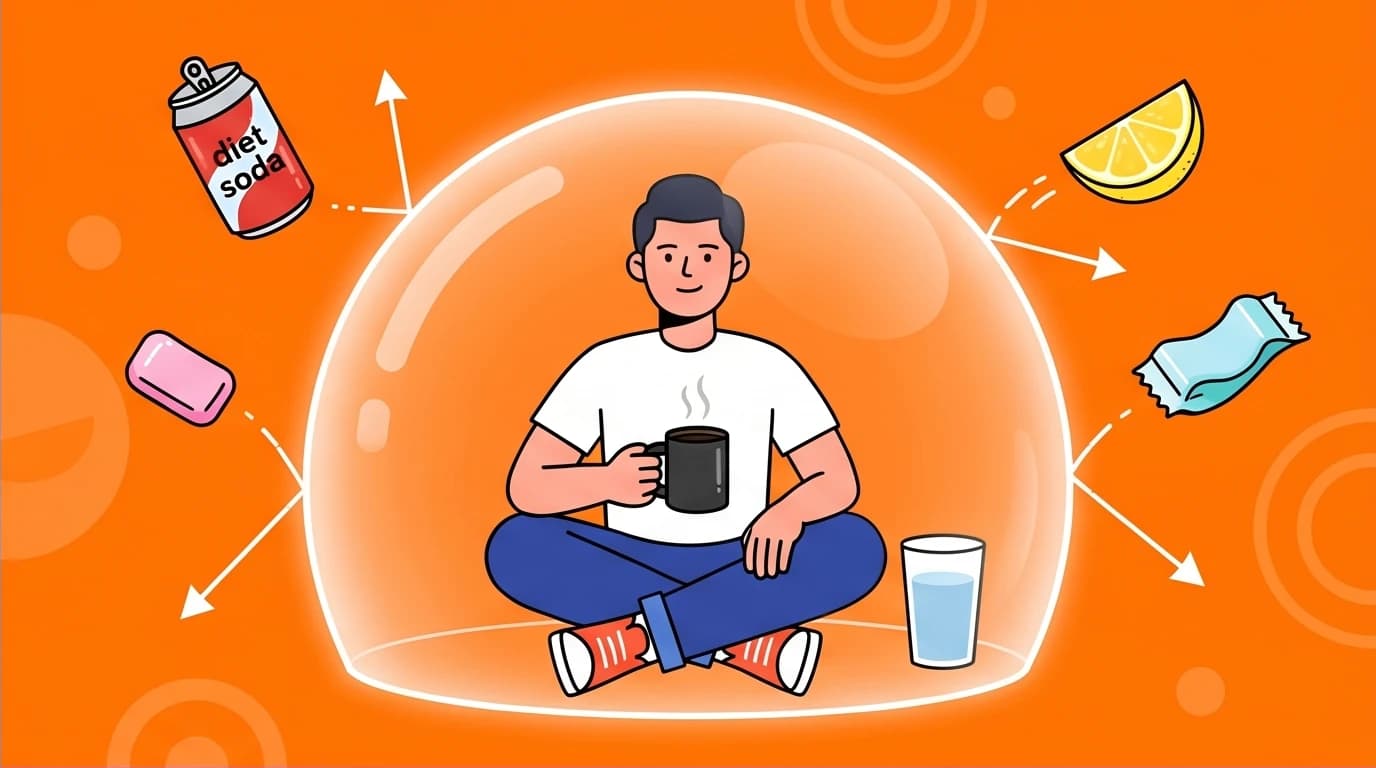
Fasting clean is the magic bullet. It sounds restrictive initially, but keeping insulin perfectly flat makes fasting surprisingly easy. The intense hunger pangs you fear actually disappear when you stop teasing your body with sweet flavors. To ensure you're getting all the benefits without accidentally breaking your fast, it's crucial to be clear on the details.
Phase 2: The FEAST (Eating Without Guilt)
When it is time to open your window, you feast. This does not mean an all-you-can-eat binge at a buffet. It means eating nutrient-dense, satisfying meals until you are comfortably full.
Do Not Count Calories
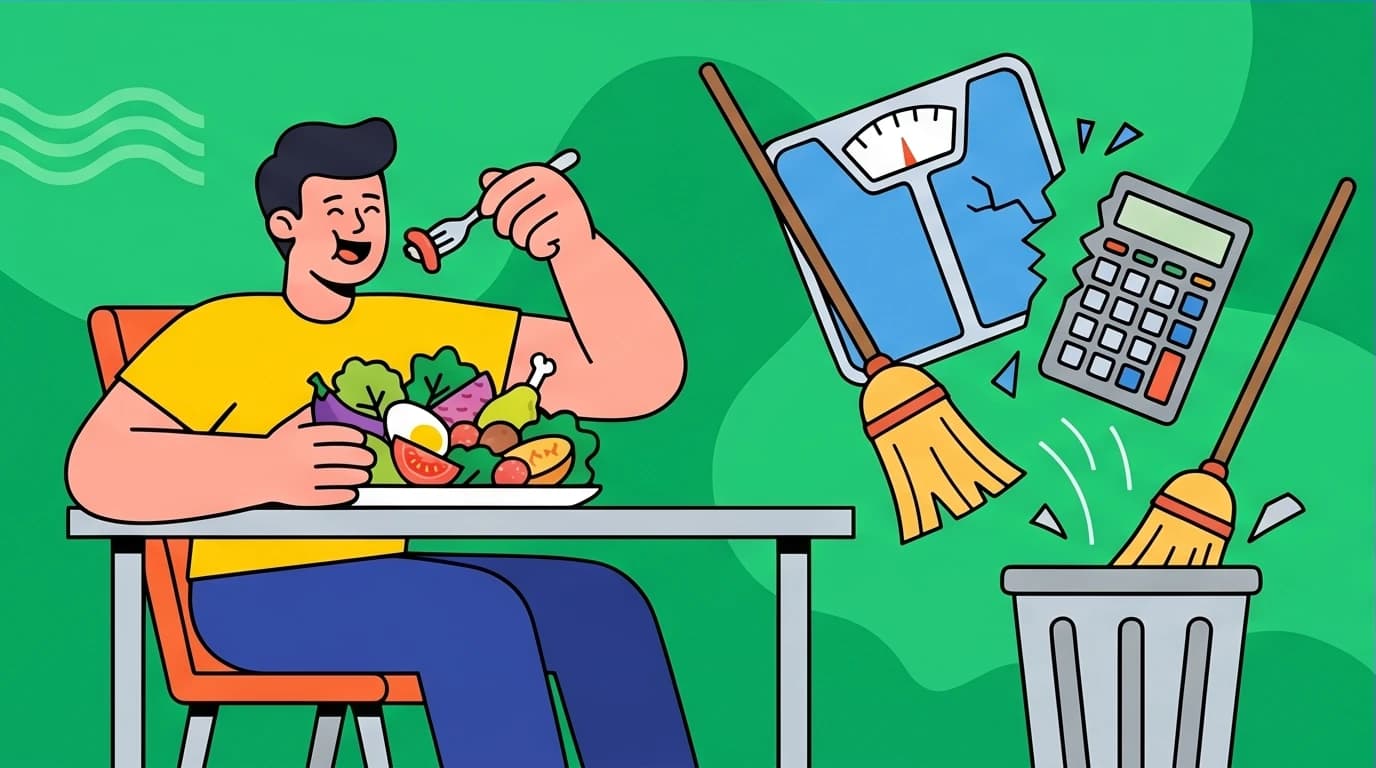
Stephens strongly advocates against tracking every macro or logging every bite into an app. Calorie counting is tedious and rarely sustainable. Instead, focus on food quality.
"Window Worthy" Foods
Eat what makes you feel good. If you want a slice of pizza or a burger, have it. But pay attention to how your body reacts. Over time, intermittent fasting leads to "Appetite Correction." Your body will naturally start craving high-quality proteins, healthy fats, and complex carbs because they keep you fueled longer.
The Gentle Close
Don't abruptly slam your eating window shut if you are still genuinely hungry. Let your window close naturally after your final meal or dessert. Once you finish, brush your teeth. That is the physical signal that the feast is over.
Once you ditch the tedious calorie-counting apps, your focus shifts entirely to the quality of the food on your plate during your eating window. If you are looking for evidence-based guidance on which specific foods provide the most nutrient-dense bang for your buck, shifting toward a more whole-food approach can supercharge your feast. For those wanting to optimize their meals with satiating ingredients that naturally support long-term weight management and disease prevention, this comprehensive guide offers incredible insights into structuring your daily plate.
How Not to Diet
Michael Greger, M.D.
18 Duration8 Key Points4.5 RatePhase 3: The REPEAT (Schedules and Adaptation)
To make IF work, you need consistency. But consistency does not mean rigidity. You can adjust your hours based on your life.
The 28-Day FAST Start
Stephens recommends a 28-day adjustment period. For beginners who want a clear roadmap to navigate this initial phase successfully, following a structured approach can make all the difference.
During this first month, your body is transitioning from a sugar-burner to a fat-burner.
- Expect fatigue and headaches during the first two weeks. Keep your electrolytes up by adding a pinch of high-quality salt under your tongue.
- Do not focus on the scale. Your body is healing internally. Focus on how your clothes fit.
Your Fast Feast Repeat Cheat Sheet for Schedules
Choosing a daily fasting schedule depends on your goals and lifestyle. Start with a beginner approach and gradually tighten your window.
- 16:8 (The Beginner's Baseline): Fast for 16 hours, eat within an 8-hour window. Example: Skip breakfast, eat from 12:00 PM to 8:00 PM. Good for maintaining weight, but often not enough for significant weight loss.
- 19:5 (The Sweet Spot): Fast for 19 hours, eat within a 5-hour window. Example: Eat from 2:00 PM to 7:00 PM. Ideal for consistent fat loss and high energy.
- OMAD (One Meal a Day): Fast for 22-23 hours, eat a 1-to-2 hour meal. Highly effective for breaking plateaus and maximizing autophagy (cellular repair).
- Up-Day / Down-Day (ADF): Alternate-Day Fasting involves eating normally one day, and restricting entirely (or eating under 500 calories) the next. Best for aggressive weight loss and severe insulin resistance.
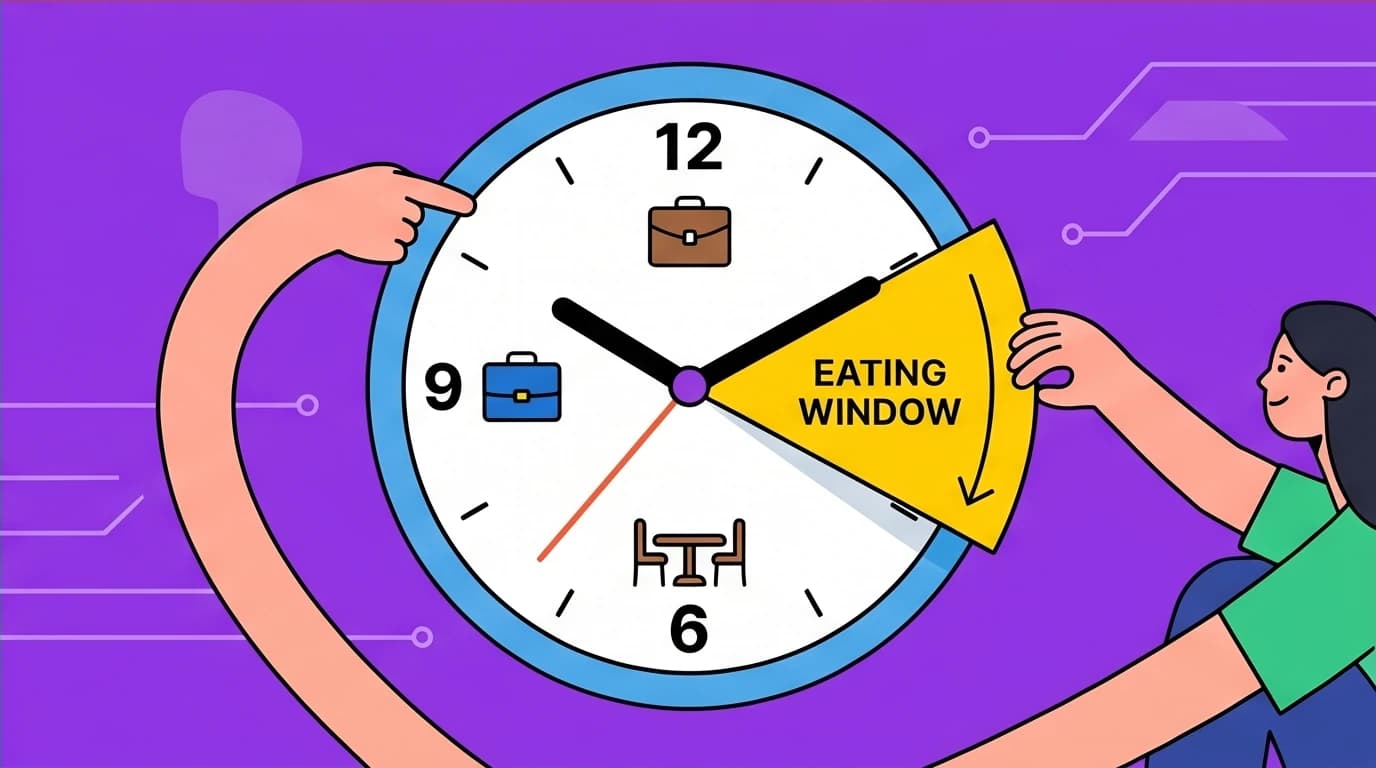
Mix and match these. If you have a family dinner on Friday, open your window later in the day. If you are going out for an early Sunday brunch, close your window earlier on Saturday.
Fasting schedules are highly personal, and what works beautifully for one person might need a little tweaking for another. This is especially true for women, whose fluctuating hormones throughout the month can dictate different metabolic needs. If you are looking to learn how to tailor these fasting windows to sync seamlessly with your body's natural rhythms rather than fighting against them, there is a fantastic resource available. It provides a phenomenal blueprint for adjusting your fasting and eating hours to support your unique biology and maximize your results without burnout.
Fast Like a Girl
Dr. Mindy Pelz
27 Duration8 Key Points4.5 RateShift Your Mindset: Look Beyond the Scale
The scale lies. Water weight, hormones, and muscle gain will cause daily fluctuations that ruin your motivation.
Instead of obsessing over pounds, track NSVs (Non-Scale Victories). Are your jeans looser? Do you have sustained energy at 3:00 PM without needing a nap? Is your skin clearer? Did you avoid the mid-morning brain fog? Take measurements with a tape measure. Take photos. These metrics tell the real story of your progress. Seeing how these changes manifest for others can provide powerful motivation to stick with the lifestyle.
Intermittent fasting is a lifelong tool. By mastering the clean fast, eating without guilt during your window, and tweaking your schedule to fit your lifestyle, you organize a sustainable approach to health that no crash diet can match.
Mastering this lifestyle is an ongoing journey. If you want to keep learning from other groundbreaking health authors but struggle to find the time, you can get the core lessons in a fraction of the time.
Turn your commute into learning time by listening to 15-minute summaries of books on nutrition, fitness, and mindset to stay consistent with your health goals.
Download LeapAhead App now
FAQ
Can I put a little splash of heavy cream in my coffee?
No. A clean fast means zero calories and zero sweet tastes. Cream triggers digestion and an insulin response. To get the true fat-burning and healing benefits of IF, stick strictly to black coffee, plain tea, or water.
No. A clean fast means zero calories and zero sweet tastes. Cream triggers digestion and an insulin response. To get the true fat-burning and healing benefits of IF, stick strictly to black coffee, plain tea, or water.
Do I need to eat a specific diet like Keto or Paleo during the feast?
No. You do not have to give up carbs or follow a specific diet label. Eat the foods you enjoy. However, highly processed foods and refined sugars will make your fast the next day much harder. Focus on whole, nutrient-dense foods to keep you satiated.
No. You do not have to give up carbs or follow a specific diet label. Eat the foods you enjoy. However, highly processed foods and refined sugars will make your fast the next day much harder. Focus on whole, nutrient-dense foods to keep you satiated.
What if I feel dizzy or get a headache during my fasting window?
This is very common during the first few weeks as your body adapts. It is usually an electrolyte imbalance. Put a pinch of pink Himalayan salt or sea salt on your tongue and drink a glass of water. If you feel truly unwell, eat something and try again tomorrow.
This is very common during the first few weeks as your body adapts. It is usually an electrolyte imbalance. Put a pinch of pink Himalayan salt or sea salt on your tongue and drink a glass of water. If you feel truly unwell, eat something and try again tomorrow.
How long does it take to see actual weight loss?
Give it at least 28 days. The first month is an adaptation phase where your body is learning to access stored fat. Many people don't see scale movement until week five or six. Focus on how your clothes fit rather than the number on the scale.
Give it at least 28 days. The first month is an adaptation phase where your body is learning to access stored fat. Many people don't see scale movement until week five or six. Focus on how your clothes fit rather than the number on the scale.