

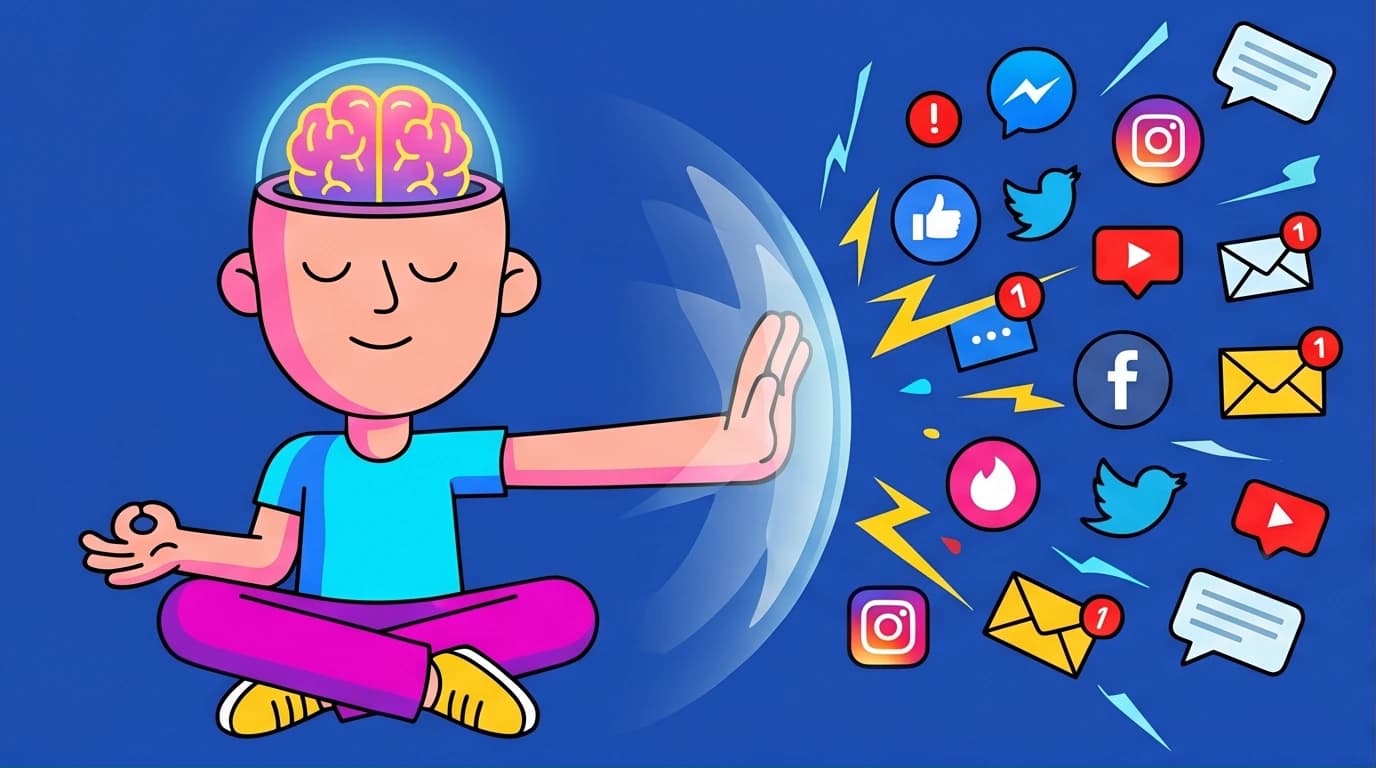
You sit down at your desk, fresh coffee in hand. You plan to write that crucial proposal or map out a new project. Then your phone lights up with an Amazon delivery alert. A Slack message pops up on your monitor. You click over just to check. Thirty minutes later, you are mindlessly scrolling, and your peak mental energy is entirely gone.
You do not need another scheduling app or a new planner. You need a fundamental shift in how you protect your attention.
Cal Newport’s philosophy hits hard because it exposes a brutal truth: the modern workplace is designed to distract you. If you want to stand out, you must cultivate the ability to focus without distraction. Whether you are building a presentation for your team, writing a newsletter, or just trying to stay off social media today, these curated deep work quotes provide the mental leverage you need to log off and get to work.
The Economics of Attention: Why Focus Matters Now
Most people treat their attention like cheap currency, giving it away to every notification that demands it. Newport argues that the opposite approach is what actually drives career growth and personal satisfaction. When you pull quotes from deep work book chapters, you notice a recurring theme: focus is a rare economic asset.
"The ability to perform deep work is becoming increasingly rare at exactly the same time it is becoming increasingly valuable in our economy. As a consequence, the few who cultivate this skill, and then make it the core of their working life, will thrive."
The Reality Check:
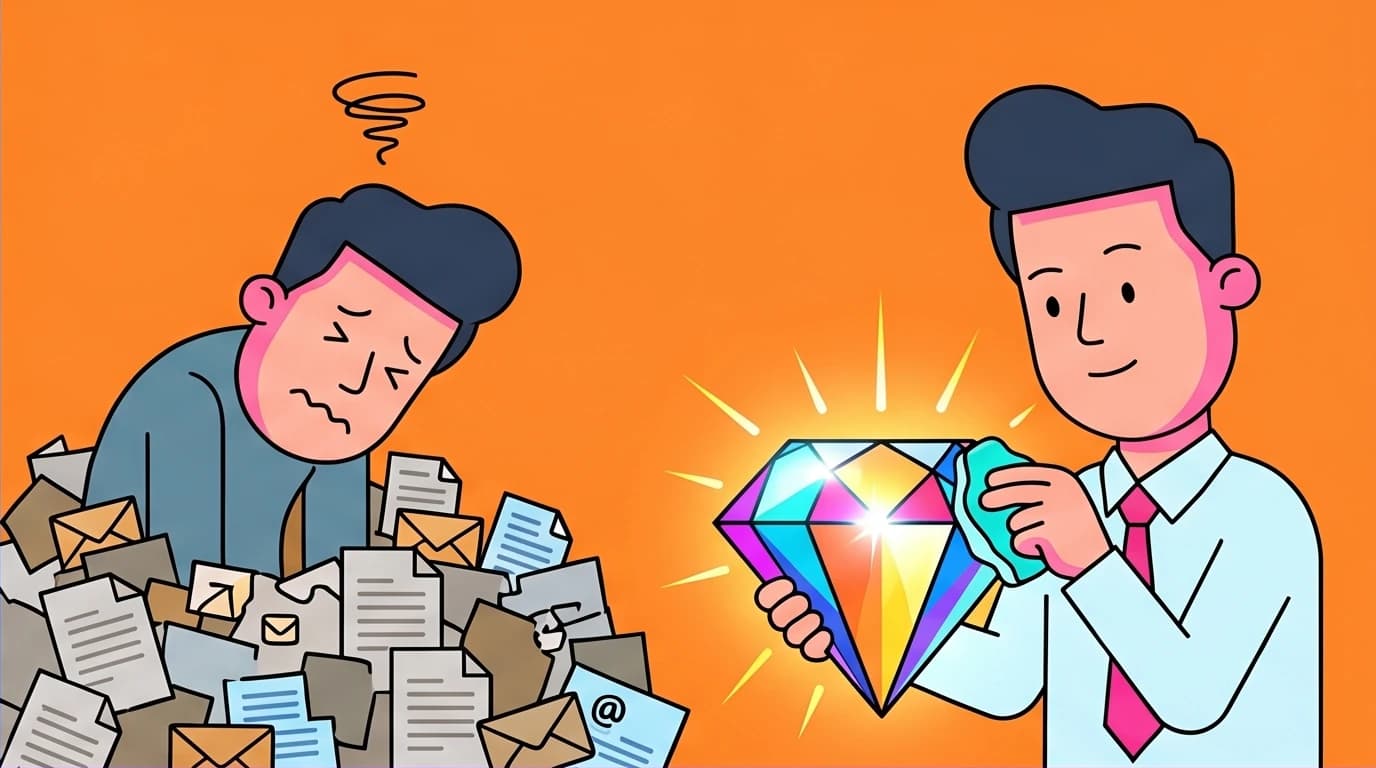
We live in an era where everyone is busy, but very few are productive. Replying to emails within three minutes makes you feel productive, but it is shallow work. It does not move the needle. Artificial intelligence and automation can handle repetitive, shallow tasks. What algorithms cannot do is synthesize complex information, invent new frameworks, or craft compelling narratives.
We live in an era where everyone is busy, but very few are productive. Replying to emails within three minutes makes you feel productive, but it is shallow work. It does not move the needle. Artificial intelligence and automation can handle repetitive, shallow tasks. What algorithms cannot do is synthesize complex information, invent new frameworks, or craft compelling narratives.
The Takeaway:
Stop competing on how fast you can clear your inbox. Compete on the depth of your output. When you protect your morning hours to do uninterrupted work, you are building a skill that commands a premium in the marketplace.
Stop competing on how fast you can clear your inbox. Compete on the depth of your output. When you protect your morning hours to do uninterrupted work, you are building a skill that commands a premium in the marketplace.
To really internalize this difference and start categorizing your own daily tasks, it's helpful to see more examples of what separates high-value effort from mere busyness.
If these concepts are already changing how you view your daily schedule, you should absolutely dive into the source material. Cal Newport’s groundbreaking book is required reading for anyone trying to survive and thrive in today’s hyper-connected, constantly pinging corporate landscape. It offers not just a philosophy, but a practical roadmap to rewiring your brain and reclaiming your professional edge. If you want to master the art of intense concentration and leave shallow tasks in the dust, this is where you start.
Deep Work
Cal Newport
 47 Duration
 8 Key Points
 4.6 Rate
If your schedule is already too packed to add a full book, you can get the core principles from Deep Work and other productivity bestsellers in a more condensed format.

Get the key insights from bestselling books like Deep Work in just 15-minute audio or text summaries, perfect for learning on a busy schedule.
Download LeapAhead App now
"Deep work is to focus without distraction on a cognitively demanding task."
The Reality Check:
Many people think having a spreadsheet open on one screen while a YouTube video plays on the other counts as work. It does not. True cognitive demand requires all your mental bandwidth.
Many people think having a spreadsheet open on one screen while a YouTube video plays on the other counts as work. It does not. True cognitive demand requires all your mental bandwidth.
The Takeaway:
Identify your single most demanding task for the day. Close the door. Turn the phone off. If you cannot do that for two hours, start with 45 minutes. Treat that time block with the same respect you would give a meeting with your CEO.
Identify your single most demanding task for the day. Close the door. Turn the phone off. If you cannot do that for two hours, start with 45 minutes. Treat that time block with the same respect you would give a meeting with your CEO.
Destroying Distraction: The Case Against Constant Connection
To find true deep work motivation, you have to confront your relationship with your phone and your browser tabs. You cannot master focus simply by willing it into existence; you have to actively design an environment where distraction is difficult. Some of the most highly shared cal newport quotes target our obsession with being constantly reachable.
"Network tools are distracting us from work that requires uninterrupted concentration, while simultaneously degrading our capacity to remain focused."
The Reality Check:
Social media platforms and office communication tools like Slack and Microsoft Teams are engineered by some of the smartest minds in Silicon Valley to hijack your dopamine receptors. Every time you switch tasks to check a notification, you incur a cognitive penalty. Your brain leaves a "residue" of attention on the previous task, severely limiting your performance on the current one.
Social media platforms and office communication tools like Slack and Microsoft Teams are engineered by some of the smartest minds in Silicon Valley to hijack your dopamine receptors. Every time you switch tasks to check a notification, you incur a cognitive penalty. Your brain leaves a "residue" of attention on the previous task, severely limiting your performance on the current one.
The Takeaway:
You need hard boundaries. Log out of Twitter. Delete the Instagram app from your phone during the workweek. Batch your email processing to two specific times a day rather than keeping the inbox open constantly.
You need hard boundaries. Log out of Twitter. Delete the Instagram app from your phone during the workweek. Batch your email processing to two specific times a day rather than keeping the inbox open constantly.
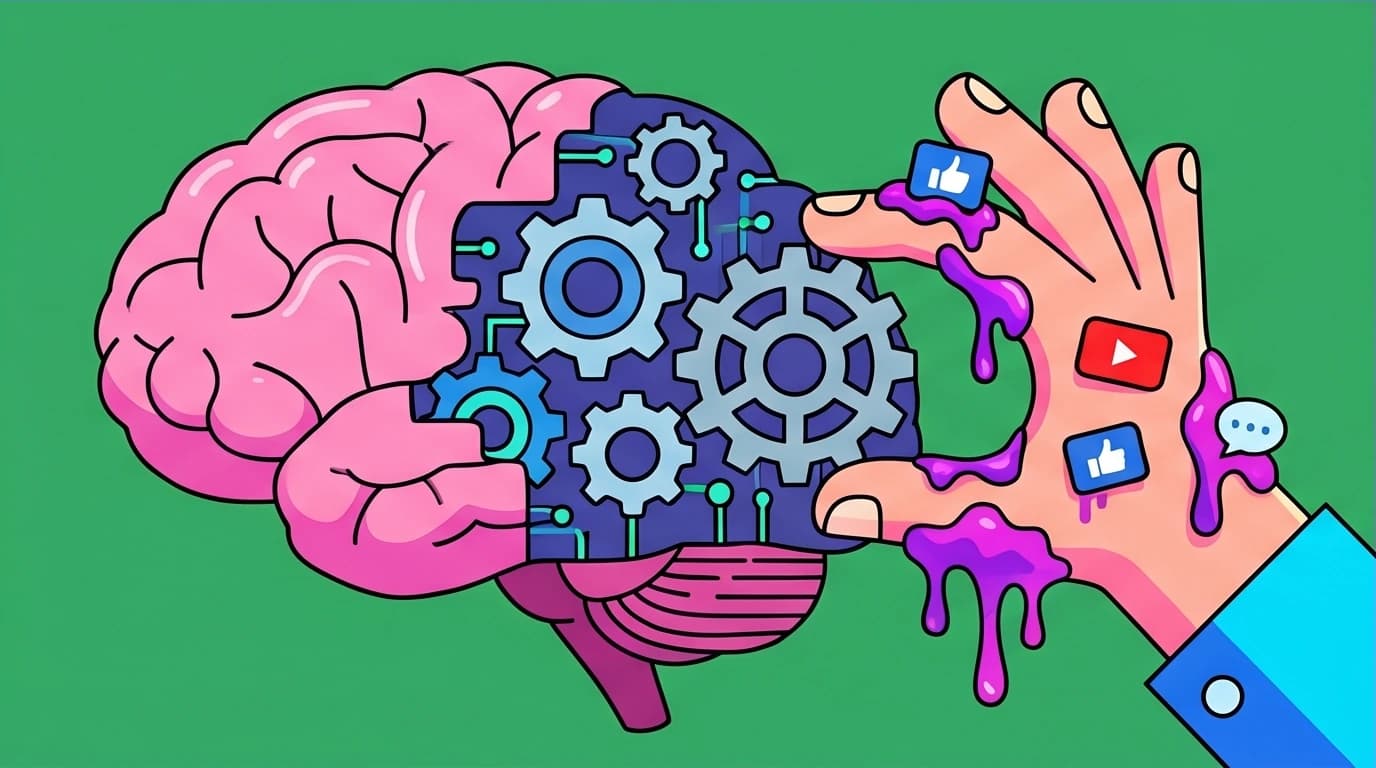
"Clarity about what matters provides clarity about what does not."
The Reality Check:
Decision fatigue is real. If you do not know exactly what your primary goal is, everything feels urgent. A random request from a colleague suddenly takes priority over writing your manuscript or coding your software.
Decision fatigue is real. If you do not know exactly what your primary goal is, everything feels urgent. A random request from a colleague suddenly takes priority over writing your manuscript or coding your software.
The Takeaway:
Before you open your laptop, write down the one task that will actually drive progress today. When you know your target, it becomes incredibly easy to say no to the endless stream of shallow requests.
Before you open your laptop, write down the one task that will actually drive progress today. When you know your target, it becomes incredibly easy to say no to the endless stream of shallow requests.
Finding that single, needle-moving target can be the hardest part of your morning routine. If you struggle to filter out the noise and figure out exactly what deserves your limited cognitive bandwidth, there is an incredible resource that complements Newport's philosophy perfectly. It provides a simple but profound framework to help you identify the one priority that makes everything else on your to-do list either easier or completely unnecessary.
The ONE Thing
Gary Keller, Jay Papasan
22 Duration10 Key Points4.5 RateBuilding the Habit: Moving from Inspiration to Execution
Reading the deep work best quotes is just the beginning. Motivation is temporary. Routines are permanent. Newport heavily emphasizes the necessity of building structured habits around your focused work. You do not wait for the muse; you schedule her.
"Great creative minds think like artists but work like accountants."
The Reality Check:
There is a massive myth in American culture that great ideas strike like lightning while you are standing in the shower or walking in the park. While downtime is crucial, the actual execution of those ideas requires rigid, almost boring discipline. Stephen King writes every single morning. He does not wait to feel inspired.
There is a massive myth in American culture that great ideas strike like lightning while you are standing in the shower or walking in the park. While downtime is crucial, the actual execution of those ideas requires rigid, almost boring discipline. Stephen King writes every single morning. He does not wait to feel inspired.
The Takeaway:
Stop waiting for the perfect mood. Set up a dedicated workspace. Establish a pre-work ritual—make a specific type of coffee, put on noise-canceling headphones, and play a specific ambient playlist. Condition your brain to recognize these cues as the signal to drop into intense focus.
Stop waiting for the perfect mood. Set up a dedicated workspace. Establish a pre-work ritual—make a specific type of coffee, put on noise-canceling headphones, and play a specific ambient playlist. Condition your brain to recognize these cues as the signal to drop into intense focus.
Turning this mindset into a daily practice requires specific strategies and scheduling techniques. If you're ready to move from inspiration to action, you need a plan.
Speaking of Stephen King, his approach to daily, disciplined creative output is legendary. While we often idolize the romantic idea of spontaneous inspiration, King's own reflections on his craft prove that showing up consistently and doing the hard, focused labor is what actually produces masterpieces. If you want a behind-the-scenes look at how one of America's most prolific authors structures his deep work sessions and builds his daily writing habits, his memoir on the craft is an absolute goldmine.

On Writing
Stephen King
42 Duration8 Key Points4.5 RateWith a growing list of must-read books, it's easy to feel a sense of 'reading debt.' If you want to absorb the wisdom from these authors without the pressure of finishing every page, a great approach is to start with the core ideas.
Tackle your reading list by listening to the key takeaways from books on focus and creativity in short sessions that fit into your commute or lunch break.
Download LeapAhead App now

"Idleness is not just a vacation, an indulgence or a vice; it is as indispensable to the brain as vitamin D is to the body."
The Reality Check:
Hustle culture tells you to grind 18 hours a day. Newport calls this out as highly inefficient. Your brain has a finite capacity for deep, directed focus—usually capped at about four hours a day for an expert. Pushing past this limit leads to burnout and junk output.
Hustle culture tells you to grind 18 hours a day. Newport calls this out as highly inefficient. Your brain has a finite capacity for deep, directed focus—usually capped at about four hours a day for an expert. Pushing past this limit leads to burnout and junk output.
The Takeaway:
When you are done with work, be completely done. Implement a strict "shutdown routine." Close the laptop, write down your starting point for tomorrow, and walk away. Go to the gym, cook dinner, read a physical book from Barnes & Noble. Let your subconscious process the day's complex problems.
When you are done with work, be completely done. Implement a strict "shutdown routine." Close the laptop, write down your starting point for tomorrow, and walk away. Go to the gym, cook dinner, read a physical book from Barnes & Noble. Let your subconscious process the day's complex problems.
Finding Meaning: The Psychological Payoff
Why put yourself through the rigorous discipline of deep work? It is not just about making more money or getting a promotion. The ultimate payoff is psychological.
"A deep life is a good life."
The Reality Check:
Spending four hours doom-scrolling leaves you feeling anxious, hollow, and lethargic. Spending four hours completely immersed in a difficult, meaningful task leaves you exhausted but deeply satisfied. Psychologists call this state "flow." It is the antidote to the anxiety generated by modern digital life.
Spending four hours doom-scrolling leaves you feeling anxious, hollow, and lethargic. Spending four hours completely immersed in a difficult, meaningful task leaves you exhausted but deeply satisfied. Psychologists call this state "flow." It is the antidote to the anxiety generated by modern digital life.
The Takeaway:
Chase the friction. Embrace the discomfort of learning a hard skill or wrestling with a complex problem. The friction is where the value is created, and the focus required to overcome it is what builds a durable sense of self-worth.
Chase the friction. Embrace the discomfort of learning a hard skill or wrestling with a complex problem. The friction is where the value is created, and the focus required to overcome it is what builds a durable sense of self-worth.
That elusive state of "flow" is not just a buzzword; it is a heavily researched psychological phenomenon that completely transforms how we experience our work and free time. When you are fully immersed in a complex challenge, the anxiety of the modern world fades away. To truly understand how to trigger this state and design a life that regularly harnesses this deep, satisfying level of engagement, you should read the foundational research by the psychologist who actually coined the term.
Flow
Mihaly Csikszentmihalyi
37 Duration8 Key Points4.5 Rate"Who you are, what you think, feel, and do, what you love—is the sum of what you focus on."
(Note: Newport heavily references science writer Winifred Gallagher for this foundational concept in the book, highlighting it as a core pillar of the deep work philosophy).
The Reality Check:
If you focus on office politics, Twitter outrage, and minor annoyances, your life will feel chaotic and negative. If you focus on your craft, your family, and solving meaningful problems, your life will feel rich and purposeful.
If you focus on office politics, Twitter outrage, and minor annoyances, your life will feel chaotic and negative. If you focus on your craft, your family, and solving meaningful problems, your life will feel rich and purposeful.
The Takeaway:
Your attention is your life. Audit where you are spending it. Guard it ruthlessly.
Your attention is your life. Audit where you are spending it. Guard it ruthlessly.
How to Apply These Deep Work Quotes Today
Do not just read these insights and move on to another tab. Use them to engineer your environment.
- For Content Creators: Take your favorite quote from this list and make it your desktop wallpaper. Let it be the first thing you see before you are tempted to open a browser window.
- For Team Leaders: Open your next team meeting or slide deck with the quote on the rarity of focus. Use it to justify implementing "No Meeting Wednesdays" or establishing rules around expected Slack response times.
- For the Distracted Professional: Write "Clarity about what matters provides clarity about what does not" on a sticky note. Put it on your monitor. Every time you reflexively reach for your phone, look at the note and ask yourself if checking notifications actually matters right now.
If these powerful quotes have you curious about the book's overarching framework, a condensed summary can be a great place to start.
FAQ
What is the difference between deep work and shallow work?
Deep work consists of cognitively demanding tasks performed in a state of distraction-free concentration. These tasks push your capabilities to their limits and create new value. Shallow work consists of non-cognitive, logistical, or minor duties performed while distracted, such as answering routine emails, attending status meetings, or checking social media metrics.
Deep work consists of cognitively demanding tasks performed in a state of distraction-free concentration. These tasks push your capabilities to their limits and create new value. Shallow work consists of non-cognitive, logistical, or minor duties performed while distracted, such as answering routine emails, attending status meetings, or checking social media metrics.
Who exactly is Cal Newport?
Cal Newport is a computer science professor at Georgetown University and the bestselling author of several books on productivity, technology, and culture, including Deep Work, Digital Minimalism, and Slow Productivity. He is known for avoiding social media entirely to protect his own cognitive focus.
Cal Newport is a computer science professor at Georgetown University and the bestselling author of several books on productivity, technology, and culture, including Deep Work, Digital Minimalism, and Slow Productivity. He is known for avoiding social media entirely to protect his own cognitive focus.
How many hours of deep work should I aim for daily?
According to Newport, beginners might only be able to sustain true deep work for about an hour a day before mental fatigue sets in. With rigorous practice, experts can stretch this to a maximum of about four hours. After four hours, the brain's capacity for intense, directed focus diminishes rapidly.
According to Newport, beginners might only be able to sustain true deep work for about an hour a day before mental fatigue sets in. With rigorous practice, experts can stretch this to a maximum of about four hours. After four hours, the brain's capacity for intense, directed focus diminishes rapidly.
Why is quitting social media central to the deep work philosophy?
Social media platforms are designed to fracture your attention and reward constant context-switching. Newport argues that these tools not only waste time but actively weaken the neural pathways responsible for sustained concentration. To rebuild your ability to focus, you must eliminate the tools that train your brain to crave constant, shallow stimulation.
Social media platforms are designed to fracture your attention and reward constant context-switching. Newport argues that these tools not only waste time but actively weaken the neural pathways responsible for sustained concentration. To rebuild your ability to focus, you must eliminate the tools that train your brain to crave constant, shallow stimulation.