


You finished reading the book, felt incredibly motivated, and promised yourself that tomorrow would be different. But a week later, you are still hitting snooze on your alarm, skipping the gym, and opening the Amazon app to stress-shop late at night.
The problem is not a lack of motivation. The problem is that your system is broken.
Relying on sheer willpower is a losing game. If you want to stop procrastinating and actually implement James Clear’s concepts, you need a highly specific action plan. Here is exactly how to apply Atomic Habits to your daily routine starting today.
The Core Shift: Identity Over Outcomes
Before changing what you do, you must change how you see yourself. Real behavior change is identity change.
If you want to stop eating junk food, your goal isn't "to lose 10 pounds." Your goal is to become the type of person who values their health. When making a decision, ask yourself: "What would a healthy person do?" This mental shift removes the friction of choice. You are no longer depriving yourself; you are simply acting in alignment with your new identity.
If you want to truly master this identity shift, going straight to the source is your best bet. James Clear’s groundbreaking work provides the exact psychological framework needed to stop relying on motivation and start building foolproof systems. It is an absolute must-read if you are tired of setting the same New Year's resolutions every January and want to permanently rewire how you approach personal growth.
Sometimes, a single powerful phrase is all you need to stay motivated. Keeping the book's core ideas top of mind can reinforce this new identity.

Atomic Habits
James Clear
 26 Duration
 8 Key Points
 4.7 Rate
Implementing the Atomic Habits 4 Laws of Behavior Change
The entire system rests on a straightforward framework. The atomic habits 4 laws of behavior change dictate that to form a habit, you must manipulate your environment and your mindset. Let’s break down exactly how to execute each law.
To ensure you have a solid grasp of the book's foundational ideas before diving into these applications, it's helpful to have a quick refresher.
Law 1: Make It Obvious (The Cue)
Your brain is constantly scanning the environment for triggers. If your guitar is hidden in the closet, you won’t practice. If you want to drink more water, keep a filled Yeti tumbler right next to your laptop.
The most effective way to make a cue obvious is to use an implementation intention. Instead of saying, "I will exercise more," say, "I will run for one mile at 7:00 AM on Monday in my neighborhood."
Actionable Tactic: Master habit stacking. This involves tying a new habit to a rock-solid existing habit. Let's look at a few practical habit stacking examples:
- Meditation: "After I pour my morning cup of coffee, I will meditate for one minute."
- Finance: "When I sit down at my desk on Friday morning, I will check my bank account balance."
- Tidying: "After I take off my work shoes, I will immediately sort the mail."

Law 2: Make It Attractive (The Craving)
We are wired to chase dopamine. If a habit feels like a chore, you won't stick with it. You need to bundle something you need to do with something you want to do.
Actionable Tactic: Use Temptation Bundling.
- Only allow yourself to listen to your favorite true crime podcast on Spotify while you are at the gym.
- Only watch the latest Netflix show while walking on the treadmill.
- Get a pedicure while catching up on difficult work emails.
Law 3: Make It Easy (The Response)
Human nature naturally gravitates toward the path of least resistance. Optimize your environment to make the good choices the easiest choices.
If you want to go running in the morning, lay out your sneakers, shorts, and shirt next to your bed the night before. If you want to eat healthier, chop up vegetables on Sunday so they are the easiest snack to grab in the fridge during a busy Tuesday.
Actionable Tactic: Use the Two-Minute Rule. Scale down any new habit so it takes two minutes or less to do. "Read before bed" becomes "Read one page." "Do thirty minutes of yoga" becomes "Take out my yoga mat." You are mastering the art of showing up. Once you establish the routine of showing up, you can optimize the habit later.
If you struggle with the idea of scaling down your goals, diving deeper into the psychology of microscopic behavioral shifts can be a game-changer. Learning how to attach tiny, seemingly insignificant actions to your existing daily routine is the secret to bypassing your brain's natural resistance to change. For a deep dive into why these small responses work so incredibly well—and how to implement them without feeling overwhelmed—this next read is incredibly helpful.
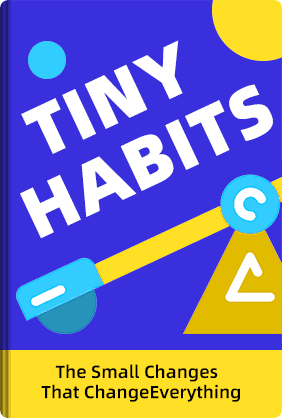
Tiny Habits
BJ Fogg, Ph.D.
40 Duration8 Key Points4.7 RateAnd if even opening a book feels like too much friction on a busy day, you can make the habit of learning even easier by listening to the core ideas instead.


Build a consistent learning habit by breaking down bestselling books on topics like this into 15-minute summaries you can read or listen to.
 LeapAhead
Law 4: Make It Satisfying (The Reward)
What is immediately rewarded is repeated. What is immediately punished is avoided. The tricky part about good habits is that the reward is often delayed. Going to the gym today doesn't give you a six-pack tomorrow. You need to create immediate, artificial satisfaction.
Actionable Tactic: Track your progress visually. Get a physical calendar or a dedicated notebook from Barnes & Noble. Use an atomic habits habit tracker to cross off each day you successfully complete your routine. Putting a big, red "X" on a calendar provides an immediate hit of satisfaction. Your only goal becomes: Don't break the chain.

How to Build Good Habits Break Bad Ones
To transform your life, you cannot just add positive routines; you must actively dismantle the negative ones. To build good habits break bad ones with equal intensity by simply inverting the four laws.
- Make it Invisible: If you spend too much time on TikTok, delete the app from your phone during the workweek. If you eat too many cookies, stop buying them at Target. Out of sight, out of mind.
- Make it Unattractive: Reframe your mindset. Highlight the negative consequences of your bad habits. Realize that smoking isn't relieving your stress; it’s destroying your nerves.
- Make it Difficult: Increase the friction between you and the bad habit. If you watch too much TV, unplug the television and take the batteries out of the remote after every use.
- Make it Unsatisfying: Get an accountability partner. Create a habit contract where you agree to pay your friend $50 every time you skip your workout or eat fast food. The immediate financial pain will stop you in your tracks.

While breaking bad routines requires friction, it also helps to understand the underlying neurological loops that keep you stuck in the first place. Once you recognize how your brain processes cravings and rewards, dismantling toxic behaviors becomes a matter of strategy rather than sheer willpower. If you want to explore the fascinating science behind why we do what we do in life and business, there is a classic book that perfectly complements the atomic approach.
While both books are classics in the field, they take different approaches to habit formation. If you're weighing which one to read first, it's helpful to understand their unique perspectives.
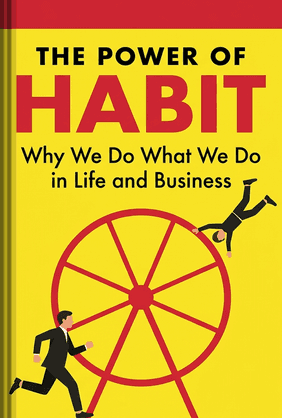
The Power of Habit
Charles Duhigg
31 Duration10 Key Points4.6 RateThe Rule of "Never Miss Twice"
Perfection is the enemy of consistency. Life will happen. You will get sick, you will have to work a 12-hour shift, or your kids will need you. Missing one day of a habit does not destroy your progress.
The rule is simple: Never miss twice. If you eat a pizza for dinner on Friday, do not let it spiral into a weekend of junk food. Make sure your Saturday morning breakfast is healthy. Reclaim your identity immediately.
Remembering that a single mistake won't derail your progress is crucial, but you also need to understand how small, consistent victories add up over months and years. Your daily habits might seem invisible in the moment, but they eventually yield massive, life-altering results if you just stay the course. To keep your momentum going and truly appreciate the math behind long-term success, check out this incredible guide on leveraging small choices for huge payouts.
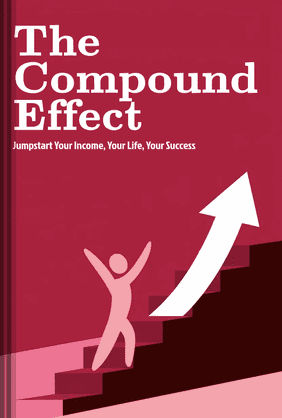
The Compound Effect
Darren Hardy
17 Duration7 Key Points4.7 RateThis article recommends several powerful books, but finding the time to read them all can be a challenge in itself. If you want to start applying their lessons without adding to your "to-read" pile, an app can help you absorb the key takeaways quickly.
Tackle your reading list by absorbing the core insights from books like Atomic Habits and The Compound Effect in quick, 15-minute sessions.
LeapAheadFAQ
How long does it actually take to form a new habit?
Forget the popular myth that it takes 21 days. The truth is that habit formation depends on the frequency of the behavior, not the passage of time. Doing something consistently for 30 consecutive days will wire the brain much faster than doing it sporadically over six months. Focus on repetition, not the calendar.
I want to change my whole life. How many habits should I start with?
Start with one. Trying to overhaul your diet, exercise routine, reading habits, and sleep schedule all at the same time is a guaranteed recipe for burnout. Pick one small habit, master it until it becomes automatic (usually a few weeks), and only then stack a second habit on top of it.
What should I do if my habit tracking becomes overwhelming?
If maintaining your habit tracker feels like a massive chore, you are tracking too many things. Simplify immediately. Limit your tracker to your top three non-negotiable daily habits. The tracker is a tool to keep you accountable, not a second job.