

You are watching your best people clock out exactly at 5:00 PM. Engagement surveys are dipping, quiet quitting is rampant across your departments, and throwing sporadic cash bonuses at the problem isn't moving the needle anymore. Traditional management tactics—micromanaging and basic performance incentives—are actively failing. If you want a team that actually cares, you need a totally different management playbook.

Figuring out how to motivate employees Daniel Pink style requires abandoning the industrial-era mindset. Human beings are not slot machines where you put in a coin and get a predictable behavior out. We are driven by deeper psychological needs. Here is exactly how to strip away the outdated methods and build a highly engaged, self-driven team.
The Baseline: Take Money Off the Table
Before applying any psychological frameworks, you must fix compensation. Daniel Pink’s model rests on a simple prerequisite: pay people adequately and fairly.
If your team is struggling to pay rent or feels grossly undercompensated compared to industry benchmarks, no amount of autonomy or purpose will fix their morale. Financial stress destroys intrinsic motivation. Pay your people enough that they stop thinking about the money and start thinking about the work. Once compensation is fair and equitable, the real work of Daniel Pink employee engagement begins.
Transitioning to Motivation 3.0 at Work
Most companies still operate on Motivation 2.0. This is the classic "carrot and stick" approach: do this, and you get a reward; fail, and you get punished. It works well for routine, algorithmic tasks—like stuffing envelopes or basic assembly line work.
For leaders looking to move beyond these outdated tactics, it's essential to understand exactly why they backfire for creative work.
But modern work is heuristic. It requires creativity, problem-solving, and critical thinking. For these tasks, "if-then" rewards actually narrow focus and crush creativity. Motivation 3.0 at work focuses entirely on intrinsic drivers: the internal desire to direct our own lives, expand our capabilities, and live a life of purpose.
To upgrade your management operating system, you must implement Pink's three elements: Autonomy, Mastery, and Purpose.
These three elements are the foundation of a highly engaged and self-directed team.
Since this entire article is built upon Daniel Pink's transformative concepts, there is no better starting point than reading the source material itself. If you want to dive deeper into the behavioral science of human motivation and understand exactly why old-school corporate rewards actually harm long-term productivity, this book is an absolute essential. It provides the complete foundation for modernizing your leadership style and building a team that is genuinely excited to show up every day.

Drive
Daniel H. Pink
 24 Duration
 11 Key Points
 4.5 Rate
Fostering Autonomy in the Workplace
Autonomy is not about abandoning management or letting your team do whatever they want. It is about giving them agency over how they achieve the goals you set together. Fostering autonomy in the workplace requires trusting your team across four specific dimensions, often called the "Four Ts."
1. Task (What they do)
Allow employees to occasionally choose what they work on. Tech giants and companies like 3M pioneered this by giving employees "20% time" to work on any project they choose, so long as it benefits the company.
- The Manager's Action: You might not have the budget for 20% time. Instead, host a quarterly "Hackathon" or "Innovation Day" where normal operations pause, and employees can pitch and execute their own process improvements or creative projects.
2. Time (When they do it)
The traditional 9-to-5 desk mandate is obsolete. Punishing someone for arriving at 9:15 AM when they regularly produce stellar work creates immediate resentment.
- The Manager's Action: Shift to a Results-Only Work Environment (ROWE) where possible. Focus entirely on the output. If a marketing manager can write a brilliant campaign from a coffee shop on a Tuesday afternoon, the exact hours they logged do not matter.
3. Technique (How they do it)
Micromanagement is the absolute death of autonomy. Managers often mandate not just the goal, but the exact steps to reach it.
- The Manager's Action: Define the exact destination, but let the employee draw the map. Say, "We need to reduce customer churn by 5% this quarter. Here are the boundaries and budget. You decide the best sequence of actions to get us there."
4. Team (Who they do it with)
People rarely get to choose their colleagues, but you can build micro-autonomy into team formations.
- The Manager's Action: When launching a special project or a task force, ask for volunteers rather than assigning people. Let project leads draft their own internal teams based on who they work well with.
Redesigning your workplace to support true autonomy can feel incredibly daunting, especially if your organization has always relied on strict 9-to-5 schedules and traditional office mandates. If you are ready to challenge the status quo and want a practical blueprint for stripping away bloated, micromanaged corporate structures, this next recommendation offers a refreshing perspective. It is a fantastic guide for leaders who want to build a highly efficient, autonomous work environment that respects employees' time and intelligence.
Rework
Jason Fried, David Heinemeier Hansson
18 Duration8 Key Points4.4 RateCultivating a Path to Mastery
Mastery is the desire to get continuously better at something that matters. When employees feel stuck doing the same repetitive tasks with no growth, they disengage. You need to create an environment that promotes continuous improvement without the fear of failure.
Assign "Goldilocks Tasks"
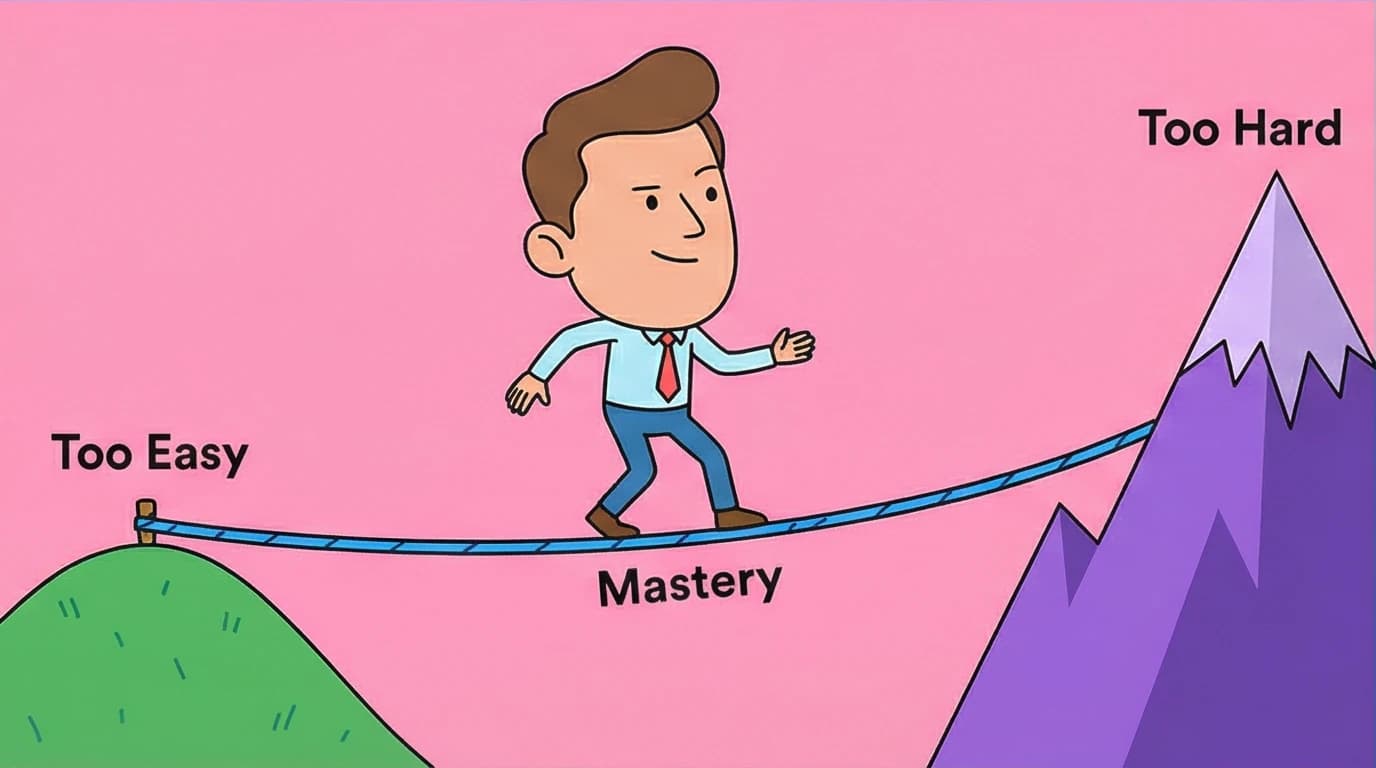
If a task is too easy, the employee gets bored. If it is too difficult, they become anxious and paralyzed. Mastery happens in the "Goldilocks Zone"—tasks that are just right. They push the employee slightly beyond their current capabilities, requiring them to stretch, but not snap.
- The Manager's Action: Audit your team's workload. Identify your top performers who look bored and hand them a project that scares them just a little bit. Provide a safety net, but let them wrestle with the challenge.
Shift from Reviews to Continuous Feedback
Annual performance reviews do not build mastery; they build anxiety. You cannot expect a professional athlete to improve if the coach only gives them feedback once a year.
- The Manager's Action: Implement weekly or bi-weekly 1-on-1s. Use these meetings not for status updates (put those in an email or Slack), but for coaching. Ask: "Where did you struggle this week? What new skill do you need to learn to make this easier? How can I clear the roadblocks for you?"
Embrace "Smart Failures"
Mastery requires experimentation, and experimentation guarantees occasional failure. If you penalize honest mistakes, employees will default to safe, mediocre work.
- The Manager's Action: Celebrate lessons learned from failed experiments. When an initiative tanks, hold a blameless post-mortem. Ask what the team learned and how it makes the next attempt stronger.
Creating a culture that champions continuous skill development is crucial for long-term employee retention in any competitive US market. When your team members focus on building rare, valuable skills rather than just following their fleeting passions, they naturally develop a profound sense of craftsmanship and workplace mastery. If you want to help your employees adopt a mindset of rigorous improvement and build undeniable career capital, this is a phenomenal resource to share with your entire department.

So Good They Can't Ignore You
Cal Newport
22 Duration9 Key Points4.6 RateOf course, encouraging your team to read is one thing—finding a way for them to absorb these ideas amid their busy schedules is another. If you want to make professional development more accessible, a microlearning tool can be incredibly effective.


LeapAhead

Help your team learn the core principles from essential business books in 15-minute audio summaries they can listen to during their commute.
Instilling Purpose in Daily Operations
Purpose is the realization that the work matters and contributes to a cause larger than oneself. When people lack purpose, work becomes nothing more than a transaction.
Connect the "What" to the "Why"
Managers spend 90% of their time explaining what to do and how to do it, and almost no time explaining why it needs to be done.
- The Manager's Action: Never assign a task without context. Do not just say, "Clean up this database by Friday." Say, "We need this database cleaned up by Friday because our sales team is flying blind. Accurate data will help them close the Q3 gap and secure the company's revenue targets."

Share the Human Impact
Numbers on a spreadsheet rarely inspire people. Human stories do. Employees need a clear line of sight between their daily grind and the end-user whose life is being improved.
- The Manager's Action: Bring customer stories into your internal meetings. If you run a healthcare software company, share a specific story about a nurse who saved three hours a week using your code. If you sell shoes, share reviews from customers who ran their first marathon in them.
Align Company and Individual Goals
A company's purpose (maximizing shareholder value) rarely motivates the individual. You must align the organization's goals with the employee's personal career aspirations.
- The Manager's Action: Ask your employees what their long-term career purpose is. If an entry-level designer eventually wants to be an Art Director, explicitly connect their current mundane design tasks to that goal. Frame the work as the necessary reps to build their future portfolio.
As a leader, your most critical job is connecting the daily grind to a larger, deeply meaningful mission. When employees clearly understand the core reason behind your company's existence, their engagement and loyalty will naturally skyrocket. If you want to master the art of communicating purpose and inspiring your team to rally behind a shared vision rather than just a bi-weekly paycheck, you need to explore this foundational leadership framework. It will completely change how you communicate.

Start with Why
Simon Sinek
45 Duration7 Key Points4.6 RateApplying Drive in the Workplace: A 30-Day Action Plan
Transitioning your leadership style takes deliberate practice. Applying Drive in the workplace requires stepping back and relinquishing some control. Use this four-week timeline to jumpstart the process.
Week 1: The Control Audit
Monitor your own behavior for five days. Track how often you dictate the how instead of just the what. Identify three routine meetings or check-ins that you can cancel to immediately give time back to your team.
Monitor your own behavior for five days. Track how often you dictate the how instead of just the what. Identify three routine meetings or check-ins that you can cancel to immediately give time back to your team.
Week 2: The Autonomy Experiment
Choose one mid-level project. Assign it to a trusted team member. Clearly define the success metrics, establish the deadline, and completely step out of the execution phase. Tell them, "I trust you to handle the process. Come to me only if you hit a wall."
Choose one mid-level project. Assign it to a trusted team member. Clearly define the success metrics, establish the deadline, and completely step out of the execution phase. Tell them, "I trust you to handle the process. Come to me only if you hit a wall."
Week 3: The Purpose Pivot
Dedicate your weekly team meeting entirely to the "Why." Review the company's mission statement and ask the team to draw a direct line from their daily tasks to that mission. Share one powerful customer success story.
Dedicate your weekly team meeting entirely to the "Why." Review the company's mission statement and ask the team to draw a direct line from their daily tasks to that mission. Share one powerful customer success story.
Week 4: The Mastery Check-In
Transform your 1-on-1s. Stop asking about project statuses. Ask each team member to identify one skill they want to develop over the next 90 days. Allocate a small budget or block out company time for them to take a course, read a book, or shadow another department.
Transform your 1-on-1s. Stop asking about project statuses. Ask each team member to identify one skill they want to develop over the next 90 days. Allocate a small budget or block out company time for them to take a course, read a book, or shadow another department.
This action plan requires dedication, and as a leader, your own learning can't stop. For busy managers looking to absorb the insights from all the books mentioned here without spending weeks reading, there's a smarter way to learn on the go.
LeapAhead
Listen to the key ideas from Drive, Rework, and other top business books in just 15 minutes, turning your workout or commute into valuable learning time.
While this guide provides an actionable framework, the original book offers a wealth of research and stories that bring these concepts to life.
FAQ
Does Motivation 3.0 mean we eliminate all financial bonuses and rewards?
No. Daniel Pink is clear that money is a baseline necessity. If an employee hits a massive, exceptional milestone, a financial bonus is entirely appropriate as a gesture of appreciation. What you must eliminate are "if-then" contingent rewards for complex, creative tasks. Stop using money as the primary psychological lever to force daily productivity.
No. Daniel Pink is clear that money is a baseline necessity. If an employee hits a massive, exceptional milestone, a financial bonus is entirely appropriate as a gesture of appreciation. What you must eliminate are "if-then" contingent rewards for complex, creative tasks. Stop using money as the primary psychological lever to force daily productivity.
How do I give autonomy to entry-level employees who lack experience?
Autonomy is not a free-for-all; it scales with competence. For a brand-new hire, set very tight guardrails but give them autonomy within that small space. Let them choose the sequence of their tasks for the afternoon, or ask for their input on how to improve a basic process. As their mastery grows, widen the boundaries of their autonomy.
Autonomy is not a free-for-all; it scales with competence. For a brand-new hire, set very tight guardrails but give them autonomy within that small space. Let them choose the sequence of their tasks for the afternoon, or ask for their input on how to improve a basic process. As their mastery grows, widen the boundaries of their autonomy.
What happens if an employee abuses the autonomy I give them?
If someone repeatedly fails to deliver results after being given autonomy, it is usually a sign of one of two things: a lack of mastery (they do not have the skills yet and are hiding it) or a lack of accountability. Address the skills gap first. If they simply refuse to do the work, you pull back the autonomy and introduce tighter management until trust is rebuilt. Autonomy is a privilege earned through consistent output.
If someone repeatedly fails to deliver results after being given autonomy, it is usually a sign of one of two things: a lack of mastery (they do not have the skills yet and are hiding it) or a lack of accountability. Address the skills gap first. If they simply refuse to do the work, you pull back the autonomy and introduce tighter management until trust is rebuilt. Autonomy is a privilege earned through consistent output.
How quickly will I see a change in my team's engagement?
You will likely see a shift in morale within the first few weeks as employees realize you are treating them like adults. However, rebuilding trust takes time. Expect a 60 to 90-day transition period before you see measurable drops in turnover and spikes in proactive, creative problem-solving. Stay consistent, and do not revert to micromanaging at the first sign of a hurdle.
You will likely see a shift in morale within the first few weeks as employees realize you are treating them like adults. However, rebuilding trust takes time. Expect a 60 to 90-day transition period before you see measurable drops in turnover and spikes in proactive, creative problem-solving. Stay consistent, and do not revert to micromanaging at the first sign of a hurdle.