

You are staring at a screen. You have a massive deadline looming, yet you are doing everything except the actual work. You might be organizing your desk, endlessly scrolling on your phone, or suddenly deciding you need to clean the kitchen. The guilt is heavy, the clock is ticking, and the anxiety feels paralyzing.
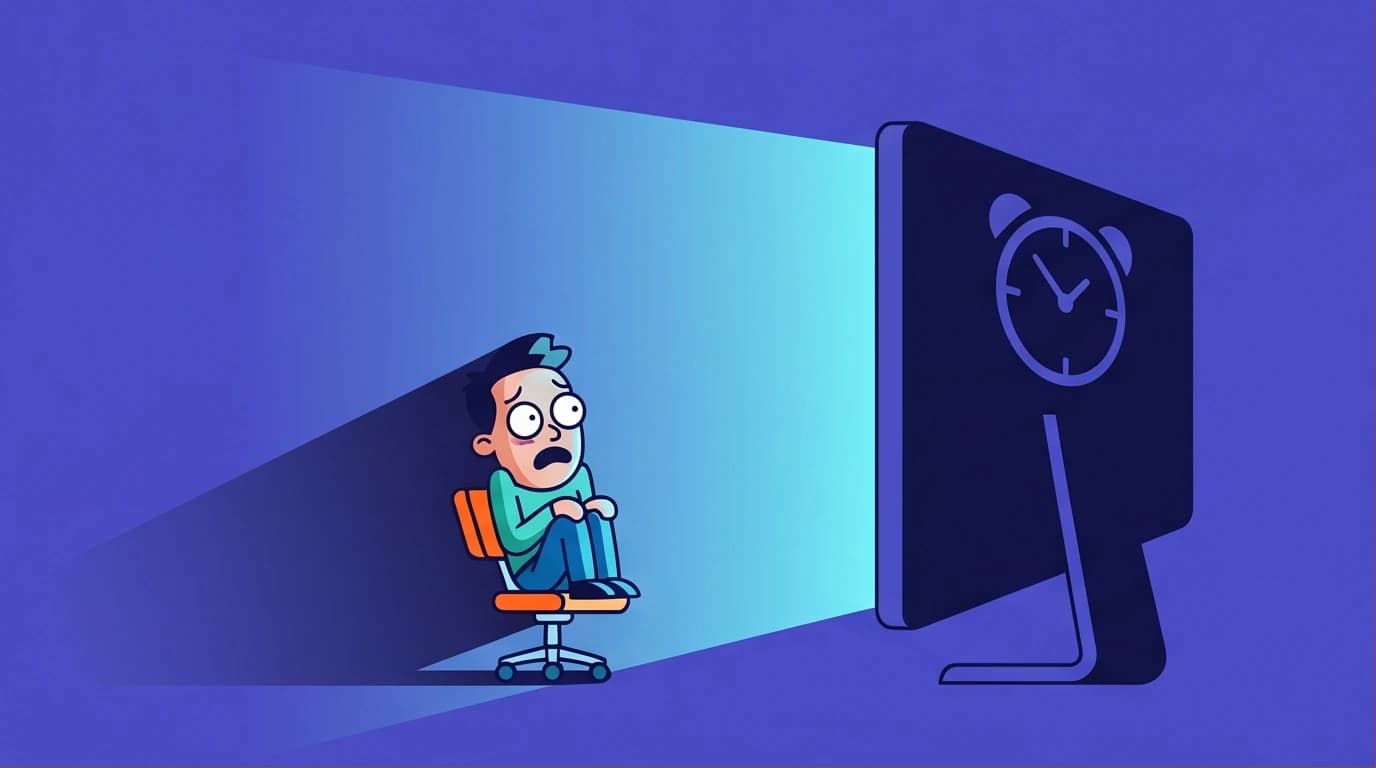
You do not need a deep psychological lecture right now. You need a way to break the freeze. The core issue you are facing is not laziness; it is the sheer friction of getting started. You are avoiding the discomfort associated with the task. This guide provides exact, immediate methods to figure out how to stop procrastinating right this second.
The 10-Second Reality Check
Before you take action, you need to understand the invisible wall stopping you. Procrastination is an emotion regulation problem, not a time management problem. You stop delaying tasks when you stop fearing the negative emotions attached to them—boredom, anxiety, frustration, or the fear of turning in subpar work.
Your brain perceives the looming essay or the massive Q3 financial report as a threat to your immediate comfort. So, it seeks a quick hit of dopamine instead, usually by reaching for your phone. To beat procrastination, you have to bypass this emotional alarm system. You do this by making the work look entirely non-threatening.
Understanding this emotional trigger is the first step. To truly get a handle on this habit, it helps to explore the underlying reasons it forms in the first place, from fear of failure to a simple lack of clarity.
If you constantly find yourself paralyzed by the fear of turning in subpar work or feeling overwhelmed, a shift in how you view productivity can be a lifesaver. Changing your internal narrative from feeling like you "have to" do something perfectly to simply choosing to start fundamentally rewires your emotional response to deadlines. To dive deeper into the psychology of why we delay and how to overcome the perfectionism that holds us back, The Now Habit is a highly recommended read. It provides a compassionate, actionable framework to stop beating yourself up and start making real progress.
The Now Habit
Neil Fiore, Ph.D.
 48 Duration
 8 Key Points
 4.6 Rate
Immediate Action: Ways to Overcome Procrastination Right Now
If you have a deadline in less than 24 hours and you are currently paralyzed, use these strategies immediately.
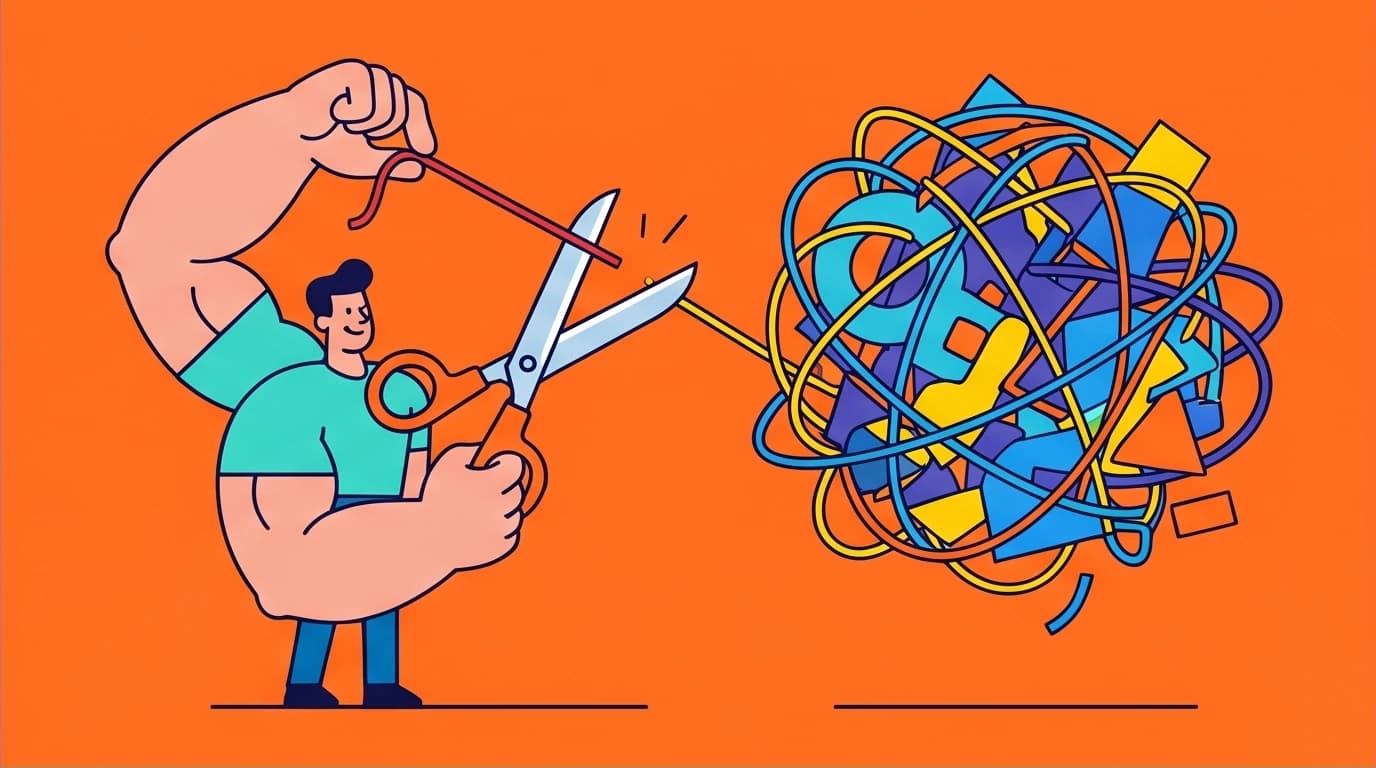
1. The "Two-Minute" Micro-Step
Your brain is intimidated by the final outcome. "Write a 10-page paper" or "Build a 30-slide pitch deck" sounds exhausting. Stop thinking about the final product entirely.
Shrink the task until it sounds ridiculous to fail.
- If you are a student: Your goal is not to write the essay. Your goal is to open a Google Doc, name the file, and type your name at the top. That is it.
- If you are a professional: Your goal is not to finish the audit. Your goal is to open the Excel spreadsheet and read the first row of data.
Tell yourself you only have to work for two minutes. After two minutes, you have permission to quit. Nine times out of ten, once the file is open and your hands are on the keyboard, you will keep going. Getting over the starting line is 80% of the battle.
2. Forgive the Wasted Time Instantly
You probably wasted the entire morning. The natural reaction is to beat yourself up, feel miserable, and decide that today is a total loss.
Stop. Guilt drains the exact mental energy you need to do the work. Forgive yourself for the last four hours immediately. Draw a line in the sand. The morning is gone, but the afternoon is a blank slate. You can still salvage the day with two hours of intense, focused work.
3. The "Do Nothing" Alternative
This is a classic technique favored by successful writers. Sit at your desk. You have two choices:
- You can work on your task.
- You can sit there and do absolutely nothing.
You cannot check your phone. You cannot read a book. You cannot browse Amazon or check your email. You just stare at the wall. Very quickly, the sheer boredom of doing absolutely nothing will make the actual work look appealing. Boredom is a highly effective catalyst to beat procrastination.
These immediate actions can break the paralysis, but having a toolbox of different methods can help you adapt to any challenge. Building a system with proven frameworks can create a more resilient defense against delay.
Tactical Procrastination Tips to Build Momentum
Once you have managed to start, your next challenge is staying on track. The modern environment is engineered to distract you. You need systems that protect your attention.
Weaponize Your Environment
Willpower is unreliable. If your phone is sitting next to your laptop, you will eventually pick it up. You have to design an environment where procrastinating requires more effort than working.
- Remove the phone: Put your phone in another room. If you are waiting for an urgent call, turn the ringer on high, but keep the device physically out of your line of sight.
- Block the escapes: Use website blockers like Freedom or Cold Turkey to lock yourself out of distracting websites for the next two hours. Make it technically impossible to check social media.
- Clear the desk: Remove bills, random notes, or anything that might remind you of a different chore.
These environmental controls are particularly effective in a professional setting where deadlines are firm and distractions are constant. Applying these ideas directly to your job can make a significant impact.
Protecting your attention is arguably the most crucial skill in the modern workplace. You can have the best intentions, but if your environment is constantly pinging you with notifications and visual clutter, your focus will inevitably fracture. Learning to identify internal and external triggers can help you build an environment practically immune to distraction. If you want to master the art of sustained focus and take back control of your attention from technology and everyday interruptions, Indistractable offers a brilliant, science-backed approach to staying on track.
Indistractable
Nir Eyal
23 Duration10 Key Points4.5 Rate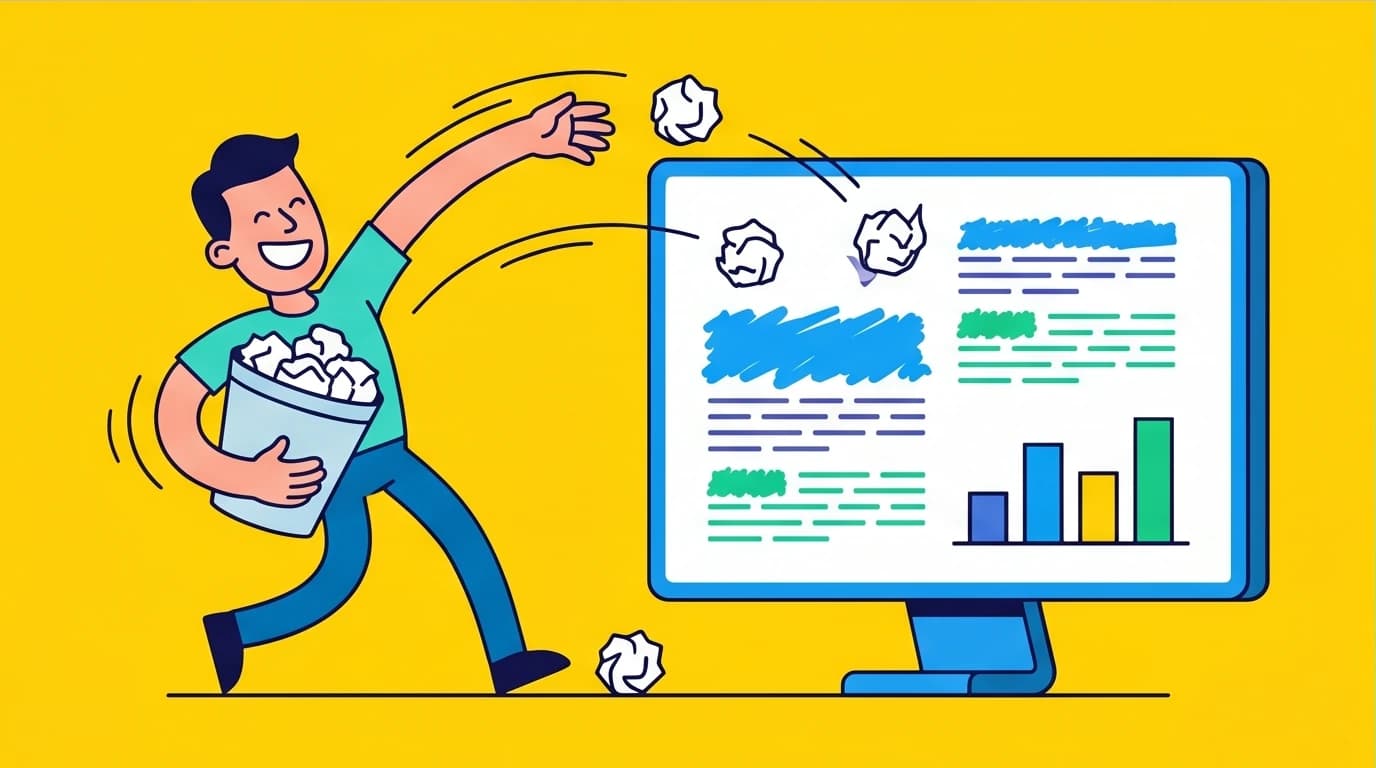
Embrace the "Trash Draft"
Perfectionism is the mother of procrastination. You delay the work because you expect the first attempt to be flawless.
Lower your standards to zero. Give yourself permission to write the worst, ugliest draft possible. If you are building a presentation, drop raw, unformatted text onto the slides. If you are coding, write messy logic just to get an output. You can always edit bad work. You cannot edit a blank page. Getting a terrible first draft out of your head and onto the screen destroys the anxiety of the blank canvas.
Use the Pomodoro Technique (With a Twist)
You likely know the standard Pomodoro method: work for 25 minutes, rest for 5 minutes. However, if you are actively procrastinating, 25 minutes feels like a marathon.
Modify it. Try the 10-minute dash. Set a timer on your phone for 10 minutes. Promise yourself you will work with intense focus until the timer goes off, and then you can take a break. The time is so short that your brain will not resist it. Usually, by the time the 10 minutes are up, you will have caught a wave of focus and will choose to keep going.
How to Stop Delaying Tasks Tomorrow and Beyond
Surviving a looming deadline is one thing, but constantly living in crisis mode leads to burnout. To permanently change your behavior, you need to implement daily friction-reducing habits.
Plan the "One Thing" the Night Before
Decision fatigue causes delay. If you wake up and sit at your desk wondering, "What should I do first today?", you will default to checking email or doing low-value busywork.
Every evening before you log off, identify the single most important task for the next day. Write it on a sticky note and put it directly on your keyboard. When you sit down the next morning, there is no decision to make. The directive is already there.
Figuring out exactly which task to tackle first is half the battle. Often, we default to the easiest items on our to-do list, leaving the most important and intimidating projects for later—which practically guarantees they will be delayed. By consistently identifying and executing your single most impactful task first thing in the morning, you can transform your entire day. For a straightforward, hard-hitting system on prioritizing your workload and knocking out your biggest tasks before lunch, Eat That Frog! is an absolute classic in the productivity space.
Eat That Frog! 21 Great Ways to Stop Procrastinating and Get More Done in Less Time
Brian Tracy
20 Duration9 Key Points4.7 Rate
Break Down Vague Projects
A task labeled "Plan marketing campaign" is a trap. It is too vague, and your brain does not know what the physical action is.
Translate vague projects into physical actions.
- Bad: Plan marketing campaign.
- Good: Email Sarah to get the Q2 budget numbers.
- Bad: Clean the garage.
- Good: Take the three empty cardboard boxes to the recycling bin outside.
When the action is hyper-specific, the resistance drops.
Track Your Friction Points
Pay attention to the exact moment you decide to click away from your work. Does it happen when a task requires you to log into a complicated software? Does it happen when you need to call a client you do not like?
Once you identify the specific trigger that makes you flee, you can prepare for it. If logging into the software is the trigger, do that single action before you go get your morning coffee. By the time you sit back down, the hardest part is already done.
Overcoming procrastination isn't about conjuring massive amounts of willpower; it is about designing a life where doing the right thing requires the least amount of effort. By making small, strategic adjustments to your daily routines, you can permanently lower the friction standing between you and your goals. If you are looking for a comprehensive blueprint on how to build better systems, break bad routines, and make productive habits stick without relying on fleeting motivation, Atomic Habits is widely considered the gold standard for lasting behavior change.

Atomic Habits
James Clear
26 Duration8 Key Points4.7 RateIf the thought of adding these powerful books to your reading list feels like another task to procrastinate on, there's a more direct way to get started.

Absorb the core lessons from productivity books like Atomic Habits in just 15 minutes, turning your commute or a short break into a focused learning session without the pressure of a full book.

Download LeapAhead App now
Action Creates Motivation
The biggest lie you can tell yourself is that you need to "feel motivated" before you can start working. Motivation does not strike you like lightning while you are sitting on the couch. Motivation is generated by action.
When you take a tiny step forward, you get a small pulse of dopamine from completing that micro-task. That pulse gives you the energy to take the next step. Stop waiting for the perfect mood. Stop waiting for the right time. The conditions will never be perfect. Close this tab, pick your tiny two-minute action, and get to work.
FAQ
Why do I procrastinate even when the task is incredibly important?
The higher the stakes, the higher the anxiety. When a task is vital to your career or grades, the fear of doing it poorly spikes. Your brain tries to protect you from that stress by avoiding the task altogether. This is why you often find it easier to do low-stakes busywork while ignoring the main project.
The higher the stakes, the higher the anxiety. When a task is vital to your career or grades, the fear of doing it poorly spikes. Your brain tries to protect you from that stress by avoiding the task altogether. This is why you often find it easier to do low-stakes busywork while ignoring the main project.
Is chronic procrastination a sign of ADHD?
While chronic procrastination is a common symptom of ADHD (often linked to executive dysfunction and low baseline dopamine), it is not a diagnosis on its own. For most people, procrastination is simply a deeply ingrained habit loop of seeking short-term comfort to escape stress. If your delay severely impacts your daily functioning despite trying multiple systems, consulting a medical professional is a good idea.
While chronic procrastination is a common symptom of ADHD (often linked to executive dysfunction and low baseline dopamine), it is not a diagnosis on its own. For most people, procrastination is simply a deeply ingrained habit loop of seeking short-term comfort to escape stress. If your delay severely impacts your daily functioning despite trying multiple systems, consulting a medical professional is a good idea.
How do I bounce back if I have already wasted the whole day?
Accept that the time is gone. Punishing yourself does not get the work done. Implement the "clean slate" mindset. Drink a glass of water, change your physical location (move from your bedroom to a coffee shop or a different desk), and commit to just 20 minutes of focused work. A 20-minute win at 8:00 PM is vastly better than going to bed with a zero.
Accept that the time is gone. Punishing yourself does not get the work done. Implement the "clean slate" mindset. Drink a glass of water, change your physical location (move from your bedroom to a coffee shop or a different desk), and commit to just 20 minutes of focused work. A 20-minute win at 8:00 PM is vastly better than going to bed with a zero.