


You hit every KPI. Your technical knowledge is bulletproof. Yet, when it comes time to lead a high-stakes project, de-escalate a tense team conflict, or pitch an idea to upper management, you hit a wall. Hard skills get your resume noticed, but a lack of soft skills will keep your career frozen in place. The problem is clear: nobody taught you how to read a room or communicate with natural authority. You know you need to adapt, but learning interpersonal dynamics through a computer screen feels backwards.
It is entirely possible to rewire your workplace habits digitally. You just need to stop watching generic motivational videos and start taking structured courses that force you to practice.
The Three Soft Skills You Cannot Afford to Ignore
Before you sign up for random courses, you need a targeted approach. Soft skills cover a massive range of human behaviors. To get the highest return on your time, narrow your focus to the three core areas that directly impact your career trajectory.

1. High-Stakes Communication
Communication is not just about talking; it is about ensuring your message lands exactly as intended. Poor communication causes blown budgets, missed deadlines, and toxic team environments. You need to learn active listening, how to structure an argument, and how to give feedback without destroying morale. You want courses that teach you frameworks, like the "SBI" (Situation-Behavior-Impact) model for feedback, rather than vague advice about being nice.
If you find yourself freezing up when office tensions rise or feedback turns defensive, it helps to have a proven framework to fall back on. Before you dive into a digital course, reading up on the psychology of high-stakes dialogue can give you a massive head start. This foundational book breaks down exactly how to navigate those make-or-break workplace conversations without burning bridges.
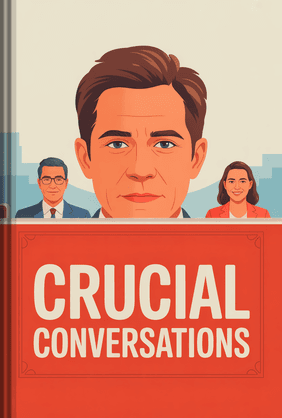
Crucial Conversations
Kerry Patterson, Joseph Grenny, Ron McMillan, Al Switzer
 20 Duration
 9 Key Points
 4.7 Rate
2. Emotional Intelligence (EQ)
IQ gets you hired. EQ gets you promoted. Emotional intelligence is your ability to recognize your own emotional triggers and navigate the emotions of others. High-EQ professionals do not panic when a client yells, and they know exactly how to motivate a burned-out team member. Look for formal emotional intelligence training that focuses on self-regulation and social awareness. These concepts are highly scientific and entirely teachable.
While online training provides excellent EQ theories, sometimes you need a practical assessment to see exactly where your emotional blind spots are. Pairing your online classes with a dedicated EQ workbook is a highly effective way to measure your growth. This bestselling guide includes step-by-step strategies to increase your self-awareness and social skills, making it the perfect companion for your professional development journey.
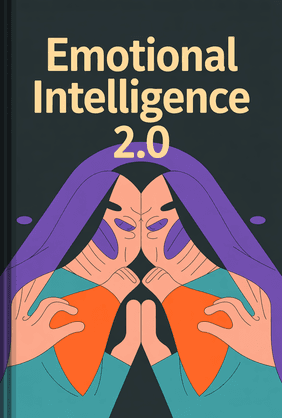
Emotional Intelligence 2.0
Travis Bradberry, Jean Greaves
19 Duration8 Key Points4.6 Rate3. Executive Presence and Presentation
Fear of speaking up keeps brilliant people hidden in the background. Whether you are addressing an audience of five hundred or pitching to five executives in a boardroom, you need to project confidence. Taking public speaking courses online helps you strip away filler words, manage your pacing, and build slide decks that actually persuade rather than put people to sleep.
Building that boardroom confidence often starts by studying the best speakers in the world. If you want to transform your next presentation from a dry slide deck into a captivating story, looking at the science behind viral TED talks is a fantastic next step. This highly recommended read reverse-engineers the delivery secrets of top professionals so you can implement them in your very next pitch.
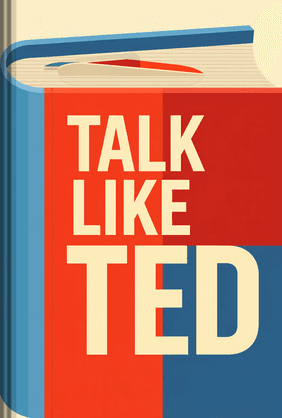
Talk Like Ted
Carmine Gallo
37 Duration9 Key Points4.5 Rate
Absorb key ideas from bestselling business books in just 15 minutes a day. LeapAhead helps you build the foundational knowledge for high-stakes communication and emotional intelligence, even on your busiest days.
Download LeapAhead App now
Where to Find the Best Online Classes for Soft Skills
Not all digital learning platforms are created equal. Depending on your budget, time constraints, and learning style, here is where you should look to build your curriculum.
Skillshare: Best for Creative and Bite-Sized Learning
If you have 20 minutes a day and want highly practical, engaging content, Skillshare is an excellent starting point. The platform leans heavily into creative and entrepreneurial success. Taking Skillshare communication classes allows you to learn directly from bestselling authors, seasoned entrepreneurs, and public speaking coaches.
The classes here are typically short and heavily project-based. You will not find heavy academic theory. Instead, you get rapid-fire tips on how to craft an elevator pitch, read body language on a Zoom call, or write emails that actually get replies.
The project-based model is a major draw, but it's important to know if the platform aligns with your specific career goals and budget.
Coursera and edX: Best for Deep, Academic Frameworks
If you want Ivy League rigor and corporate-level frameworks, look to platforms partnered with major universities. Coursera offers specializations from institutions like the University of Pennsylvania, Yale, and the University of Michigan.
When you search for online classes for soft skills here, you find comprehensive programs like "Dynamic Public Speaking" or "Conflict Management." These courses require a heavier time commitment and include peer-reviewed assignments. The benefit? You learn the psychological data behind why certain communication strategies work.
LeapAhead: Best for Microlearning and Habit-Building
While traditional courses offer video lessons, LeapAhead takes a different approach by distilling the core ideas from over 30,000 bestselling nonfiction books into 15-minute audio and text summaries. This makes it incredibly effective for professionals who struggle to find time for learning. Instead of carving out an hour for a video lecture, you can absorb key concepts from books on negotiation, leadership, and emotional intelligence during your commute or lunch break. The platform is designed around building a consistent daily habit, using features like daily goals and progress tracking to turn learning into a routine.
It's important to note that LeapAhead is a supplementary tool, not a replacement for deep, interactive coursework like you'd find on Coursera. You're getting the essential frameworks and insights, which is perfect for building foundational knowledge or reinforcing concepts. However, it may not satisfy those seeking academic depth or peer-reviewed assignments. Its mobile-first design is ideal for on-the-go learning but might feel limiting for users who prefer a dedicated desktop experience. Think of it as the perfect tool for clearing your "reading debt" on crucial business books and staying sharp daily.
LinkedIn Learning: Best for Corporate Checkboxes
Many Fortune 500 companies provide free access to LinkedIn Learning for their employees. If you have a subscription, use it. The platform is organized into learning paths, making it easy to consume bite-sized videos on niche topics like "Having Difficult Conversations" or "Negotiating Your Salary." The production value is incredibly high, and the platform allows you to display completed certificates directly on your LinkedIn profile to signal your initiative to recruiters.
MasterClass: Best for Inspiration and Mindset
MasterClass operates differently. You are not going to get a step-by-step workbook. Instead, you get to watch Chris Voss talk about the art of negotiation or Robin Roberts discuss effective communication. Treat MasterClass as high-end mental conditioning rather than an actionable boot camp. It shifts your mindset, but you will need to find the tactical execution elsewhere.
Speaking of Chris Voss, if his MasterClass leaves you wanting more of his specific tactical frameworks, his written work is an absolute must-read. It takes the gripping stories from his time as an FBI hostage negotiator and translates them into actionable strategies for the corporate world. It is the perfect deep dive to supplement the mindset shifts you will pick up from the video lessons.
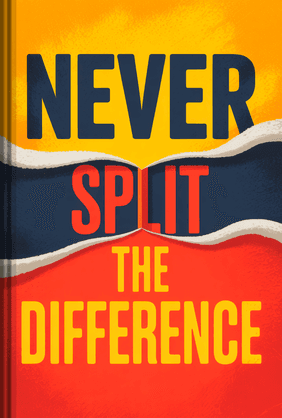
Never Split the Difference
Chris Voss, Tahl Raz
41 Duration8 Key Points4.6 RateUltimately, the best platform depends on your unique learning style and professional needs. If you're exploring options beyond the ones listed here, it's helpful to see how they stack up against each other.
The Practice Gap: How to Actually Improve Soft Skills Online

This is the trap most people fall into: you buy a course, binge-watch three hours of video on a Sunday, and consider yourself a master communicator. By Monday morning, you are back to your old habits.
To actually improve, you must bridge the gap between digital theory and physical execution. This requires not just practice, but a smart approach to learning itself.
Soft skills are muscle memory. You cannot learn how to swim by reading a book about water. To actually improve soft skills online, you must bridge the gap between digital theory and physical execution.
Turn your commute into a soft skills boot camp. With LeapAhead, you can listen to key insights from leadership and communication experts, making it easy to practice new frameworks daily.
Download LeapAhead App now
Implement the "One Framework" Rule
Do not try to overhaul your entire personality at once. Pick exactly one concept from your course and force yourself to use it for an entire week. If your course teaches a specific formula for handling objections, use only that formula in your meetings. Focus entirely on execution until the framework feels natural, then move to the next module.
Record Your Own Baseline

You cannot fix what you cannot see. If you are taking a public speaking course, prop your phone up and record yourself giving a five-minute presentation. Watch the playback. It will be incredibly uncomfortable. You will notice how often you say "um," how you avoid eye contact, and how your posture shrinks. Take the online class, apply the techniques, and record yourself again two weeks later. The visual proof of progress will keep you motivated.
Find an Accountability Partner
Soft skills require human interaction. Find a trusted colleague or a friend who is also trying to level up. Share the concepts you are learning. Practice your high-stakes negotiation on them before you walk into your boss's office. Ask them to monitor your behavior in team meetings and give you honest, brutal feedback on your tone and clarity.
FAQ
Can you really learn soft skills through a computer screen?
Yes, but the screen only provides the framework. The actual learning happens when you close your laptop and test those frameworks in your daily conversations. Think of online classes as a playbook; you still have to go out on the field and play the game.
Yes, but the screen only provides the framework. The actual learning happens when you close your laptop and test those frameworks in your daily conversations. Think of online classes as a playbook; you still have to go out on the field and play the game.
Do employers care about soft skill certificates on my resume?
Recruiters rarely hire someone solely because they have a "Communication Mastery" certificate from an online platform. However, the behavioral changes you undergo will absolutely help you crush the behavioral interview. The certificate shows initiative, but your actual demeanor during the hiring process proves your competence.
Recruiters rarely hire someone solely because they have a "Communication Mastery" certificate from an online platform. However, the behavioral changes you undergo will absolutely help you crush the behavioral interview. The certificate shows initiative, but your actual demeanor during the hiring process proves your competence.
How long does it take to see noticeable improvement?
If you actively practice what you learn, you will notice personal mindset shifts within a few weeks. Colleagues and managers will likely start noticing a difference in your executive presence and conflict-resolution abilities within three to six months of consistent practice.
If you actively practice what you learn, you will notice personal mindset shifts within a few weeks. Colleagues and managers will likely start noticing a difference in your executive presence and conflict-resolution abilities within three to six months of consistent practice.
What if I have zero budget for online courses?
Start with YouTube and your local library. Many libraries in the United States offer free access to LinkedIn Learning for cardholders. Additionally, university channels and communication experts provide hundreds of hours of free, high-quality breakdowns on YouTube. You do not need to spend money to start building the right habits.
Start with YouTube and your local library. Many libraries in the United States offer free access to LinkedIn Learning for cardholders. Additionally, university channels and communication experts provide hundreds of hours of free, high-quality breakdowns on YouTube. You do not need to spend money to start building the right habits.