


Your shoulders are permanently glued to your ears. Your jaw aches from clenching it all night, and your chest feels like there is a heavy weight sitting on your ribs. Maybe your stomach is tied in knots, or you are battling constant tension headaches.
Anxiety isn't just in your head. It lives right in your tissues.
When your brain perceives a threat—even if that threat is an upcoming deadline, a difficult conversation, or generalized worry—it floods your system with adrenaline and cortisol. Your muscles brace for impact. You are biologically primed to fight or run away. But when there is no physical danger to fight off, that massive surge of survival energy gets trapped in your body.
You cannot out-think physical panic. Telling yourself to "just relax" rarely works when your nervous system is sounding an alarm. To genuinely achieve physical relaxation for anxiety, you have to speak the body's language.
Here is how to complete the stress cycle, release physical tension from anxiety, and signal to your brain that you are finally safe.
Why Anxiety Traps Tension in the Body
To understand how to fix the problem, you need a quick look at the mechanics of stress.
Your autonomic nervous system has two main branches: the sympathetic nervous system (your gas pedal, driving the fight-or-flight response) and the parasympathetic nervous system (your brake pedal, responsible for rest and digest).
When anxiety spikes, your foot gets slammed on the gas. Your breathing becomes shallow, depriving your muscles of oxygen. You unconsciously tighten your core to protect your vital organs. This constant bracing leads to chronic muscle stiffness, fatigue, and pain.
To release physical tension from anxiety, you must activate the parasympathetic nervous system. You need to physically hit the brakes.
If you find yourself constantly stuck in "fight or flight" mode, understanding the biological mechanics of stress can be a game-changer. You literally have to signal to your body that the danger has passed. If you want to dive deeper into why we get stuck in these chronic loops and learn actionable, science-backed strategies for processing trapped adrenaline, this next read is incredibly eye-opening. It specifically breaks down exactly how to "complete the stress cycle" so your nervous system can finally rest.
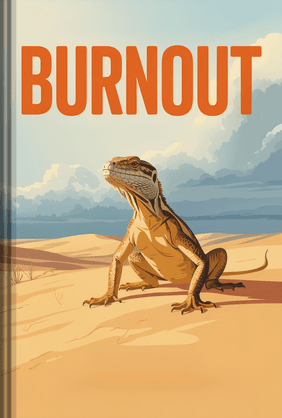
Burnout
Emily Nagoski, Ph.D., Amelia Nagoski, DMA
 25 Duration
 9 Key Points
 4.5 Rate
Immediate Relief: How to Relieve Chest Tightness from Anxiety
Chest tightness is one of the most frightening physical symptoms of anxiety. It often mimics the sensation of a heart attack, which ironically triggers more anxiety. This happens because the intercostal muscles between your ribs contract, and your breathing shifts from your diaphragm to your upper chest.
If you are struggling to catch your breath right now, try these direct interventions.
The Physiological Sigh
This breathing pattern is hardwired into your biology. It is the fastest way to drop your heart rate and relieve chest tightness from anxiety in real time.
- Take a deep breath in through your nose.
- Before you exhale, take another short, quick sniff of air through your nose to fully expand your lungs.
- Exhale slowly and completely through your mouth, making a soft sighing sound.
- Repeat this 3 to 5 times.
The double inhale pops open the tiny air sacs in your lungs, pulling in more oxygen, while the long exhale forces the vagus nerve to slow your heart rate down.
Cold Exposure for a Vagus Nerve Reset
When chest tightness peaks into a potential panic attack, use temperature to interrupt the nervous system loop.
Go to your bathroom and splash freezing cold water on your face, or hold an ice cube in your hand until it melts. The sudden cold triggers the "mammalian dive reflex." This biological response immediately shifts blood flow away from your limbs and slows your breathing and heart rate, forcing physical relaxation.
Learning to control your respiratory system is arguably the most powerful tool you have for managing sudden spikes in panic. While the physiological sigh offers immediate relief for chest tightness, optimizing how you breathe all day long can fundamentally rewire your anxiety response. If you are fascinated by the science of respiration and want to discover how subtle shifts in your daily breathing habits can transform both your physical and mental health, you will definitely want to pick up this fascinating exploration of the subject.
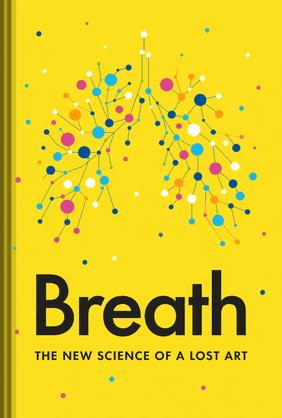
Breath
James Nestor
40 Duration7 Key Points4.6 RateSomatic Exercises for Anxiety: Moving the Trauma Out
Somatic therapy focuses on the mind-body connection. Somatic exercises for anxiety are designed to discharge trapped nervous system energy through movement rather than thought.
The Shake-Out
Watch an animal after it escapes a predator. A dog or a deer will literally shake its entire body for a few seconds to discharge the adrenaline, then calmly walk away. Humans suppress this natural instinct because it looks socially awkward.
- Stand up and plant your feet firmly on the ground.
- Start by shaking your hands vigorously.
- Let the shake travel up your arms to your shoulders.
- Gently bounce on your heels, letting your whole body vibrate.
- Do this for 60 seconds, then stop abruptly and notice the tingling sensation in your skin.

Progressive Muscle Relaxation (PMR)
It is hard to know what a relaxed muscle feels like if you are used to being constantly tense. PMR works by intentionally creating maximum tension in a muscle group, followed by a sudden release. This extreme contrast forces the muscle fibers to let go completely.
- Find a quiet place to sit or lie down.
- Close your eyes and focus on your feet. Curl your toes tightly for 5 seconds. Feel the uncomfortable tension.
- Release the toes instantly. Notice the rush of warmth.
- Move up to your calves. Flex your foot upward to tighten your calf muscles for 5 seconds. Release.
- Work your way up: thighs, glutes, abdomen, fists, arms, shoulders, and finally, scrunch up your face tightly before letting go.
Gentle Spinal Twists
Anxiety makes us curl inward. We hunch our shoulders and protect our chest. Doing gentle somatic twists opens the front of the body and wrings out tension in the back.
Lie on your back, pull your knees to your chest, and slowly drop them to the right side while looking to your left. Hold for 30 seconds. Switch sides. Breathe deeply into your ribs while you twist.
Somatic practices remind us that we cannot simply talk our way out of deep-rooted anxiety; we have to physically move that energy out of our tissues. Unresolved stress and past emotional pain literally reshape our biology, keeping our muscles perpetually braced. To truly understand this profound mind-body connection, there is one foundational book that therapists across the United States recommend more than any other. It beautifully explains how trauma alters our physical landscape and offers brilliant insights into reclaiming your body through movement and awareness.
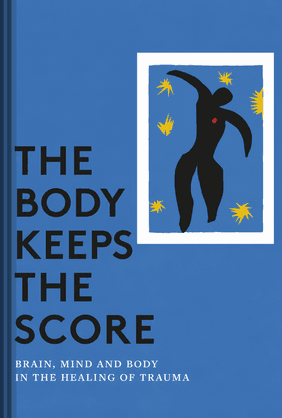
The Body Keeps The Score
Bessel Van Der Kolk
32 Duration10 Key Points4.5 RateWhile foundational books like this offer life-changing insights, finding the time and mental energy to read them can feel overwhelming when you're already drained. If you want to grasp these core ideas in a more accessible way, an app can be a great starting point.

Absorb the key lessons from dense but essential wellness books in just 15 minutes, making it easier to learn new coping strategies without the added pressure of a long read.

Download LeapAhead App now
The techniques above focus on releasing trapped energy through physical movement. For a broader toolkit of calming exercises, including powerful grounding methods and breathing patterns you can use anywhere, you may want to explore more options.
Body Scan Meditation: The Deep Nervous System Reset
While PMR involves actively flexing your muscles, a body scan meditation is entirely passive. It trains your brain to locate hidden pockets of tension and mentally signal them to soften.
Practicing a body scan meditation before bed is highly effective for those who suffer from insomnia due to physical restlessness.
If nighttime anxiety is a recurring issue for you, building a consistent wind-down ritual is key to signaling to your body that it's time for rest.
How to Practice a Body Scan
- Get Grounded: Lie flat on your back on a bed or a yoga mat. Rest your arms at your sides, palms facing up.
- Set the Intention: Do not try to force yourself to relax. Forcing relaxation creates performance anxiety. Your only goal is to observe.
- Start at the Crown: Focus your attention on the very top of your head. Notice any sensations—warmth, coolness, tingling, or numbness.
- Scan Downward: Slowly move your focus down to your forehead. Are you furrowing your brow? Just notice it. Imagine the muscle melting like warm butter.
- Check the Jaw: Move down to your jaw and tongue. Let your tongue fall away from the roof of your mouth. Let your lower jaw drop slightly.
- Sweep Through the Body: Continue scanning down through your neck, shoulders, chest, arms, stomach, pelvis, legs, and down to your toes.
- Breathe Through Tightness: If you find an area that is fiercely tight—like your lower back—don't get frustrated. Imagine your breath physically traveling to that spot, creating space around the pain.
Passive observation might sound easy, but as anyone who has tried a body scan knows, sitting still with an anxious mind can be incredibly challenging at first. The key to mastering this kind of deep nervous system reset is learning to anchor yourself firmly in the present moment without judging your own physical tension. If you are looking to build a more sustainable, forgiving mindfulness practice that you can easily integrate into your hectic daily routine, this classic guide is a wonderful companion on that journey.
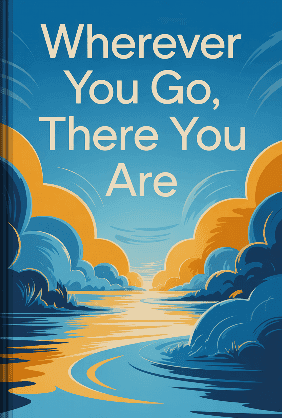
Wherever You Go, There You Are
Jon Kabat-Zinn
19 Duration8 Key Points4.6 Rate
Daily Physical Habits to Prevent Muscle Bracing
You cannot wait until you are in the middle of a panic response to start taking care of your body. Physical relaxation for anxiety requires regular maintenance.
Watch Your Posture
Tech neck and slumping over a laptop mimic the posture of defeat and fear. When you collapse your chest, you restrict your diaphragm. Sit back, roll your shoulders down, and keep your chest open.
Tech neck and slumping over a laptop mimic the posture of defeat and fear. When you collapse your chest, you restrict your diaphragm. Sit back, roll your shoulders down, and keep your chest open.
Hydration and Electrolytes
Muscle spasms and tension headaches are severely exacerbated by dehydration. Ensure you are getting enough water and consider a magnesium glycinate supplement. Magnesium is a natural muscle relaxant that helps regulate the nervous system, but always consult a doctor before starting new supplements.
Muscle spasms and tension headaches are severely exacerbated by dehydration. Ensure you are getting enough water and consider a magnesium glycinate supplement. Magnesium is a natural muscle relaxant that helps regulate the nervous system, but always consult a doctor before starting new supplements.
Grounding Techniques
When you feel your body starting to tense up while sitting at your desk, take off your shoes. Press your bare feet firmly into the floor. Notice the solid support beneath you. Push against the floor lightly, engaging your leg muscles. This reminds your brain that you are anchored in the present moment, not floating in a sea of future worries.
When you feel your body starting to tense up while sitting at your desk, take off your shoes. Press your bare feet firmly into the floor. Notice the solid support beneath you. Push against the floor lightly, engaging your leg muscles. This reminds your brain that you are anchored in the present moment, not floating in a sea of future worries.
These physical adjustments are a great start. To build a comprehensive anti-anxiety lifestyle that prevents tension from building up in the first place, it helps to be intentional from the moment you wake up.
Common Pitfalls: Why "Trying to Relax" Sometimes Fails
Many people try relaxation techniques once, feel worse, and give up. Be aware of these common traps.
- Relaxation-Induced Anxiety: Sometimes, when you finally slow down, the anxiety gets louder. This is normal. Your brain has been relying on high adrenaline to function. When you remove the adrenaline, the underlying exhaustion and fear surface. Ride it out. It is a sign the technique is working.
- Judging the Practice: If you finish a body scan meditation and still feel tense, do not label it a failure. The goal is to build tolerance and awareness, not to achieve instant perfection.
- Shallow Breathing: Doing somatic exercises while holding your breath defeats the purpose. Always keep your breath moving. If you catch yourself holding it, let out a long sigh.
Building new mental and physical habits takes consistency, which can be tough when you're feeling anxious and drained. One way to make learning more manageable is to fit it into the small pockets of your day, like a commute or a coffee break.
Turn your commute into a learning opportunity by listening to key insights on mindfulness and stress management, helping you build a consistent self-improvement habit in just 15 minutes a day.
Download LeapAhead App now
FAQ
How long does it take to release physical tension from anxiety?
It depends on how long the tension has been building. Acute tension (like holding your breath during a stressful email) can be released in minutes with a physiological sigh or a quick shake-out. Chronic tension (months of clenching your jaw) takes consistent daily practice. Noticeable improvements usually occur within a week of practicing somatic exercises or PMR daily.
It depends on how long the tension has been building. Acute tension (like holding your breath during a stressful email) can be released in minutes with a physiological sigh or a quick shake-out. Chronic tension (months of clenching your jaw) takes consistent daily practice. Noticeable improvements usually occur within a week of practicing somatic exercises or PMR daily.
Can anxiety cause physical pain even when I don't feel stressed?
Yes. Your subconscious brain operates 24/7. Even if your conscious mind feels relatively calm, your nervous system might still be running a low-grade fight-or-flight program in the background. This leads to chronic muscle bracing, tension headaches, and unexplained aches that persist long after the stressful event has passed.
Yes. Your subconscious brain operates 24/7. Even if your conscious mind feels relatively calm, your nervous system might still be running a low-grade fight-or-flight program in the background. This leads to chronic muscle bracing, tension headaches, and unexplained aches that persist long after the stressful event has passed.
Why does my chest still feel tight after trying to relax?
Chest tightness can linger because the intercostal muscles (between your ribs) are exhausted from heavy, shallow breathing. Be patient with your body. Focus on belly breathing rather than forcing deep breaths into your chest. Note: If chest tightness is sudden, severe, or accompanied by arm pain or dizziness, always seek immediate medical evaluation to rule out cardiac issues.
Chest tightness can linger because the intercostal muscles (between your ribs) are exhausted from heavy, shallow breathing. Be patient with your body. Focus on belly breathing rather than forcing deep breaths into your chest. Note: If chest tightness is sudden, severe, or accompanied by arm pain or dizziness, always seek immediate medical evaluation to rule out cardiac issues.
Are somatic exercises better than traditional talk therapy?
They are not mutually exclusive; they serve different purposes. Talk therapy (like CBT) helps reframe the thoughts that cause anxiety. Somatic exercises clear the physical aftermath of those thoughts from your body. For many people, engaging the body first makes traditional therapy much more effective because a calm nervous system is better equipped to process complex emotions.
They are not mutually exclusive; they serve different purposes. Talk therapy (like CBT) helps reframe the thoughts that cause anxiety. Somatic exercises clear the physical aftermath of those thoughts from your body. For many people, engaging the body first makes traditional therapy much more effective because a calm nervous system is better equipped to process complex emotions.