

You sit in an open-plan office surrounded by loud brainstorming sessions, wondering if your preference for silence is a career liability. American culture often celebrates the loudest voice in the room, leaving introverts feeling out of place and undervalued. Susan Cain changed that narrative completely. She gave millions of people the vocabulary to explain how they process the world.
Understanding these foundational concepts is the first step toward self-acceptance. By recognizing the key differences between how introverts and extroverts are wired, you can begin to appreciate your own temperament as a distinct advantage rather than a social handicap.

When you need the right words to explain your work style, validate your need for a quiet weekend, or inspire a team of diverse thinkers, reaching for the right quote changes the conversation. This guide strips away the noise and delivers the best quotes from Quiet, organized by the exact moments you might need them most.
The Cultural Shift: Why These Words Resonate
Society operates on the "Extrovert Ideal." From early childhood classrooms designed for group work to corporate structures that reward aggressive networking, the system is rigged for the loud. Cain’s work dismantling this ideal resonated because it put words to a silent struggle.
People do not just search for Quiet Susan Cain quotes to read them. They search for them to use as armor. These words give you permission to step back from a networking event, to close your office door, or to lead a project through deep listening rather than loud directives. They serve as immediate reminders that your natural temperament is a profound asset.
If you find yourself nodding along to these ideas, you owe it to yourself to explore the foundational text that started this global conversation. While quotes are excellent for quick daily motivation, diving into the complete research and real-life stories provides a profound sense of validation. Reading the full book equips you with an even deeper understanding of the science behind your temperament and offers actionable strategies for thriving in an unapologetically loud, extrovert-centric society.
Quiet
Susan Cain
 40 Duration
 7 Key Points
 4.6 Rate
But for many introverts, the very energy drain that Cain describes can make tackling a full book feel like another exhausting task. If you want to absorb the core concepts of books like Quiet but struggle to find the time, an app can help you get the key insights in minutes.

Get the powerful ideas from books like *Quiet* in 15-minute audio or text summaries, perfect for recharging your mental batteries and learning on your own terms.

Download LeapAhead App now

Best Quotes from Quiet: Categorized for You
Finding the right words at the right time matters. Here are the most impactful introvert empowerment quotes broken down by context.
On the Power of Solitude and Creativity
Introverts do not just like solitude; they require it to function at their highest capacity. Solitude is where the actual work happens.
"Solitude matters, and for some people, it's the air they breathe."
This is perhaps the most famous line from the book. Use it when you need to set boundaries. If friends or family question your need to stay home on a Friday night to read a book you grabbed from Barnes & Noble, this quote explains that quiet time is not a rejection of them. It is basic survival.
"I don't believe that there is any correlation between being the best talker and having the best ideas."
Write this on a sticky note. Put it on your monitor. In a culture where the first person to speak in a meeting often dictates the direction of a project, this reminder is vital. Deep thinkers often need time to process information before offering a solution. This quote validates the delayed, yet highly refined, insights that introverts bring to the table.
"There is no such thing as a one-size-for-all environment. What is a stimulating environment for one person is overwhelmingly loud for another."
This hits at the core of workplace design. The open-plan office trend swept through the US corporate landscape to foster "collaboration." Instead, it created an overwhelming environment for half the workforce. Share this quote when advocating for hybrid work schedules or the creation of quiet zones in your office.
Protecting your solitude is only the first step; the next challenge is leveraging that quiet time to produce your best, most meaningful work. In a professional landscape obsessed with constant connectivity, instant messaging, and open-plan distractions, learning how to focus intensely is a rare and highly valuable skill. If you want to harness your natural introverted ability to concentrate and turn it into a distinct career advantage, mastering the art of distraction-free productivity will completely transform your workday.
Deep Work
Cal Newport
47 Duration8 Key Points4.6 RateOn Leadership and Professional Impact
You do not need to be a table-pounding extrovert to lead effectively. Introverted leaders often excel because they listen, synthesize information, and let proactive employees run with their ideas.
"We have a cultural bias against the quiet and reserved, but the truth is that introverts can be the best leaders."
This is perfect for a LinkedIn post or a management presentation. It challenges the archaic American business stereotype that only charismatic, dominant personalities belong in the C-suite.
"Introverts are capable of acting like extroverts for the sake of work they consider important, people they love, or anything they value highly."
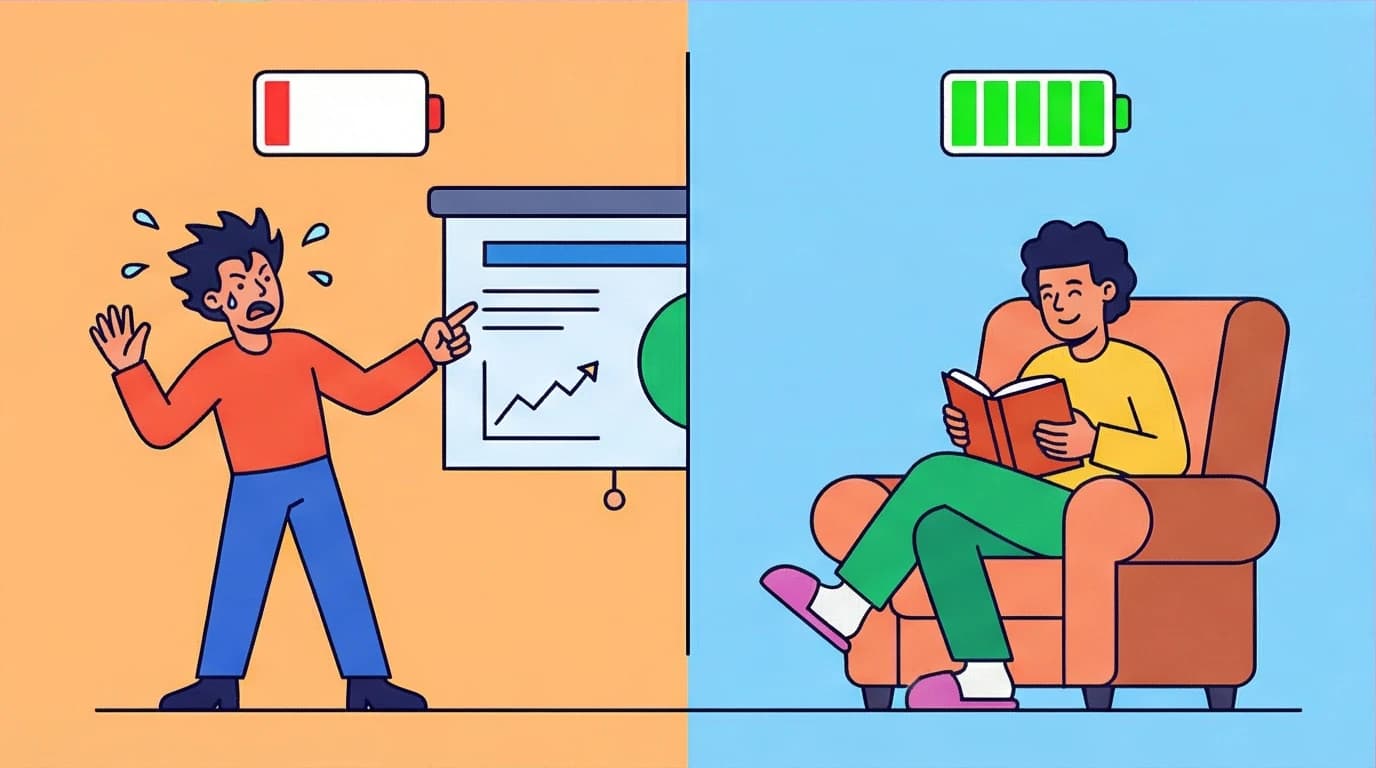
Cain introduces the concept of "Free Trait Theory" here. You can turn on the extrovert energy when needed—giving a keynote speech, running a critical meeting, or advocating for a cause. The key is recognizing that it drains your battery, and you must schedule recovery time afterward.
"Don't think of introversion as something that needs to be cured."
A direct, unapologetic statement. If you are mentoring a young professional who feels inadequate because they are not naturally aggressive in meetings, give them this quote. It shifts the mindset from "fixing a flaw" to "optimizing a strength."
This perspective is crucial for anyone looking to grow professionally without compromising their natural temperament. By leveraging quiet strengths like careful preparation and active listening, introverts can build a highly effective and authentic management style.
It is entirely possible to command a room, inspire a team, and drive exceptional results without adopting a loud, table-pounding persona. For professionals looking to step into management or executive roles, the key is leveraging your natural strengths—like active listening, calm preparation, and thoughtful analysis—rather than faking an extroverted management style. If you are ready to expand your professional influence and build a leadership presence that feels completely authentic to your quiet nature, further reading on this specific dynamic is incredibly empowering.

The Introverted Leader
Jennifer B. Kahnweiler
46 Duration9 Key Points4.4 RateIntrovert Empowerment Quotes for Daily Motivation
Sometimes you just need a quick mental reset before facing a highly stimulating environment.
"Spend your free time the way you like, not the way you think you're supposed to."
The pressure to be constantly visible and socially active is exhausting. If your ideal Sunday is listening to an audiobook on Audible while organizing your closet, do it without guilt.
"The secret to life is to put yourself in the right lighting. For some, it's a Broadway spotlight; for others, a lamplit desk."
This beautiful visual metaphor captures the essence of neurodiversity. Neither light is inherently better. The mistake is forcing someone who thrives under a desk lamp to stand under a blinding spotlight.

"Stay true to your own nature. If you like to do things in a slow and steady way, don't let others make you feel as if you have to race."
Pacing matters. Hustle culture demands rapid execution and constant noise. This quote is your permission slip to slow down, be methodical, and prioritize quality over speed.
The Power of Introverts TED Talk: Key Takeaways
If you have not watched it, Susan Cain’s 2012 presentation remains a cornerstone of the introvert movement. The power of introverts TED talk crystallized the core messages of her book into a 19-minute masterclass on storytelling and persuasion.
A quick Susan Cain TED talk summary boils down to three distinct calls to action:
- Stop the madness for constant group work.
- Go to the wilderness. Be like Buddha. Have your own revelations.
- Take a good look at what is inside your own suitcase, and why you put it there.
For those who want to understand how these points fit into the book's larger narrative, a detailed summary can connect the dots between the TED talk and the foundational text.
The presentation itself generated some of the most memorable soundbites.
"When it comes to creativity and to leadership, we need introverts doing what they do best."
She highlighted how historical figures like Rosa Parks, Eleanor Roosevelt, and Gandhi described themselves as quiet, soft-spoken, and even shy. They took the spotlight not because they enjoyed being looked at, but because they were driven by a profound cause.
"Introverts feel at their most alive and their most switched-on and their most capable when they're in quieter, more low-key environments."
This is a biological reality. Introverts and extroverts process dopamine differently. A highly stimulating environment overwhelms an introvert's nervous system. Understanding this simple biological fact removes the guilt associated with wanting to leave a loud party early.
How to Apply These Quotes in Real Life
Reading these quotes feels good. Using them actively creates real change. Here is how you can leverage these insights practically.
Transform Your Email Signature
Pick a short, punchy quote like, “There's zero correlation between being the best talker and having the best ideas.” It subtly communicates your communication style to colleagues and clients before you even speak.
Pick a short, punchy quote like, “There's zero correlation between being the best talker and having the best ideas.” It subtly communicates your communication style to colleagues and clients before you even speak.
Enhance Team Presentations
If you manage a team, dedicate one slide of your next presentation to the concept of diverse work styles. Use a quote about the "lamplit desk" to explain why you are implementing silent brainstorming sessions or asynchronous communication days.
If you manage a team, dedicate one slide of your next presentation to the concept of diverse work styles. Use a quote about the "lamplit desk" to explain why you are implementing silent brainstorming sessions or asynchronous communication days.
Set Boundaries with Family and Friends
Social guilt is real. When you decline an invitation, you do not need to invent an excuse. You can share a sentiment from Cain: “Solitude matters.” Normalize the fact that you need a quiet weekend to recharge your batteries for the week ahead.
Social guilt is real. When you decline an invitation, you do not need to invent an excuse. You can share a sentiment from Cain: “Solitude matters.” Normalize the fact that you need a quiet weekend to recharge your batteries for the week ahead.
Learning to decline invitations without over-explaining yourself is a game-changer, but enforcing those limits can initially feel incredibly uncomfortable, especially with loved ones who do not fully understand your need to recharge. Pushing past that social guilt requires more than just a good quote; it requires actionable strategies and clear communication scripts. If you struggle with people-pleasing or find your energy constantly depleted by others' demands, mastering the art of healthy boundary-setting is essential for protecting your peace and mental well-being.

Set Boundaries, Find Peace
Nedra Glover Tawwab
29 Duration10 Key Points4.5 RateBuild Your Personal Social Media Brand
If you are building a professional presence online, sharing these quotes with your own brief commentary establishes you as a thoughtful, reflective professional. People relate to authenticity. Admitting that you thrive in quiet environments often attracts like-minded clients and collaborators.
If you are building a professional presence online, sharing these quotes with your own brief commentary establishes you as a thoughtful, reflective professional. People relate to authenticity. Admitting that you thrive in quiet environments often attracts like-minded clients and collaborators.
Building a toolkit of ideas from books is empowering, but the pressure to read everything can create a sense of "reading debt." For those who want to learn from the world's best non-fiction without the time commitment, there are smarter ways to stay ahead.
Clear your "to-read" list by listening to the core ideas of bestselling books in minutes, turning your commute or quiet downtime into productive, guilt-free learning.
Download LeapAhead App now
The Long-Term Impact of Embracing Quiet
The noise of modern life is not going away. Smartphones, open-plan offices, and a culture of constant self-promotion ensure the world will remain loud. The goal is not to force the world to be quiet. The goal is to carve out your own space within it.
These Quiet Susan Cain quotes act as a compass. They remind you that deep listening is a rare and valuable skill. They remind you that thinking before you speak prevents disastrous mistakes. They remind you that you do not need to change your core personality to achieve immense success.
Next time you feel overshadowed by a dominant personality, remember the power of the lamplit desk. You have a different kind of power. It does not shout. It does not demand immediate attention. But it is steady, deeply thought out, and ultimately impossible to ignore.
FAQ
What is the main message of Quiet by Susan Cain?
The core message is that modern society drastically undervalues introverts to its own detriment. Cain argues that introversion is a normal, healthy temperament with distinct advantages, particularly in areas of deep thought, empathy, creativity, and steady leadership. The book encourages society to redesign workplaces and schools to accommodate both introverts and extroverts.
The core message is that modern society drastically undervalues introverts to its own detriment. Cain argues that introversion is a normal, healthy temperament with distinct advantages, particularly in areas of deep thought, empathy, creativity, and steady leadership. The book encourages society to redesign workplaces and schools to accommodate both introverts and extroverts.
Are there quotes from Susan Cain specifically about highly sensitive people?
Yes. Cain often groups introversion and high sensitivity together. She frequently references how highly sensitive people process environmental cues more deeply. A relevant quote is: "Many introverts are also highly sensitive, which sounds poetic, but is actually a technical term in psychology... meaning you are more likely to notice subtleties that others miss."
Yes. Cain often groups introversion and high sensitivity together. She frequently references how highly sensitive people process environmental cues more deeply. A relevant quote is: "Many introverts are also highly sensitive, which sounds poetic, but is actually a technical term in psychology... meaning you are more likely to notice subtleties that others miss."
Where can I watch Susan Cain's famous TED talk?
You can watch "The power of introverts" directly on the TED website or TED's official YouTube channel. It is widely considered one of the top TED talks of all time and features subtitles in dozens of languages.
You can watch "The power of introverts" directly on the TED website or TED's official YouTube channel. It is widely considered one of the top TED talks of all time and features subtitles in dozens of languages.
How can I apply these quotes to a loud workplace?
Use them to advocate for structural changes. If your manager insists on constant group brainstorming, quote Cain’s research on how individuals produce better ideas when allowed to think alone first. Use the quotes to justify blocking out "focus time" on your calendar where you do not check emails or messages.
Use them to advocate for structural changes. If your manager insists on constant group brainstorming, quote Cain’s research on how individuals produce better ideas when allowed to think alone first. Use the quotes to justify blocking out "focus time" on your calendar where you do not check emails or messages.