

You are staring at your laptop, your jaw is clenched, and your to-do list is vastly longer than the hours left in the day. Between the morning commute, a buzzing inbox, and the endless cycle of daily obligations, your nervous system is locked in overdrive. You do not need generic advice telling you to "take a vacation" or "think positive thoughts." You need practical, actionable strategies that work right now, right in the middle of a chaotic Tuesday.
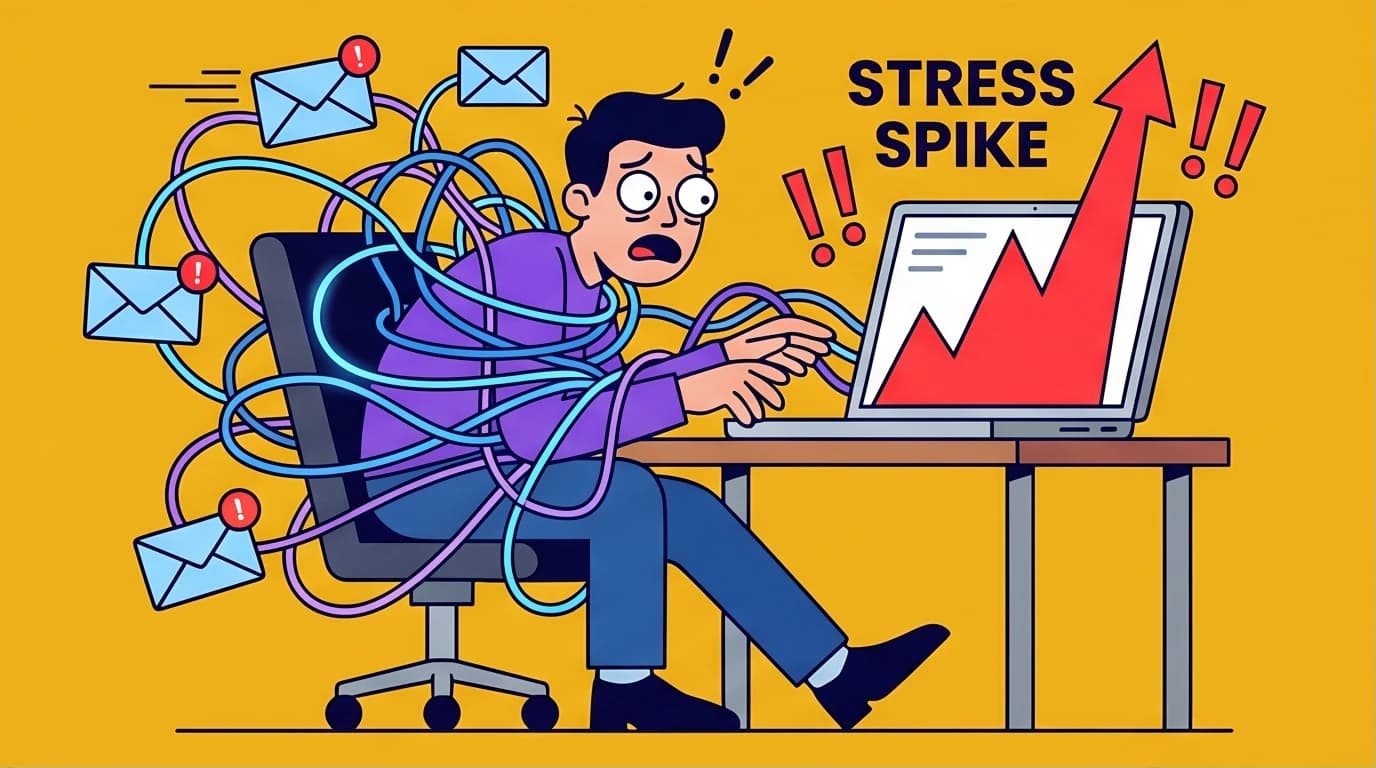
Stress is not just a mental state; it is a profound physical response. When you are overwhelmed, your body pumps out cortisol and adrenaline, preparing you to fight or flee. You cannot simply think your way out of this state. You have to use your body to signal safety to your brain.
Understanding these physiological reactions is the first step toward managing them. The long-term impact of these stress hormones can affect everything from your immune system to your cognitive function.
Here is exactly how to stop the spiral, reset your nervous system, and build a lifestyle that protects your energy.
Quick Ways to Destress in Under 5 Minutes
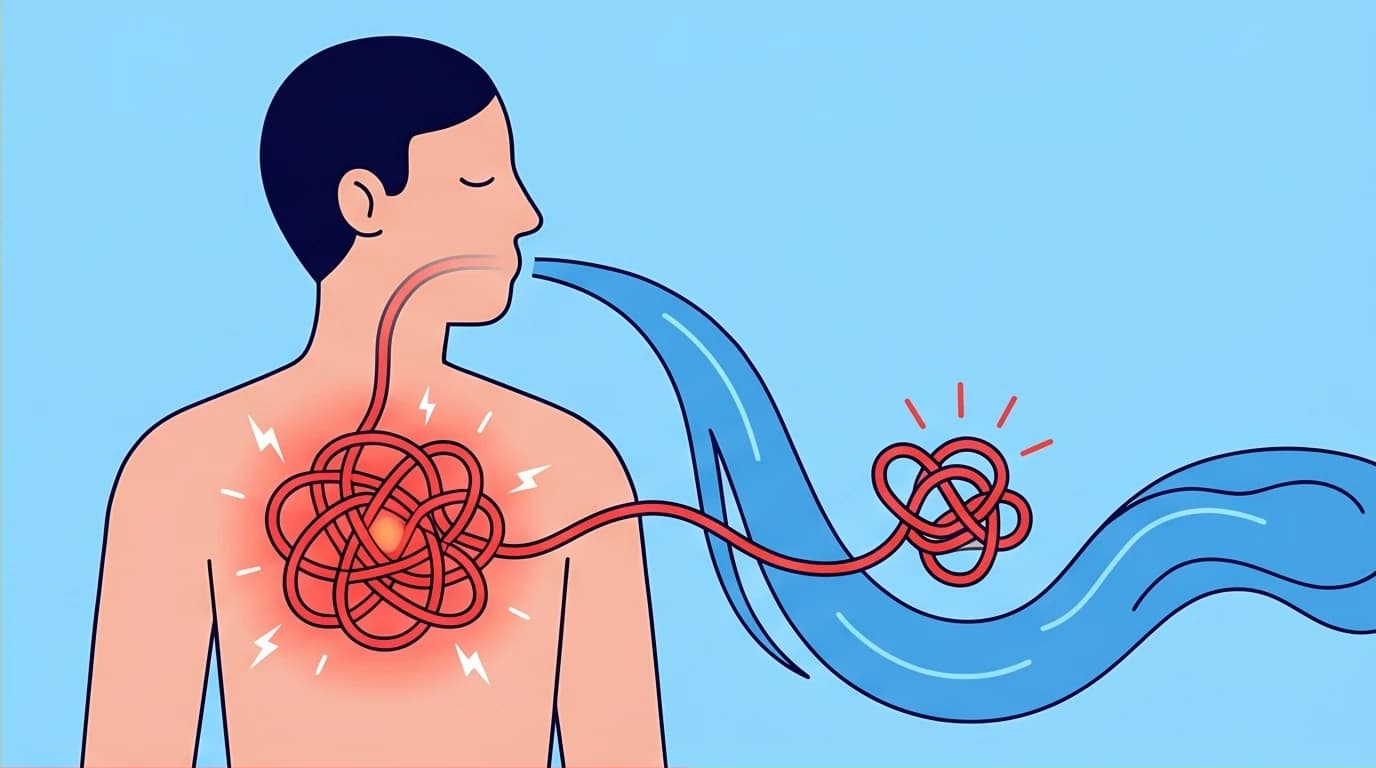
When you are peaking—your heart is racing, your chest feels tight, and your focus is shattering—you need an emergency brake. These immediate interventions are designed to hijack your biology and force your parasympathetic nervous system (your "rest and digest" mode) to take over.
1. The Physiological Sigh
This is arguably the fastest behavioral method to lower your heart rate. Hardwired into human biology, the physiological sigh instantly offloads carbon dioxide and inflates collapsed air sacs in your lungs.
- Take a deep breath in through your nose until your lungs are almost full.
- Take a second, quick "sip" of air through your nose to top them off.
- Exhale completely through your mouth with a long, slow sigh.
- Repeat this 3 to 5 times. You will feel your shoulders drop and your heart rate slow almost immediately.
2. Cold Exposure Reset
If you are trapped in an anxiety loop, temperature manipulation is a powerful circuit breaker. Splashing cold water on your face triggers the "mammalian dive reflex." This biological response instantly slows your heart rate and redirects blood flow to your vital organs, forcefully pulling you out of a panic state.
Go to the bathroom, turn the faucet to the coldest setting (ideally below 60 degrees Fahrenheit), and splash water on your face three times. Alternatively, hold an ice cube in your hand until it melts. The intense sensory input pulls your brain away from racing thoughts and anchors it entirely in the present physical moment.
3. Panoramic Vision Shift
When humans are stressed or threatened, our pupils dilate, and our vision narrows into a sharp, focal point. Staring at a phone or computer screen for hours artificially mimics this exact threat state. You can reverse-engineer calmness by changing how you look at the world.
Step away from your screen and look out a window. Instead of focusing on a specific object, relax your eyes and allow yourself to see your peripheral environment. Expanding your visual field sends a direct signal to your brainstem that there are no immediate predators, allowing your nervous system to stand down.
When you realize how dramatically simple shifts in your breathing and physiological state can alter your immediate stress response, you might want to explore the science behind it further. Learning to control your respiratory system is arguably the ultimate biohack for modern anxiety. If you are fascinated by how ancient breathing practices and modern pulmonology intersect to transform our health, diving deeper into the mechanics of your airway is a game-changer. James Nestor offers a brilliant exploration of how we’ve lost the ability to breathe correctly—and how to fix it.
Breath
James Nestor
 40 Duration
 7 Key Points
 4.6 Rate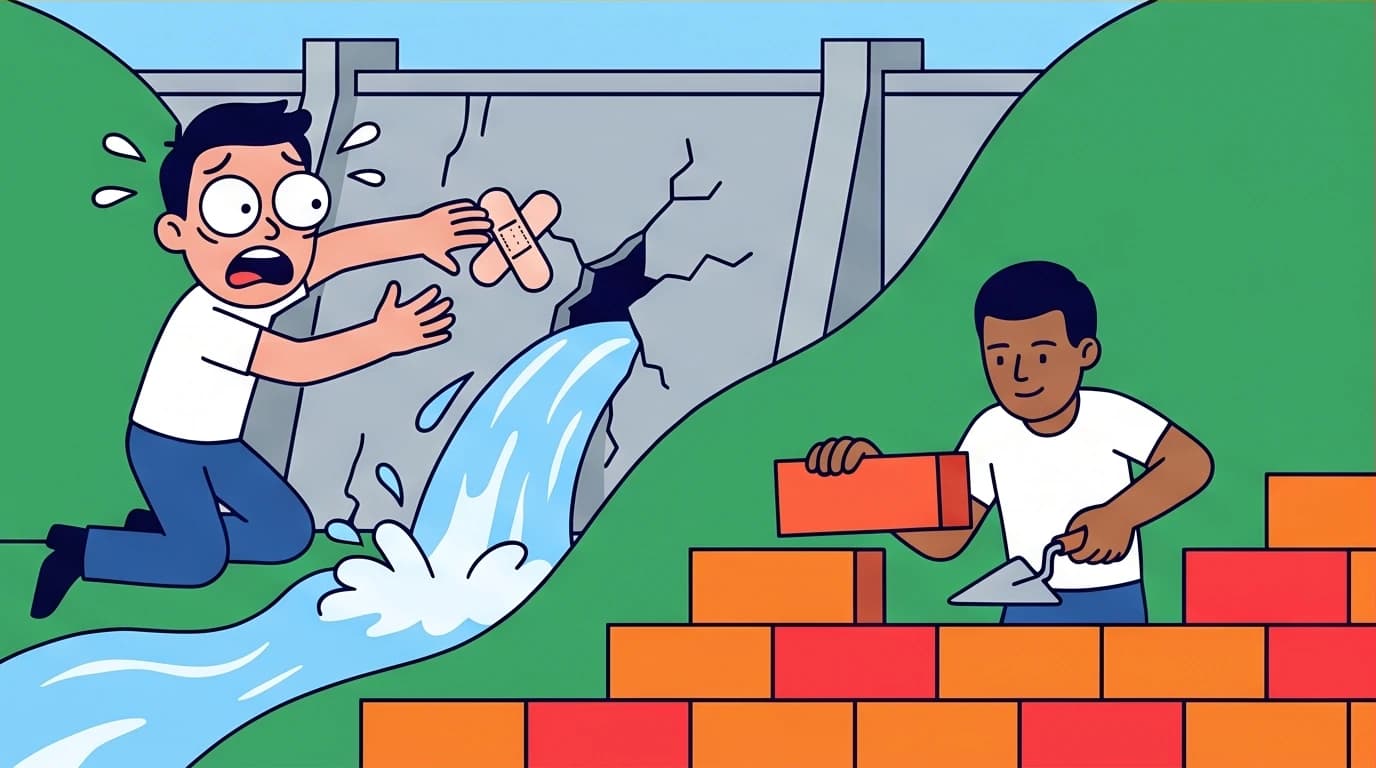
Daily Stress Relief Habits to Build Resilience
Quick fixes stop the bleeding, but you need an immune system to prevent the injury in the first place. Integrating minor daily stress relief habits into your routine prevents cortisol from accumulating to toxic levels by the end of the week.
The 30-Minute Morning Buffer
How you spend the first half-hour of your day dictates your stress baseline. Waking up and immediately checking your phone pours gasoline on your nervous system. Reading work emails or scrolling through alarming news headlines forces your brain into a reactive state before you have even gotten out of bed.
Buy a cheap alarm clock and charge your phone in another room. Spend your first 30 minutes drinking a glass of water, letting natural sunlight into your eyes, and doing something low-stakes. Sunlight exposure in the early morning regulates your circadian rhythm, which naturally optimizes your cortisol curve for the rest of the day.
Zone 2 Physical Movement
You already know exercise is good for you, but the type of exercise matters when you are highly stressed. Pushing yourself through a grueling, high-intensity interval workout when you are already exhausted just adds more stress to your body.
Instead, focus on Zone 2 movement. This means a brisk, steady-state activity where you can still hold a conversation. Walking 3 miles around your neighborhood, riding a bike, or doing light yard work actively metabolizes circulating stress hormones without overtaxing your adrenal glands.
The Brain Dump Protocol
Insomnia and poor sleep are the ultimate stress multipliers. If your mind races the second your head hits the pillow, you need a closing routine. Keep a basic notebook on your nightstand. Every night at 9 PM, write down everything bothering you: the emails you forgot to send, the bills due on Friday, the weird comment a coworker made.
Getting these thoughts out of your working memory and onto paper acts as a cognitive release valve. You are telling your brain, "I have captured this information. We do not need to actively worry about it until tomorrow."
Establishing these small, daily routines—like your morning sunlight buffer or your evening brain dump—is the foundation of long-term resilience. However, actually making these behaviors stick when you are already exhausted can feel incredibly daunting. You do not need to rely on sheer willpower to change your lifestyle; you just need a better system. By understanding the psychology of how cues and rewards wire our brains, you can seamlessly put your stress-relief habits on autopilot. If you want a proven, step-by-step framework to build good routines and break the destructive ones, James Clear’s groundbreaking work is a must-read.

Atomic Habits
James Clear
26 Duration8 Key Points4.7 RateWhile a book like Atomic Habits provides the perfect blueprint, finding the time and mental energy to read it cover-to-cover can be a challenge in itself, especially when you're already feeling stressed.

LeapAhead

If you want the insights from books like this but are too exhausted to read, LeapAhead delivers the key ideas in 15-minute audio summaries you can absorb on your commute.
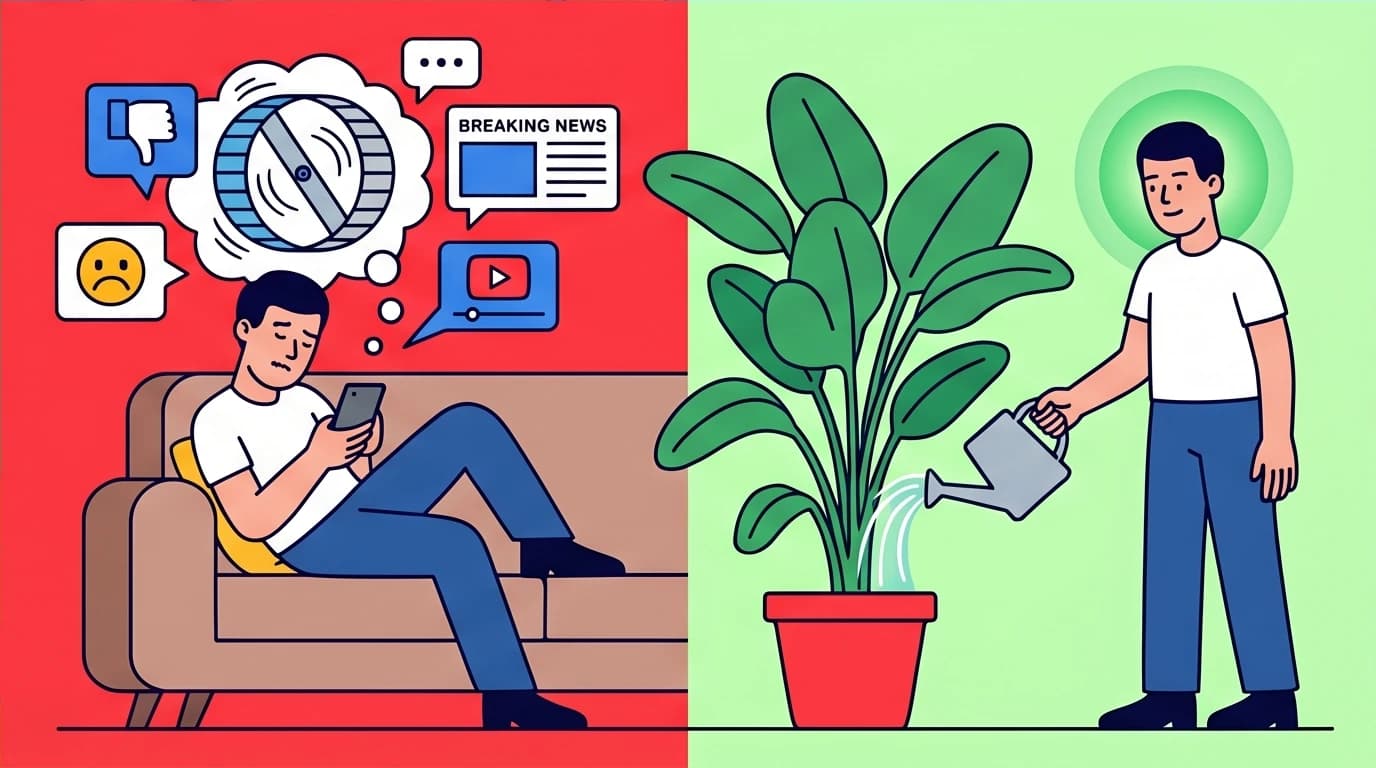
Healthy Coping Mechanisms for Stress vs. Destructive Habits
When people look for how to relieve stress, they often confuse numbing with coping. Numbing behaviors provide temporary distraction but leave the underlying stress completely unprocessed.
Destructive Numbing Habits:
- Doomscrolling: Spending two hours on social media after work is not relaxation; it is dissociation. Your brain is still receiving rapid-fire dopamine hits and processing thousands of data points, leaving you mentally fatigued.
- The "Wine Down": Relying on a couple of glasses of wine or a few beers to take the edge off. Alcohol is a central nervous system depressant that mimics relaxation, but it severely disrupts your sleep architecture. You wake up the next morning less equipped to handle stress.
- Binge-Watching: Passively consuming hours of television keeps your body stagnant while failing to complete the biological stress cycle.
Healthy Coping Mechanisms for Stress:
To actually process stress, you must complete the cycle. Your body needs to know the "threat" has passed.
To actually process stress, you must complete the cycle. Your body needs to know the "threat" has passed.
- Active Recovery: Activities that require just enough focus to keep you present, but not enough to cause mental strain. Cooking a meal from scratch, organizing a messy closet, or doing a puzzle.
- Physical Release: Shaking out your limbs, dancing in your kitchen to a favorite song, or stretching. It sounds ridiculous until you try it. Mammals literally shake their bodies to release adrenaline after surviving a threat.
- Social Connection: A 10-minute phone call with a friend where you talk about something completely unrelated to your stressors. Positive social interaction releases oxytocin, which naturally neutralizes cortisol.
Understanding the difference between numbing your anxiety and actively completing the biological stress cycle is a monumental shift in how you handle overwhelm. We are often taught to just push through exhaustion, but your nervous system fundamentally requires that physical and emotional release to return to a baseline of safety. If you are constantly feeling drained despite getting enough sleep, or if you want to truly master the science of moving through the stress cycle, Emily and Amelia Nagoski provide an incredibly validating and research-backed roadmap to breaking free from chronic exhaustion.
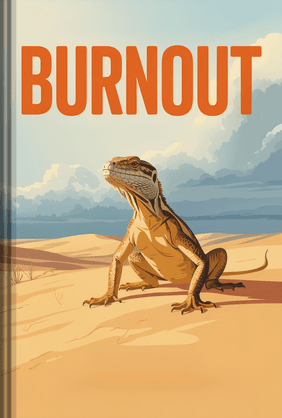
Burnout
Emily Nagoski, Ph.D., Amelia Nagoski, DMA
25 Duration9 Key Points4.5 RateDesigning Your Own Stress Management Strategy
The most effective stress management techniques are the ones you actually do. You do not need to adopt ten new habits by tomorrow. Start by auditing your day and looking for low-hanging fruit.
- Identify your primary triggers: Does your commute ruin your morning? Try leaving 15 minutes earlier or switching from anxiety-inducing news podcasts to an audiobook on Audible.
- Set hard digital boundaries: Work expands to fill the time you give it. If you answer emails at 9 PM, people will expect you to answer emails at 9 PM. Turn off Slack notifications after dinner.
- Deploy micro-breaks: Do not wait until 5 PM to relax. Use the Pomodoro method at work—focus for 50 minutes, then physically step away from your desk for 10 minutes. Do a physiological sigh, grab a coffee, or look out the window.
Many of life's most persistent stressors originate in the workplace. Applying these strategies specifically to your professional life can be a game-changer for your overall well-being.
Finding ways to learn and grow without adding more to your plate is key. If a full audiobook feels like too much of a commitment on a busy day, there are ways to get the same powerful ideas in a fraction of the time.
LeapAhead
LeapAhead helps you turn stressful moments like your commute into productive learning sessions by summarizing bestselling books on personal growth and resilience in just 15 minutes.
Stress is an unavoidable tax on a productive life. You cannot eliminate it, but you can change how your body reacts to it. By building a toolkit of immediate biological resets and sustainable daily habits, you can stop surviving your days and start actually living them.
Ultimately, taking control of your stress levels is about recognizing that your physical and mental health are intimately intertwined. Unprocessed trauma, daily anxieties, and chronic tension do not just vanish; they manifest physically in our muscles, our posture, and our immune systems. Acknowledging this mind-body connection is the first real step toward profound healing and sustainable stress management. To fully grasp how deeply our psychological burdens impact our biology, and to discover innovative pathways to rewire your nervous system for lasting peace, Bessel van der Kolk’s landmark research is absolutely essential reading.
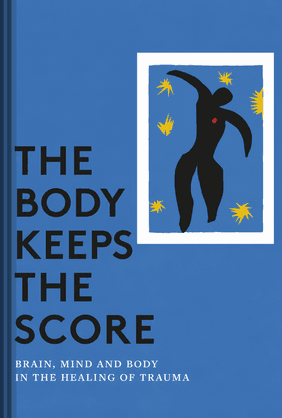
The Body Keeps The Score
Bessel Van Der Kolk
32 Duration10 Key Points4.5 RateFAQ
Why do I feel more anxious when I try to sit still and relax?
This is known as relaxation-induced anxiety. When you are constantly moving, your brain pushes stress into the background to help you function. The moment you sit still to meditate or relax, the backlog of unprocessed stress floods your system. If sitting still makes you panic, do not force it. Use active coping mechanisms for stress like walking, stretching, or organizing before attempting stationary relaxation.
How do I know if my daily stress is turning into burnout?
Stress is characterized by over-engagement; you feel like you have too much to do, but you still care about the outcome. Burnout is characterized by disengagement and emotional blunting. If you transition from feeling overwhelmed to feeling empty, cynical, and devoid of motivation—even for things you used to enjoy—you are likely experiencing burnout.
Can chronic stress cause actual physical pain?
Yes. Chronic stress keeps your muscles in a constant state of low-grade tension, preparing for a threat that never comes. This frequently manifests as tension headaches, a tight jaw (TMJ), neck stiffness, and lower back pain. Physical movement and targeted stretching are essential stress management techniques to release this trapped muscular tension.
What is the absolute fastest way to lower my cortisol?
While cortisol takes time to metabolize out of your bloodstream, you can lower your heart rate and stop the release of new stress hormones within 60 to 90 seconds. The most reliable method is extending your exhales. Make your out-breath twice as long as your in-breath (e.g., inhale for 3 seconds, exhale for 6 seconds) for two minutes. This directly stimulates the vagus nerve, forcing your body to calm down.