

You constantly feel like you are one step behind in your romance. You text, they take hours to reply. You show vulnerability, and they suddenly pull away. You bring up a valid concern, and somehow the conversation twists until you are the one apologizing. You are starting to wonder if love is just a covert game of chess where the other person holds all the pieces.
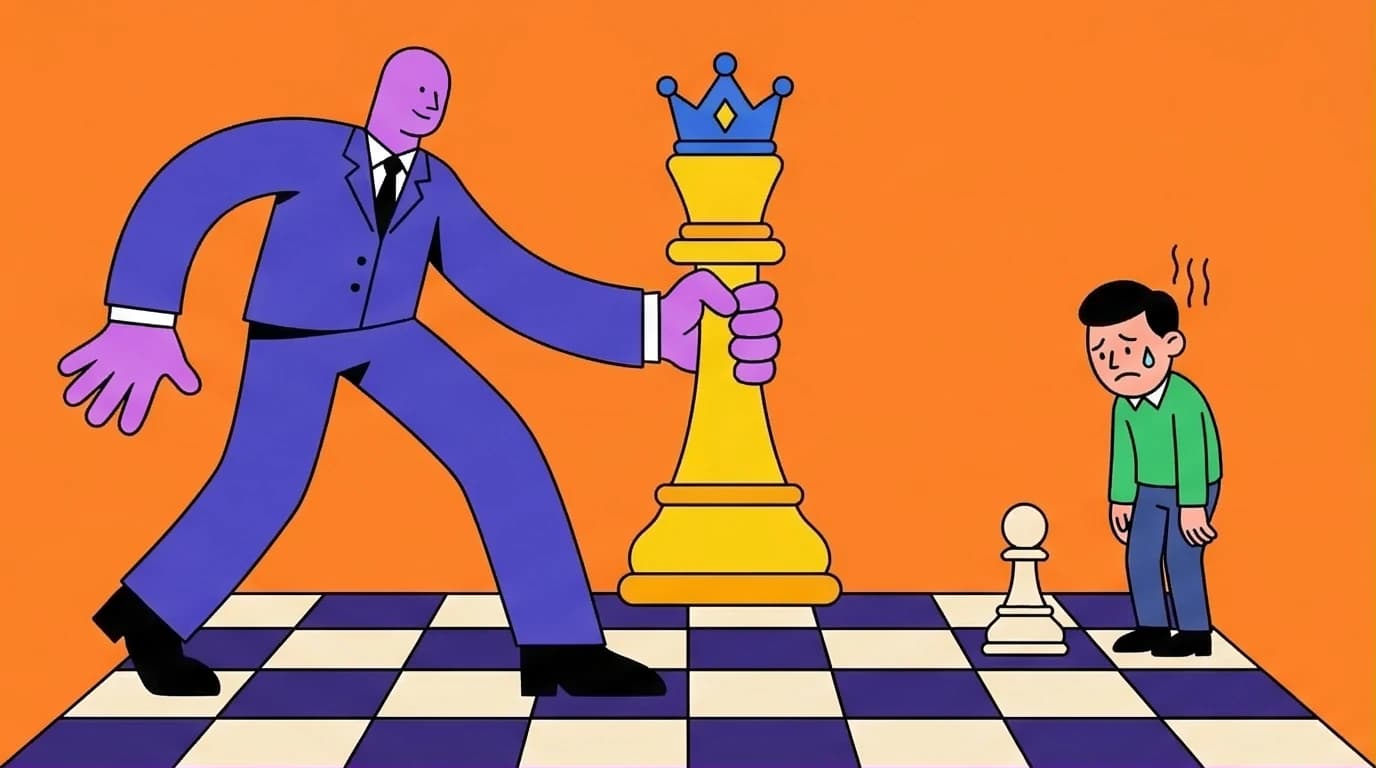
You are not crazy. You are likely on the receiving end of calculated power plays. When someone applies Machiavellian strategies to romance, they stop treating you as a partner and start treating you as an opponent. Understanding how these tactics work is the only way to stop playing their game and take your life back.
The Dark Reality of Robert Greene Relationship Advice
Robert Greene wrote a masterpiece on human nature, survival, and ambition. His rules were designed for corporate boardrooms, historical courts, and political battlegrounds. They were never meant for your living room.
Understanding how to apply these principles ethically in a professional setting, like the workplace, is entirely different from misusing them in your personal life.
When people search for robert greene relationship advice, they often make a critical mistake: they confuse dominance with respect. Intimacy requires vulnerability, transparency, and mutual trust. Power plays require concealment, distance, and leverage. You cannot have both. If a partner views your vulnerability as a weakness to exploit rather than a gift to cherish, you are not building a life together. You are fighting a cold war.
Applying these strategies offensively creates a classic 48 laws of power toxic relationship. It traps both people in a cycle of paranoia. The manipulator must constantly wear a mask to maintain the upper hand, while the victim lives in a permanent state of anxiety, constantly trying to decode mixed signals. If you want to survive the modern dating market, you need to know how to spot these laws when they are used against you.
The very strategies that create this toxic dynamic are the reason the book is often seen as dangerous and manipulative.
While applying these ruthless tactics to your romantic life is a recipe for disaster, understanding their original intent is incredibly empowering. If you want to truly grasp how manipulators think and operate, it pays to read the source material. By studying the historical and corporate strategies laid out in Greene's original masterpiece, you can easily spot when a toxic partner is trying to run a textbook power play on you.
The 48 Laws of Power
Robert Greene
 43 Min
 7 Key Points
 4.6 Rate
If you want to arm yourself with this knowledge but don't have time to get through Greene's dense masterpiece, there's a smarter way to absorb the main ideas.

Quickly grasp the core strategies of complex books like 'The 48 Laws of Power' to recognize and defend against manipulation in under 30 minutes.

Download LeapAhead App now
Spotting Manipulation Tactics in Dating: 5 Key Laws
Predatory partners often do not realize they are reading from a playbook, but their behaviors map perfectly onto Greene’s laws. Here is how some of the most dangerous laws translate into everyday manipulation tactics dating.
Law 16: Use Absence to Increase Respect and Honor
How it looks in dating: The sudden pull-away, the silent treatment, or the strategic delayed text. Everything is going perfectly. You go on three amazing dates. You feel a deep connection. Suddenly, they go quiet. They take a full day to respond to a simple message. They claim they are "just super busy right now."
Why it works: Human beings are wired to value what is scarce. When a partner withdraws their attention, your brain panics. You start analyzing your own behavior, wondering what you did wrong. Your anxiety spikes, and you end up chasing them, double-texting, and over-investing just to get that initial high back. They manufactured a void, and you are exhausted trying to fill it.
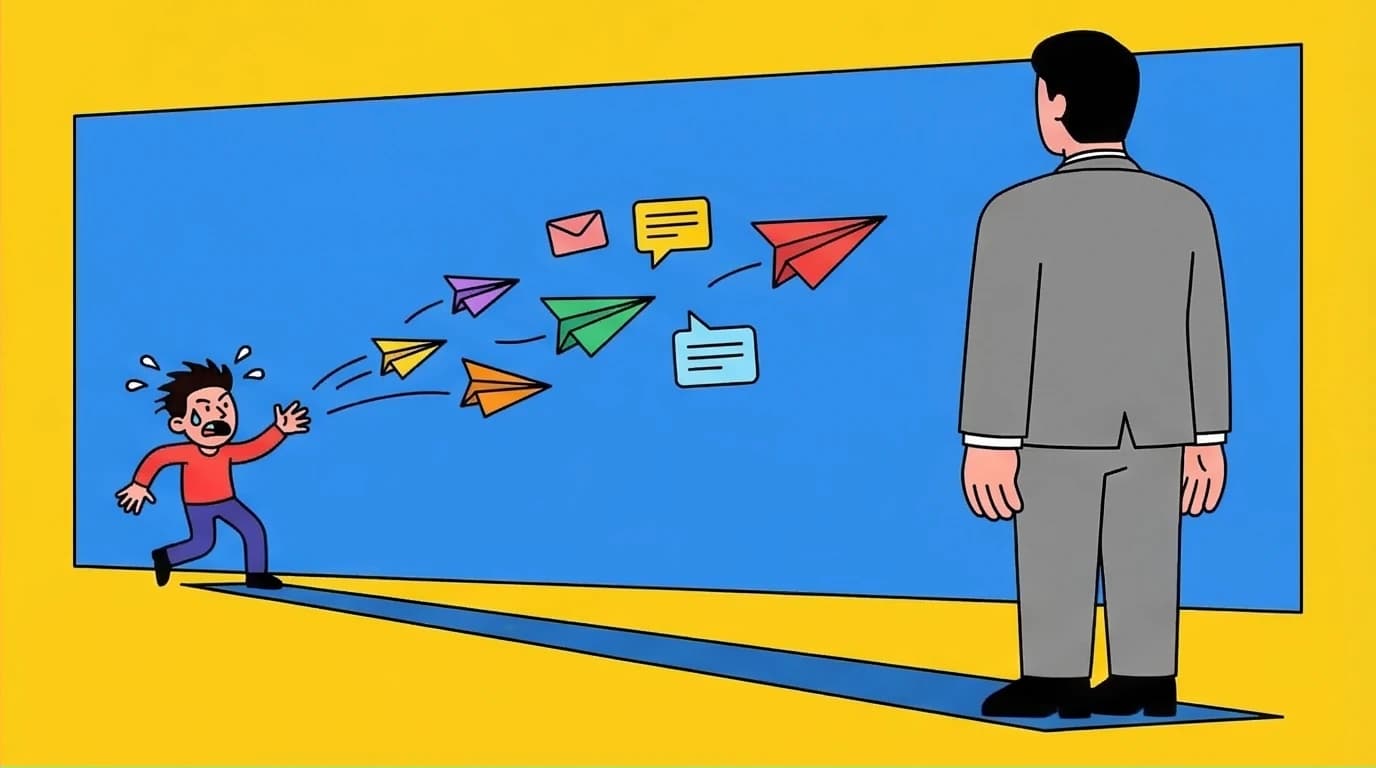
Your defense: Match their energy and do not chase. When someone pulls away, let them. If their absence is genuine, they will come back when they have the capacity. If their absence is a calculated move to make you chase, your refusal to play the game neutralizes their power. Focus on your own life. Silence is only a weapon if you are afraid of it.
Law 3: Conceal Your Intentions
How it looks in dating: Breadcrumbing, future-faking, and keeping things "casual." They talk about taking a trip with you to Hawaii next year, but they refuse to put a label on the relationship right now. They act like your soulmate in private but treat you like an acquaintance in public.
Why it works: By keeping you guessing, they maintain total control over the direction of the relationship. As long as their intentions are concealed, you cannot make an informed decision about whether to stay or leave. You stay anchored to the potential of the relationship rather than the reality of it.
Your defense: Look strictly at actions, not words. Confusion is a reliable indicator of manipulation. Healthy partners want you to feel secure. If you have clearly communicated your desire for commitment and they respond with vague promises, assume their intention is to keep you as an option. Walk away.
Law 11: Learn to Keep People Dependent on You
How it looks in dating: Isolation and manufactured dependency. It starts subtly. They do not like your best friend. They think your family is too demanding. They encourage you to quit the job you love because "they can take care of you." Before you know it, they are your only source of emotional support, social interaction, or financial stability.
Why it works: Total dependency guarantees you will not leave, no matter how badly they treat you. If they become your entire world, walking away feels like stepping off a cliff. This is the foundation of a trauma bond.
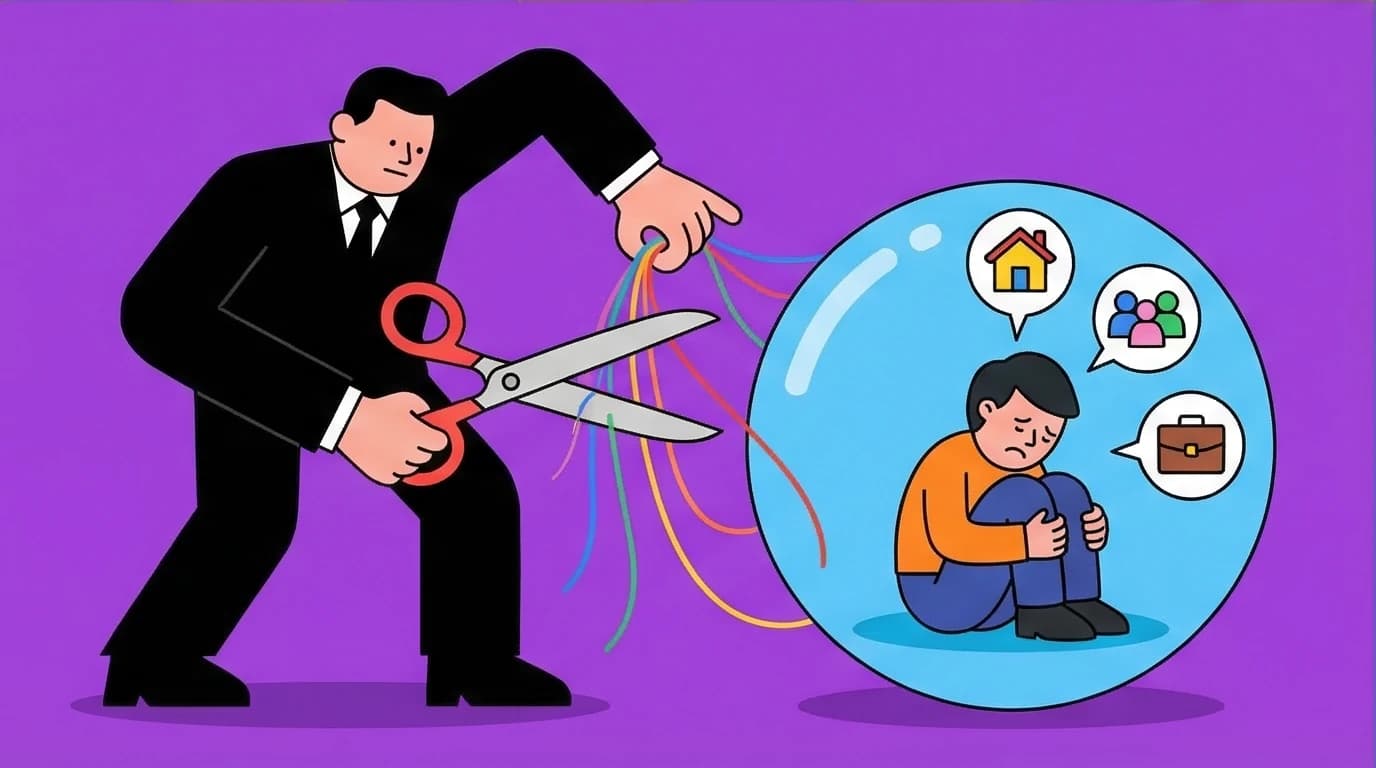
Your defense: Never sever your lifelines. Maintain your friendships, nurture your career, and keep your own bank account. A healthy partner will celebrate your independence and encourage your outside connections. Anyone who demands you shrink your world to fit only them is setting a trap.
Law 27: Play on People’s Need to Believe to Create a Cult-like Following
How it looks in dating: Love bombing. Within two weeks, they tell you that you are different from anyone they have ever met. They mirror your hobbies, agree with your opinions, and shower you with excessive gifts and attention. They position themselves as the savior who finally understands your broken past.
Why it works: Everyone wants to feel entirely seen and unconditionally loved. Love bombing hijacks your dopamine receptors. Once they have elevated you to a pedestal and established themselves as your perfect match, the devaluation phase begins. You will spend months accepting terrible behavior, hoping to get the person from the first two weeks back.
Your defense: Pace is everything. True intimacy is built over time through shared experiences and overcome conflicts. Instant soulmate connections are usually illusions. If a romance feels like it is moving at 100 miles per hour, step on the brakes. Tell them you want to take things slow. A manipulator will get angry at the delay; a healthy partner will respect your pace.
Law 33: Discover Each Man’s Thumbscrew
How it looks in dating: Weaponizing your insecurities. Early in the relationship, you confess that you have deep abandonment issues from your childhood. Six months later, during an argument, they casually pack a bag and threaten to leave, knowing it will instantly trigger your deepest panic and force you to surrender.
Why it works: They locate the gap in your armor—a fear, an insecurity, a past trauma—and press on it whenever they need you to comply. It bypasses your rational brain and forces an emotional reaction.
Your defense: Be highly selective about who gets access to your trauma. Do not treat early dates like therapy sessions. Share your deep vulnerabilities only after a partner has demonstrated consistent, long-term emotional safety. If someone ever uses a disclosed insecurity against you in a fight, that is a fatal red flag. It is time to leave.
While these five laws are common in toxic dating scenarios, some of Greene's other laws are considered even more fundamental to gaining and holding power.
Weaponizing your insecurities is just one of many underhanded strategies a toxic partner might use to keep you off balance. Unfortunately, emotional manipulators often have a deep playbook of subtle, crazymaking behaviors that can make you doubt your own sanity. If you want to dive deeper into recognizing these red flags—and learn exactly how to shut them down before you get caught in a trauma bond—this highly recommended guide is an absolute lifesaver.

30 Covert Emotional Manipulation Tactics
Adelyn Birch, Kitty Hendrix, et al.
19 Min7 Key Points4.3 RateNavigating Power Dynamics in Dating: The Healthy Approach
Understanding the 48 laws of power in relationships does not mean you have to become ruthless. It means you stop being naive. You cannot control whether someone tries to manipulate you, but you can entirely control your reaction. Healthy power dynamics in dating do not rely on keeping the other person weak; they rely on keeping yourself strong.
Here is how to adapt the core philosophies of self-empowerment into your love life without crossing into toxicity.
Cultivate Unshakeable Independence
Power in a relationship is not about having the upper hand over your partner; it is about having the ability to walk away if the environment becomes toxic. If your happiness, financial security, and self-worth are entirely tied to another person, you have zero leverage. Build a life you actually enjoy. When you are genuinely okay with being single, you stop tolerating disrespect just to avoid loneliness.
Building that unshakeable independence is much easier said than done, especially if you have a history of losing yourself in relationships. If you constantly find yourself prioritizing a partner's happiness over your own financial and emotional well-being, you might be battling codependency. Learning to detach from the need to "fix" or appease others is the ultimate way to take your power back and stop tolerating mistreatment.
Codependent No More
Beattie Melody
19 Min8 Key Points4.6 RateMaster Your Emotional Reactions (Law 4: Always Say Less Than Necessary)
In the context of dating, saying less is not about hiding the truth; it is about emotional regulation. When a toxic partner tries to provoke you, they are looking for a reaction. They want the long paragraphs, the tears, the screaming. That reaction confirms they have power over you.
When you regulate your emotions and respond to provocation with calm, brief statements—or simple silence—you starve them of the dramatic oxygen they need. If they try to pick a fight over text to ruin your evening, put the phone on 'Do Not Disturb'. Your peace of mind is your ultimate power.
Re-create Yourself (Law 25)
If you are healing from a deeply manipulative relationship, you might feel entirely stripped of your identity. Your former partner likely shaped your habits, your self-esteem, and your social circles. To regain your power, you must aggressively re-create yourself.

Change your routine. Pick up the hobbies you dropped to please them. Set firm, non-negotiable boundaries for the next person you date. You are not a victim permanently damaged by their games; you are someone who now has the ultimate radar for recognizing toxic behavior. Use that clarity to forge a stronger version of yourself.
Forging this stronger, newly empowered version of yourself requires one critical skill: the ability to set and enforce clear boundaries. It is entirely normal to feel guilty or anxious when you first start standing up for yourself, but you have to protect your peace. If you want actionable advice on how to express your needs unapologetically to future partners, this fantastic resource will show you exactly how to draw the line.

Set Boundaries, Find Peace
Nedra Glover Tawwab
29 Min10 Key Points4.5 RateDemand Mutual Effort
The ultimate antidote to manipulation is radical transparency and a demand for reciprocity. If you feel confused by a partner's actions, communicate it directly. Say exactly what you observe: "I noticed that when we talk about defining this relationship, you change the subject. I am looking for a committed partnership. If we are not on the same page, we need to go our separate ways."
A manipulator hates direct, unambiguous communication because it destroys their shadows. A healthy partner will appreciate the clarity and meet you halfway.
Absorbing all this wisdom from books is key, but it can feel overwhelming when you're busy or exhausted. If you want a way to consistently learn how to build healthier relationships without the heavy reading, this can help.
Fit powerful lessons on boundaries, codependency, and self-worth into your daily routine by listening to book insights during your commute or workout.
Download LeapAhead App now
Love should be a sanctuary, not a battlefield. Keep your eyes open, protect your boundaries, and save your vulnerability for someone who knows its true value.
FAQ
Is it ever okay to use the 48 Laws of Power on my partner?
No. Using these laws offensively—like purposely ignoring your partner to make them anxious or hiding your intentions to maintain control—destroys mutual trust. These laws are meant for navigating competitive, adversarial environments. A relationship should be a collaborative partnership. Use the laws strictly as a defensive tool to spot manipulation.
No. Using these laws offensively—like purposely ignoring your partner to make them anxious or hiding your intentions to maintain control—destroys mutual trust. These laws are meant for navigating competitive, adversarial environments. A relationship should be a collaborative partnership. Use the laws strictly as a defensive tool to spot manipulation.
How do I know if my partner is intentionally manipulating me or just bad at communicating?
Look at the pattern and who benefits. Poor communication is usually sporadic, clumsy, and followed by genuine apologies and changed behavior when pointed out. Manipulation is a consistent pattern where the confusion or anxiety always results in you giving up your boundaries, apologizing, or trying harder to please them.
Look at the pattern and who benefits. Poor communication is usually sporadic, clumsy, and followed by genuine apologies and changed behavior when pointed out. Manipulation is a consistent pattern where the confusion or anxiety always results in you giving up your boundaries, apologizing, or trying harder to please them.
Can a relationship survive if one person is actively playing power games?
Rarely. For a relationship to heal, a person playing games must be willing to drop their ego, admit to their toxic behavior, and commit to radical transparency. If they refuse to acknowledge their manipulation or turn the blame back on you (gaslighting), the dynamic will not change. Your best move is to walk away.
Rarely. For a relationship to heal, a person playing games must be willing to drop their ego, admit to their toxic behavior, and commit to radical transparency. If they refuse to acknowledge their manipulation or turn the blame back on you (gaslighting), the dynamic will not change. Your best move is to walk away.
What is the fastest way to take my power back from a toxic ex?
Indifference and absolute no-contact. Manipulators feed on your emotional reactions—whether that is love, anger, or sadness. By cutting off all access, blocking them on every platform, and redirecting your energy entirely into your own personal growth, you strip them of their only leverage over you.
Indifference and absolute no-contact. Manipulators feed on your emotional reactions—whether that is love, anger, or sadness. By cutting off all access, blocking them on every platform, and redirecting your energy entirely into your own personal growth, you strip them of their only leverage over you.